Aurora Reykjavík: Northern Lights Center Guide & Tours
Aurora Reykjavík is Iceland's Northern Lights museum at Grandi Harbour, open daily all year. Here is what the exhibition, film and aurora tours actually offer.
On this page
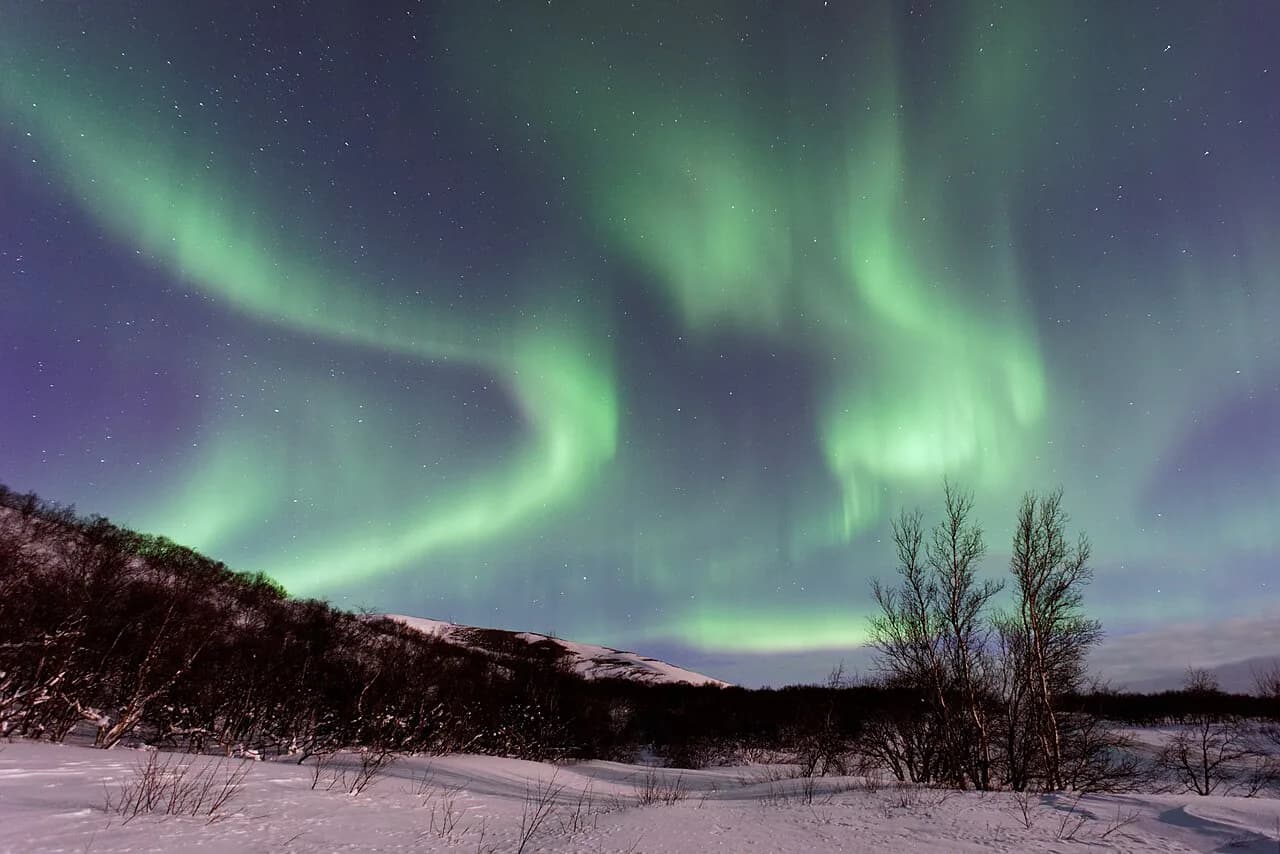
Reykjavík is a small, bright capital on a dark island, which makes it a practical base for an aurora trip rather than a viewing platform in itself. Aurora Reykjavík, the Northern Lights center on Fiskislóð in the Grandi Harbour district, gives you an indoor version of the phenomenon at any hour, on any day of the year, and pairs it with small-group tours that chase clear skies out of the city. It suits first-timers who want the science and folklore explained before heading out, families with children who need a short, warm stop, and photographers who want to practise shooting the lights before the real thing.
What Aurora Reykjavík is and who it suits
The center describes itself as Iceland's original Northern Lights museum and runs as a self-guided experience: you start whenever you arrive and move through the displays at your own pace. A typical visit takes about 45 to 60 minutes, though you can stay longer to rewatch the film or work through the exhibits. It is fully wheelchair accessible, with step-free entrances, accessible restrooms and free on-site parking.
Think of it as preparation rather than a substitute for a night outside. Nothing on the screens is a live sky, so a visit works best early in your trip, before your first chase night, when forecast reading and camera settings still feel abstract. Families with younger children get a warm, compact stop that holds attention; photographers get hands-on practice with an aurora photo simulator.
Where it sits in Grandi Harbour and how to reach it
The address is Fiskislóð 53, 101 Reykjavík, in the Grandi Harbour area, about a 10-minute walk from the city center. Bus lines 3 and 14 serve the district, and the hop-on hop-off city bus stops nearby, so you do not need a car to get there.
Grandi is Reykjavík's old harbor quarter, now packed with attractions in walking distance of each other: Lava Show, FlyOver Iceland, Whales of Iceland and the Maritime Museum all sit close by. That makes the museum easy to slot into a short-daylight winter afternoon, when you have a few hours of murk to fill before the evening forecast becomes worth checking.
Opening hours, admission prices and how long to allow
The museum, gift shop and café open daily, all year, from 10:00 to 19:00. The last recommended entry for the full museum experience is 30 minutes before closing. Hours vary by season, so check the day you plan to visit on the Aurora Reykjavík website.
Admission is 3,900 ISK for adults, 3,500 ISK for students with ID and 1,900 ISK for children aged 6 to 16. Student and child discounts are available at the door, and groups of more than ten can arrange group rates. Book online if you want a fixed slot in high season; otherwise the continuous show means there is no timed performance to miss.
You can also visit the gift shop and café without a ticket, which is useful if you are meeting someone or waiting out a snow squall. The shop carries local photography and handmade jewellery, most of it sold only here, and the café serves coffee specialities and Icelandic pastries.
The interactive exhibition: folklore, solar science and forecast reading
The exhibition runs through Arctic myths and folklore, then moves into the science: solar storms, the solar cycle and how charged particles interact with Earth's magnetic field. Touch-screen displays and hands-on stations carry the explanations, and a section on photography gives you concrete tips for your own aurora hunt, including how to set up a camera in the dark.
A forecast section is the most useful part for trip planning, because it teaches you to read activity and cloud cover together rather than chasing a single number. The Icelandic Met Office publishes exactly that pairing: a cloud-cover map where green marks cloud and white marks clear sky, plus an auroral activity scale from 0 to 9 for the selected time. Treat the activity figure as guidance only; a high number under thick cloud shows nothing, and a modest number over a clear horizon can put on a good display.
The 30-minute Northern Lights film and the 360° VR experience
The cinema shows a 30-minute film, Iceland Under the Northern Lights, built from footage shot around the country by the museum's founders and contributing photographers. You watch from bean bags, and the film runs continuously, so there is no start time to plan around.
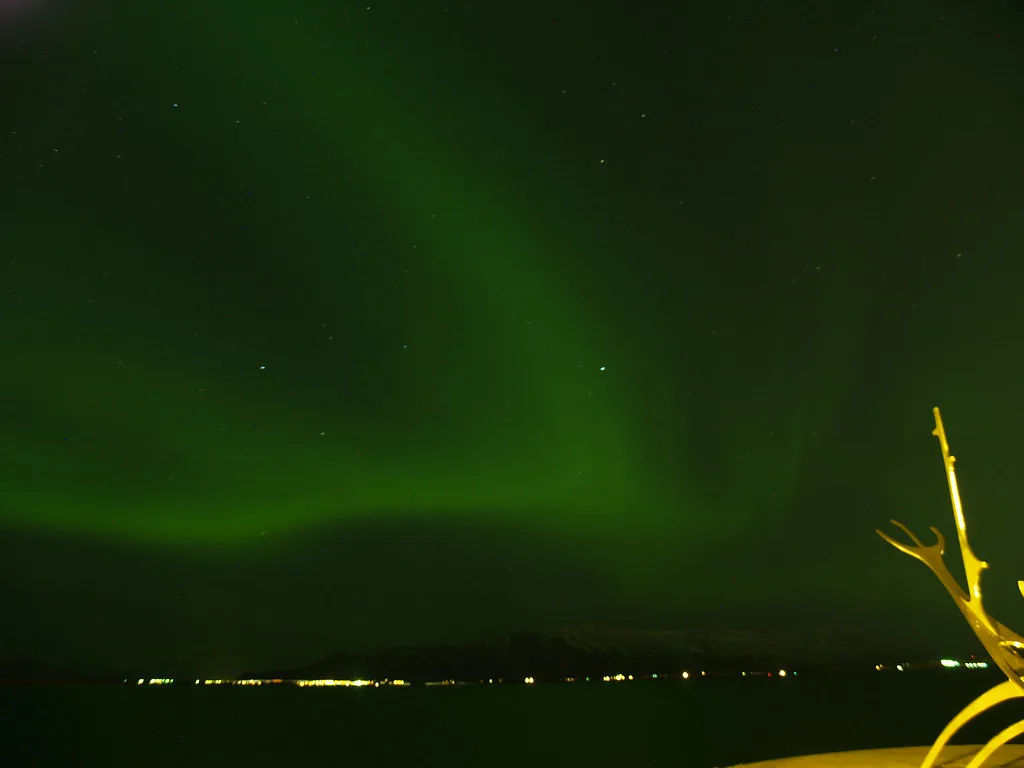
The 360° VR experience uses real aurora footage filmed in remote Icelandic landscapes, and the museum bills it as the world's first of its kind. It is the closest thing here to standing under a strong display, and it lands well with children and with anyone whose trip dates turn out cloudy.
Audio guides, languages and the gift shop and café
QR-code audio guides are available in English, German, Icelandic, Italian, French, Spanish, Mandarin and Cantonese, and written guidebooks cover Dutch, Polish and Czech as well. Bring your own headphones for comfort. Allow a little extra time if you plan to listen to the full commentary rather than skim the panels.
The café and shop need no admission and are open the same daily hours as the museum, making them a sensible meeting point in Grandi before an evening tour pickup. Photography in the gallery is a quiet highlight: the aurora images on display are the kind of reference shots that help you judge your own camera settings later.
Aurora tours booked through the museum: minibus, super jeep and private
The museum works with a network of local guides to run small-group aurora tours by minibus or super jeep, plus private departures, from late August to mid-April. The format follows real-time forecasts to clear-sky spots around southwest Iceland, which is the main argument for joining one: the driver watches cloud and activity while you watch the road.
Choose a minibus if you want the lowest per-person cost and do not mind sharing the night with a dozen or so others. A super jeep costs more but reaches rougher tracks and smaller clearings, and a private tour gives you control over when to stop and how long to stay out. Families, photographers and first-time visitors are all served by the same logic: the guide handles winter driving and forecast interpretation so you can concentrate on the sky.
No operator can promise a sighting, and a tour is a bet on conditions rather than a ticket to the lights. Book your first available night rather than your last, so a cloudy evening leaves room to rebook.
When the aurora season runs and how to read the cloud forecast
Iceland's aurora tours run from late August to mid-April, which matches the dark part of the year around the Arctic Circle. Outside that window the nights are too bright for a display to register against the sky. The best time to see the northern lights sits inside that season, with the deepest darkness in midwinter and the most comfortable temperatures in early autumn and late spring.
Use the Met Office map the way locals do: slide through the coming nights, find the white patches, and match them against the activity scale for the same hour. The page also gives sunset, darkness and moonrise times for Reykjavík, which matter more than most travelers expect because a bright moon washes out faint arcs. Cloud is the variable you can plan around; solar activity is not.
Self-guided chasing from Reykjavík versus a guided minibus night
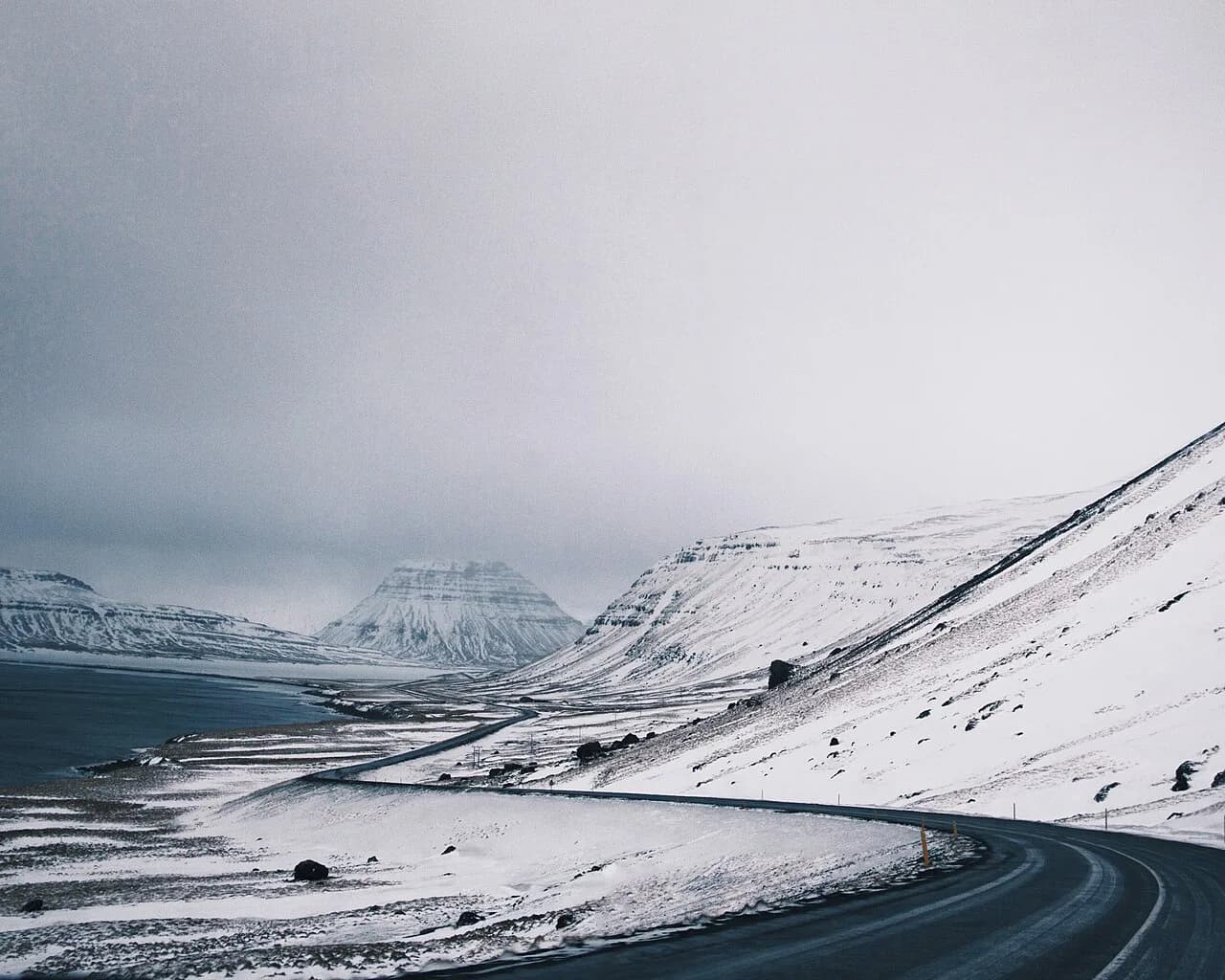
Driving yourself means watching the same forecast and choosing a direction, typically away from the city glow and toward the clearer southwest. The catch is winter roads after dark, unfamiliar gravel, and the fact that you cannot study the sky while driving. Renting a car pays off only if you have several nights and are comfortable behind the wheel on icy patches.
A guided minibus night removes those problems and usually costs more per head than fuel and a rental split between two. In town, light pollution limits what you can see from most hotel windows, so walking out to the water at Grótta lighthouse or the Seltjarnarnes shore is the realistic self-guided option when the forecast is strong. Even then, the coast can sit under low cloud while twenty minutes inland is clear. If you are weighing a base for several chase nights, compare this city setup with our northern lights in Vík guide before you commit.
Nearby Grandi Harbour attractions to pair with a visit
Lava Show sits beside the museum and is the only live lava demonstration of its kind, which makes an easy double bill on a stormy day. FlyOver Iceland and Whales of Iceland are both within the same harbor cluster, and the Maritime Museum rounds out the area.
If you want warm water rather than warm exhibits, the Sky Lagoon sits on the same stretch of North Atlantic coast and pairs naturally with an afternoon in Grandi. Farther afield, the Secret Lagoon in Flúðir fits a Golden Circle day and gives you an inland dark-sky stop on the drive home.
How many nights to plan in Reykjavík for a fair chance of clear skies
Give Reykjavík at least three nights and preferably four or five between late September and late March. Cloud dominates Icelandic weather, and a single booked night is a coin toss; consecutive nights let you take a tour early and rebook if the first attempt is washed out.
Build the museum into your first full day, then keep the evenings free for whichever night looks clearest on the forecast. If your dates are locked to a short trip, book a tour for your first possible night and hold the rest as backup rather than spreading your hopes evenly.
Plan Your Visit
Aurora Reykjavík works as the indoor half of an aurora trip: it explains the science, shows you what a strong display looks like on a 30-minute film and a VR headset, and hands you the forecast skills to judge the nights ahead. Pair it with a minibus or super jeep night early in your stay, and keep a spare evening in reserve.
Adults pay 3,900 ISK, students 3,500 ISK and children 6 to 16 1,900 ISK, with hours from 10:00 to 19:00 daily that shift with the season. The museum sits a 10-minute walk from the city center at Fiskislóð 53, so you can combine it with the rest of Grandi Harbour in a single afternoon.
Frequently Asked Questions
Can you see the Northern Lights in Reykjavík itself?
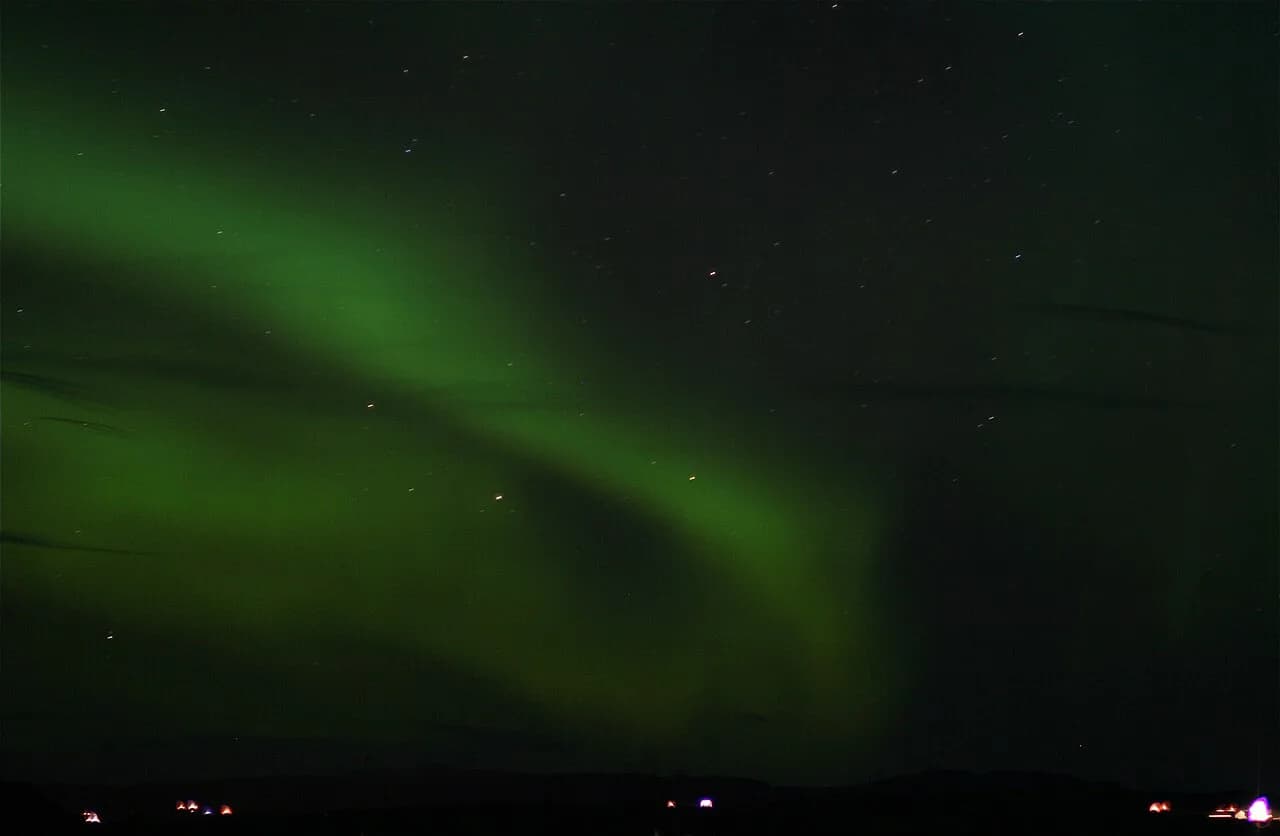
Occasionally, when a strong display coincides with clear skies and you get away from streetlights, but the city glow works against you. The realistic self-guided spots are the shoreline at Seltjarnarnes and Grótta, where you look out over dark water. Most travelers improve their odds by joining a minibus or super jeep tour that drives to clearer spots in southwest Iceland.
What is Aurora Reykjavík and is it worth visiting?
It is an indoor Northern Lights center at Fiskislóð 53 in the Grandi Harbour district, with an interactive exhibition on aurora science and folklore, a 30-minute film and a 360° VR experience built from real aurora footage. It is worth an hour of a winter afternoon, especially early in a trip, because the forecast and photography sections make your night chasing more effective. It does not show live aurora.
How much does Aurora Reykjavík cost?
Adult admission is 3,900 ISK, students with ID pay 3,500 ISK and children aged 6 to 16 pay 1,900 ISK. Student and child discounts are available at the door and group rates apply for groups of more than ten. Check the museum's site for current ticket options.
How long does a visit to Aurora Reykjavík take?
Plan on about 45 to 60 minutes for the exhibition and film, though you are welcome to stay longer and rewatch the movie. The experience is self-guided, so you start whenever you arrive, and last recommended entry is 30 minutes before closing.
Does Aurora Reykjavík run Northern Lights tours?
Yes. The center works with local guides to offer small-group minibus and super jeep tours plus private departures, running from late August to mid-April. The guides follow real-time forecasts to clear-sky spots around southwest Iceland rather than sticking to a fixed route, which is the main reason to book through them instead of driving yourself.
When is the best month to see the aurora in Iceland?
The aurora season runs from late August to mid-April, when nights are dark enough for a display to register. September and March usually balance reasonable darkness with milder conditions, while midwinter offers the longest nights but harsher weather. Whatever month you choose, cloud cover decides the outcome more than the calendar.
How do I check tonight's aurora forecast in Iceland?
Use the Icelandic Met Office aurora page, which combines a cloud-cover map with an activity scale from 0 to 9 for the selected hour, plus sunset, darkness and moonrise times for Reykjavík. Read the cloud map first: white means clear sky and green means cloud. Treat the activity number as guidance, not a guarantee of what you will see.
What else is near Aurora Reykjavík in Grandi Harbour?
Lava Show sits beside the museum, and FlyOver Iceland, Whales of Iceland and the Maritime Museum are all a short walk away, so you can fill a short winter afternoon in one district. The Sky Lagoon on the nearby coast makes a good warm-up afterward, and all of it is reachable on foot, by bus line 14 or by hop-on hop-off bus.
Sources
Notes for your Arctic winter trip
Optional updates to our northern lights guides.
You might also like

Continue reading
More guides you'll find useful