Secret Lagoon Iceland: Flúðir's Oldest Hot Pool Guide
Secret Lagoon in Flúðir is Iceland's oldest geothermal pool, fed by hot springs at 38–40°C. What to expect, how it fits a Golden Circle day and aurora nights.
On this page
Secret Lagoon in Flúðir gives you Iceland's oldest geothermal pool as a warm, low-key stop: steam rising off a stone-edged basin, moss-covered lava rock around it, and a small geyser spouting beside the walking path. It suits travelers driving the Golden Circle who want a natural soak instead of a designed spa, and it earns its place on a winter itinerary because the water stays hot even when the air outside is close to freezing.
What the Secret Lagoon is
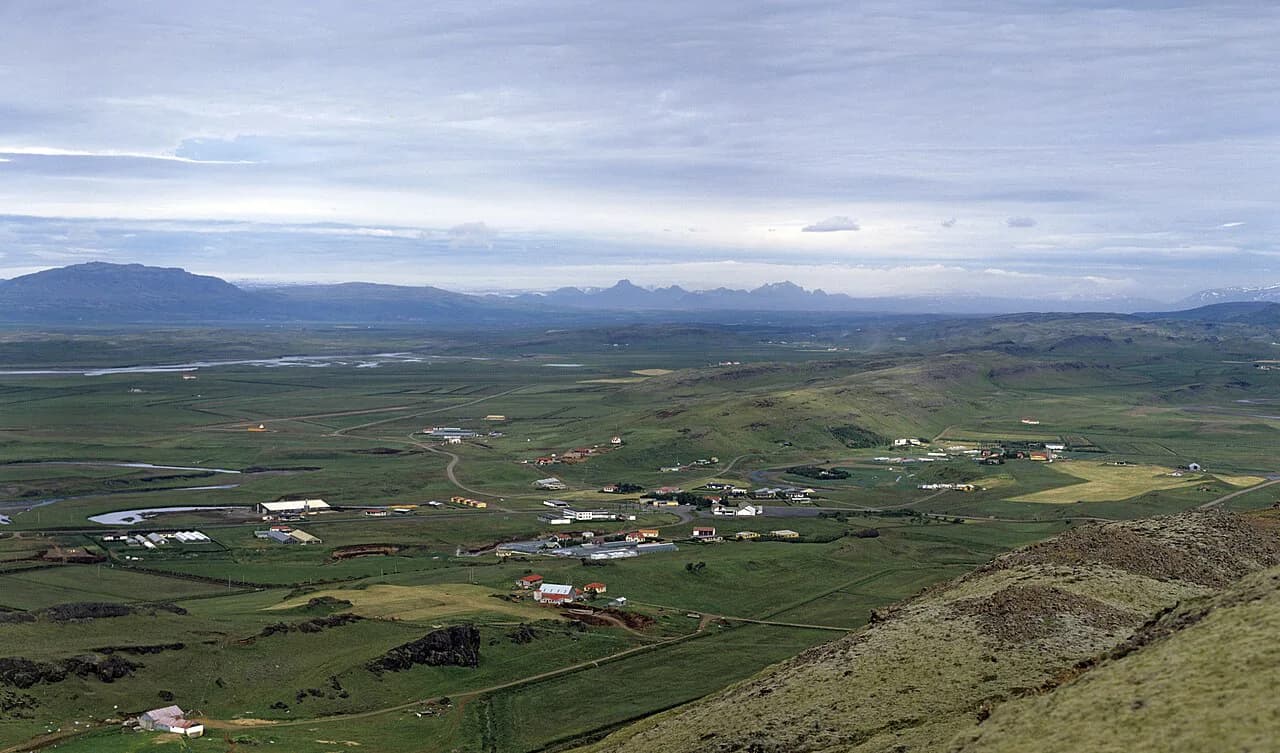
Secret Lagoon, known in Icelandic as Gamla Laugin or the old pool, sits in the quiet village of Flúðir in southwest Iceland. It is the country's oldest geothermal pool and is fed by bubbling hot springs rather than a power plant, which is why the setting reads as raw ground with warm water in it rather than a polished bathing complex.
The pool was built in 1891 and is still supplied by the surrounding springs, so the experience is closer to bathing in a piece of local history than visiting a modern attraction. That character is the main reason to choose it: travelers who want steam, mossy stones and quiet over swim-up bars and luxury changing rooms tend to prefer it.
Where Flúðir sits on the Golden Circle
Flúðir lies in the Golden Circle area, the loop that links Þingvellir, the Geysir geothermal field at Haukadalur and Gullfoss. That makes the pool a natural add-on or alternative stop on the loop rather than a separate expedition.
The practical decision is whether the pool replaces or extends your other stops. A Golden Circle day already carries a lot of driving and short walks, so slotting the Secret Lagoon in as the day's final soak works better than squeezing it between Geysir and Gullfoss. Check road conditions and daylight before committing, since winter driving in this part of Iceland depends on the forecast that day.
The water: 38–40°C, continuously refreshed
The water holds a steady 38–40°C year-round, warm enough to stay comfortable while the air above it is cold. It is fed by springs including Vaðmálahver, Básahver and Litli Geysir, and because the flow is continuous the basin refreshes itself within about 24 hours.
Expect the bottom to be uneven gravel and mineral silt rather than a smooth tiled floor, so enter slowly and pick your footing. Heat varies across the basin, and the area near the burbling vent runs hottest. That unevenness is part of the natural-pool trade-off: you get authenticity and mineral-rich water instead of predictable spa comfort.
Steam, lava rock and the spouting geyser
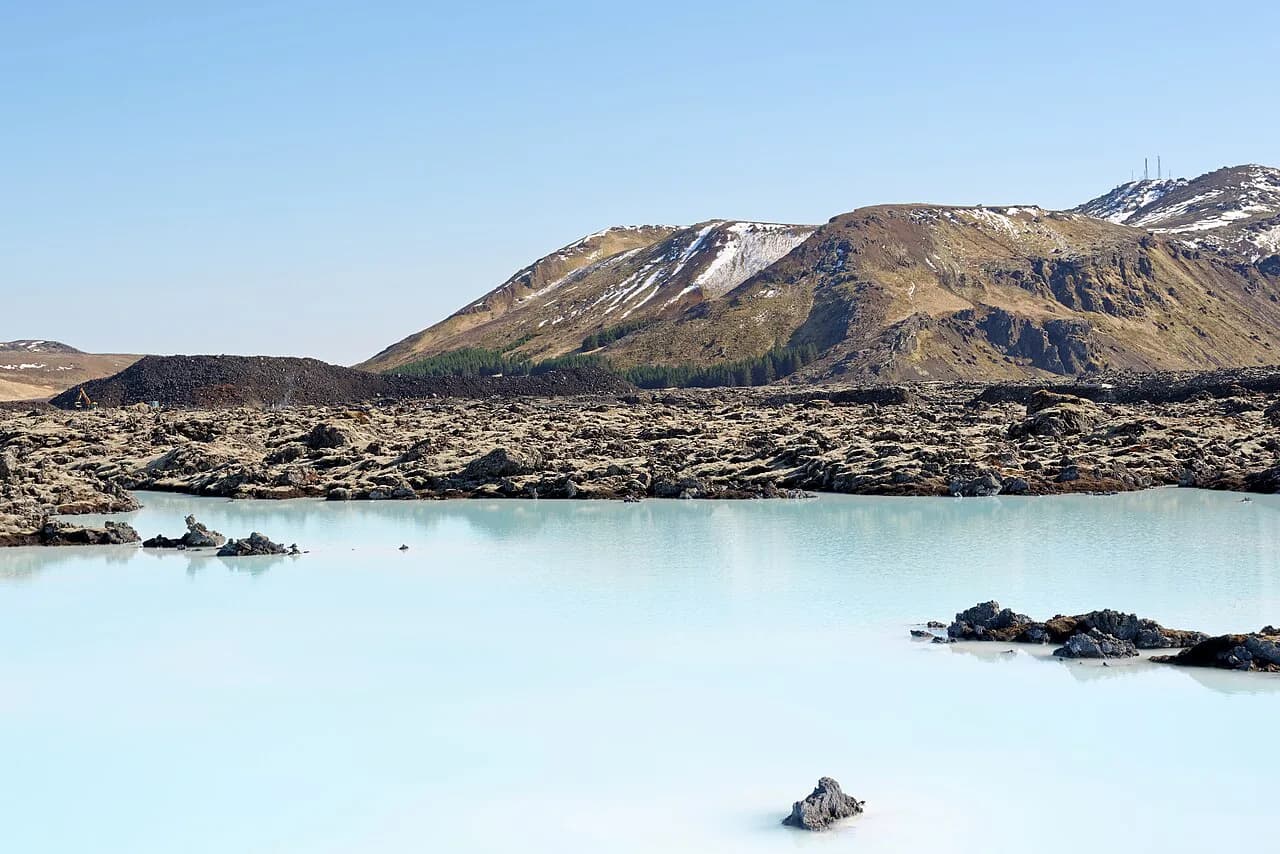
Around the pool, lava rocks are blanketed in moss and small hot springs bubble up, with Litli Geysir erupting every few minutes. A walking path lets you watch the spouting springs before or after your soak, which makes the visit more than a dip.
Steam drifting over the water is the defining image in winter and the reason photographers linger, but it also fogs the surface and hides the far bank. Bring protection for electronics if you plan to shoot near the pool, and keep devices away from the rising steam.
How a visit runs: showers, lockers and the walk out
Before you enter, you watch a short video covering the pool's history plus safety and hygiene rules. Shoes come off in the changing rooms, and in line with Icelandic public-pool custom everyone showers fully naked before getting in, in open stalls rather than private cubicles. It is quick and unremarkable to regulars, but it is the detail that surprises first-time visitors most.
From the changing room you walk outside to the pool, which is the coldest few seconds of the visit when air temperatures sit near freezing. Towels and swimsuits can be rented on site for an extra fee, so a forgotten suit does not end the visit. Locker space handles bags and jewelry; silver and delicate pieces are better left off, since geothermal minerals can tarnish them.
Soaking in winter
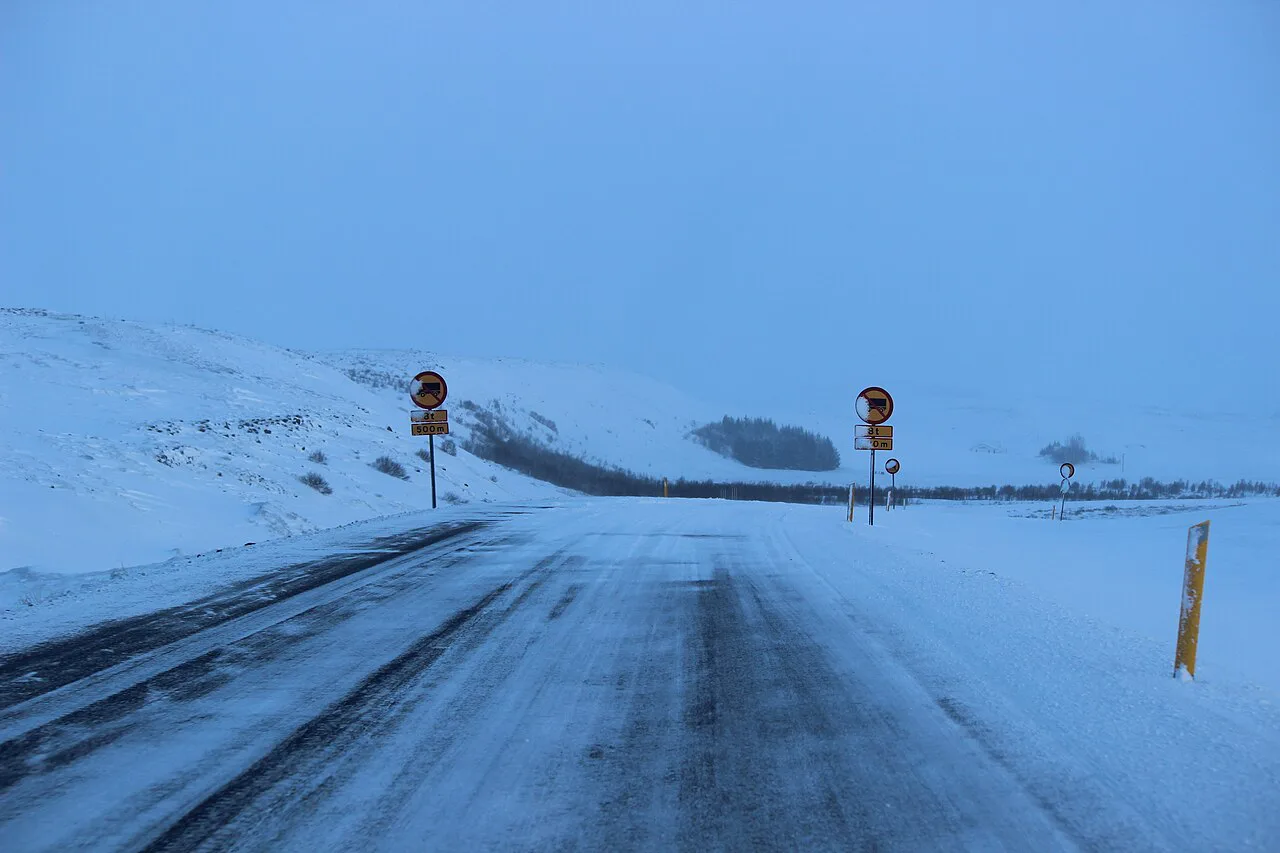
Winter soaking here is a contrast exercise: 38–40°C water, cold air above it, and a short dash between the two. Many visitors take steam breaks, stepping out into the cold breeze for a moment before sinking back in, which sharpens the sensation and keeps you from overheating. That rhythm is what makes a winter visit memorable rather than merely warm.
Is the Secret Lagoon an aurora spot?
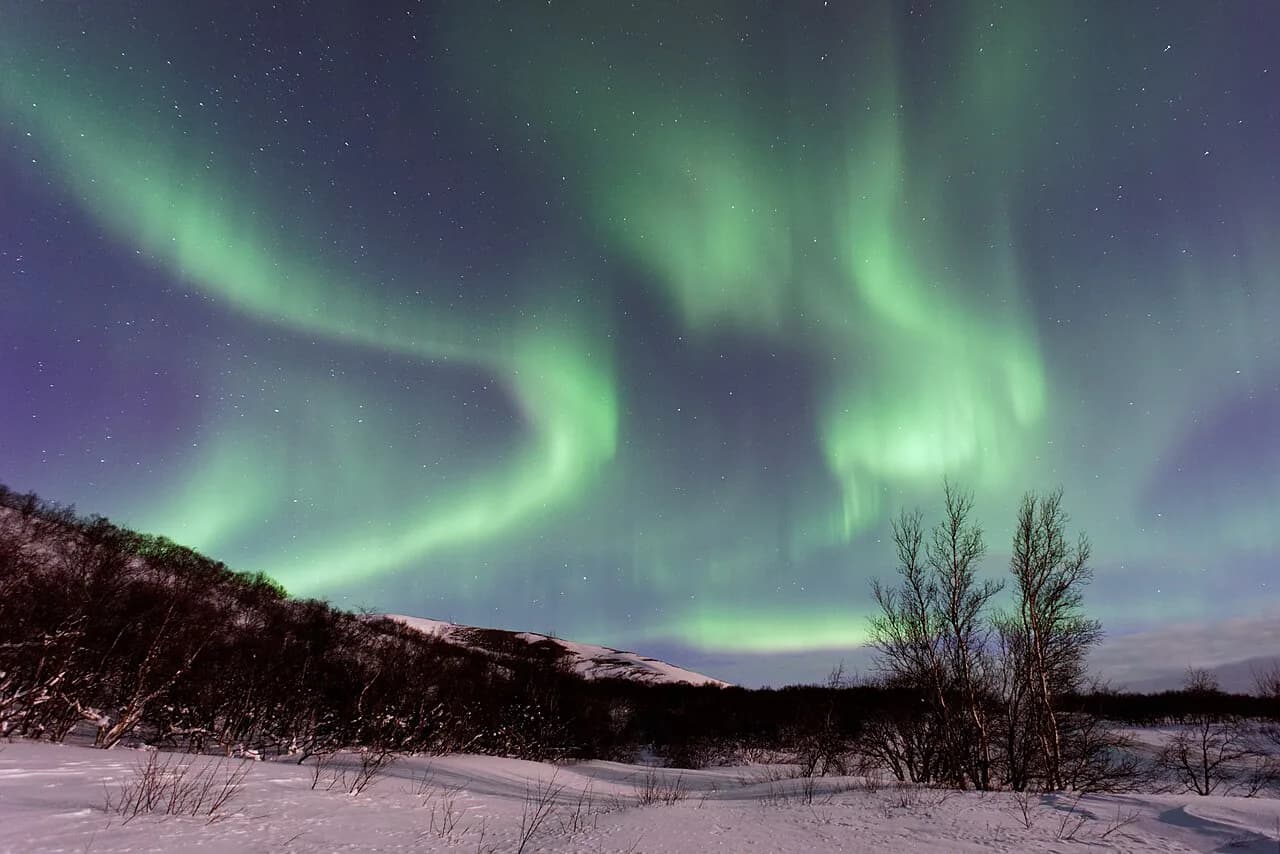
A geothermal pool is not a dark-sky viewing site. The Secret Lagoon sits beside a village and its own buildings, steam rises constantly over the water and around you, and the draw here is the soak, not the sky. Treat it as an evening stop on a Golden Circle day rather than a place to base an aurora chase.
If seeing the aurora matters on your trip, plan dedicated dark-sky nights away from village lights, and read up on the best time to see the northern lights before you fix dates. Operators run guided searches from Reykjavík and other bases, and a self-drive chase works only when you know the cloud forecast and road conditions. Clear skies and solar activity decide the outcome, and no pool soak improves either. If you prefer to base a chase south of the city, our northern lights in Vík guide covers the dark-sky spots and timing there.
How it compares with the Blue Lagoon and Sky Lagoon
The Blue Lagoon is the famous milky-blue spa heated by a nearby geothermal power plant, with designed facilities and a luxury feel. The Secret Lagoon takes the opposite approach: an entirely natural, unmanicured pool in a small village, chosen by travelers who prefer moss and steam to polished changing rooms.
Closer to Reykjavík, the sky lagoon offers a designed geothermal spa with ocean views on the North Atlantic edge of the capital region. Choosing between them comes down to setting: village quiet and a historic pool here, or a coastal spa experience within easy reach of the city.
Tickets, facilities and the on-site cafe
Entry is ticketed, and tickets are sold through tour and activity booking sites as well as at the pool. Prices and opening hours change with the season, so check the Secret Lagoon's own listing before you drive out. The on-site cafe serves snacks and drinks, and outside food is not allowed, so eat a light meal before arriving rather than planning a picnic.
Rental of swimsuits and towels is available for an extra fee, and lockers and changing rooms are on site. Bring a water bottle, since the heat dehydrates more than you expect, and keep hair tied back to limit mineral buildup. Facilities are functional rather than plush, which matches the pool's character.
Who it suits
The Secret Lagoon suits travelers who want a natural soak with history behind it, photographers drawn to steam and erupting springs, and families looking for an easy, low-key stop on the Golden Circle. It rewards people who are comfortable with communal showering and uneven footing in the water.
It is less suited to travelers who want a full spa day with lounges, treatments and smooth surfaces; the Blue Lagoon and Sky Lagoon serve that market better. If your priority is comfort and design, choose one of those and treat Flúðir as a shorter add-on. If your priority is character, this is the pool.
Nearby stops and how many nights to allow
Base yourself in Reykjavík or along the Golden Circle for two to three nights if the aurora is a goal, keeping one evening flexible for a clear-sky window. The Secret Lagoon slots into one of those days, and the long dark nights from late August to early April give you the best chance of a clear evening. If you want a lodge outside the city lights, Hotel Rangá in South Iceland is a known aurora-focused base with its own observatory.
Combine the soak with Geysir, Gullfoss and Þingvellir on the same loop, or link it to guided iceland northern lights tours if you would rather not drive at night. Keep the pool as the evening's warm finish and leave the dark hours after it for the drive back or a chase, not the other way round.
Eating, drinking and preparing for the soak
One practical question the guide does not yet answer is how to time a visit around food and drink. Eat a light meal beforehand, because spending time in hot water on an empty stomach can cause dizziness. Outside food is not allowed at the site, so eat before arriving; the on-site cafe offers snacks and drinks if you need something once you are there.
Hydration matters more than you might expect. The warm geothermal waters make you sweat more than you think, so keep a water bottle in your backpack and drink regularly between dips. Packing a few items makes the soak easier: a swimsuit, a quick-dry towel, a water bottle, a hair tie or clip, optional flip-flops for the walk between the locker room and the pool, travel-size toiletries to rinse away minerals afterwards, a waterproof phone bag for photos near the lagoon, and moisturizer for skin left thirsty by the heat, steam and dry air.
The pre-swim ritual has its own rules. A short video explains the history of the pool along with safety and hygiene guidelines. Shoes are not allowed in the changing rooms, and in true Icelandic fashion everyone is expected to shower completely naked before entering the pool — not behind curtains or in private stalls. No one really cares, and after the first few seconds of hesitation it feels liberating.
A little grooming helps too. Before soaking, gently brush or comb your hair to remove tangles and knots; if it is long, braid it or tie it in a bun to keep it off and minimize friction in the mineral-rich water. After your final shower, apply moisturizer to lock in moisture.
Plan Your Visit
The Secret Lagoon works best as a warm, unhurried close to a Golden Circle day: a historic 38–40°C pool, steam over mossy lava, and Litli Geysir spouting nearby. Book a ticket, expect a communal shower and uneven gravel underfoot, and keep your aurora ambitions for a separate dark-sky night with a clear forecast.
Frequently Asked Questions
Is the Secret Lagoon worth visiting in winter?
Yes, if you want a natural soak rather than a spa. The water holds a steady 38–40°C while the air outside is near freezing, so the short walk from the changing room is bracing and the pool itself is comfortable. Steam over mossy lava and the spouting Litli Geysir make it photogenic, and the visit makes a fitting close to a Golden Circle day.
How hot is the water at the Secret Lagoon?
The pool stays at roughly 38–40°C year-round, fed continuously by surrounding hot springs. Heat varies across the basin, with the area near the burbling vent running hottest, so enter slowly and find the spot that suits you.
Can you see the northern lights from the Secret Lagoon?
The pool is not a dark-sky viewing site: it sits beside a village, and steam rises over the water, so treat it as an evening soak rather than an aurora chase. For a proper attempt, plan dedicated nights away from town lights and watch the cloud and solar forecasts; clear skies and solar activity decide whether the aurora appears.
What is the difference between the Secret Lagoon and the Blue Lagoon?
The Secret Lagoon is an entirely natural, historic pool in the village of Flúðir, with moss, lava rock and simple facilities. The Blue Lagoon is a designed spa heated by a nearby geothermal power plant. Choose Flúðir for character and quiet, the Blue Lagoon for a polished luxury experience.
Do you have to shower naked before entering the Secret Lagoon?
Yes. As at Icelandic public pools, everyone showers fully naked in open stalls before entering, following a short video on history, safety and hygiene. It is quick and routine for locals, though it surprises many first-time visitors.
How long do people usually stay at the Secret Lagoon?
Most visitors soak for roughly an hour, plus time to change and walk the path past the spouting springs. Many stop for a snack at the on-site cafe, so allow about two hours in total, and eat a light meal beforehand since outside food is not allowed.
Is the Secret Lagoon on the Golden Circle route?
It sits in the Golden Circle area, near Flúðir, within a day's drive of Reykjavík and the loop linking Þingvellir, Geysir and Gullfoss. Many travelers use it as the final stop of a Golden Circle day rather than squeezing it between the other sights.
Sources
Notes for your Arctic winter trip
Optional updates to our northern lights guides.
You might also like

Continue reading
More guides you'll find useful