Christmas in Abisko: Dark Days, Deep Snow and Aurora Nights
Christmas in Abisko means deep snow, near-round-the-clock darkness and aurora watching from the national park. Here is how to plan a December stay.
On this page
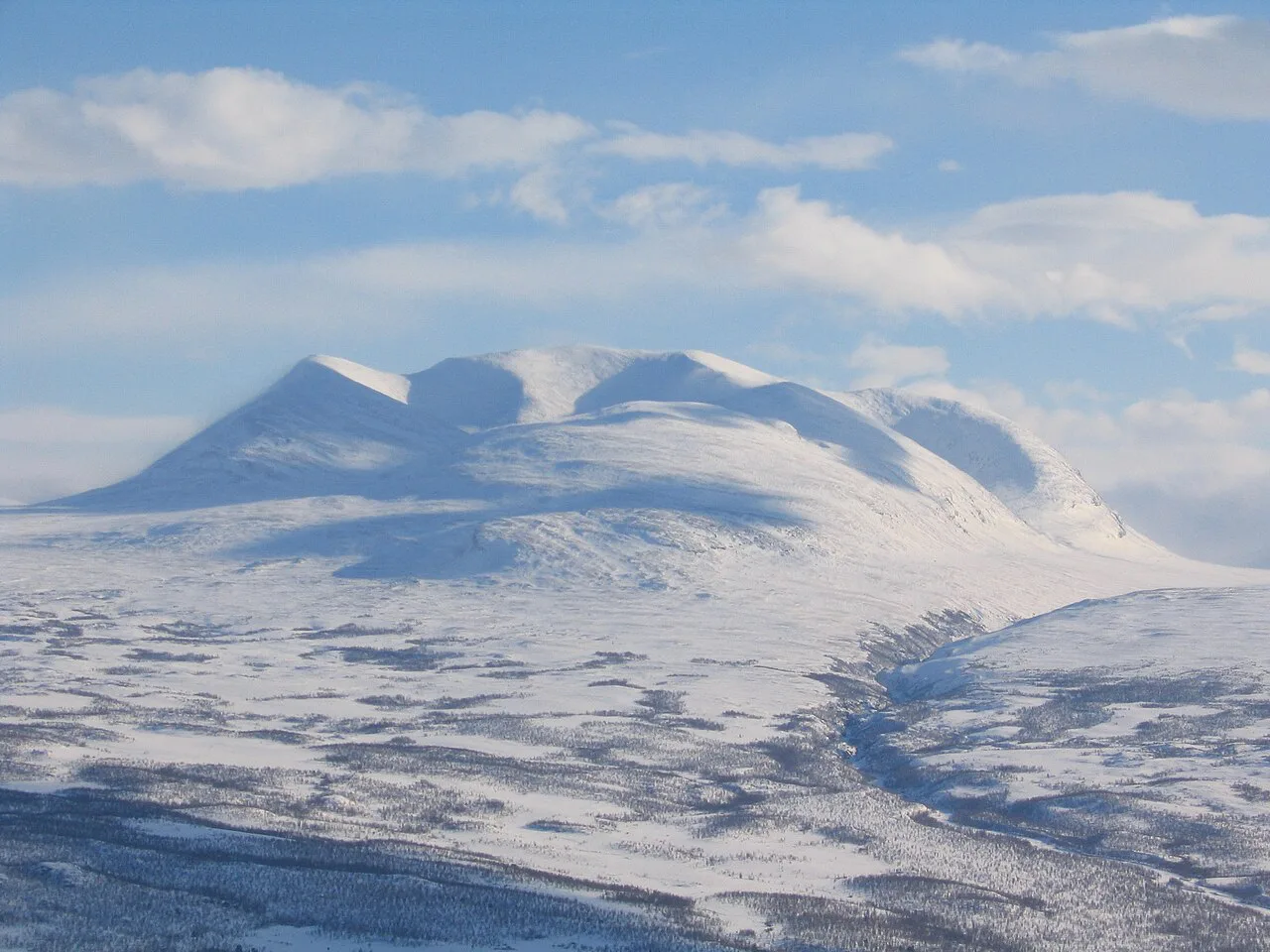
Abisko sits high in Swedish Lapland, inside the Arctic Circle, where December brings snow-covered ground and nights long enough to watch the aurora for hours rather than minutes. The national park begins at the edge of the village, so you can walk into dark, quiet terrain without a bus or a guide. It suits travelers who want a calm Christmas built around dark skies and winter landscapes rather than a resort program of events.
The trade-off is that Christmas here is quiet and very dark. Daylight shrinks to a short blue twilight, daytime activities happen in that narrow window, and aurora watching fills the long evenings. Plan around that rhythm and Abisko makes a strong base; plan a packed sightseeing Christmas and the short days will fight you. If you want a livelier, event-led version of the same season, compare this with Christmas in Luleå.
Why Abisko works for a Christmas aurora trip
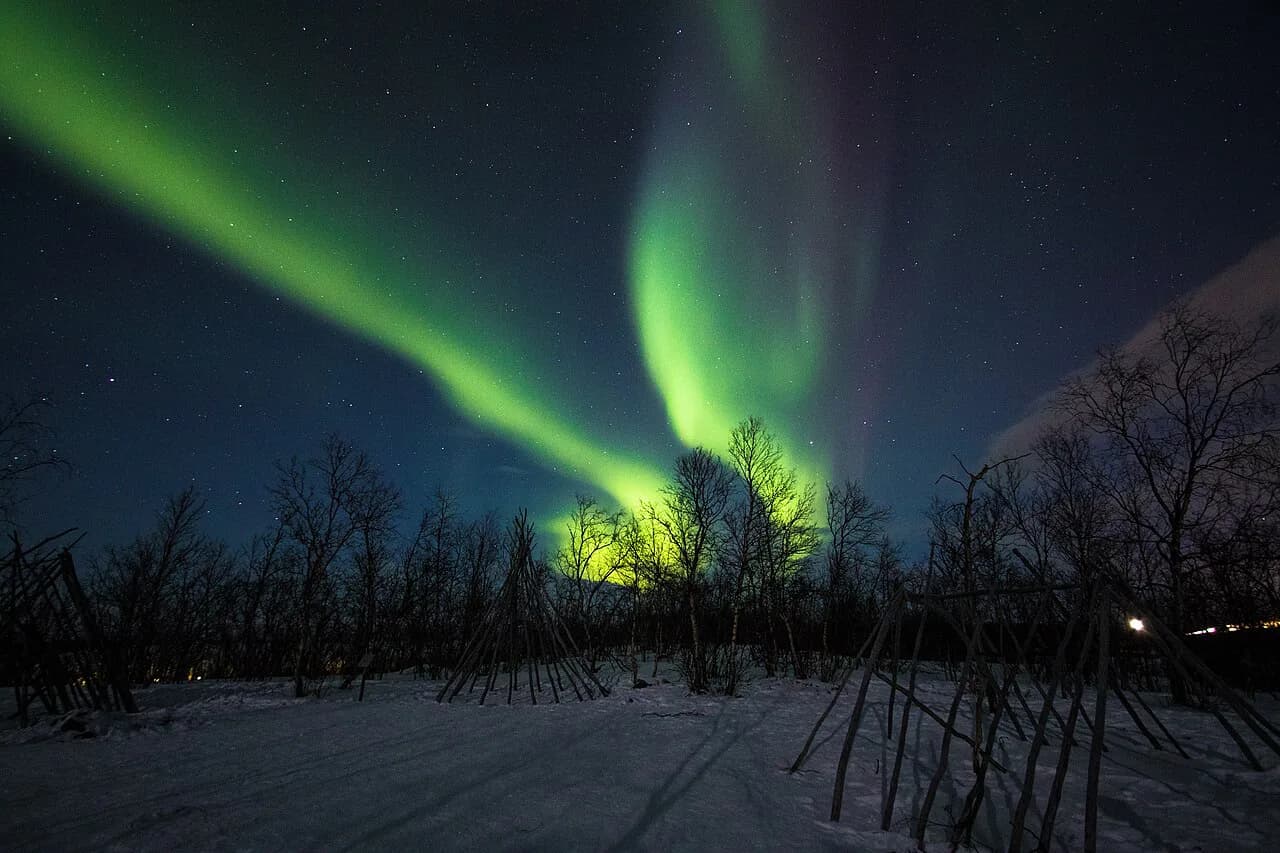
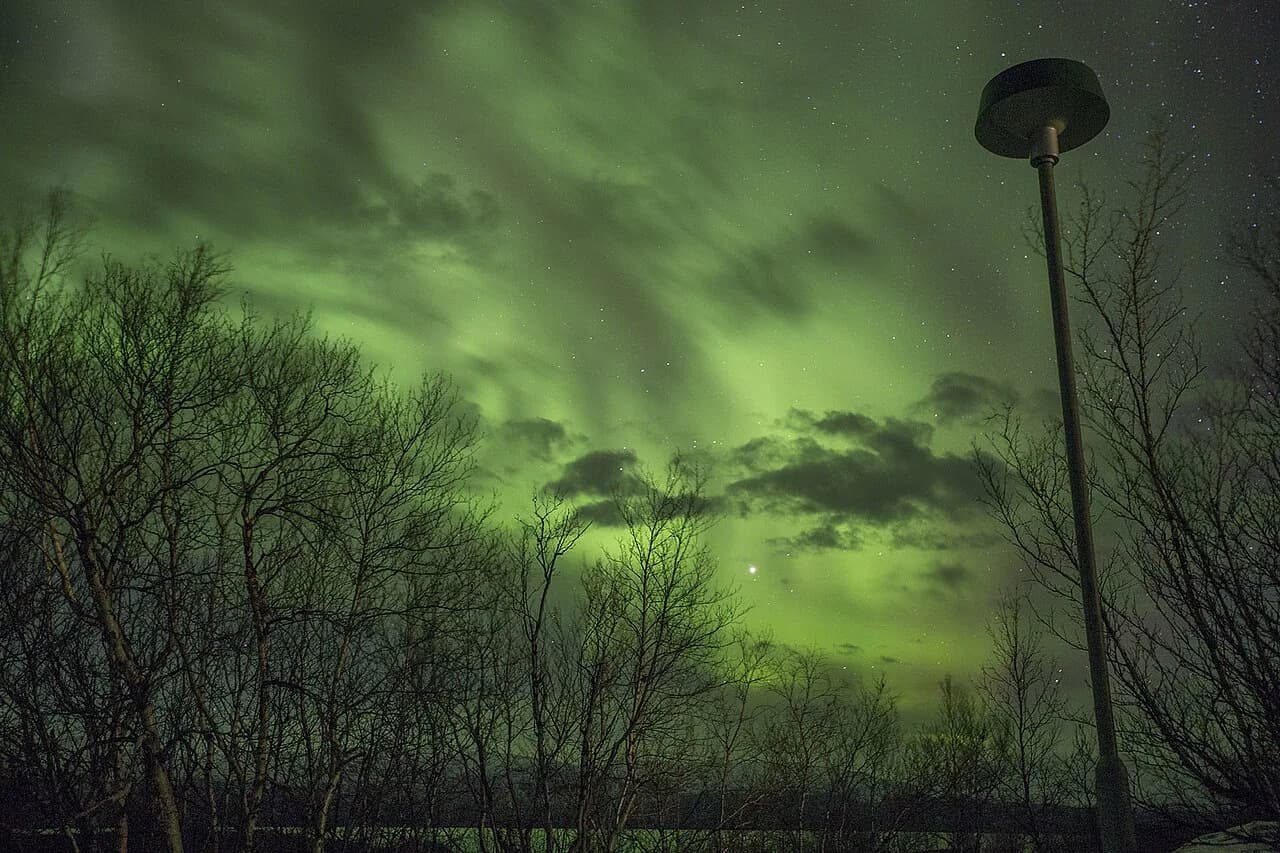
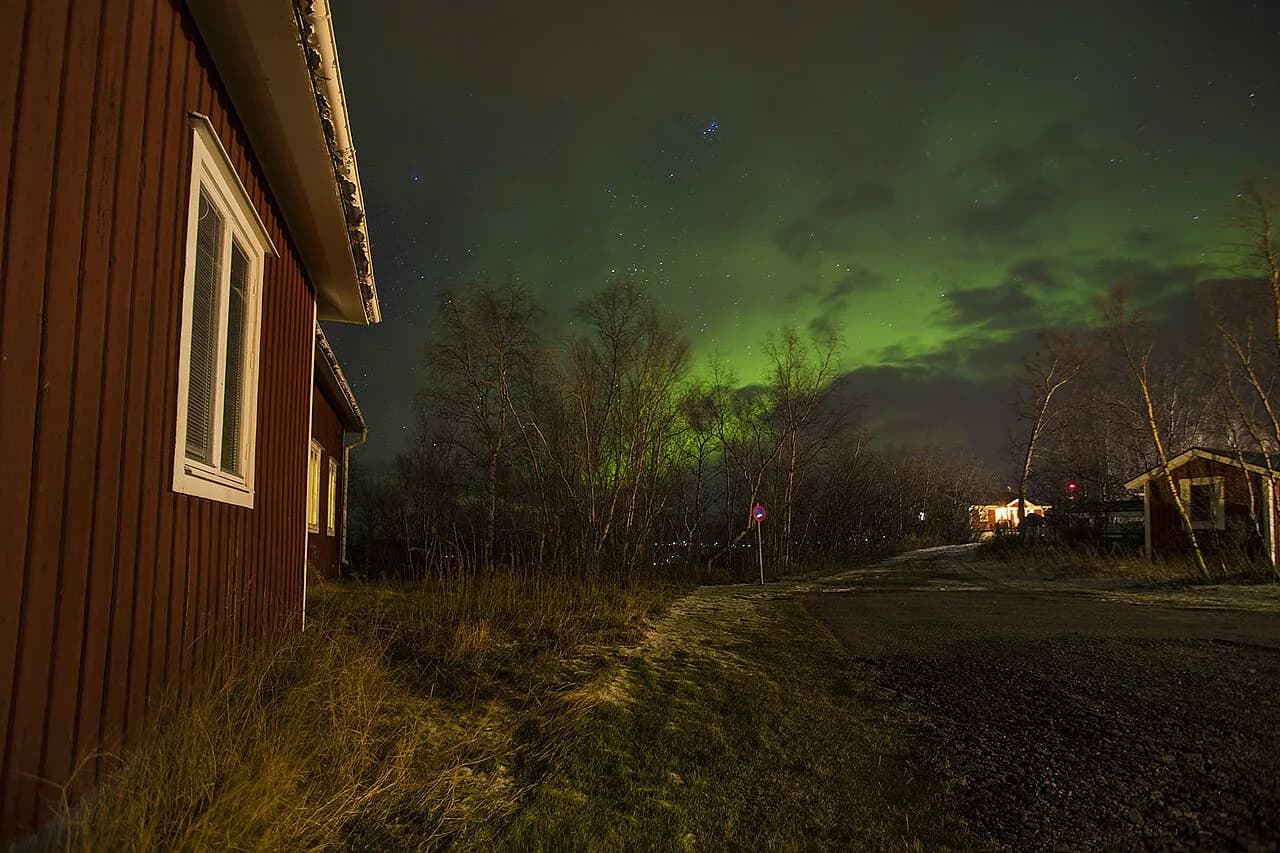
Abisko lies in the auroral oval, the ring around the pole where aurora activity is most frequent, so displays here do not depend on the strong geomagnetic storms that southern latitudes need. The village sits in a broad valley with mountain walls on either side, and the national park stretches west from the settlement along Lake Torneträsk. The combination of latitude, open dark terrain and easy access on foot is what makes the area a practical aurora base rather than just a scenic one.
That said, no location controls the weather. The aurora can be active overhead while thick cloud hides it, so a Christmas trip is partly a gamble on clear skies. What Abisko gives you is the ability to step outside and look whenever a gap appears, night after night, without arranging transport. That flexibility matters more than any single forecast.
When the Christmas period falls in the aurora season
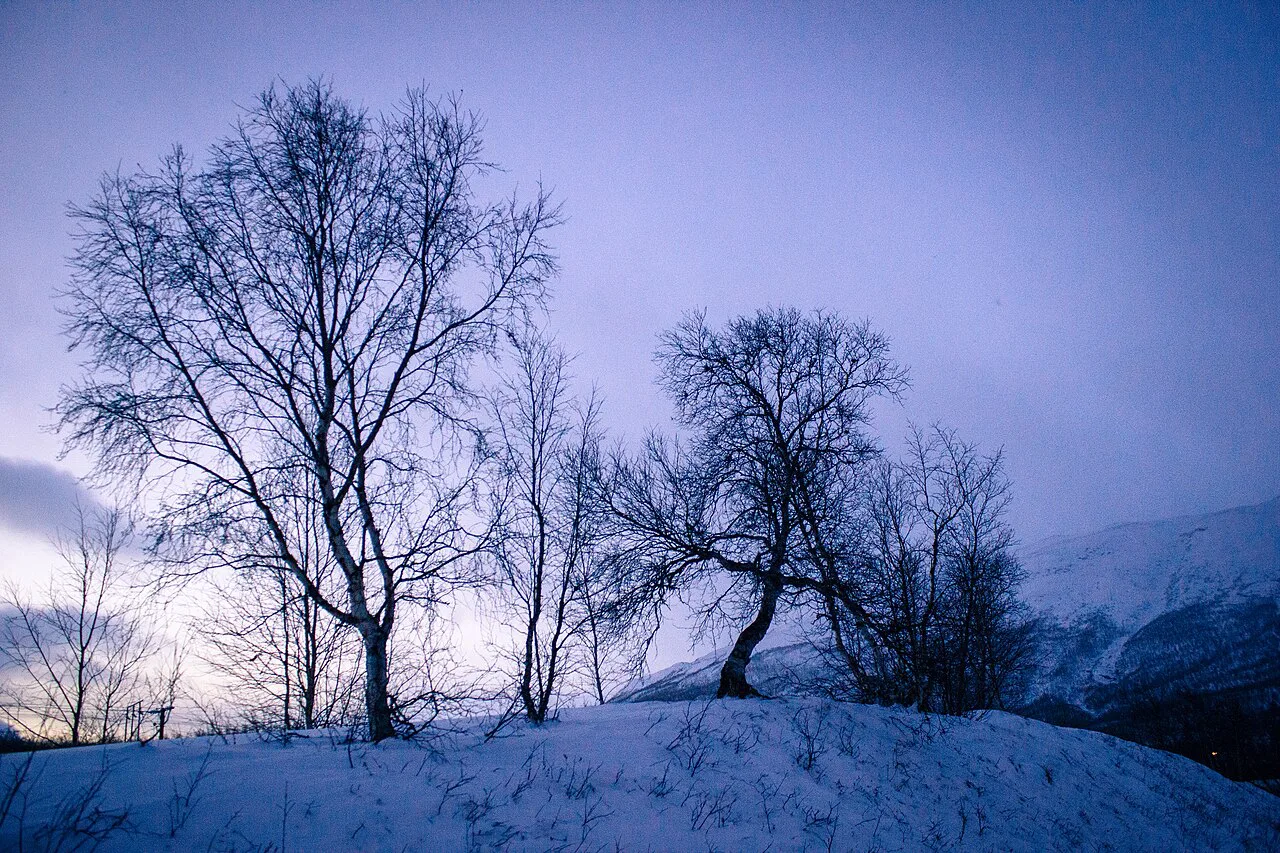
Late December sits deep inside the aurora season, which runs through the dark months from roughly late August to early April. Around the winter solstice, the sun barely clears the horizon at this latitude, so the sky is dark for most of the day and fully dark from mid-afternoon. For aurora watching, that is an advantage: you are not waiting for night to fall, because it never really leaves.
The short daylight window is the constraint on everything else. Hikes, snowshoe walks and photo sessions are squeezed into a few hours of blue light around midday, and December generally brings more snow than November. Build your days around that brief brightness and keep the long dark stretches for rest, sauna and aurora watching.
What December weather delivers
December in Abisko means a settled snowpack and hard winter cold, with temperatures that can drop well below freezing for long stretches. Treat any specific figure as a forecast rather than a planning constant and follow the Swedish meteorological service in the days before you travel. Snow coverage is normally reliable by Christmas, which is what makes the husky, snowmobile and snowshoe side of the trip work.
Cloud is the variable that decides your aurora nights. A clear, cold night after a snowfall often gives the best viewing; a mild, overcast spell can shut the sky down for days. Because you cannot chase the weather on a fixed Christmas booking, the sensible approach is to stay several nights and treat each clear evening as the one that counts.
Christmas day trips to Kiruna and Jukkasjärvi
The Icehotel at Jukkasjärvi, outside Kiruna, is the obvious Christmas excursion from an Abisko base. Visit Abisko runs a seven-hour Explore the Icehotel tour from SEK 1595 that covers the journey and a look around the ice buildings, with the seasonal hotel rebuilt each winter alongside the year-round structure. It is a full-day commitment, so it eats one of your daylight windows and one evening that could otherwise be spent watching the sky.
Reindeer and Sámi culture fit the same day-trip pattern. Visit Abisko lists a seven-hour Visit the Sámi & Reindeer in Jukkasjärvi tour from SEK 1595, which pairs the drive to Kiruna with time among the animals and an introduction to Sámi traditions. Independent travelers can instead reach Jukkasjärvi by local bus from Kiruna. Budget a full day for either option and keep the evening free.
Kiruna itself is roughly an hour from Abisko by rail, which makes it a realistic base for a night or two if you want the Icehotel, husky sledding and reindeer visits without long day trips. Splitting a Christmas stay between Abisko and Kiruna trades the national park's dark-sky convenience for a wider choice of excursions. Neither base guarantees a sighting, so choose based on how much of your trip you want to spend traveling.
Aurora chasing at Christmas: self-guided or guided
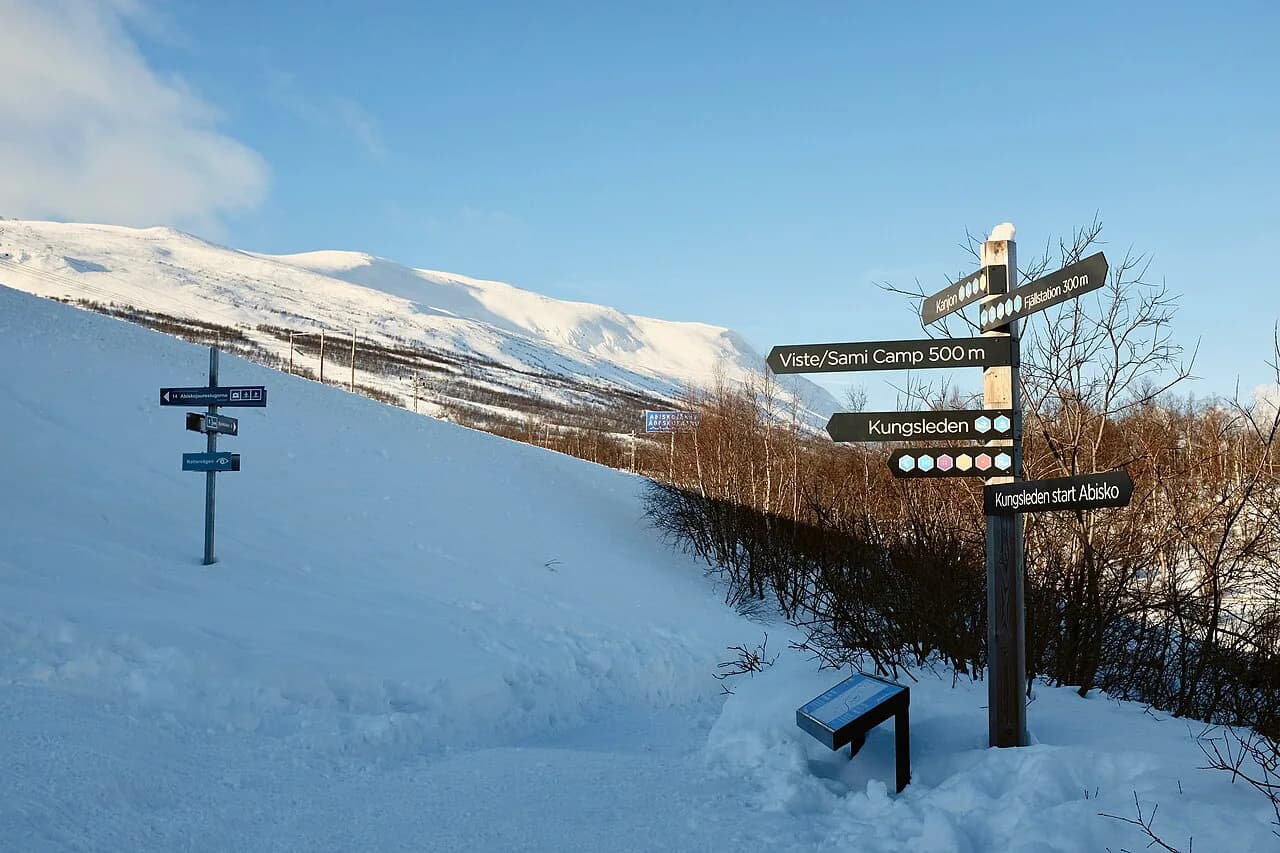
The simplest aurora night in Abisko is a self-guided one. Walk from the village toward the national park along Lake Torneträsk, find a spot away from the lodge lights, and wait. The terrain is gentle and the trail obvious, and because the park begins right at the settlement you can be under dark sky within minutes. Bring a headlamp with a red setting so you do not ruin your night vision or other people's photographs.
Guided nights add interpretation, transport and sometimes photography help. Visit Abisko lists a four-hour Autumn Abisko Aurora Chase from SEK 1095 and a four-hour Ultimate Aurora Photo Adventure from SEK 1595, both built around getting you to clear sky and helping you photograph what appears. The photo version suits travelers who want camera settings sorted out for them; the plainer chase is the cheaper way to let someone else read the forecast.
Tours typically run late into the night and return in the small hours, which is worth weighing against a morning activity the next day. If you have only a few nights, mixing one guided chase with self-guided evenings gives you both a fallback and the freedom to go out when the sky clears unexpectedly.
Aurora Sky Station and Lights Over Lapland
Aurora Sky Station sits on Mount Nuolja above the national park and is reached by chairlift, putting you well above valley cloud and village light. Visit Abisko names it among the headline activities it sells, alongside the photography programs of Lights Over Lapland. The trade-off is fixed timing and a set departure, so you commit to one window rather than roaming at will.
Lights Over Lapland's photo-focused outings are the other well-known option, aimed at travelers who want images rather than just a look. Expect a guide to handle composition and camera settings and to watch the forecast for the group. If photography is the point of your Christmas trip, one of these nights is worth the spend; if it is not, a self-guided walk costs nothing and gives you the same sky.
Snowshoe, snowmobile and husky days
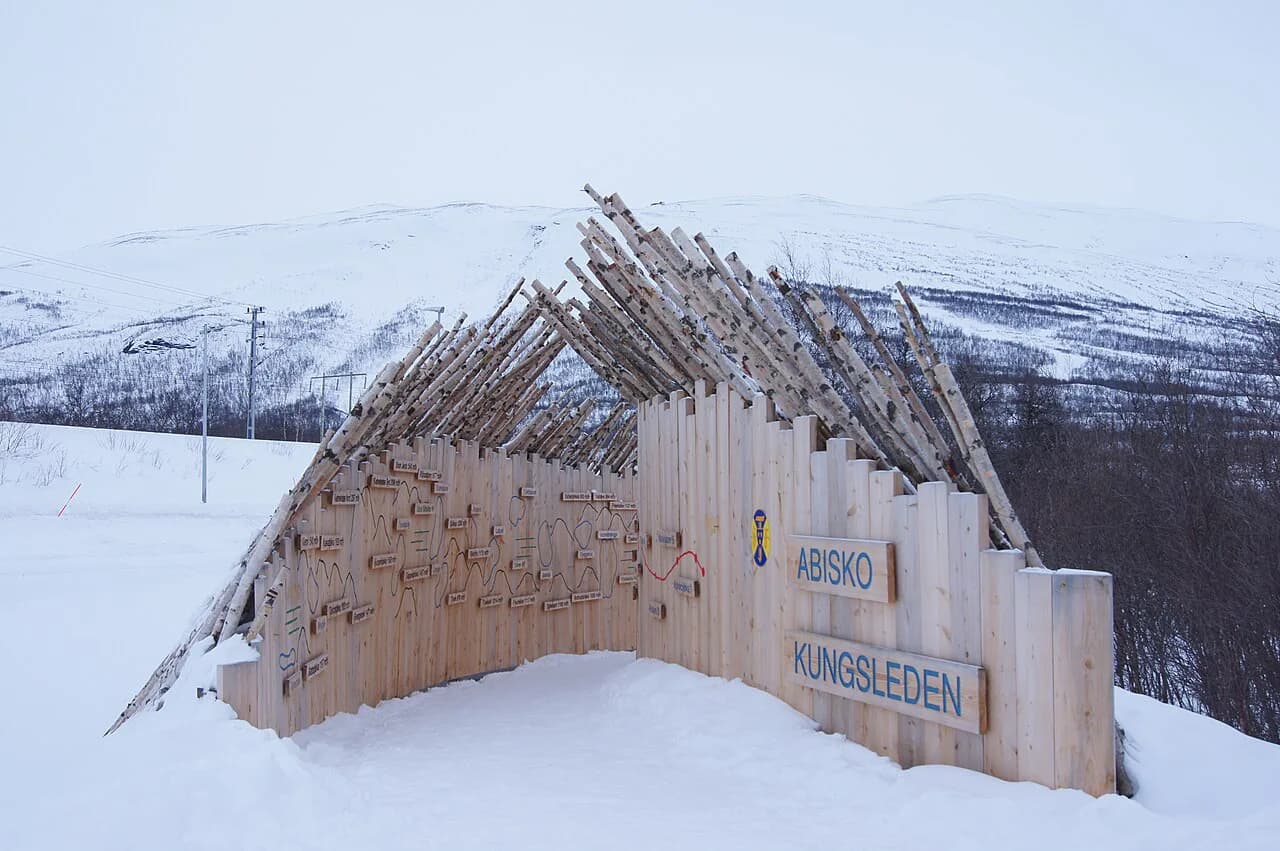
Aurora watching is only part of a Christmas week. Visit Abisko lists a two-hour morning hike in the national park from SEK 799 for anyone who wants a guided introduction to the trails in daylight. Snowshoeing needs no technique beyond walking, so it works well on a family trip or for travelers who would rather not handle a snowmobile.
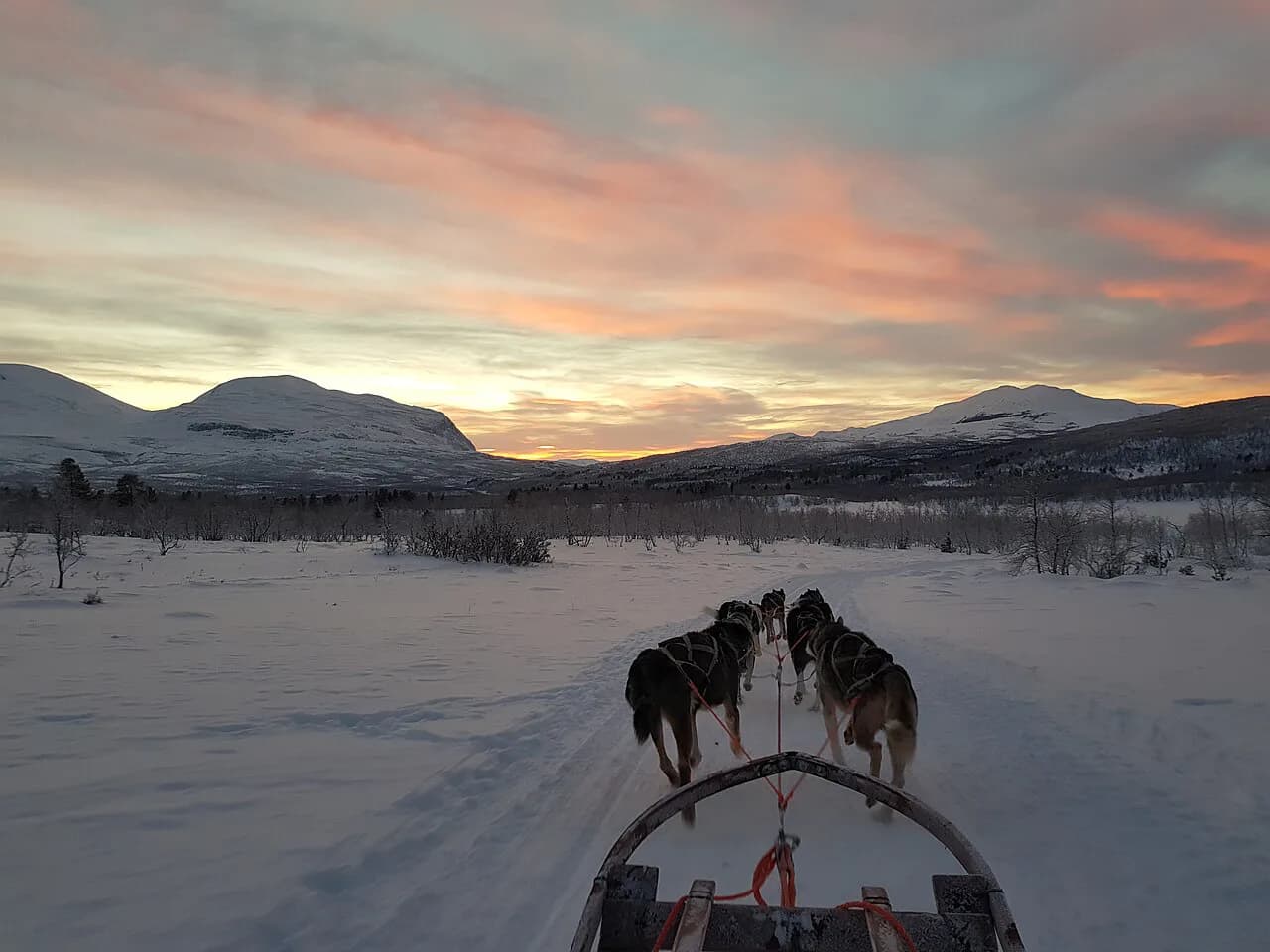
Husky sledding is usually run out of Kiruna rather than Abisko itself. Visit Abisko lists a seven-hour dogsledding excursion to Kiruna from SEK 2500, which means a full day away from the park and a missed evening at home. If a sled ride is the centerpiece of someone's Christmas, book it early and accept the trade-off; if the aurora matters more, keep the day free instead.
Where to sleep: Abisko and Björkliden
Most Christmas visitors base themselves in Abisko village or at the STF Abisko Turiststation, the large hostel-and-hotel complex near the park entrance. The turiststation puts you within walking distance of the trailheads and the chairlift to Aurora Sky Station, which is a real advantage on a dark evening. Smaller lodges in the village offer a quieter alternative, with the same short walk to dark sky.
Björkliden, further west toward the Norwegian border, is a smaller resort with mountain views and its own activities; Visit Abisko sells accommodation and tours there alongside Abisko. Families often prefer the bigger complexes with more services, while couples may prefer the quieter village lodges or Björkliden's mountain setting. Check what is open over 24 to 26 December before booking, since Christmas itself is the quietest stretch of the season.
Wherever you stay, ask about evening access to the trails or a dark viewing area on the property. Being able to step outside after dinner without a drive is what turns a Christmas stay into a genuine aurora trip rather than a series of excursions. A lodge with a north-facing view or a cleared path to the lake edge is worth more than extra amenities.
How many nights to allow over Christmas
Allow at least four to five nights if the aurora is your main reason for coming. Clear skies come in spells, so a longer stay spreads your chances across more weather patterns. A two-night Christmas break can work wonderfully or not at all, while a week gives you several realistic attempts plus room for one cloudy stretch.
Book the fixed pieces first: the Icehotel or reindeer day, one guided aurora night and any husky trip. Leave the remaining evenings deliberately unscheduled so you can go out the moment the sky clears. That pattern gives you structure without sacrificing the flexibility that aurora watching actually requires.
Getting there and around in winter
The usual approach is by rail to Abisko Östra or Abisko Turiststation on the line between Stockholm and Narvik, with Kiruna as the nearest airport and a short onward train or transfer. Visit Abisko also offers airport transfers, useful if you land in Kiruna with luggage and ski gear. Winter trains can run late in heavy snow, so leave a margin before any fixed tour departure.
Once in Abisko, most things sit within walking distance, and tours collect from the main accommodations. A side trip across the border toward Narvik in Norway makes an easy contrast of fjord scenery, though it costs you a day of Swedish dark sky. For a Christmas trip built on aurora, staying put in Abisko usually pays off more than adding another border crossing.
What a Christmas trip costs
Use the published activity prices to build a budget. On current listings, the two-hour national park hike is the cheapest guided option at SEK 799, the four-hour aurora chase and the Icehotel and reindeer days sit around SEK 1095 to SEK 1595, and the husky excursion is the most expensive at SEK 2500. Add accommodation and rail or air travel, and a Christmas week adds up quickly, so prioritize one or two big excursions rather than booking everything.
Self-guided aurora nights cost nothing beyond a headlamp and warm layers, which is where a longer stay earns its money. Combining a few free evenings in the park with one guided chase and one paid day trip keeps the total reasonable without weakening the trip. Compare prices directly with each operator before booking, since listings change between seasons.
Who Christmas in Abisko suits
Abisko suits travelers who want a quiet, dark, snowbound Christmas with the aurora as the main event, and who are happy to spend evenings outdoors in serious cold. It works well for couples and for photographers who value long dark nights and easy access to the park. It is less suited to anyone expecting a resort-style holiday program, nightlife or reliable daylight sightseeing.
Families can enjoy it if the children handle cold and late nights, and the shorter guided activities such as the morning hike or snowshoeing help. Travelers who want guaranteed entertainment and a full activity calendar should look at a larger Arctic city instead. Abisko rewards patience, so come for the darkness and treat any display as a bonus.
Plan Your Christmas in Abisko
A Christmas in Abisko is a bet on dark skies and snow, and the odds improve with time rather than money. Book the fixed excursions early, base yourself within walking distance of the national park, and keep several evenings free. Check the Visit Abisko pages for current tour times and confirm accommodation over the Christmas holiday itself before you commit.
Frequently Asked Questions
Is Abisko in the Arctic Circle?
Yes. Abisko lies in Swedish Lapland, north of the Arctic Circle, which is why the December days are so short and the aurora season runs through the winter.
Is there daylight in Abisko at Christmas?
Only a short window of twilight around midday, with the sky otherwise dark. The long darkness is why Christmas works so well for aurora watching, though it squeezes daytime activities into a few hours.
Can you visit the Icehotel from Abisko?
Yes. Visit Abisko runs a full-day guided tour to the Icehotel at Jukkasjärvi, outside Kiruna. It takes most of a day, so plan it around your aurora evenings rather than on top of them.
What is the best month to see the northern lights in Sweden?
Any month from roughly late August to early April offers dark enough nights. Late December brings the longest darkness but also more cloud and snow, so a longer stay matters more than the exact month.
Is Abisko worth visiting at Christmas?
It suits travelers who want a quiet, snowy Christmas built around dark skies and the national park. Anyone expecting a busy holiday program or guaranteed aurora displays should choose a different kind of trip.
Sources
Notes for your Arctic winter trip
Optional updates to our northern lights guides.
You might also like
Continue reading
More guides you'll find useful