Lights Over Lapland in Abisko: Tours, Prices and When to Go
Lights Over Lapland runs aurora chases, photography tours and winter day trips from Abisko. Here is how each tour works and where to compare prices.
On this page
Abisko sits in Swedish Lapland beside Lake Torneträsk, a long, dark basin framed by the Abisko Alps and the Lapporten valley. Lights Over Lapland, a family business founded in 2010, runs aurora chases and photography tours from this base, which is why travellers searching for the company usually end up planning an Abisko stay rather than a city break. The draw is simple: a far-northern village with a railway station of its own, a national park at its doorstep and mountains that block much of the Atlantic weather.
Why Abisko suits aurora watching
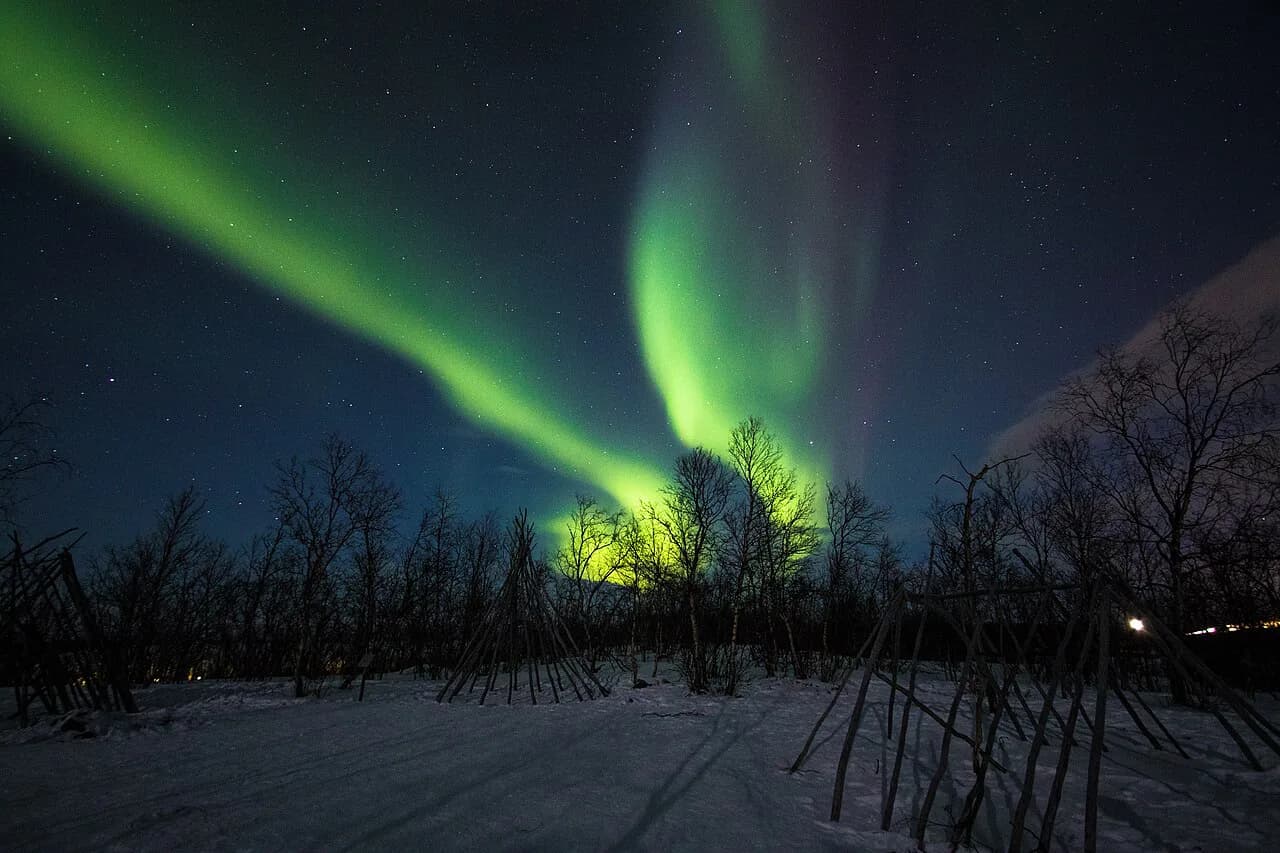
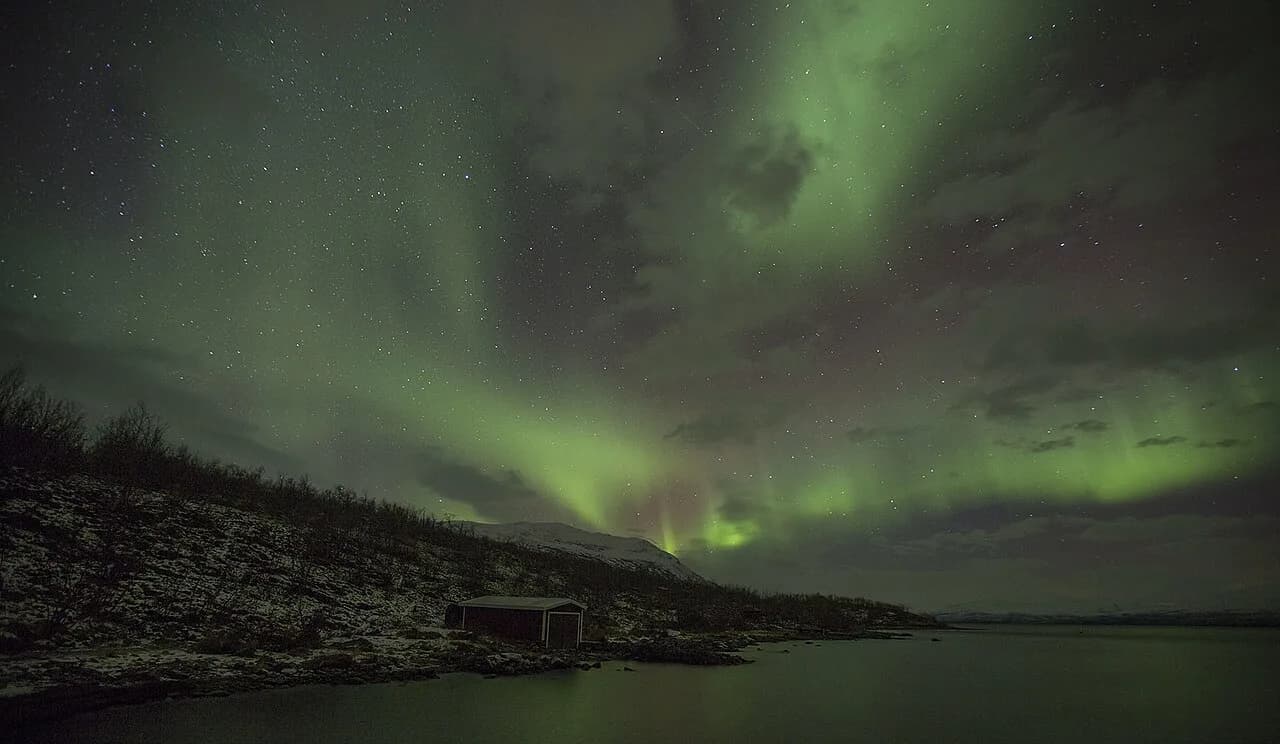
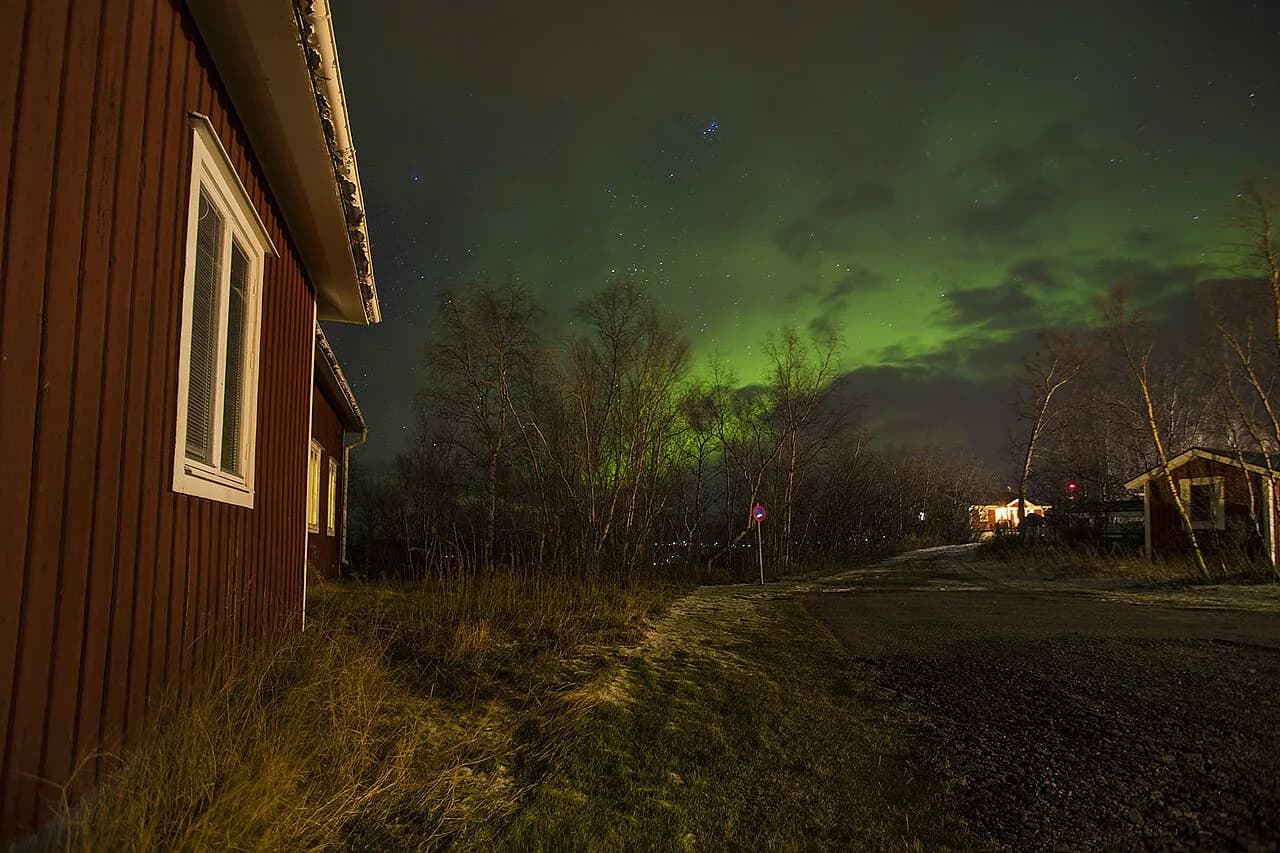
The Swedish Tourist Association describes Abisko as one of the world's best places to see the northern lights, and its reasoning is worth understanding. Being far north is only part of it; cloud cover, darkness and light pollution decide whether a solar storm reaches your eyes. Abisko's mountain setting and high-altitude position give it a reputation for clear skies, often called the blue hole, because the sky here is frequently clear even when surrounding areas are clouded in from the Atlantic.
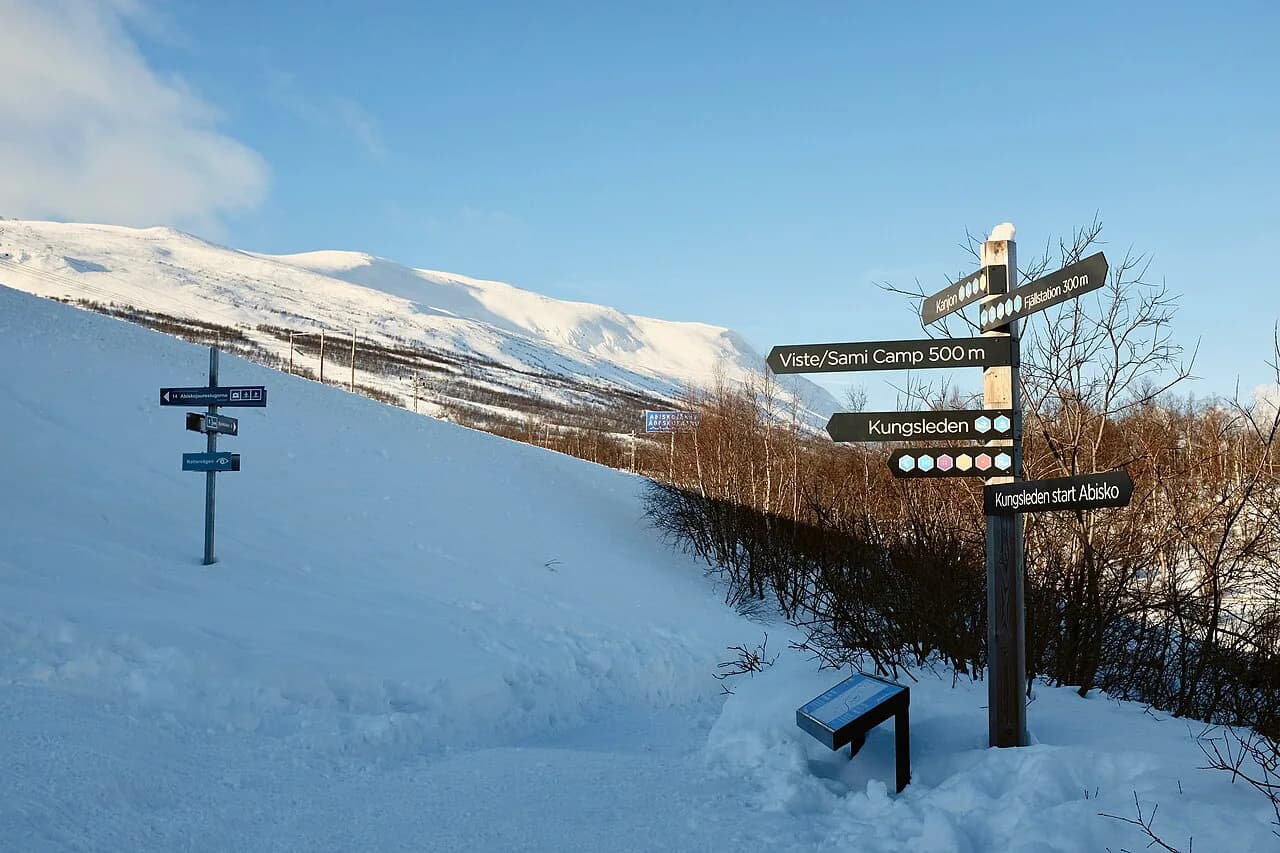
The village sits at the edge of Abisko National Park, with Lake Torneträsk stretching east and the Abisko Alps and Lapporten rising around it. STF Abisko Turiststation, the mountain station below Mount Njullá, has its own railway stop, so you can arrive by train and walk to trails, the lake shore and the chairlift without hiring a car. That compact layout is the practical advantage of basing a winter aurora trip here. If you are weighing this base against the coast, compare it with the northern lights in Luleå before booking.
Keep the blue-hole idea in perspective. It describes a local cloud pattern that improves the odds relative to nearby valleys and coast, not a promise of clear sky on any given night. Solar activity has to deliver too, and a quiet night under a cloudless sky can still pass without a display.
When the aurora season runs
The Swedish Tourist Association puts the best aurora window at mid-November to mid-March, when nights are long and dark enough for displays to show against the sky. Outside that core period, late autumn and early spring still bring usable darkness, which is why Abisko operators run autumn chases before the snow settles.
Aurora forecasts, including the Kp index, are guidance rather than a booking signal. The Swedish Tourist Association points readers to Spaceweatherlive for the coming days, and it is worth glancing at the cloud forecast alongside it, since a high Kp value means little under an overcast sky.
Plan around darkness rather than temperature. Midwinter in Abisko means very short daylight, with the sun barely clearing the ridges, so days are for the national park, the chairlift and day trips, and evenings are for chasing. By late February and March, daylight returns and touring becomes easier, while nights stay long enough for aurora.
Lights Over Lapland at a glance
Lights Over Lapland was founded in 2010 as a small family business specialising in chasing the northern lights and photographing them. It has since widened its range to dog sledding with local partners near Kiruna, visits to regional sights such as ICEHOTEL, and transfers from Abisko and Björkliden by bus or 4x4.
Lights Over Lapland operates out of Abisko National Park in Swedish Lapland, which puts its guides on home ground when conditions shift and a chase needs to move. Tours are listed through the booking platform Manawa as well as Lights Over Lapland's own channels, so compare the Manawa listing and the company page before you commit.
One easy upgrade to any Abisko stay is a bed within walking distance of the departure point. STF Abisko Turiststation puts you beneath the aurora with views of the Abisko Alps, Mount Njullá, Lapporten and Lake Torneträsk, and its own railway station makes the arrival simple.
Aurora chase tours
The standard night out is the Northern Lights Chase, a four-hour tour from Abisko listed with instant confirmation. Chases work by driving to clearer sky when cloud sits over the village, so the guide's local weather reading matters as much as the solar forecast.
The same chase format runs in autumn as well, a 3.5-hour version from Abisko National Park for travellers arriving before the snow. That shorter window suits an arrival evening or a night when you want to be back at the station at a reasonable hour.
Guests on the chase consistently mention guides taking photographs and explaining the area, which is useful if you would rather watch than fiddle with settings. If photography is the point of the trip, the dedicated photography tour is the better fit.
Photography tours and borrowed cameras
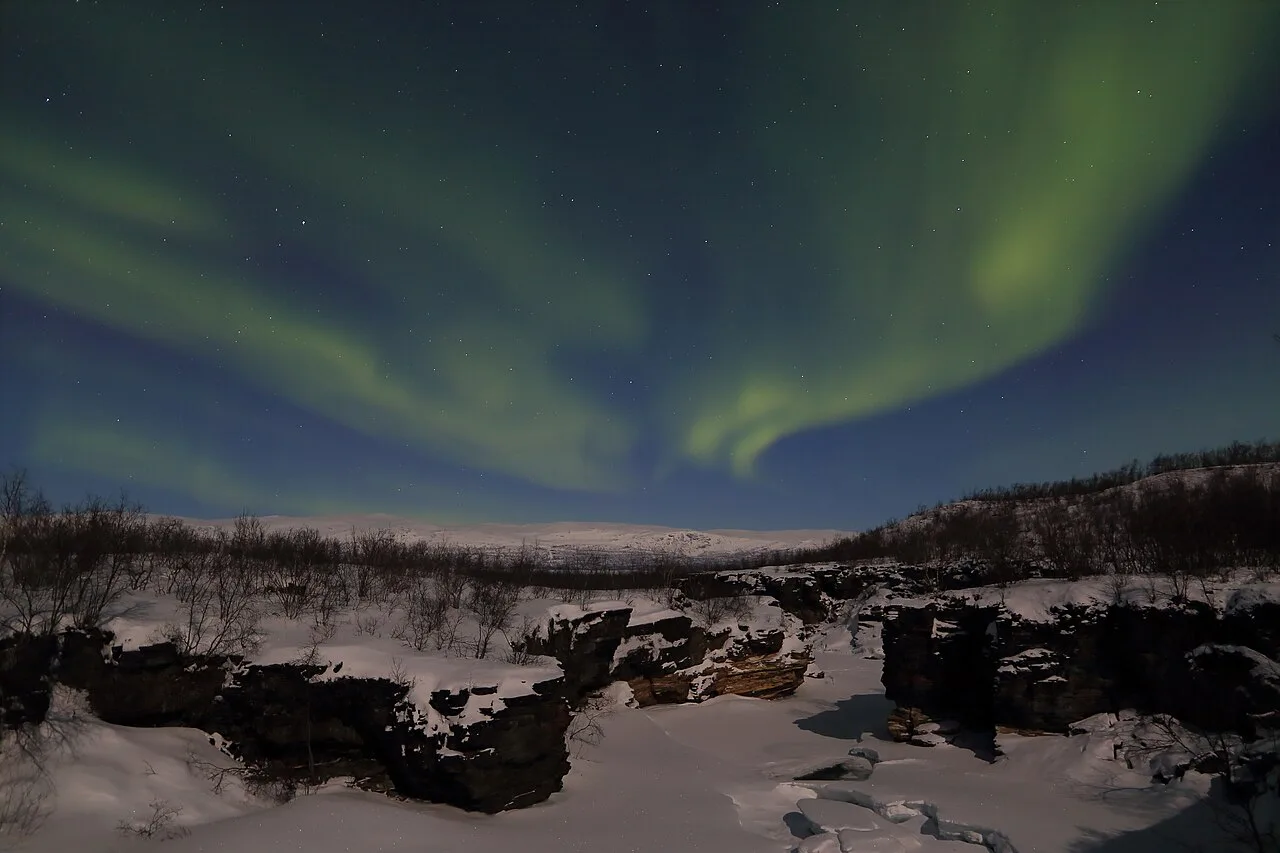
The Northern Lights Photography Tour is a four-hour outing in Abisko National Park built around shooting the aurora rather than simply watching it. Lights Over Lapland's guides are professional photographers who help with camera settings and advice, so you can arrive with little night-sky experience and still come away with usable frames.
The Swedish Tourist Association notes that the Lights over Lapland photography tours from STF Abisko Turiststation let you borrow cameras and lenses adapted for aurora photography, with practical tips given on location in the national park. For a traveller without a full-frame body and fast wide lens, that removes the biggest equipment barrier.
If you plan to shoot on your own, the standard settings the Swedish Tourist Association suggests are a tripod, a long exposure of roughly 4 to 12 seconds, a remote shutter release, a wide-angle lens focused at infinity and spare batteries kept warm. Experiment, because display intensity varies from night to night.
Day trips paired with aurora nights
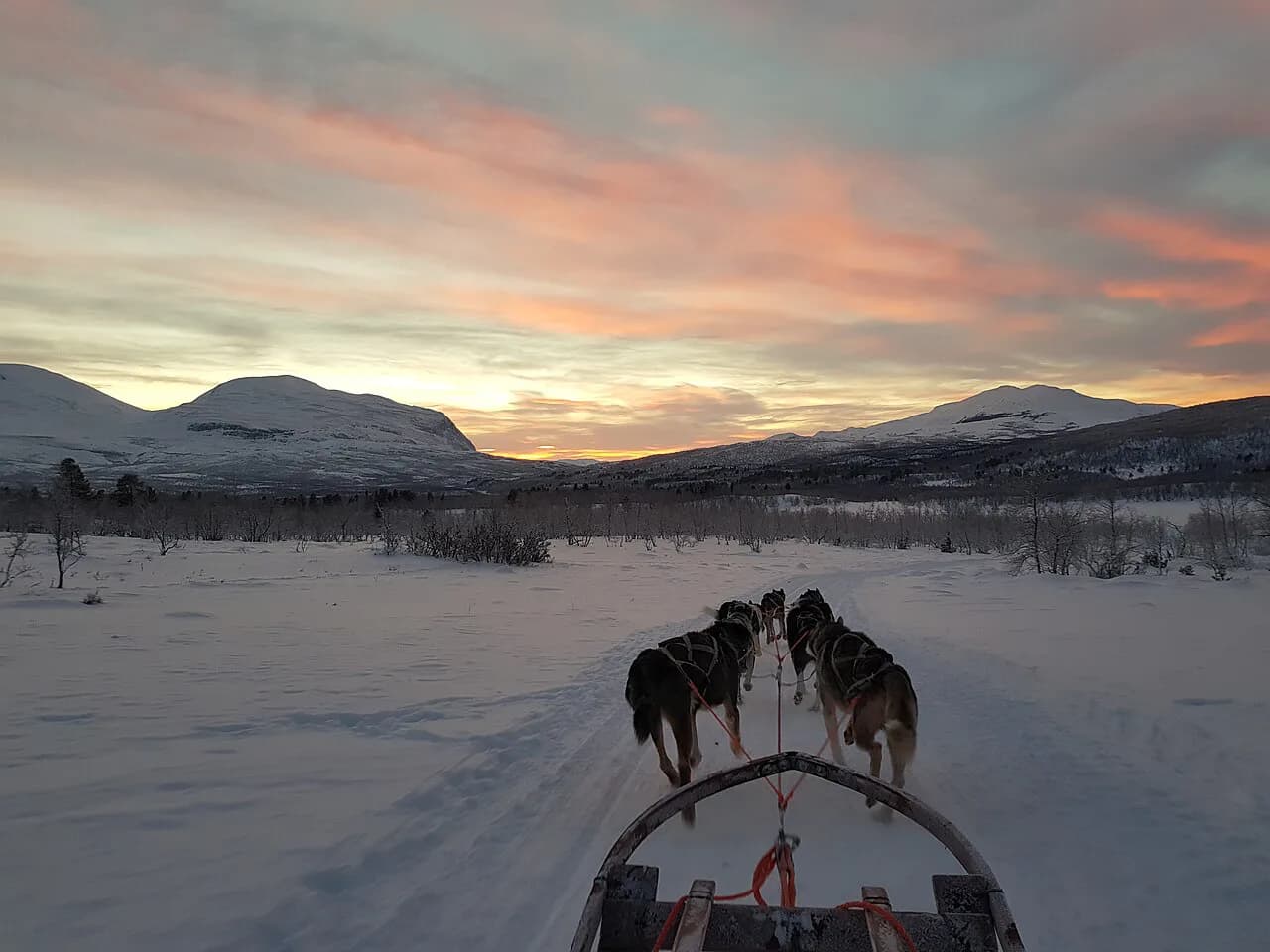
Abisko's short winter days leave room for daytime excursions before the evening chase. Lights Over Lapland runs a seven-hour dog sledding tour in the Kiruna area with departures from Abisko and Björkliden, and a two-hour winter hiking excursion inside Abisko National Park for a gentler option.
Two longer day trips cover the region's headline sights: a seven-hour visit to ICEHOTEL in Jukkasjärvi and a seven-hour Sami culture and reindeer experience, both with departures from Abisko and Björkliden. These use the same bus or 4x4 transfer setup as the chases, which makes them easy to slot into a multi-night stay.
Pair a day trip with a rest afternoon rather than stacking two excursions back to back. A seven-hour outing returns in the afternoon, and a chase the same night means a long day; travellers who pace themselves tend to enjoy the night portion more.
Prices per tour and how they compare
Listed starting prices on Manawa run from about 97 euros for the four-hour Northern Lights Chase and about 150 euros for the four-hour photography tour. The autumn chase starts from around 100 euros, the two-hour winter hike from about 75 euros, and the seven-hour day trips to ICEHOTEL and for the Sami reindeer experience from roughly 146 and 141 euros respectively.
Treat all of these as from-figures, not fixed rates. Seasonal demand, group size and what is bundled can move the final price, so check the total at booking and compare it with Lights Over Lapland's own listing.
STF's own Abisko products give a second reference point: the Aurora Sky Station night visit starts from 1,295 SEK, the northern lights dinner from 2,395 SEK and a northern light hike from 950 SEK. Comparing those with the Lights Over Lapland prices shows how much of the cost is the chairlift and venue rather than the guiding.
STF Aurora Sky Station as a self-guided alternative
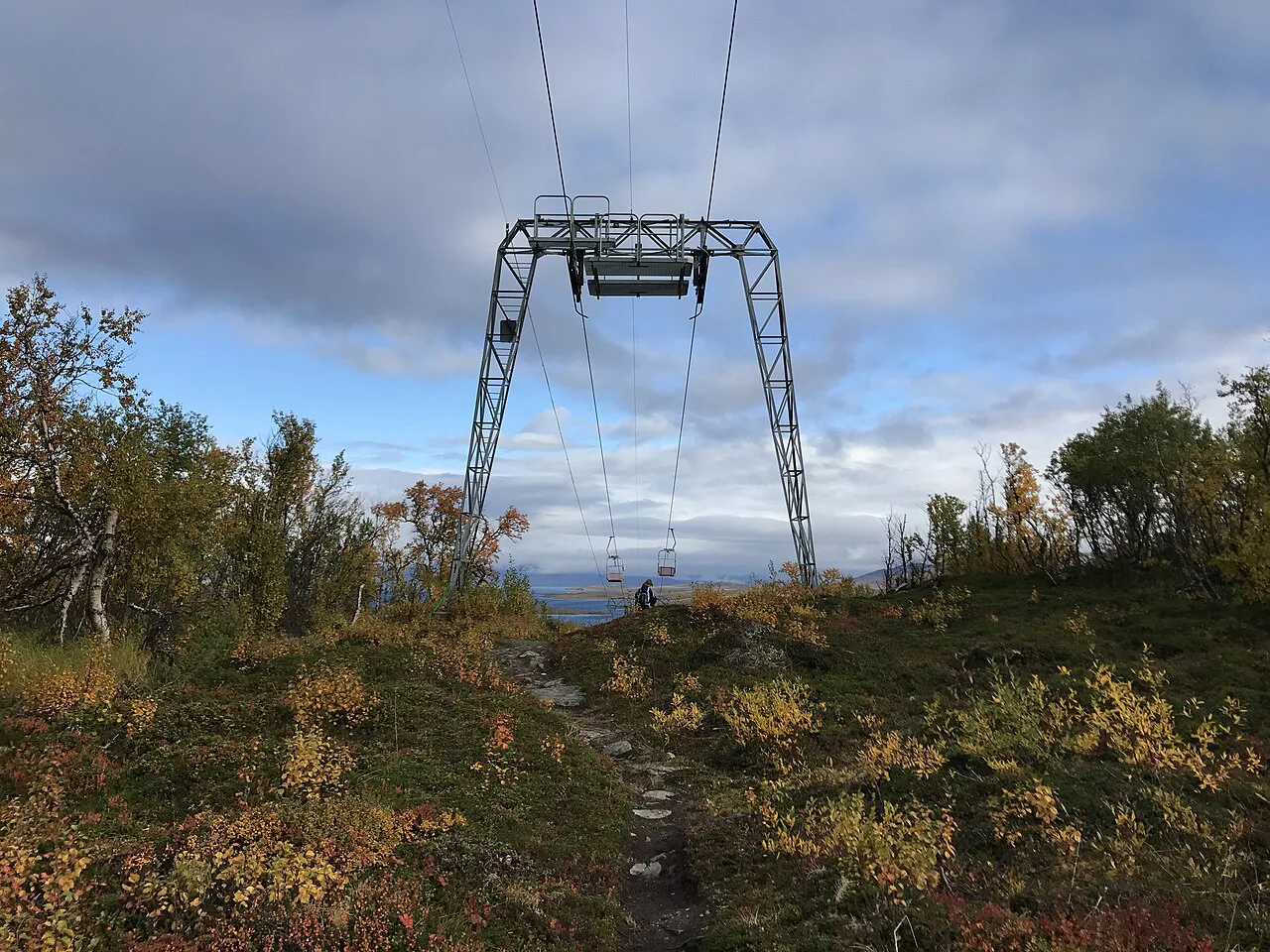
At the top of Mount Njullá in Abisko National Park sits STF Aurora Sky Station, reached by chairlift from beside Abisko Turiststation. It has a viewing tower, a large outdoor terrace looking toward Lapporten and the Abisko mountains, a warming fire and a café for refreshments.
The Swedish Tourist Association is straightforward that your chances on Njullá are about the same as down at the tourist station. What the summit adds is panoramic views and lower light pollution than the village, which is worth paying for if you want the classic photograph rather than a purely practical viewing spot.
The station is a fixed viewpoint, while a chase can move to clearer sky. That is the core trade-off: a chairlift ride and a warm café for a stationary night, or a vehicle and a guide reading the cloud for a mobile one.
Where to watch near Abisko Turiststation without a tour
You do not need a booked tour every night. The area around STF Abisko Turiststation looks straight out over Lake Torneträsk toward Lapporten, and the dark lakeshore and trails in the national park are within walking distance of the station. On a clear, active night, that is a perfectly good place to stand.
Light pollution rises around the buildings and the station itself, so walk a little away from lit windows and path lamps. In deep winter, check the trail and snow conditions with the station before heading out after dark, and tell someone your plan.
If you would rather have a bed in the village and a short walk to the trails, a smaller lodge makes a practical base. Abisko Mountain Lodge is one option in the village that keeps you close to the national park and the station.
How many nights to plan
Allow at least three nights in Abisko if the aurora is a priority, and four or five if you are travelling a long way. Cloud can close in for days at a time, and a single booked chase can be beaten by weather; extra nights give you a second and third attempt without changing your plans.
Build in one fallback that does not depend on the sky. A day trip to ICEHOTEL, a dog sledding run near Kiruna or a snowshoe hike in the national park means a cloudy night costs you atmosphere rather than the whole trip.
Use forecasts as a scheduling tool, not a verdict. Check the aurora and cloud outlook on the day, keep a chase booked for the clearest night of your stay, and treat any display as a bonus rather than a promised feature of the ticket.
Who each tour suits
Choose the four-hour Northern Lights Chase if you want a guided night out with transport and a flexible route, and the photography tour if borrowed cameras, lenses and hands-on help with settings are what you are missing. Couples and first-time aurora travellers tend to do well on the chase; dedicated photographers get more from the longer lens-and-tripod format.
Travellers who prefer to stay put can take the chairlift to Aurora Sky Station, Abisko's fixed high viewpoint with a terrace, fire and café, or simply walk to the lake shore from the station. Book the chairlift night for a clear forecast and keep the self-guided walk for a night when activity picks up late.
Whichever you pick, base yourself in the village, give the trip enough nights for the weather to turn, and confirm departure times and what is included when you book. The rest is solar activity, cloud and patience.
Frequently Asked Questions
What is the best month for the northern lights in Abisko?
Mid-November to mid-March is the core window, when nights are longest and darkest. Late February and March combine returning daylight with still-dark nights, which many travellers find the most comfortable balance. September and October suit an autumn chase before the snow settles.
How long does a Lights Over Lapland aurora chase last?
The Northern Lights Chase runs about four hours from Abisko. The autumn version is listed at about 3.5 hours, and the photography tour also runs around four hours in Abisko National Park.
Can you borrow a camera on a Lights Over Lapland photography tour?
Yes. The photography tours from STF Abisko Turiststation let you borrow cameras and lenses adapted for aurora photography, and guides give practical tips on location in the national park.
Is it worth paying for a tour when you can walk to the lake yourself?
A tour buys mobility: the guide can drive to clearer sky if cloud sits over the village. Walking to Lake Torneträsk from the station is free and works well on a clear night, but a chase gives you more options in mixed weather.
How many nights should you stay in Abisko to see the aurora?
Plan at least three nights and four or five if you are travelling far. Cloud can persist for days, so extra nights give you several attempts and a buffer if one chase is weathered out.
Does a booked tour guarantee you will see the northern lights?
No. Displays depend on solar activity and clear skies, and no operator can promise them. A chase improves your odds by moving toward clearer sky, but treat a sighting as a bonus rather than a certainty.
Sources
Notes for your Arctic winter trip
Optional updates to our northern lights guides.
You might also like
Continue reading
More guides you'll find useful