Ice Floating in Finnish Lapland: Tours and Season Guide
Ice floating in Finnish Lapland suits anyone who wants a calm, surreal hour on a frozen lake. Compare tours from Rovaniemi, Levi and Ylläs, plus season and limits.
On this page
Ice floating is the winter activity for travelers who want the Arctic without the noise of an engine. You pull on a thick insulated rescue suit, step off the snowy edge of a lake and drift on your back in open water, looking up at trees or stars while the cold stays outside the suit. It is oddly restful rather than extreme, and a session in the water usually lasts around half an hour before you climb out for a hot drink.
What ice floating actually is
An ice floating tour cuts a pool in a frozen lake, river or sea and dresses each guest in a waterproof floating suit with built-in insulation and buoyancy. You cannot really swim in one, so you simply lie back and let the water hold you, which makes it closer to a flotation tank than to cold-water swimming. Guides stay on the ice throughout, and certified operators supply the suit, gloves and boots along with a trained guide watching the group.
The suits have more in common with survival gear carried on ships than with paddling wetsuits, and that is why you can stay in icy water comfortably for longer than a few minutes. Cold-water immersion is not for everyone, and it is worth treating the float as a controlled, guided experience rather than a test of endurance.
Where you can float in Finnish Lapland
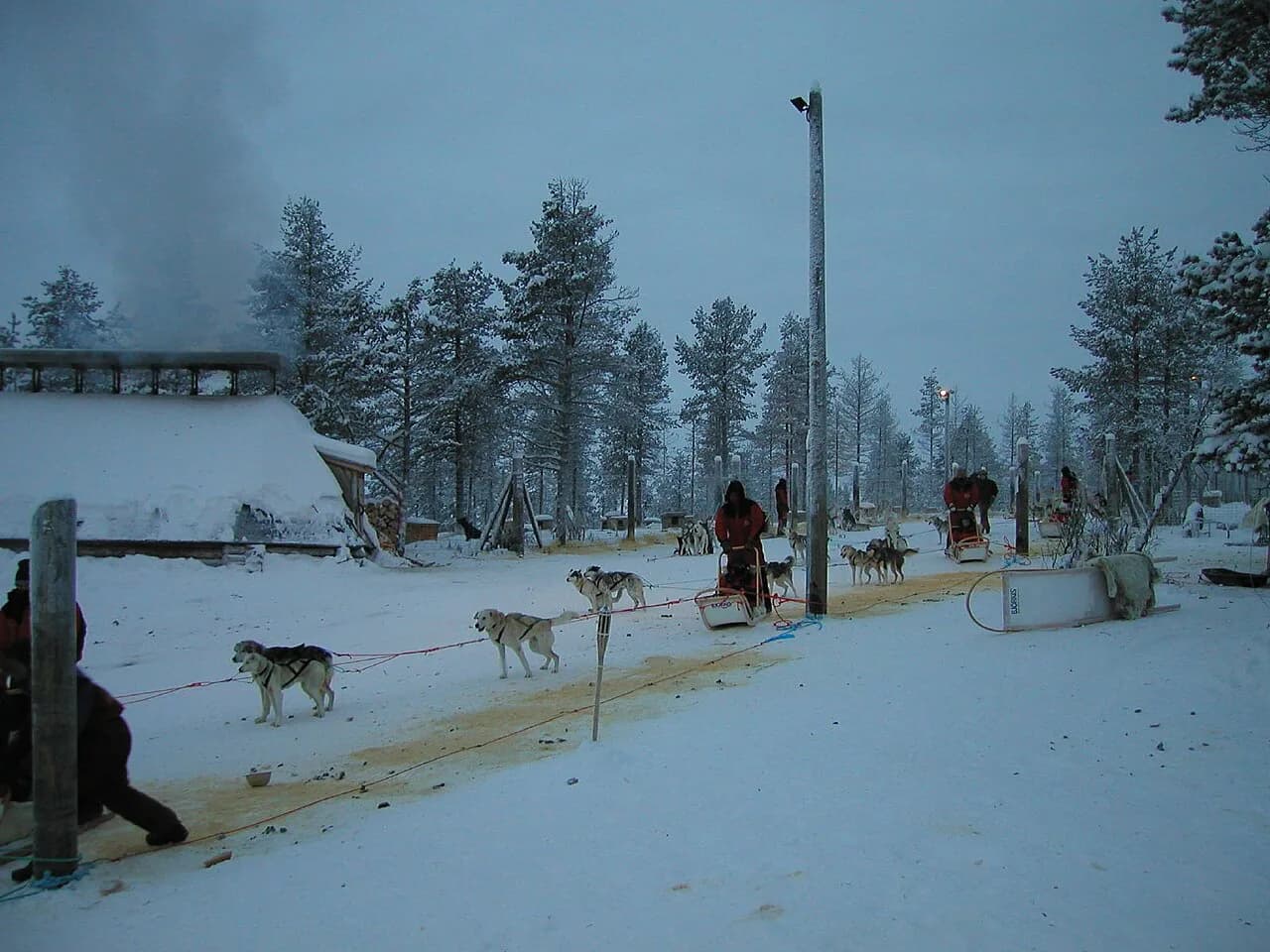
Finnish Lapland is the centre of the activity, and organized floats run from Rovaniemi on the Arctic Circle, from Levi and Ylläs further north, and from Kemi on the Bothnian coast. Rovaniemi is the liveliest base and the easiest to pair with dog-sledding, snowmobiling, reindeer sleighs or a visit to Santa Claus Village. Levi and Ylläs sit deeper in the wilderness, with quieter lakes and a stronger sense of being far from town.
If you are building a wider winter trip around the float, the broader guide to the northern lights in finland explains which Lapland bases give you the best mix of dark sky and easy logistics. Night floats also sit naturally beside the wider menu of northern lights tours, since both come down to the same thing: clear sky and a dark lake shore.
When the season runs and how ice thickness shapes the trip
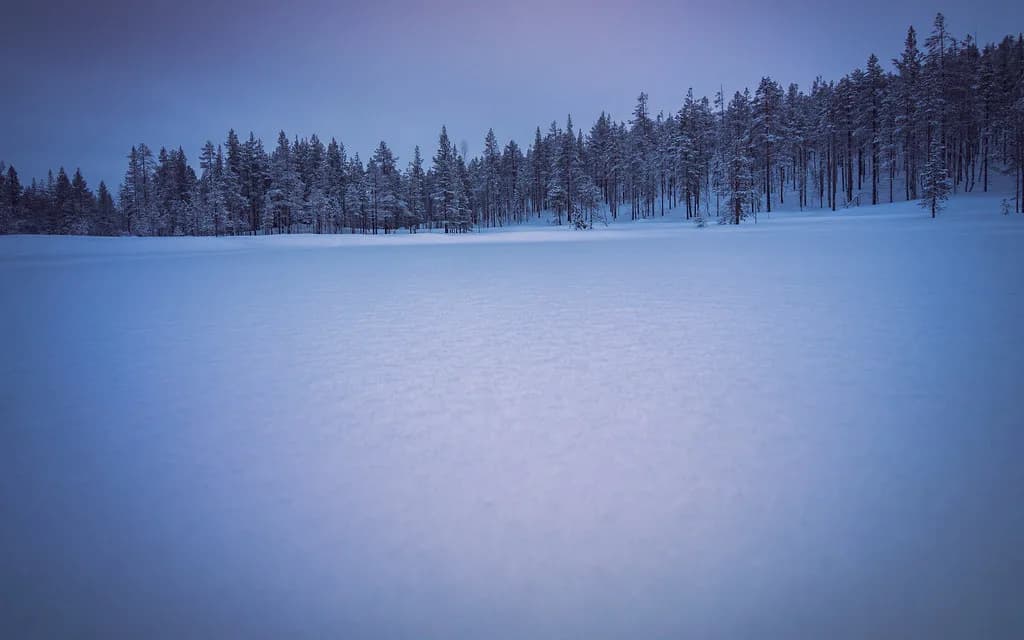
The best window for ice floating in Finland runs from December to April, when lakes carry enough ice for operators to cut a safe pool. It is a narrow balance: the ice must be thick enough to be exciting but not so thick that a hole cannot be made large enough for a group to move around. In October and November, snow and ice on the lake are not guaranteed, so an early-season float may happen under a crisp autumn sky rather than on a frozen white surface.
Daytime versus night floats and the aurora connection
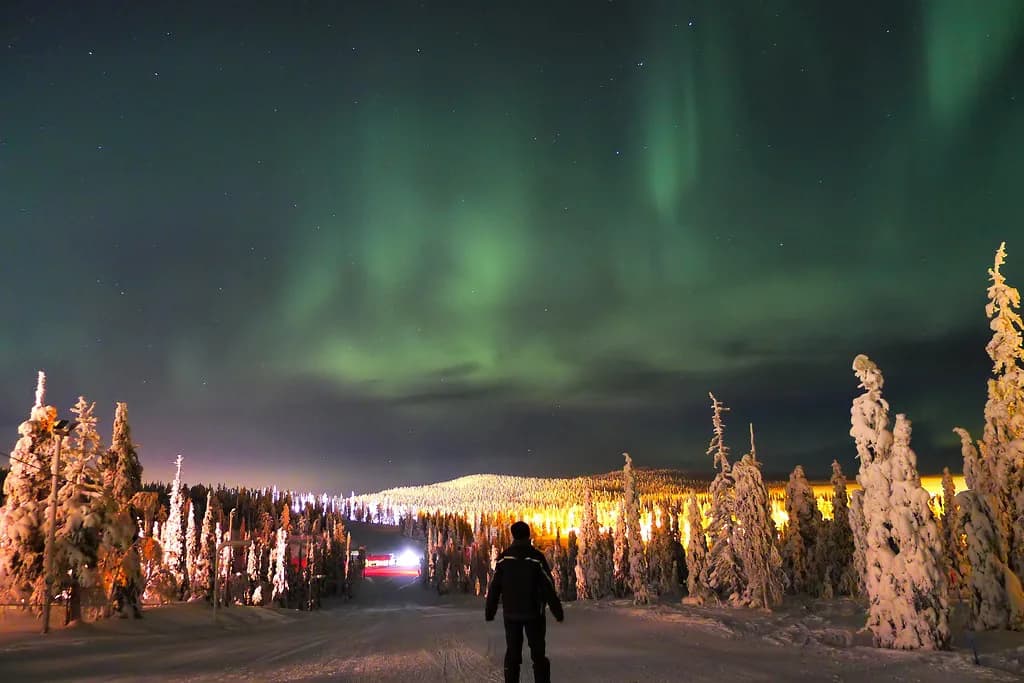
A daytime float is about the landscape and the sensation: grey light on the trees, ice cracking underfoot, and a hot drink in a cottage afterwards. A night float adds atmosphere and a chance, not a promise, of the aurora overhead; the lights only show when solar activity and clear sky coincide, and no operator can arrange either. Pick a night if you want the mood and the possibility, and a daytime slot if you would rather see the surroundings and keep your evening free for a chase.
For the aurora, the floating itself matters less than the sky above it. A lake shore away from town lights is a good place to wait, and it is worth reading a finnish lapland aurora forecast before you choose your night, since geomagnetic activity is only guidance and cloud cover usually decides the outcome.
Rovaniemi: small-group floats on a frozen lake
The daytime float run by Nordic Adventures from Rovaniemi is a three-hour small-group trip with hotel pickup and drop-off, an English-speaking guide, thermal rescue suits, hot drinks and cookies, and a start time of 10:30 in the morning. The price is quoted per adult with taxes and fees included, and Nordic Adventures restricts it to adults and children aged 14 and over who are at least 150 cm tall; pregnant women, wheelchair users, people with mobility or back problems, and anyone intoxicated are not accepted.
That tour is deliberately small, which keeps the group quiet and makes the pool on the lake feel private rather than crowded. Because it runs in daylight, it is the better pick for families with teenagers and for travelers who want the icy-lake experience without committing an evening. Booking early matters around Christmas, when Rovaniemi fills with visitors.
Levi: three-hour wilderness floats above the Arctic Circle
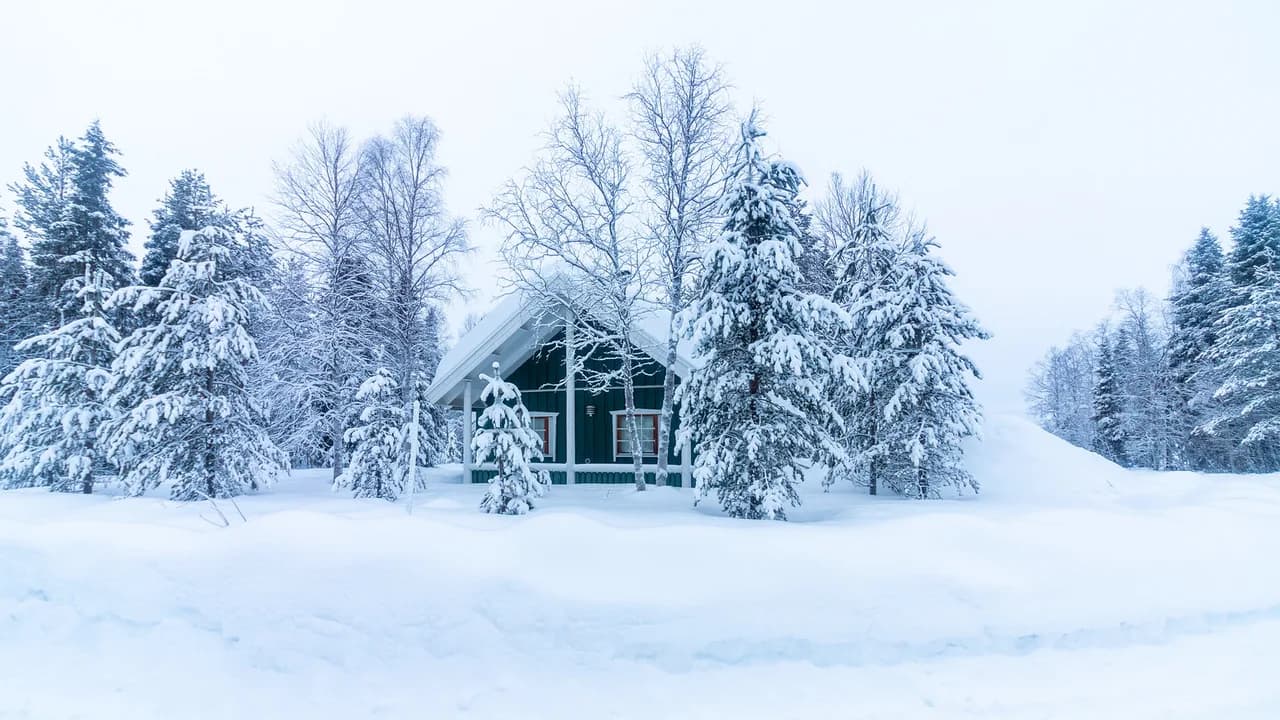
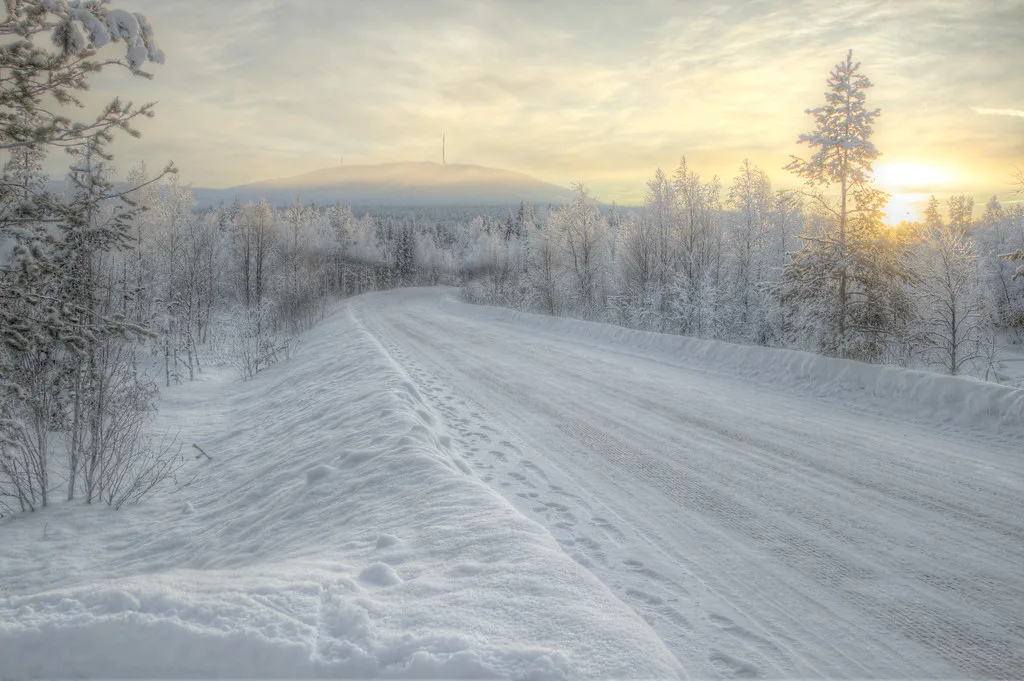
The three-hour float from Levi takes you to a frozen lake well above the Arctic Circle, ringed by snow-covered trees and open wilderness. The appeal here is silence and distance from the resort, with a longer outing that includes the transfer and the time to change into the suit before you enter the water. Expect roughly half an hour in the water itself, which is plenty once you are insulated and floating.
Because Levi sits further north than Rovaniemi, the winter nights are longer and darker, but cloud remains the deciding factor for any aurora watching. Travelers who want the darkest possible setting can combine a Levi float with the region's other evening activities; the Northern Lights in Finnish Lapland guide sets out which bases trade town comforts for darker skies.
Ylläs: night floats on Lake Ylläsjärvi
From Ylläs, a two-and-a-half-hour night float goes out to Lake Ylläsjärvi, where you drift in dark water under a clear sky. This is the trip to choose if the idea of floating under stars appeals more than the sight of the daytime landscape. The aurora may appear if the sky is clear and activity is high enough, but the float is worth doing for the darkness and quiet alone.
If you want the cultural side of the region too, a day spent on sami culture and local crafts pairs well with an evening float and keeps your nights free for clear-sky decisions.
Icebreaker and sea floating from Kemi
For a very different version, an icebreaker trip from Kemi crosses into Swedish waters to board a ship that clears a path through the frozen Bothnian Sea. The trip runs about seven hours and includes walking on the ice as well as floating in the open channel cut by the ship. It is the most dramatic sea setting and the longest day out, and the Kemi Snowcastle, with ice sculptures, a bar and a slide, is the natural companion visit.
Sea floating is colder in feel and more weather-dependent than a sheltered lake, so build in flexibility if your itinerary is tight. The sea option also puts you on a ship schedule rather than a lakeside start time, which shapes the rest of your day.
Ice floating tours elsewhere in Finland, in brief
Outside Lapland, you can float in the Finnish lakeland at Lake Vatiajärvi near Laukaa on an hour-long tour with a campfire drink, or in Helsinki on a 90-minute trip that includes hopping between ice rafts. Both suit travelers who are already in southern or central Finland and want the experience without a Lapland detour. The lakeland setting is quieter, while the Helsinki version is urban and short.
Prices, durations and what is included
Prices vary widely by location and format. A small-group Rovaniemi float is listed at $134 per adult including taxes and fees, a Levi float at about €104, a Ylläs night float at about €99, the Laukaa lake float at about €51, the Helsinki float at about €125 and the Kemi icebreaker trip at about €380.
Inclusions differ too. The Rovaniemi trip covers transport, suits, guide, hot drinks and cookies but not cameras; many operators supply gloves and boots as part of the floating kit, and the water time is typically around 30 minutes even on longer tours. Compare the whole package, including transfers, before choosing on price alone.
Group sizes and private options
Group size changes the feel of the float. The Rovaniemi trip is a small-group tour, and some operators let you book a private version so you float with just your own friends or family in a calm, quiet setting. If silence and space matter to you, ask about the maximum group size and whether a private departure is available when you book.
Who can take part: age, height and health limits
Ice floating is gentle, but the rules are firm. The Rovaniemi operator excludes children under 14 and anyone shorter than 150 cm, plus pregnant women, wheelchair users, people with back or mobility problems and anyone under the influence of alcohol or drugs. Elsewhere, some companies exclude pregnant women and anyone around 120 cm or shorter. You do not need to be able to swim, because the suit keeps you afloat, but you do need to be able to put it on and step into the water yourself.
Guides are trained to spot signs of cold stress and to act quickly, which is one reason to book with a certified operator rather than trying it informally. If you have a health condition or limited mobility, check current tour requirements and suitability with the company directly before booking so there are no surprises on the ice.
How to pick the right tour for your trip
Choose Rovaniemi if you want easy logistics, hotel pickup and a daytime float that leaves your evening free. Choose Levi or Ylläs if you want wilderness, longer nights and the chance of stars overhead. Choose Kemi if the icebreaker and the Snowcastle are the draw, and choose the lakeland or Helsinki float if you are not heading north at all. If the aurora is your reason for choosing between these bases, the guide to the northern lights in Rovaniemi weighs up where to go and stay once the float is over.
Whichever you pick, allow more than one night in Lapland if the aurora matters to you, and treat the float as one part of a wider winter itinerary rather than a guaranteed light show. The Finnish Lapland Northern Lights Tours guide can help you fill the rest of the evenings.
Plan Your Float
Ice floating works best as a calm, well-planned half day: book a certified operator, pick a base that matches the rest of your trip and accept that the ice and sky decide the details. A night float under clear skies is one of the quietest ways to spend an Arctic evening, with or without the aurora.
Frequently Asked Questions
What is ice floating and do you need to swim?
You wear an insulated floating suit and drift in a pool cut into a frozen lake, river or sea, held up by the suit rather than by swimming. Certified operators supply the suit, gloves and boots and keep a trained guide on the ice throughout. You only need to be able to put the suit on and step into the water yourself.
When can you go ice floating in Finland?
Organized floats generally run from December to April, when the ice is thick enough to cut a pool but not so thick that a hole cannot be made. In October and November, snow and ice on the lake are not guaranteed. Sea floating from Kemi depends on the icebreaker schedule.
Can you see the northern lights while ice floating?
You can, but only if the sky is clear and geomagnetic activity is high enough, and no operator can promise it. A night float from Ylläs or Levi gives you a dark lakeside setting, which improves your odds compared with a lit town centre. Check the aurora forecast on the day and treat any display as a bonus.
How much does an ice floating tour cost in Lapland?
Prices vary by location and format, from around fifty euros for a short lakeland float to several hundred for a full icebreaker day from Kemi. A small-group Rovaniemi float, a Levi float and a Ylläs night float sit in the middle. Each operator lists its current price and inclusions on its booking page, so compare the whole package.
Is ice floating suitable for children?
Only older children on most tours. The Rovaniemi daytime float requires guests to be at least 14 and at least 150 cm tall, and other operators exclude anyone around 120 cm or shorter. Pregnant women and people with back or mobility problems are also excluded from some trips. Check the age and height rules for your chosen tour before booking.
What should you expect during the float itself?
Expect to spend about half an hour in the water, even when the whole tour runs two to three hours, because the suit is highly buoyant and you cannot really swim in it. You lie back and drift while the guide watches the group, then warm up with a hot drink. Snow and ice conditions on the lake change through the season.
Sources
Notes for your Arctic winter trip
Optional updates to our northern lights guides.
You might also like

Continue reading
More guides you'll find useful