Snowshoeing in Iceland: Winter Tours, Terrain and Timing
Snowshoeing in Iceland takes you across frozen fjords, volcanic slopes and mountain valleys on guided winter walks. See where tours run and plan your timing.
On this page
Snowshoeing suits an Icelandic winter because it turns buried ground into walkable terrain: wide floats spread your weight so you cross deep powder and grip icy patches that would stop a boot. Around Akureyri the fjord and its surrounding slopes fill with snow, and local operators run snowshoe hikes for every kind of weather and snow. The activity needs no prior skill, which makes it a low-commitment way to spend a winter day before the dark hours arrive.
Iceland's snowshoe season runs well beyond midwinter. The Eastfjords operator runs its tour from November to May, with route choice decided on the day according to snow conditions. That long window reflects how varied Icelandic winter is: coastal fjord snow, inland volcanic ground and mountain valleys each hold snow differently, and the walks are shaped around what is actually underfoot rather than a fixed trail.
Why snowshoeing suits an Icelandic winter
Iceland sits just below the Arctic Circle, and winter days are short while the nights are long and dark. Snowshoes let you move across snow-covered ground without sinking into powder, and they give grip on icy patches, so you can explore landscapes that would otherwise be closed to walkers. That combination of easy access and genuine wild terrain is what makes snowshoeing a practical winter activity here rather than a specialist one.
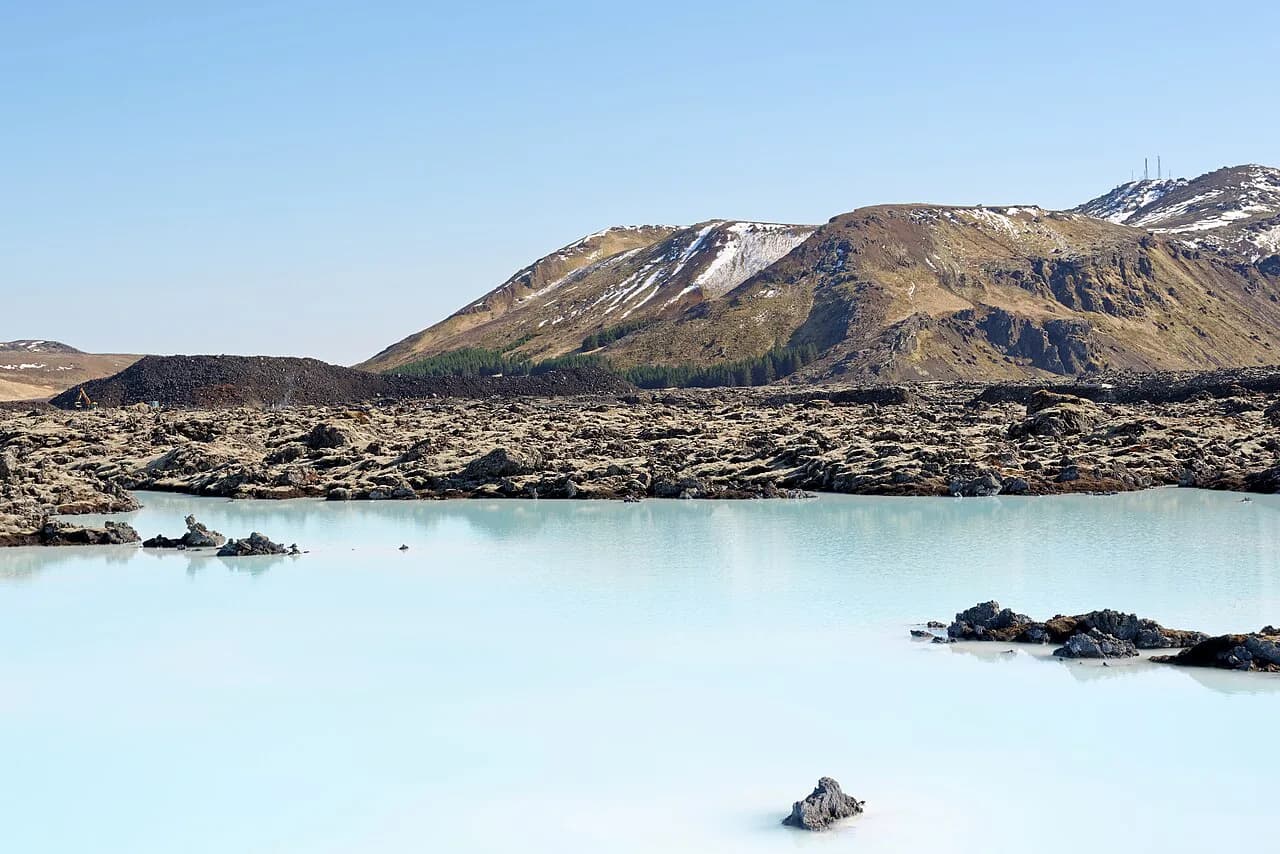
The terrain you walk on changes with the region. Around Akureyri the fjord and its surrounding hills define the winter landscape, while inland at Mývatn the ground is volcanic, with lava formations and steaming geothermal areas under snow. Coastal Eastfjords routes pass rugged terrain and dramatic coastal views, so the same activity gives you very different days depending on where you book.
When the snowshoe season runs
The snowshoe season is longer than many travelers expect. The Eastfjords snowshoeing tour from Seyðisfjörður runs from November to May, covering autumn snow through spring melt. That means you are not restricted to the darkest weeks of midwinter: late-autumn and spring dates can offer snow underfoot with longer daylight, while midwinter dates give short days and long dark evenings for aurora watching.
Daylight is the practical limit on any winter snowshoe day. In midwinter the sun stays low and the usable light is short, so tours are built around a few hours on the snow rather than a full day out. That short daylight is exactly what leaves the long dark evenings free: after a morning or early-afternoon walk you have hours of darkness in which to look for the northern lights in Iceland.
Snow cover itself varies year to year and with altitude, and guiding companies make the final call on where to walk based on conditions. If you are travelling for a specific date, ask the tour company directly whether snowshoeing is running that week and what terrain they expect, since a mild coastal winter can leave lower routes thin while mountain valleys hold snow longer.
Snowshoeing around Akureyri: frozen fjord landscapes
Akureyri, on the Eyjafjörður fjord in north Iceland, has a local snowshoe operator, Wide Open, which runs winter hikes in the frozen landscapes around the town. The company describes itself as focused on walking, nature and exploring away from the crowd, and during winter it puts clients on snowshoes to enter the snow-covered terrain around the fjord. For travelers based in the north, this is the most direct way onto the snow without a long drive.
The appeal of Akureyri as a base is that the fjord landscape changes with the weather. Snowshoes let the group go outdoors without sinking deep into powder and give grip on icy snow, and Wide Open, the Akureyri snowshoe outfitter listed by Visit Akureyri, says it has a snowshoe hike for every type of weather and every kind of snow. Wide Open's guides speak English, French, Spanish and Dutch, which makes it easy for mixed-language groups to join.
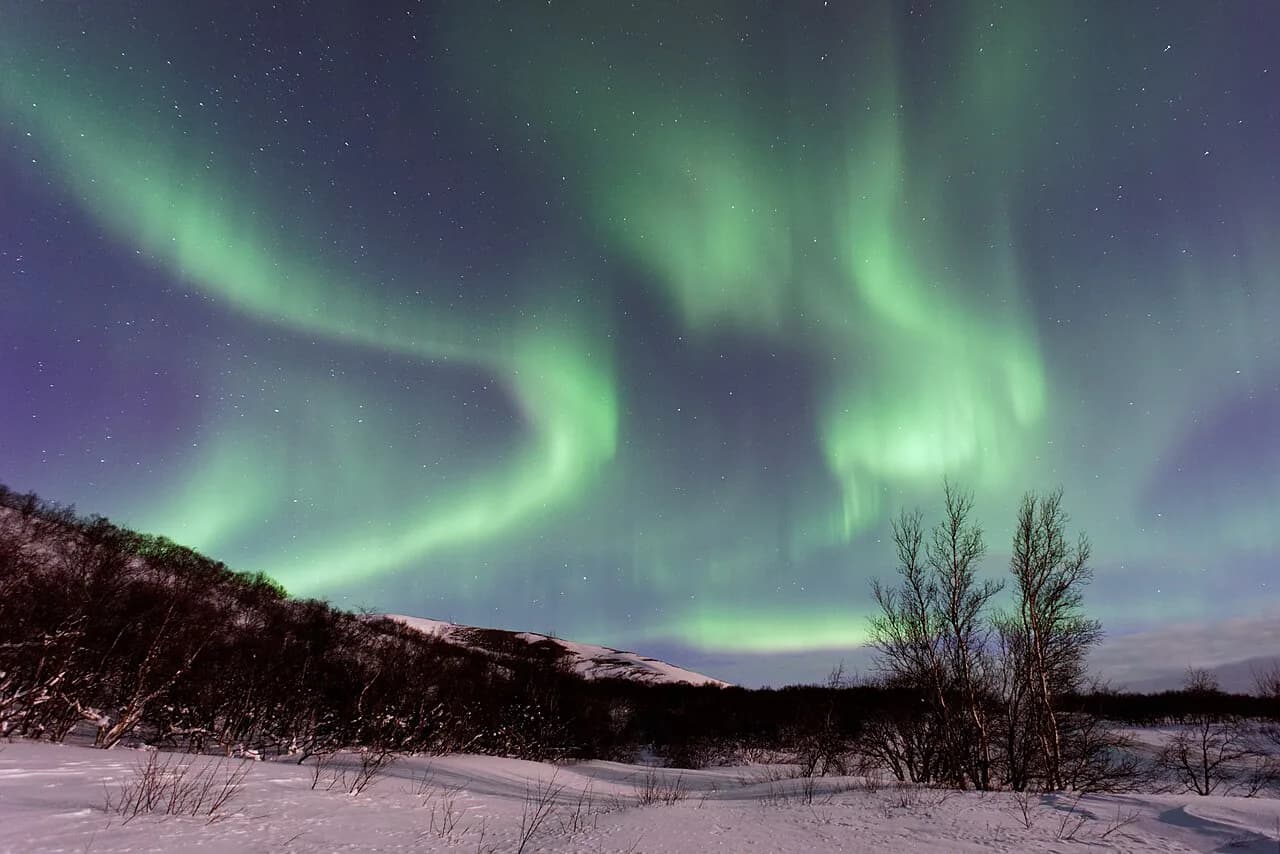
Akureyri also sits within reach of the north's dark-sky country once the walk is over. The northern lights are a natural companion to a snowshoe day here: you spend daylight on the snow and the long evening looking up, with the aurora a matter of solar activity and clear skies rather than anything a tour can promise. Treat any snowshoe trip as a day on the snow first and an aurora opportunity second.
What an Akureyri snowshoe hike includes and who it suits
Akureyri's snowshoe hikes are pitched at people who like hiking and want to keep walking in winter. Wide Open states that you don't need any skills to snowshoe and that anyone who enjoys hiking will enjoy snowshoeing, which makes it a reasonable first winter activity for fit travelers without prior snow experience. Kid-size snowshoes are available for private family tours, and children take to it as readily as their parents.
The company runs private family tours with child-size equipment, so families can book a walk shaped around younger children rather than joining a fixed group. Beyond that, the format is a guided winter hike: you walk with a guide who reads the snow and picks ground that suits the conditions. For anyone based in Akureyri without a car, this keeps the logistics simple.
Snowshoeing the Eastfjords from Seyðisfjörður
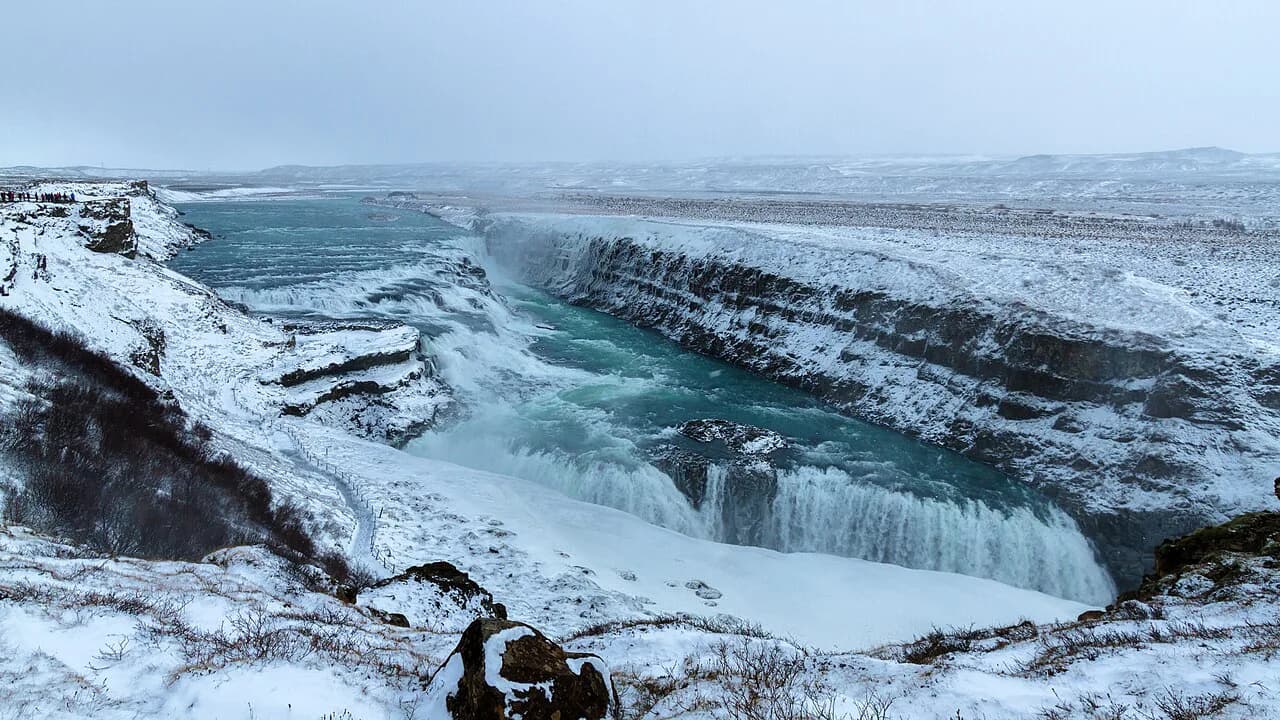
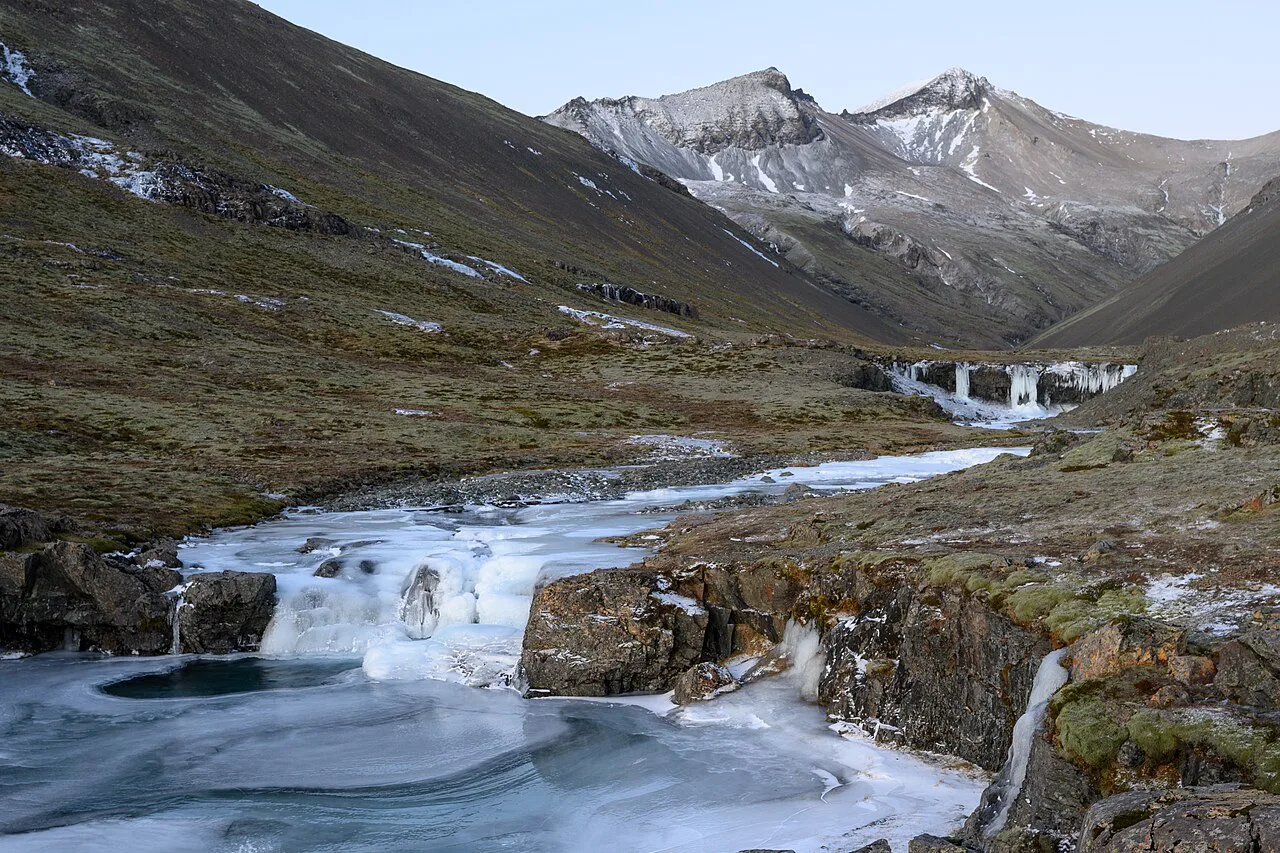
In the Eastfjords, a guided snowshoeing tour departs from Seyðisfjörður and lasts three hours, rated easy to moderate. The route is not fixed: the guide chooses the location on the day based on snow conditions, and the walk may go to Vestdalur valley with its frozen cascading waterfalls or higher up to Stafdalur, which gives views of the snow-covered mountains around the fjord. That flexibility is the point of a guided tour here, since the best ground shifts with each snowfall.
The tour runs from November to May and is billed by the tour company as its most popular winter tour, with rugged terrain and dramatic coastal views as the backdrop. Guides may point out tracks of Arctic foxes, reindeer or birds in fresh snow, which adds a wildlife dimension to the walk. Because the itinerary can change with weather and road conditions, the company may contact you before departure about adjustments.
Group size, duration and what the Eastfjords tour provides
The Eastfjords tour supplies the gear you need on the snow: snowshoes, hiking poles, headlamps and crampons depending on conditions, plus backpacks if needed. The tour runs three hours at an easy-to-moderate rating, departing from Seyðisfjörður. The price starts from 37,800 ISK, which you should confirm at booking along with the meeting point and any pickup arrangement.
Cancellation terms are worth knowing before you commit: more than 24 hours' notice gets a full refund, while less than 24 hours' notice gets no refund. The tour company also advises that weather can change quickly in the Eastfjords, so the itinerary may shift. If you are building a Ring Road trip around the tour, leave the day flexible so a weather-driven change does not derail the rest of your plan.
Volcanic snowshoeing in the Krafla and Mývatn area
Inland at Lake Mývatn, snowshoeing takes you onto volcanic ground rather than fjord slopes. A tour in the Krafla area walks through the volcano park, exploring lava formations and a steamy geothermal area under winter snow. The guide drives you from the company office to Krafla and starts the walk there, with the on-snow portion running a little over two hours inside a roughly three-hour excursion.
The listing for this Krafla tour carries inconsistent season and duration information, so read it as a description of the experience rather than a reliable winter schedule. What is consistent is the character of the day: mountain terrain, cold and snow, and a geothermal landscape that looks very different in winter. If the volcanic version appeals, ask the tour company directly about winter availability and what is included before you book.
Guided tour or going it alone
A guided snowshoe tour solves the two hardest parts of a winter walk in Iceland: finding ground with good snow and navigating safely when weather closes in. The Eastfjords operator chooses the route on the day and supplies snowshoes, poles, crampons and headlamps, which means you are not guessing at conditions or carrying specialist gear. For a first snowshoe outing in Iceland, that is the lower-risk choice.
Going it alone is possible for experienced winter walkers who rent or bring their own snowshoes and know the terrain, but it puts route-finding and weather judgment on you. Snowshoes do not remove the risk of ice, whiteout or short daylight, and a route that looks simple on a map can change character under fresh snow. If you are new to Icelandic winter, book a guide and use the day to learn how the snow behaves.
How snowshoeing fits around aurora hunting
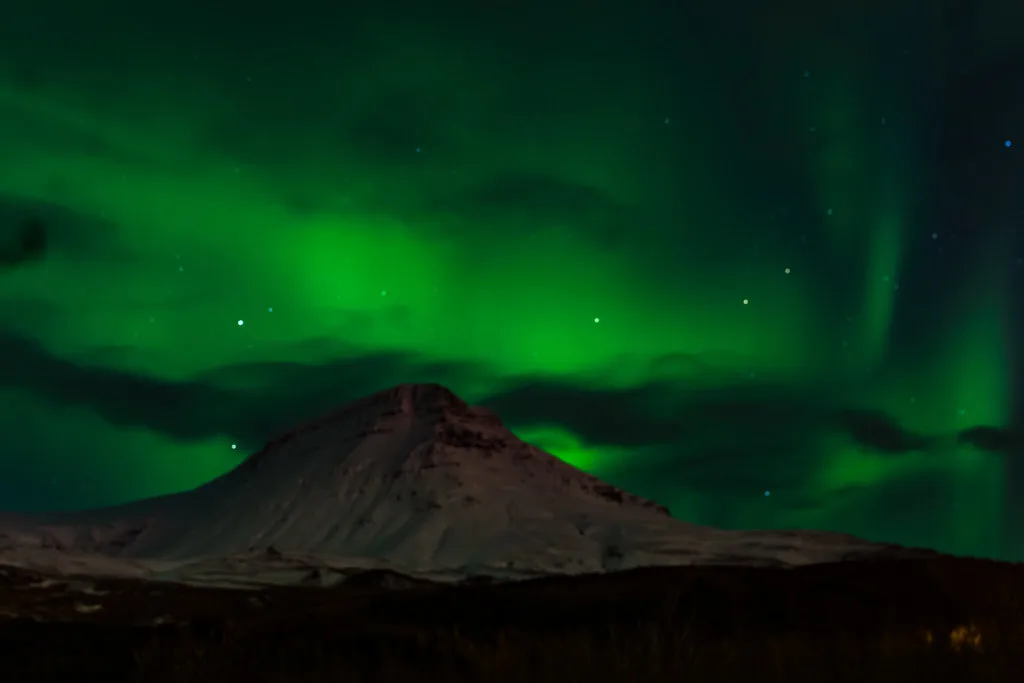
Snowshoeing and aurora hunting share the same winter calendar, and the short daylight makes them natural partners. You spend the usable light on the snow and the long dark hours looking north, and the same clear skies that make a snowshoe day crisp are the ones that let the aurora show. Plan a snowshoe walk for the daylight and keep the evening free rather than trying to do both at once.
Darkness alone is not enough: the aurora depends on solar activity and clear skies, and Kp values are guidance only. What you can control is where you are and when. The best time to see the northern lights in Iceland falls in the dark winter months, so a snowshoe trip in that window gives you both the activity and the nights. Those long dark evenings are also what make the northern lights in Jökulsárlón a realistic add-on if your route reaches the south-east coast. Booking a tour that runs in daylight, then chasing in the evening, keeps the two separate.
After a day on the snow, a geothermal soak is a comfortable way to warm up before the evening. The Sky Lagoon in Winter sits on the North Atlantic edge of Reykjavík and pairs well with an aurora-focused evening, while the Secret Lagoon in Flúðir offers a quieter hot-spring stop on a Golden Circle route. Neither guarantees a sighting, but both give you a warm base for the dark hours.
How many days to allow for snow and clear skies
Snowshoeing is weather-dependent, and so is the aurora, so build slack into the trip rather than pinning everything on one day. A three-hour guided walk or a roughly three-hour Krafla excursion fits easily into a travel day, which leaves room for a second attempt if snow or wind cancels the first. Two or three snowshoe outings across a week give you a fair chance of good snow and at least one clear night.
The Eastfjords tour's three-hour duration and its November-to-May season make it easy to slot into a longer Ring Road itinerary, while Akureyri's family-friendly private tours suit travelers based in the north. Keep at least one flexible day for a weather-driven change, and remember that aurora viewing is a bonus rather than a scheduled event. Check the aurora forecast for the night and keep your snowshoe day separate.
What operators supply on the snow
Most guided snowshoe tours supply the technical gear so you do not need to buy or rent it yourself. The Eastfjords operator provides snowshoes, hiking poles, headlamps and crampons depending on conditions, plus backpacks if needed, and asks you to bring warm layers, hiking boots, weatherproof outer layers and gloves. Akureyri's operator supplies snowshoes and has child-size equipment for private family tours.
Gear varies by company, so confirm what is included when you book, especially crampons and headlamps for late-afternoon departures. The Krafla listing mentions safety gear and refreshments in its inclusions, but its season details are unreliable, so ask the Krafla tour company what the winter version actually supplies. If you are renting snowshoes for a self-guided day, check that poles and crampons are part of the rental.
Plan Your Snowshoe Trip
Snowshoeing gives you a low-skill, high-reward way into Iceland's winter landscapes, whether you are crossing fjord slopes outside Akureyri, choosing a valley or mountain route from Seyðisfjörður, or walking volcanic ground at Krafla. The activity runs from November to May on the Eastfjords tour, so your dates have more flexibility than midwinter alone suggests. Book a guided walk for the daylight and keep the dark hours free for the aurora. Confirm meeting points, gear and cancellation terms with your tour company when you book, and check the aurora forecast for your nights.
Frequently Asked Questions
When is the snowshoeing season in Iceland?
The Eastfjords snowshoeing tour from Seyðisfjörður runs from November to May, covering autumn snow through spring melt. Midwinter dates offer short daylight and long dark evenings, while late-autumn and spring dates give more usable light on the snow.
Can you go snowshoeing in Iceland without experience?
Yes. Akureyri's snowshoe operator states that no skills are needed and that anyone who enjoys hiking will enjoy snowshoeing, and the Eastfjords tour is rated easy to moderate. A guide chooses the route and supplies the snowshoes, so beginners can focus on walking.
What is included in a snowshoeing tour in Iceland?
The Eastfjords operator supplies snowshoes, hiking poles, headlamps and crampons depending on conditions, plus backpacks if needed. Akureyri's operator supplies snowshoes and has child-size equipment for private family tours. Gear varies by tour, so check current details when you book.
Where can you go snowshoeing near Akureyri?
Wide Open runs snowshoe hikes in the frozen landscapes around Akureyri and the Eyjafjörður fjord, with hikes suited to different weather and snow. Kid-size snowshoes are available for private family tours, and guides speak several languages.
How long does a snowshoe tour in Iceland last?
The Eastfjords tour from Seyðisfjörður lasts three hours and is rated easy to moderate. The Krafla tour involves a walk of a little over two hours within a roughly three-hour excursion, though its listing carries inconsistent season details, so ask the operator about winter availability.
Can you see the northern lights after a snowshoe tour?
Snowshoeing uses the short daylight, leaving the long dark evenings free for aurora watching. Sightings depend on solar activity and clear skies, so no tour can guarantee them. Plan a snowshoe walk for daylight and check the aurora forecast for your night.
Sources
Notes for your Arctic winter trip
Optional updates to our northern lights guides.
You might also like

Continue reading
More guides you'll find useful