Iceland Snowmobile Safari: Glaciers, Tours and Aurora Rides
Plan an Iceland snowmobile safari: glacier routes on Langjokull, Eyjafjallajokull and Vatnajokull, driving licence rules, ages, inclusions and aurora nights.
On this page
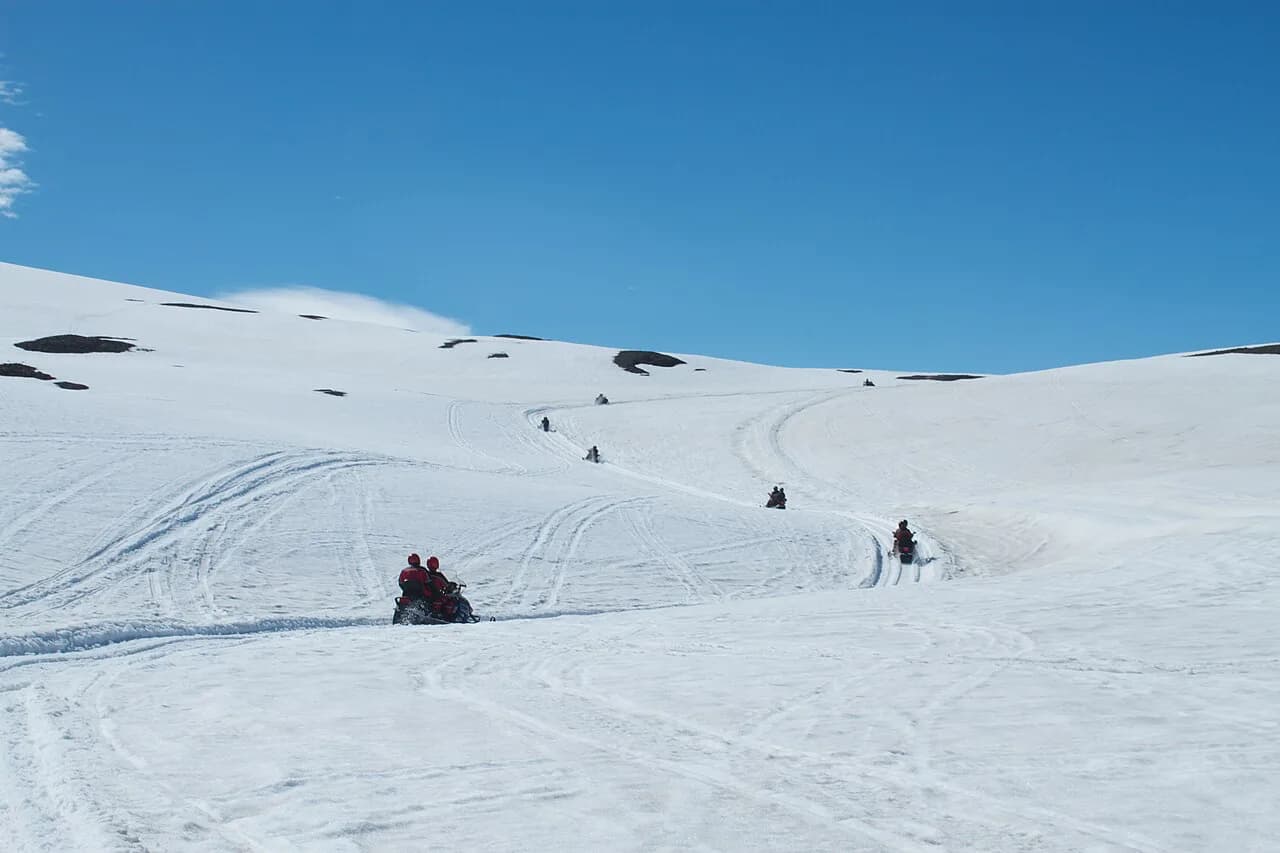
A snowmobile safari takes you onto the ice cap itself, with a guide leading the way across snowfields that would take hours to cross on foot. Iceland has the terrain for it: Langjokull, Eyjafjallajokull, Myrdalsjokull and Vatnajokull all carry guided snowmobile routes, and each sits within reach of a different touring circuit. It suits travelers who want one fast, physical day between slower sightseeing stops, whether they drive themselves or ride pillion.
Glacier riding continues into spring and summer on some ice caps, with Vatnajokull tours running from March to October. That matters if you are building an itinerary around the northern lights in Iceland: a snowmobile day can sit inside a dark-hours trip, though the aurora itself depends on solar activity and clear skies rather than on the safari.
Why Iceland's glaciers suit a snowmobile safari
Iceland is largely a highland plateau ringed by ice caps, and eleven percent of the country is covered by glaciers, according to Guide to Iceland, with snow lying over wide areas for much of the year. A snowmobile turns that blank white landscape into a route: guides know the safe lines across crevassed ice and the flat snowfields where beginners can build confidence. The result is a way to see a glacier's interior rather than a distant tongue of ice from a car park.
Scale is the other draw. Vatnajokull covers eight percent of Iceland's land surface and reaches 1000 metres thick in places, while Langjokull stretches across 953 square kilometres with ice up to 500 metres deep. On a machine you cross a meaningful slice of that, with ridges of ice and rock rising around you instead of disappearing behind the horizon.
Because the glaciers sit at different corners of the country, the safari you pick depends on your route. Langjokull works as a Golden Circle add-on, Eyjafjallajokull and Myrdalsjokull sit along the South Coast, and Vatnajokull is a natural stop on the ring road between Jokulsarlon and Hofn.
When the snowmobile season runs and how daylight shapes the day
Snowmobile tours run year-round in Iceland, but not everywhere. Snowmobiling tours on Vatnajokull run from March to October, so a summer ring-road trip can include a glacier ride high on Europe's largest ice cap. That wide season reflects the altitude of the ice: the surface stays snow-covered long after the roads below have cleared.
On the South Coast, Arctic Adventures lists its Eyjafjallajokull snowmobiling tour as available from November to June, with a two-to-three-hour version and a longer six-to-seven-hour version. The season runs through spring, so a late trip can catch a morning departure in lengthening daylight.
Winter daylight is the constraint on planning. A short glacier ride fits comfortably inside a winter day even when the sun barely clears the horizon, but a long day out of Akureyri or a Trollaskagi full-day route is better placed in spring, when the light lasts and the snow still holds. For aurora purposes, the northern lights are best sought in the dark months across autumn and winter, when the nights are long enough.
Glacier safari options: Langjokull, Eyjafjallajokull, Myrdalsjokull and Vatnajokull
Langjokull is the second-largest glacier in Iceland and the easiest big ice cap to reach from Reykjavik, with super jeep transfers running from the city or from Gullfoss waterfall on the Golden Circle. Its ice is thick and its surface relatively gentle, which makes it the default choice for first-timers who want a straightforward ride with a famous waterfall on the same day.
Myrdalsjokull is the southernmost glacier and the fourth-largest, with a 250-metre ice sheet sitting over the ten-kilometre caldera of Katla volcano. Tours typically begin at Solheimakot farm, where guides brief guests and hand out equipment before a super jeep carries the group up to the snowmobiles. The volcano beneath adds drama, but the ride itself is a guided glacier outing like any other.
Eyjafjallajokull is the ice cap that sheltered the 2010 eruption, and its snowmobile tours depart from Bru base camp on Road 249. Vatnajokull, out east, uses a departure point between Jokulsarlon glacier lagoon and Hofn, right on the ring road, which makes it the obvious choice for travelers driving the full circuit.
How a typical snowmobile tour runs from base camp to glacier
Most glacier safaris follow the same shape. You meet at a base camp, receive overalls, a helmet and a balaclava, and sit through a short safety briefing before climbing into a specially designed super jeep for the drive up to the ice. At the snowmobile line, guides allocate machines and explain the controls to anyone driving.
The riding itself is usually a set block of time on the glacier rather than an open-ended expedition. Arctic Adventures includes a one-hour snowmobiling ride in its Eyjafjallajokull tour, alongside all safety gear and an experienced guide, with the whole outing taking two to three hours on the shorter option and six to seven on the longer one that adds more of the South Coast.
Meeting on location keeps costs down if you have a car; pick-up and drop-off from Selfoss, Vik, Hella or Hvolsvollur can be added for Eyjafjallajokull departures for an extra fee. Travelers without a vehicle are better served by a tour that includes transport from Reykjavik.
Driving versus riding pillion: age, licence and shared-ride rules
To drive a snowmobile in Iceland you must be at least 18 and hold a valid driving licence, which for visitors usually means an international permit. Passengers can be younger, but the minimum age varies between companies, so the figure quoted in a booking page is the one that applies to your tour. Arctic Adventures sets a minimum age of seven for its Eyjafjallajokull tour.
Shared rides are the booking trap to watch. A shared snowmobile carries two people, so two travelers book two seats on one machine, and a group of three needs at least one single ride to avoid leaving someone without a place. Reading the seat options before paying saves an awkward conversation at base camp.
Alcohol is forbidden before and during tours, and operators can refuse anyone they believe has been drinking. Guides also keep speeds down or cancel the trip outright if a white-out rolls across the mountain, so a booked safari is never a guarantee of riding.
What operators lend and include on the ice
You do not need to own technical gear for a glacier safari. Operators typically lend waterproof winter overalls, thick gloves, a balaclava and a helmet, and Arctic Adventures lists overalls, helmet and balaclava among the inclusions on its Eyjafjallajokull tour. Underneath, ordinary warm layers are enough.
Beyond the gear, what you pay for is time on the ice, the guided briefing and the jeep transfer up the glacier. There are no food facilities on the ice, so a packed lunch is worth carrying on longer departures.
Prices vary by glacier and duration. Arctic Adventures advertises its Eyjafjallajokull snowmobiling tour from 289 US dollars per adult, with pick-up available for an additional fee; the same operator's other Iceland snowmobiling products are listed from 281, 322 and 388 US dollars, which gives a sense of how much a longer or Golden Circle-combined day adds. Treat those as starting figures and confirm the final price for your dates when booking.
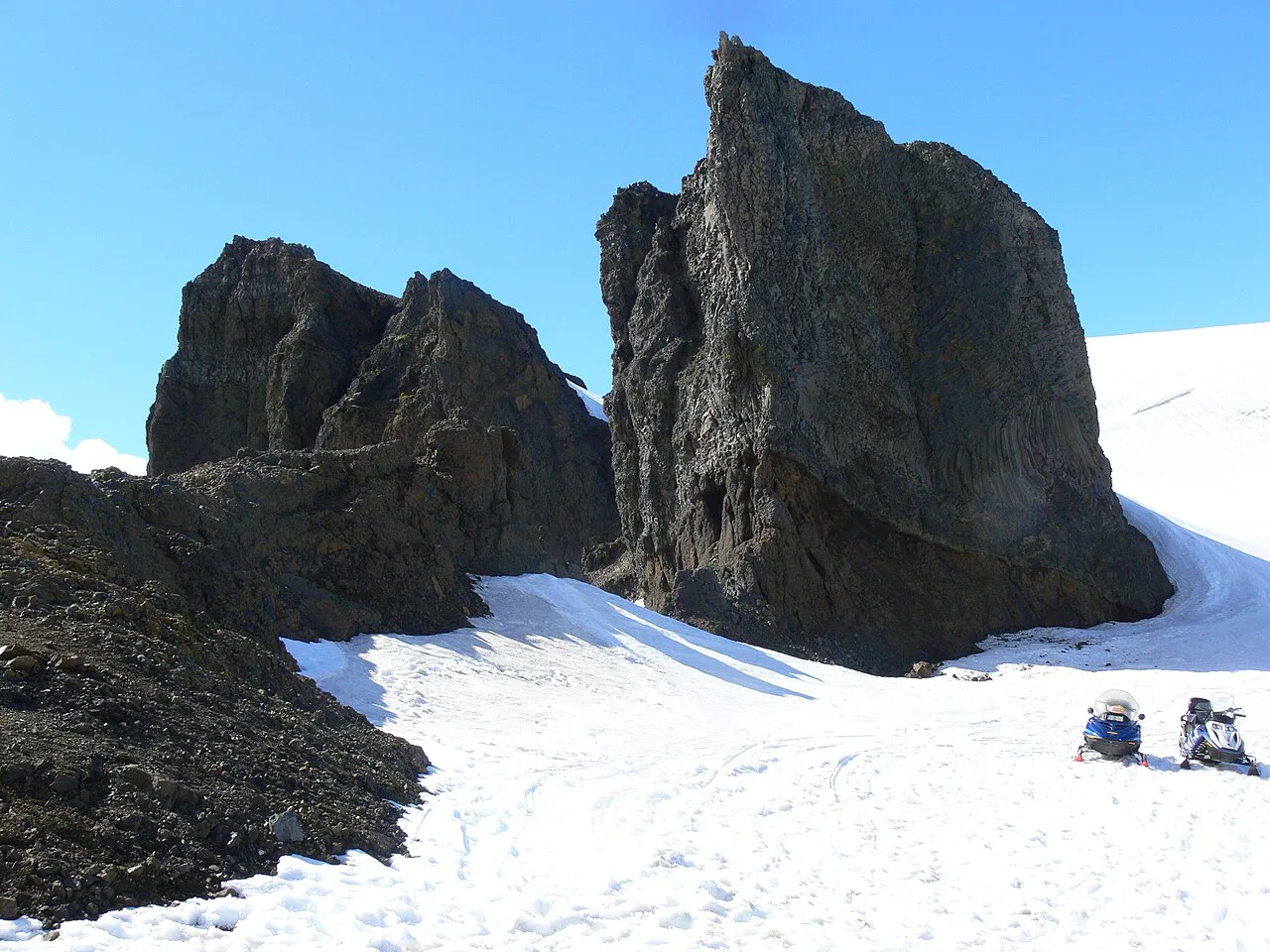
Langjokull from Gullfoss: the Golden Circle add-on
Langjokull's advantage is geography. A super jeep and qualified driver can collect you in Reykjavik or at Gullfoss waterfall, placing the glacier at the end of a Golden Circle day that already takes in Gullfoss, Geysir and Thingvellir National Park. Travelers often pair the ride with a snorkeling trip at Silfra fissure in Thingvellir, since the two sit on the same loop.
The glacier's surface is comparatively gentle, with sloping fields of powder and ice valleys, which suits riders who have never handled a snowmobile. Its ice also hides two or more volcanic calderas, though the surrounding area has been volcanically quiet, with just 32 eruptions in the last 10,000 years, so the drama here is landscape rather than eruption.
Because Langjokull tours can start from Gullfoss rather than Reykjavik, a self-drive Golden Circle day can end on the ice without a long return leg. Booking the meeting point rather than a city pick-up usually trims both cost and travel time.
If you finish the day back in the capital and want a warm soak, the Sky Lagoon in Winter sits close to Reykjavik and pairs naturally with a cold, bright glacier afternoon.
Eyjafjallajokull and the South Coast base camps
The Eyjafjallajokull safari is a South Coast fixture because it fits neatly between the waterfalls and the black sand beaches. Meet-on-location guests drive to Bru base camp on Road 249, while pick-up can be arranged from Selfoss, Vik, Hella or Hvolsvollur for an extra charge.
From the snowmobile line you look out over the South Coast, with the ice cap dominating the skyline and the sea not far beyond. The volcano under the ice is the reason most people book, but the ride is short and beginner-friendly rather than an expedition, which makes it a sensible first safari for families with older children.
Myrdalsjokull safaris leave from Solheimakot farm, a short super jeep hop from the glacier edge. Since both ice caps sit within a day's drive of the same South Coast hotels, you can choose between them based on which tour has space on your dates rather than on access.
Vatnajokull safaris near Jokulsarlon and Hofn
Vatnajokull is the biggest option and the one that works in summer. Snowmobile tours run there from March to October, with a departure point between Jokulsarlon glacier lagoon and the town of Hofn on the ring road. For travelers circling the country, that puts a glacier ride within a short detour of icebergs drifting out to sea.
Out on the ice you get open plains of untouched snow and dramatic ridges of ice and rock, with views across the eastern highlands. The scale is bigger than on the western glaciers, and the season stretches far beyond the aurora months, so this is the safari to consider if your trip falls in June or September.
Akureyri and Trollaskagi: northern riding and full-day routes
Akureyri, Iceland's northernmost city, has its own snowmobile terrain at Sulumyrar, a grazing area about 500 metres above sea level close to Glerardalur canyon. The ground there is flatter and more open than on the southern glaciers, with small hills that tempt riders to catch air. It is a different kind of safari: less ice-cap spectacle, more open-country play. If this northern option appeals, compare it with what an Akureyri snowmobile safari covers before choosing between north and south.
Trollaskagi, the peninsula between the Skagafjordur and Eyjafjordur fjords, is one of the few areas open for longer, full-day snowmobile adventures. Its closest town is Dalvik, and the terrain is mountainous and challenging, with deep gorges and wide valleys. In spring the midnight sun keeps the slopes lit; in winter, dark hours bring the northern lights into the conversation, though clear sky and solar activity still decide whether anything appears.
Booking a full-day route makes sense if the ride itself is the point of the trip rather than a stop on a sightseeing circuit. It covers more ground and more varied terrain, and it demands a reasonable level of fitness and confidence on the machine.
Riders heading back to the capital after a northern loop often look for a geothermal finish; the Secret Lagoon in Flúðir is a natural stop on the Golden Circle side of the country.
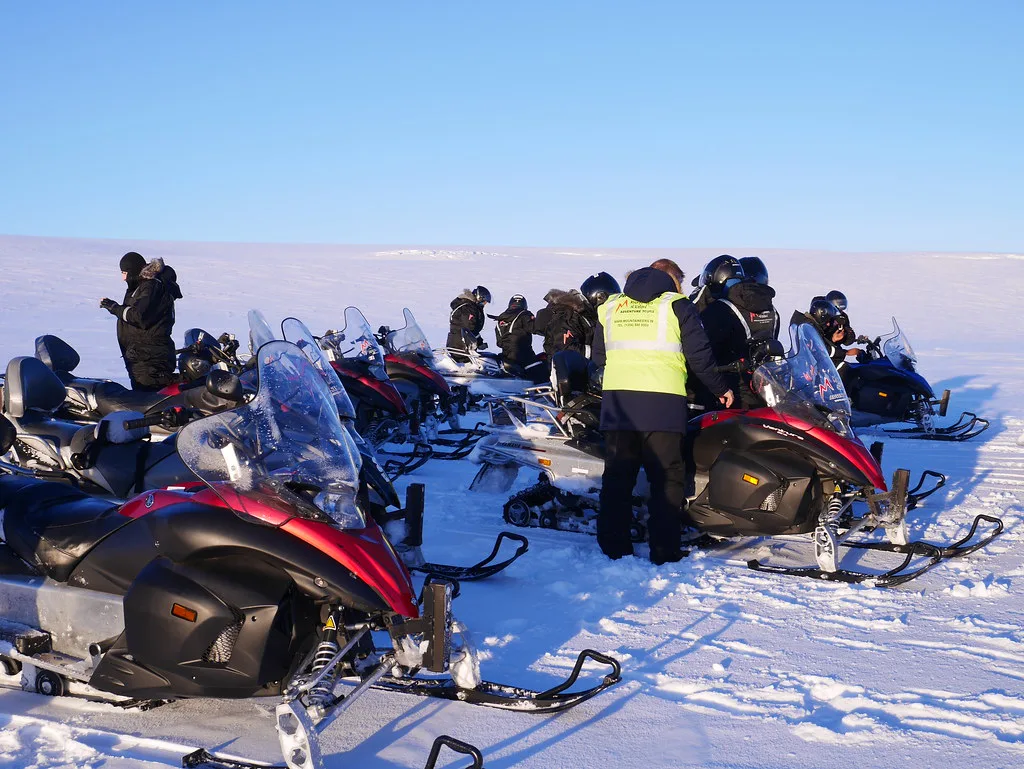
Pairing a snowmobile ride with an aurora hunt
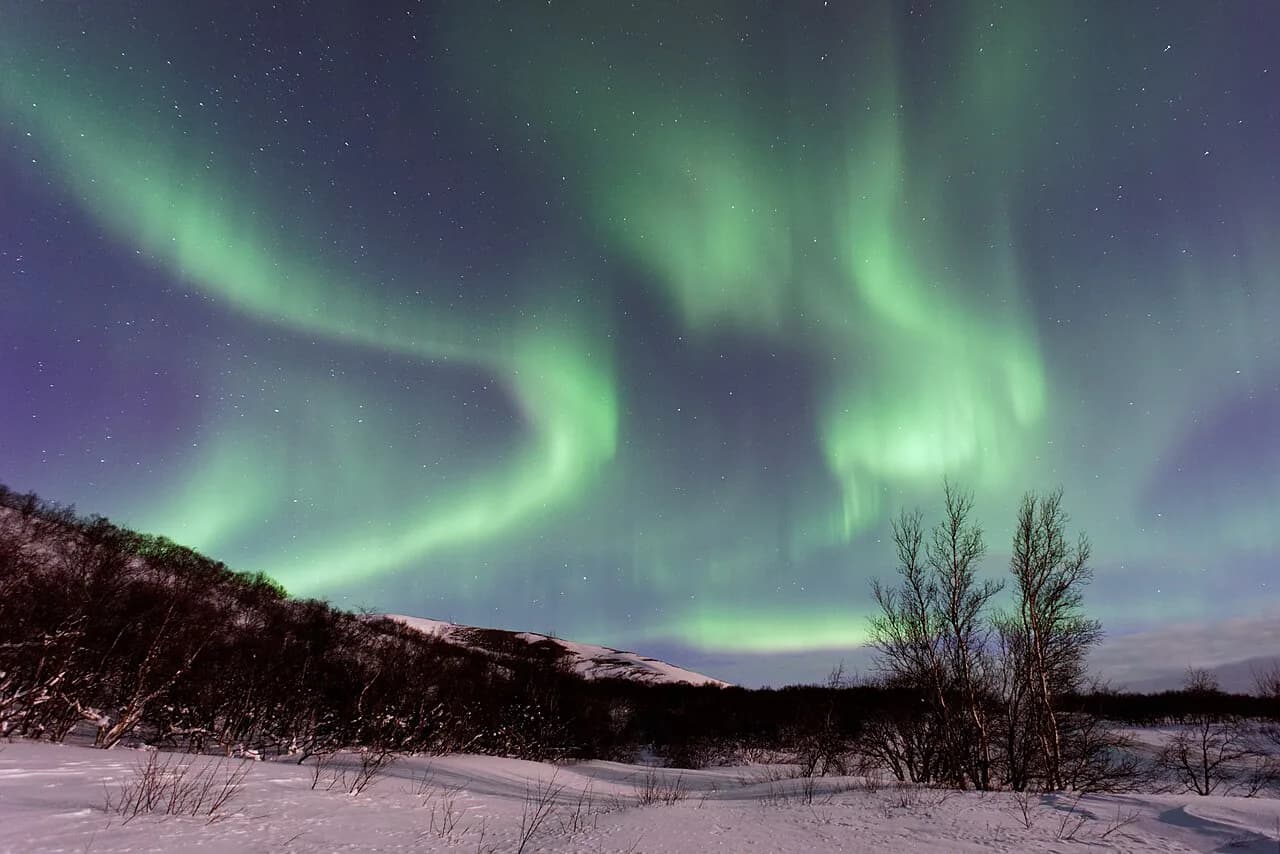
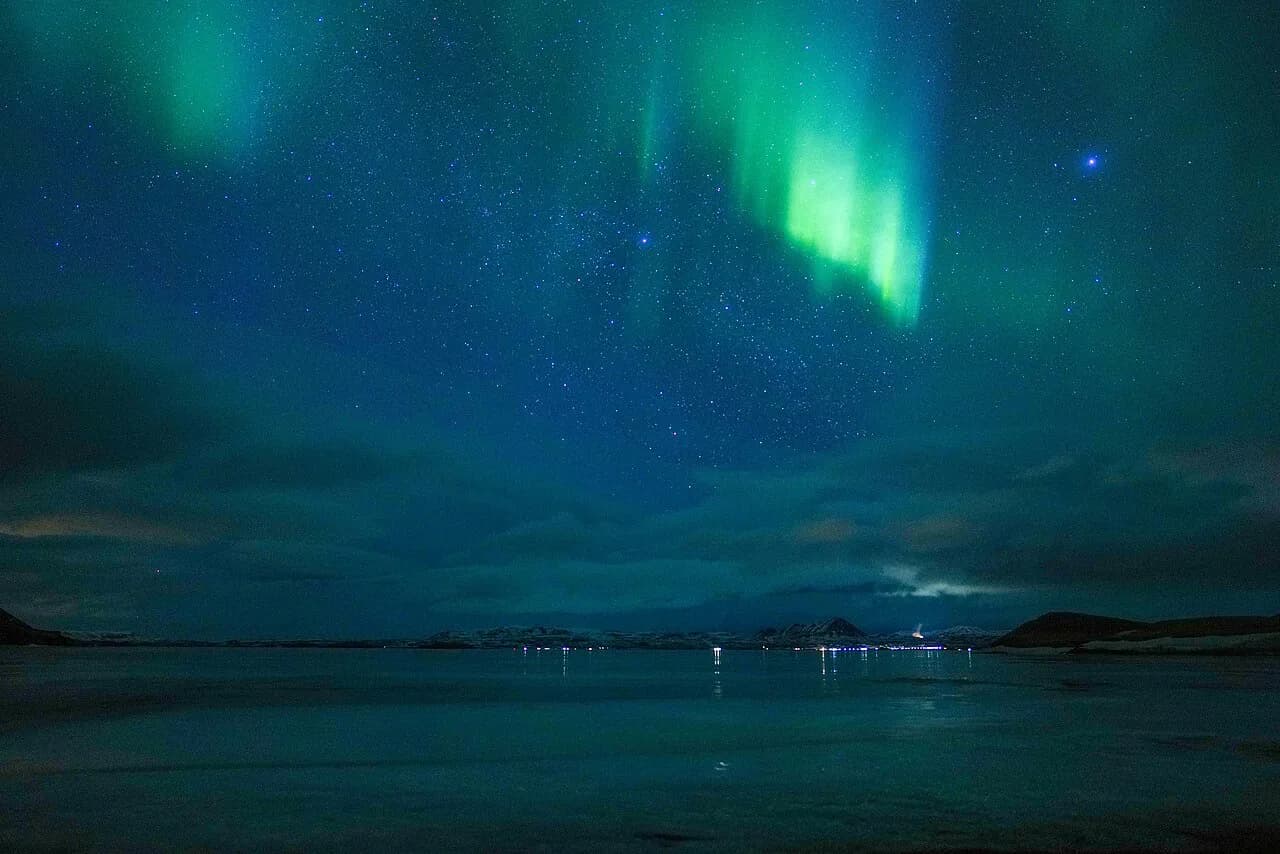
A winter snowmobile tour puts you outdoors after dark, but it is not an aurora guarantee. Sightings depend on solar activity and clear skies, and a white-out that cancels a glacier ride also rules out any chance of a display. Where a safari helps is timing: a late-afternoon or evening departure places you outside the city lights when the sky is at its darkest.
Iceland sits just below the Arctic Circle, and the northern lights appear over the whole country when conditions allow; the practical difference between locations is cloud, not latitude. That makes a dedicated northern lights tours night out of Reykjavik a sensible companion to a daylight glacier ride, with the safari as the action and the chase as the evening.
In Trollaskagi, guides note that winter snowmobiling happens under the aurora when it appears, which is the honest way to frame any dark-hours ride. Book the safari for the terrain and the speed, and treat a display as something the sky may or may not add.
Weather calls, white-outs and cancellations
Glacier weather changes fast, and operators reserve the right to adjust itineraries or choose different routes depending on conditions. If a white-out hits the mountain, guides instruct tours to slow down or cancel, and safety takes priority over the schedule.
That means a cancelled safari is a normal possibility in winter rather than a failure of planning. Keep a flexible day in your itinerary and expect refunds or rescheduling to be handled by the tour company's customer care team rather than by the guide on the ice.
It also helps to book a glacier ride early in a trip rather than on your final morning, so there is room to move it if the weather closes in.
How many nights to plan around a safari
Allow at least one full day for a glacier safari, and two nights in the area if you also want an aurora chase for the same base. The one-hour Eyjafjallajokull ride and the two-to-three-hour tour around it fit neatly into a South Coast overnight, while the longer six-to-seven-hour version is better treated as the day's main event.
For aurora odds, plan three or more nights in Iceland in winter and treat each clear evening as a chance rather than a certainty. A snowmobile day, a lagoon soak and a night tour can share the same stay without competing for time, as long as you keep one day free for weather.
Travelers building the whole trip around dark skies should start with the country-level guide to northern lights in Iceland, then choose the glacier that fits the driving route.
Choosing between a short glacier ride and a full-day safari
The short glacier ride wins on convenience. A two-to-three-hour Eyjafjallajokull tour, a one-hour block on the ice and a base camp on a South Coast driving route let you pair the safari with waterfalls and beaches the same day. It suits first-timers, families with children aged seven and over, the minimum age on Arctic Adventures' Eyjafjallajokull snowmobiling tour, and travelers who want the experience without committing a whole day.
The full-day safari wins on terrain. Trollaskagi's long routes and the six-to-seven-hour version of the Eyjafjallajokull tour cover more ground and take in more varied landscapes, at the cost of flexibility and a higher price. Vatnajokull's March-to-October season makes it the standout for summer travelers who still want snow under the machine.
Whichever you choose, compare the seat options, the minimum ages and the meeting point before you pay. Get those three right and the rest of the day is a matter of weather and nerve.
Plan Your Snowmobile Safari
Iceland's snowmobile safaris split cleanly along the ring road: Langjokull for a Golden Circle add-on, Eyjafjallajokull and Myrdalsjokull for the South Coast, Vatnajokull for summer travelers heading east. Pick the glacier that fits your driving route, then decide between a short ride and a long day based on how much time you want on the ice.
Book your seat configuration and pick-up point carefully, watch the minimum ages, and leave room in the itinerary for a weather cancellation. With those sorted, a snowmobile safari is one of the most direct ways to see Iceland's ice caps up close, and a good complement to a dark-hours aurora trip.
Frequently Asked Questions
Do people snowmobile in Iceland?
Yes. Guided snowmobile tours run on several of Iceland's ice caps, including Langjokull, Eyjafjallajokull, Myrdalsjokull and Vatnajokull, as well as on open terrain near Akureyri and on the Trollaskagi peninsula. The machines are provided and the route is led by a guide.
Which glacier is best for a snowmobile safari?
Langjokull is the easiest from Reykjavik and the Golden Circle, with super jeep access from Gullfoss. Eyjafjallajokull and Myrdalsjokull suit a South Coast itinerary, while Vatnajokull works best for travelers driving the ring road between Jokulsarlon and Hofn, and it runs from March to October.
Can you drive a snowmobile in Iceland without a licence?
No. Drivers must be at least 18 and hold a valid driving licence, which for visitors usually means an international permit. Passengers can ride pillion without a licence, but they must meet the minimum passenger age.
What age can children ride a snowmobile in Iceland?
The minimum passenger age varies between companies, so the booking page for your specific tour is the figure that applies. Arctic Adventures, for example, sets a minimum age of seven on its Eyjafjallajokull snowmobiling tour.
Can you combine a snowmobile tour with the Golden Circle?
Yes. Langjokull tours can start from Gullfoss waterfall, at the end of a Golden Circle route that takes in Gullfoss, Geysir and Thingvellir National Park. Some travelers also add a Silfra snorkeling trip, since it sits on the same loop.
Is a snowmobile safari a good way to see the northern lights?
It can be, in winter, when a late or dark-hours departure places you away from town lights. The aurora itself depends on solar activity and clear skies, so treat a display as a possible bonus rather than the reason to book. A dedicated northern lights tour is the better primary plan.
Sources
Notes for your Arctic winter trip
Optional updates to our northern lights guides.
You might also like

Continue reading
More guides you'll find useful