Jökulsárlón in February: Ice Caves, Aurora and Short Days
February at Jökulsárlón means guided blue ice caves, dark nights for the aurora and 8h 35m of daylight. Here is how to plan a short winter day at the lagoon.
On this page
February gives Jökulsárlón something December cannot: a winter day long enough to walk the shore, drive the south coast and still reach a guided ice cave before the light goes. The nights stay fully dark, so the aurora window is open, and the low midday sun rakes across the icebergs and Diamond Beach from the side all day. It suits travellers who want the glacier and the lights on one trip and accept that a boat tour is not part of it.
Why February suits the lagoon
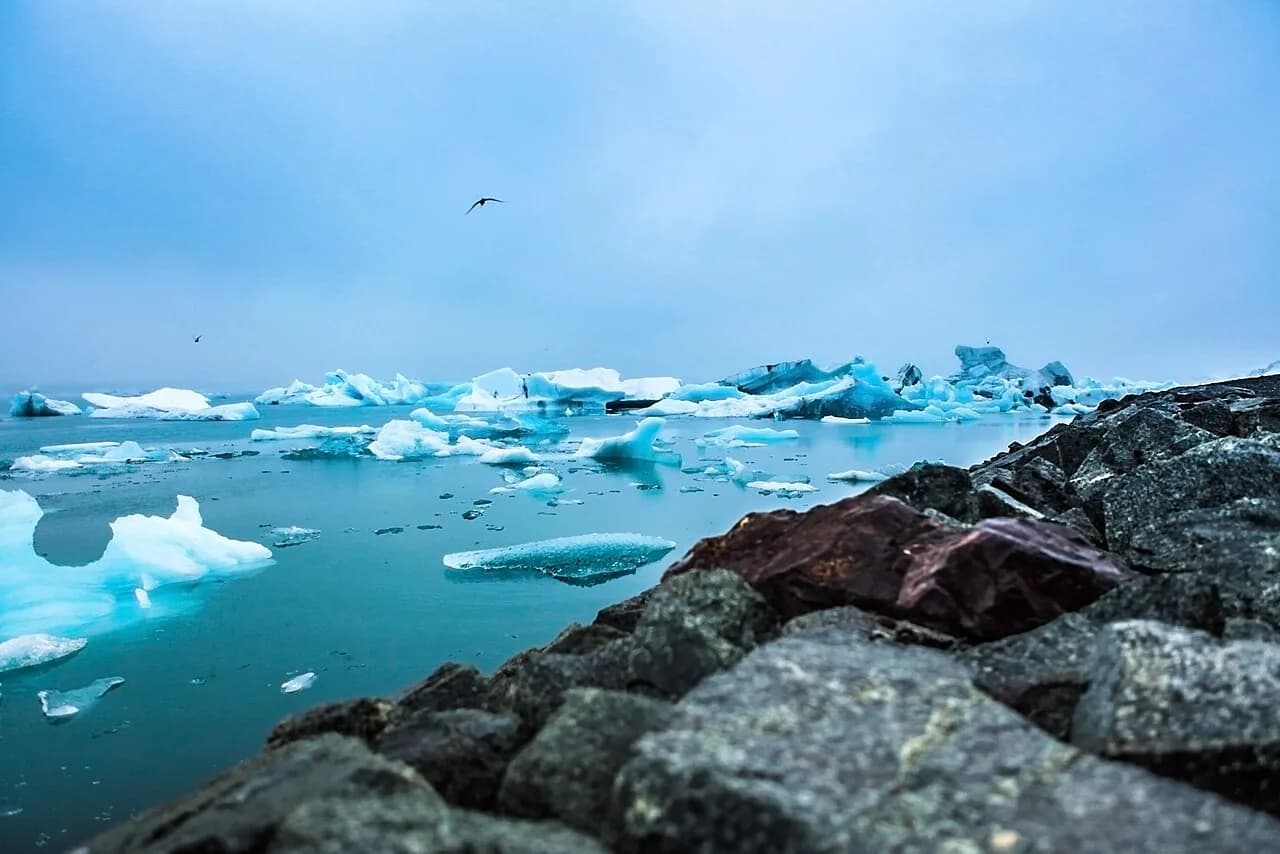
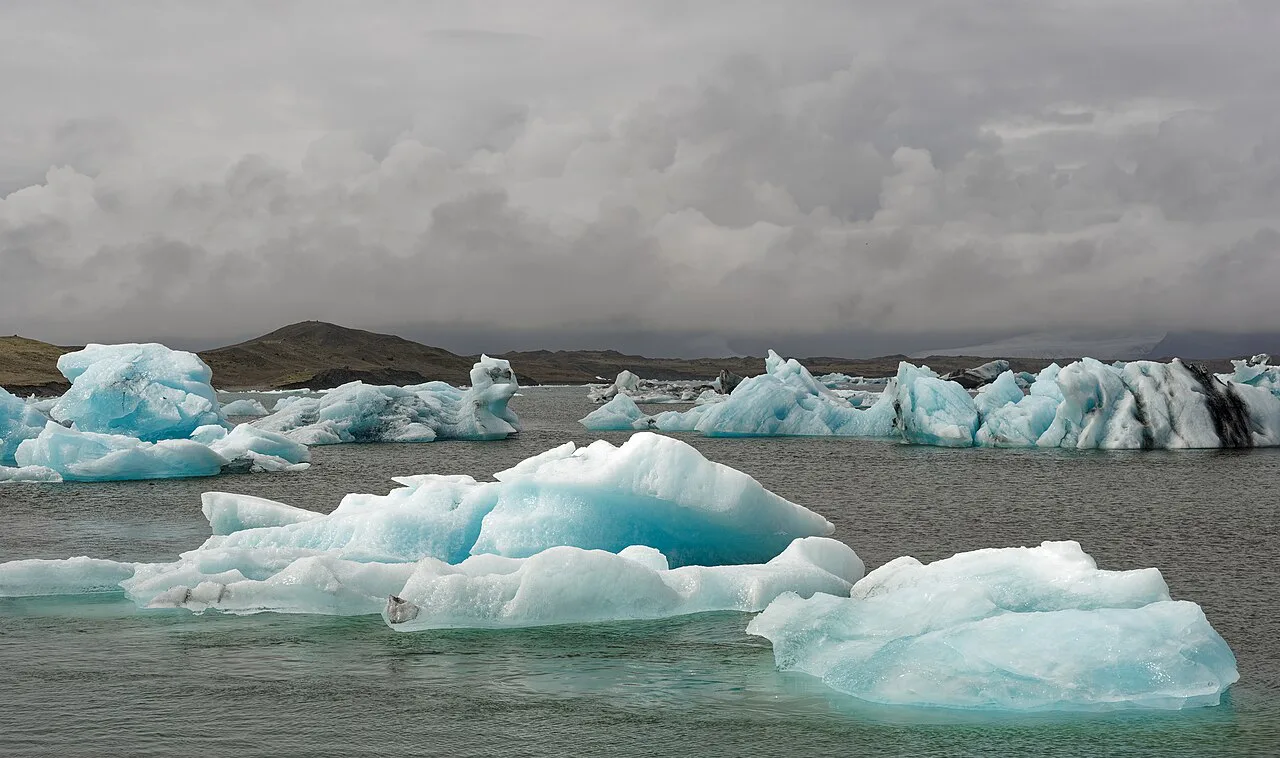
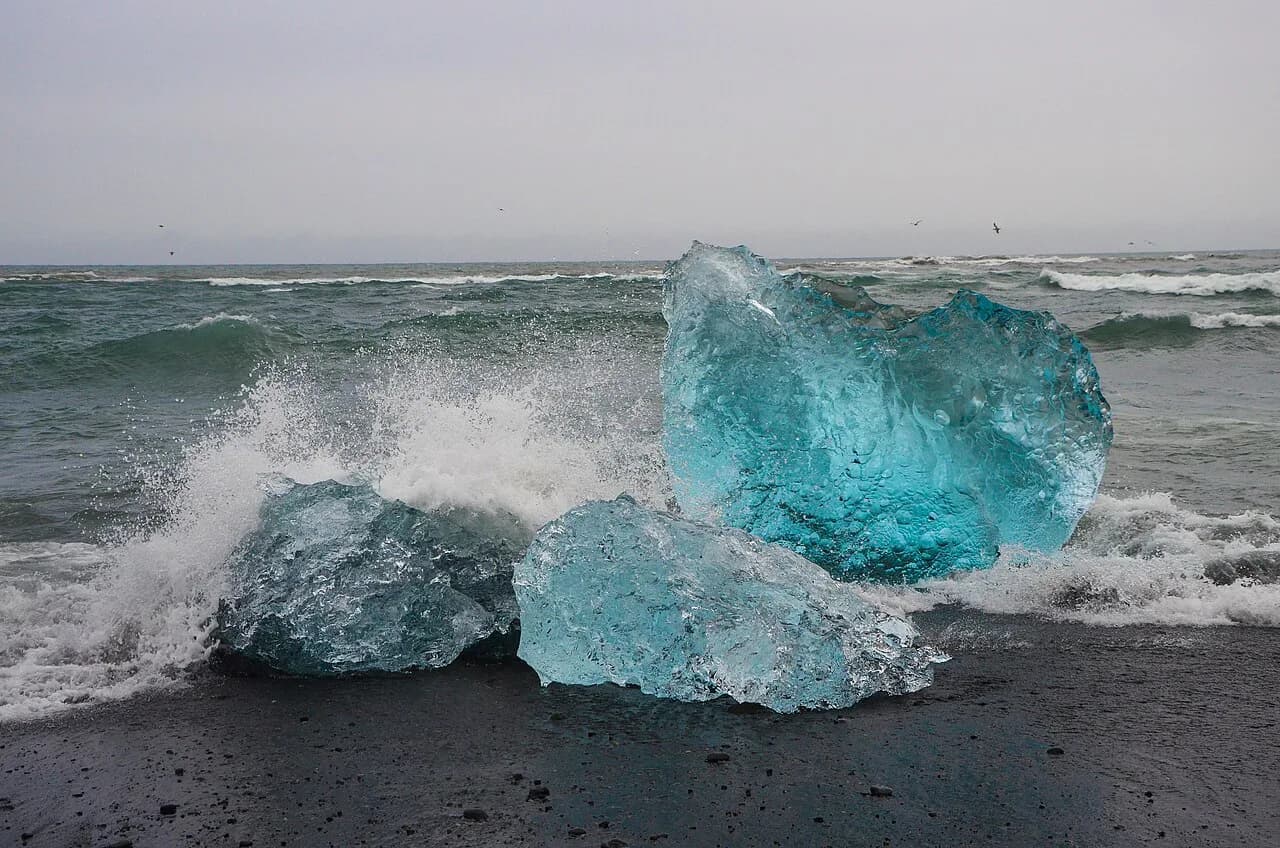
The lagoon sits at the foot of Breiðamerkurjökull, an outlet glacier of Vatnajökull, where icebergs calve continuously and drift through a narrow channel to the sea. In February the ice is there in quantity, the blue caves inside the glacier are in their usual season, and the sun never climbs high enough to flatten the scene. For photography, that sideways light is the reason to come now rather than in June.
February is also the practical compromise between the cave season and usable daylight. Operators generally treat mid-winter as the most dependable stretch for cave access, and February daylight runs 8h 35m against 4h 17m in December. You lose the near-21 hours of a June day, but you gain a full afternoon outside.
How far north the lagoon sits and why the aurora shows here
Jökulsárlón lies roughly 280 km south of the Arctic Circle, so it does not get true midnight sun and the sun sets every night of the year. The aurora does not need you to be inside the Arctic Circle, though: it needs a dark sky and a view toward the north, and the auroral oval regularly reaches down over Iceland. In February the nights are long enough to give the lights plenty of hours to work with.
What February cannot supply is clear sky. The aurora is set by solar activity and geomagnetic conditions, and the geomagnetic conditions are only half the story: a strong forecast behind thick cloud delivers nothing. On this coast, cloud is usually the deciding variable, which is why a plan built around more than one night beats a single booked tour.
Daylight and weather in February
Icelandic Met Office station records for the lagoon put February at 184 mm of rain across the month and a mean temperature of 0.7°C, with daylight of 8h 35m. That is milder than most visitors expect and wetter than the deep-winter image suggests, so a February day here can mean rain rather than snow at the shore. Visitor numbers across Iceland sit at about 50 on an index where August is 100, so the car park is quiet compared with summer.
The 8h 35m figure is the one to plan around. A cave tour starting at the lagoon takes about three hours, which fits inside the day with room to drive to and from your accommodation in reasonable light. A fourteen-hour day trip from Reykjavík in that same short day is mostly road, which is why the winter base matters so much.
When the aurora season runs
At this latitude the sky stops reaching astronomical darkness between 11 April and 2 September, a stretch of 145 nights when a glow stays in the sky. Darkness returns at the start of September and deepens through autumn: about 8h 46m a night by mid-October and close to thirteen hours through December. February sits inside that fully dark window, so darkness is not the limiting factor.
Compared with December, February buys you roughly four extra hours of daylight while keeping long dark nights. Compared with late March, February keeps more darkness but offers less time for the caves and the drive. If the lights are your priority, February keeps both the caves and the dark; if daylight and easier roads matter more, later in the season is better. Iceland in February makes the same trade between short days and dark nights worth weighing before booking a south coast trip.
Where to watch near the lagoon
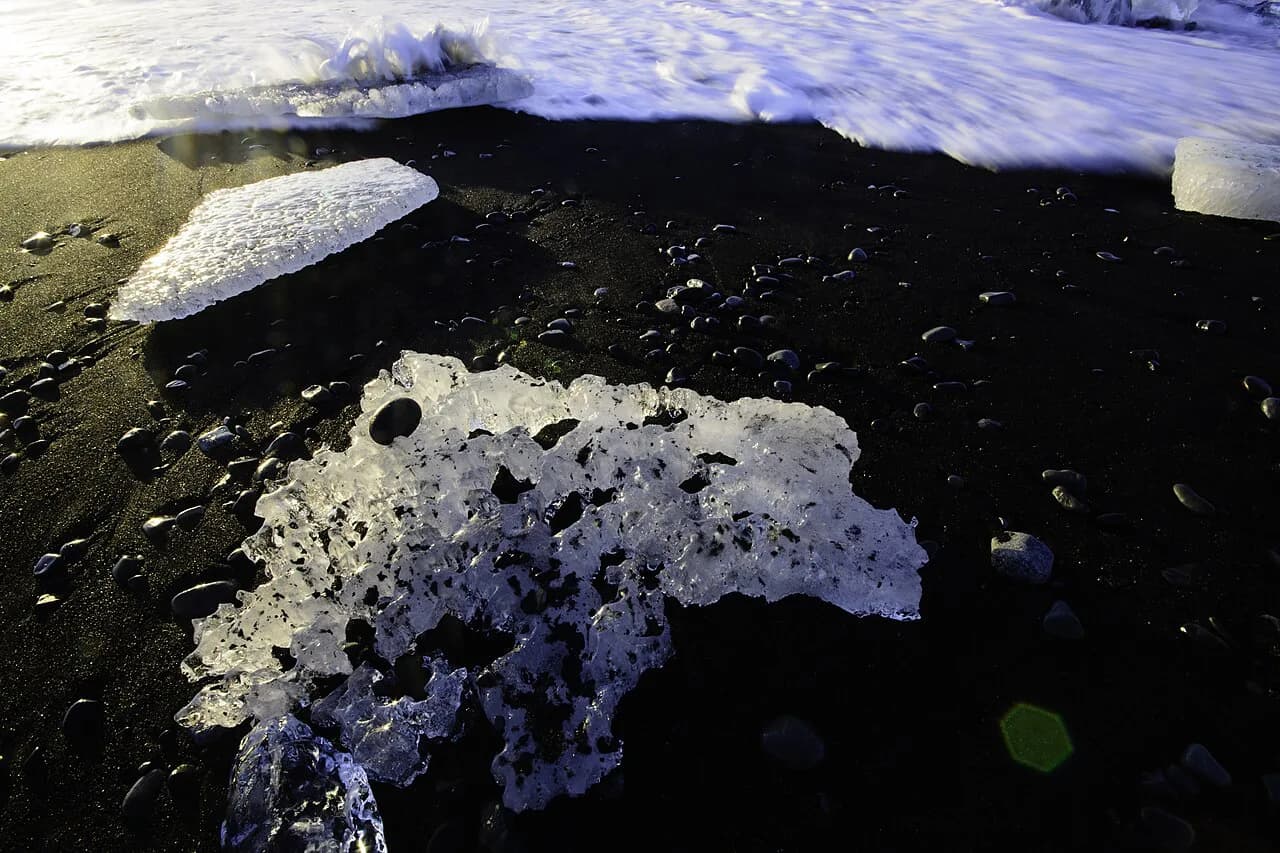
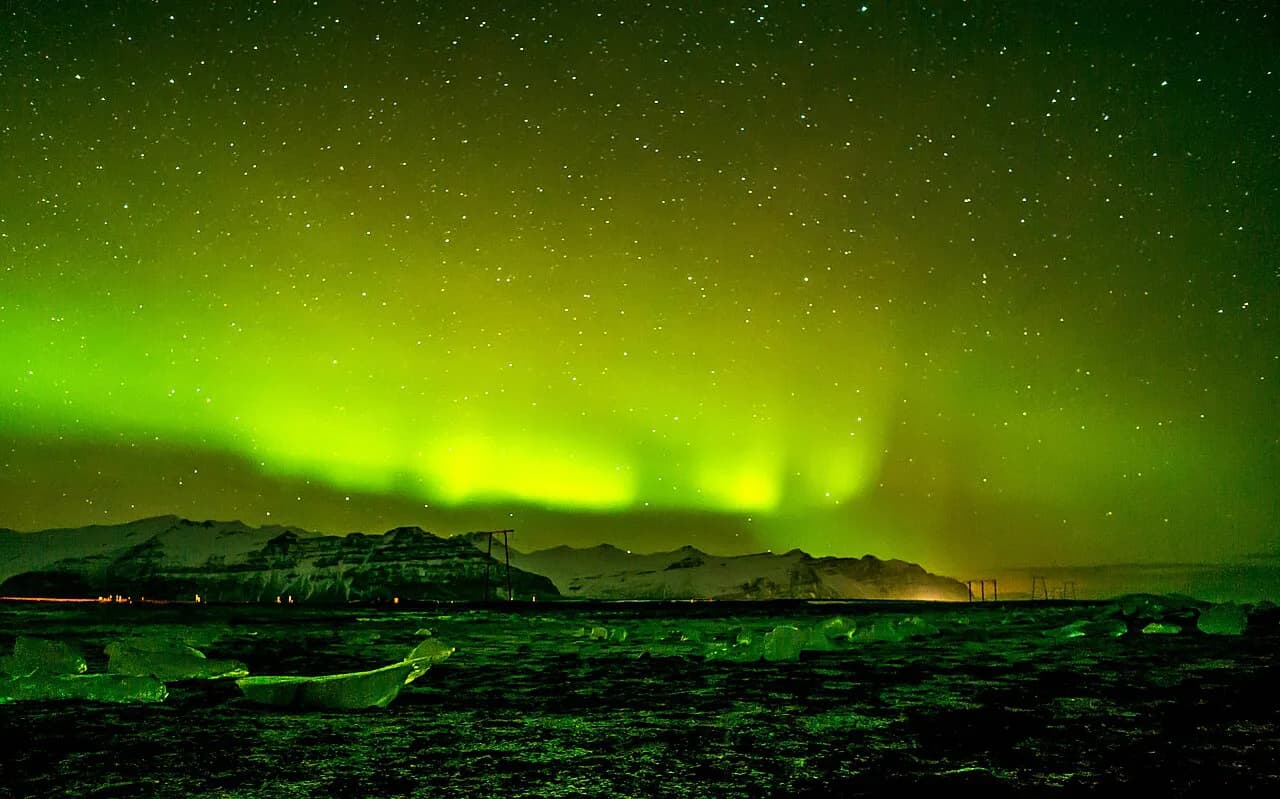
The shoreline car park at the lagoon is convenient but not dark: coach lights and headlights persist well into the evening. Diamond Beach, a short drive east where the channel meets the sea, gives you open views to the north over the water and the ice, and the black sand plain behind it is broad and unlit. Both are close enough to reach in minutes from the lagoon itself.
Drive a few minutes off the Ring Road onto the sand plain of Breiðamerkursandur and light pollution drops away almost entirely. Keep to marked tracks, because the ground here is soft and the terrain is a nesting area in summer; in February the ground is firmer but the tracks still matter. Look north, give your eyes twenty minutes to adapt, and keep vehicle lights off while you watch.
Self-guided aurora chasing versus a guided night tour
If you have a car with proper winter tyres and you are staying near the lagoon, self-driving gives you the freedom to move when a gap opens in the cloud. The catch is the road: the Ring Road here is exposed, closures are common in winter, and safetravel.is carries the official alerts you should read before setting out. A hire car without winter tyres between November and March is not a sensible option.
A guided night tour from Höfn or Skaftafell removes the driving decision and puts someone local in charge of judging cloud and road conditions. The trade-off is cost and fixed departure times, and no operator can promise a sighting. Guides usually lend thermal suits on cold nights, which helps if you are standing still for an hour or more.
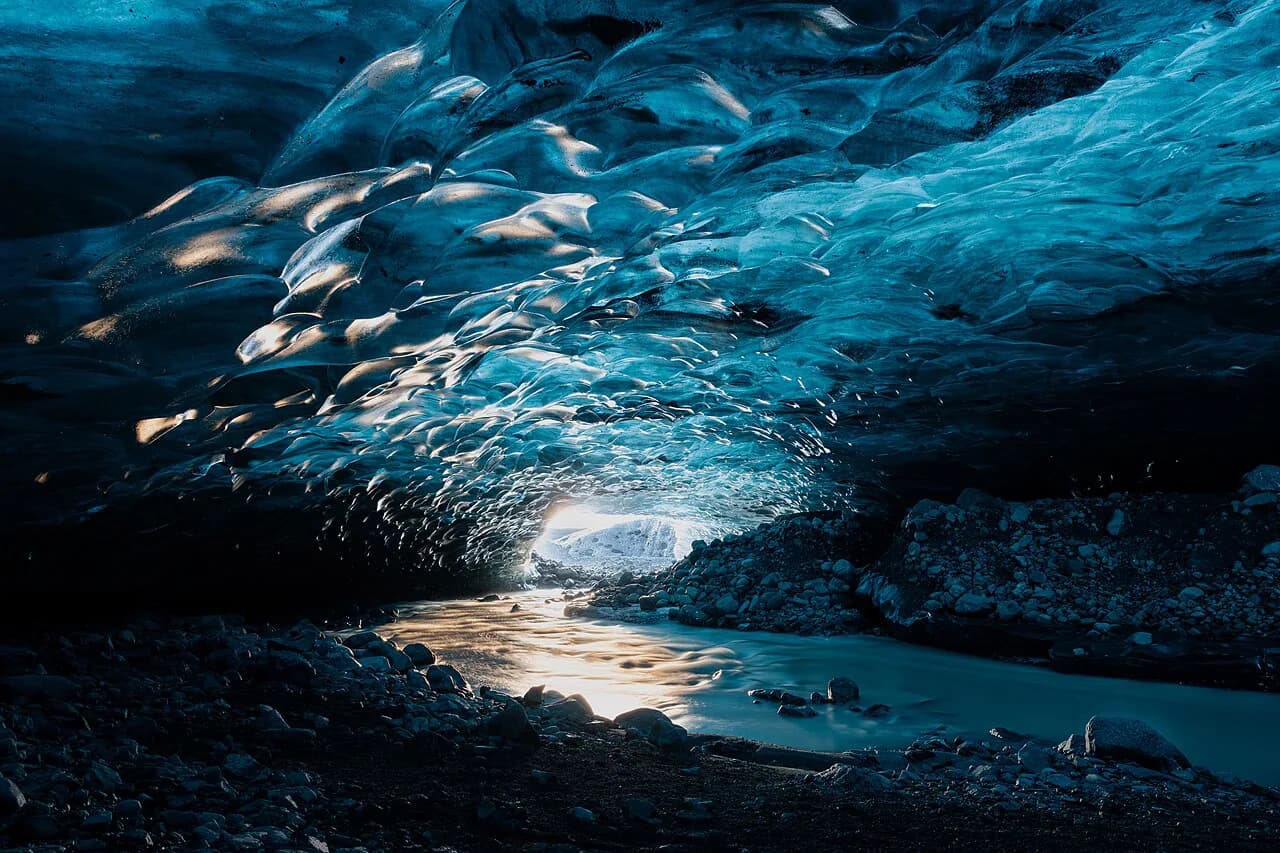
Blue ice caves under Breiðamerkurjökull
The natural blue caves form inside Breiðamerkurjökull each winter and melt out again in spring, which is why no operator can guarantee a specific cave. The season runs roughly November to March, sometimes into April after a cold spring, and guides assess the caves daily before taking groups in. Access is guided only; you cannot walk into these caves independently.
Book a cave tour that starts at the lagoon rather than in Reykjavík. A three-hour tour from the lagoon fits inside a February day, whereas adding five hours of driving each way turns the cave into a rushed stop. Check the live calendar for the guiding company's actual dates and current price before you commit, since the season closes early when ice and weather make the caves unsafe.
Glacier hikes and other winter activities from Skaftafell
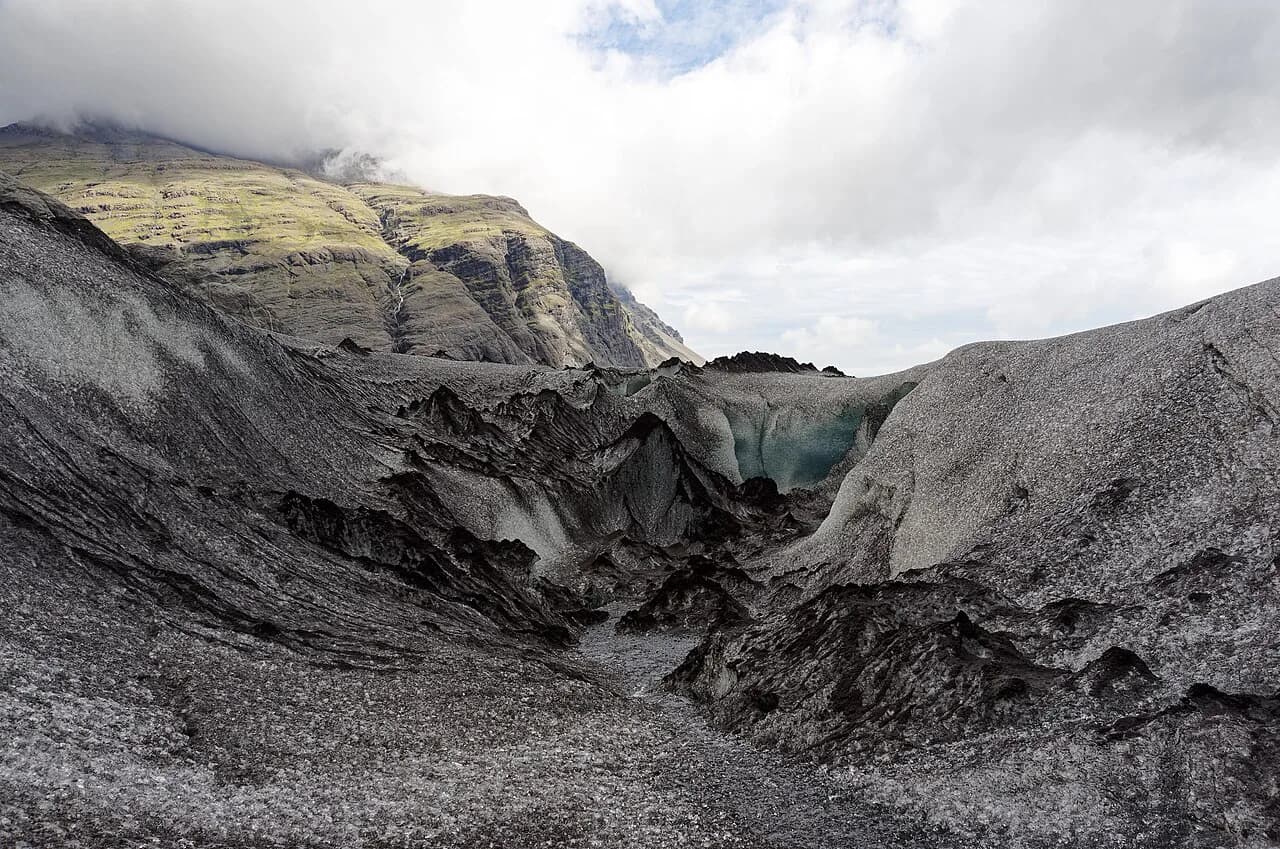
Skaftafell, within Vatnajökull National Park, is the main gateway for guided glacier hikes on Falljökull and for winter walks to Svartifoss. Hikes run with crampons and an ice axe supplied by the guide and typically last a few hours, fitting neatly into the short February day. The park visitor centre is where you confirm meeting points and conditions.
Other south-coast stops fit the same day: Seljalandsfoss and Skógafoss on the drive from Reykjavík, and the quieter Fjallsárlón lagoon next to Jökulsárlón. Geothermal pools along the coast give you a warm hour after a cold cave. In February, plan two activities maximum per day and let the road take the rest of the light.
Lagoon boats in February and what the shoreline offers instead
There are no boat tours on Jökulsárlón in February. The amphibian boat runs May to November and the Zodiac May to October, both subject to ice and weather, and both stop when the lagoon becomes unnavigable. If the boat was the reason for your trip, February is the wrong month; if the ice was, the shore is enough.
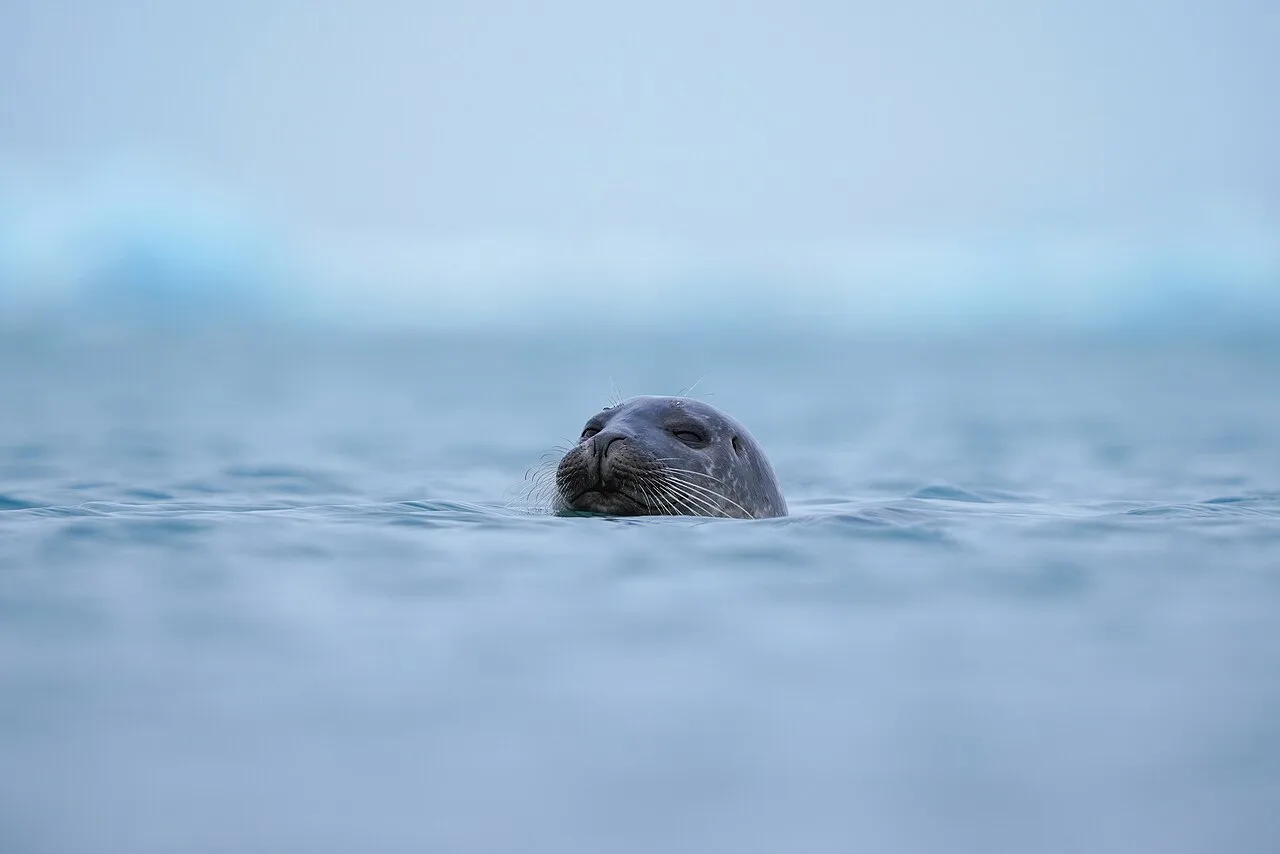
Walking the shoreline in February is still the classic experience: icebergs drifting toward the channel, seals surfacing, and the glacier wall behind. Harbour seals are present year-round, though they are hardest to miss during the summer moult. Give the ice a wide berth and stay behind the marked line at the water's edge.
Where to base yourself: Höfn, Skaftafell and the drive from Reykjavík
Jökulsárlón is about five hours' drive from Reykjavík each way, which makes it a poor day trip in February. Base yourself at Höfn, roughly an hour east, or at Skaftafell, about an hour west, so the lagoon and the caves are within a short drive. That also gives you more than one night of aurora chances without an overnight road run.
Höfn has the larger choice of hotels and restaurants, while Skaftafell puts you closer to the national park trails and the glacier hikes. Whichever you choose, fill the tank when you can and treat the Ring Road as weather-dependent. If you are flying into Keflavík, allow a full day to reach the lagoon with stops, or two days if you want to break the drive.
How many nights to allow for a fair chance of clear skies
One night gives you one roll of the dice, and cloud on this coast is common enough that a single night often fails. Three nights based near the lagoon gives you several chances without wasting daylight, and the cave and glacier days fill the hours you are not watching the sky. Two nights is the minimum if the aurora is a real priority rather than a bonus.
Keep your plans flexible within the stay: if a clear night is forecast mid-trip, take it, and shift the cave tour to the cloudier night. Forecasts are guidance, and Kp values indicate geomagnetic activity rather than local sky conditions. The best odds come from darkness, patience and a willingness to drive twenty minutes for a gap in the cloud.
February crowds and the mid-winter trade-off
February is one of the quietest months in Iceland, at about half the August peak on the visitor index, so the lagoon car park and Diamond Beach are far calmer than in July. The trade-off is exactly what makes it quiet: short days, unpredictable roads and a lagoon with no boats running. What you get in return is the cave season and long dark nights without summer coach traffic.
If you want more daylight without losing the aurora, late February and early March give you nearly twelve hours by March while the caves are still in season. If the caves matter more than the daylight, early February is the safer bet for stable ice. Either way, a winter trip to Jökulsárlón rewards a slower schedule over a packed one.
Plan Your February Visit
February gives Jökulsárlón a usable day, fully dark nights and the blue caves at their most dependable, as long as you base yourself close and plan around 8h 35m of daylight. Book the cave tour from the lagoon, skip the boat, and leave room in your itinerary for a second or third night of aurora watching. The lights are never guaranteed, but a flexible plan with a few dark nights behind it gives you the best chance this coast can offer.
Frequently Asked Questions
What is Jökulsárlón like in February?
February is deep winter at the lagoon: icebergs fill the water, the glacier's blue caves are in season, and nights are fully dark. Daylight runs 8h 35m, the mean temperature is around 0.7°C and the month averages 184 mm of rain, so expect wet, mild winter weather rather than hard frost every day. Visitor numbers are near half the August peak, which makes the lagoon quiet.
Can you see the northern lights at Jökulsárlón in February?
February nights at the lagoon stay dark for many hours, so the aurora window is open. A sighting still depends on solar activity and clear sky, and cloud is common on this coast. Give yourself several nights near the lagoon, watch the forecast and move to a dark spot such as the black sand plain away from the car park to improve your odds. No operator can promise a sighting.
Are the ice caves open in February?
Yes, the natural blue caves inside Breiðamerkurjökull are in their usual season from roughly November to March, and February is generally treated as dependable. The caves melt out and reform each winter, so no specific cave can be promised, and guided access only. Book a tour starting at the lagoon so the three-hour trip fits inside the short day.
Do boat tours run on Jökulsárlón in February?
No. The amphibian boat runs May to November and the Zodiac May to October, both subject to ice and weather, so the lagoon is unnavigable for tours in February. You can still walk the shoreline and visit Diamond Beach, and the cave season gives you something else to do with the day.
How much daylight is there at Jökulsárlón in February?
February averages about 8h 35m of daylight at the lagoon, roughly double December's 4h 17m. That is enough for one guided cave tour plus a drive between Höfn or Skaftafell and the lagoon, but not for a fourteen-hour return day trip from Reykjavík. Plan two activities maximum per day and let the road take the rest of the light.
Should you base yourself at Höfn or Skaftafell in February?
Höfn, about an hour east of the lagoon, has more hotels and restaurants but a longer winter drive. Skaftafell, about an hour west, puts you close to the national park trails and the glacier hikes. Both work for a February trip, and both give you several nights of aurora chances without a long overnight road run.
Is February a good time to avoid crowds at Jökulsárlón?
February is one of Iceland's quietest months, at about half the August peak on national visitor figures, so the lagoon and Diamond Beach are calm. The trade-off is short days, weather-dependent roads and no boat tours. If you want more daylight with the cave season still running, late February and early March are the better balance.
Sources
Notes for your Arctic winter trip
Optional updates to our northern lights guides.
You might also like
Continue reading
More guides you'll find useful