Jökulsárlón in September: Glacier Lagoon, Ice Caves & Aurora
Plan a September visit to Jökulsárlón: kayaking, boat tours, early aurora chances, opening ice caves, weather, driving from Reykjavík and where to stay.
On this page
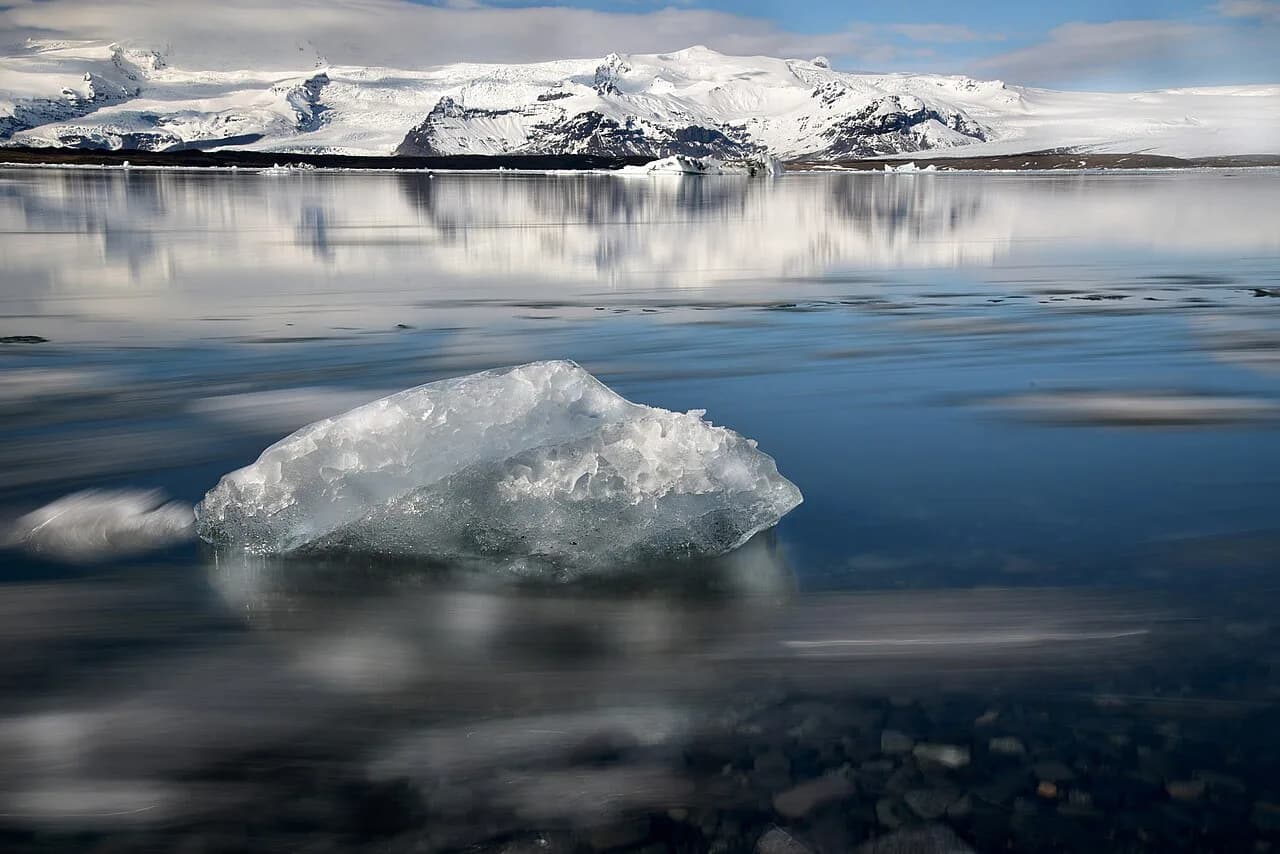
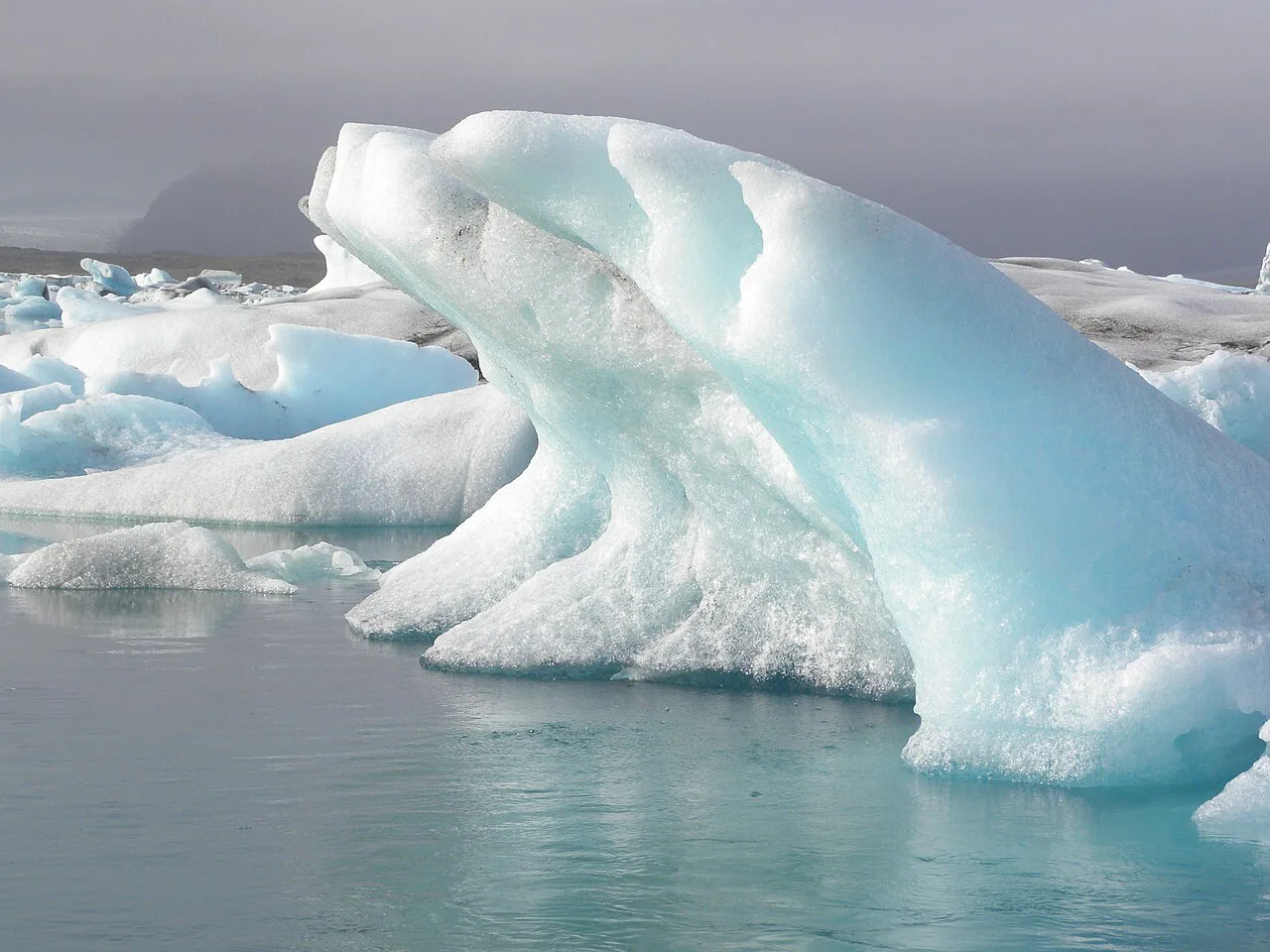
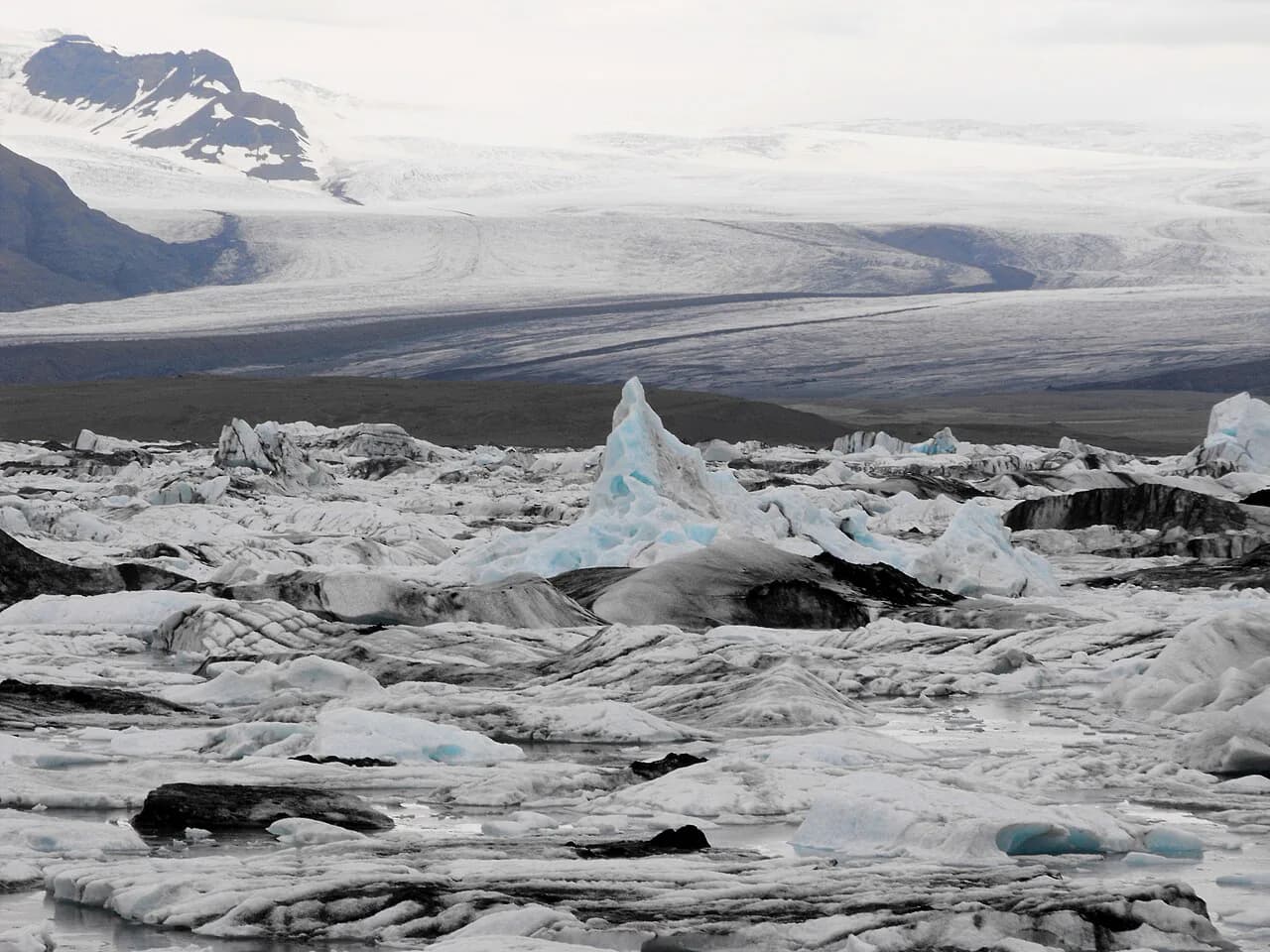
September at Jökulsárlón is the month when Iceland's southeast slides from summer into winter, and the lagoon lets you sample both. Icebergs calved from Breiðamerkurjökull still drift across the teal water, boat tours and kayaking run while the weather holds, and the first dark nights bring aurora chances over one of the country's least light-polluted landscapes. It suits travelers who want glacier scenery and wildlife without full winter conditions, and who are willing to trade guaranteed summer access for shorter days and a changeable forecast.
Why September suits Jökulsárlón
September is the hinge month on Iceland's south coast: summer activities such as hiking, kayaking and boat tours are still running, while winter pursuits like ice caving and snowmobiling start up as nights lengthen. That overlap means a single base near the lagoon can cover a paddle among the floes and a guided walk into a glacier cave within a couple of days. It also means crowds thin compared with midsummer, though the lagoon remains a scheduled stop on most Ring Road itineraries.
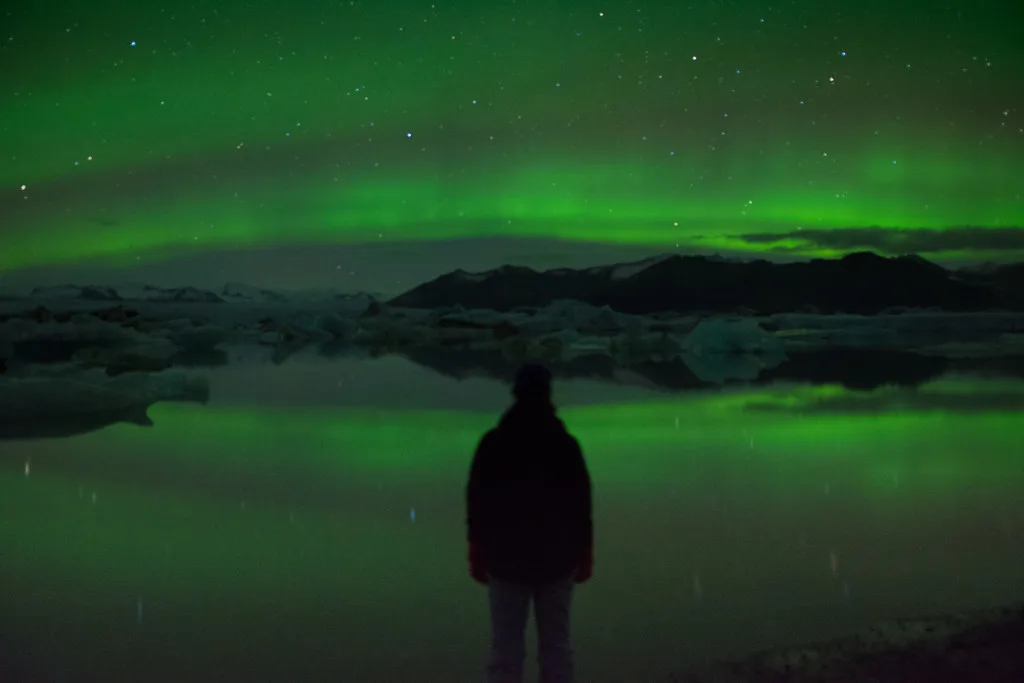
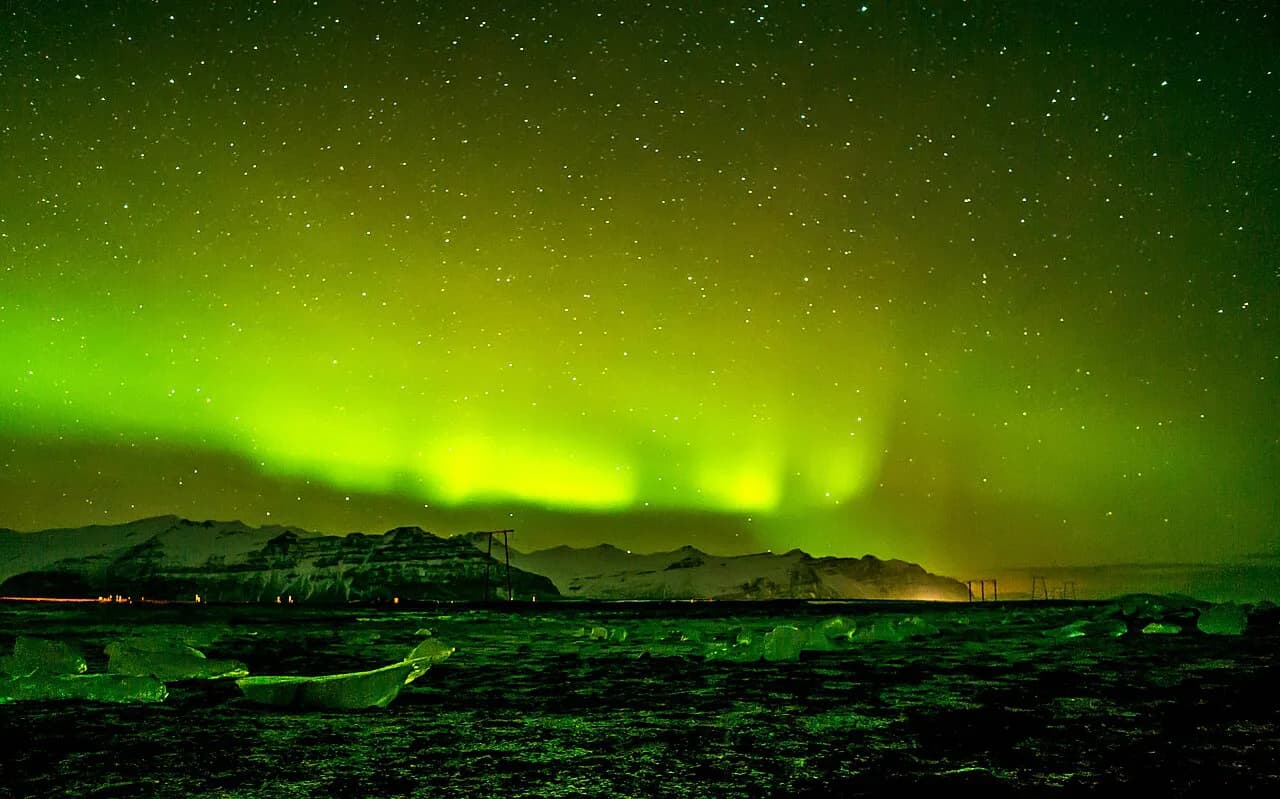
The aurora returns to the night sky in September as daylight hours shrink, making it the first good window after the bright summer months. Sightings still depend on solar activity and clear skies, so treat any September aurora night as an opportunity rather than a certainty. For a deeper look at viewing spots and how the season develops, the guide to Northern Lights at Jökulsárlón covers the lagoon's dark-sky setting in detail.
Where the lagoon sits and how far it is from Reykjavík
Jökulsárlón lies in southeast Iceland on the Ring Road, roughly 380 km (236 mi) and about five hours of driving from Reykjavík, at the edge of Vatnajökull National Park and beneath Hvannadalshnúkur, the country's highest peak. The lagoon is the deepest lake in Iceland, reaching about 280 metres (930 ft) in places, and its teal colour comes from glacial freshwater mixing with the Atlantic. Diamond Beach sits directly across Route 1, so you can walk from icebergs on the lagoon to ice chunks stranded on black sand in minutes.
Vík makes a sensible halfway stop on the drive from Reykjavík, breaking the five hours into two manageable legs before the final approach past Skaftafell. Drivers should book a 4x4 suitable for icy or snowy roads, since September weather on the south coast can turn quickly even when the Ring Road itself stays open and maintained. The alternative is a licensed minibus or private tour, which removes the driving and often folds in a glacier or ice-cave stop.
September weather and daylight at the lagoon
September temperatures in Iceland typically range from about 5°C to 10°C (41–50°F) during the day, with wind and rain common and snow unlikely but possible. That is mild enough for boat tours and kayaking on calm days, but cold enough that spray and glacial water feel sharp. Daylight is still generous early in the month and noticeably shorter by late September, which compresses the hours available for the drive, the lagoon and Diamond Beach into a tighter window.
Plan the outdoor stops for the middle of the day and keep the early morning and evening free for driving or an aurora hunt. Because the lagoon sits close to Vatnajökull's ice cap, local conditions can differ from the coast, so check the Icelandic Meteorological Office forecast for the area before committing to a long drive or a night out.
Boat tours and kayaking in September
Boat trips run on the lagoon itself, cruising among the ice floes, and some amphibious versions also explore part of the shoreline. In summer months kayaking is possible on the lagoon, getting you closer to the thousand-year-old ice than the boats do, and September is described as the last chance to kayak Iceland's lagoons before winter sets in. Kayak tours come with a guide and appropriate gear such as a dry suit, which matters because the water stays bitterly cold even on a mild day.
Neither swimming nor climbing on the ice floes is safe: the floes can tip or break, and the water is cold enough to cause rapid trouble. Stick to the shore, a boat or a guided kayak, and pre-book water-based tours since departures are limited and fill up on clear days. A full day at the lagoon also leaves room for Vatnajökull hiking, a blue ice cave visit or snowmobiling on the glacier.
Walking the shore and Diamond Beach
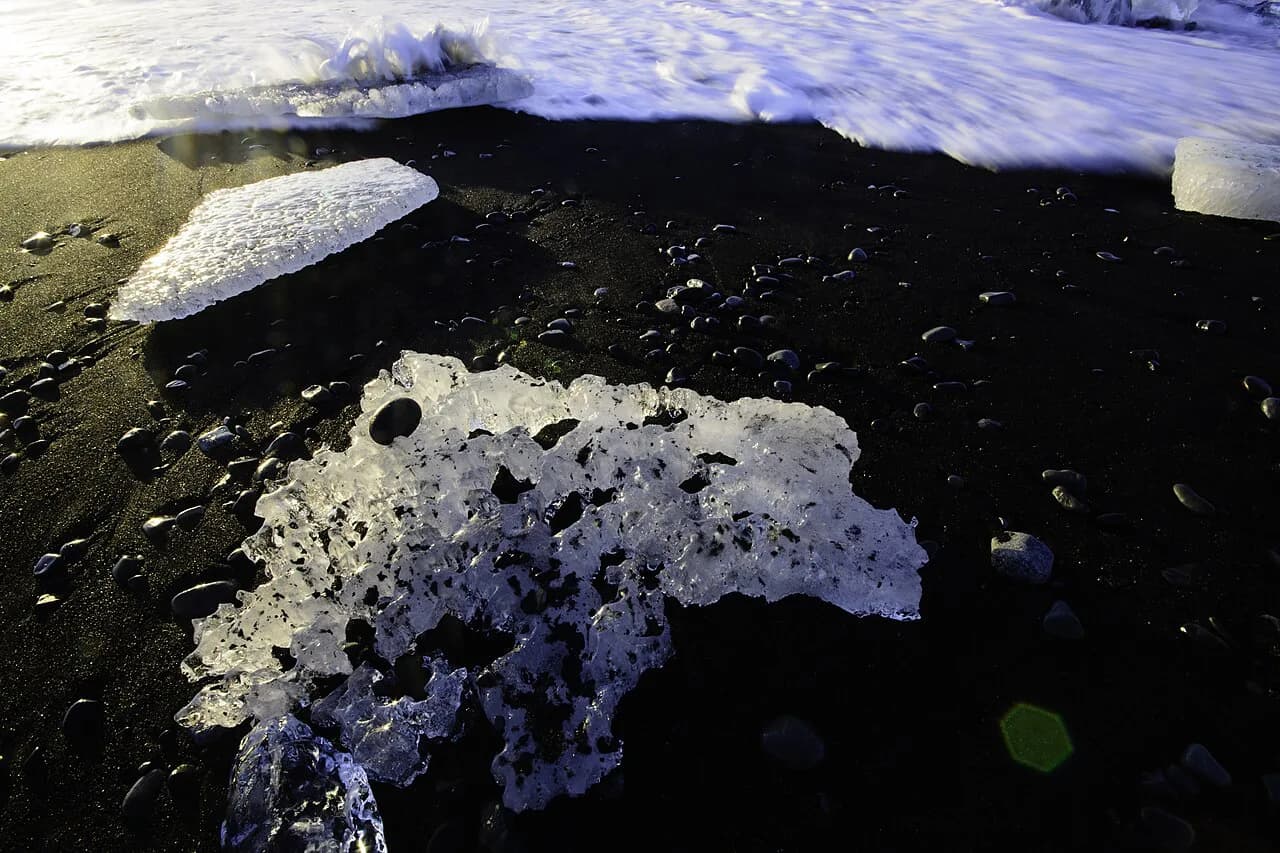
The lagoon shore is free to walk and gives you the classic view of icebergs against the glacier, with seals often hauled out on the ice and Arctic terns wheeling overhead earlier in the season. Across the road, Diamond Beach is the place to watch ice chunks wash up and glitter against the black sand. It is open year round, but rogue waves can sweep the waterline, so keep a margin from the surf and never turn your back on the sea for long.
Diamond Beach Iceland is worth more than a quick photo stop: the ice changes constantly with the tide, and September light gives long, low angles in the morning and late afternoon. Give yourself an hour or two on foot between the lagoon and the beach, and keep an eye on the weather, since wind-driven spray can make the shoreline uncomfortable.
Glacier ice caves and when they open
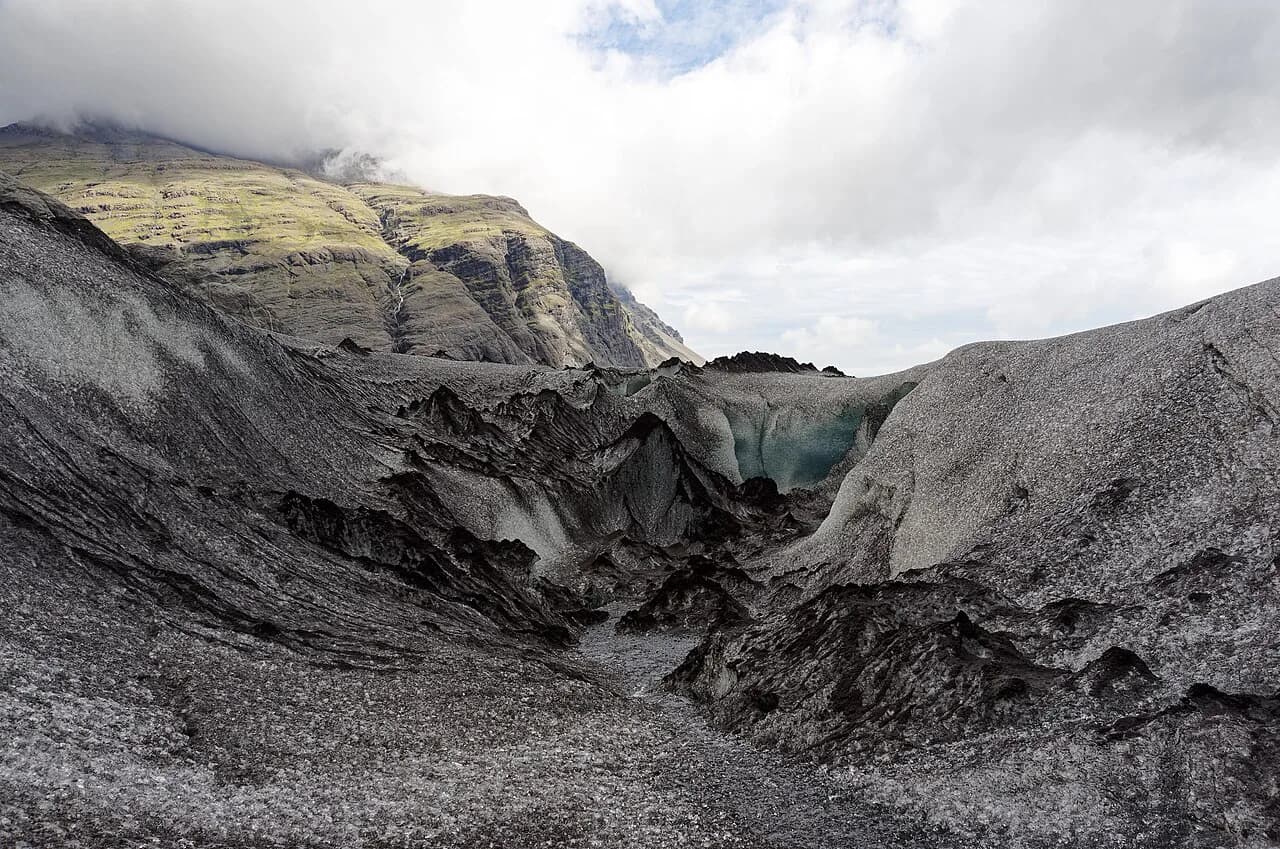
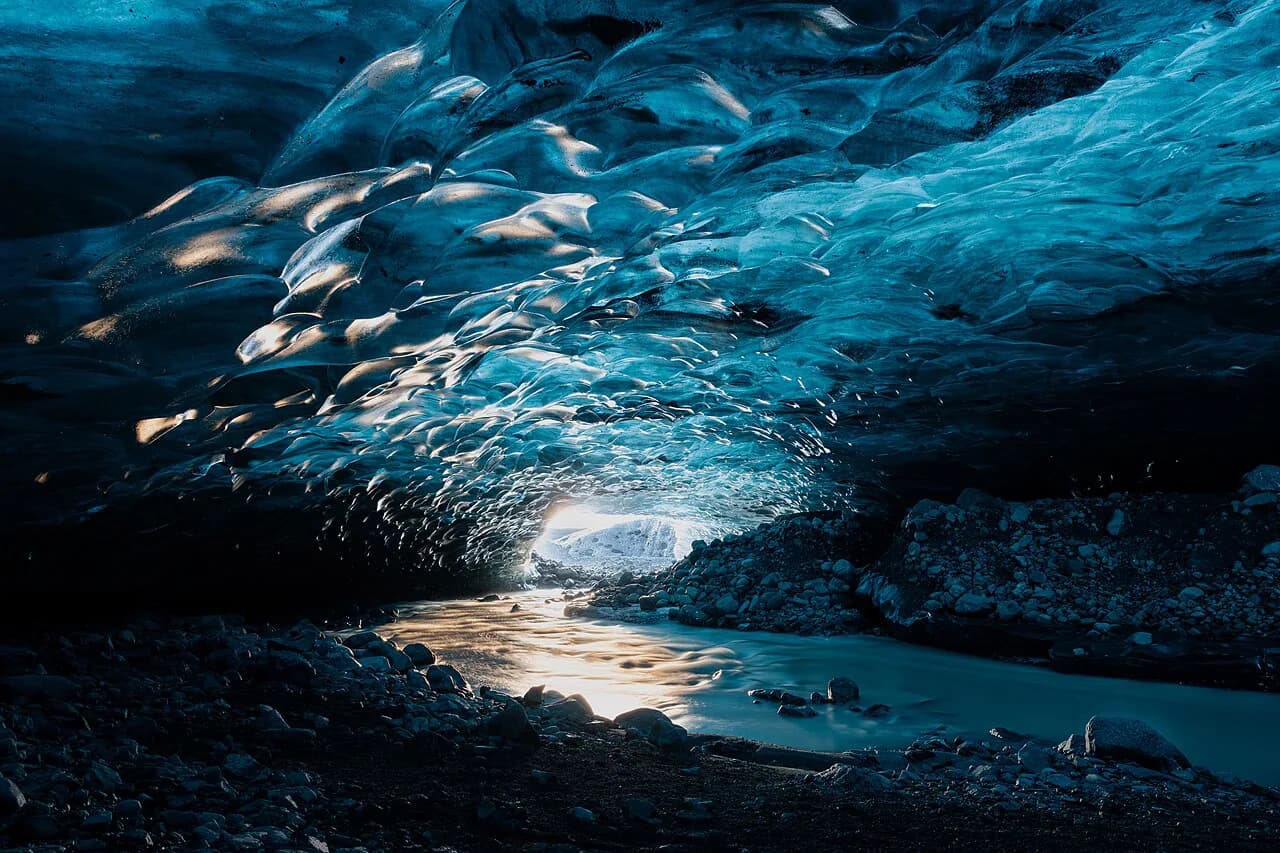
The ice caves under Breiðamerkurjökull, a tongue of Vatnajökull, are at their most stable between October and March, when colder weather firms up the ice. September sits at the front edge of that window, so some operators begin running cave tours late in the month while others wait for the cold to settle. The well-known blue cave tends to form in the same place each year, its ice lit a bright sky-blue and carved with natural water patterns.
Cave visits are best done with a local operator, who provides the all-terrain transport and judges whether the ice is safe on the day. Ask when you book whether the tour includes a super-jeep transfer, a helmet and crampons, and how large the group will be, since cave space is tight. If an early-September date falls before the season opens, pair the lagoon with a glacier hike instead and keep the cave for a later trip. The Crystal Ice Cave at Jökulsárlón guide explains what the different cave tours involve.
Aurora chances around the lagoon in September
September is your first good chance to see the northern lights after summer, and the lagoon has very low light pollution, which makes it one of the better south-coast bases for a night out. Seeing the aurora still depends on solar activity and clear skies, so plan several nights in the area rather than betting a single one. Guided tours run from the region in the colder months, and a guide's local knowledge of cloud and road conditions can save hours of blind driving.
If you are self-driving, watch the cloud forecast through the afternoon and be ready to move an hour or two east or west along the Ring Road for a clear patch. Nights around the new moon give the darkest skies, and even a modest display reads well over the water and ice. Our jokulsarlon northern lights guide sets out the viewing spots and timing in more detail.
Self-drive versus guided tours from Reykjavík
Self-driving gives you the freedom to wait out a cloud band or linger at Diamond Beach, and both Iceland Tours' 8-day and 10-day Ring Road self-drive itineraries include the lagoon as a scheduled Day 3 stop with an overnight in the Höfn area. The trade-off is that you handle winter-ready vehicle choice, fuel and the long drive after a late aurora night. Guided minibus and private tours cover the same ground and often add an ice cave or glacier hike, but they run to a fixed schedule.
If you are building a wider September itinerary, the guide to Iceland in September covers what else is running across the island in the same month, from geothermal pools to whale watching. Use it to decide whether Jökulsárlón is a two-night stop on a longer loop or the main event of a short south-coast trip.
How long to allow at the lagoon
A couple of hours is enough for the shore, Diamond Beach and a quick look at the ice, but at least a full day lets you add a boat tour and a glacier walk without rushing. Because the drive from Reykjavík takes most of a day, avoid turning up late and leaving immediately; an overnight nearby is what makes the trip feel unhurried.
A practical September shape is to arrive in the early afternoon, walk the lagoon and beach, then keep the evening open for an aurora attempt, with the next morning reserved for a boat or kayak tour or a cave if it has opened. Two nights in the area gives you a spare window if weather cancels the first plan.
Where to stay near Jökulsárlón
You cannot stay at the lagoon itself, but Höfn and Hoffell are both about an hour's drive away. Hoffell has its own glacier, Hoffellsjökull, and geothermal heated outdoor hot tubs, while Höfn is a fishing village with more places to stay and views toward Vatnajökull. Fosshotel Glacier Lagoon sits closer to the lagoon and the national park, which cuts down night driving if you plan to chase clear skies after dark.
Kirkjubæjarklaustur, a small farming village with three waterfalls nearby, sits about an hour and a half from the lagoon and works well if you are driving from Vík or Reykjavík and want to split the journey. Staying there puts you closer to the south-coast waterfalls and Skaftafell National Park, while Höfn and Hoffell put you nearer the lagoon and the ice caves. Decide based on whether your priority is a short pre-dawn drive to the lagoon or a shorter run from Reykjavík.
Is Jökulsárlón worth it in September?
Yes, if you want the lagoon's icebergs and wildlife while kayaking and boat tours are still possible, plus the first realistic aurora nights and the start of the ice-cave season. The cost is changeable weather and shorter days than midsummer, so build in a spare night and keep plans flexible. Early September favours water activities and longer daylight; late September favours darker skies and a better chance that the caves have opened.
If you are weighing September against deep winter, Jökulsárlón Glacier Lagoon in Winter explains how the lagoon and its tours change once the cold sets in, including the shift toward cave-focused days. Either way, the lagoon rewards an overnight stay over a rushed day trip from Reykjavík.
Plan Your September Visit
Treat September at Jökulsárlón as a flexible two-night stop rather than a single-day tick: arrive with time for the shore and Diamond Beach, book a boat or kayak tour for the next morning, and leave the evenings free for an aurora attempt. Stay at Höfn, Hoffell or near the lagoon depending on whether you value village amenities or a shorter night drive, and ask your chosen operator whether cave tours are running during your dates.
Frequently Asked Questions
Is Jökulsárlón worth visiting in September?
Yes. September overlaps the end of summer kayaking and boat tours with the start of the aurora season and the opening of glacier ice caves, so you can combine water-level views of the icebergs with a cave visit or a night watching for the lights. Weather is changeable, so allow a spare night in the area.
Can you see the northern lights at Jökulsárlón in September?
September marks the return of dark enough nights for aurora viewing, and the lagoon has very low light pollution. Sightings still depend on solar activity and clear skies, so plan several nights and be ready to move along the Ring Road for a gap in the cloud. No operator can guarantee a display.
What is the weather like at Jökulsárlón in September?
Expect cool days with average highs of roughly 5–10°C (41–50°F), plus wind and rain. Snow is unlikely but possible, especially late in the month. Days are still long early in September but shorten noticeably by the end, so plan outdoor stops for the middle of the day.
How far is Jökulsárlón from Reykjavík?
The lagoon is about 380 km (236 mi) from Reykjavík, roughly five hours of driving on the Ring Road. Vík is a useful halfway stop, and a 4x4 suits the road conditions in September. Guided minibus and private tours cover the same route if you would rather not drive.
Can you kayak at Jökulsárlón in September?
Yes, September is generally the last month for kayaking on the lagoon before winter sets in. Tours include a guide and cold-water gear such as a dry suit. Swimming and climbing on the icebergs are dangerous and should be avoided; stay with the boat, kayak or shore.
Are ice caves open at Jökulsárlón in September?
The ice caves are at their most stable from October to March, and some operators open their cave tours late in September once the cold firms up the ice. Early September often falls before the season starts, so pair the lagoon with a glacier hike instead and ask your operator about cave dates.
Where should I stay near Jökulsárlón?
Höfn and Hoffell are about an hour's drive from the lagoon, with Hoffell offering geothermal hot tubs and Höfn providing more accommodation and services. Kirkjubæjarklaustur is about an hour and a half away and suits travelers arriving from Vík. Stays near the national park shorten night drives for aurora viewing.
How long should I spend at Jökulsárlón?
Allow at least a full day, and ideally two nights. The drive from Reykjavík takes most of a day, so rushing the lagoon and Diamond Beach leaves no room for a boat tour, glacier walk or a night out for the aurora. A spare night covers you if weather cancels your first plan.
Sources
Notes for your Arctic winter trip
Optional updates to our northern lights guides.
You might also like
Continue reading
More guides you'll find useful