Iceland Northern Lights Tours: Which Tour to Choose
Compare Iceland northern lights tours from Reykjavik by group size, duration, inclusions, photos and weather policy, and learn how many nights to allow.
On this page
Reykjavik sits just below the Arctic Circle, far enough north that dark winter nights regularly bring aurora activity overhead, and it has the hotels, roads and tour fleet to make a short winter break work. The city also generates light pollution, so nearly every operator drives out of town to find darker sky. Your real decision is not whether to chase the northern lights in iceland from Reykjavik but which format suits your group, your patience for late nights and your tolerance for cloud.
Three broad options cover most bookings. A small-group minibus chase is the classic: a guide reads the forecast, picks a direction and drives until the sky clears. A fixed base or museum-style experience keeps you warm and informed but cannot move. A multi-day package folds aurora nights into sightseeing such as the Golden Circle and Vatnajökull. Coastal, inland and city-based nights all trade one thing for another, usually cloud cover against convenience. The same format choice comes up when comparing Akureyri northern lights tours in the north.
Why Reykjavik works as an aurora base
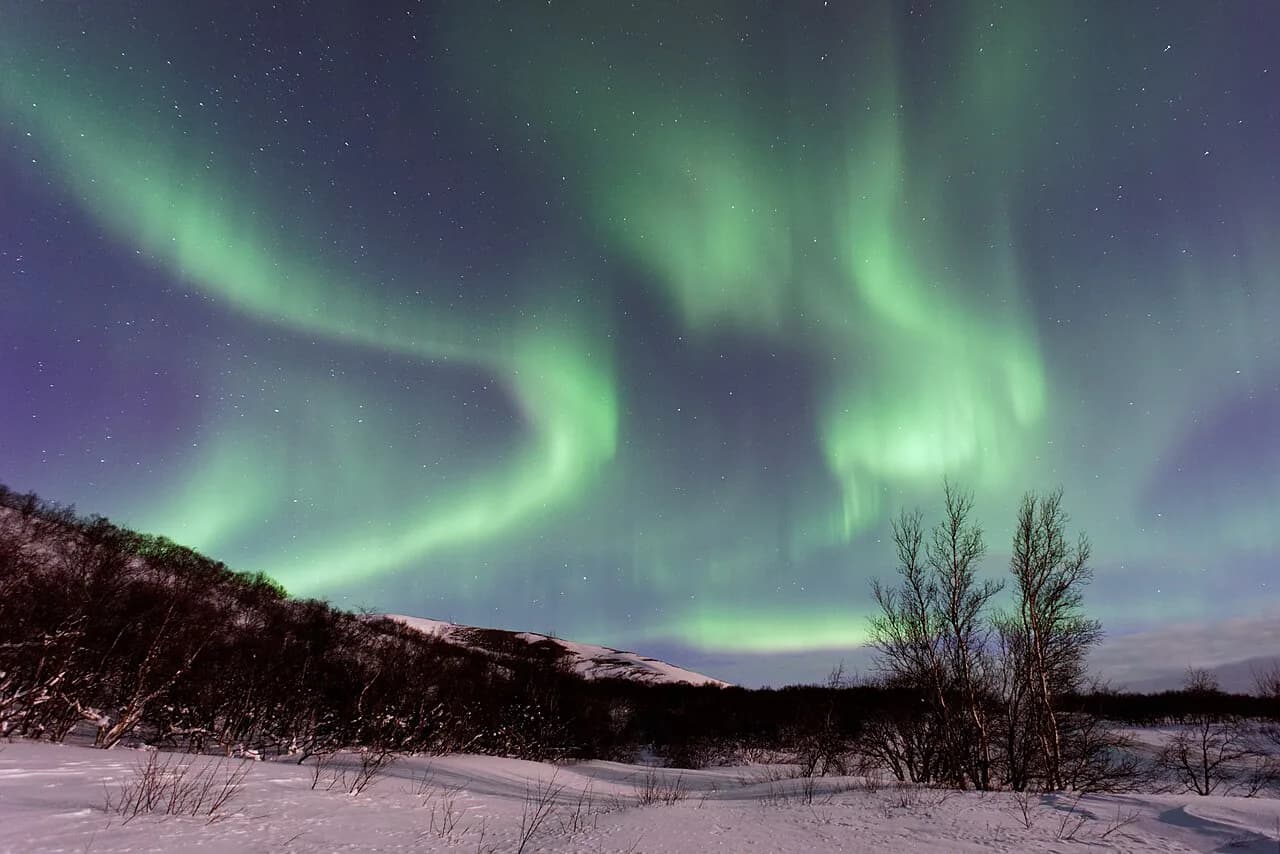
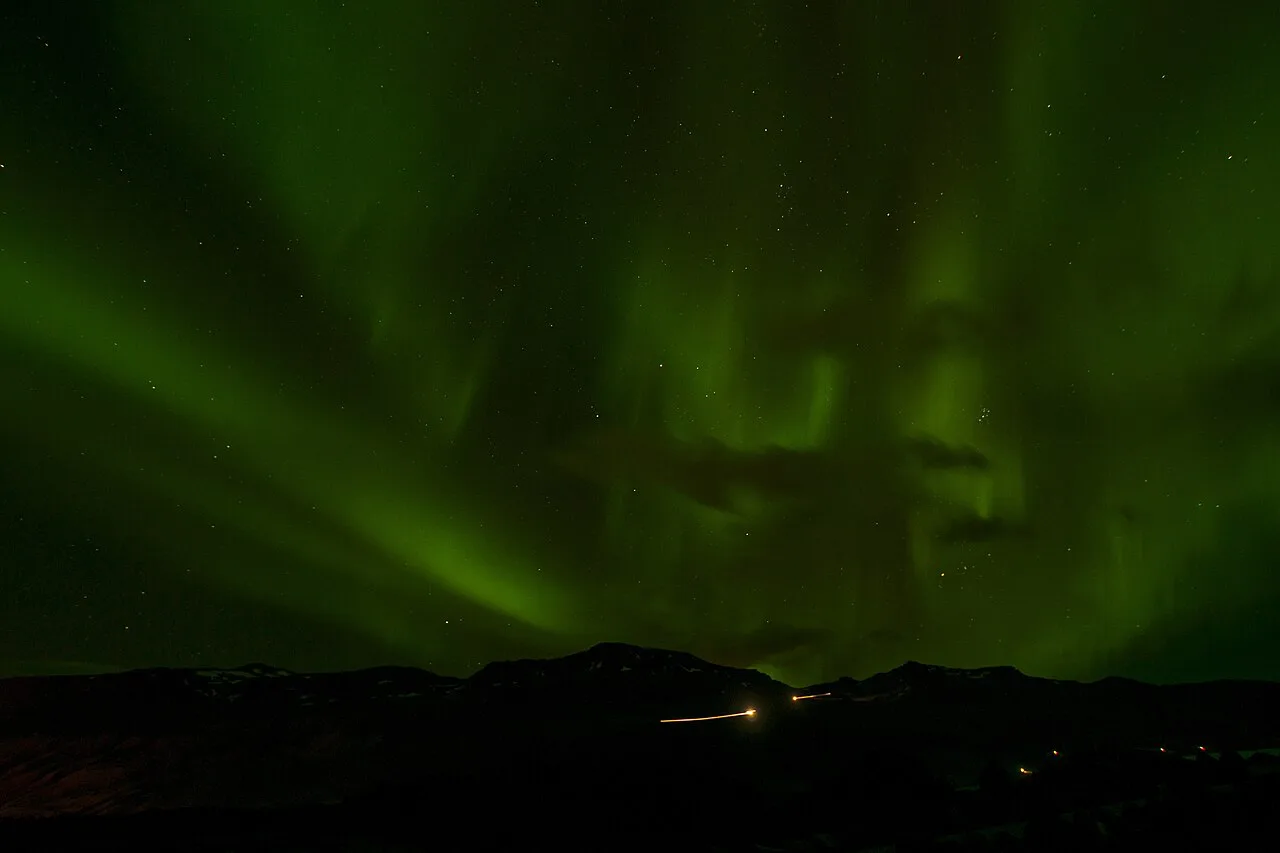
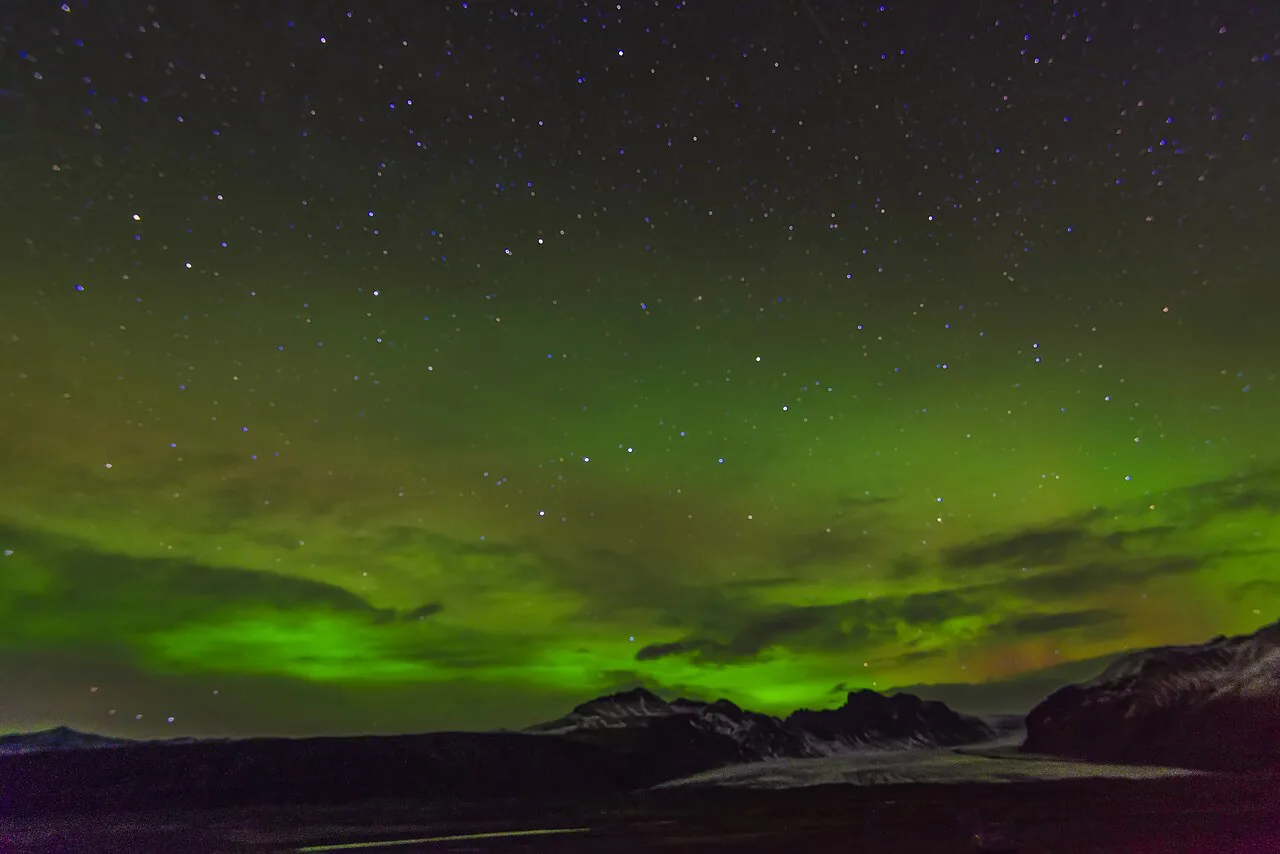
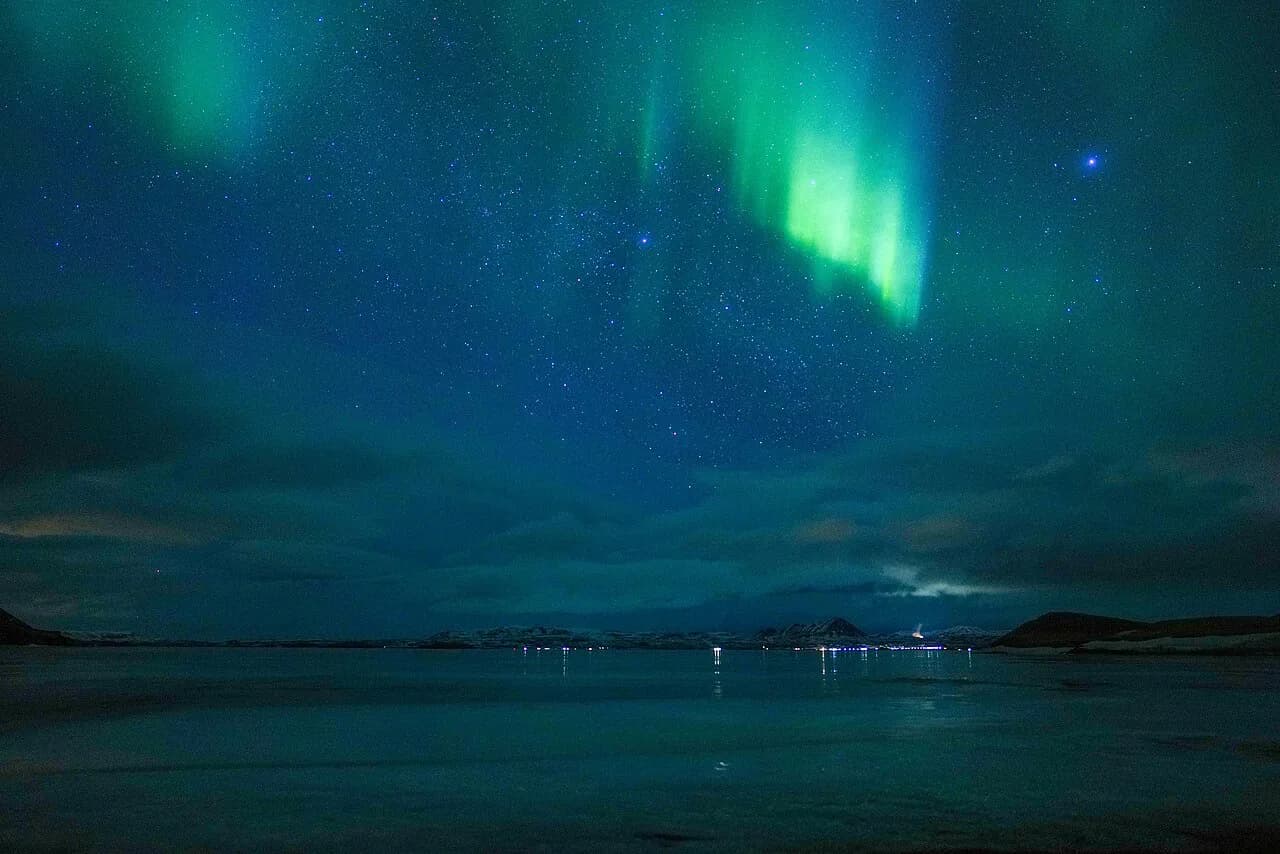
The capital lies roughly on the 64th parallel, so from late summer to early spring the nights are long enough for aurora displays well before midnight. Visit Reykjavík notes that the lights can be seen on clear, crisp winter nights, appearing as milky green arcs or, on stronger nights, as multi-coloured bands across the sky. That is a fair description of what a good night looks like from the ground.
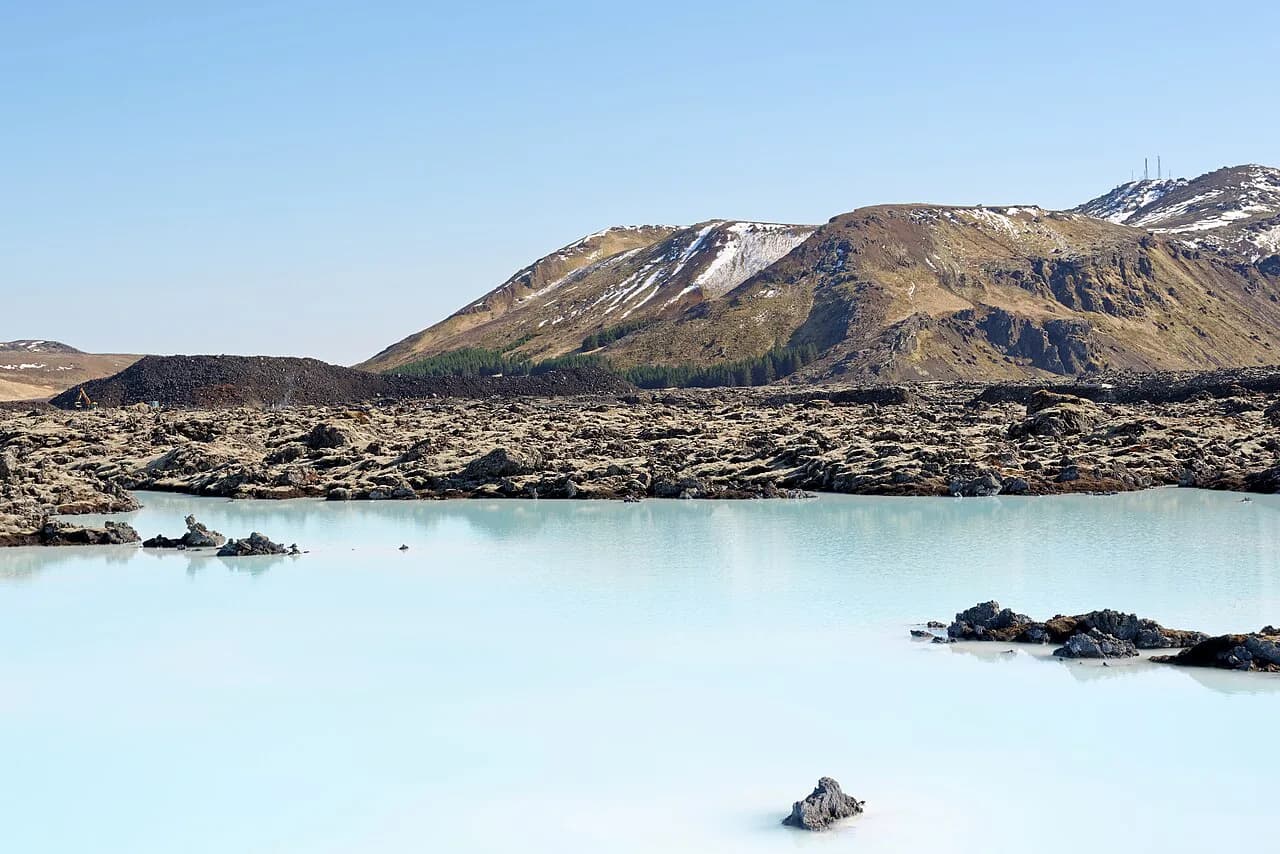
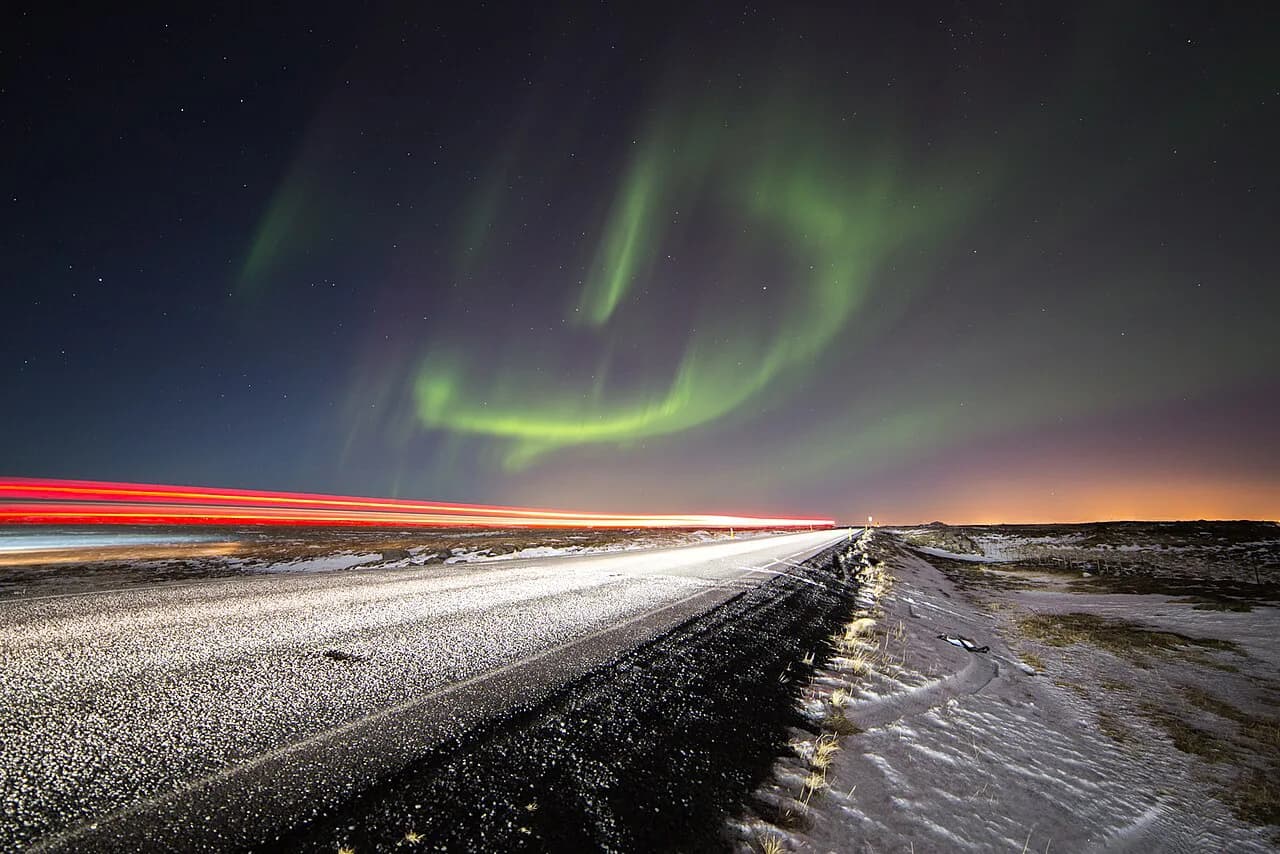
The catch is the city glow. Downtown hotels sit under bright street lighting, so an aurora visible from your window is possible but never the plan to rely on. Tours leave the built-up area for lava fields, lakeshores and open valleys where the horizon is dark. If you want to try on your own, drive or take a bus toward the coast and peninsulas outside the metro area, and treat the city as a base rather than a viewing spot.
Because Reykjavik is small and the ring road is close, operators can reposition quickly when the forecast shifts. That flexibility is the main reason a guided night from the capital often outperforms a fixed-location booking on a cloudy week. It also means your pickup point matters less than the guide's willingness to drive an hour or two in search of a gap in the cloud.
When the aurora season runs and how departure times shift
EastWest runs its northern lights tour from mid August until late April, which covers the dark half of the year in Iceland. Departures in April, August and September leave at 22:00, while from 1 October to 31 March the departure moves to 21:00. Those times reflect how early darkness falls: by midwinter you can be under a dark sky not long after dinner.
Shoulder months are a reasonable compromise. Late August and September still have long daylight for sightseeing, yet nights are dark enough to chase, and April trades colder temperatures for lighter evenings and fewer crowds. Midwinter gives you the longest nights and the best odds of darkness, but you pay for it with short days and a higher chance of road and weather disruption.
For a wider view of month-by-month darkness and conditions, the best time to see the northern lights in iceland guide is the natural companion to this page. Use it to set your dates first, then match a tour format to the season you pick.
How a minibus aurora chase works
A chase is a forecast-driven night out. EastWest's team monitors solar activity and cloud cover each evening and makes a final call during the day, emailing guests once conditions look promising. Groups then leave in minibuses and head for wherever the forecast looks clearest, whether that is a lava field, a lake or a mountain valley.
The published duration is around four hours, though EastWest notes the night can run anywhere from three to four hours depending on cloud, aurora activity and how far the drive goes. That range is worth planning around: do not book a late dinner or an early flight the next morning. If conditions change mid-route, the guide can adapt the plan rather than sticking to a fixed stop.
A chase is not a guarantee, and no operator can promise a display. EastWest states plainly that sightings are never guaranteed and that darkness, clear or partly clear skies, solar activity and luck all have to line up. What a good chase buys you is a guide making that call with local weather knowledge, and a vehicle that can keep moving until the sky opens.
What a Reykjavik minibus tour includes
The EastWest departure includes pickup and drop-off in the Reykjavík metropolitan area, an English-speaking driver-guide, hot chocolate and traditional Icelandic kleinur pastries, Icelandic woollen blankets and tripods for cameras. Photos of you under the lights are included when conditions allow, and there is on-board WiFi. The from-price of 20,990 ISK is listed on EastWest's booking page, so compare it with the total for your dates rather than a headline figure.
A few practical details shape the evening. Pickup starts about 30 minutes before departure, so build that into your plans, and note that toilet access outside urban areas is very limited, so use the restroom before you are collected. EastWest also advises warm, waterproof and windproof clothing, which is worth knowing if you are deciding what to bring versus what to borrow.
Because photos are taken by the guide, you receive them after the tour through a digital link or online gallery rather than by emailing yourself files mid-night. Delivery time varies with the number of images from the evening. If the aurora photos are a priority, ask at booking how the gallery link is shared so you know where to look afterwards.
Group size and vehicle type
EastWest caps its groups at 19 people per Mercedes-Benz Sprinter minibus, which is small enough that the guide can keep track of everyone in the dark and move the group quickly when the lights appear. Smaller vehicles also make it easier to pull onto a side track and turn around when the forecast changes. That matters on nights when the clear patch is an hour away and the clock is running.
The comparison to make is between minibus chase, large coach tour and private departure. A coach is comfortable and often bundled with multi-day packages, but it cannot chase a hole in the cloud the way a small van can. A private departure buys flexibility for families and photographers, at a higher cost. Choose based on how much a tailored route is worth versus the convenience of a fixed itinerary.
Weather cancellations, refunds and free reattempts
Icelandic weather can shut a tour down before it starts. EastWest reserves the right to delay or cancel a departure because of weather or conditions that could pose a safety risk, and it contacts guests using the booking details. If the tour is cancelled before departure, options may include rescheduling or a refund according to the booking conditions. Read that policy before you pay, because it will shape how you spend a short trip.
If you go out and no lights appear, EastWest offers a free repeat, subject to availability, at no additional cost. To rebook you must email EastWest before 2pm the following day; the repeat is valid for up to two years but cannot be transferred to other guests. Refunds are not given once you have joined a tour, even if the aurora stays hidden, so the repeat is the safety net to understand.
Cancellations made within 24 hours of the tour are not eligible for a refund, which is why EastWest recommends travel insurance covering tour cancellations. That cut-off catches people who book late and then see a poor forecast. If your trip is short, keep at least one spare night free so you can use a repeat or rebook rather than losing the whole chance.
Pricing on the Reykjavik departure
The four-hour small-group departure starts from 20,990 ISK per person, with the price displayed on EastWest's site and varying by date and availability. That covers transport, guiding, hot drinks, pastries, blankets, tripods and photos when conditions permit. Booking directly with EastWest lets you see the exact total for your dates and the cancellation terms before you commit.
Because aurora tours are priced per seat rather than per sighting, value depends on how many nights you can give them. One night is a lottery; two or three lets you absorb a cancellation or a cloudy first attempt. If you are weighing a cheaper large-group tour against a pricier small-group chase, compare what each includes and how many nights each lets you afford, not just the headline rate.
Sea-based aurora watching from the old harbour
Reykjavik's old harbour hosts boat operators who run evening sailings in search of dark sky away from shore lighting. Visit Reykjavík lists Elding Adventure at Sea and Special Tours among the harbour-based operators offering aurora trips. The appeal is a different horizon and the North Atlantic dark over the water; the trade-off is that a boat is more exposed to wind and swell than a minibus, and routes are limited to open water.
A harbour departure suits travellers who want an evening on the water and a short transfer from central hotels, and who are comfortable on a moving deck in cold weather. If motion sickness is a concern, a minibus chase is the calmer choice. If you have already spent a few nights in the city, the change of scene is part of the value.
Check the tour company's own page for departure times, duration and cancellation terms on the date you want. Boat schedules and weather policies change more often than fixed-road tours, so look up the sailing details before you build a day around it.
Basecamp and museum-style warm aurora experiences
Not every aurora night has to involve hours in a van. Visit Reykjavík highlights Aurora Basecamp, a facility designed to give visitors a good and warm northern lights experience, and Aurora Reykjavík, a museum dedicated entirely to the aurora. Perlan, Wonders of Iceland, is also listed as an immersive museum covering Iceland's landscapes and natural phenomena, which makes it a useful cloudy-day backup.
These options trade mobility for comfort and certainty of opening. A basecamp keeps you warm and can offer a guided explanation of what you are looking at, while a museum can teach you the science on a night when the sky stays closed. Neither can move you out from under cloud, so they work best as part of a multi-night plan rather than your only attempt.
Visit Reykjavík's activity listings also name Gravel Travel, Icelandia, Safari Quads, GJ Travel and Exploring Iceland among operators covering different formats, including family-run agencies, ATV trips and longer guided journeys. Browse those listings to compare formats side by side, then book directly with the company you choose so you see its terms.
Photography tours, private departures and Jeep or ATV options
Photographers should look for tours that supply tripods and offer guidance on camera settings, because the long exposures aurora photography needs are hard to manage without stable support. The EastWest minibus tour includes tripod use and takes photos of guests on the night, but a dedicated photography tour will usually spend longer at each stop and allow more setup time. Decide whether you want your own images or the guide's.
Private departures suit families with young children and groups with specific needs. EastWest notes that infants aged 0 to 5 are not recommended on its scheduled tour because of the fixed schedule and late night, and suggests its private option to keep pace. A private vehicle also lets you choose a pickup time and shorten the night if children tire.
ATV and buggy operators such as Safari Quads offer a more active way into the dark, combining a short drive out of the city with guided terrain that a car cannot reach. These trips are about the ride as much as the sky, so they suit travellers who want an activity on a cloudy night rather than a pure aurora stakeout.
Beyond Reykjavik: multi-day packages and the ring road
Multi-day packages bundle aurora nights with daytime sightseeing, which suits travellers who want one booking and a guided route rather than a self-assembled trip. Collette's Iceland itineraries combine the aurora with the Golden Circle, Vatnajökull National Park, Seljalandsfoss waterfall and Jökulsárlón glacier lagoon, and price the whole journey as a package. If your priority is a broad Iceland overview with aurora chances along the way, this style of trip is worth comparing with a city-based chase.
The trade-off is control. A packaged itinerary moves at the group's pace, so a cloudy night in one location cannot always be swapped for a clear one elsewhere. A Reykjavik base with a repechase gives you more chances per night but less daytime scenery. Some travellers combine both: a few package days, then two or three free nights in the capital for a dedicated chase.
South Iceland hotels outside the city glow, such as Hotel Rangá, are a third option for travellers who prefer to sleep where the sky is dark and drive short distances at night. A fixed rural base removes the drive back to Reykjavik after a late display, but it also removes the tour's ability to relocate.
Self-drive chasing versus a guided tour
Driving yourself gives you freedom and a lower per-night cost, but it asks you to read cloud forecasts, judge road conditions and find unlit side roads in the dark. Icelandic winter roads can be icy, and many of the best dark spots are on gravel tracks. A guided tour transfers that risk to a driver who knows which routes stay passable, which is a real advantage on a short trip.
Self-drive works best if you have at least three or four nights, a four-wheel-drive vehicle and a willingness to abandon a planned stop when the forecast shifts. The obvious reward is that you can stay out as long as you like and return to a rural hotel rather than the city. The penalty is the night drive home when you are tired and the roads are slick.
Whichever you choose, keep the moon and city lights in mind. A bright moon washes out faint aurora, and a stop beside a lit town or a glowing lagoon will hide the weaker displays. The same logic applies to the sky lagoon and similar geothermal spas: a late evening soak is pleasant, but the steam and lighting make it a poor aurora viewpoint. Soak first, then drive to a dark spot.
How many nights to plan
Three nights in or near Reykjavik gives you a fair chance of at least one clear night, and four or five improves the odds further without any guarantee. Cloud is the limiting factor more often than solar activity, so consecutive nights are what let you use a free repeat or try a second operator. If the aurora is the point of the trip, do not build the itinerary around a single night.
Use the daylight hours to see the country and keep the nights free. Iceland's winter days are short, which means daytime touring and aurora chasing compete for your energy, so plan a restful afternoon before a late departure. A relaxed traveller who can stay up until 1am is more likely to enjoy the night than one who has been driving since dawn.
If you have only one night, book a small-group chase with a clear repeat policy and accept that the sky decides. If you have a week, split it between a rural hotel and the capital and use each as a different kind of base. Either way, treat the aurora as something you make room for rather than something you schedule.
Picking a tour for your group and budget
Choose a small-group minibus chase if you want the best chance of finding clear sky and you value a guide who makes the call for you. Choose a basecamp or museum if you want warmth and education on a doubtful night, and a multi-day package if you want Iceland's landscapes with aurora chances built in. A boat suits those who want an evening on the water; a private departure suits families and photographers.
Book on the operator's own site so you see the current price, departure time and cancellation terms, and hold at least one spare night for a repeat. Check the aurora and cloud forecast through the Icelandic Met Office before each night, and remember that a free repeat only helps if you are still in the country to use it.
Frequently Asked Questions
What is included in a northern lights tour from Reykjavik?
On a typical small-group minibus tour you get pickup and drop-off in the Reykjavik area, an English-speaking driver-guide, hot chocolate and pastries, blankets and tripods, and photos of you under the lights when conditions allow. Some departures add on-board WiFi. Tours that go by boat or basecamp differ, so check the inclusions on the specific booking page before you pay.
Can the northern lights be guaranteed on a tour?
No. The aurora depends on solar activity, darkness and clear or partly clear skies, and no operator can control the weather. A good tour improves your odds by reading the forecast and driving to clearer areas, but a display can still fail to appear. Plan several nights if the aurora is central to your trip.
What happens if a tour is cancelled because of weather?
If conditions make the tour unsafe or unsuitable, the operator may cancel before departure and contact you using your booking details. You may be offered a rescheduling option or a refund according to the booking conditions. Read that policy when you book, and keep a spare night so a cancellation does not use up your only chance.
How long does a Reykjavik northern lights tour last?
Small-group minibus tours typically run around three to four hours, though the exact length depends on cloud, aurora activity and how far the guide needs to drive. Departure times also shift across the season, with earlier departures in midwinter and later ones in April, August and September. Do not schedule an early flight the next morning.
How many nights should I allow to see the aurora in Iceland?
Three nights in or near Reykjavik gives a fair chance of at least one clear night, and four or five improves your odds further. Cloud is usually the limiting factor, so consecutive nights let you use a free repeat or try a different format. No number of nights can guarantee a sighting.
Do northern lights tours run in August and April?
Yes. Operators run aurora tours in the shoulder months of late August, September and April, when nights are dark enough for a chase but days are longer for sightseeing. Departure times are often later in those months than in midwinter. Check the exact schedule for your dates.
Should I book a minibus chase or a basecamp experience?
A minibus chase can relocate to clear sky, which makes it the stronger choice if your priority is seeing the aurora. A basecamp or museum keeps you warm and gives you context even on a cloudy night but cannot move. Many travellers do both, using the base as a backup and the chase as the main attempt.
How do I get the photos after an aurora tour?
Operators usually share photos after the tour through a digital link or online gallery, not by sending files during the night. Your guide or the operator's team explains where and when to access them. Delivery time varies with the number of images taken and the conditions on the night.
Sources
Notes for your Arctic winter trip
Optional updates to our northern lights guides.
You might also like

Continue reading
More guides you'll find useful