Perlan Museum, Reykjavík: Aurora Show, Ice Cave and Views
Perlan on Öskjuhlíð hill combines a planetarium aurora show, an artificial ice tunnel and a 360° observation deck into one Reykjavík winter stop.
On this page
Perlan is Reykjavík's hilltop answer to a foul-weather winter day: a museum, exhibition hall, viewpoint and rotating restaurant wrapped around a ring of geothermal water tanks beneath a glass dome. For aurora travelers it is the indoor counterpart to a night out chasing clear sky, covering the science and folklore of the northern lights in a warm building a short ride from the centre. It suits families, short-stay visitors and anyone who wants a guaranteed thing to do when the forecast is hopeless.
The building sits on Öskjuhlíð, the wooded hill just south of downtown, and its glass dome gives a full circle of city, coast and mountain views. Plan it as a half-day anchor rather than an evening: pair the aurora show with the ice tunnel and the deck, then head out after dark if the sky clears.
Why Perlan fits a Reykjavík aurora trip
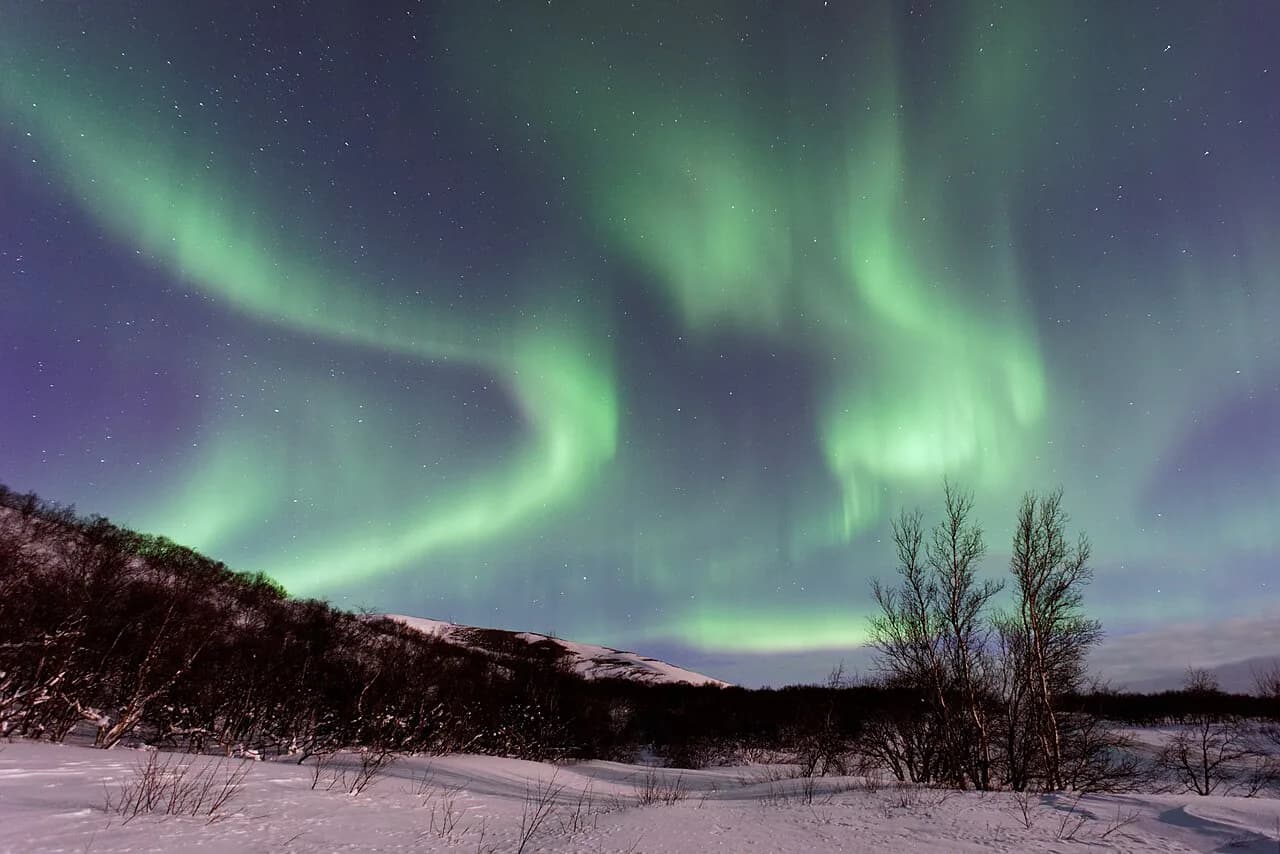
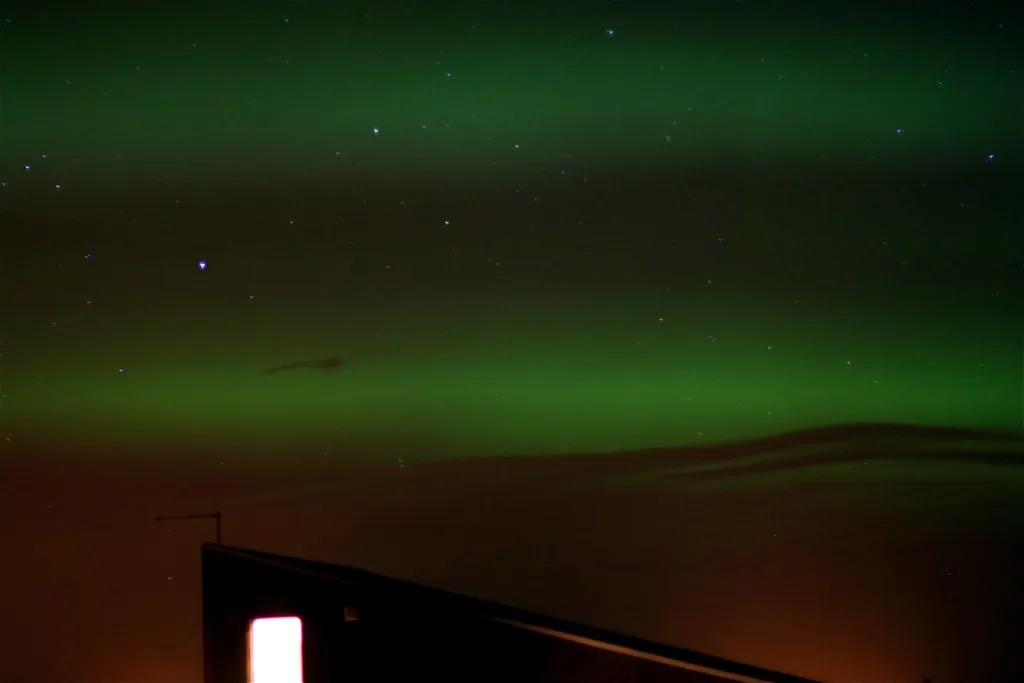
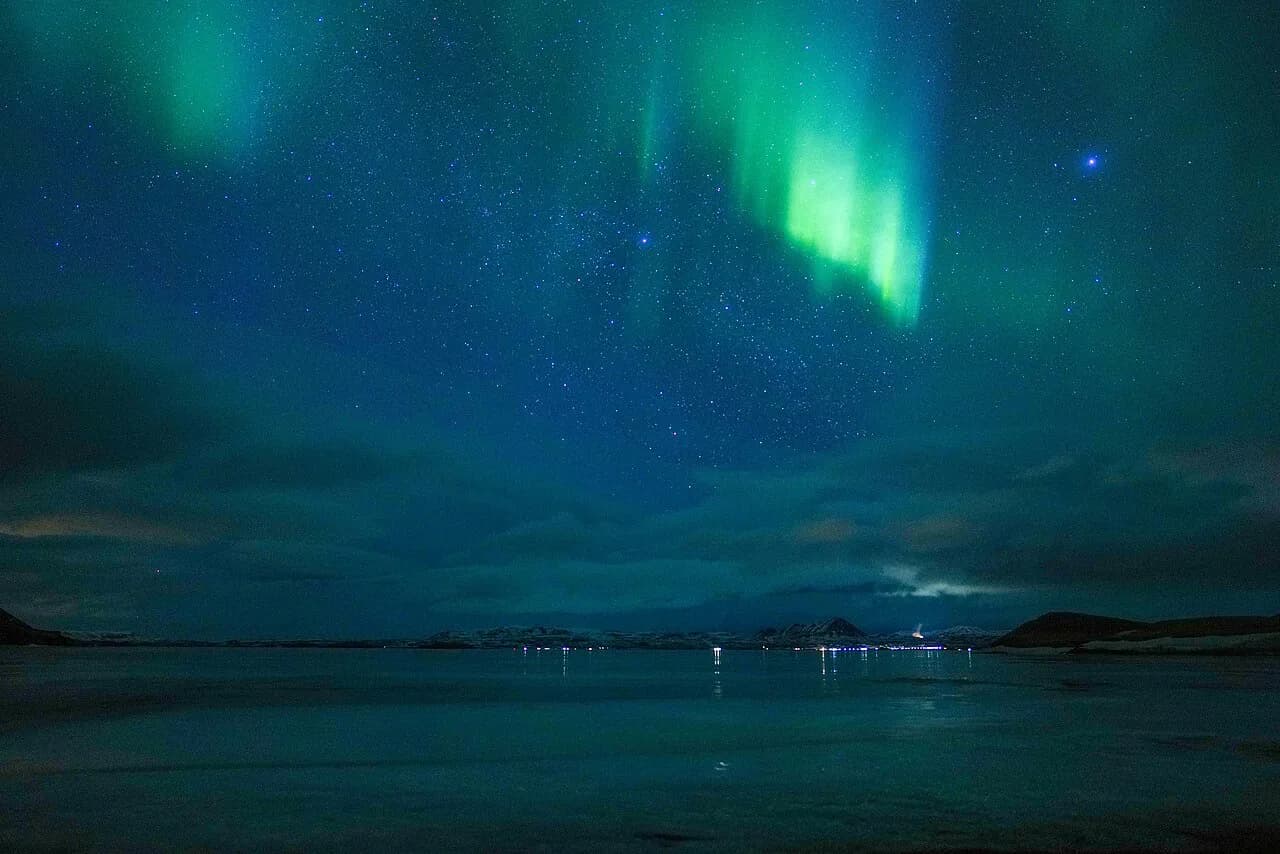
Iceland's capital sits just under the Arctic Circle, close enough that dark winter nights put the aurora overhead whenever solar activity and clear sky line up. Perlan does not chase that; it explains it. The planetarium-style aurora film covers the legend and the physics behind the phenomenon, so a first-time visitor leaves knowing what causes the lights and why cloud, not latitude, usually decides the night.
That makes Perlan a good primer for the start of a trip rather than a substitute for going outside. Watch the show early, then use what you learned on a dark-sky night later in the week. The exhibits also cover Iceland's volcanic formation, its glaciers and its wildlife, so a cloudy afternoon has a full program even if the aurora never appears. If your itinerary later heads west, the same primer logic applies to our Snæfellsnes northern lights guide.
Where Perlan sits on Öskjuhlíð hill
Perlan stands at the top of Öskjuhlíð, the hill immediately south of central Reykjavík, with the glass dome built over hot-water storage tanks that supply the city's heating. The hilltop position lifts the building above the streetlights, and from the dome you look over the city centre, the coastline and Nauthólsvík beach in one sweep.
Öskjuhlíð itself is wooded and quiet by city standards, which makes the walk up from the centre a reasonable daytime option, and the summit gives you a sense of the city's layout before you commit to an evening out. Because the building is a landmark on the skyline, taxi and tour drivers know it without explanation.
The planetarium aurora show
The aurora show runs in a planetarium-style theatre, with films of roughly half an hour offered in both English and Icelandic. It presents the lights through the figure of the aurora goddess, pairing animations and photographs of Icelandic auroras with the scientific explanation, projected onto a large domed screen.
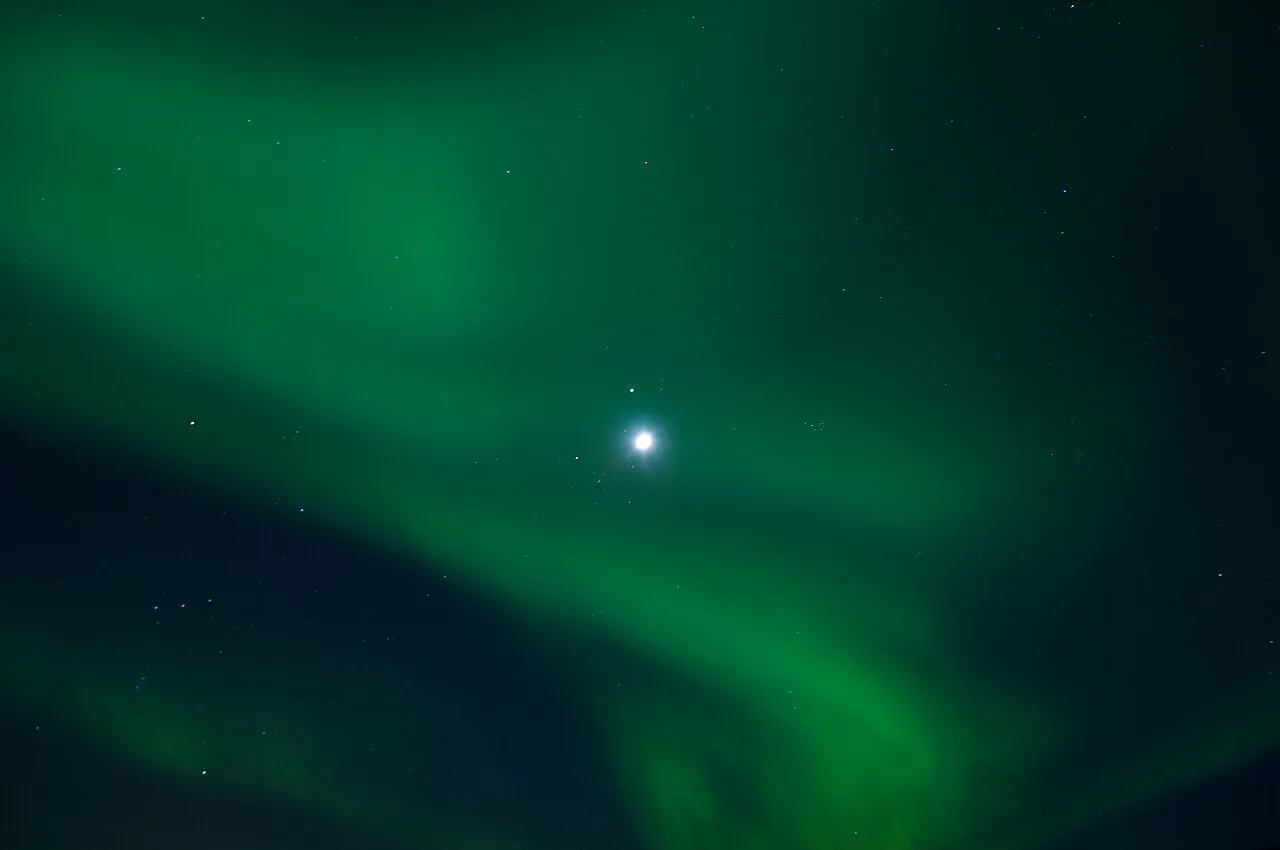
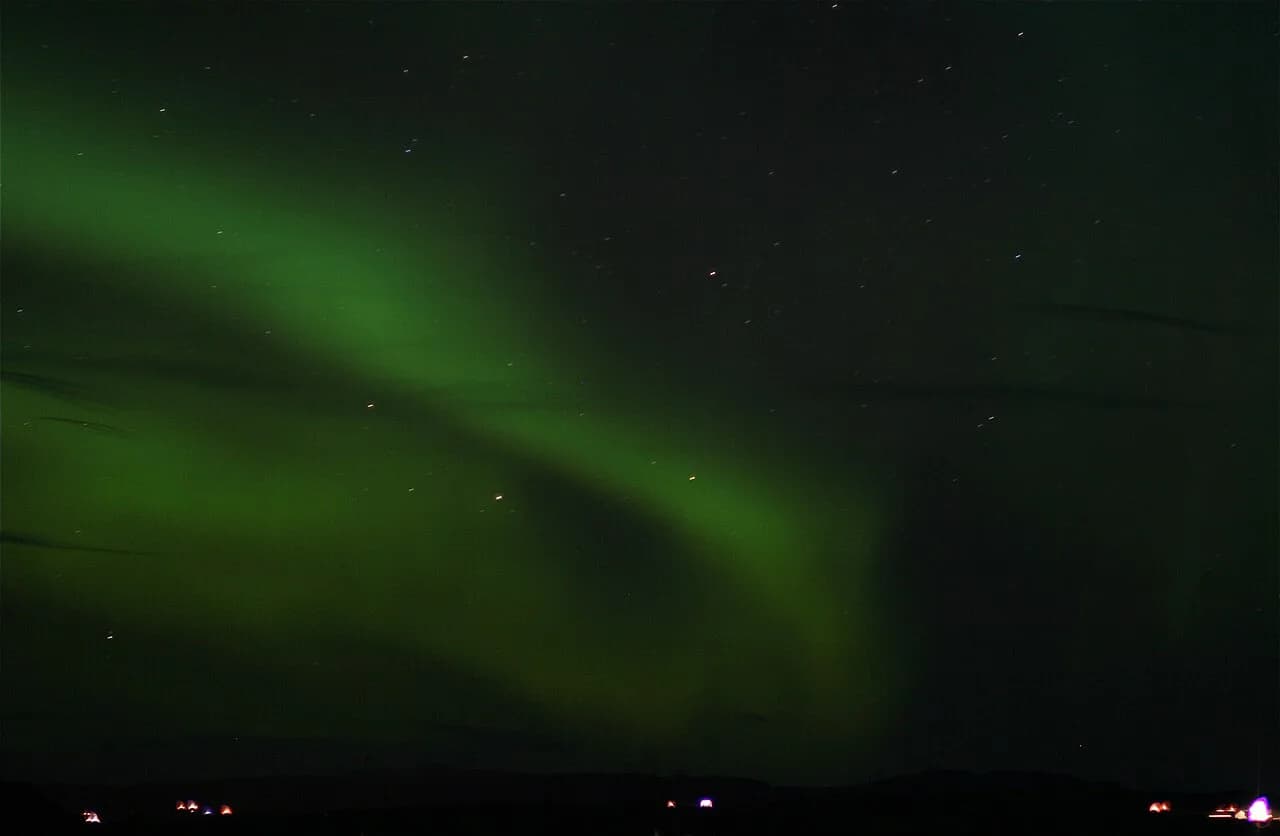
Treat it as an introduction to what you are trying to see, not a guarantee of seeing it. The film shows auroras captured across Iceland, which gives you an honest picture of how the lights vary in shape, colour and intensity. Watching it before a chase night means you recognise a faint arc overhead instead of waiting for a green curtain that never comes.
The indoor ice tunnel and glacier exhibits
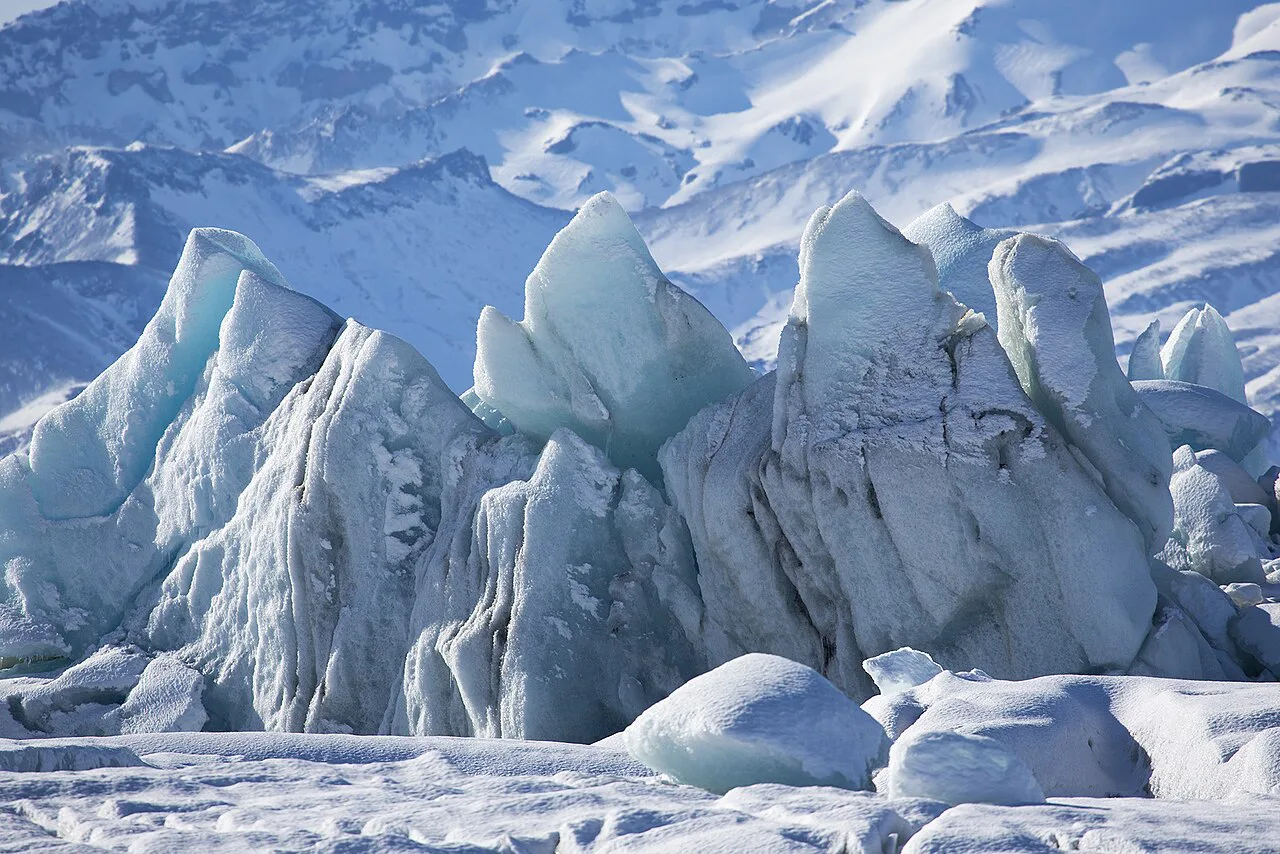
The artificial ice tunnel is Perlan's other headline exhibit, a reconstruction of the ice tunnel inside Langjökull built from 350 tonnes of real Icelandic mountain snow. You walk through a subfreezing blue-white passage and can sit on an ice throne at the centre, so the temperature drop is immediate even on a mild day in town.
The glacier and volcano galleries back this up with films of eruptions, a timeline of the tectonic forces that built Iceland and an exhibition on how warming is changing the country's ice. A reconstruction of the Látrabjarg cliff brings its puffin colony within reach, a useful stand-in for a cliff that is hard to visit in winter.
The 360° observation deck and when to go up
The observation deck circles the top of the glass dome and gives a full panorama of Reykjavík's rooftops, the bay and the mountains beyond. Sunset is the strongest time to be up there: the low winter light catches the city and the horizon at once, and the panorama turns from grey to colour in a short window.
Do not count on the deck as an aurora spot, though. The dome sits above a lit city, the glass and the building's own lighting work against you, and the deck is not open around the clock. Use it for the view and for orientation; save the dark hours for a drive away from the streetlights.
What a Perlan visit includes
One ticket covers the exhibition spaces, the ice tunnel, the planetarium show and the observation deck, so you move between them at your own pace rather than booking each piece separately. A rotating restaurant under the dome and a café serve food and coffee with the view, which makes the building a reasonable place to sit out a squall.
Buy entry online before you go, since the museum sells timed admission and the planetarium show has a fixed seat count per screening. Prices change with season and booking channel, so the museum's own ticket page is the place to see the current rate rather than a figure quoted in a guide.
Perlan versus chasing the aurora outside the city
A chase night and a Perlan afternoon answer different questions. A minibus tour out of Reykjavík heads for darker sky, often toward Þingvellir, the Reykjanes coast or the Grótta lighthouse area, and success depends on cloud and solar activity that nobody controls. Perlan is weather-proof, warm and central, and it delivers every time you walk in.
The sensible plan is both: use Perlan to learn what you are looking for, then book a chase for a night with a workable forecast. Operators typically run evening departures and lend thermal suits and boots, and they decide the route late in the day based on cloud. Nothing about either option guarantees a sighting.
How long to allow and who it suits
Give Perlan three hours if you want the show, the ice tunnel and the deck without rushing, and add time if you plan to eat under the dome. Families with children, travelers on a short stopover and anyone traveling with someone who feels the cold badly all get a full winter afternoon indoors with one ticket.
Travelers who want nothing but dark-sky time should treat Perlan as optional and put the money toward a second chase night instead. Visitors with a spare city day, or a day when the forecast is clearly against an outdoor plan, get more from Perlan than from another café.
Other dark-sky and museum options nearby
Within the city, the church tower at Hallgrímskirkja and the Harpa concert hall on the waterfront are the other landmarks worth building a walk around, and both sit a short distance from the centre. For a geothermal soak after a cold afternoon, the Sky Lagoon on the edge of the capital looks out over the North Atlantic, while the Secret Lagoon in Flúðir works into a Golden Circle day.
On a clear night, drive or take a taxi a few kilometres out of the city rather than looking up from downtown; the change in light pollution is immediate. Iceland's road authority posts conditions for the routes out of the capital, and the Icelandic Met Office publishes the cloud forecast that chase operators use before deciding where to go.
How many nights to plan in Reykjavík
Three nights in the capital gives you one solid chase attempt, a backup night if cloud wins the first, and a daytime Perlan stop without squeezing either. Two nights is workable only if you accept that a single cloudy evening can end the aurora part of the trip, and one night is a lottery.
The season runs long: nights are dark enough for aurora hunting from roughly late August through early March, and the deep winter months give the most hours of darkness at the cost of short daylight for sightseeing. Balance the two by putting the outdoor sights earlier in the day and keeping evenings free.
Can you bring a dog to Perlan?
Perlan does not appear in the sources as a dog-friendly attraction: the published descriptions of the building cover the museum exhibitions, the planetarium-style aurora film, the ice cave, the cafe/restaurant inside the glass dome and the 360° observation deck, and none of them mentions dogs, kennels or any animal policy. Visitors travelling with a dog should therefore plan on Perlan being a place one person enjoys at a time, rather than assuming the animal can accompany the group through the exhibitions.
If your dog cannot join you indoors, the practical alternative is to split the visit. One of Perlan's advantages as a stop is that it sits on top of a hill overlooking the City of Reykjavik, with amazing 360 views from the observation deck at the top of its glass dome, and a cafe/restaurant within the dome with equally amazing views. That means a companion can wait with the dog while the rest of the party works through the museum, the aurora movie and the ice cave, then swap. Because the aurora film runs thirty minutes and is offered in both English and Icelandic, the timing of a handover is easy to plan.
The museum itself rewards the time: it looks through the volcanic activity and formation that led to the creation of Iceland, with videos of different volcanic eruptions and a timeline focusing on the separation of tectonic plates, and it includes a water and animal species exhibition on Iceland's aquatic life. Anyone waiting outside is not simply losing an hour.
For a fuller picture of what the building holds — the rock-cliff wall with its model birds, the global-warming exhibition focused on Iceland's glaciers, and the ice cave with its ice throne — see the Icelandic Association of Washington D.C.'s account of a visit to Perlan.
Plan Your Perlan Visit
Perlan earns its place on a winter itinerary as the indoor half of an aurora trip: the show frames what you are looking for, the ice tunnel gives you a glacier at city-centre convenience and the deck gives you the view. Book a timed entry online, go up at sunset and keep the night free for a chase if the sky clears.
The museum's own ticket page carries current prices and screening times, so confirm there before you build a day around it. If you only have one evening in Reykjavík and the forecast looks promising, put that evening outside and save Perlan for the next afternoon.
Frequently Asked Questions
What does a Perlan ticket include?
Entry covers the exhibition galleries, the artificial ice tunnel, the planetarium aurora show and the observation deck, so you do not book those separately. Food at the restaurant and café is extra. Check the museum's ticket page for current admission prices and timed slots.
Is the Perlan aurora show worth it?
It is a useful primer rather than a substitute for going outside. The planetarium film explains the science and folklore behind the lights and shows footage of auroras across Iceland, which helps you recognise a faint display later. If your only goal is to photograph the aurora, spend the time and money on a chase night instead.
Can you see the northern lights from Perlan?
Do not plan on it. The dome sits over a lit city, glass and building lighting work against you, and the deck is not open through the night. Head away from the streetlights, toward the coast or inland, for a real attempt on a clear, active night.
How long does a visit to Perlan take?
Allow around three hours to see the aurora show, walk the ice tunnel and go up to the observation deck without hurrying. Add time if you want to eat at the restaurant or linger in the volcano and glacier galleries.
Is Perlan within walking distance of central Reykjavík?
Yes. Perlan sits on top of Öskjuhlíð hill just south of the city centre, and the walk up through the wooded hill is a practical daytime option. Taxis and tour coaches also know the building, so getting there is simple.
Sources
Notes for your Arctic winter trip
Optional updates to our northern lights guides.
You might also like

Continue reading
More guides you'll find useful