Revontulet: The Finnish Name for the Northern Lights
Revontulet is the Finnish word for the northern lights, rooted in an old fox-fire myth. Learn what it means and how Finnish Lapland's aurora season works.
On this page
Revontulet is the Finnish word for the northern lights, and it is the word you will hear spoken across Finnish Lapland on a clear winter night. It is not a place, a resort or a tour brand: it is simply the everyday name for the aurora, which makes it the natural starting point for anyone planning a winter trip north of the Arctic Circle.
The name rewards a little curiosity, because the story behind it shapes how the lights are talked about in Finland. Once you know what revontulet means, planning becomes clearer: you are chasing dark skies in Finnish Lapland between roughly late August and early April, and letting solar activity and cloud cover decide the rest.
What revontulet means
The word translates as "fox fires", and it is the standard Finnish term for the aurora borealis rather than a poetic nickname. You will see it on forecast pages, in hotel names and in ordinary conversation, and the meaning is understood without explanation by every Finnish speaker.
If you are searching in English, think of revontulet as the Finnish-language answer to "northern lights", which is why the word keeps surfacing alongside questions about the Finnish name for the aurora. For the trip-planning side of the same subject, the broader guide to the northern lights in Finland covers seasons, regions and viewing bases.
The fox-fire myth behind the name
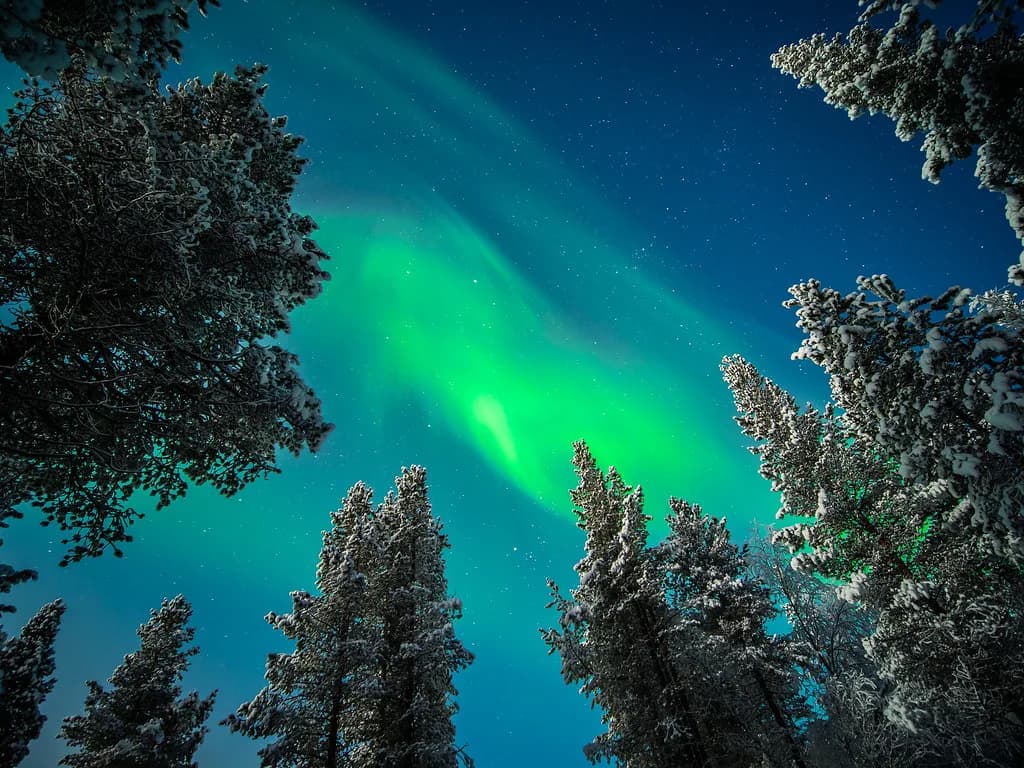
In the old Finnish fable, a magical fox runs across the snowy fells and sweeps its tail through the snow, throwing sparks up into the night sky to create the lights. The image explains the name neatly: fires made by a fox. It is a folk explanation, not a scientific one, but it is the story most Finns grow up with.
The same folklore collection records that the Saami, the indigenous people of the far north across Finnish Lapland and neighbouring areas, traditionally treated the lights with solemn respect, as the energies of departed souls. Children were told to quieten down when the fires blazed, and whistling beneath them was thought to bring the lights closer.
Similar beliefs run through other northern cultures, from dancing spirits to the Valkyries, which is part of why the aurora carries so much folklore. If the cultural side of Lapland interests you as much as the sky, the guide to Sámi culture in Finnish Lapland puts the lights into a wider northern context.
Why Finnish Lapland sees the aurora so often
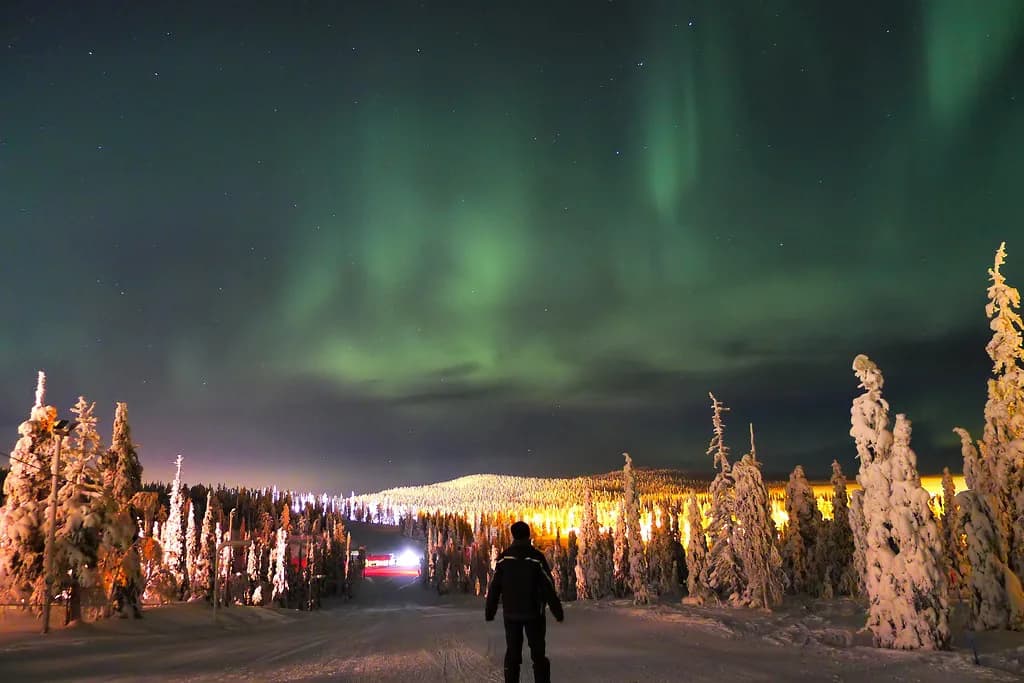
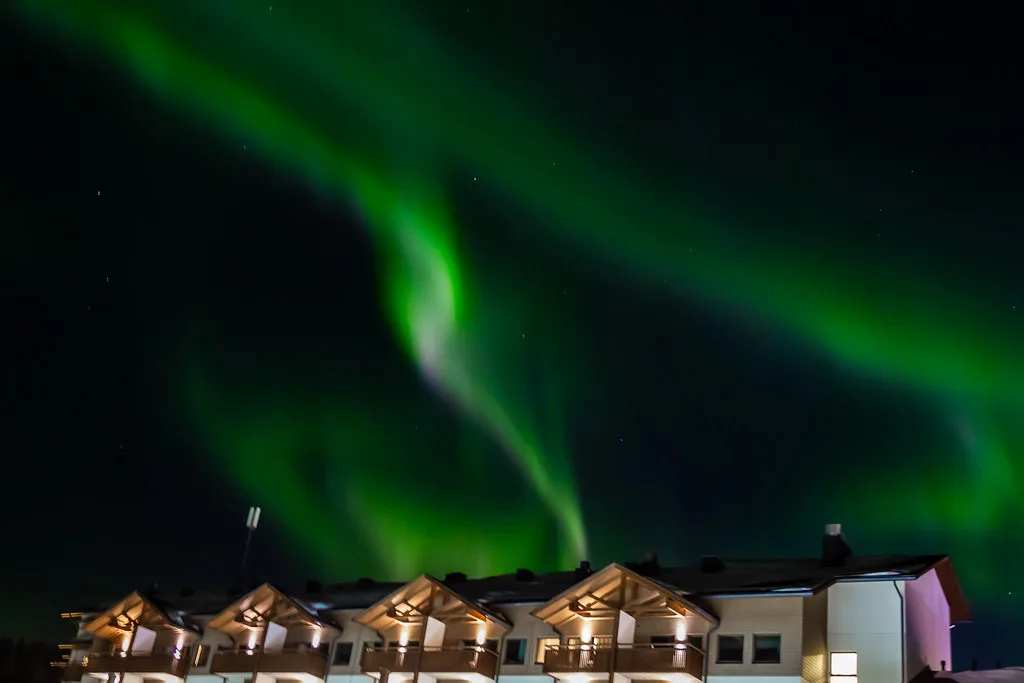
Finnish Lapland sits under the auroral oval, the ring of sky around the magnetic pole where charged particles funnelled down Earth's field most often collide with the atmosphere. That position, well north of the Arctic Circle, means the lights appear here during calm space weather as well as during storms. The Finnish Meteorological Institute makes the point directly: in Lapland the aurora is common even when conditions are quiet elsewhere.
That matters when you read forecasts written for southern and central Finland, where the thresholds are stricter. A quiet night in Helsinki can still be an aurora night in the fells, so plan your trip around Lapland rather than around a Kp number that looks unremarkable.
Geography then does the rest of the work. Sodankylä, Inari, Utsjoki and the fell villages around Levi and Ylläs all sit far enough north to be inside the frequent-aurora zone, and they are small enough that true darkness begins a short walk from the lit centre.
When the aurora season runs and how dark the nights get
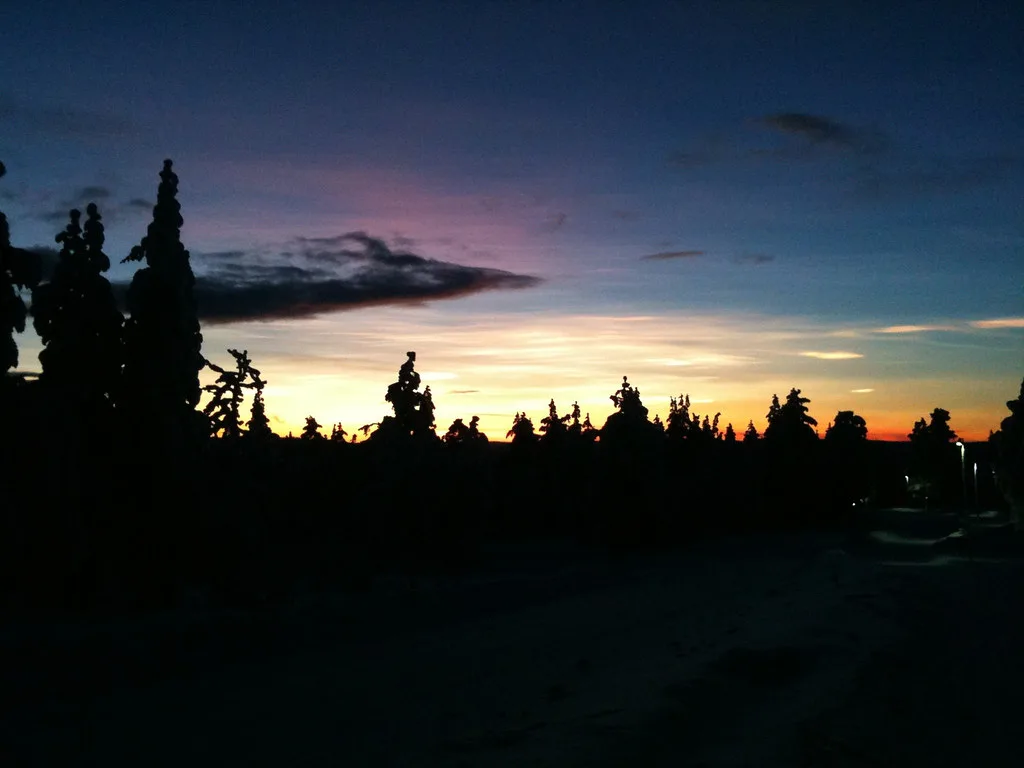
The usable season follows darkness rather than a fixed calendar: nights are dark enough for the aurora from roughly late August and September through to early April. Deep midwinter delivers long nights but also the short days and cold that come with them, while autumn and early spring give you a better balance of daylight for other activities and still-dark evenings.
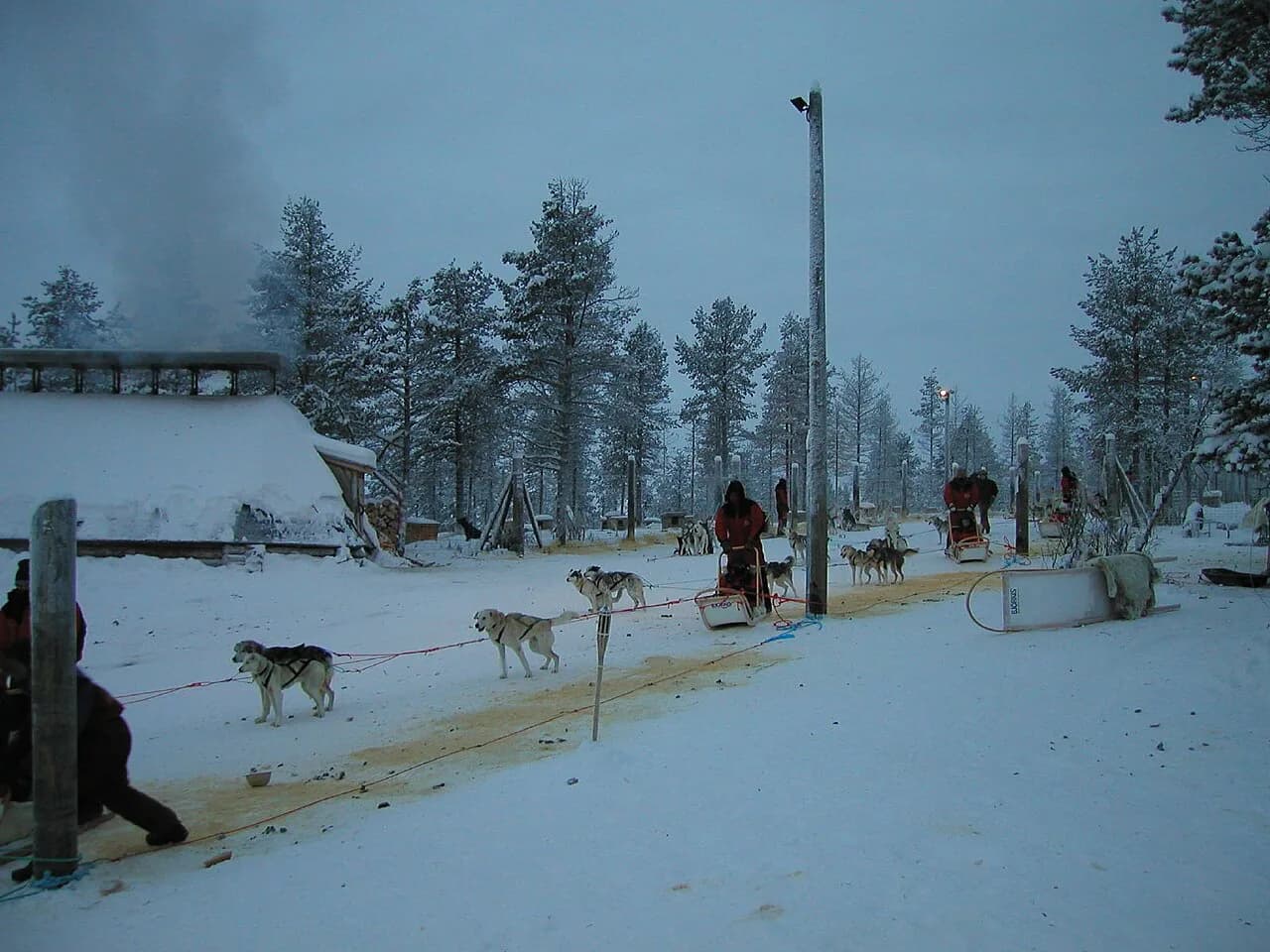
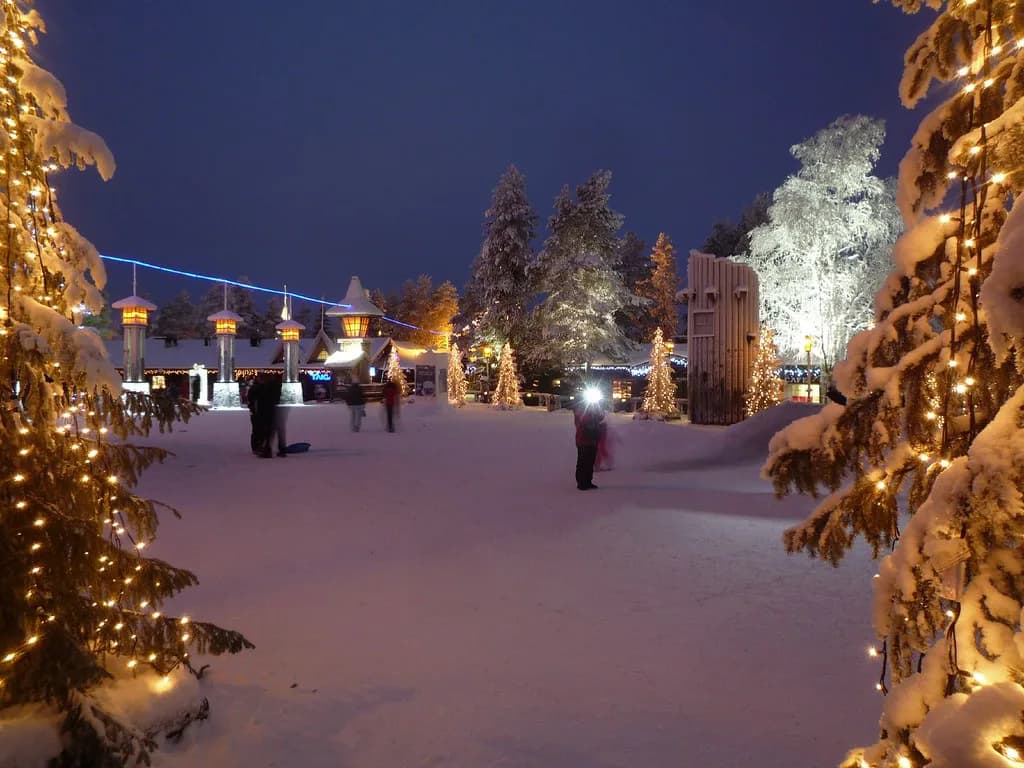
Cloud cover, snow and temperature vary widely across Finnish Lapland and from week to week, so treat any single figure with caution. As a working rule, the continental fell villages east of the border mountains tend to be drier and clearer than the coast, while the short December days leave only a few hours of light for skiing, husky rides or visiting Santa Claus Village near Rovaniemi.
For a first winter trip, late September to October and February to late March are the most forgiving windows: enough darkness to chase, enough daylight to enjoy the fells. Christmas in Finnish Lapland is magical for families, but treat the lights as a bonus rather than the reason for the dates.
Where to watch near fell villages and national-park bases
You do not need a mountain expedition. In villages such as Saariselkä, Äkäslompolo, Levi and Inari, the practical move is to walk or drive a few kilometres away from the lit centre, onto a frozen lake or a fell road with open northern horizon. Lake Inari's frozen surface is a classic dark-sky vantage point because it removes trees from your sightline.
National-park bases give you the same advantage with marked trails: Urho Kekkonen National Park beside Saariselkä, Pallas-Yllästunturi National Park above Äkäslompolo, and Lemmenjoki further north. Check trail markings and avalanche or ice warnings locally before setting out at night, and carry a head torch with a red setting to protect your night vision.
Light pollution is the variable you control most easily. A village with a single lit main road leaves plenty of dark sky a short walk away, while larger towns such as Rovaniemi need a longer drive before the glow drops. If you are weighing up a bigger town as your base, the Rovaniemi northern lights guide covers where to go and stay once you are there.
Self-guided chasing versus a guided night tour
Going it alone works well if you have a hire car, winter-driving confidence and flexibility to change plans at short notice. You can read the cloud situation in the afternoon, drive to a clear patch and wait, which is exactly how a good chase night is run.
Guided nights remove the driving and the guesswork: operators typically collect you from your accommodation, lend thermal suits and boots when the briefing says so, and take a small group to a dark site with hot drinks and often photographs. They also know the local road network and the fallback spots when the first location clouds over.
The trade-off is cost and fixed departure times against convenience and local knowledge. Families without a car and first-time winter visitors usually get more out of a guided night; experienced drivers staying several nights often prefer to chase themselves and keep the tour budget for one backup evening.
How many nights to plan for a fair chance of clear skies
Every night is an independent roll of the dice: solar activity decides whether the lights appear, and cloud decides whether you can see them. No operator can promise a sighting. What you can do is buy more rolls of the dice by staying longer.
Three to four nights in one place is a sensible minimum for a dedicated aurora trip, and a week is better if the lights are the main purpose of the journey. Build in a rest day so a cloudy night does not push you into driving tired on icy roads.
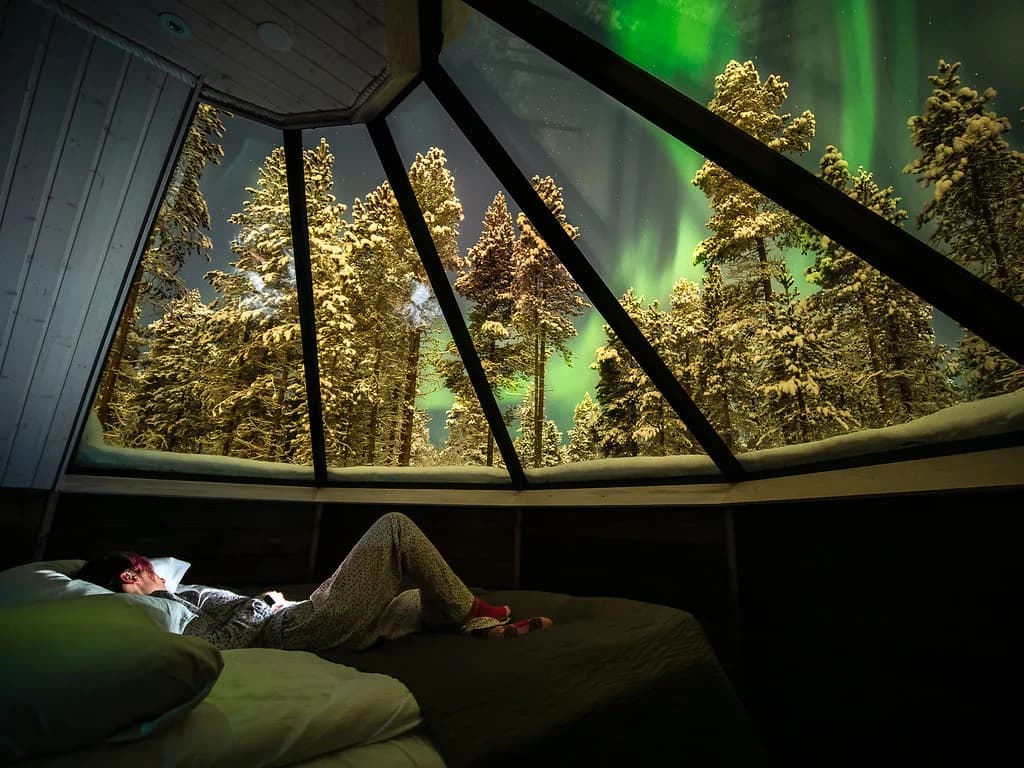
Choose a base with clear northern horizon access and a backup activity for cloudy evenings, such as a sauna or a daytime husky safari. If the sky clears at 2 a.m., you want to be warm, rested and ten minutes from a dark lake rather than an hour from it.
Using the Finnish Meteorological Institute aurora forecast
The Finnish Meteorological Institute publishes a space-weather page with a short-term aurora probability written for southern and central Finland, alongside a map of current magnetic activity. It shows the latest reading and the past day's history, so you can see whether activity is rising or fading rather than relying on a single snapshot.
The R-number on that page is a magnetic-activity index: readings above a lower, station-specific threshold make aurora moderately likely, and readings above an upper threshold make it highly likely. The thresholds differ by station, and in Lapland the aurora is common even during calm space weather, which is why a quiet reading that means little in southern Finland can still be a good night in the fells.
Read the forecast as guidance, not a guarantee, and pair it with a cloud forecast for your own location. The fuller guide to the aurora forecast in Finnish Lapland explains how the indices, the Sodankylä Geophysical Observatory measurements and local cloud patterns fit together.
Plan Your Aurora Nights in Finnish Lapland
Revontulet is both a word and an invitation: the fox fires of Finnish folklore, and the real aurora that appears over Lapland on many clear nights from late August to early April. Plan around darkness, pick a fell village or national-park base with easy access to a dark horizon, and give yourself several nights rather than one.
Then let the sky decide. Use the official space-weather readings as a guide, keep a flexible plan for cloudy evenings, and treat any sighting as the gift it is rather than something a booking can promise.
Frequently Asked Questions
What is the Finnish word for the northern lights?
Revontulet is the everyday Finnish term for the aurora borealis. It translates as "fox fires" and is used both in ordinary conversation and on official forecast pages, so it is the word to recognise when planning a trip to Finnish Lapland.
What does revontulet mean literally?
The word means "fox fires", from an old Finnish fable in which a magical fox sweeps its tail through the snow and throws sparks into the sky. The story is folklore rather than science, but it explains why the Finnish name for the lights is so evocative.
How did the Saami traditionally regard the northern lights?
Traditional Saami belief treated the lights with solemn respect, as the energies of departed souls. Children were told to quieten down when the fires blazed, and whistling beneath them was thought to bring the lights closer.
Can you see the northern lights in Finnish Lapland?
Yes, in the right conditions. Finnish Lapland lies under the auroral oval, and the Finnish Meteorological Institute notes that the aurora is common there even during calm space weather. A sighting still depends on solar activity and clear skies on the night, so no trip can guarantee one.
What month is best to see the northern lights in Finland?
Dark nights run from roughly late August and September through early April. Late September to October and February to late March give the best balance of dark evenings and usable daylight, while midwinter offers the longest nights but very short days.
How many nights should I book for an aurora trip?
Three to four nights in one place is a sensible minimum, and a week is better if the lights are the main purpose of the trip. Cloud cover decides visibility on any given night, so more nights simply mean more chances at clear sky.
Do I need a guided tour to see the aurora in Lapland?
Not necessarily. A hire car and flexible plans let you chase clear skies yourself, while guided nights add transport, local knowledge and often loaned thermal clothing. Families without a car and first-time winter visitors usually get more from a guided night.
How do I read the Finnish Meteorological Institute aurora forecast?
The page shows a short-term aurora probability for twelve localities plus a magnetic-activity index called the R-number. Readings above station-specific thresholds raise the likelihood of aurora, and the thresholds differ by station, so treat the values as guidance and check cloud cover for your own location.
Sources
Notes for your Arctic winter trip
Optional updates to our northern lights guides.
You might also like

Continue reading
More guides you'll find useful