Reykjavík Winter Lights Festival: What Happens and When
The Reykjavík Winter Lights Festival fills the darkest weeks with light trails, museum nights and pool nights. Here is what each part involves.
On this page
Reykjavík in midwinter is a small, walkable capital where the sun sits low for a few hours and the evenings are long and properly dark. The Winter Lights Festival exists to make that darkness an attraction rather than a drawback, filling streets, museums and swimming pools with light-themed programming. It suits travelers who want a city base with culture in the evening and a realistic shot at the aurora on clear nights, without committing the whole trip to remote lodges.
The festival is not a single ticketed venue but a programme spread across the capital region, so your planning question is less about buying a ticket and more about which nights to keep free. If you are building a wider winter trip around the aurora, start with the broader guide to the northern lights in iceland and then slot the festival into it.
Why a light festival works in Reykjavík's darkest weeks
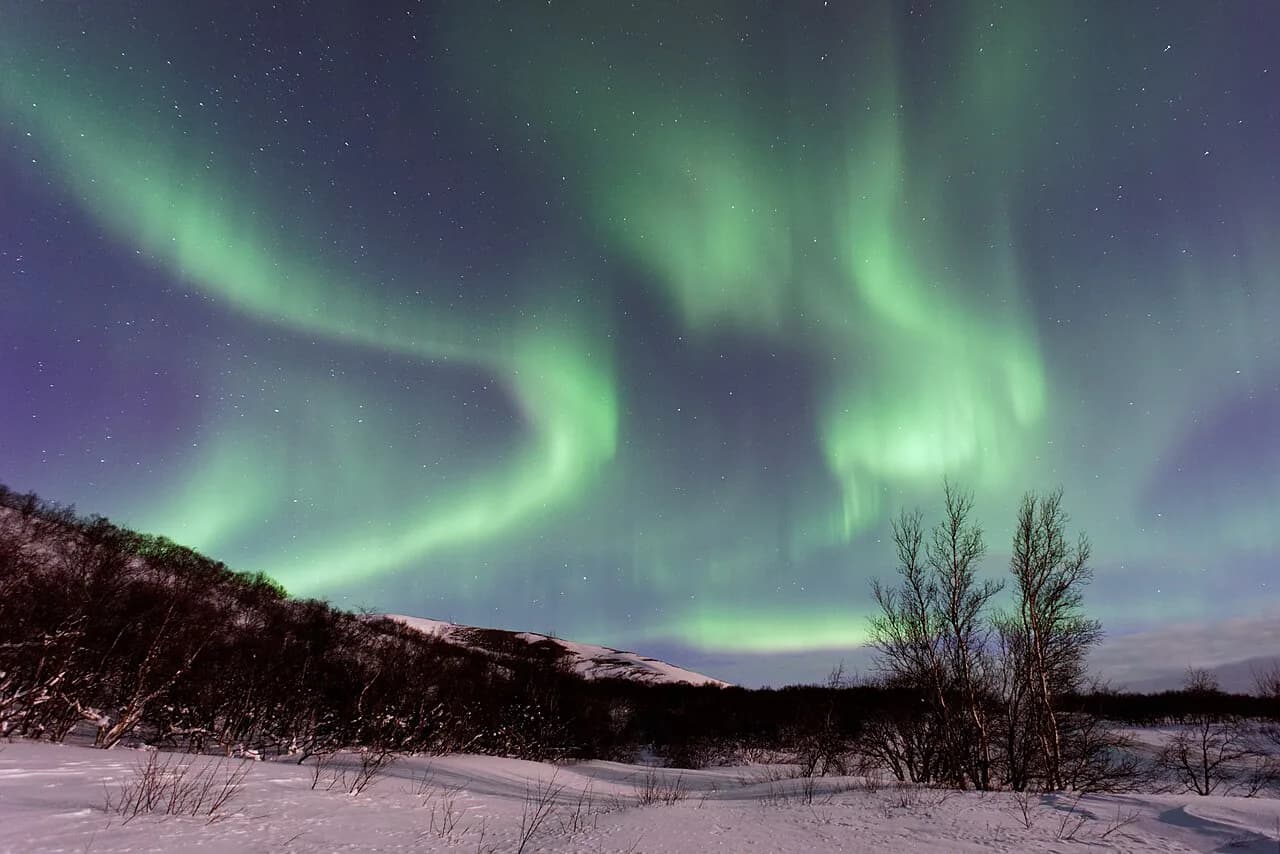
Reykjavík sits just south of the Arctic Circle, which is why late January and early February deliver very short days and long, deep nights. That is exactly the window a light festival can use: installations and illuminated trails read best against real darkness, not a dim northern dusk. It also means the same evenings that suit the festival give you the hours you need for aurora watching once you leave the streetlights.
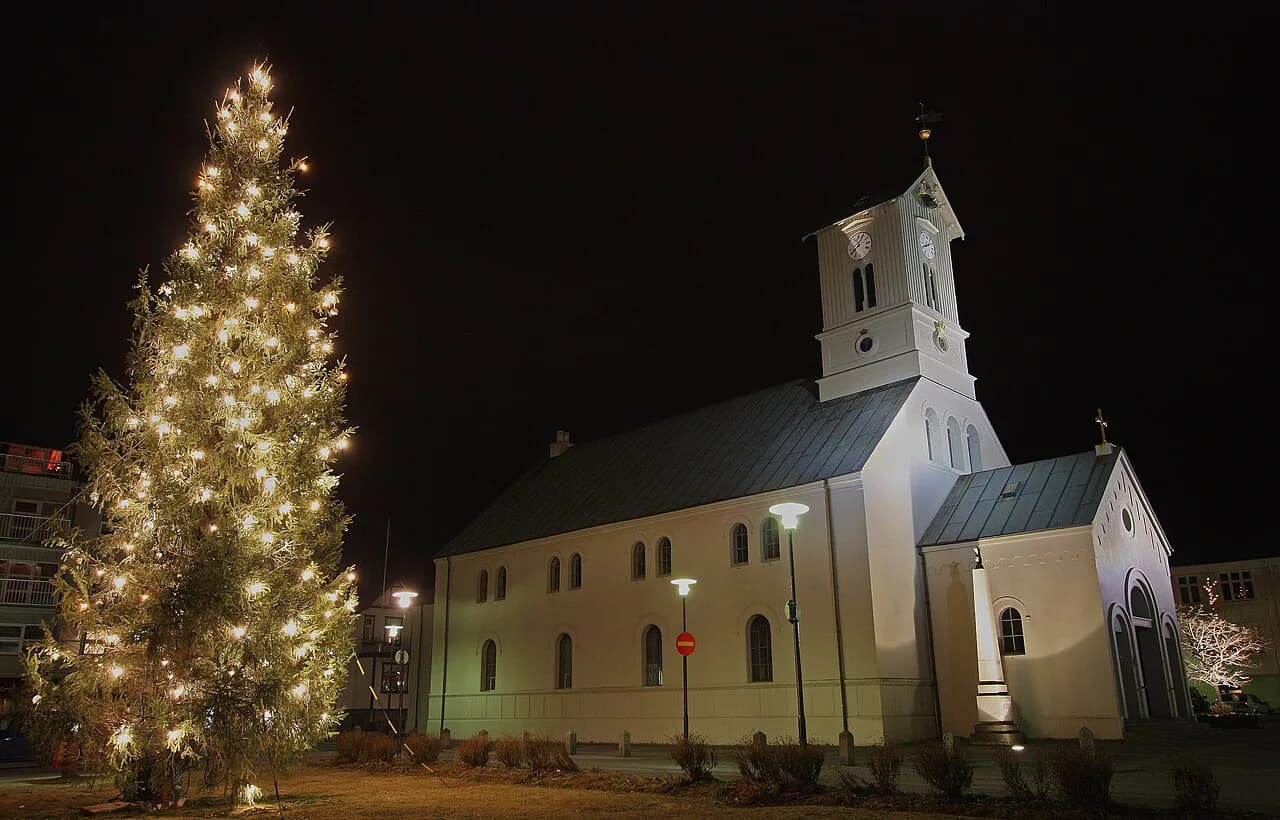
The city government frames the event around exactly this idea, enlivening urban life during the darkest winter months by tying culture to the themes of light and darkness. That framing matters for how you plan: the appeal is the contrast between bright, warm interiors and the cold dark outside, not a summer-style outdoor festival. Expect to move between venues rather than stand in one place all evening.
What the Winter Lights Festival is and where it sits in the capital region
The festival is organised by the City of Reykjavík together with the wider capital region, and it runs across all six municipalities that make up the greater Reykjavík area. In practice that means some programming sits in the city centre and some in neighbouring towns, so a car or a good bus plan helps if you want to see more than the central events. The official city notice describes the festival as a joint effort across those six municipalities.
Because the programme is regional rather than confined to a single square, the practical base is still central Reykjavík, where you can walk to the Light Trail and reach museums on foot. Treat the outlying municipal events as optional extras rather than the core of your trip. Detailed programme information is published at winterlightsfestival.is, which is the page to consult for venue-level listings.
The three pillars: Light Trail, Museum Night and Swimming Pool Night
The festival is built on three main strands: a Light Trail through the city, a Museum Night and a Swimming Pool Night. Light Trail is the outdoor, walk-around element, Museum Night opens cultural venues, and Swimming Pool Night takes the festival into geothermal pools after dark. Knowing which strand falls on which evening is the single most useful piece of planning, because each one asks for a different kind of night out.
International and Icelandic artists contribute installations and works that create the festival atmosphere, so the Light Trail is the part to prioritise if you only have one evening free. Museum Night suits travelers who want warm interiors and a slower pace, and Swimming Pool Night is the most distinctly Icelandic of the three. If you are traveling with children or a mixed group, splitting the strands across separate evenings works better than trying to combine them.
When the festival runs and how the February dates land
The 2024 edition ran from 1 to 3 February, a compact three-day window at the start of the month. That gives you a clear sense of scale: this is a long weekend of programming, not a multi-week season, so your trip dates need to line up with the announced days rather than the whole month. The city published the 1–3 February dates in its own festival notice.
Later editions have shifted slightly, which is why you should anchor your booking to the year you are traveling. A published festivals calendar lists the Reykjavík Winter Lights Festival for 4–7 February in its 2026–2027 listing, so the event does move within early February from year to year. Confirm the current dates against the festival's own programme before you lock in flights.
An events listing for the 2025 edition describes the same broad shape, a programme of events revealing the many faces of Reykjavík culture, spanning art and industry, environment and history. The consistency across years is useful: whatever the exact dates, expect a culture-led programme rather than a music-festival lineup. Book accommodation early for the festival weekend, since early February is otherwise a quiet period for the city.
Free entry and how the programme is organised across the capital region
Entry to all events of the 2024 Winter Lights Festival was free, which is unusual for a capital-city festival and changes how you budget the trip. Your costs then concentrate on flights, accommodation, food and any aurora tours you add, rather than on festival tickets. The city notice confirming the 1–3 February dates also states that admission to every event was free.
Free entry does not mean everything is in one place. Events are spread across the six municipalities of the capital region, so check the programme for the specific venue of each installation or opening before you set out in the evening. Detailed programme information is published at winterlightsfestival.is, and that is where venue addresses and timings sit.
Light Trail: what to expect walking the city after dark
The Light Trail is the festival's outdoor heart: a route through the city where light installations and illuminated works are placed for viewing on foot after dark. It rewards travelers who are comfortable walking in cold, sometimes wet February weather, and it works best spread over an evening rather than rushed. Because it is outdoors and free, you can walk part of it, warm up in a café, and continue.
This is also the strand that competes most directly with aurora chasing, since both need you outside at night. If the sky is clear and activity is promising, the Light Trail can wait for another evening and you can head out of the city instead. If cloud is thick, the trail is the better use of the same hours.
Museum Night: which cultural venues open their doors
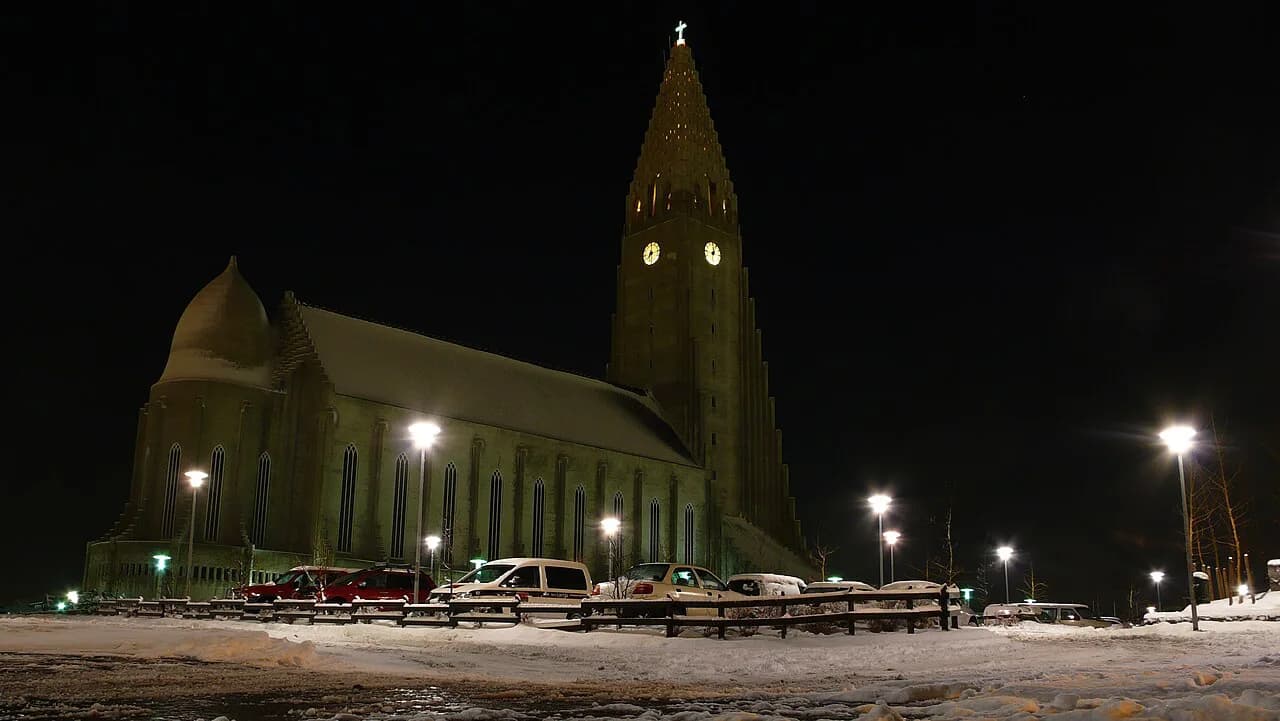
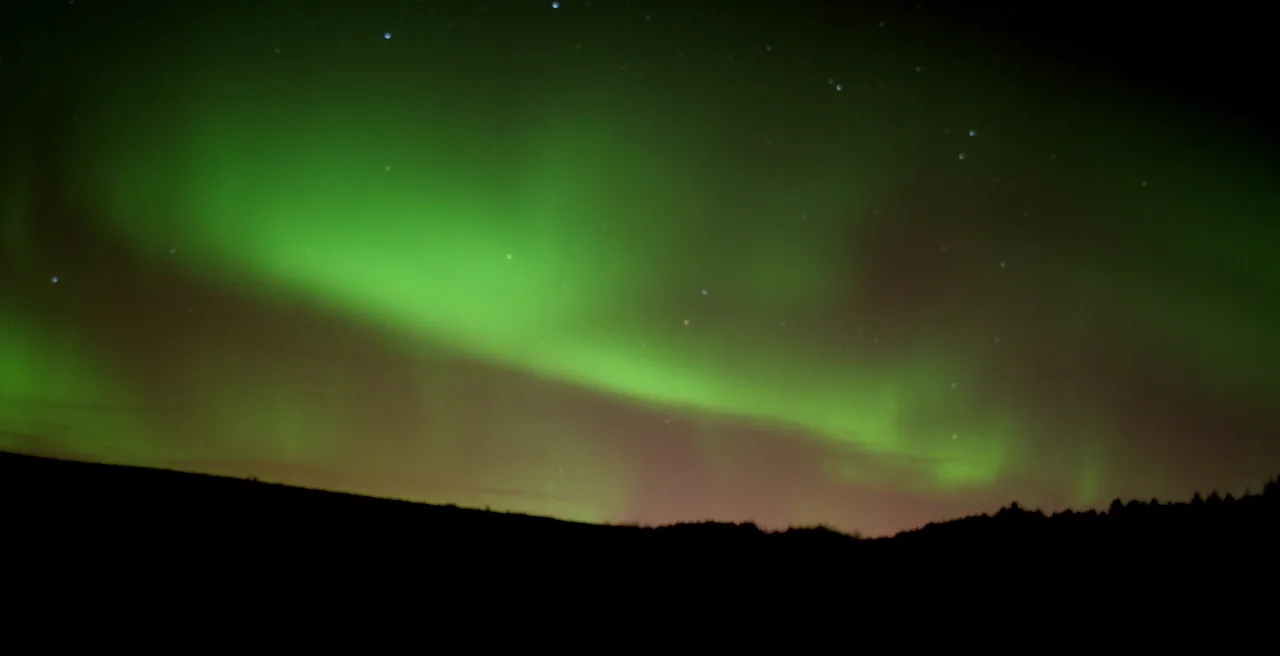
Museum Night is the festival's indoor pillar, when cultural venues across the capital region open for evening programming tied to the light-and-darkness theme. Reykjavík's museum landscape includes the City Museum, the Art Museum and the City Library, all of which sit under the city's cultural umbrella and appear among the city's official websites. It is the strand to choose when the weather turns or when you want a warm, slower evening.
Which specific venues participate and what they stage varies by edition, so check current prices and dates against the programme at winterlightsfestival.is. Plan Museum Night as your flexible evening and keep the outdoor Light Trail for a night with drier forecasts.
Swimming Pool Night: geothermal pools after dark
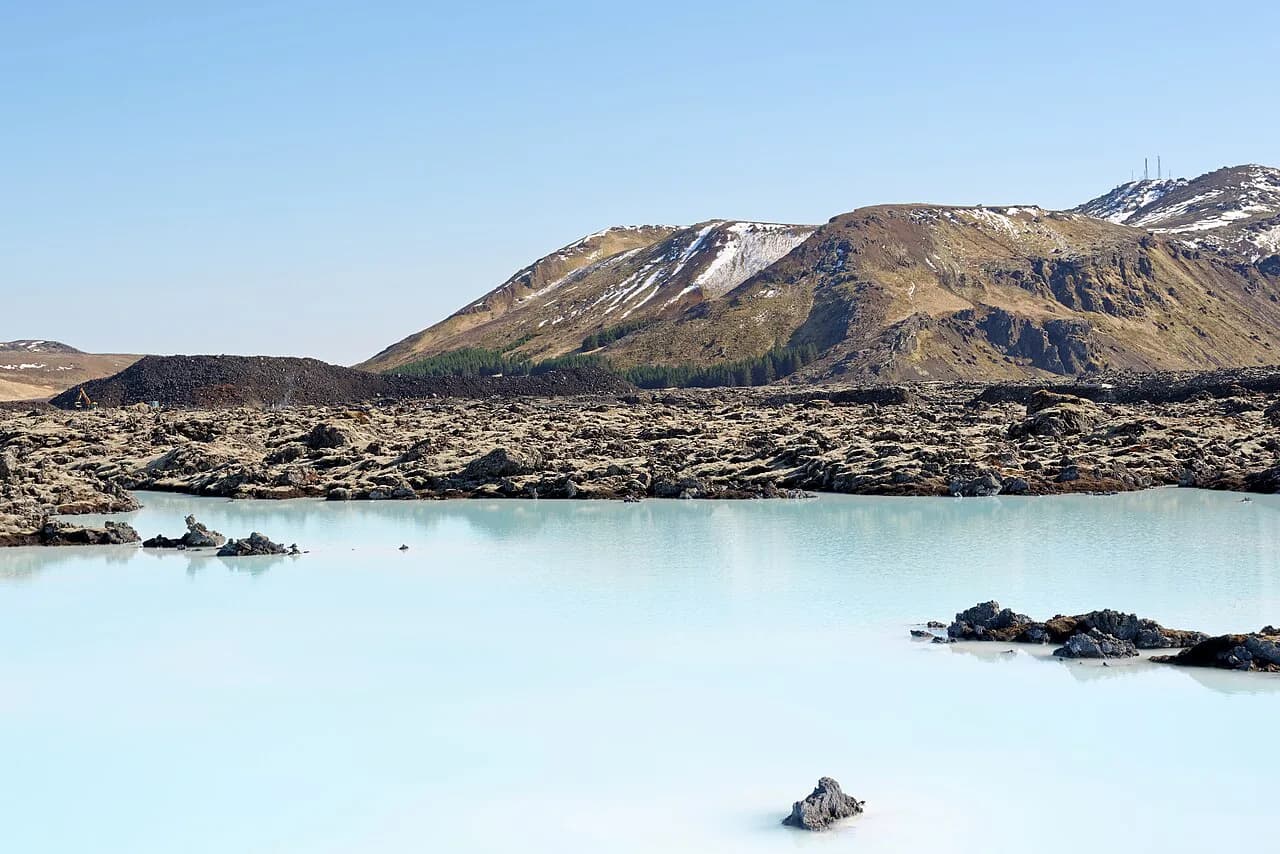
Swimming Pool Night takes the festival into Reykjavík's geothermal pools, turning a normal daytime activity into an evening event with a festival atmosphere. Icelanders treat pools as a year-round social institution, and swimming outdoors in cold air with warm water is one of the most memorable low-cost experiences the city offers. It is also the pillar that best suits families and anyone who wants to be warm while still being outside.
If geothermal bathing is a priority for your trip beyond the festival, the same instinct points you toward the sky lagoon south of the city, a coastal bathing site with a very different setting from the municipal pools. The two suit different moods: pools for local everyday life, the lagoon for a designed spa experience. Check the programme for which pools take part on the night you are in town.
How many nights to allow around the festival
Three nights is the sensible minimum: one for the Light Trail, one for Museum Night and one held in reserve for either Swimming Pool Night or an aurora attempt. Because the 2024 edition ran three days, a trip built around the full festival weekend naturally covers all three strands without rushing. Add a night at each end if you want a buffer for flight delays, which are a real risk in Icelandic winter.
If your main motivation is the aurora rather than the festival, extend to four or five nights and treat the festival as evening entertainment on the nights when the sky is not cooperating. Cloud cover in February is the deciding factor, not the calendar, so extra nights genuinely raise your odds. The guide to the best time to see the northern lights explains how the season and typical conditions shape that calculation.
Adding aurora viewing to a festival trip: dark-sky spots beyond city lights
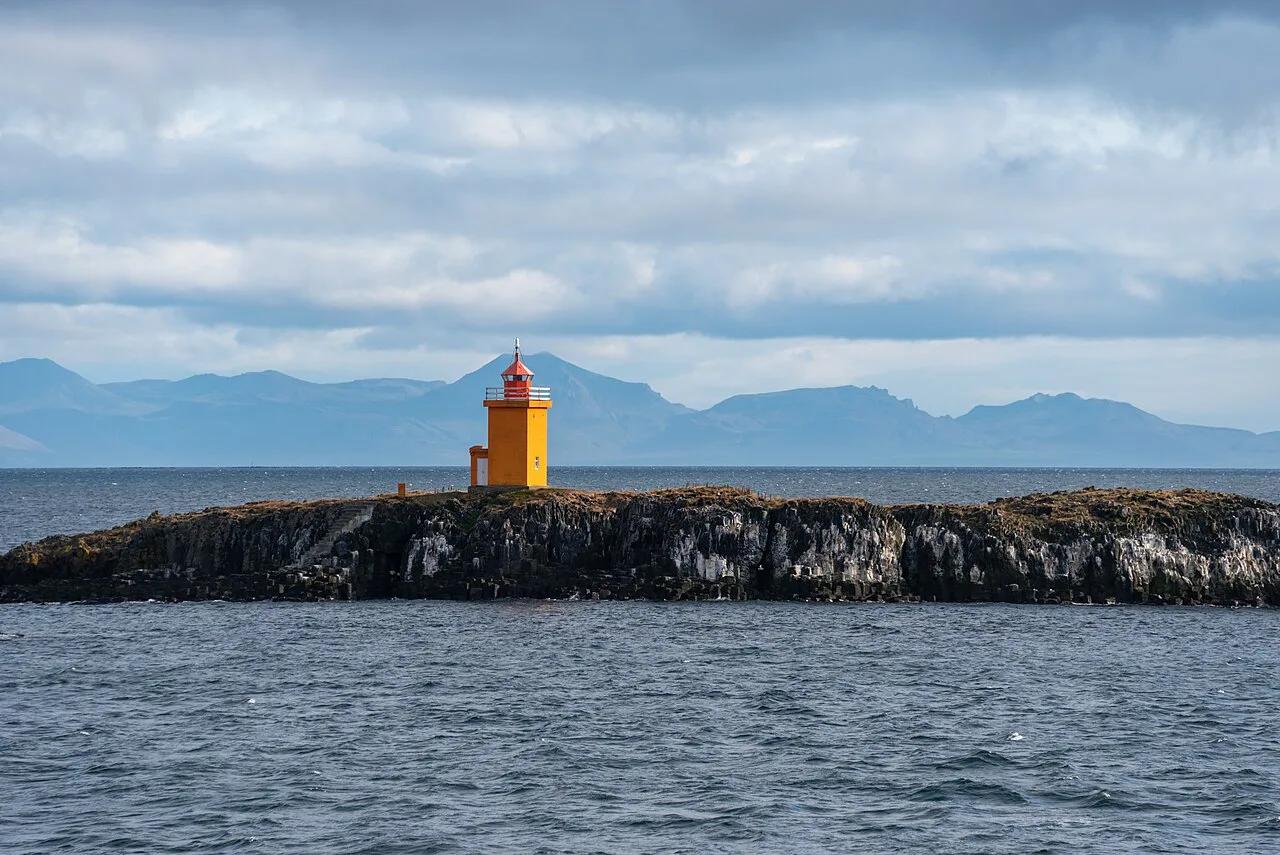
Central Reykjavík is bright, and that light pollution limits how much of the aurora you can pick out from the city streets. The classic local answer is to head out along the coast to Grótta lighthouse at the tip of Seltjarnarnes, a short drive or bus ride from the centre, where the view opens toward the sea and away from the worst of the urban glow. It is a convenient option when activity picks up late and you do not want a full tour. If you would rather make a night of it further from the capital, the Snæfellsnes northern lights guide covers darker rural spots and where to stay.
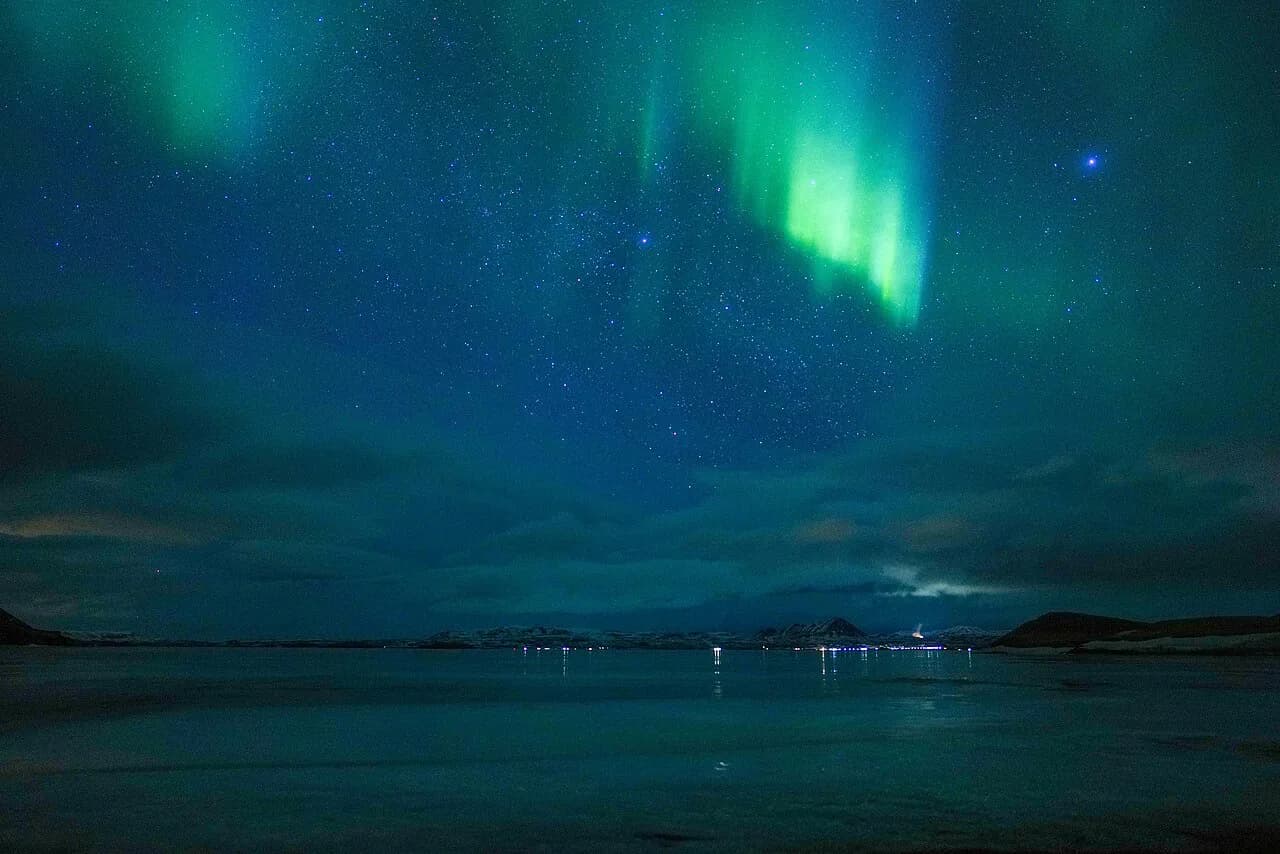
Farther out, the Þingvellir and Reykjanes areas offer darker skies and open horizons within reach of the capital, and the south coast toward Vík is darker still. The trade-off is simple: the farther you drive from Reykjavík, the better the darkness but the more you depend on road conditions and a driver. In February, snow and wind can close routes, so check road authority information before any self-drive chase. The wider guide to the northern lights covers how to read aurora forecasts and Kp values, which are guidance only.
Aurora visibility depends on solar activity and clear skies, so no operator or forecast can promise a sighting on a given night. What improves your odds is time: multiple nights, a willingness to travel away from the city, and flexibility to go when the cloud breaks.
Self-guided chasing versus a guided northern lights tour from Reykjavík
Self-guided chasing gives you the most flexibility: you pick the night, the direction and how long you stay out, which matters when the forecast shifts hour by hour. The cost is that you carry the driving, the route decisions and the weather risk yourself, and in February that can mean turning back on a snowy road. If you are not confident driving in Icelandic winter conditions, this is the wrong option for you.
Guided northern lights tours solve the driving and route problem by putting you on a bus with a driver who knows the local roads and a guide reading conditions in real time. Many operators run evening departures from Reykjavík and lend thermal suits, which is worth knowing if you have packed for city evenings rather than hours standing in a field. Group sizes, included extras and prices vary by operator and season, so compare the current iceland northern lights tours listings for what each departure actually includes.
Weather, cloud cover and daylight in February
February in Reykjavík means short days, with daylight concentrated in a few middle hours, and long evenings that are fully dark. Temperatures hover near freezing, and the city can see rain, sleet or snow within the same week, so outdoor festival programming is always weather-dependent. That volatility is also why aurora chances vary night to night rather than being fixed by the calendar.
Cloud is the dominant factor. A clear, cold night with modest activity often beats a strong-activity night under overcast skies, and the coast around Reykjavík sometimes clears when inland areas stay cloudy. Build a flexible evening routine: check the cloud forecast in the afternoon and decide then whether to walk the Light Trail, visit a museum or head out of town.
Who the festival suits, and pairing it with other winter activities
The festival suits travelers who want a city break with real atmosphere, couples and friends who enjoy walking and culture, and families with children old enough for late evenings in the cold. It is less suited to travelers whose only goal is the aurora, since the city's light pollution works against you and you will want to be outside the capital on clear nights. Think of it as a strong reason to choose Reykjavík in February rather than as an aurora strategy in itself.
Beyond the festival, the same February days support Golden Circle sightseeing, glacier and ice-cave excursions, and geothermal bathing, all of which fill the short daylight hours before the evening programme begins. If you want more hot-water soaks, the secret lagoon iceland sits inland on the Golden Circle route and fits naturally into a day of sightseeing.
Where to stay to reach festival venues and dark-sky viewpoints
Stay in central Reykjavík, within walking distance of the 101 district and the main cultural venues, if the Light Trail and Museum Night are your priorities. That puts you near the city's museums, cafés and pools, and it keeps evening logistics simple when the weather is raw. It also makes it easy to abandon an outdoor plan and switch to an indoor one without a long transfer.
For aurora nights, a base on the edge of the city or in a nearby town shortens the drive to darker skies, but you sacrifice the walkable festival experience. A workable compromise is to stay central and use a guided tour for the aurora, letting someone else handle the drive after a full evening in town. Book accommodation well ahead for the festival days, since the event coincides with a period when many travelers are already in Iceland for winter activities.
Plan Your Festival Trip
Reykjavík's Winter Lights Festival is a free, compact, city-wide event that gives February evenings a purpose: walk the Light Trail, take in Museum Night and swim under the lights on Swimming Pool Night. Plan three nights around the announced dates, check the current programme for venues and timings, and leave at least one evening free for a clear-sky drive or tour.
Treat the aurora as a bonus rather than the plan. With several nights, a car or a guided tour, and a willingness to leave the city lights, you give yourself a fair chance without depending on any single evening.
Frequently Asked Questions
When is the Reykjavík Winter Lights Festival?
The 2024 edition ran from 1 to 3 February, a compact three-day programme at the start of the month. The event shifts slightly within early February from year to year, and a festivals calendar lists 4–7 February for the 2026–2027 edition. Festival dates differ by edition, so match your flights to the official programme for your travel year. Check current details before booking.
Is the Winter Lights Festival free?
Entry to all events of the 2024 Winter Lights Festival was free. That covers the Light Trail, Museum Night and Swimming Pool Night programming, which makes the festival an inexpensive element of a winter trip. Your budget then goes on flights, accommodation, food and any aurora tours or transport you add around the festival evenings.
What happens at Museum Night and Swimming Pool Night?
Museum Night opens cultural venues across the capital region for evening programming tied to the festival theme of light and darkness. Swimming Pool Night moves the festival into Reykjavík's geothermal pools, turning a normal daytime swim into an after-dark event with a festival atmosphere. Which venues and pools take part varies by edition, so consult the published programme for the night you are in town.
Can you see the northern lights in Reykjavík during the festival?
Central Reykjavík is brightly lit, and that light pollution makes faint aurora hard to pick out from the streets. Your better options are to head to the coast at Grótta or drive farther out toward Þingvellir, Reykjanes or the south coast for darker skies. Sightings depend on solar activity and clear skies, so plan several nights and stay flexible rather than counting on a single evening.
How many nights should I plan around the festival?
Three nights covers the core: one for the Light Trail, one for Museum Night and one for Swimming Pool Night or an aurora attempt. If the aurora is your main goal, extend to four or five nights and treat the festival as evening entertainment when cloud spoils a chase. February weather changes quickly, so extra nights raise your odds more than any fixed itinerary.
Sources
Notes for your Arctic winter trip
Optional updates to our northern lights guides.
You might also like

Continue reading
More guides you'll find useful