Seljalandsfoss in Winter: Walk-Behind Falls & Aurora Stops
Seljalandsfoss in winter drops 60 m just off the Ring Road, about 120 km from Reykjavík and 60 km from Vík. The path behind it usually closes on ice.
On this page
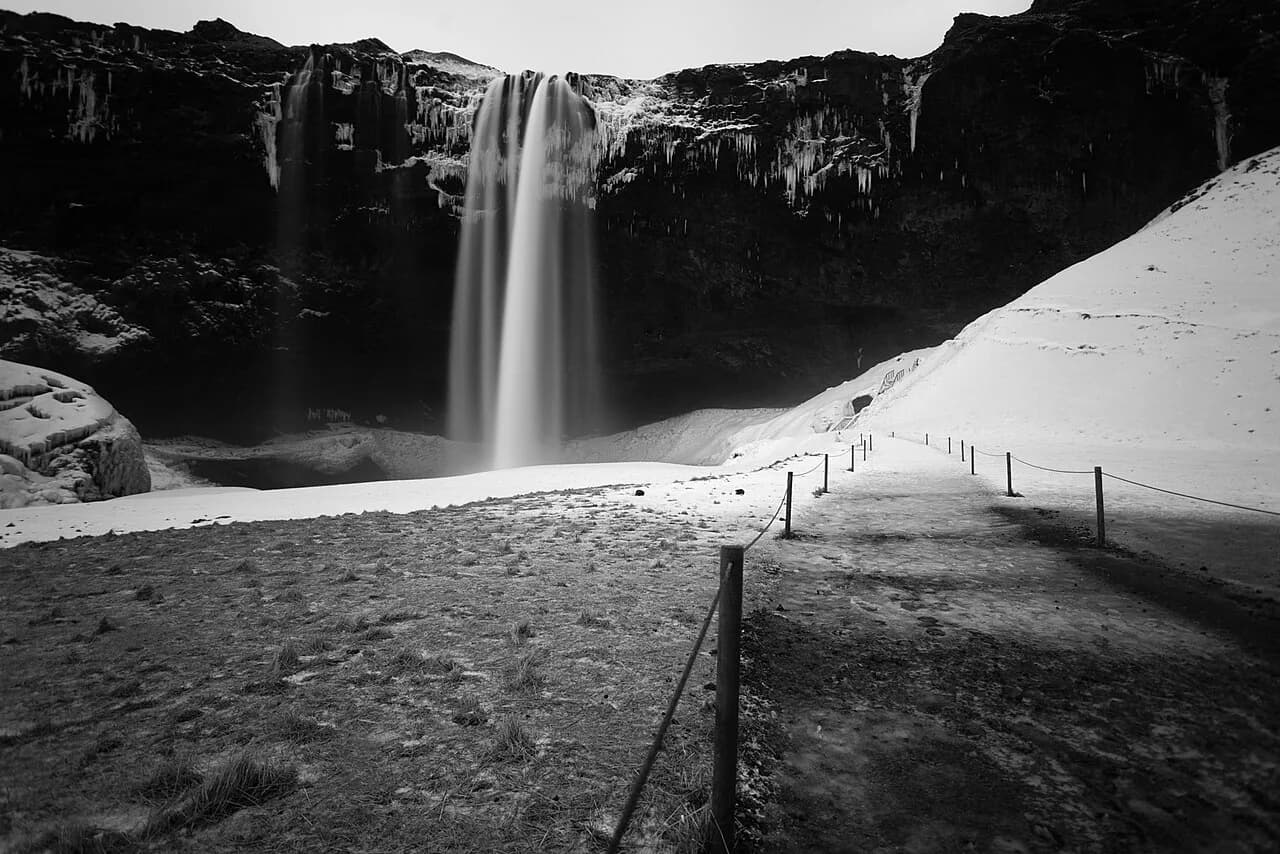
Seljalandsfoss is the South Coast waterfall that winter travelers can reach without leaving the Ring Road: a 60 m ribbon of glacial meltwater dropping off an old sea cliff, with a parking area, café and restrooms beside it. In summer the draw is the path that loops behind the falling water; in winter the draw is the frozen amphitheater around it and the floodlights that keep it visible after dark.
It suits travelers building a multi-night South Coast plan who want a short, roadside stop between Reykjavík and Vík, and who accept that the walk-behind experience is a summer privilege. If your winter priority is standing inside a blue ice cave or cruising among icebergs at Jökulsárlón, Seljalandsfoss works as a 45-minute pause on the way east rather than a destination in itself, and our northern lights in Jökulsárlón guide covers the overnight options further along that same route.
Why Seljalandsfoss draws winter travelers
The waterfall is fed by meltwater from Eyjafjallajökull, the ice-capped volcano above it, which sent meltwater down the Seljalandsá river and over the cliff edge. The drop is around 60 m, narrow rather than thundering, which is why a path could be built around the cavern behind it. That path is the reason Seljalandsfoss became one of Iceland's most photographed landmarks, and it is also the reason winter changes the visit so much.
The cliff itself marks an older coastline; the sea now sits across a stretch of lowland and is visible from the site. Floodlights installed on both sides of the falls illuminate the scene at night, which matters in a winter month when daylight is short and your driving day extends past sunset.
Where the falls sit on the South Coast
Seljalandsfoss is just off Route 1, the Ring Road, on Route 249. From Reykjavík the drive is roughly 120 to 128 km, or about two hours, passing Selfoss, Hella and Hvolsvöllur before the turnoff. From Vík you approach from the east, about 60 km away, and from Skógafoss it is about 29 km.
That position on the Reykjavík–Vík axis is what makes the falls useful: it is the first major waterfall on the classic southbound sightseeing route, and it can be slotted into a day that ends in Vík or a night that continues east toward the glacier lagoon. Route 249 continues past Gljúfrabúi and on toward Þórsmörk, so the same turnoff serves several stops.
Driving in winter versus joining a South Coast tour
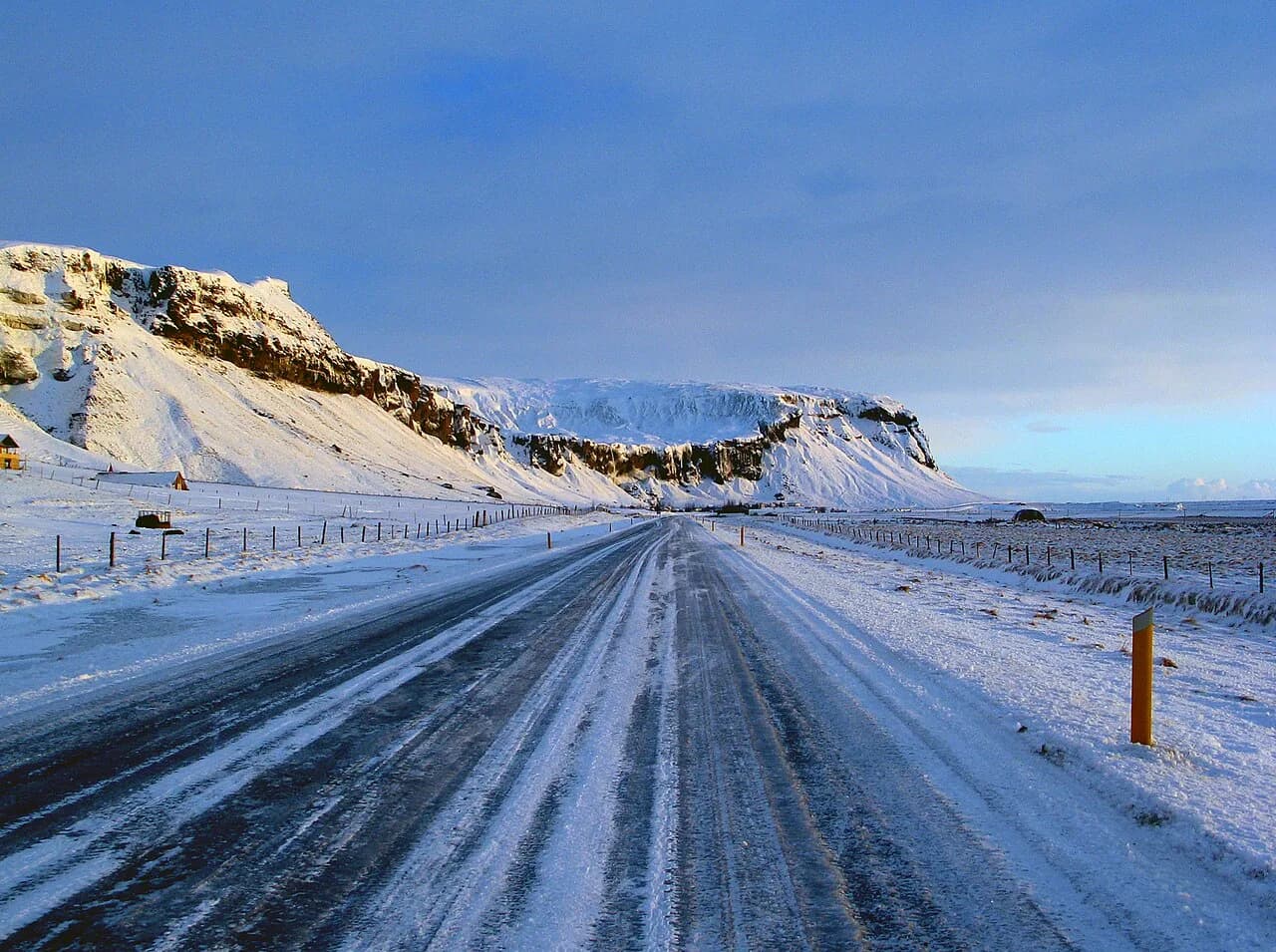
The road to the falls stays open year-round, but winter conditions on Route 1 and Route 249 can include ice, sudden snowstorms and poor visibility, and a 4x4 is the more comfortable choice for a self-drive. If you would rather not handle icy roads in low light, guided South Coast day tours from Reykjavík include Seljalandsfoss as a standard stop, leaving the driving and the timing to the tour company.
Tour options range from a roughly ten-hour South Shore Adventure to longer waterfall-and-glacier-hike combinations of about 13 hours, and the price you see depends on the season and what is bundled in. Compare what each tour includes — transport, guiding, stops — rather than the headline figure alone, and book directly with the tour company so the pickup time and cancellation terms are clear.
The walk-behind path in winter
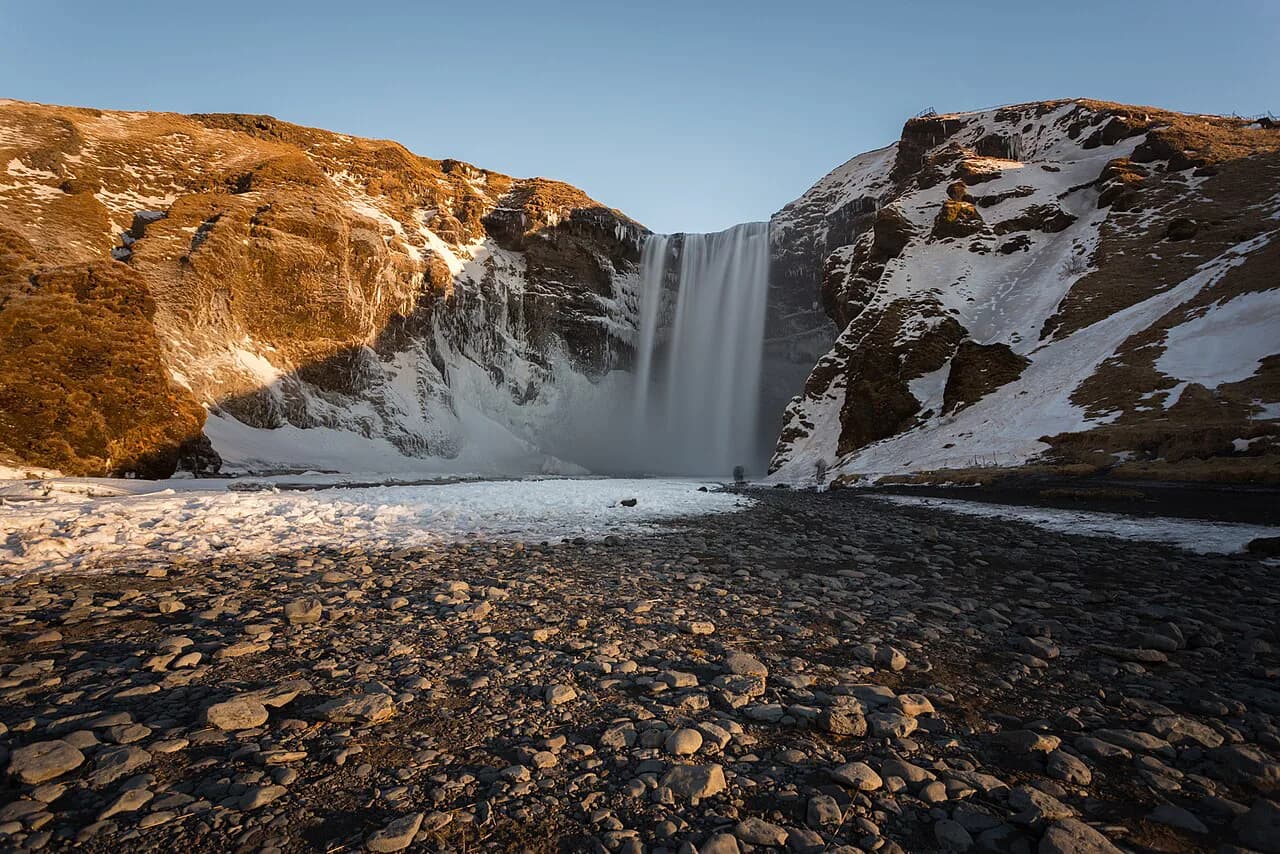
The loop behind the falls is the central winter decision. When air temperatures drop below freezing, the path ices over and large icicles form on the rock face above it; the route is then closed with a fence for safety. Expect it to be shut at some point between late October and late April, and respect the barrier rather than testing the ice.
With the path closed, you view Seljalandsfoss from the front and the sides, where the frozen ground and hanging icicles make the site photogenic in a different way. Footwear with grip or spikes helps on the compacted snow around the viewing area, and a waterproof outer layer is worth having because spray from the falls carries on windy days even when you stay in front of the curtain.
Allow 30 to 60 minutes for the stop itself if you are viewing from the front, and longer if you walk over to Gljúfrabúi. Crowds thin in winter compared with summer, so a mid-morning or late-afternoon arrival usually gives you a clearer view of the falls and easier parking.
The floodlit falls after dark and aurora timing
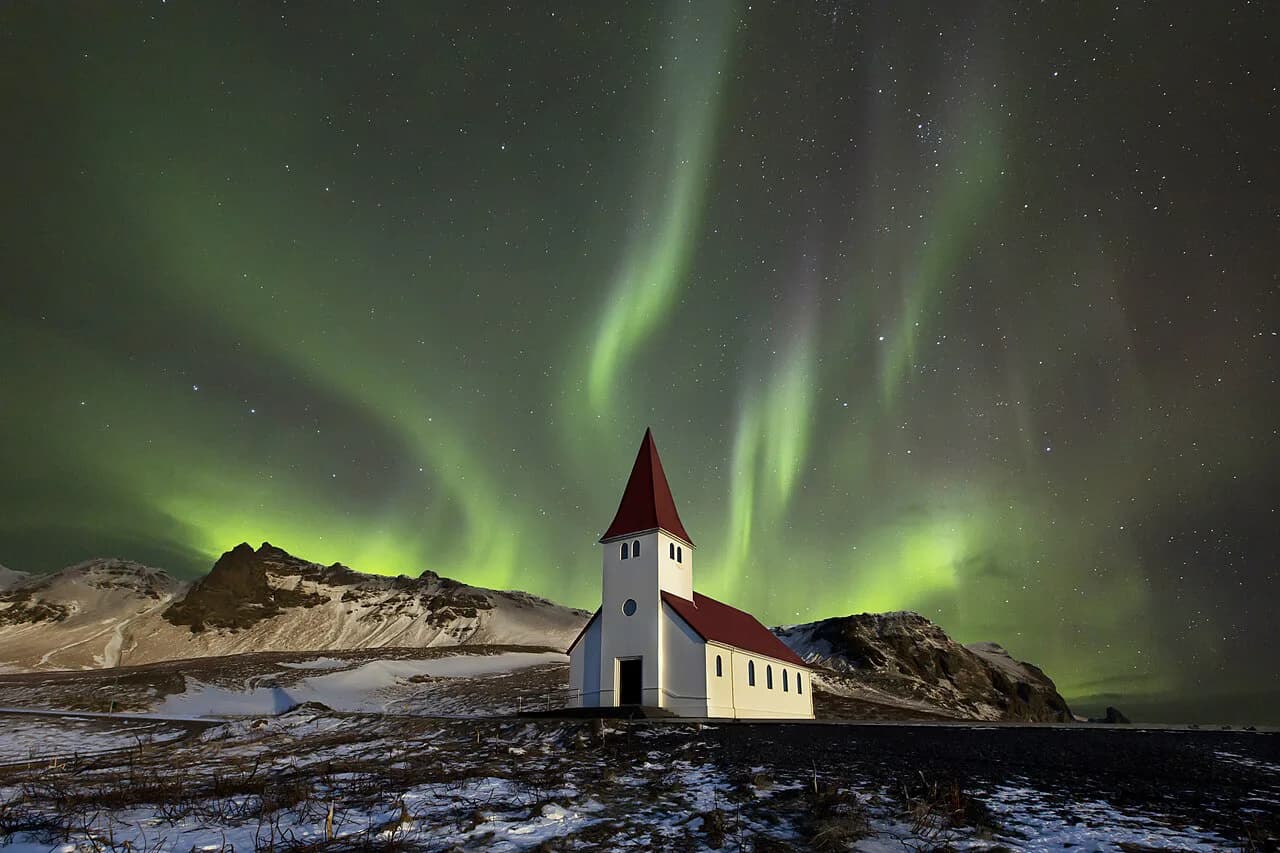
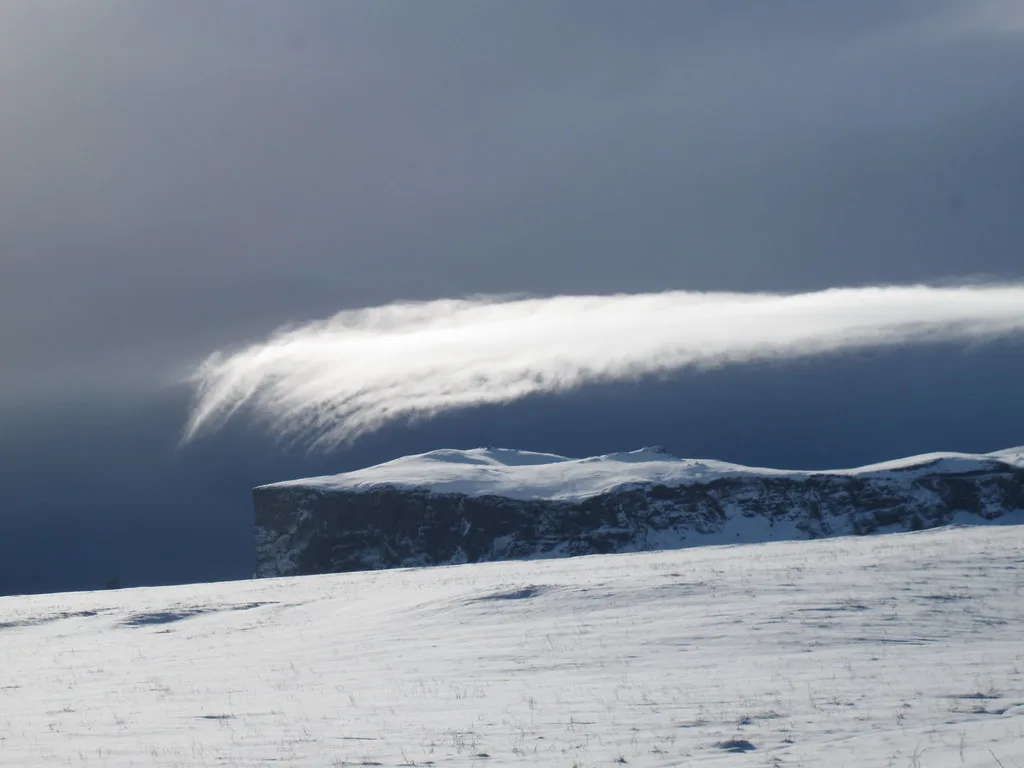
Because the falls are lit at night, Seljalandsfoss works as a dark-hours stop rather than a daylight-only photo tick. On a clear winter night the drive between Reykjavík and Vík passes through open farmland with limited light pollution, and the same roadside pull-offs that serve the waterfall can serve a aurora watch; the falls simply give you something illuminated to look at while you wait for a gap in the cloud.
Aurora visibility depends on solar activity and, above all, clear skies, so treat any stop as a chance rather than a plan with a guaranteed outcome. Kp forecasts are guidance only; what improves your odds is staying several nights, being flexible about which night you drive, and choosing a spot away from town lights with an open view to the north. The wider area around Vík gives you more of those options, which is why the northern lights in vik are worth planning around rather than treating the waterfall as a one-stop aurora destination.
Gljúfrabúi, 200 m away
Gljúfrabúi sits about 200 m from Seljalandsfoss and shares the same parking area, but it is easy to miss because it hides behind a rock face. Reaching it means wading a shallow stream and squeezing through a narrow opening into a mossy chamber around a 40 m cascade; in winter the stream and the interior are cold, wet and often icy underfoot.
In low winter light and with ice around the entrance, many travelers treat Gljúfrabúi as a view from the mouth of the gorge rather than a full entry. The 1.2 km circular trail linking the two falls is easy and mostly flat in normal conditions, and it adds roughly 30 to 45 minutes to the visit if you walk it.
Other dark-sky stops nearby
Heading east, Skógafoss falls from a similar height and is more powerful, with a staircase to the top and no walk-behind loop; it is about 29 km from Seljalandsfoss and makes a natural second stop on the same drive. Farther east, the black sand at Reynisfjara and the cliffs around Vík give you coast-facing viewpoints, though you should keep well back from the water line there.
For a base that combines the falls, the coast and a range of guided options, vik in winter puts you within about an hour of Seljalandsfoss and close to the ice caves under Kötlujökull glacier, which are among the region's strongest winter draws. If you would rather have someone else handle the night driving, vik northern lights tours run from the village and remove the guesswork about where to pull over.
If you want a glacier experience on the same trip, the katla ice cave is reached from Vík and pairs well with a South Coast driving day that starts at Seljalandsfoss and ends at the glacier. It is a different kind of winter outing: dark, enclosed and guided, rather than an open roadside stop you do on your own schedule.
Parking, facilities and the on-site services
Parking at Seljalandsfoss is paid, and the ticket covers the whole day, so you can leave and return for a night visit without paying twice. Guide to Iceland lists the fee at 1,000 ISK, while Arctic Adventures cites 800 ISK; treat either as an indication and pay the rate posted at the site on the day.
There is no visitor center, but the parking area has free public restrooms, a small gift shop and a café serving sandwiches, cakes and pastries, with benches outside for a coffee break when the weather allows. Admission to the waterfall itself is free; the parking fee is the only charge.
Where to sleep near Seljalandsfoss
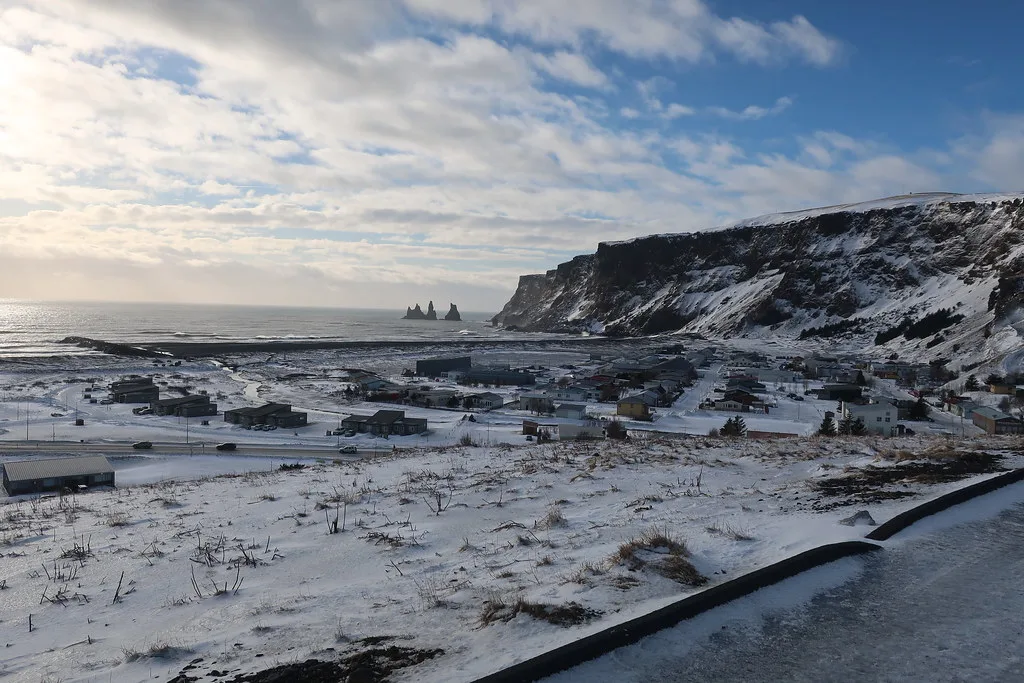
Seljalandsfoss Horizons Lodges are the closest option, with views over the surrounding farmland and quick access to the falls for an evening or night visit. Hotel Rangá, a comfortable full-service hotel, is about 27 km away, while Midgard Base Camp in Hvolsvöllur sits at a similar distance but puts you in the nearest town with restaurants and other services.
Campers have the Hamragarðar campground beside the falls, right in front of Gljúfrabúi, with cooking facilities, showers and a small information point; wild camping is not allowed along the South Coast, so designated sites are the rule. A campervan gives you the most flexibility to chase a clear sky at night, but it also means managing winter road conditions yourself.
How many nights to plan
Two to three nights based between Hvolsvöllur and Vík give you a realistic buffer: one night for arrival and the waterfall, one for a guided or self-driven aurora attempt, and one spare for the night the cloud breaks. A single night on the South Coast leaves your chances to the weather on that date, which is a poor bet in a maritime climate.
If the aurora is the main goal, treat Seljalandsfoss as one stop in a wider dark-sky itinerary rather than the destination, and keep your driving days short enough that a late night out does not compromise the next day's roads. Checking the Icelandic Met Office cloud forecast and the road authority's conditions page before each drive is the practical habit that matters most.
Who Seljalandsfoss in Winter Suits
Seljalandsfoss rewards travelers who want an accessible, dramatic South Coast stop that works in low light and after dark, and who are content to view the falls from the front when the loop path is iced over. It is a poor fit for anyone whose winter trip hinges on walking behind the water, because that experience belongs to the warmer months.
Build it into a South Coast plan with at least two nights in the region, pair it with Gljúfrabúi and Skógafoss, and leave the ice caves and glacier lagoon as their own day. That way a cloudy night costs you nothing and a clear one finds you already in the right place.
Frequently Asked Questions
Can you walk behind Seljalandsfoss in winter?
Usually not. When temperatures drop below freezing the path behind the falls ices over and icicles form on the rock above, and the route is closed with a fence for safety. Expect closures at some point between late October and late April. In winter you view the waterfall from the front and sides, where the frozen surroundings and the floodlights make it worth the stop.
How long does a winter visit to Seljalandsfoss take?
Allow 30 to 60 minutes to park, walk to the viewing area and take photographs from the front. Adding Gljúfrabúi, about 200 m away, adds roughly half an hour if conditions let you approach the gorge entrance. The full circular trail between the two falls is about 1.2 km and mostly flat, though ice can slow you down.
How far is Seljalandsfoss from Reykjavík and from Vík?
The falls are just off Route 1 on Route 249, roughly 120 to 128 km from Reykjavík, or about two hours by car. From Vík the drive is about 60 km, and Skógafoss is about 29 km away. Most South Coast day tours from Reykjavík include the stop.
Is Seljalandsfoss worth visiting in winter if the path is closed?
Yes, if you treat it as a landscape stop rather than a walk-behind experience. The frozen cliff, hanging icicles and floodlit water after dark make it one of the most photogenic roadside stops on the South Coast, and it costs nothing beyond parking. Travelers set on walking behind the waterfall should plan a summer trip instead.
How much does parking at Seljalandsfoss cost?
There is no admission charge for the waterfall. Parking is paid and the ticket is valid for the whole day, so you can return at night without paying again. Posted rates vary between sources, so pay the amount shown at the site when you arrive.
Can you see the northern lights at Seljalandsfoss?
You can watch from the area on a clear, dark night, and the open farmland around the falls has little light pollution. Sightings still depend on solar activity and cloud cover, so no stop guarantees a display. Staying several nights and checking the cloud forecast before driving gives you a far better chance.
Is Seljalandsfoss or Skógafoss better in winter?
They suit different tastes. Seljalandsfoss offers the floodlit falls and the nearby Gljúfrabúi gorge; Skógafoss is more powerful, with a staircase to the top and a campsite and museum nearby. Many travelers visit both on the same drive, since they are about 29 km apart.
Sources
Notes for your Arctic winter trip
Optional updates to our northern lights guides.
You might also like
Continue reading
More guides you'll find useful