Vík Northern Lights Tours: How to Choose a South Coast Chase
Weigh guided aurora chases from Vík against self-driving the South Coast at night, with group sizes, rebooking policies and how coastal cloud shapes the odds.
On this page
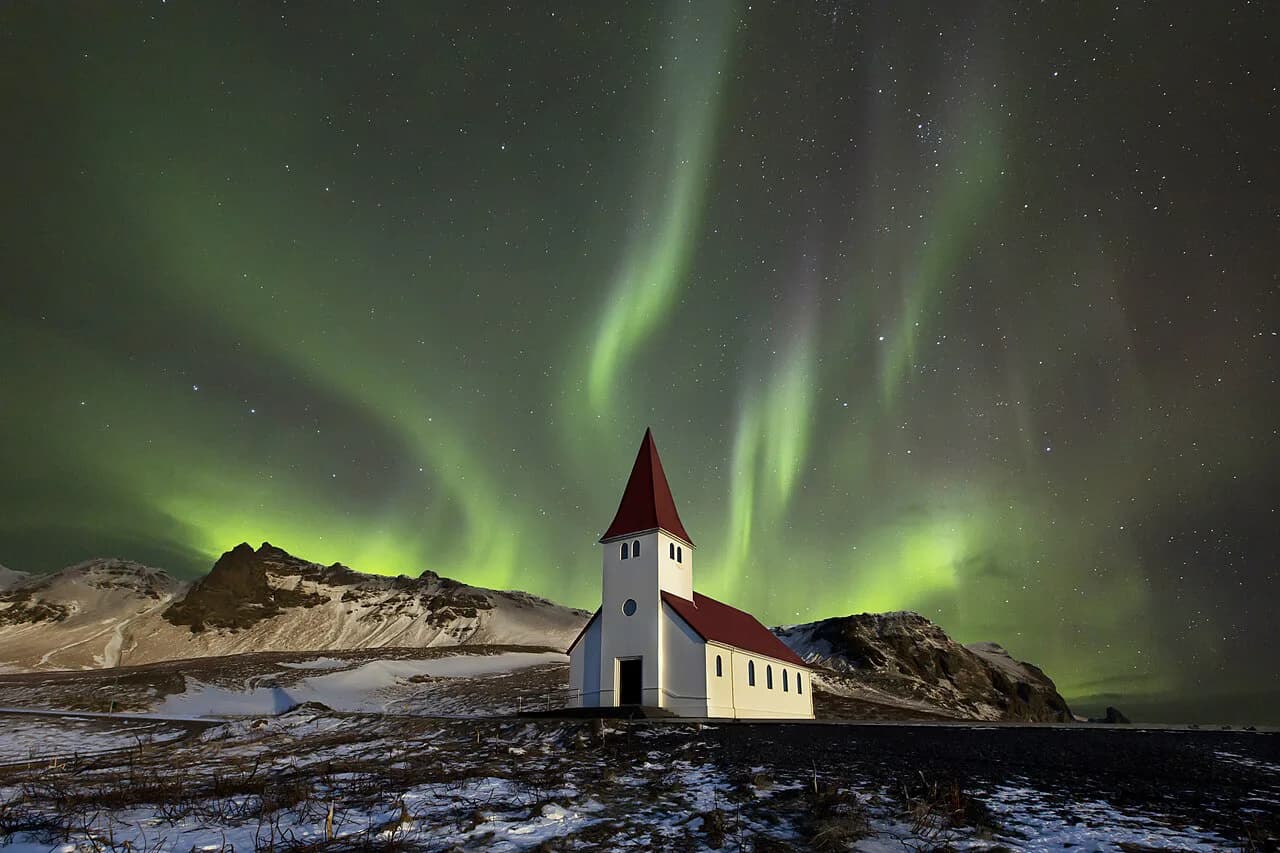
Vík sits under the aurora oval on Iceland's south coast, where dark winter nights, black sand and an open ocean horizon make it one of the more atmospheric places in the country to look up. Travelers who base here usually come for the South Coast itself — Reynisfjara, the glacier country inland, the waterfalls along Route 1 — and treat the aurora as the reward for staying up late. The catch is coastal weather, which shapes both what you can see and which tours are worth booking.
This is a guide to the commercial side of aurora hunting from Vík: how guided chases are run, how they differ from driving out to a dark spot yourself, and which policies protect your money when clouds win. It suits travelers building a two- or three-night South Coast stay who want a realistic plan rather than a promise.
Why Vík sits in the aurora belt and what winter nights look like there
Iceland lies directly beneath the auroral oval, the ring of sky where solar particles most often ignite the northern lights, and Vík is far enough from Reykjavík's light dome to give the naked eye a genuine dark sky on a clear night. The lights usually read as faint green, grey or white to the human eye, while long-exposure cameras pull out far stronger colour — a difference that surprises first-time watchers. Expect whatever you see to be subtler than the postcards.
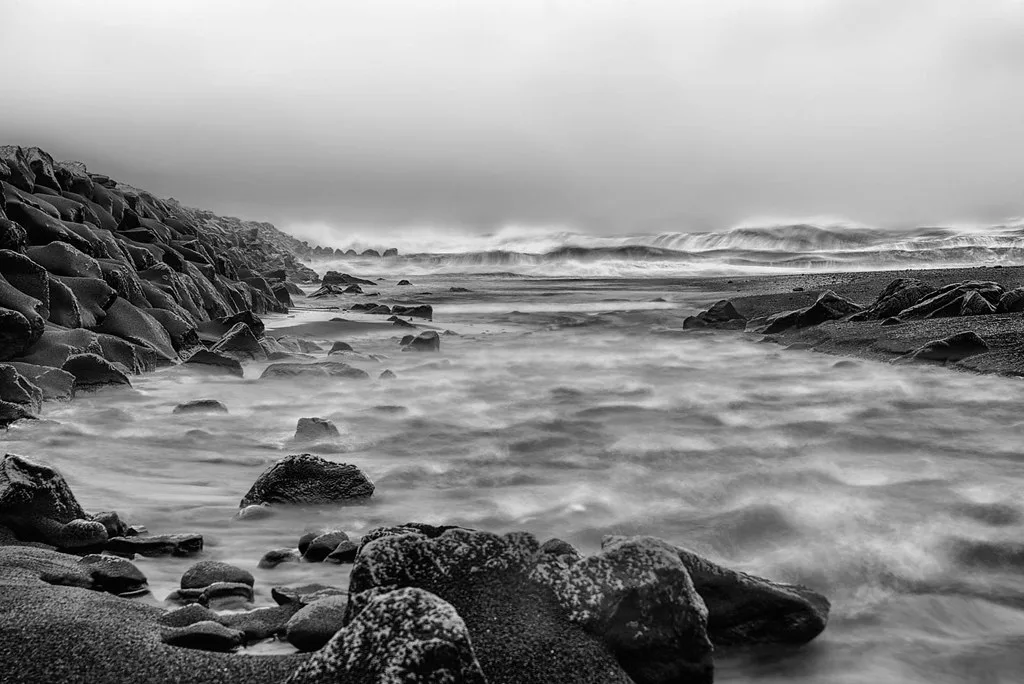
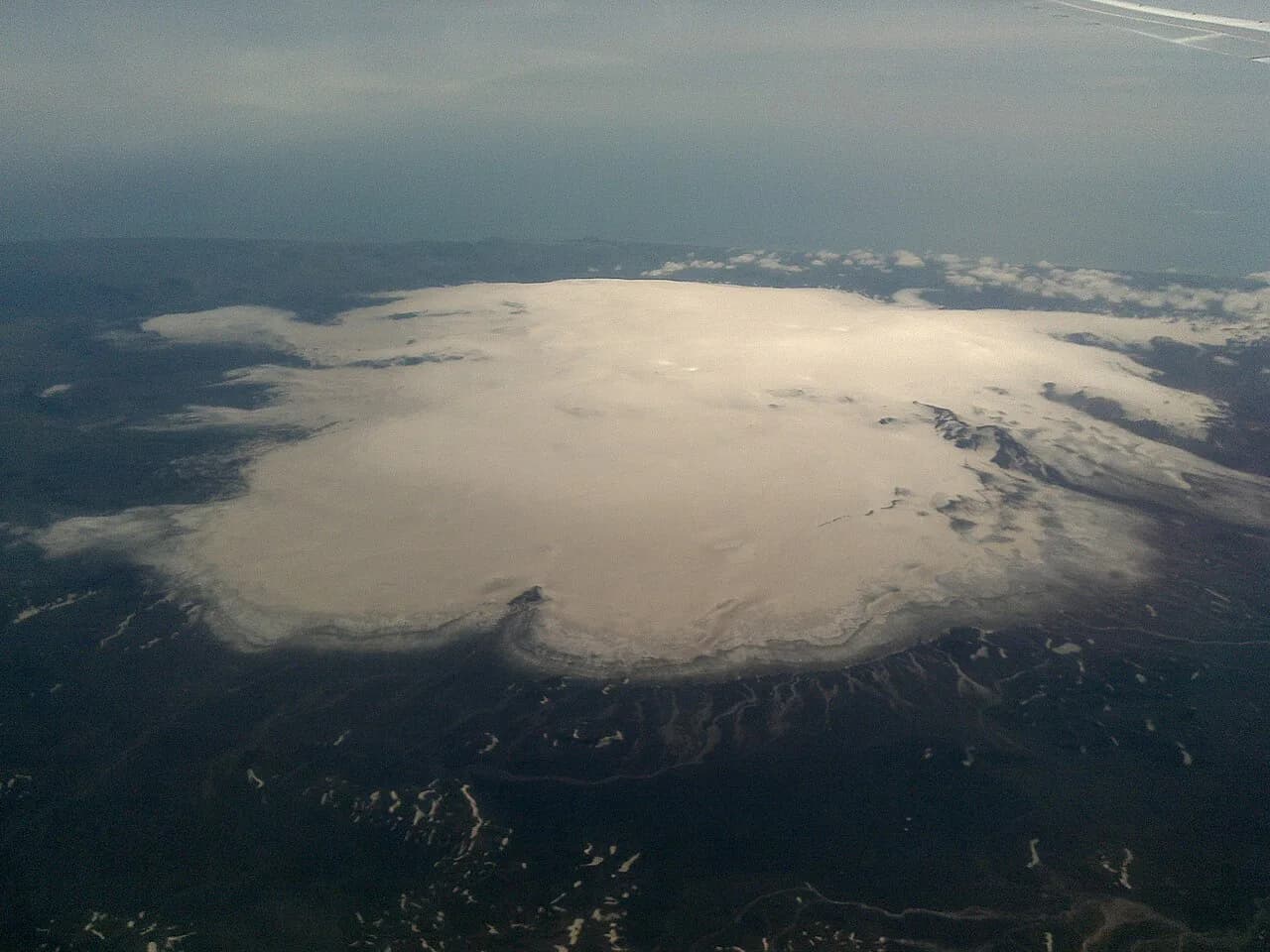
The trade-off at Vík is the sea. Sitting on an exposed stretch of coast beneath Mýrdalsjökull, the village catches Atlantic cloud systems that can close the sky for a whole evening while inland sites stay clear. That does not rule Vík out, but it argues for flexibility: hold more than one night, and be ready to drive inland or let an operator chase the clear patch.
Aurora strength is often described with the Kp index, which runs from 0 to 9 and estimates geomagnetic disturbance. Treat it as guidance only: a low Kp under a dark, clear sky at this latitude can still deliver a fine display, and a high Kp behind coastal cloud gives you nothing. The full picture of seasons, dark hours and local viewing spots is set out in the guide to northern lights in vik.
When the season runs and how short midwinter days affect your schedule
Iceland's aurora tours generally operate from late August to mid-April, according to Gray Line Iceland, whose own season closes on 15 April. Outside that window the nights are too bright for a meaningful display. Within it, the equinox months around September and March tend to combine darker nights with more forgiving weather than deep winter.
Midwinter brings very short daylight — enough for a South Coast drive but not for lingering — which actually helps an aurora plan, because darkness arrives early and you are not staying up until midnight after a long day. The reverse applies in late August and early April, when you may need to wait until well after 22:00 for full darkness. Build your South Coast sightseeing into the daylight hours and keep evenings free for a chase.
The core choice: a guided chase from Vík or driving out to dark spots yourself
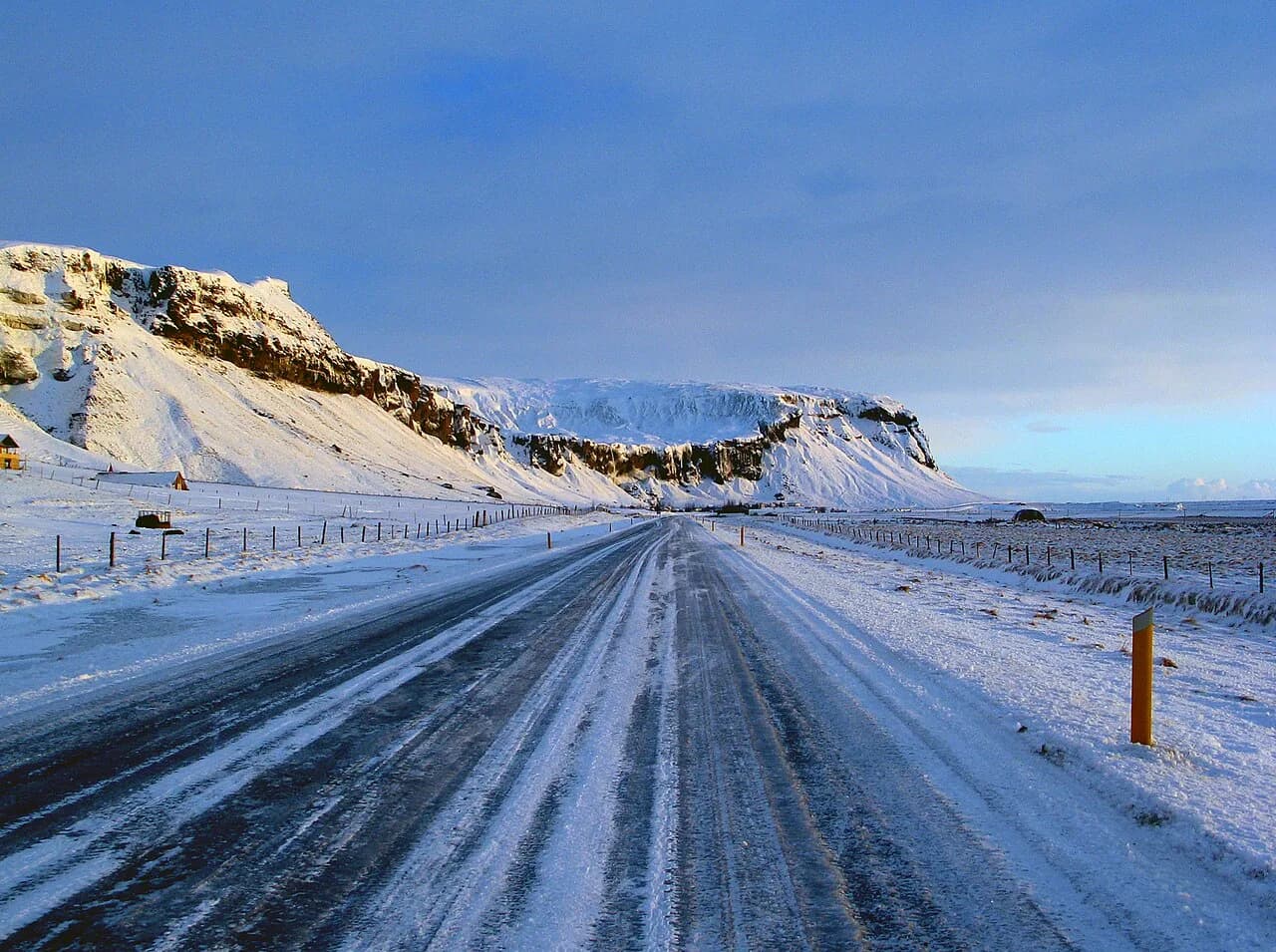
Self-driving gives you total control: you can leave when the sky looks promising, stop where you like, and avoid paying per person. But you also take on the decisions a tour operator makes for you — reading the cloud forecast, choosing a direction, and knowing which side roads are passable in winter. If you are not confident on icy gravel after dark, that burden is real.
A guided tour buys local judgment and a driver who knows the road. Some Vík-based stays pair an aurora evening with a daytime glacier trip such as the katla ice cave, so you see the ice country in daylight and keep the night for sky-watching. The practical rule: if you have a car and two or three nights, mix self-driving with one guided chase on the cloudiest forecast; if you have one night or no car, book the tour.
How Reykjavík-based chases actually run: routing decided hours before departure
Most northern lights tours that serve the South Coast start from Reykjavík rather than from Vík, and the route is not fixed in advance. Gray Line Iceland explains that its team reviews weather and aurora forecasts daily and decides where to go shortly before departure, deliberately avoiding city lights, with the first stop usually reached within about an hour of leaving. That flexibility is the product you are paying for.
For a Vík-based traveler this matters: confirm at booking whether pickup is in Vík or whether you must reach Reykjavík first, since a late return from the city can mean a long drive back south. Gray Line's departures leave from BSÍ Bus Terminal in Reykjavík, and return times can shift with road and weather conditions. If you are staying in Vík, an operator that picks up along the South Coast on the way out is the cleaner option.
Large coach versus small-group minibus: group size, comfort and cost trade-offs
Gray Line Iceland runs its standard aurora hunt on larger coaches, which means big groups, a fixed departure point and a lower per-person cost. The same company also offers a small-group minibus version, which trades a higher price for fewer people, quicker stops and more attention from the guide. Neither format changes the sky, but the small group is easier if you want help with camera settings or a quieter viewing spot.
Decide by what you value on the night: a coach is warm, has Wi-Fi and an audio guide in ten languages via your phone, and gets you there and back without navigation. A minibus suits photographers and anyone who dislikes waiting for forty people to reboard. Families with young children often prefer the coach for the stability and the indoor waiting space between stops.
What a typical tour includes and what it leaves to you
On the Gray Line Iceland tour, the fare covers a carbon-neutral bus, professional local guidance, Wi-Fi and a multi-language audio guide you run on your own phone with headphones. Admission to Aurora Reykjavík, the northern lights centre in the capital with an interactive exhibition, film and virtual-reality experience, has been bundled on travel dates through the end of the season. That combination makes a city-based tour a reasonable introduction before you head south.
What is not included is the warm clothing that makes standing outside bearable. Gray Line advises layers, a waterproof jacket and sturdy shoes, and notes that the hunt leaves civilisation behind, meaning no conventional toilets on the route. Guides give basic tips on photographing the lights and are happy to answer aurora questions, so bring a camera and, ideally, a tripod.
Weather cancellations, refunds and free rebooking: the policies that matter
The policy differences between operators matter more than the itinerary, because cloud is the main variable. Gray Line Iceland cancels departures when the forecast and aurora activity look unpromising, notifies booked passengers the day before, and offers a date change or a full refund for a cancelled tour you have not yet taken. That protects you when the tour company pulls the plug.
Once a departure actually runs, the rules tighten. If no lights appear on your tour, Gray Line invites you to rejoin free of charge for up to two years after the original booking date, but no refund is possible for a tour that went out; the rebooking ticket is personal and cannot be transferred. For a short Vík stay, ask yourself honestly whether a two-year rebooking is useful, or whether you would rather hold a cancellation-friendly booking for the nights you are actually there.
Where the dark skies are around Vík and how far you may end up driving
From Vík, genuine darkness lies in every direction away from the village lights: the black-sand stretch toward Reynisfjara, the open moorland north along Route 1, and the roads climbing toward Mýrdalsjökull. The catch is that coastal cloud can sit over the village while the inland side of the pass stays clear, so a short drive north often beats waiting. Gray Line Iceland notes its first stop is usually within about an hour of departure, which gives a sense of the distances operators are willing to cover for a clear sky.
If you self-drive, pick a pull-off with safe access and no traffic, switch off the engine and headlights, and give your eyes time to adjust. Parking on the road shoulder at night is dangerous and can damage fragile ground, so use marked laybys. Visit South Iceland lists northern lights tours among the region's activities, and the region's operator directories are the place to look for local departures rather than guessing a Reykjavík schedule fits a Vík stay.
Photography help on tour versus your own camera settings
On a guided chase the guide can point you toward exposure settings and the best angle, which is the single biggest advantage for a first-time aurora photographer. Gray Line Iceland's guides are described as experienced in photographing the lights and happy to assist, and the company recommends a camera or phone plus a tripod. The coach also carries passengers who are not photographing, so you will not be alone in needing a few quiet minutes to set up.
If you shoot on your own, the essentials are a tripod, manual focus set to infinity, a wide aperture and a several-second exposure adjusted until the frame looks right. Remember that your eyes will see far less colour than your screen, so judge the shot on the camera, not by the faint glow overhead. A short session with a guide is often enough to make the rest of your trip's night photography work.
Adding an aurora stop to a South Coast day: Jökulsárlón, Reynisfjara and the drive back
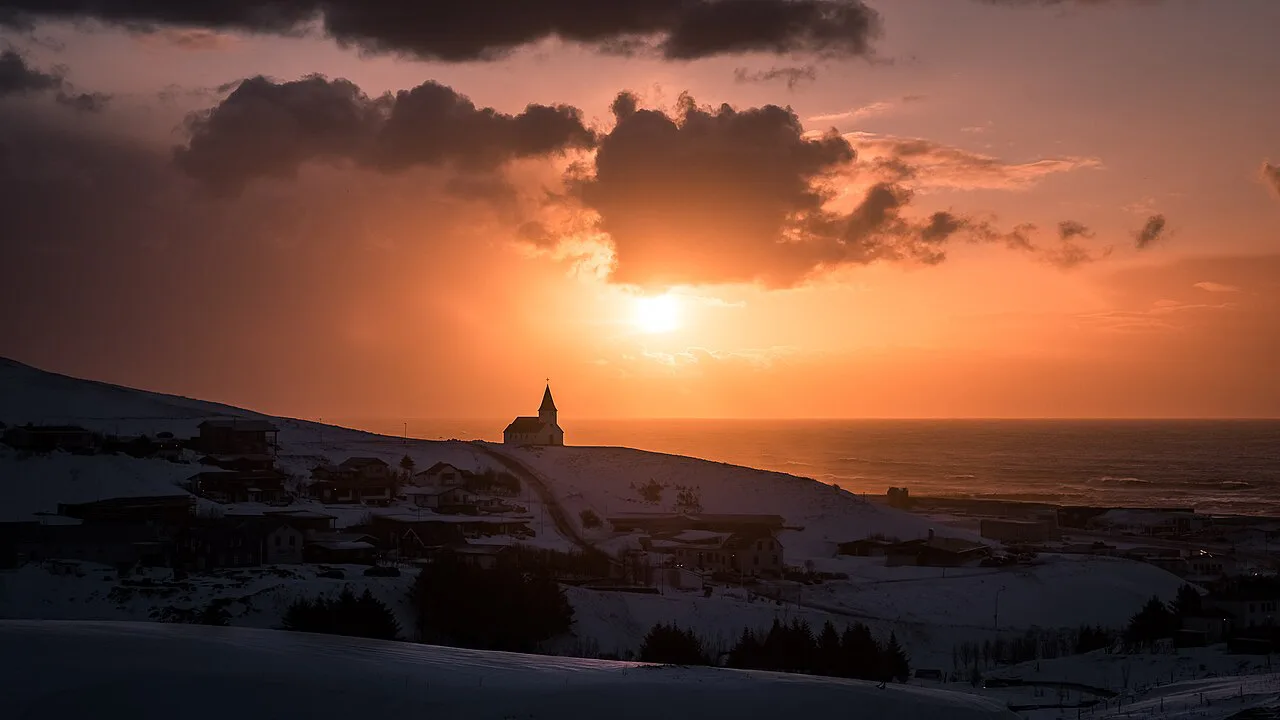
Vík works best as one link in a South Coast loop rather than a standalone aurora destination. A common pattern is a day driving east past Reynisfjara and the glacier lagoon at Jökulsárlón, an evening in Vík, and a return west the next day. Keep the driving to daylight, since the winter roads and short days leave little margin for an after-dark return from the glacier lagoon.
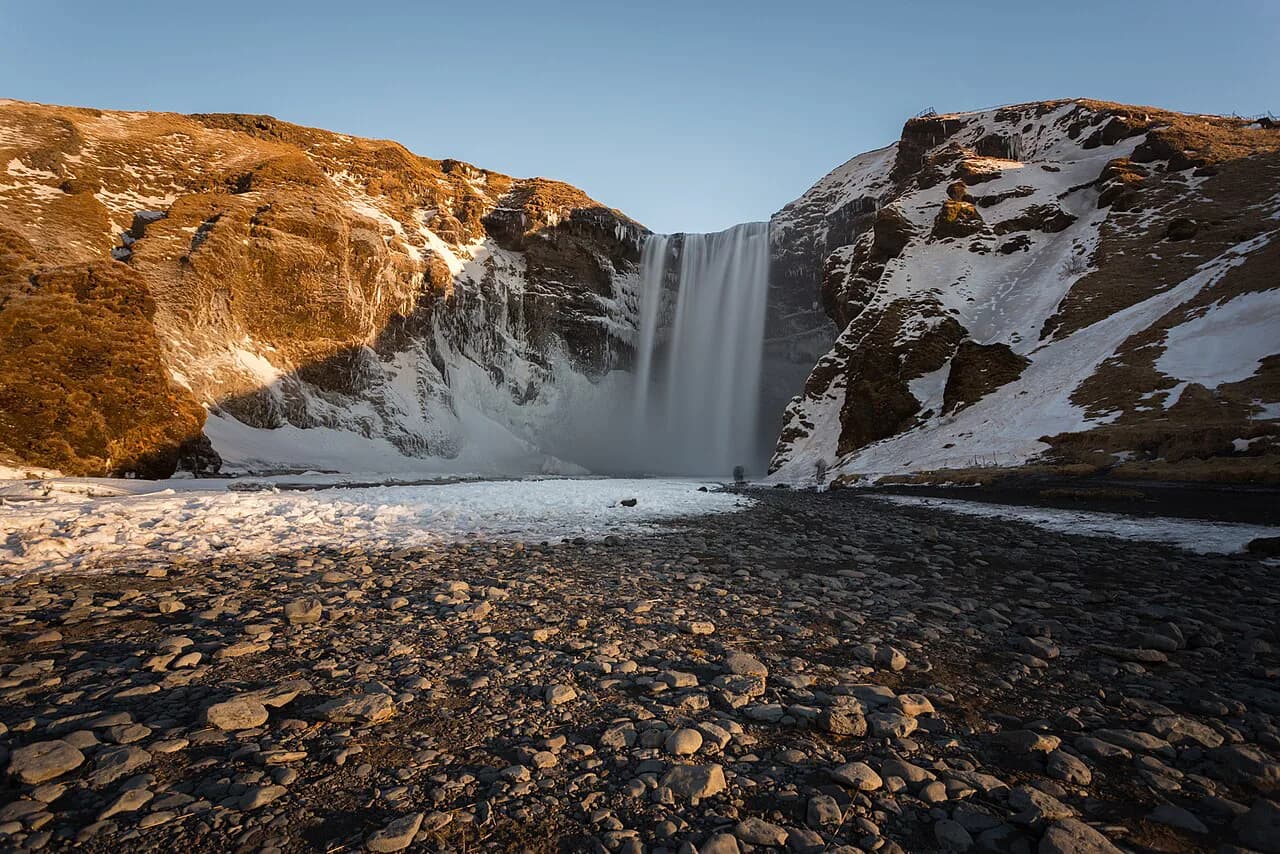
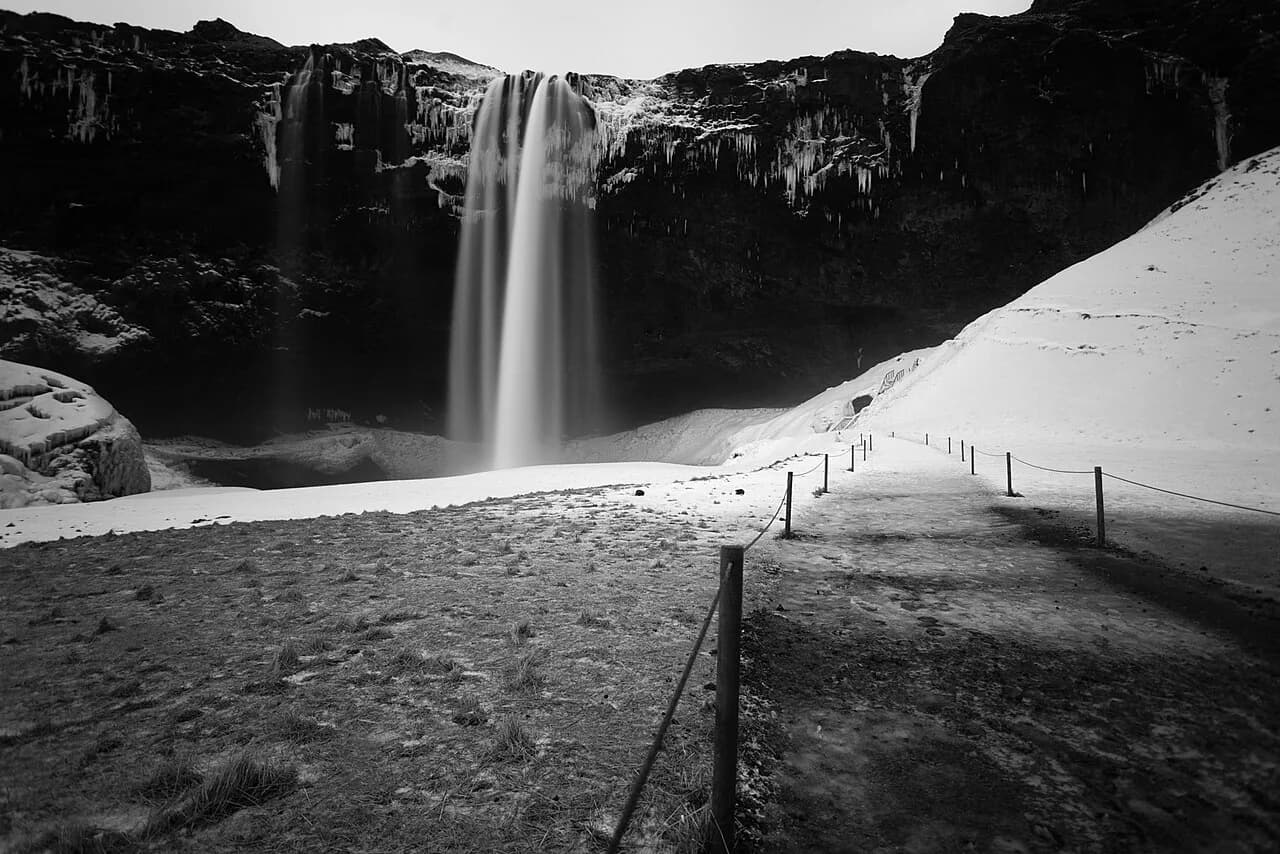
If you are also visiting the waterfalls on the western stretch, pair the daytime stops with an evening plan: Skógafoss in Winter and Seljalandsfoss in winter are worth the daylight hours, and both put you within reach of Vík for the night. The point is to make the aurora the evening activity, not a separate excursion that competes with your driving.
How many nights to base in Vík for a fair chance of clear skies
Two nights in Vík is the minimum that gives you a second attempt after a cloudy first evening; three nights is better if the aurora is a priority rather than a bonus. Coastal cloud is the constraint, so extra nights are not padding — they are your only real hedge against a washed-out sky. Book a guide or plan a self-drive for your first clear forecast rather than saving it for the last night.
If your itinerary is tight, consider spending one night in Vík and one further inland or east, so a single weather system does not spoil both chances. And keep the return leg of your trip in mind: a late aurora night followed by an early flight is a poor combination, so leave a buffer before departure day.
Matching a tour to families, photographers and short-stay travelers
Families should note Gray Line Iceland's minimum age of six on its aurora tour, and the absence of conventional toilets on the hunt, both of which shape how you plan an evening out. A large coach with indoor waiting space and an audio guide suits children better than a cold minibus. Photographers should pay for the small-group format and bring a tripod.
Short-stay travelers with only one or two nights in Iceland are better served by a Reykjavík-based departure than by trying to arrange a Vík pickup, since the city has the widest choice of dates and the clearest cancellation terms. Travelers with a car and a flexible schedule can chase independently and book a guide only on the most promising night. Compare formats across iceland northern lights tours before committing.
Plan Your Visit
Vík rewards travelers who treat the aurora as an evening pursuit layered onto a South Coast itinerary, not as a guaranteed headline. Give yourself two or three nights, watch the cloud forecast each afternoon, and decide between a guided chase and a self-drive based on your car, your confidence on winter roads and how much you value a guide's judgment.
Book with an operator whose cancellation and rebooking terms you have actually read, and confirm where pickup happens before you pay. A short soak at the vik sauna after a cold night outdoors is a sensible way to end the evening, and a daytime glacier walk makes the next day worthwhile even if the sky stays closed.
Frequently Asked Questions
Can you see the northern lights in Vík without a tour?
Yes, provided the sky is clear and dark. Drive or walk away from the village lights toward the black-sand coast or the moorland north along Route 1, use marked laybys rather than the road shoulder, and give your eyes time to adjust. Coastal cloud is the main risk, so hold more than one night and be ready to move inland if the sky over the village closes.
Do northern lights tours pick up in Vík or only in Reykjavík?
Most scheduled aurora chases operate out of Reykjavík, where departures leave from BSÍ Bus Terminal and the route is chosen shortly before departure. Ask any operator directly whether pickup is available in Vík or whether you need to reach the capital first, because a late return can mean a long drive back south along the coast.
What happens if the aurora does not appear on your tour?
With Gray Line Iceland, a departure that runs and shows no lights earns you a free rebooking for up to two years after the original booking date, but no refund, and the ticket is personal. If the tour is cancelled in advance because conditions look poor, you can move to another date or take a full refund. The rebooking is only useful if you expect to return to Iceland.
Is a small-group minibus worth it over a large coach?
It depends on what you want from the night. A coach is warm, carries an audio guide and a guide who can answer aurora questions, and tends to cost less per person. A minibus trades that for fewer people, faster stops and more individual help with camera settings, which matters most for photographers and anyone who dislikes waiting on a large group.
What is the minimum age for northern lights tours in Iceland?
Gray Line Iceland sets a minimum age of six on its aurora tour, and the hunt heads away from towns, so there are no conventional toilets on the route. Families with younger children should check the age policy for each company, as rules differ between them.
How many nights should you spend in Vík to see the aurora?
Two nights gives you one backup evening if the first is cloudy, and three nights is a more comfortable buffer. Cloud off the Atlantic is the usual obstacle on this coast, so extra nights are your main hedge. Watch the forecast each afternoon and use your first promising night rather than saving the attempt for the end of your stay.
Sources
Notes for your Arctic winter trip
Optional updates to our northern lights guides.
You might also like
Continue reading
More guides you'll find useful