Swedish Lapland Winter Itinerary: 4 Days of Aurora Nights
Plan a four-day Swedish Lapland winter itinerary linking Abisko, Kiruna and Jukkasjärvi, with aurora nights, husky and snowmobile days and a night in ice.
On this page
Swedish Lapland packs an unusual amount of Arctic winter into a compact corner of the far north: a village under some of the darkest skies in Europe, a working iron town, a river of ice, and forests crossed by husky sleds. Four days is enough to string these together by train and transfer if you build the nights around aurora attempts rather than daytime activities. This itinerary suits travelers who want a short, well-ordered winter trip with more than one realistic chance of clear sky.
Why Swedish Lapland suits a short winter itinerary
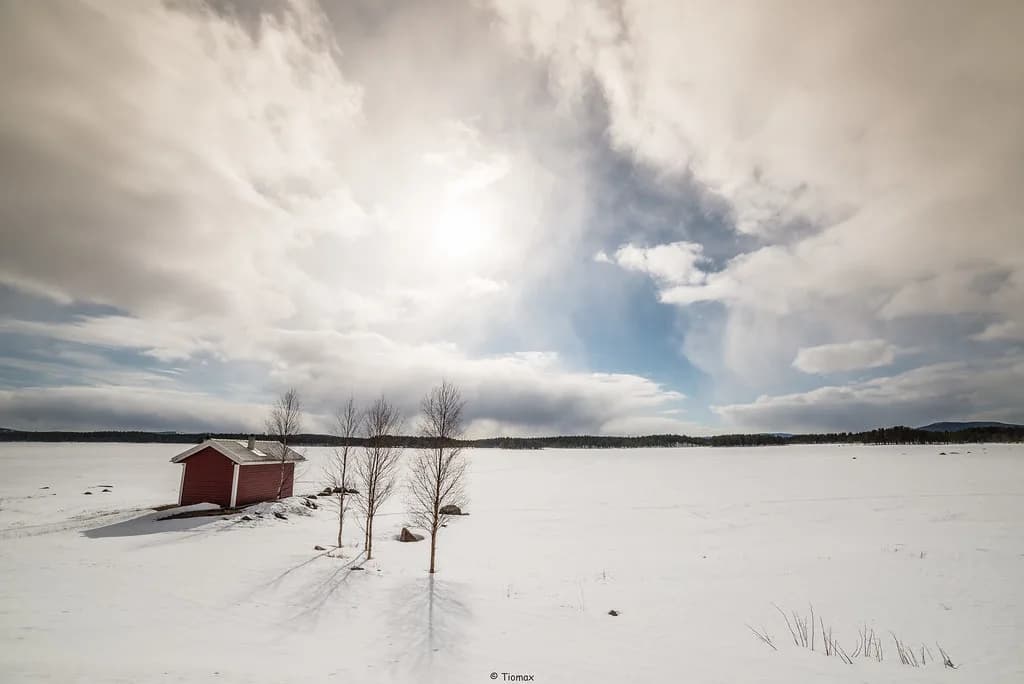
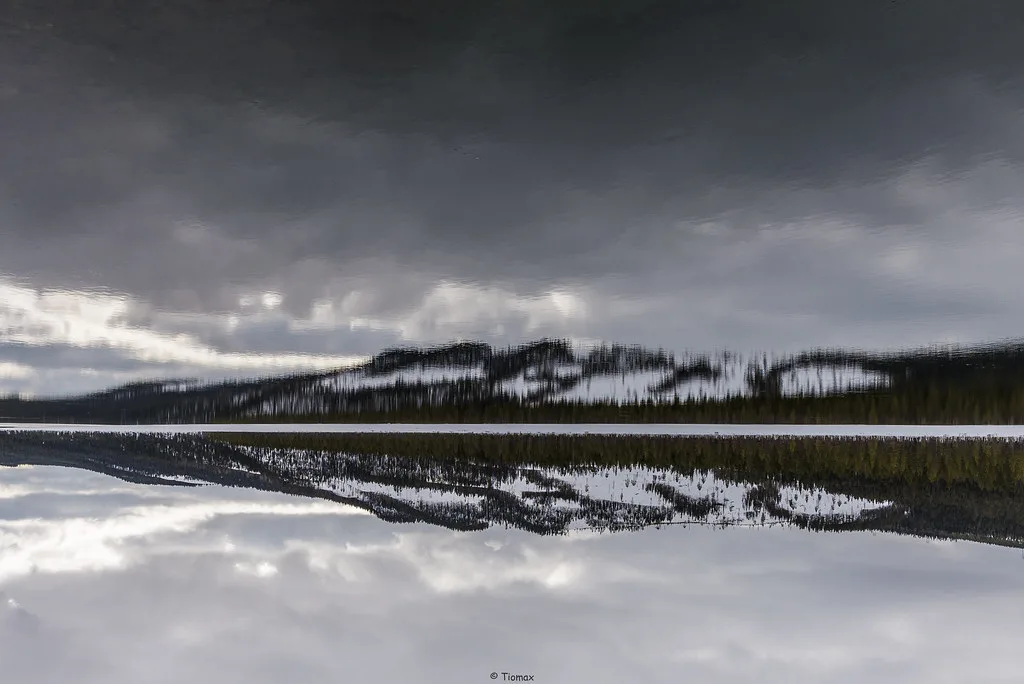
The region sits well above the Arctic Circle, so winter nights are long and the aurora is overhead rather than a distant glow on the horizon. The standard winter image is one of spruce and pine forests bent under snow, frozen lakes solid enough to ski or snowmobile across, and Sami reindeer herders moving with their herds, as the region's winter travel guide describes. That density of Arctic scenery within a few hundred kilometers makes a short trip feel full rather than rushed.
The trade-off is weather. Aurora viewing depends on clear skies and solar activity, and responsible operators treat a sighting as never guaranteed; a common piece of advice is to schedule a remote, dark-sky stay early in the trip so a failed attempt can be rescheduled later. That logic shapes the whole plan below. Place the darkest nights first, keep the last night flexible, and treat everything else as a bonus.
Where to build the route: Abisko, Kiruna and Jukkasjärvi
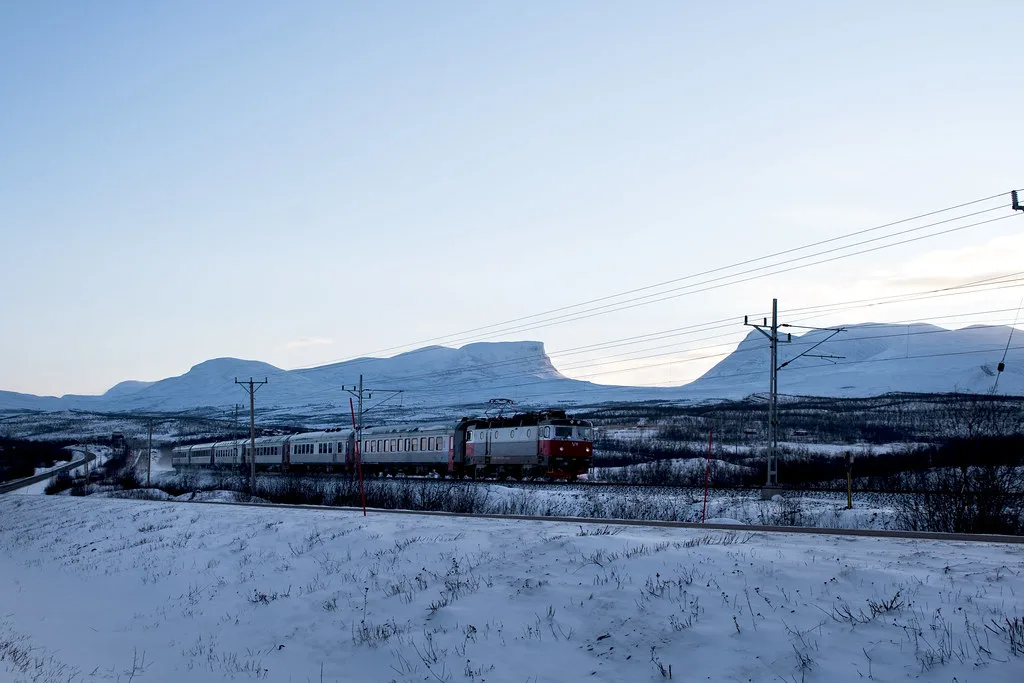
Abisko is a small village on the edge of Abisko National Park, with Torneträsk lake at its heart and the mountain Njullá rising behind it. The village and its station sit right against the park boundary, and in winter the frozen lake becomes a place for skating and snowshoeing. Travelers heading north by train from Stockholm wake to snow-covered forest as they pull into Abisko, which makes the village a natural first base.
Kiruna, Sweden's northernmost town, sits roughly a short train ride further east and has an airport for the journey home. Just outside it, Jukkasjärvi holds the Icehotel, rebuilt each winter near the Torne River. The practical order is Abisko first for dark skies, then Kiruna and Jukkasjärvi for the ice hotel and a sled or snowmobile day.
When nights are dark enough for aurora watching
Aurora season in Swedish Lapland runs through the long winter nights, roughly from late August and September until early April, when darkness returns between dusk and dawn. Deep winter shortens daylight sharply: in December at Abisko the sun barely clears the horizon and much of the day is a moody twilight, which leaves plenty of dark hours for watching, described as polar night conditions. For how the season and dark hours shift month by month, see the wider northern lights in sweden guide, or compare the season timing with this northern lights in Finnish Lapland guide if you are weighing both sides of the border.
Those same short days mean fewer daylight hours for husky safaris and snowmobile runs, so weigh the deep-winter darkness against longer February and March days that still leave dark nights. Cold is a constant, and travelers report that temperatures can swing sharply, which is why tours in remote areas often lend winter clothing. Operators provide thermal suits and boots when the listing says so; a hat and gloves of your own are still worth carrying.
Day 1: Night train from Stockholm to Abisko
Start in Stockholm, leaving most of the day free for the city before boarding the night train north. The journey covers close to a thousand kilometers through forest and plain, and you can sleep through the longest stretch of it. Some travelers take a chance on spotting aurora from the train window, but treat that as luck rather than a plan.
If you are carrying more than a rucksack, the station has luggage storage, and one guide suggests a department store near the station as a cheaper option with a small fee, so pack a day bag for the train. You will wake under snow as the train reaches Abisko, which leaves the whole first Lapland day free for the landscape rather than the station platform.
Day 2: Abisko National Park by day, Sky Station by night
Spend the short daylight hours on the trails and the frozen lake, or rent snowshoes and follow the paths around the park. The Abisko area is repeatedly named among the clearest places to watch the northern lights, and the surrounding space is genuinely dark; that is the whole reason to put this stop first. If you have the energy, short guided tours in the park run from half an hour to two hours, enough to try a snow activity without committing a day.
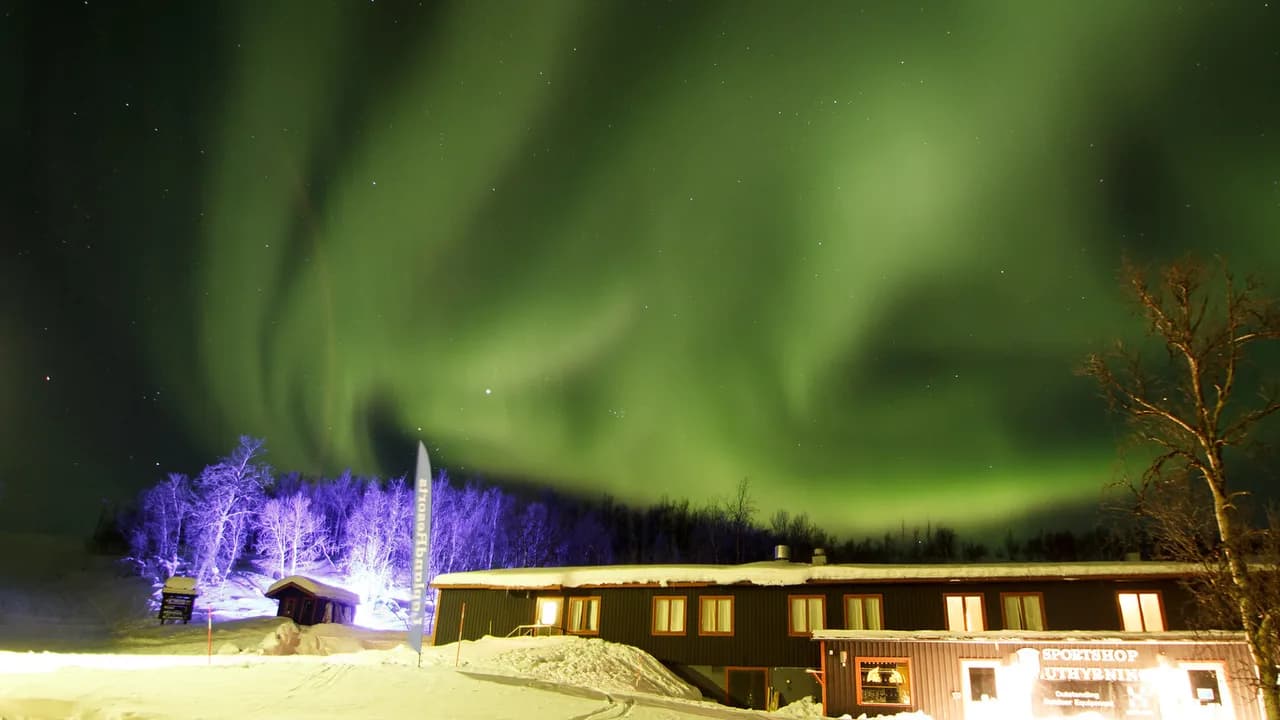
For the night, the cable car up to the Sky Station on Njullá is the fixed plan, giving you a mountain-top viewpoint with warm indoor seating, real wood fires and a four-course dinner option. Knowing the exact plan removes the guesswork from the first aurora attempt. Bring your camera and tripod for long exposures; the view from the top also looks across to the village and the lake.
Where to watch near Abisko without a tour
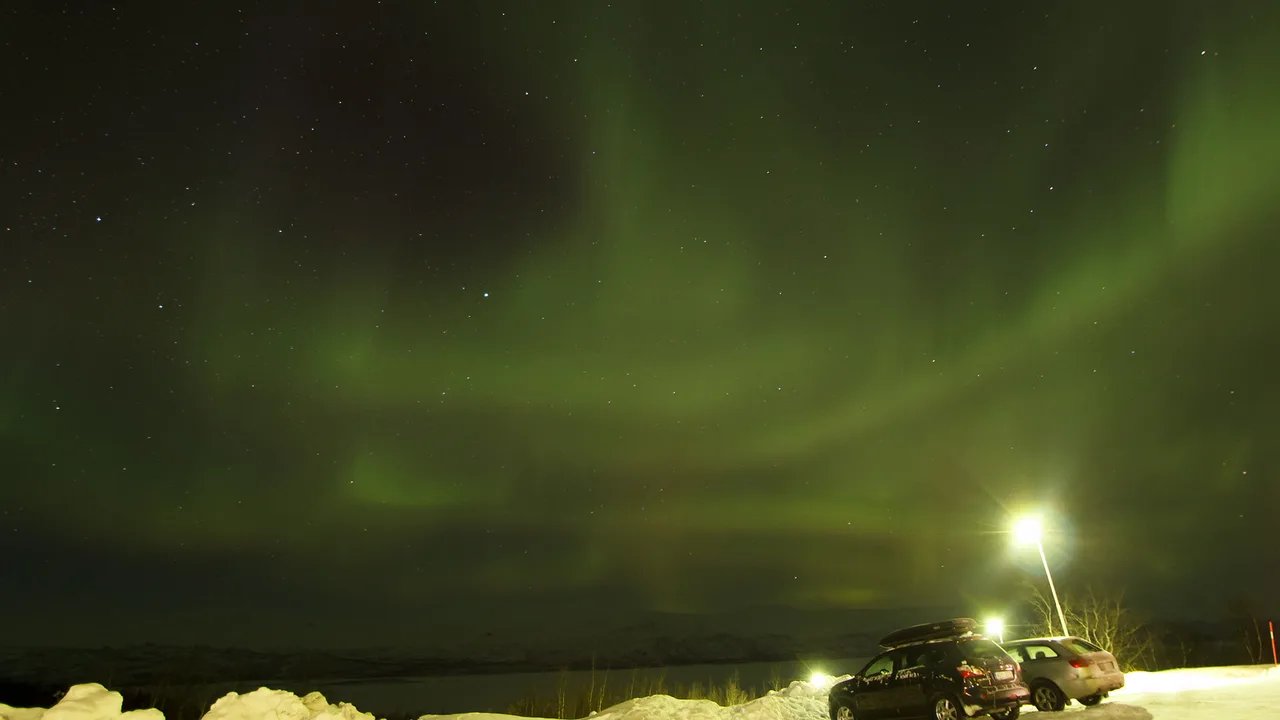
If the sky is clear and the Kp index is modest, you can walk out of the village toward the lake and the park trails and watch from the snow without paying for a tour. Walk away from the station and the guesthouses for darker sky, and stand on the frozen lake for open views; check the ice with the guesthouse before you go, because the lake is used for skating and snowshoeing. This keeps the first night cheap and leaves your budget for the ice hotel.
A self-guided night needs a clear sky, a few hours of patience and a place to warm up, which is why a guesthouse near the station makes sense for the Abisko stop. Operators in the park can advise on the best local options, from skiing on Njullá to aurora photography courses. Check the cloud forecast the same afternoon and be ready to move the watching to whichever side of the village looks clearest.
Day 3: Train to Kiruna and a night in an ice suite at Jukkasjärvi
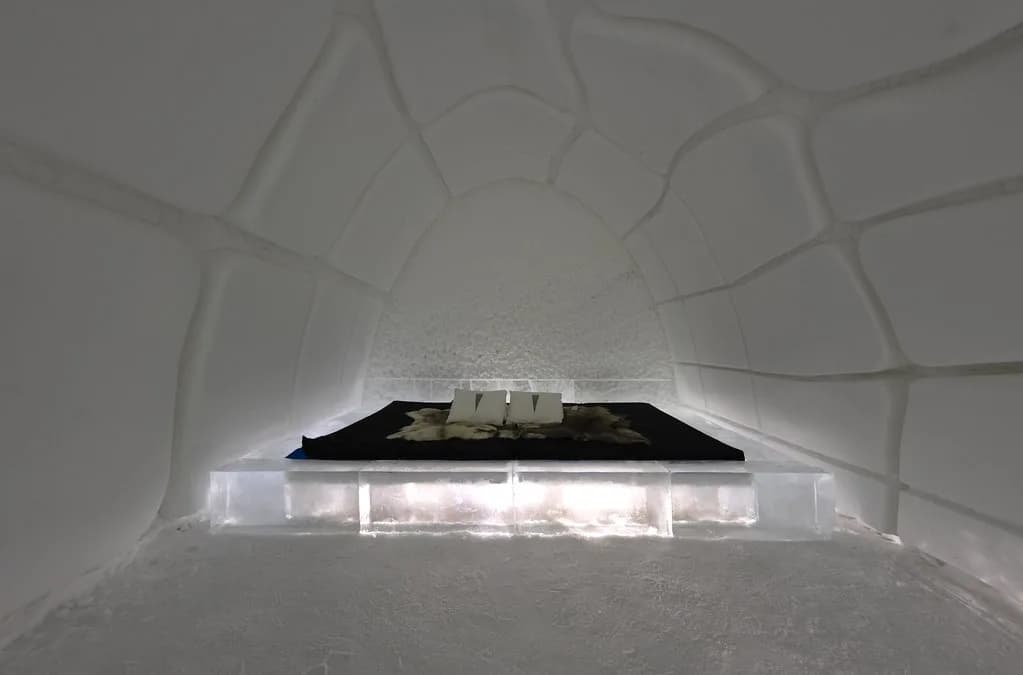
Take the short train from Abisko to Kiruna in the early afternoon, then transfer to Jukkasjärvi for the Icehotel. The hotel opens a warm or cold room option, and the cold rooms are sculpted anew each year by ice artists from the nearby Torne River, with insulated sleeping bags and reindeer furs for the night. Plan on one cold night and keep the rest of your stay in warm accommodation. The full icehotel sweden guide covers the room types and art suites in more detail.
Inside the ice rooms the temperature stays around minus five to minus eight degrees Celsius, which feels mild compared with the outdoor night, and insulated sleeping bags keep you warm. Before the cold night, warm up in the ice bar where the glasses are made of ice, and hope for a clear sky over the river. Either way, a hot lingonberry juice is waiting at your bedside in the morning.
Day 4: Husky safari, ice sculpting or a snowmobile aurora tour
Use the last full day to book a husky safari through forest and across frozen rivers, with some operators letting you drive your own sled if you want to mush. The Icehotel also runs activities from husky excursions to horse riding and ice sculpting classes, so the day doesn't have to depend on the weather. A snowmobile northern lights tour after dark is a second and different aurora attempt, or an ice sculpting class is a gentler option if you need an early night before the flight.
Dogsledding in thick snow is real work, and at times passengers jump off to push the sled; when the huskies restart, they may not wait, so listen to the guide's instructions before the run. Budget your final night realistically: if you still have not seen the aurora, consider swapping the ice suite for a warm room and a late snowmobile run. In the morning, a transfer to Kiruna Airport ends the trip.
Arranging aurora attempts early and keeping a spare night
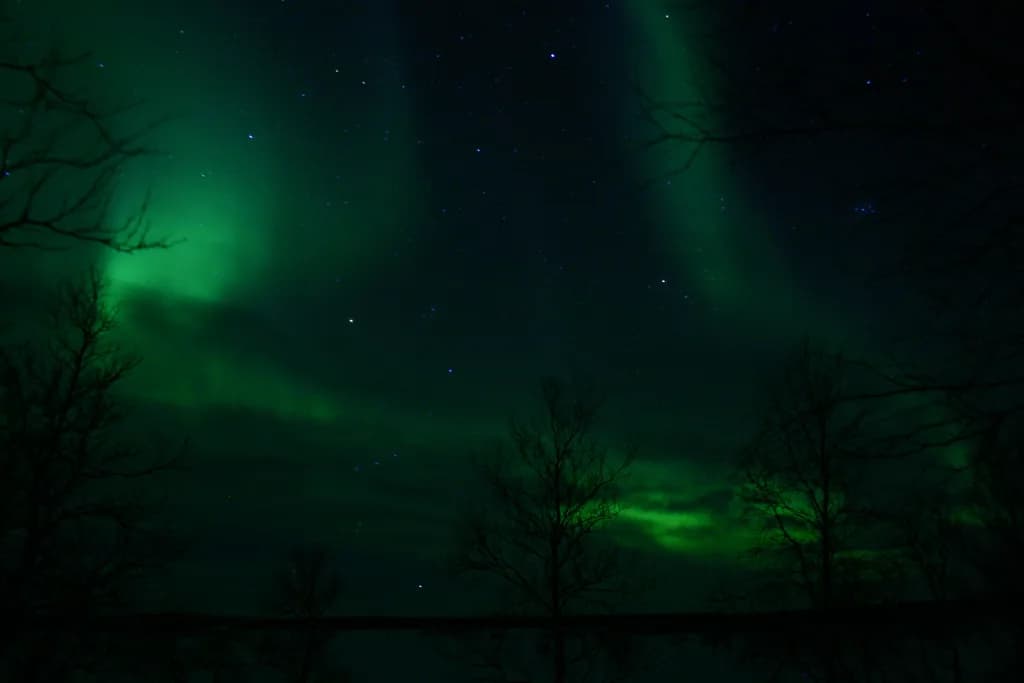
Viewing expeditions depend on weather and solar activity, so spreading your aurora attempts across the first two nights and keeping the third flexible is the best way to use time. If a night is clouded out, reschedule rather than console yourself with a late-night drive; the same guide advises against saving the northern lights for the end of a trip for exactly this reason. Kp values are a rough guide to solar activity, not a forecast for your specific village, so trust the local cloud cover more.
Give yourself about a week to maximize your chances of spotting the lights, as one operator puts it, but accept that four winter days with two or three dark nights is a fair short trip. Staying near the village and the national park rather than a lit hotel in a town center gets you darker sky, and walking a short distance from the buildings is often enough.
How many nights to allow for a fair chance of clear skies
Two or three aurora nights give you a reasonable chance of at least one clear sky, but nothing about the aurora can be promised; cloud can settle in for days and solar activity can stay quiet. The honest approach is to book the darkest base for the longest stretch and treat every clear night as a chance to be taken. A single night in the far north is a gamble, and the odds improve with each extra night.
Three nights based in Abisko with one further night near the Icehotel is a sensible four-day shape. If you can stretch to a week, add a night or two in a forest cabin, where the region's quietest skies wait, and keep the ice suite as a single peak experience. Read more about swedish lapland in winter and the arc of the season before you fix dates.
Ordering a longer four-to-seven day version
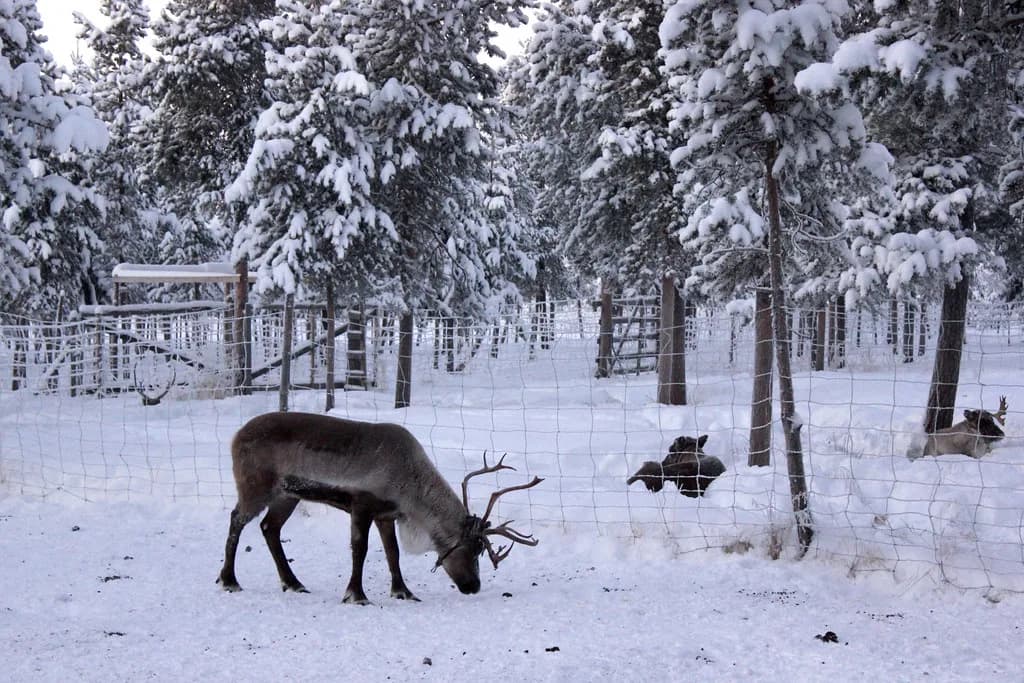
The seven-day version adds a treetop stay in Harads, where a hotel on stilts stands four to six meters above the snowy ground and looks out over the Lule River toward the Arctic Circle. From there you can visit a Sami reindeer herder for stories about the herd's history, take a snowmobile safari through forests and across frozen lakes, and ride a dog sled through forest and rivers. The final leg takes a scenic train through Lapland into the Arctic Circle to Jukkasjärvi.
That kind of custom route starts around four thousand dollars per person excluding international flights, which shows the shape of a full week with premium stays rather than the cheapest plan. A four-day trip built around trains and simpler rooms costs less. If your dates fall in early February, the jokkmokk winter market adds reindeer herding displays, Sámi crafts and a market that takes place only once a year.
Bad-weather alternatives and daytime snow activities
When cloud wins, switch the night to something indoors or under cover: an ice sculpting class, a drink at the ice bar or a sauna, since the Icehotel has an onsite sauna that is a warming counterpart to the cold rooms. Daytime snowshoeing, cross-country skiing on prepared trails and short walkable forest routes keep the days full even in grey weather. Save one evening for the rescheduled attempt if you can.
A longer stay lets you slow down instead of chasing every night, and a frozen lake or a forest clearing near your cabin is a perfectly good place to set up for an hour. Wildlife is part of the daylight too: moose appear in forests and along roads, reindeer are everywhere, and lynx sightings are rare enough to draw small specialist groups.
What winter tours typically include and lend
Tours in remote areas often provide good winter clothing, and the Icehotel activities come with the practical gear and guidance the activity needs. Beyond the husky and snowmobile runs, local guides can arrange short snow activities on the mountain, photo courses and even helicopter tours. Prices, durations and group sizes change with season and operator; they are set by each operator and confirmed at booking, not by this itinerary.
If you build your own route rather than buying it ready-made, the sample costs from a custom outfit include in-country transport, some or all activities and expert planning, which is the kind of fixed-price package that removes the guesswork. Hour by hour, the trips are often similar; the difference is whether you want someone else to book the transfers and gear.
Winter daylight, snow and temperatures by stage
By December, Abisko is in polar twilight with only a sliver of sun, which means the aurora window is long but the daytime is dim and short. Temperatures stay well below freezing from the few daylight hours into the night, so plan snowshoeing and lake walks for midday and leave the evening for the Sky Station or a walk to the lake.
At Jukkasjärvi the ice hotel interior holds around minus five to minus eight degrees Celsius, a figure that compares well with an outdoor night that often drops far lower. Longer February and March daylight softens the days for snowmobile and husky runs while still leaving dark nights, and February typically keeps the deepest snow on the forest trails.
Plan Your Visit
A four-day Swedish Lapland itinerary works best when the dark nights come first: Abisko on the night train, a mountain-top Sky Station evening, then Kiruna and a single ice-suite night at Jukkasjärvi, with a husky or snowmobile day as the last full day. Book the aurora attempt for the first clear night, keep the third night flexible and judge the sky by eye rather than by a forecast index alone.
Frequently Asked Questions
How many nights do you need in Swedish Lapland to see the northern lights?
There is no number that guarantees a sighting, because cloud cover and solar activity decide each night. Two or three aurora nights based in Abisko give you reasonable odds of at least one clear sky, and a week gives more room to reschedule. Build the attempt early so a spare night remains.
Can you do Swedish Lapland in a weekend?
A very short trip can work if you fly to Stockholm and take the night train to Abisko, then move on to Kiruna and Jukkasjärvi. You will have fewer chances at clear skies, so a three- or four-night version is calmer and less dependent on one night.
Should you stay in Abisko or Kiruna for the aurora?
Abisko puts you in a small village beside Abisko National Park and Torneträsk lake, with far less light pollution than Kiruna town. Use Abisko for the aurora nights and Kiruna or Jukkasjärvi for the ice hotel and activities, then return home from Kiruna Airport.
What is a night in the Icehotel like?
Cold rooms are sculpted each winter from river ice, and the interior stays around minus five to minus eight degrees Celsius, so you sleep in an insulated bag. Guests can choose a warm room instead, and the hotel has an onsite sauna for thawing out.
What winter activities can you do in Swedish Lapland?
Husky sledding, snowmobile safaris, snowshoeing, cross-country skiing, ice sculpting classes and reindeer herding visits are all common. Operators in remote areas often lend winter clothing, and many trips pair daytime activities with a night-time aurora attempt.
Sources
Notes for your Arctic winter trip
Optional updates to our northern lights guides.
You might also like

Continue reading
More guides you'll find useful