Where to Stay in Iceland for the Northern Lights: Base Guide
Compare Iceland aurora bases: Reykjavik, dark-sky countryside hotels and highland stays, with distances, trade-offs and how many nights to plan.
On this page
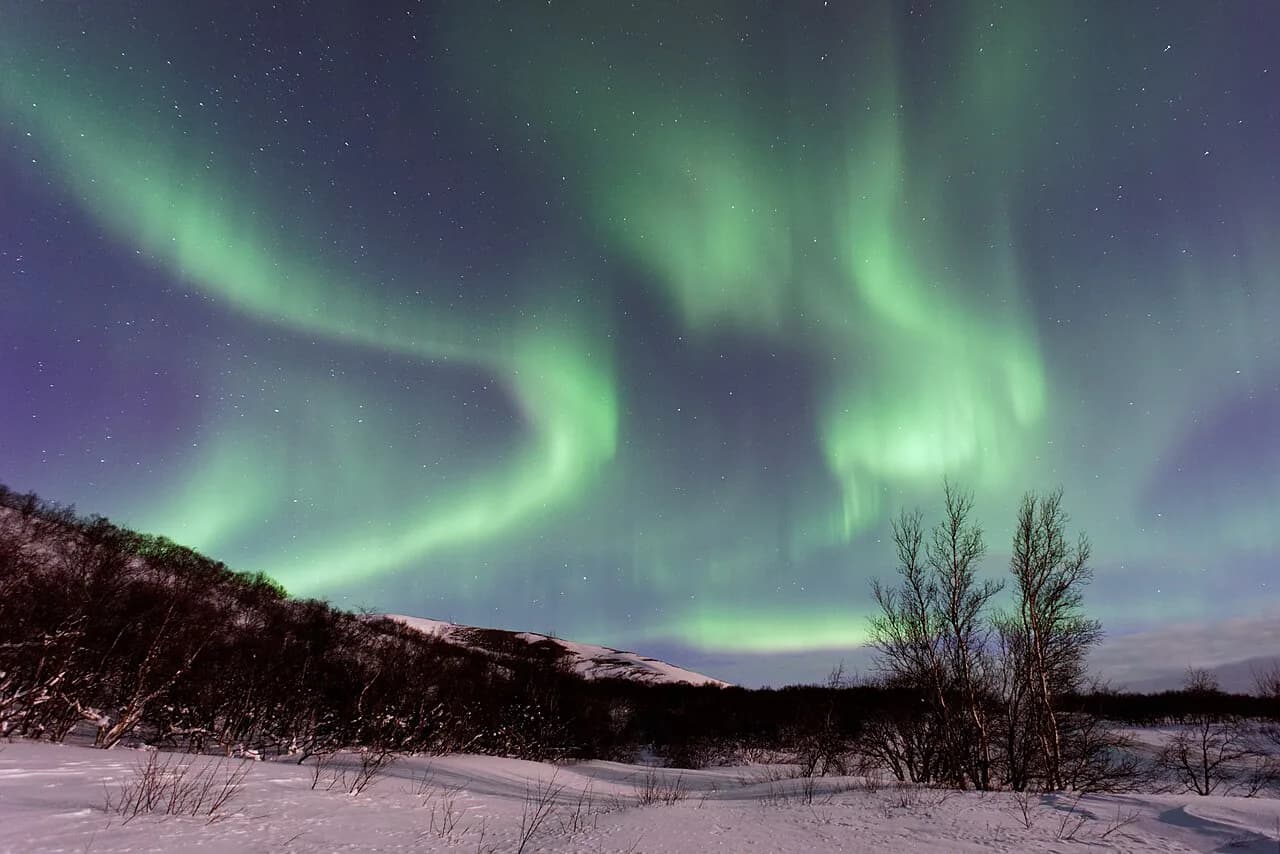
Iceland sits roughly between 63°N and 66.5°N, squarely inside the band where the northern lights in iceland appear overhead rather than low on the horizon, and dark countryside begins a short drive from the capital. That geography makes the country forgiving for aurora trips: you do not need a remote expedition, but you do need a bed positioned under dark, clear sky.
The choice that shapes your trip is not which hotel looks best online but which kind of base you book: a city hotel with dark corners within walking distance, a rural property with an observatory and a wake-up call, or an isolated highland lodge where the nearest town glow is far away. Each option trades convenience against darkness, and each suits a different traveler and month.
Why your base matters more than your itinerary
Aurora viewing needs three things at once: darkness, clear sky and enough solar activity. You control only the first two, and the base you book decides how easily you reach dark sky when a gap in the cloud appears at midnight. A hotel on the edge of a town with open views beats a smarter hotel downtown surrounded by streetlights.
Cloud cover is the variable that sinks most aurora plans, and it varies across the country on the same night. In one comparison of cloud cover across Iceland, Reykjavik placed in the clearer third of the ranking, ahead of Keflavik, Akureyri and Snæfellsnes, which is a useful reminder that the capital is not the poor aurora base its reputation suggests. Treat any single location as a starting point and be ready to drive or join a tour that moves to clearer sky.
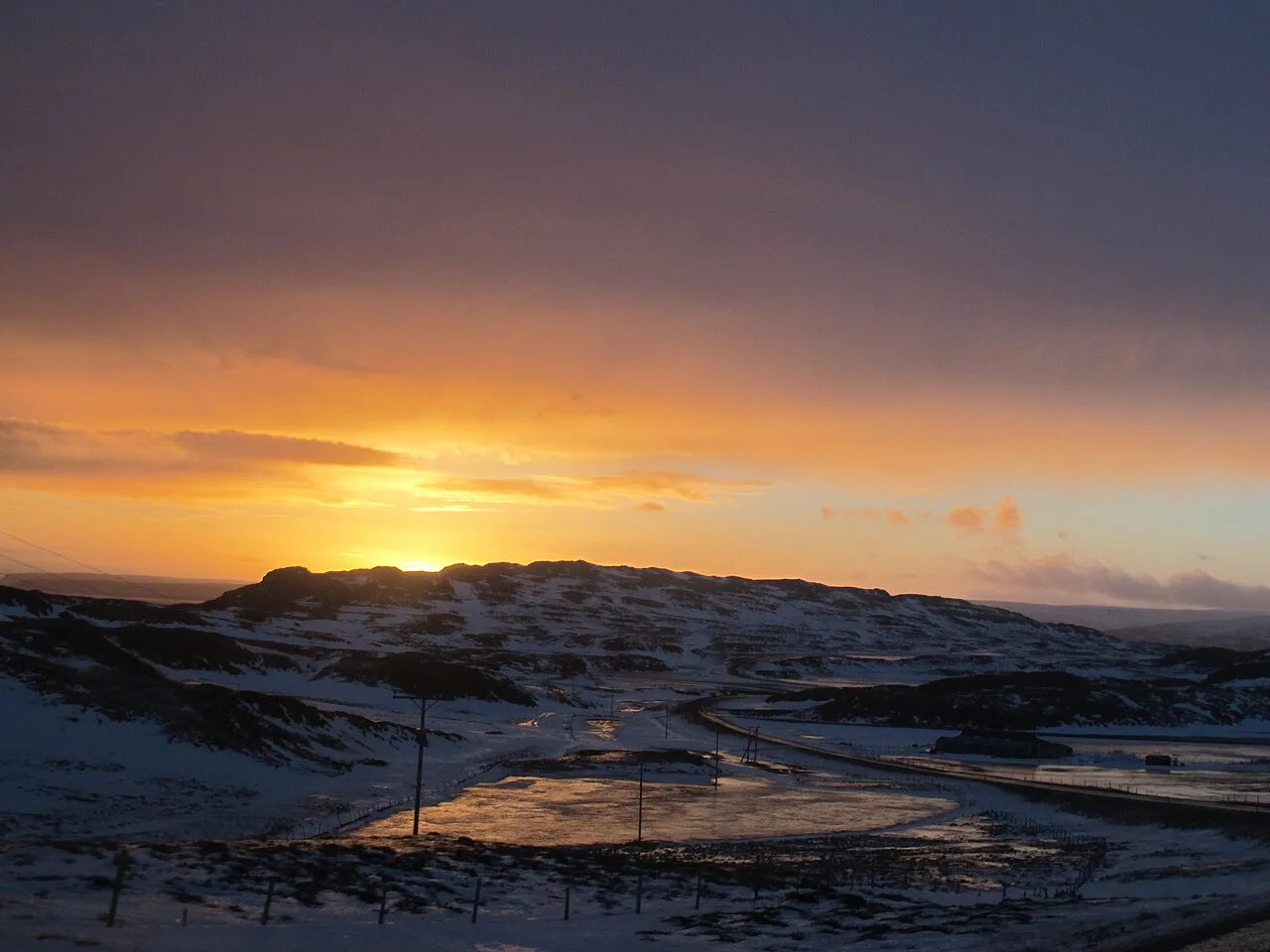
The season runs roughly September to April, with the longest nights from November to early March and a darker window in midwinter. In January, daylight on the first of the month runs about 4.5 hours, stretching to around 7 hours by the end, which leaves a long evening and night for watching.
Reykjavik as an aurora base
Reykjavik works as an aurora base because you can combine a normal city trip with short night excursions. Within the city, Grótta Nature Reserve on the Seltjarnarnes Peninsula has a lighthouse and an open ocean horizon, and it sits about 5 kilometres from downtown, reachable by car, bus or a coastal walk. Öskjuhlíð hill, with Perlan's glass dome on top, gives an elevated view over the city and coastline with less downtown glare.
Other central options are the Sun Voyager sculpture on the waterfront, where the aurora can reflect off the sea with Mt. Esja behind, Klambratún Park near Hlemmur Square, and the Grandi old harbour district, home to the Aurora Reykjavik centre. None of these is a wilderness, but they are the realistic choices if you are staying downtown without a car.
Most guided nights leave the city at 20:30 or 21:30 depending on the season, aiming to be under dark sky around midnight when darkness is deepest. A minibus tour with free photos runs four to five hours from 124 US dollars, and a Super Jeep version runs the same duration from 215 US dollars, both from Reykjavik.
If you want the city's comforts alongside a geothermal evening, the Sky Lagoon on the North Atlantic edge of Reykjavik makes an easy pre-chase stop, though its lights are not the aurora. Use your daytime hours for the Golden Circle and keep the night free for a tour or a drive to Grótta.
Dark-sky countryside hotels in South Iceland
South Iceland's rural hotels are the classic aurora base: dark surroundings, a short drive from the capital, and staff who watch the sky. Hótel Rangá, just over an hour's drive from Reykjavik, has an on-site astronomical observatory open every clear night from late August to mid April, weather permitting, and monitors aurora activity so guests can be called when the lights appear.
Landhótel, also in South Iceland and just over an hour from Reykjavik, sits far from light pollution and provides a live aurora feed so you can watch from indoors before stepping out. Both properties give you a bed under dark sky without committing to a multi-day expedition, and both keep you close enough to the capital for day trips.
The South Coast itself adds scenery to the wait: Vík, Reynisfjara's black sand and basalt columns, and Jökulsárlón glacier lagoon further along the Ring Road all sit under dark skies. A five-day South Coast and northern lights tour runs from September to April, which shows how operators structure a multi-night stay around the region. If Vík is your chosen base, our northern lights in Vík guide covers timing and viewing spots.
Highland stays and the isolation trade-off
Highland Base Kerlingarfjöll sits in the Icelandic highlands far from any light pollution, with a large 10-inch telescope on site for guests waiting for the aurora. The trade-off is access: highland roads are a summer proposition, so a highland stay belongs to a specific window of the year rather than a spontaneous winter booking.
Choose a highland lodge when dark sky and photography matter more than flexibility, and pair it with a lower-elevation base before or after in case weather closes the road. For most first trips, the highlands are a bonus night rather than the foundation of the itinerary.
Spa and luxury stays near the Blue Lagoon
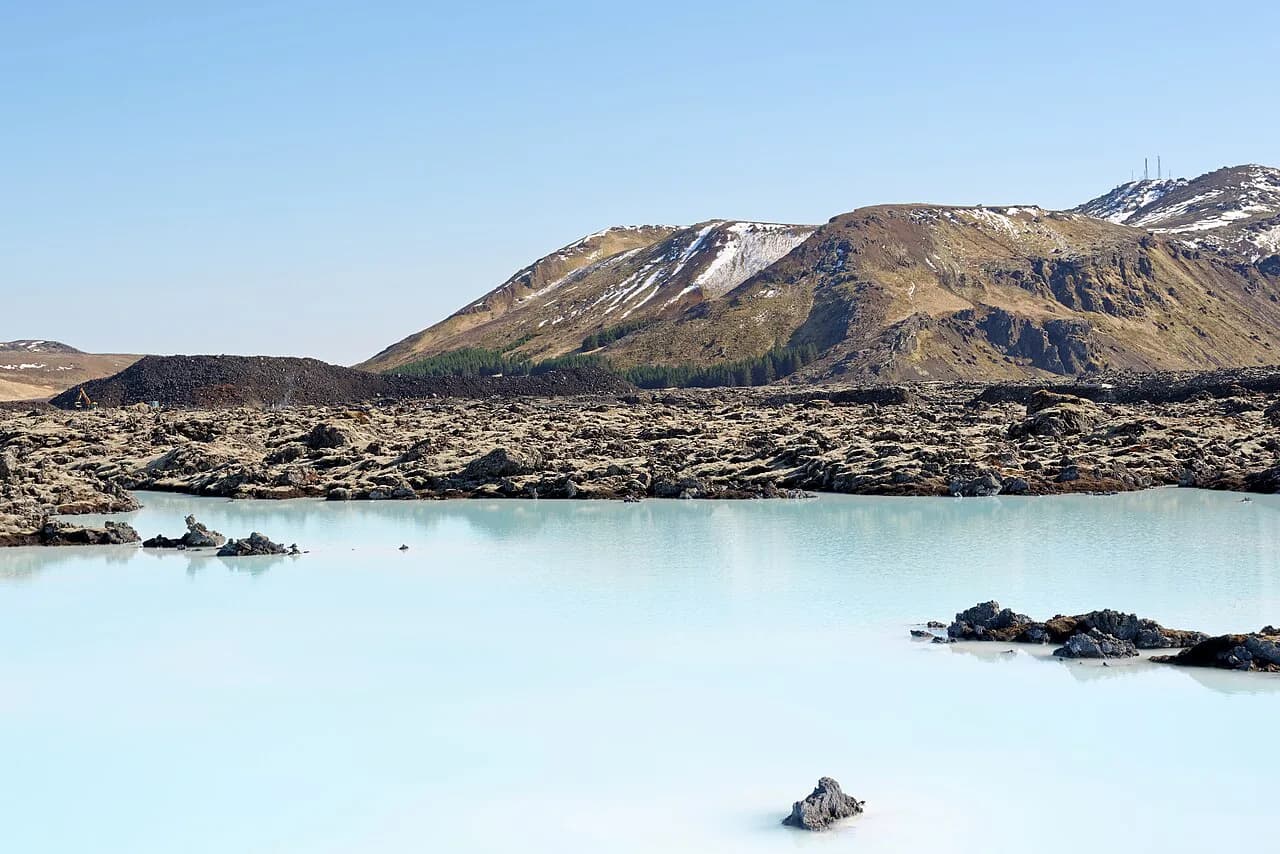
The Blue Lagoon's Silica Hotel and The Retreat combine dark-sky surroundings with spa facilities, and guests can book a private northern lights and stargazing tour that takes place on the rooftop. That rooftop format suits couples and travelers who want the aurora as part of a relaxed evening rather than a late-night drive.
The Reykjanes Peninsula around the lagoon offers open coastal skies, with stops at Keflavik and Gardur and the Gardskagaviti lighthouses for those driving themselves. If you fly in late and want your first night to count, a peninsula hotel shortens the transfer from Keflavik airport.
Golden Circle and Þingvellir bases
Staying near the Golden Circle puts you within easy reach of Þingvellir National Park, about 44 kilometres from Reykjavik, where open spaces and distance from the city give good aurora conditions. The park's exposed tectonic plates and cliffs make it one of the most photographed aurora settings in the country, and it is a standard stop on guided nights.
Geothermal pools make a natural evening pairing with a Golden Circle base. Krauma Spa near Borgarnes uses water from Deildartunguhver, and the Secret Lagoon in Flúðir sits close to the circle's southern edge, so you can soak while waiting for a break in the cloud.
Self-drivers based here can reach Kleifarvatn on the Reykjanes Peninsula, about 32 kilometres from the city, and Hvalfjörður, about 53 kilometres north, for darker water reflections. The lake road can be awkward in the dark, so use marked viewpoints rather than pulling over at random.
Coastal and peninsula bases: Snæfellsnes, Reykjanes and the Westfjords
Snæfellsnes Peninsula gives you Kirkjufell, Arnarstapi's cliffs and low-light towns such as Stykkisholmur and Olafsvik, and it rewards more than a single night. A two-day Snæfellsnes and Borgarfjörður tour from Reykjavik includes accommodation and runs from 466 US dollars, which is a practical way to test the region without driving yourself.
The Westfjords and the north offer longer hours of darkness and real remoteness, though Akureyri's city lights make it a weaker choice for aurora viewing from town. Borgarfjörður, about 68 kilometres from Reykjavik, is a gentler middle ground with Borgarnes as a base and Hraunfossar as a nearby sight.
Guided tours versus self-drive chasing
A guided night outsources the hardest part: reading the cloud forecast and driving to a clear patch. Tours from Reykjavik run by minibus, Super Jeep and boat, and many operators offer another attempt free of charge if the first night is cloudy, which makes a single night far less risky.
Self-driving gives you freedom but asks more of you: winter roads need a 4x4, and closures are common in heavy snow and wind, which is why guided travel is the safer call in midwinter. In autumn, a small rental car is usually enough for short hops to Grótta or Heiðmörk Nature Reserve, where open space and minimal light pollution make photography easier.
How many nights to plan
One night is a gamble; three to four nights under dark sky give you repeated chances to catch a clear gap, and a multi-day tour spreads the risk across different regions. If aurora is the priority, book at least one rural night plus a backup city night with a tour retry built in.
The month you choose changes the size of your window. October brings around 15 hours of darkness, which makes it one of the strongest months, while April daylight reaches about 13.5 hours at the start and more than 16.5 hours by the end, shrinking the night considerably. If your dates are fixed, match the base to the darkness you will actually have.
Kp values are guidance only, and no base can promise a display. Check the Icelandic Met Office aurora forecast, which combines solar activity with cloud cover, when choosing between inland and coastal options.
Matching the base to your trip
For a short city break, stay in Reykjavik and use Grótta, Öskjuhlíð or a minibus tour for the night. For a dedicated aurora trip, book two or three nights at a South Iceland property such as Hótel Rangá or Landhótel, and add a Golden Circle or Snæfellsnes night for variety.
Photographers should lean toward the highlands or Hvalfjörður for darkness, couples toward the Blue Lagoon retreats or a spa evening, and families toward an hour-from-Reykjavik hotel with an observatory and wake-up call. Whatever you choose, keep the plan flexible enough to move when the sky clears.
Frequently Asked Questions
Can you see the northern lights in Reykjavik?
Yes, sometimes. The aurora can appear over the city on clear, active nights, and spots such as Grótta Nature Reserve, Öskjuhlíð hill and the Sun Voyager waterfront give you a darker view without leaving town. For better odds, join a guided night that drives to clearer sky.
Where in Iceland should I stay to see the northern lights?
South Iceland's rural hotels, roughly an hour from Reykjavik, combine dark skies with easy access to the capital and the South Coast. Reykjavik suits city travelers who will join tours, while highland lodges and the Westfjords trade convenience for deeper darkness.
Should I stay in the city or the countryside for the aurora?
The countryside gives you darker sky outside your window, but the city gives you tours, restaurants and a warm room to return to at 2 a.m. A split stay, with city nights and at least one or two rural nights, usually balances both.
Is a hotel with an observatory worth it for aurora viewing?
A property with an observatory or an aurora wake-up call removes the guesswork of when to go outside, which matters on a short trip. Hótel Rangá's observatory and Landhótel's live feed are the clearest examples of that added value.
How many nights do I need in Iceland to see the northern lights?
Plan three to four nights under dark sky if the aurora is your main goal, since cloud can spoil any single night. A tour with a free retry helps, but multiple nights across different regions give a fairer chance.
Can you see the northern lights in November?
November has long nights and is a strong month for aurora viewing, though weather can be unsettled. Shorter daylight leaves more hours of darkness, so a rural base with flexible evening plans works well.
Sources
Notes for your Arctic winter trip
Optional updates to our northern lights guides.
You might also like

Continue reading
More guides you'll find useful