Abisko in March: Daylight, Snow and Aurora Nights
Abisko in March brings milder temperatures, deep snow and returning daylight, while nights stay dark enough for the aurora. See what suits a March trip.
On this page
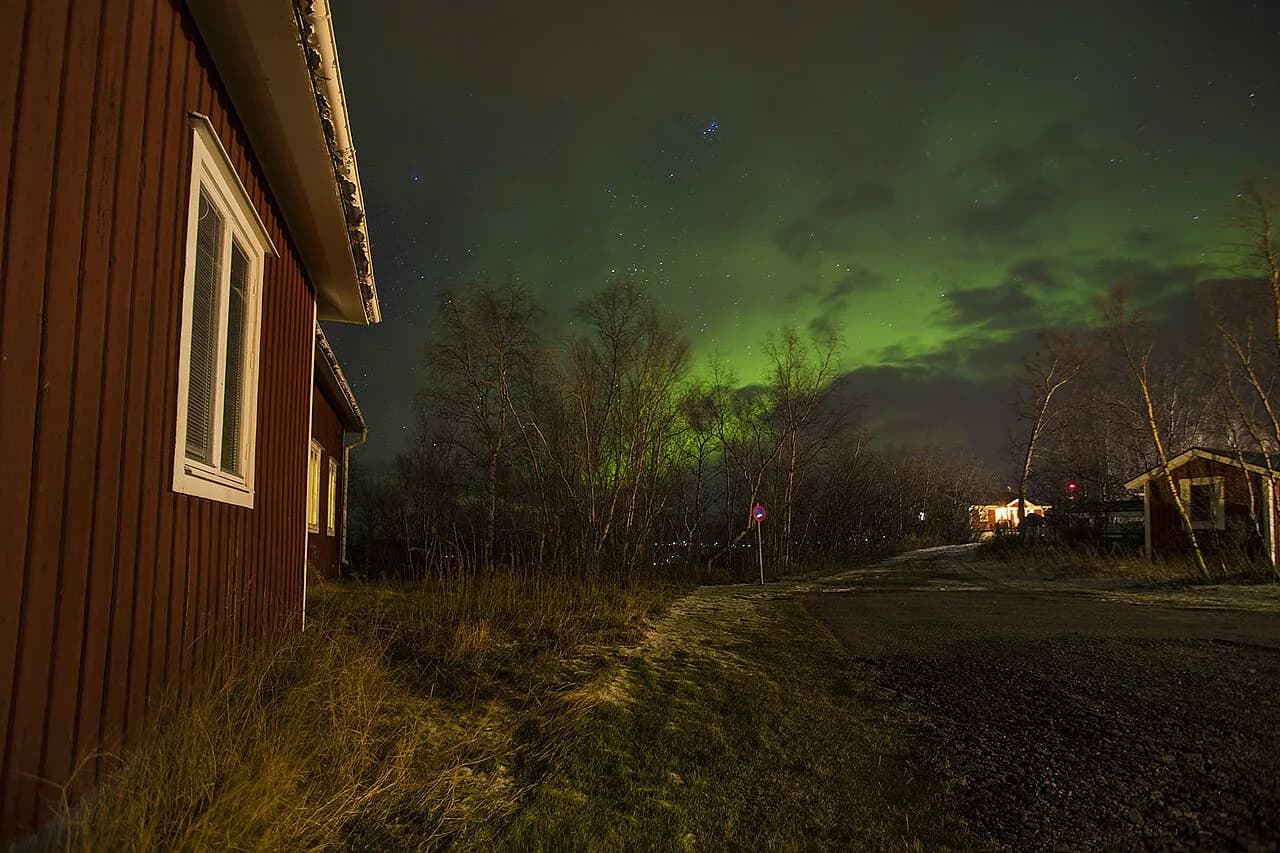
March suits travelers who want the aurora without the extreme cold and near-total darkness of midwinter. Abisko sits above the Arctic Circle in Swedish Lapland, where the surrounding mountains shelter a pocket of clearer sky, so the dark hours still matter for aurora watching. Days are already growing long enough for hiking, dog sledding and day trips to the Icehotel, and nights stay dark enough to keep watching. The aurora season itself runs roughly late September to late March, so March is the last full month of it.
Why March works: daylight and dark nights in balance
The month is a pivot point. Snow lies deep and the landscape is fully white, but the sun climbs higher each day, so you can combine daytime activities with evening aurora watching without the short days of December. That balance is what makes March attractive: you get usable light for outdoor plans and still get a long enough dark window for the northern lights.
The trade-off is that the dark window shrinks as the month goes on. Travelers who care most about the aurora should lean toward early March rather than the final week, when twilight lingers later and the night is shorter. Either way, sightings depend on solar activity and clear skies, and a longer stay improves your odds more than any single date.
How March daylight changes through the month
Abisko's winter tourism winds down around the end of March, and by then the daylight is generous compared with midwinter. The walking season is still winter, with snow cover lasting from December through late April, but the usable hours for activities stretch noticeably. Check the Swedish meteorological office for the exact sunrise and sunset on your dates, since the change is fast at this latitude.
March temperatures and snow around Abisko
March is milder than January and February but still firmly winter. Average highs reach around minus 3C and lows around minus 11C, so plan for a cold, snowy landscape rather than slush. Snowfall in Abisko is heavy, accumulating over roughly 220 snowy days a year, which keeps trails and slopes covered.
The upside of the damp-cold mix is that activity operators provide the heavy layers. Dog sledding tours lend boots, mittens and a snowsuit, so the focus stays on the ride rather than on gear. Read the forecast for your week and choose activities that match it; on a mild, clear March day you may be outdoors for hours at a time.
What the 'Blue Hole' microclimate means for clear skies
Abisko has a reputation for unusually clear skies because the surrounding mountains and the large lake help create a local pocket of better weather. This 'Blue Hole' is the reason many travelers base themselves in the national park rather than in a bigger town, since the odds of cloud-free hours are better here. It is a head start on the weather, not a guarantee: clouds still come, and the lights are far above them.
For self-guided watching, timing the clouds matters as much as the solar forecast. Even in Abisko, check the local forecast before you head out, because strong solar activity is wasted under a solid cloud deck. Stretching your stay to three or four nights gives the weather more chances to cooperate.
Aurora season in March and how many nights to plan
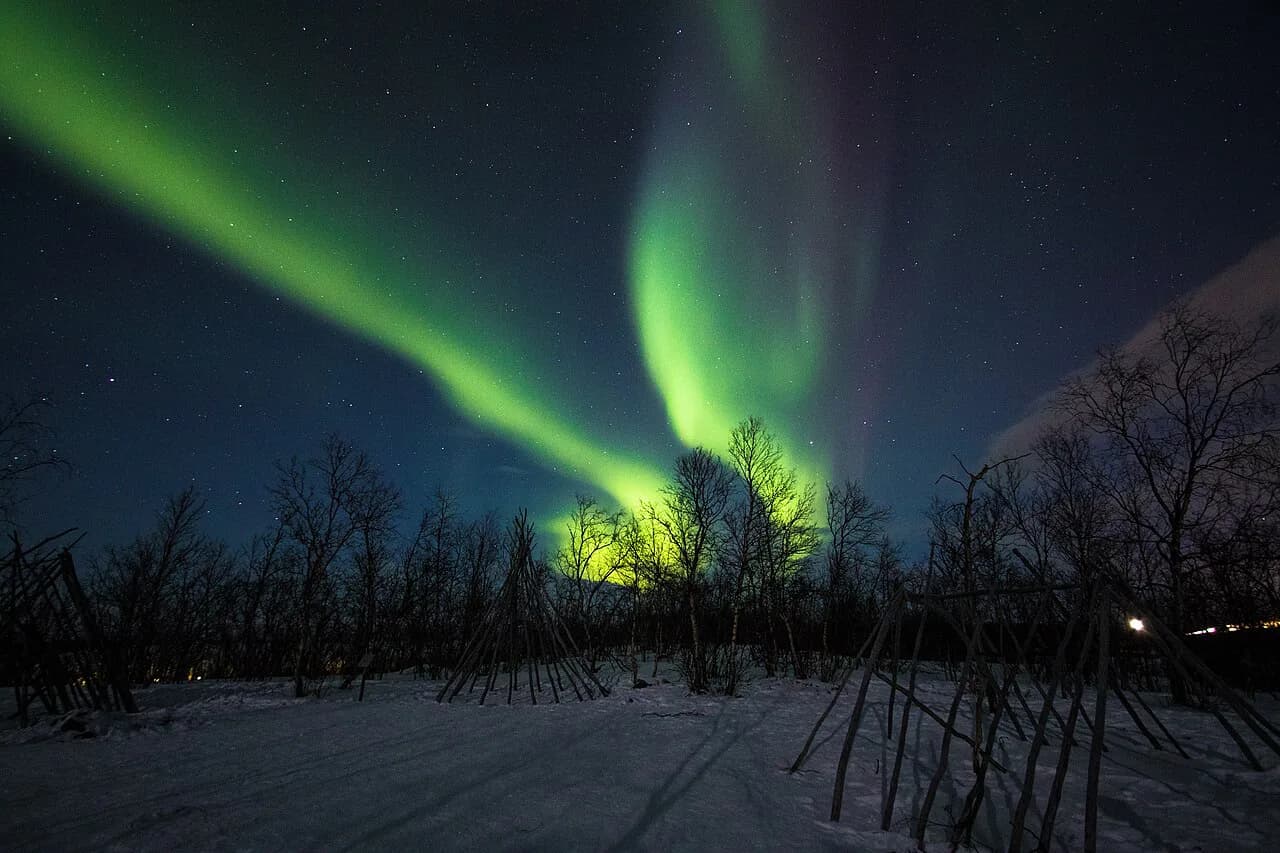
The aurora season runs roughly from late September through late March, and March sits near the end of that window. During March, the nights are still dark enough for the aurora, but the return of daylight means the window is shortening. That makes the month a good compromise for travelers who value both daytime activities and evening sky-watching. If you are weighing other regions beyond Abisko, see this guide to the northern lights in Swedish Lapland for where and when to watch elsewhere in the north.
A three- to four-night stay is the usual recommendation, since cloud cover in the Arctic is hit-and-miss and even a clear-sky area like Abisko cannot promise a display. Book at least two potential aurora nights, and treat every clear evening as a chance. Solo travelers will find organized tours and sociable lodges make evening watching easy without a car.
Where to watch near Abisko: national park, village edge and airport hill
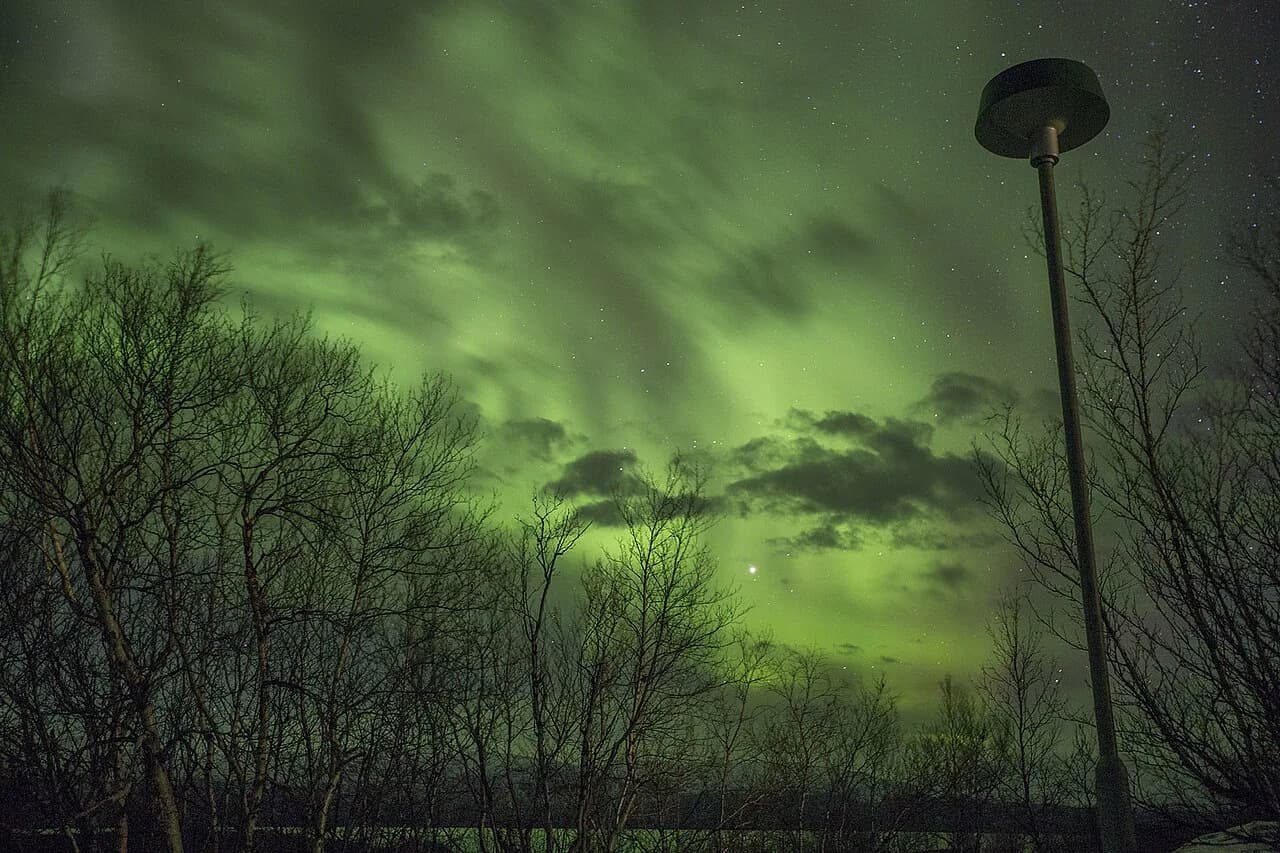
The national park around STF Abisko Turiststation is the most convenient dark-sky base, with light pollution kept low and trails leading into open ground. In the village, the small airfield above Abisko Mountain Lodge is a short walk from the accommodations and gives a clear, unobstructed view. Both spots let you watch on your own without booking a tour.
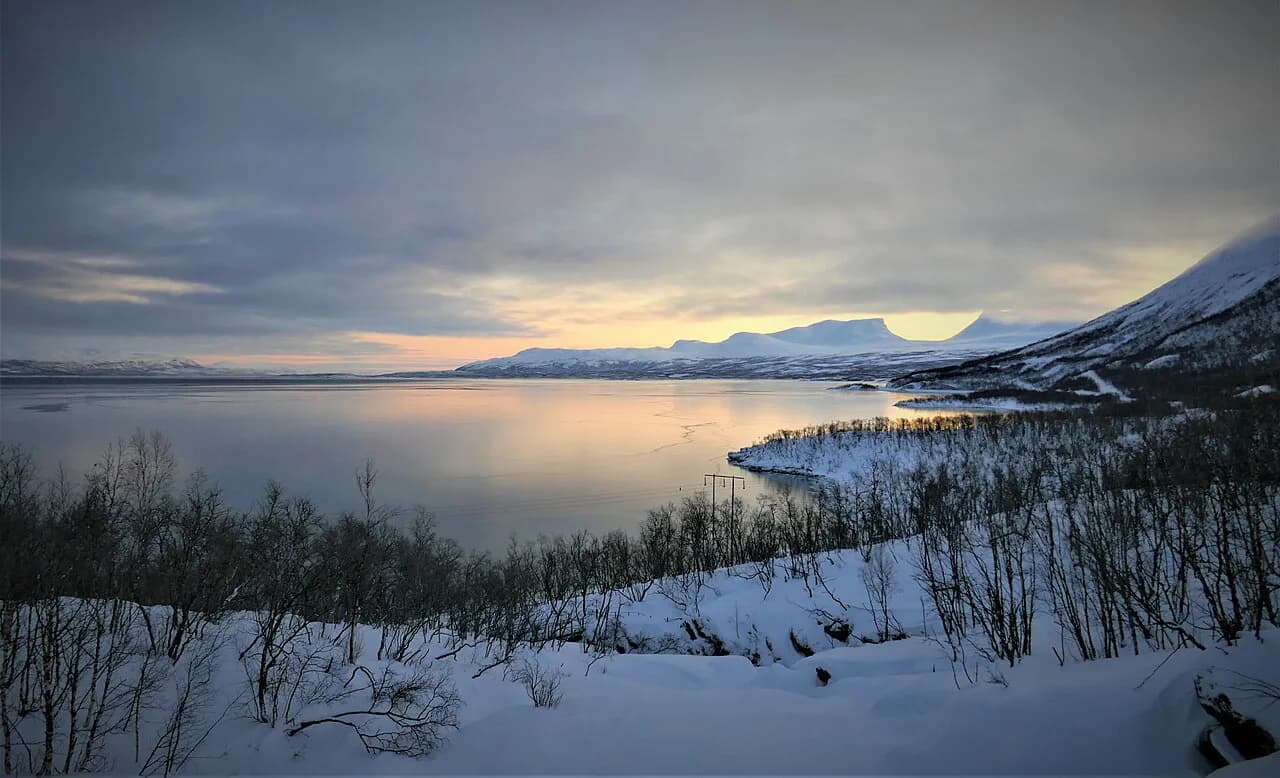
Lake Torneträsk is just below the national park visitor center, reached by a short trail, and the frozen lake opens up broad views toward Lapporten. Watch from the shore rather than wandering far onto the ice unless a guide or track indicates it is safe. The walk from the visitor center is easy, and the shore has a wheelchair-accessible fireplace and benches for a cold-night wait.
Self-guided aurora chasing versus a guided tour
Going it alone is free and works best if your accommodation sits outside the village lights, such as STF Abisko Turiststation. From the village you can walk to the airfield hill for darker skies without needing a car. A small torch and patience are all the equipment you need beyond a camera.
A guided chase adds flexibility: guides watch both the aurora forecast and the local weather, and can drive to the clearest patch. A small-group photography tour, limited to about eight people, lends a pro camera and tripod and includes the settings, so you only bring your memory card. For a cheaper option, a shorter chase visits several scenic spots in about three and a half hours, but brings no camera gear.
The most popular half-day tours book out, and weather cancellations come with a full refund or a different date. That helps if your March trip has only a few nights to spare. If cloudy skies close in, use that evening for a sauna or an early night and save your energy for a clearer forecast.
Aurora Sky Station and the chairlift
The Aurora Sky Station sits on Mount Nuolja and is reached by a short chairlift ride to the summit. It offers a chairlift ticket and a dinner option, with presentations through the evening and an outdoor terrace with a lookout tower. You must prebook, and the station closes in bad weather, so keep a backup plan.
Dog sledding in late-season snow
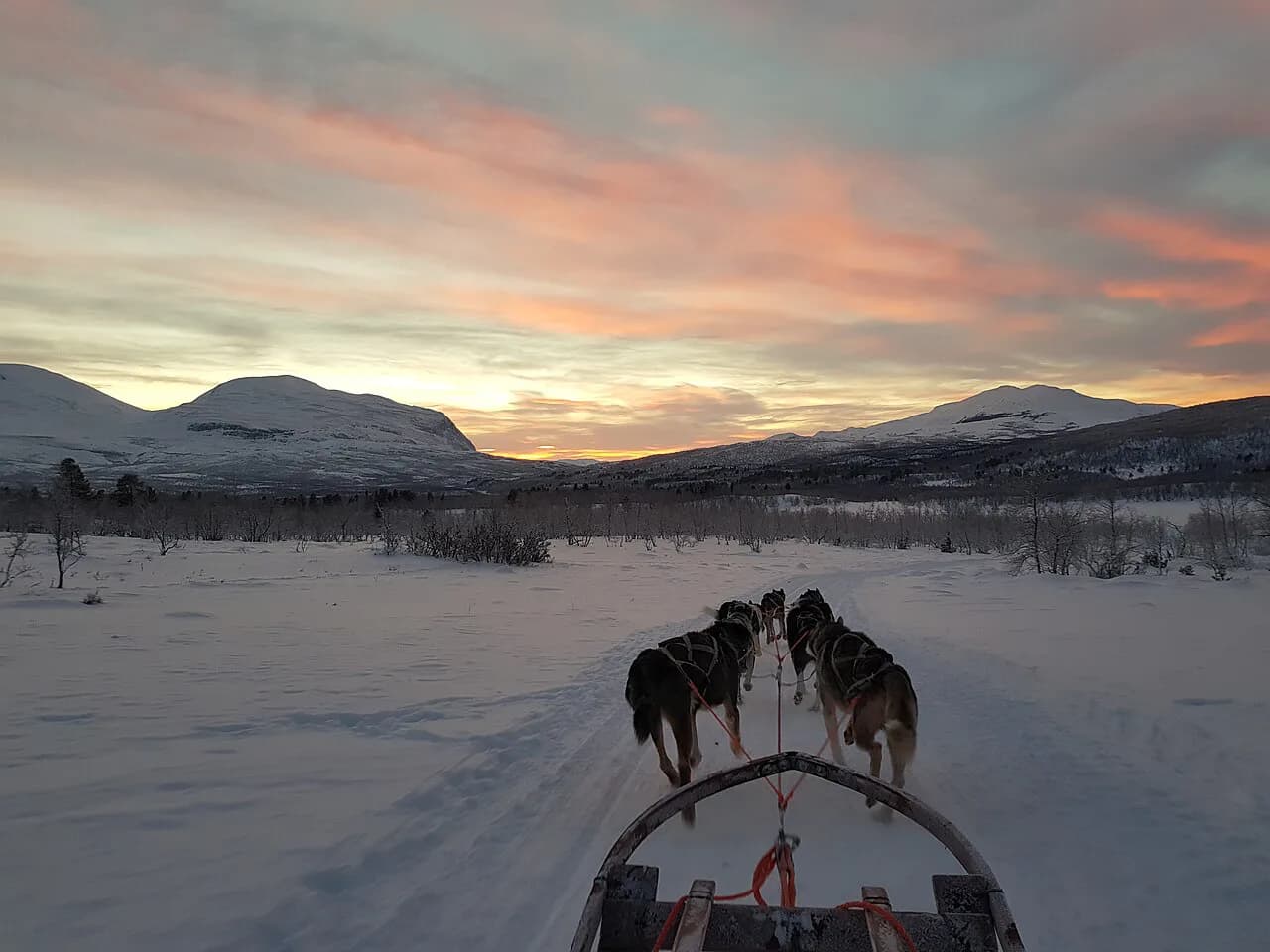
Husky sledding on the Abisko tours is available until the end of April, snow permitting, and is suitable for children aged five and older. The roughly 10-to-12-kilometer ride heads toward Kiruna through Lapland landscapes, with photo stops and time with the dogs afterward. Boots, mittens and a snowsuit are included.
A longer version of the ride offers a fika break with coffee and cinnamon buns, though it does not include a full lunch. It runs only three days a week (Tuesdays, Thursdays and Saturdays), so check availability before you lock in your dates. Book well ahead for March weekends, when the season is winding down and the choice of dates narrows.
Snowshoeing and national park hikes to frozen waterfalls
Snowshoeing in late winter is a low-skill way to move through the birch forest, and a three-hour guided tour leads through snowy valleys under the aurora at around 8pm. Snowshoes and warm drinks are included, and groups stay small at around eight people. During daylight, a two-hour guided morning hike covers the birch forest, the start of the Kungsleden and the frozen waterfalls above the lake.
If you prefer to walk on your own, the trails from the STF Turiststation to the frozen waterfalls are easy to follow and give plenty of viewpoints. Snowshoes can be rented locally, and the daylight hours in March are long enough to walk a few trails in a day. Check trail conditions with the national park visitor center before you set out.
Ice climbing on the frozen waterfalls
The frozen icefalls in the national park draw climbers, and a three-hour beginner tour run by Abisko Adventure offers harness, helmet, ice axes and crampons with a licensed guide. The icefall is around 10 meters high, and it is worth trying only if you are comfortable on a vertical wall. Bring warm clothing and your own food and water.
Ice fishing on Lake Torneträsk
A two-hour ice fishing trip guides you onto the ice and teaches you to drill and bait for Arctic char, then you fry your catch in a warm hut with hot drinks. Warm overalls are included, and the tour picks up from local hotels, though you should tell the tour company where you are staying in advance. Early in the season, the trip can move to a smaller lake that freezes earlier.
Snowmobiling with longer March daylight
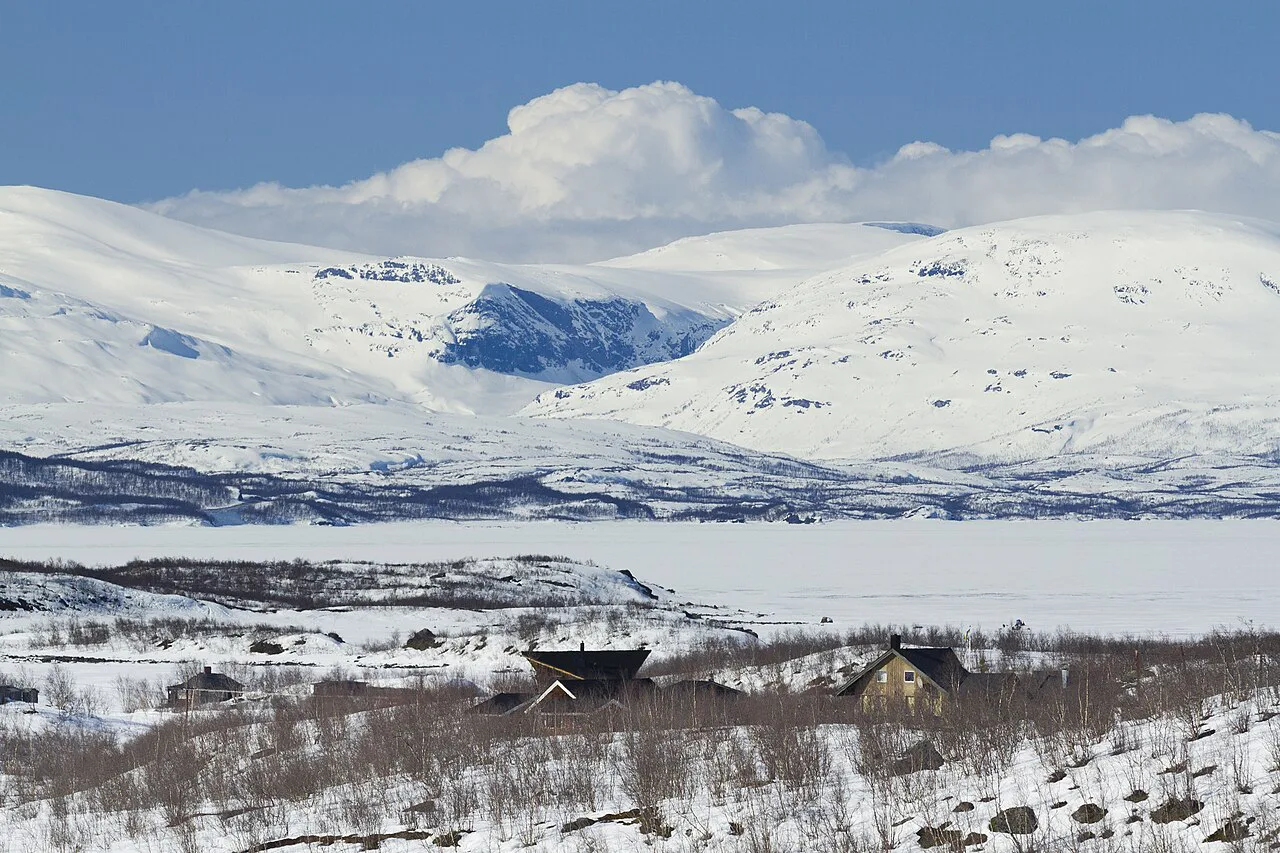
Snowmobiling operates in two daily slots, morning and afternoon, which frees up the evening for aurora watching. Drivers need a Swedish driver's license, and the tour provides warm clothing along with hot drinks. Snowmobiles can be booked for one person or shared by two, and March daylight makes the afternoon slot a strong choice.
Day trip to the Icehotel in Jukkasjärvi
The original Icehotel at Jukkasjärvi was first built in 1989 and is rebuilt each winter from ice and snow, with sculpted suites, an ice chapel and an ice bar. Its winter dates vary from year to year because they depend on temperature, and its Icehotel 365 building stays open year-round with solar-powered ice rooms. A day tour includes a guided walk through the art suites and common areas, plus free time to explore.
There is no convenient public transport between Abisko and the Icehotel, so a tour is the simplest option unless you are an experienced winter driver. The day tour runs only a few days a week, so book ahead if it matters to you. On your final travel day, a tour can drop you in Kiruna or carry your luggage while you explore the hotel.
Where to stay for March aurora nights
Abisko is a small village with few sleeping options, so book early for March. The Abisko Mountain Lodge is a warm base in the village with a sauna and a fireside, and it sits within a short walk of the airfield hill for aurora watching. STF Abisko Turiststation is the only accommodation inside the national park, which makes it the darkest and most convenient base for sky-watching.
For budget travelers, the Abisko Hostel & Huskies on a husky farm offers an inexpensive base, though it means less convenience than the national park. Whichever you pick, choose the option whose setting suits your plan: village comfort with easy access to shops and restaurants, or park-side calm with darker skies. Read the lodge page for sauna, meals and room types before you book.
Who March suits and who should pick another month
March is a strong month for travelers who want a mix of winter activities, snow-covered landscapes and good aurora odds without the harshest cold of January. It also suits people combining Abisko with Kiruna or the Icehotel, since the days are long enough for a full-day transfer. If you are chasing maximum darkness for aurora photography, plan a December or January trip instead, and if you want late-season snow with brighter days, March is hard to beat.
Plan Your March Visit
Set your dates for early-to-mid March to balance usable daylight with dark aurora nights, and plan three or four nights to give the weather a chance to cooperate. Base yourself at STF Turiststation or Abisko Mountain Lodge for easy access to dark-sky spots, and use the long daylight hours for dog sledding, snowshoeing, ice fishing or a day trip to Jukkasjärvi. No operator can promise a sighting, but a clear-sky microclimate, a few nights to spare and local weather knowledge give you the best odds the month can offer.
Frequently Asked Questions
Is March a good time to see the northern lights in Abisko?
March sits near the end of the aurora season, and the nights are still dark enough for the lights while the days grow longer. The mountain-sheltered microclimate around Abisko can bring clearer skies than many Arctic destinations. Sightings depend on solar activity and cloud cover, so plan several nights and keep your evenings flexible.
How much daylight does Abisko get in March?
Daylight increases quickly through the month, from a modest winter day in early March to much longer days by the end. The exact sunrise and sunset shift noticeably from week to week, so check the Swedish meteorological source for your dates. The shortening dark window is why early March is the better choice if aurora viewing is your priority.
How cold is Abisko in March?
March averages sit around minus 3C for highs and minus 11C for lows, still full winter with deep snow. Winds and clear nights can make it feel colder, and operators lend snowsuits, boots and mittens on many tours. Count on winter gear for outdoor evenings, when you stand still while waiting for the sky.
Can you still go dog sledding in Abisko in March?
Yes, several dog-sledding tours run until the end of April, snow permitting, and are suitable for children aged five and older. The rides cover roughly 10 to 12 kilometers and often include boots, mittens and a snowsuit. Some tours add a bonfire break with coffee and cinnamon buns, but they run only a few days a week, so book early.
Is the Icehotel open in March?
The winter Icehotel is rebuilt each year, and its dates depend on temperature, so check its official site for the current season. The year-round Icehotel 365 building stays open regardless, with ice rooms and art to visit. Day tours from Abisko run on selected days and can drop you in Kiruna on the return leg.
How many nights should you stay in Abisko for the aurora?
Three to four nights gives the weather more chances to clear, which matters more than any single date. Even with a clear-sky microclimate, clouds can block the view on any given night. Pair daytime activities with flexible evenings so you can head out when the forecast improves.
Do you need a car to see the northern lights in Abisko?
No, you can watch from the national park at STF Turiststation or walk to the airfield hill above the village for darker skies. Guided tours handle transport if you want to chase clearer weather, and some pick up from local hotels. A car helps if you want to explore Kiruna and the Icehotel independently, but winter driving experience matters.
Sources
Notes for your Arctic winter trip
Optional updates to our northern lights guides.
You might also like
Continue reading
More guides you'll find useful