Abisko in November: Northern Lights, Snow and Short Days
Abisko in November brings long dark nights, early snow and strong aurora potential. See how daylight, temperatures and viewing spots shape a late-autumn trip.
On this page
Abisko in November suits travelers who would rather spend their hours under a dark sky than on a long hike. The village sits between a national park and a large lake, so the light pollution that dulls aurora in bigger towns is mostly absent, and nights are long enough to watch for hours.
The trade-off is obvious: daylight shrinks to a short window, snow arrives early, and temperatures sit well below freezing. What you gain is a month that is dark, quiet and far less crowded than the deep-winter peak, with the aurora season already under way.
Why November works for aurora hunting in Abisko
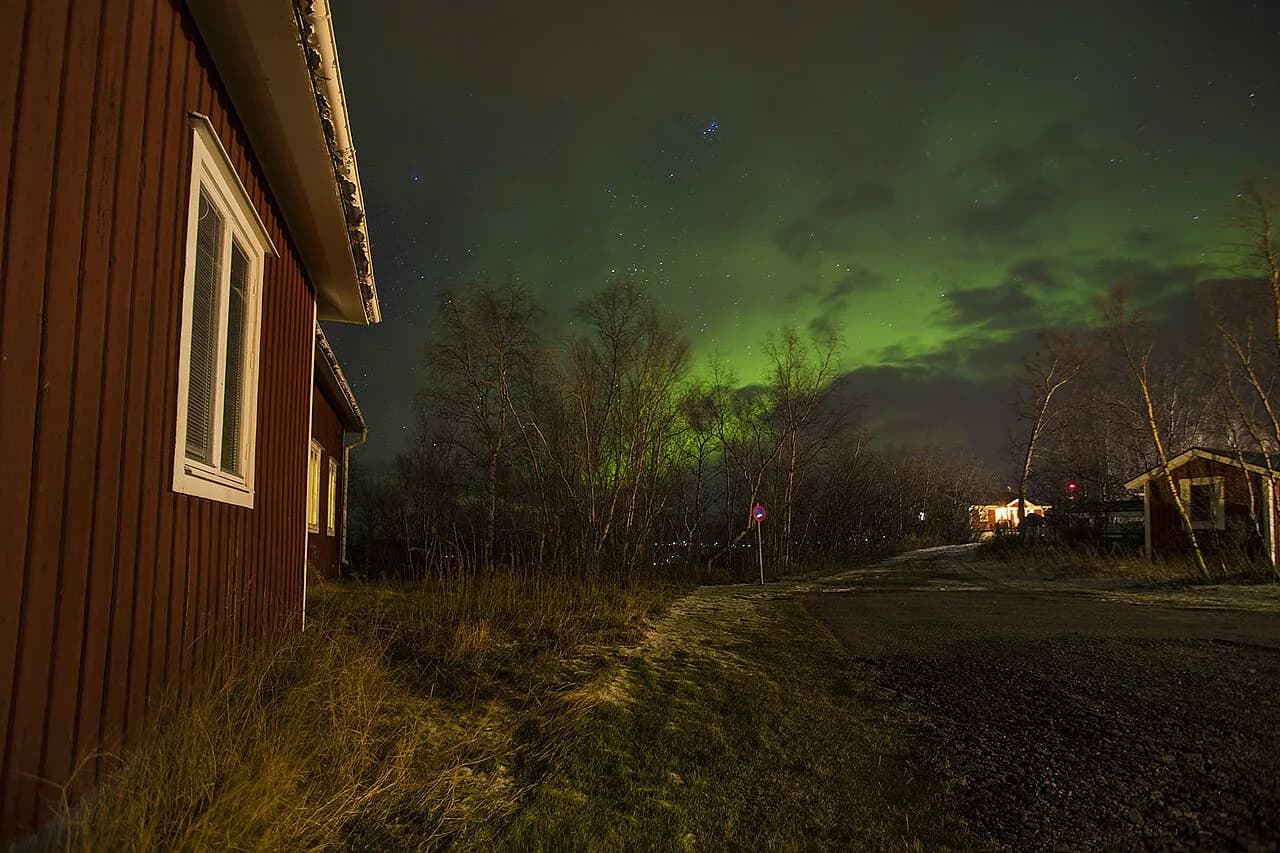
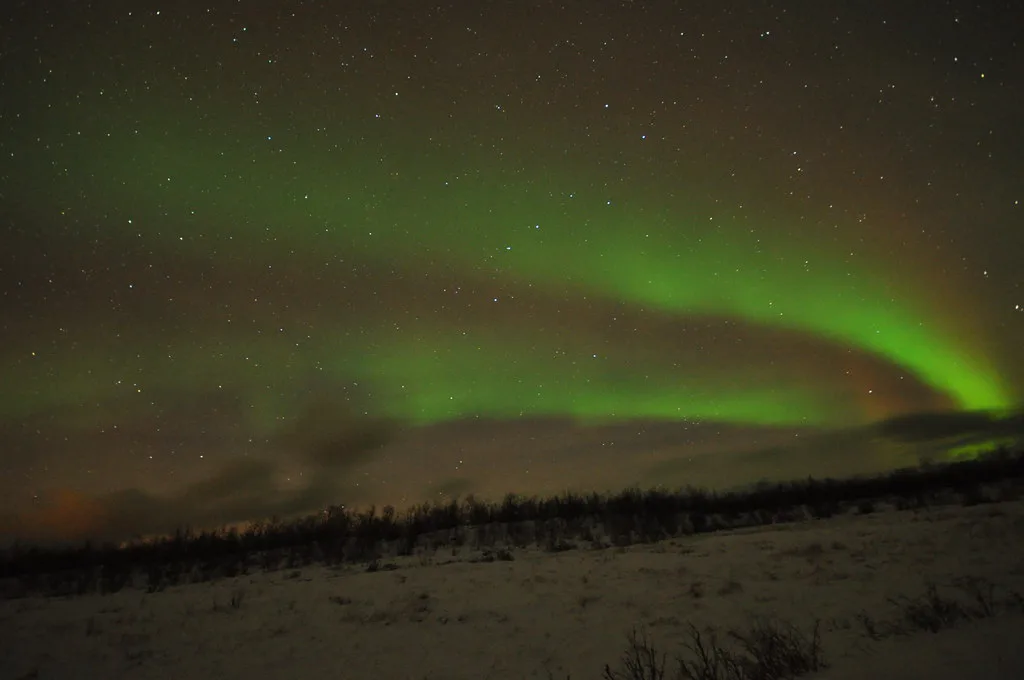
November falls inside the aurora season, which runs roughly from September until early April, and the long nights give you far more dark hours per day than December's short daylight allows for other activities. The Swedish tourist board's own account of an autumn visit describes heading out after dark to the shoreline and catching a thin green veil over the water, which is exactly the kind of short, unpredictable display November delivers.
What November cannot promise is a clear sky. Abisko's reputation rests partly on a local microclimate that often keeps cloud away while weather systems stall elsewhere, but that is a tendency, not a guarantee, and cloud can settle in for days. Plan around the odds rather than a single night, and treat any forecast as guidance that changes hourly.
Solar activity matters as much as cloud. Kp values indicate how disturbed the geomagnetic field is expected to be, and they are a rough guide only; a moderate reading on a clear night over Torneträsk can produce a far better show than a high reading under overcast.
How far north Abisko sits and why the aurora shows here
Abisko lies above the Arctic Circle in Swedish Lapland, roughly 100 kilometers west of Kiruna and close to the Norwegian border, beside Lake Torneträsk. That latitude puts the village under the auroral oval, the band where aurora is most often overhead, so displays here are frequently directly above rather than low on the northern horizon.
Position alone is not enough, which is why the surroundings matter. The village is small, the national park next door is protected and unlit, and the lake opens a wide view to the north with nothing built on it, so stepping a few minutes from your room can put you under genuinely dark sky.
Daylight hours and temperatures in November
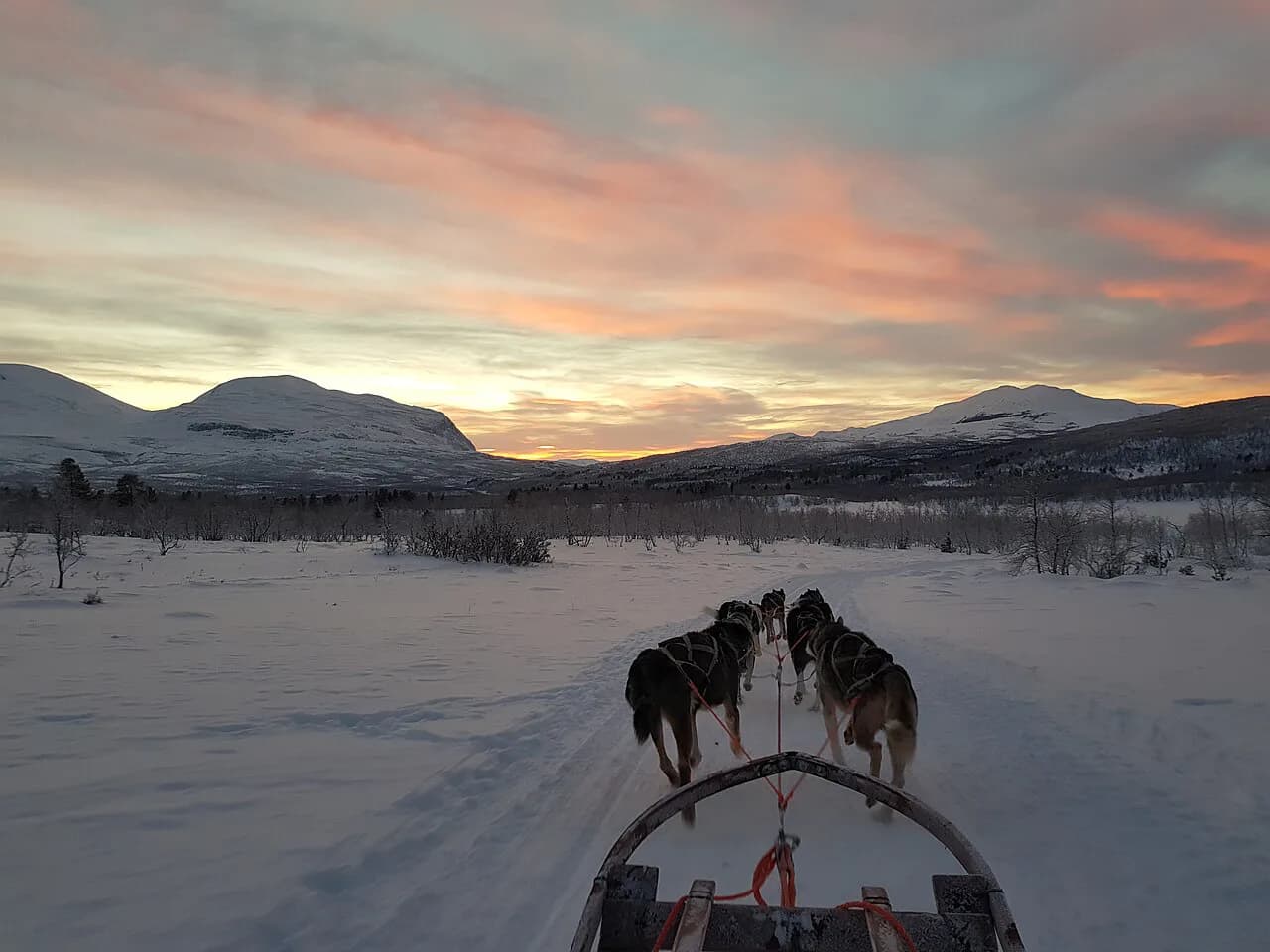
November daylight in Abisko is brief. The sun stays low, the useful light concentrates in a short middle stretch of the day, and by late afternoon the sky is already fading, which is why most visitors plan outdoor activities for the morning and save the evening for aurora watching.
Winter temperatures commonly range between about -5°C and -20°C, with colder spells possible, and the dry Arctic air often feels less raw than the number suggests. Snow typically stays on the ground from late autumn through spring, so expect a white landscape rather than bare ground.
The practical consequence is simple: you get a long, cold night and a short, cold day. Build your schedule so that the daylight hours carry the walking, the canyon visit and any snowshoeing, and the darkness carries the viewing.
Snow cover and what the landscape looks like
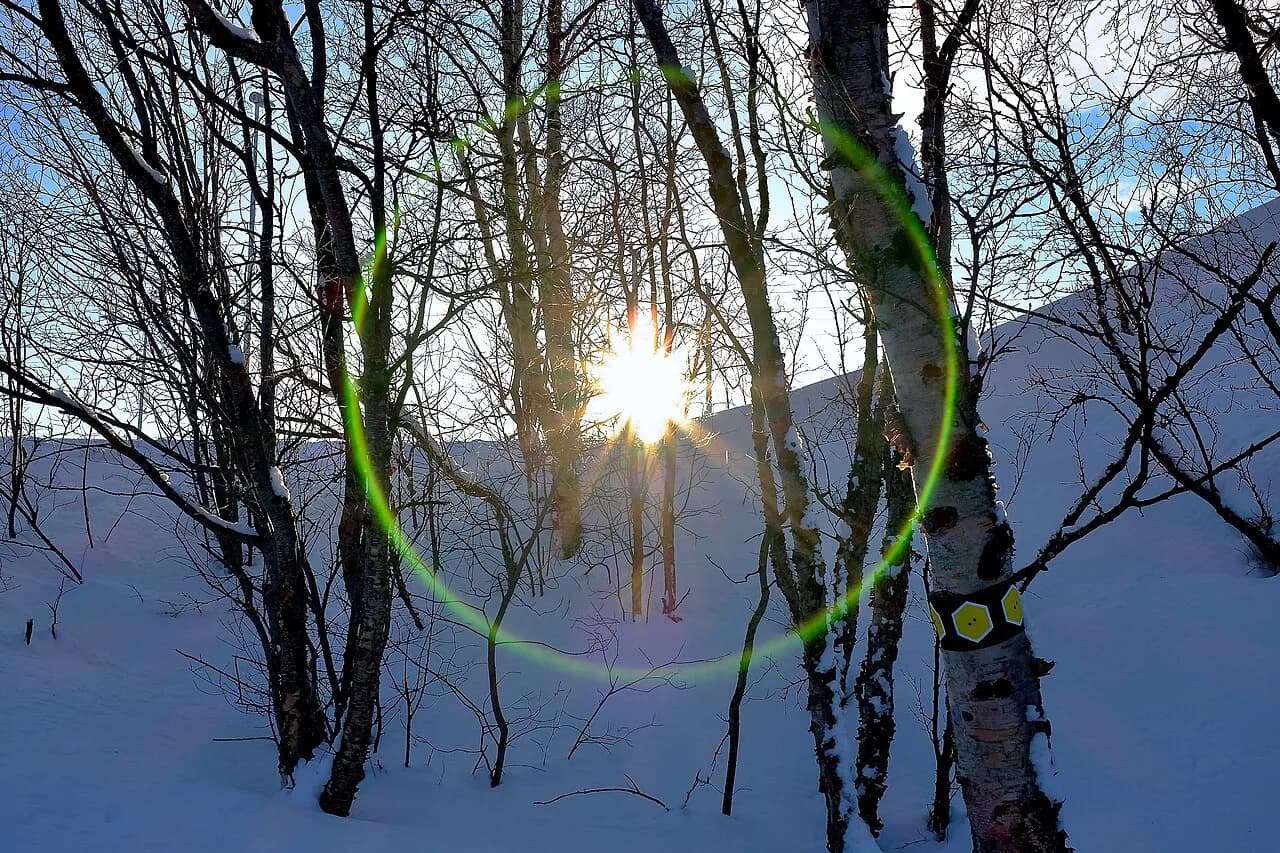
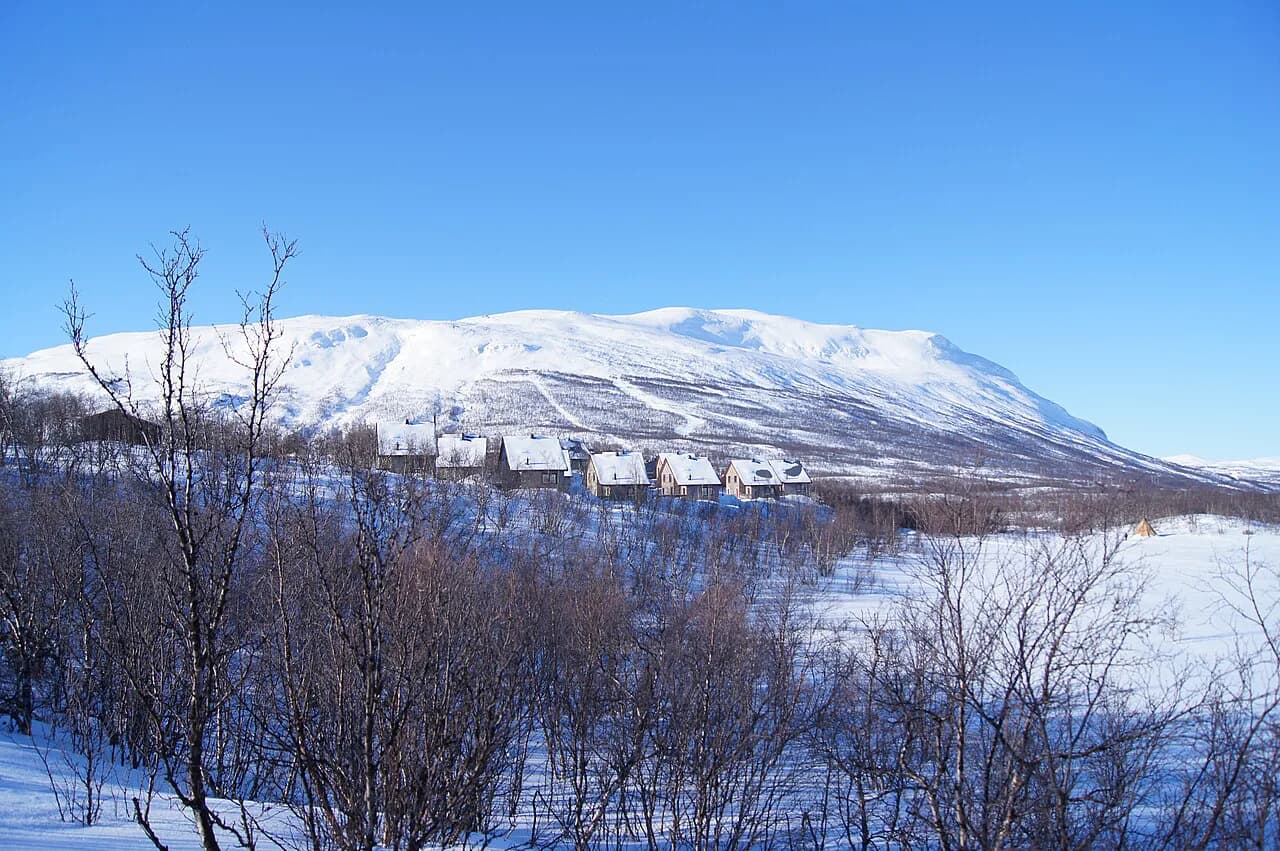
By November the ground is usually snow-covered, the mountain birches are bare, and the lake shore turns into a broad white flat that reflects whatever light the sky offers. Without snow glare in the earliest dark evenings the surroundings are very dark, which is ideal for spotting faint aurora but makes a headlamp genuinely useful on the walk to the shore.
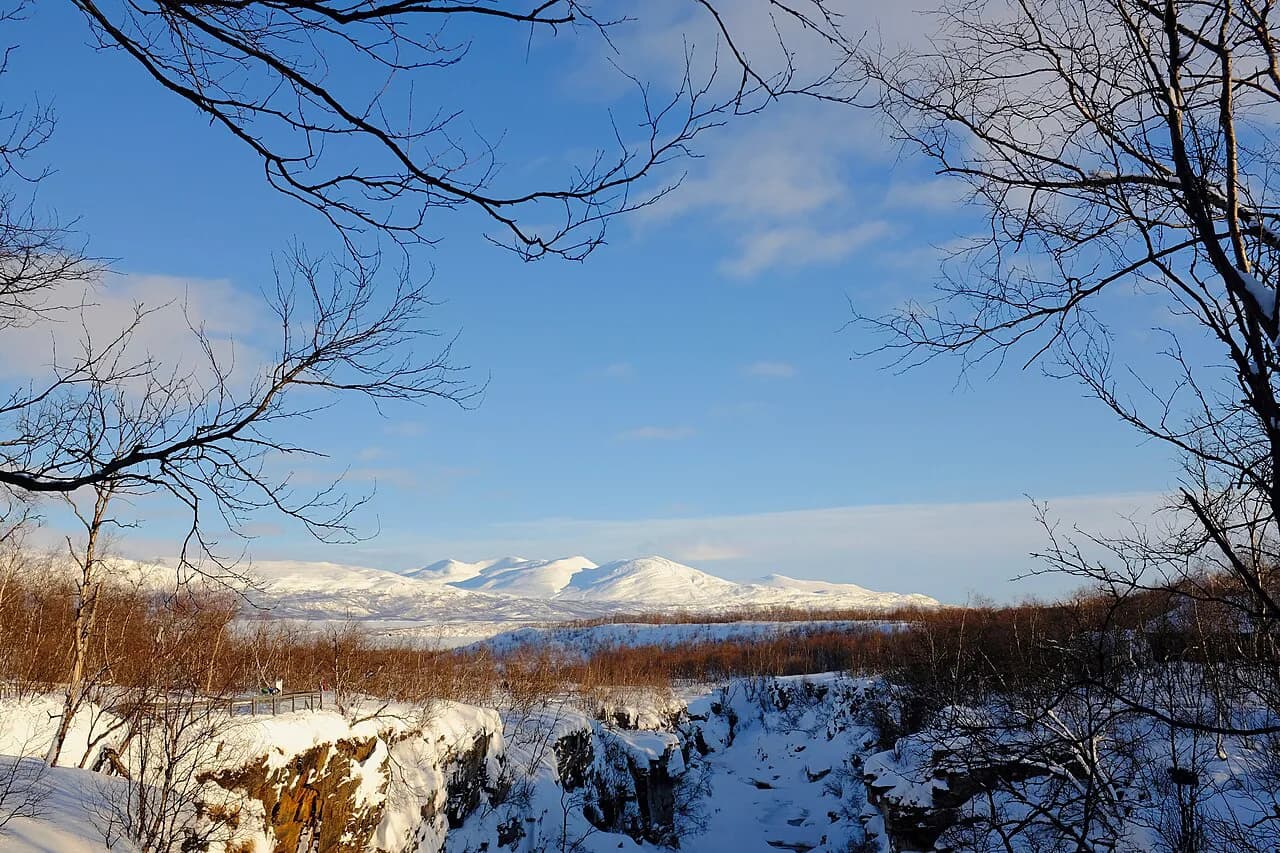
The Abiskojåkka river runs from lake Abiskojaure down to Torneträsk through a canyon about 20 meters deep with steep slate and dolomite walls, roughly 100 meters from the tourist station. In November the canyon and its footbridges are a short, photogenic outing that fits easily into the limited daylight.
The aurora season and November's dark nights
November sits early in the season but already offers the ingredient that matters most: darkness. Photographers rate the month highly for aurora potential, with the strongest odds generally falling in the deep-winter months from December through March and November rated very good ahead of them.
The absence of snow glare in the first part of the month cuts both ways. Very dark conditions make faint arcs and glows easier to see, but they also mean you need to let your eyes adapt and to know where you are walking; the shoreline path to the jetty at Abisko Östra is the obvious short walk from the village.
Where to watch near the village: the canyon, the lake and the jetty
The most reliable approach is to walk rather than drive. From the tourist station, the canyon mouth and the beach along Torneträsk are minutes away on foot, and the little jetty at Abisko Östra gives an unobstructed view over open water and the mountain silhouettes beyond.
Views to the north over the lake are the priority, so pick a spot where buildings and trees do not block the horizon. The shoreline delivers that, and the flat light means you can often see activity reflected in the water even when the sky is partly cloudy.
For a broader look at trails and facilities inside the protected area during the cold months, the guide to Abisko National Park in Winter covers what stays accessible once snow settles.
Aurora Sky Station on Mount Nuolja
Aurora Sky Station sits on Mount Nuolja above the village and is reached by a chairlift that runs in selected seasons and weather conditions, so the ride is not something you can count on every night. When it operates, it lifts you above the valley floor into darker air with a wide view over Torneträsk.
Treat the station as a paid, weather-dependent option rather than the default. If the lift is closed or cloud is sitting on the mountain, the shoreline below is often clearer, and you have lost nothing by staying in the valley.
Self-guided chasing versus a guided night
November rewards independence. With the lake and canyon on the doorstep, you can step out, watch for an hour, come back to warm up and try again later the same night, which is exactly the flexibility a fixed tour departure does not give you.
Guided nights earn their place when you want transport to a clearer area, local knowledge of where the cloud is breaking, or simply company and a fire on a cold evening. Operators typically lend thermal suits and boots on winter outings, which matters in November temperatures, and many run snowshoe and photography excursions alongside aurora drives.
Getting there without a car: train from Kiruna, Stockholm or Narvik
Abisko is one of the easiest Arctic destinations in Sweden to reach without a rental car. The railway between Kiruna and Narvik passes straight through the village, and the night train runs all the way from Stockholm, so you can arrive, walk to your accommodation and never touch a steering wheel.
From Kiruna there are also buses, and in winter taxi and transfer services connect the airport and town to Abisko; your accommodation can usually recommend which to book. Once in the village, the national park, the canyon, the lake shore and the shops are all within walking distance.
Where to stay: STF Abisko Turiststation and Abisko Mountain Lodge
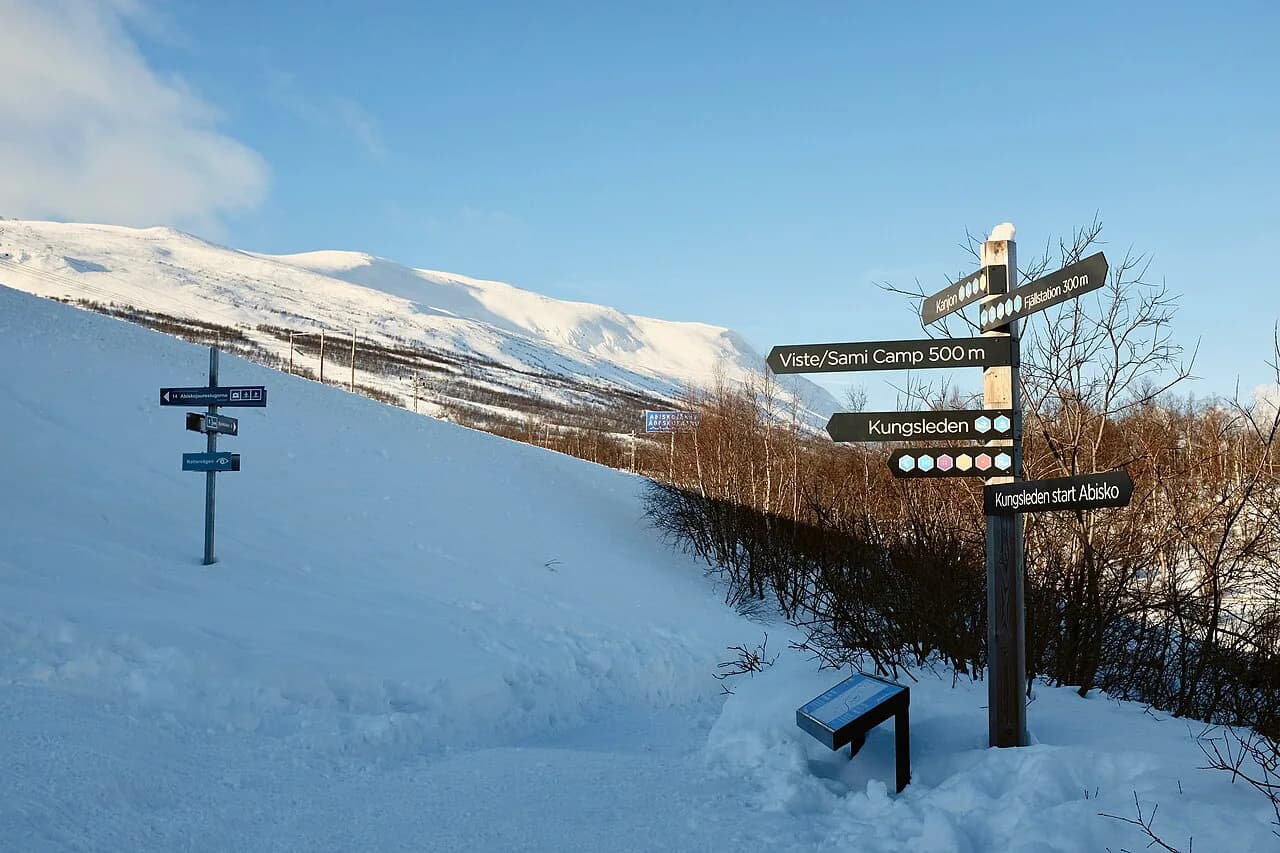
STF Abisko Turiststation sits at the heart of things, with the canyon a short walk away and the restaurant serving Swedish KRAV-certified food, which makes it a practical base if you want to combine aurora nights with daytime hiking. The station is the classic starting point for the Kungsleden trail, which begins nearby.
Abisko Mountain Lodge offers an alternative with a two-course dinner built on local produce, and it is the kind of place where you can return wet and cold from the shore and be warm again within the hour. Full details of rooms and dining are on the STF Abisko Turiststation and Abisko Mountain Lodge pages.
Book early regardless of which you choose. Accommodation in the village is limited and winter demand peaks between January and March, which spills into November bookings for the most popular lodges.
Hiking and snowshoeing in and around the national park
Daylight in November is short, so pick walks that fit the light rather than trying to cover distance. The canyon loop and the beach along Torneträsk are the natural short outings, and the national park's marked trails near the visitor center remain the most accessible options once snow settles.
Snowshoes make the difference between a plod and a pleasant walk once the snow is deep, and guided snowshoe outings are a good way to learn the terrain without committing to a full day out. Check the STF Abisko Turiststation for equipment and trail conditions before setting off.
How many nights to plan for a fair chance of clear skies
Most visitors spend one to three days in Abisko, but aurora photographers usually stay two or three nights specifically to increase the chance of catching a clear sky. Three nights is a sensible minimum if the northern lights are your main reason for coming.
That rule is about weather, not certainty. Cloud can persist for days, and a week of overcast is entirely possible in November, so the honest calculation is that more nights mean more rolls of the dice rather than a guarantee.
Combining Abisko with Kiruna
Kiruna and Abisko complement each other well: Kiruna has the larger airport, more restaurants and a wider range of activities, while Abisko delivers the dark skies, the national park and the lake. Many travelers fly into Kiruna, spend a night or two there, then take the train west.
For a first look at how the destination fits together across the season, the main Abisko northern lights guide sets out the viewing spots, the operators and the practicalities in one place.
Plan Your November Trip
November in Abisko is a month for travelers who value dark skies over long days. Expect short daylight, temperatures well below freezing and early snow, and build your trip around the nights rather than the days.
Give yourself at least three nights, stay somewhere within walking distance of the lake shore, and keep the chairlift up Nuolja as an option rather than a plan. If the sky clears, the jetty at Abisko Östra and the beach along Torneträsk are all you need.
Frequently Asked Questions
Can you see the northern lights in Abisko in November?
November falls inside the aurora season, which runs from roughly September to early April, and the long dark nights give you plenty of viewing hours. Whether you actually see a display depends on solar activity and, above all, on clear skies, so plan several nights and treat any single evening as one attempt rather than the trip's verdict.
What are November temperatures like in Abisko?
Winter temperatures in Abisko commonly sit between about -5°C and -20°C, with colder spells possible. The dry Arctic air often feels less harsh than the number suggests, but you will be outdoors after dark for long stretches, so plan for genuine cold.
How many nights should I stay in Abisko for the northern lights?
Three nights is a reasonable minimum if aurora is your priority, and aurora photographers often stay two or three nights specifically to raise the odds of a clear sky. Cloud can settle in for days, so each extra night is another chance rather than a guarantee.
Do I need a car to visit Abisko in November?
No. The railway between Kiruna and Narvik passes through the village, the night train runs from Stockholm, and buses and winter transfer services connect Kiruna. The national park, the canyon, the lake shore and the accommodation are all walkable once you arrive.
Is Aurora Sky Station open in November?
The chairlift to Aurora Sky Station on Mount Nuolja operates in selected seasons and weather conditions, so availability varies. Check the current schedule before you build a night around it, and keep the shoreline below as your fallback.
What can I do during the short daylight hours in November?
Walk the canyon loop, which is about 100 meters from the tourist station, follow the beach along Torneträsk, or join a guided snowshoe outing. Daylight is brief, so plan one main activity per day and leave the evenings free for aurora watching.
Sources
Notes for your Arctic winter trip
Optional updates to our northern lights guides.
You might also like
Continue reading
More guides you'll find useful