Abisko in October: Aurora Season, Snow and Dark Nights
Abisko in October brings open rivers, deeper darkness and active aurora weeks. Plan where to stay, where to watch and how many nights to allow for clear skies.
On this page
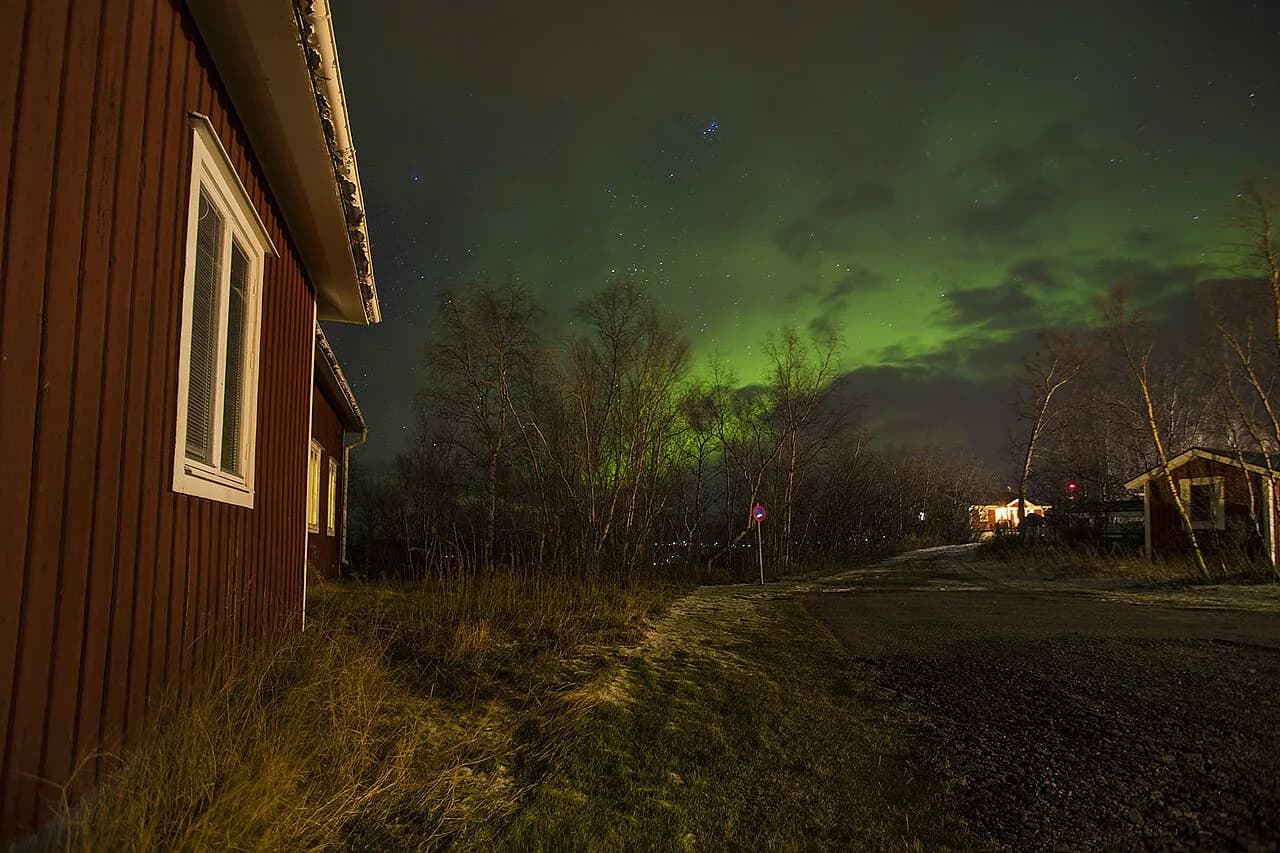
October in Abisko trades deep midwinter for something rarer: aurora season already under way, rivers and lakes still liquid, and nights long enough to watch for hours without the worst of the cold. It suits travellers who want the northern lights without committing to full polar night, and who would rather walk a short distance from their bed to darkness than ride a bus for an hour. If you are still weighing up where to base yourself, this Swedish Lapland northern lights guide compares Abisko with the wider region.
Why the Abisko valley suits October aurora nights
Abisko sits in a small valley with a microclimate that its resident operators describe as giving clearer skies than any other location in the aurora zone. That claim is about cloud, not about solar activity, and cloud is the variable that most often decides an October night. Basing yourself inside the national park rather than in a nearby town shortens the distance to dark sky and keeps you in the valley when a gap opens overhead.
When October sits in the aurora season
Lights Over Lapland runs its aurora season from October to March and splits it into autumn in October and November, polar night in December and January, and late winter in February and March. October is therefore the opening month, not a shoulder season with the lights switched off. Local advice on early October puts the aurora season as already started in early September while noting there is never a guarantee.
October also falls in the period around the equinox, when Lights over Lapland reports increased solar activity and some of its most impressive displays. Treat that as a reason to favour the month rather than a promise: geomagnetic activity still has to line up with a clear sky above the valley. Kp forecasts are useful for judging whether a night is worth staying out, but they describe the wider planetary picture, not the cloud directly over you.
Daylight and darkness in October
By December and January the sun never rises above the horizon in Abisko, giving nearly twenty hours of darkness a day and the chance of aurora even in the late afternoon. October is the other end of that curve, with genuine daylight still in the middle of the day and a long night either side of it. You get usable morning and afternoon hours for walking, and a dark window that arrives early enough to watch without staying up until dawn.
Snow, ice and open water in October
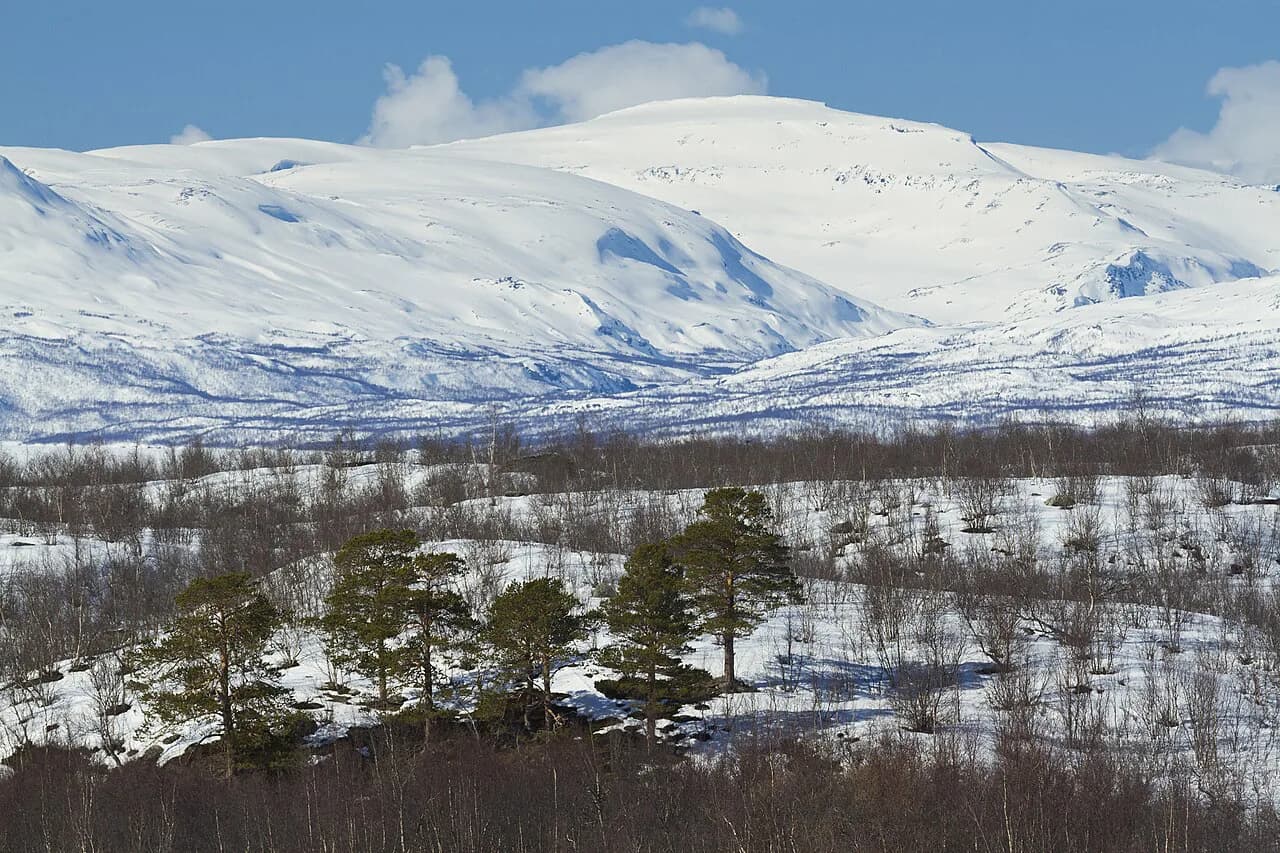
October is the single warmest stretch of the aurora season in the national park, and most rivers and lakes are still open. Snow usually begins to accumulate in December, so expect an October landscape that is autumnal rather than deep white. That has a practical consequence for anyone travelling to see the lights reflected: you are looking at liquid water, not the frozen surfaces of February and March.
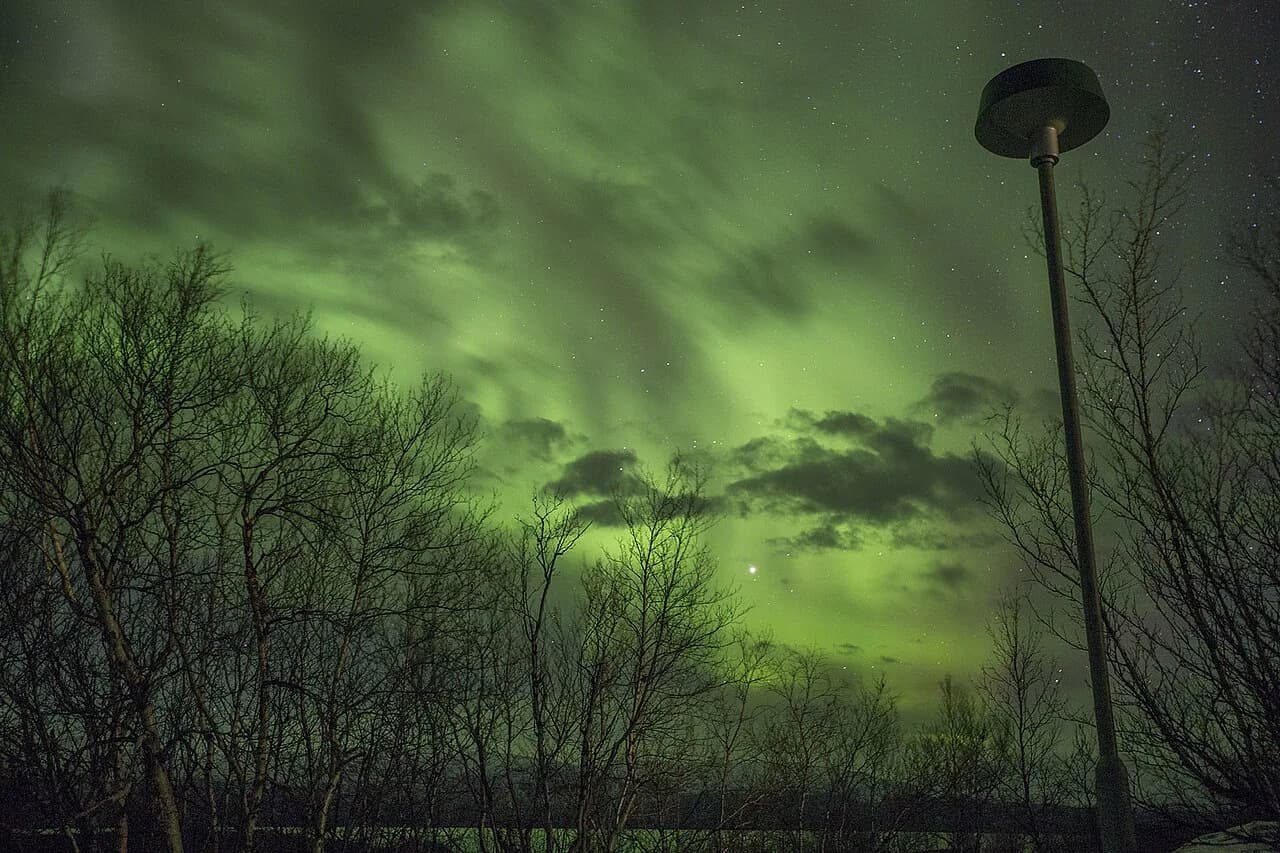
The open-water signature is the reason many aurora photographers choose autumn. When the aurora appears above a calm lake or river in the park, it doubles in the water, and Lights Over Lapland describes this as what many travellers consider the best way to see the lights. Conditions change quickly through the month, so treat the first days of October and the last days as different trips: earlier is warmer and wetter underfoot, later is closer to the snow that settles in December.
Where to watch near the national park
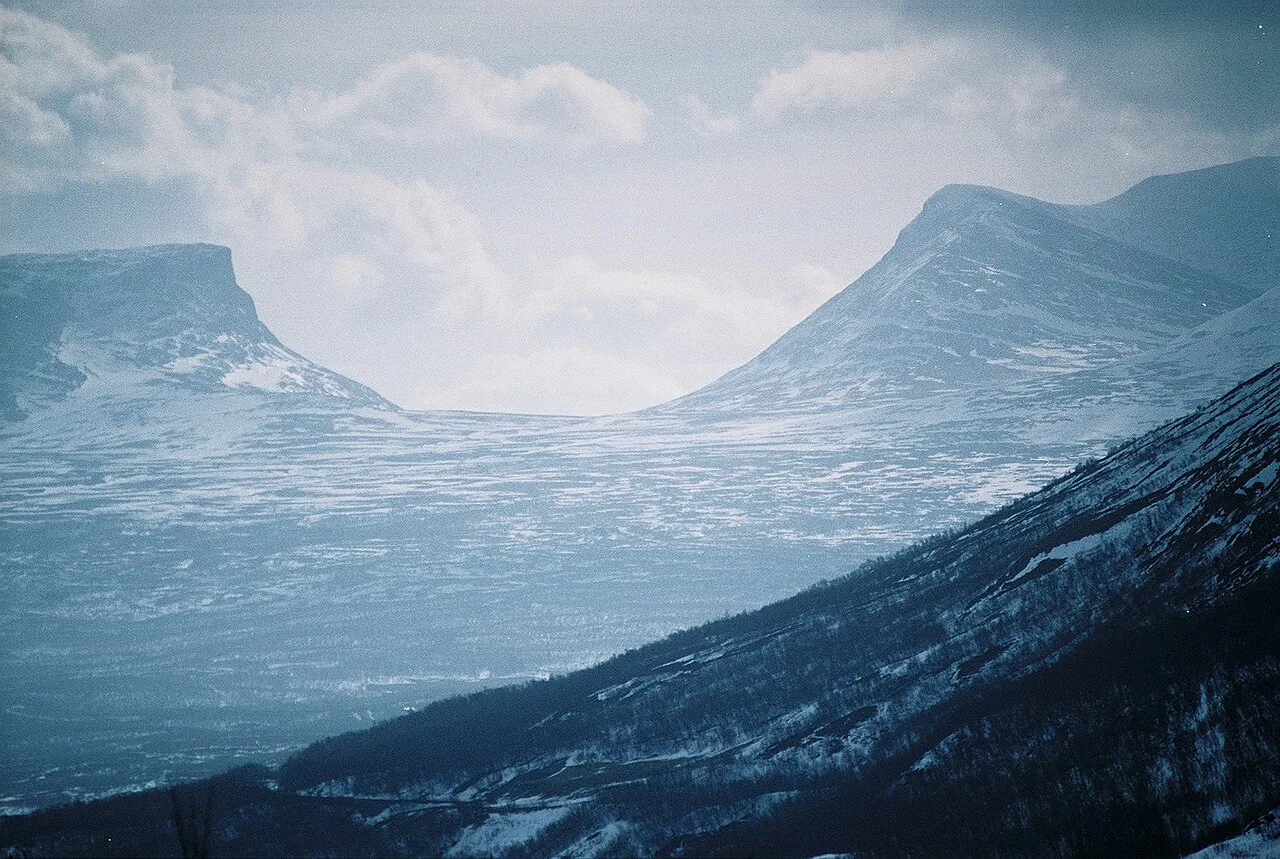
The heart of the watching area is around Abisko Turiststation and the trails that run from it into the valley. The park stretches toward Lake Torneträsk, and a short walk away from buildings and the E10 is usually enough to leave the worst of the light behind. The E10 runs along the lake and through the village, so direct your walk away from the road rather than along it.
Higher up, the Aurora Sky Station on Mount Nuolja gives a view across the valley and the lake, reached by chairlift in the aurora season. It is the option for a dedicated night out rather than a quick step from your cabin, and it suits a night when the sky is already showing promise. Weigh the greater elevation against the time spent getting up and down, and keep a flexible evening in your plan for it.
Self-guided watching versus a guided night tour
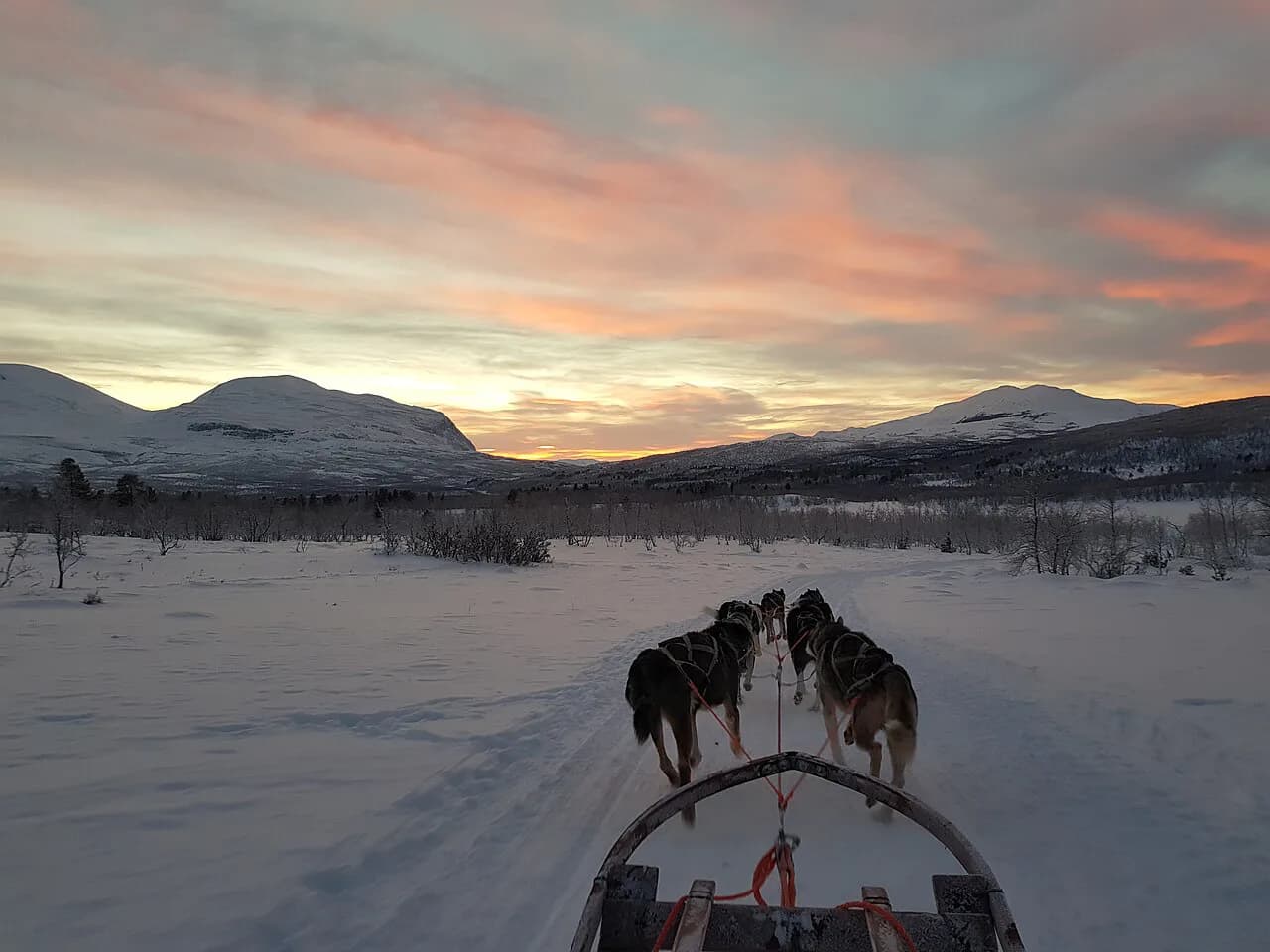
On a clear night, self-guided watching from the park trails costs nothing beyond your boots and a torch, and it lets you move when a cloud bank shifts. On a cloudy night, a guided tour is where the value sits: Lights Over Lapland operates exclusively in the national park and builds its aurora trips around that valley microclimate. Their autumn trips are pitched at travellers who want the lights above open water, and their winter programme adds dogsledding, snowmobiling and sleigh rides once snow accumulates in December.
Ask Lights over Lapland or your chosen activity provider directly which activities are running during your October dates, since sledging and snowmobile trips depend on snow that typically arrives later in the season. Book the aurora night early in your stay so a cloudy evening can be swapped for another attempt. Self-guided evenings and one or two guided nights make a sensible combination for most travellers.
Sleeping in the park and in the village
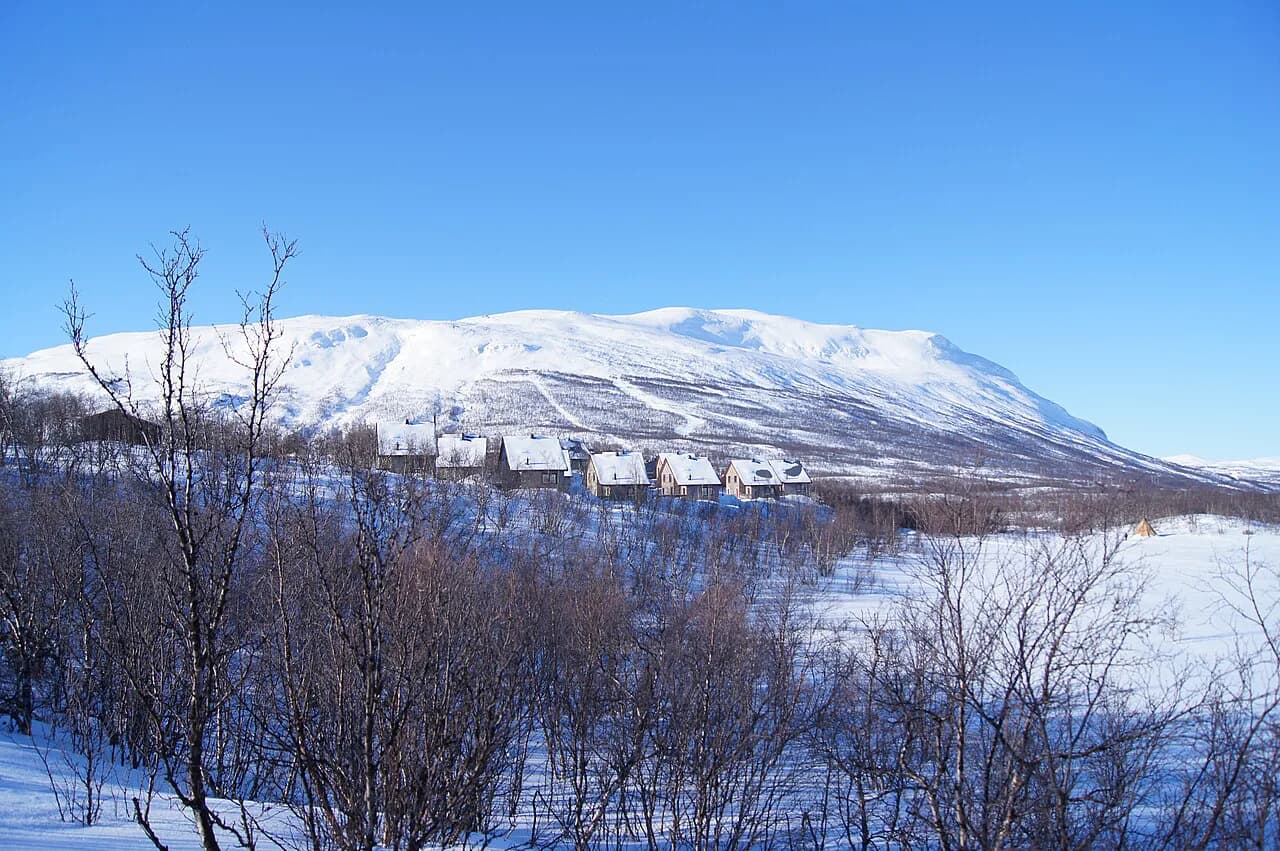
Abisko Turiststation is the classic base, sitting inside the park at the start of the trail network and a short walk from open water and dark sky. Village lodges along the E10 put you nearer the road and the station, with varying amounts of walk to genuine darkness. The choice matters in October, when you may be heading out late and returning after midnight in damp, cold weather; a shorter walk is worth real money on a bad night.
Look at the layout on a map before booking: a cabin at the edge of the built-up area gives easier dark-sky access than a room beside the road. Ask whether the property lies inside the park boundary or in the village, and how the walk to open ground looks after dark.
Crowds, comfort and cost in October
Autumn is the quieter half of the season, and October brings fewer travellers than February and March. Lights Over Lapland frames an autumn visit as a way to see the park before most other tourists arrive. Fewer people on the trails means more space at the lakeside viewpoints, and the milder nights make a long watch less punishing than midwinter.
Operators publish their October departure dates and rates on their own booking pages, and accommodation prices in the park vary by property and date, so compare directly rather than relying on a single figure. Off-season demand works in your favour, but the trade-off is fewer departures of activities that need snow.
How many nights to plan in October
Give October at least three or four nights, and make the aurora nights early in the stay so a cloudy evening can be followed by another attempt. Lights Over Lapland sells four-night customisable aurora adventures, which reflects how operators expect weather to interrupt at least one night. Treat every night as a separate chance and never as a guaranteed one.
Combining Abisko with Kiruna or a longer October trip
Kiruna is the regional hub for arrivals and for operators running activities in the area, and Lights Over Lapland lists activities in Kiruna alongside its Abisko programme. Use it for a night either side of the park or for a day of alternative activities if October rain sets in. Beyond aurora hours, autumn walks in the park and along the lake fill daylight easily, and the full guide to the Abisko national park covers which trails work before the snow.
Plan Your October Trip
October gives Abisko its warmest aurora nights, open water beneath the lights and a quieter park than late winter delivers. Base inside or at the edge of the national park, plan three or four nights, and keep one guided night available for when cloud sits over the valley. Confirm current departure dates and rates with Lights over Lapland when you book.
Frequently Asked Questions
Can you see the northern lights in Abisko in October?
October falls inside the aurora season that Lights Over Lapland runs from October to March. Clear skies and solar activity both have to come together, so treat any night as a chance rather than a certainty, and plan several nights to improve your odds.
Is there snow in Abisko in October?
October is the warmest stretch of the aurora season in the park; snow usually begins to accumulate in December. Expect an autumnal landscape with open rivers and lakes. Check with operators whether snow-dependent activities run during your dates.
Is October better than February or March for aurora in Abisko?
October offers warmer nights, open water for reflections and fewer visitors, and it sits around the equinox period of higher solar activity. February and March bring deep snow, longer daylight and more winter activities. Choose October for comfort and reflections, late winter for the full Arctic scene.
How many nights should I stay in Abisko in October?
Allow three or four nights and schedule aurora attempts early in the stay so a cloudy evening can be replaced by another. Operators sell four-night customisable aurora adventures, which reflects how often weather interrupts a single night.
Where do you watch the aurora near Abisko Turiststation?
Walk from the station into the park, away from the E10 and the village lights, toward Lake Torneträsk. For a higher view, the Aurora Sky Station on Mount Nuolja gives a wide outlook over the valley and lake.
Do I need a guided tour to see the aurora in Abisko?
No, but a guided night adds value when cloud is moving, since local operators work the valley and its microclimate. Combine self-guided evenings on clear nights with one booked aurora trip early in your stay.
Sources
Notes for your Arctic winter trip
Optional updates to our northern lights guides.
You might also like
Continue reading
More guides you'll find useful