Abisko in September: Your Guide to Aurora Season
Abisko in September opens the aurora season, with darkening nights over the national park and guided chases into the surrounding mountains.
On this page
September in Abisko suits travelers who want the northern lights without full winter: nights darken over the national park, guided chases head into the surrounding mountains, and daylight still leaves room for hiking. It is the opening of the aurora season rather than the snow season, so you are booking an autumn trip with dark evenings, not a deep-winter one.
Why September suits Abisko
Abisko's aurora season runs from September to early April, so a September visit falls at the very start of the dark-night window. The area draws aurora travelers through that whole stretch, and early season means you are chasing the lights in autumn conditions rather than mid-winter cold.
The trade-off is that September is a shoulder month: you gain milder weather and usable daylight, but you give up the deep snow and full winter activity menu that later months bring. If your priority is a broad winter activity trip, book later; if your priority is dark skies with flexibility, September works well. Aurora season in the region draws heavy visitor numbers across the months, so plan accommodation early.
How far north Abisko sits and why the aurora shows here
Abisko lies in Swedish Lapland, well north of the Arctic Circle, and the aurora oval sits overhead for much of the aurora season. That latitude is the main reason the lights appear here; the other half of the equation is darkness and clear sky, which September delivers in increasing measure as the month progresses.
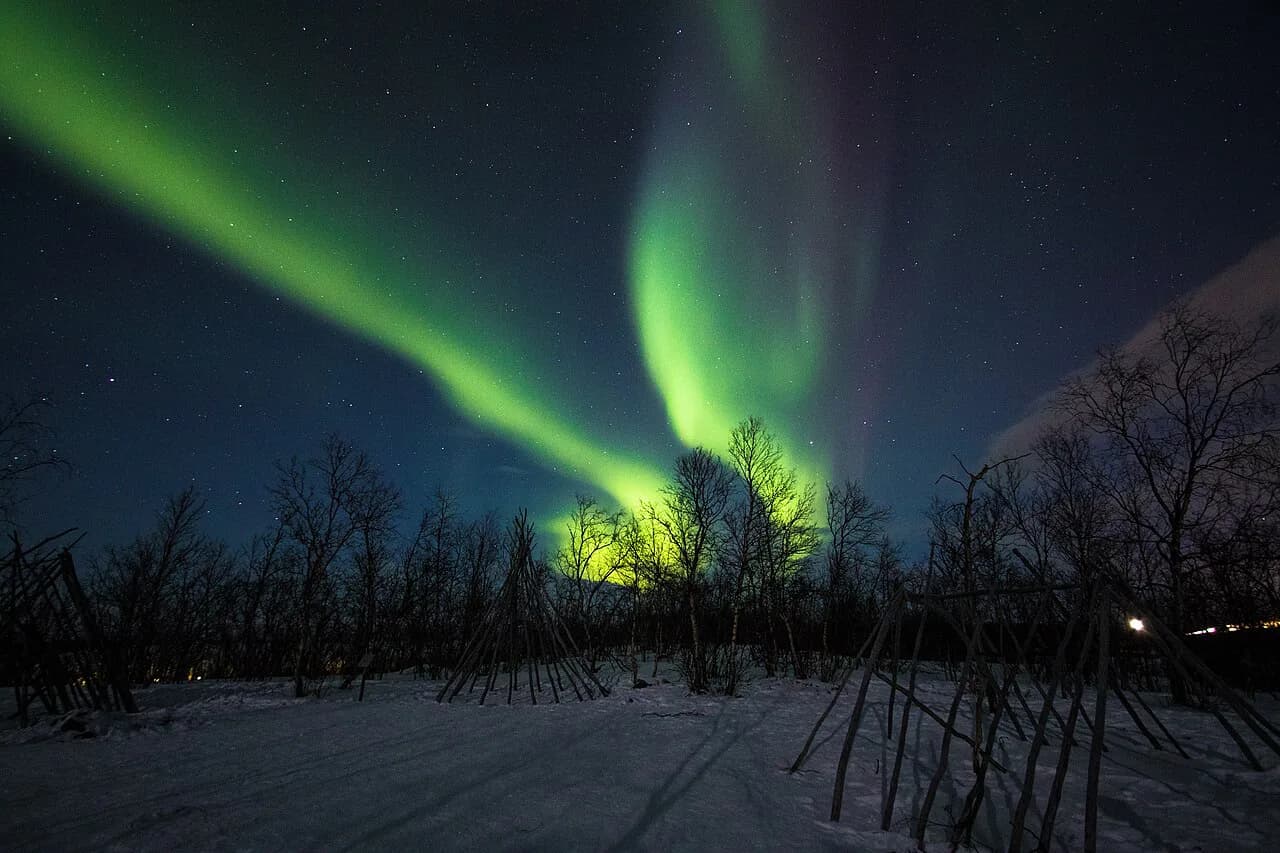
Sightings depend on solar activity and cloud cover, and no operator can promise them. What improves your odds is being outside the village lights and away from cloud, which is why local operators recommend trips into the wilderness where the skies are darker and the displays more vivid.
Daylight and darkness through September
September sits on the hinge between the long northern summer days and the polar night. As the month runs on, nights lengthen quickly, so a late-September visit gets substantially more dark sky than an early-September one. For aurora purposes, later in the month is the stronger bet.
Practically, this means you can still hike or explore in daylight and then head out for a chase after dark within the same day. Build your itinerary so the aurora attempt happens late, and keep at least one backup night free in case cloud covers your first attempt.
Autumn weather, snow and temperatures
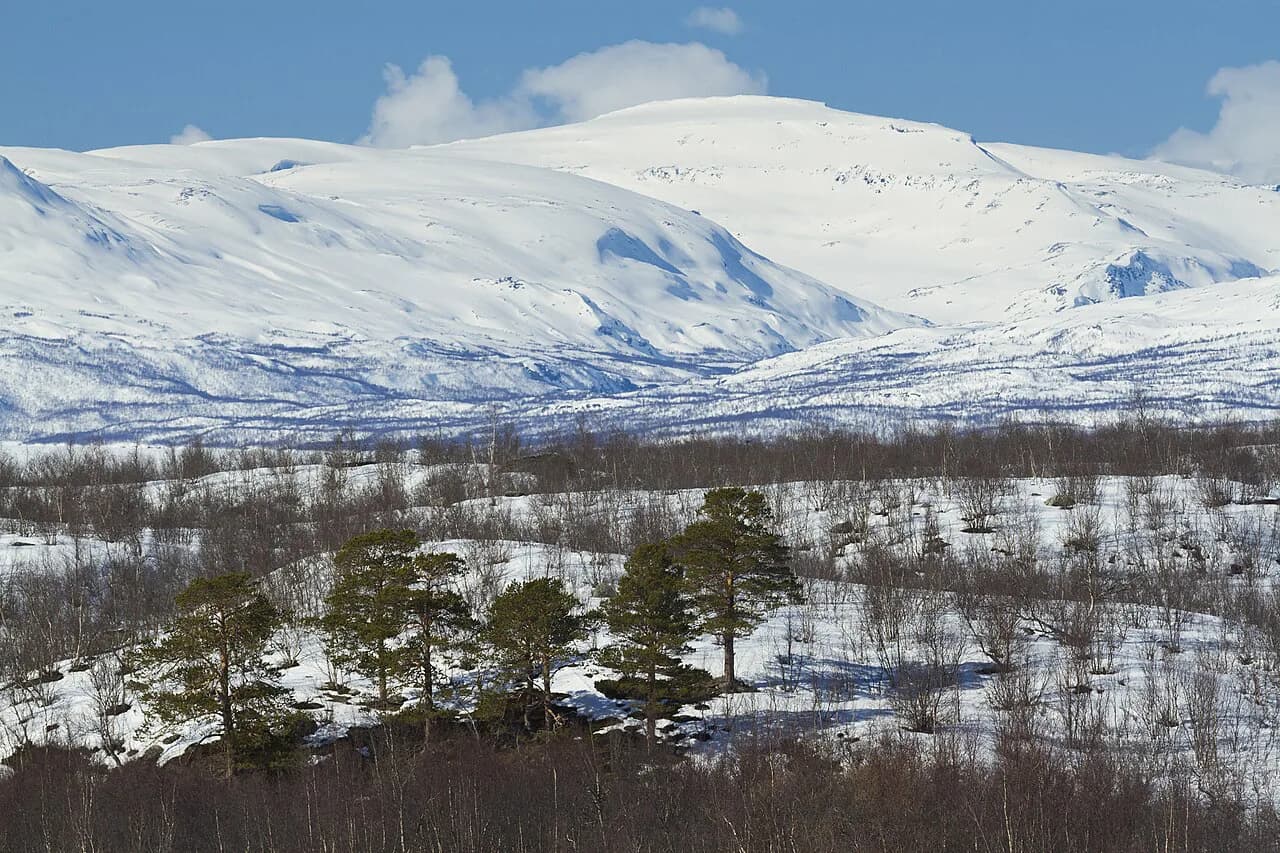
September is autumn in Abisko: expect cool, changeable conditions and the first snow possible on higher ground rather than a settled snowpack in the valley. Treat the month as a hiking-and-chasing season, not a snowmobile season in the usual sense, and plan flexible days around the weather.
Check the forecast on the morning of your aurora attempt, since cloud is the decisive variable and it changes quickly. A clear, cold night is what you want; a mild, overcast one is a night to keep in reserve.
Where to watch: the national park and the lake shore
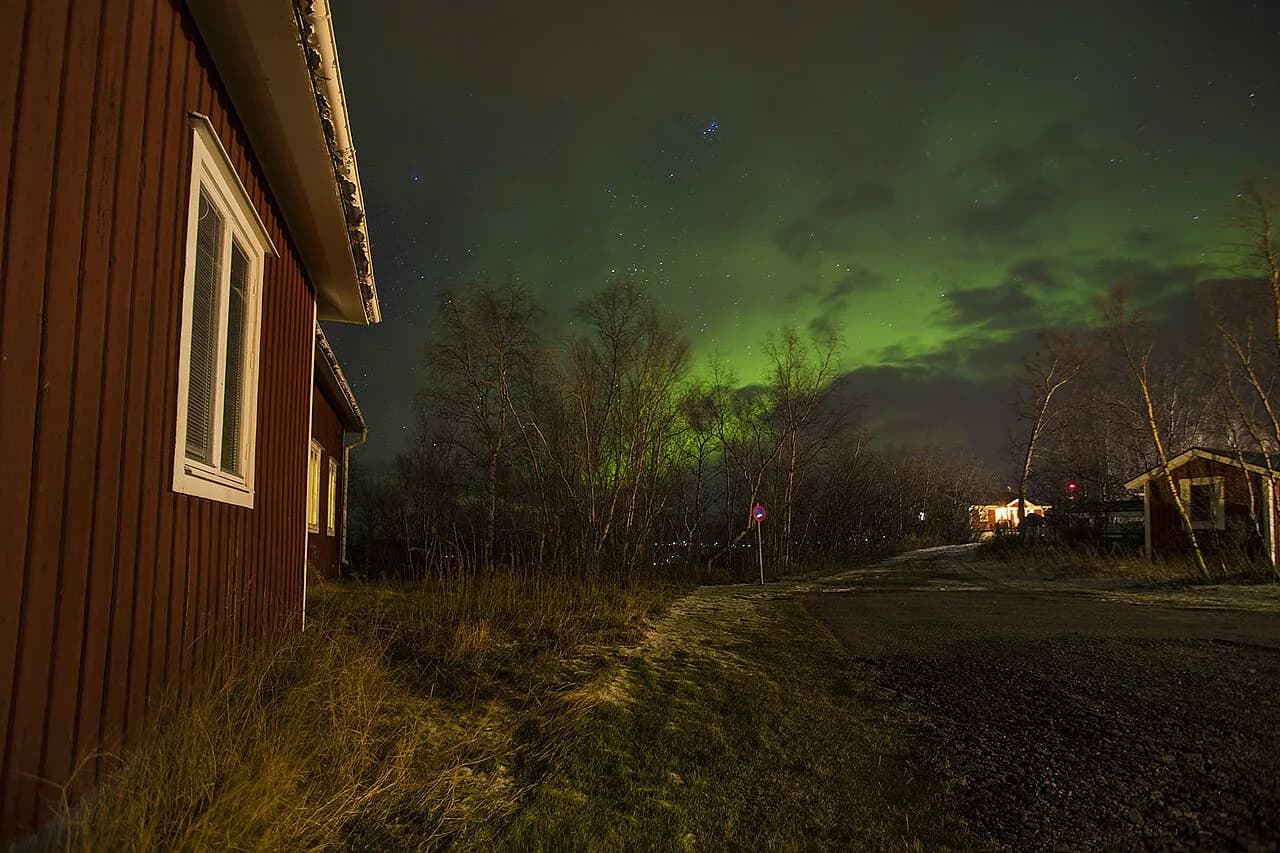
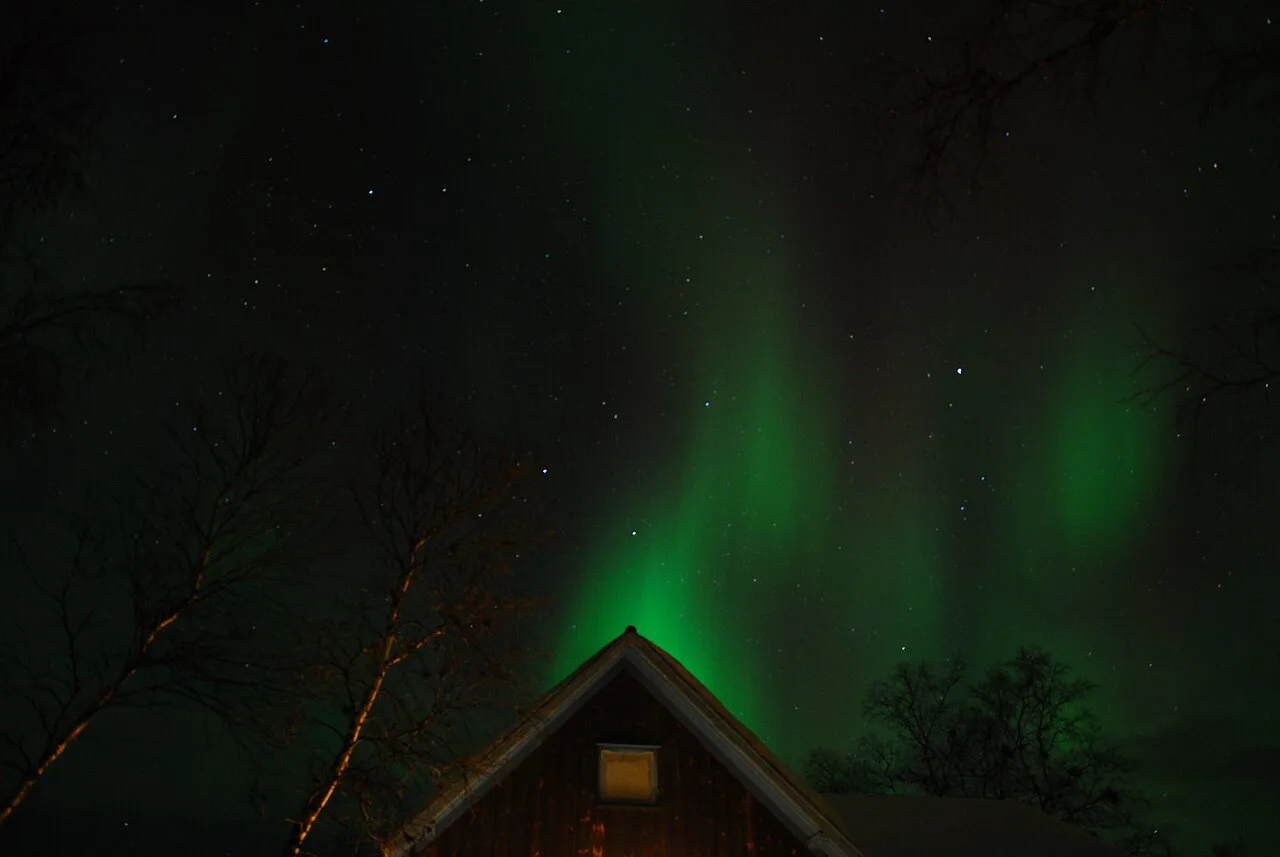
You can often see the aurora right outside your hotel in Abisko, which makes the village a convenient base. The Abisko National Park and the shore of Lake Torneträsk give you darker sky within easy reach, and walking a short distance from the buildings is usually enough to escape the worst of the light.
For a more vivid display, head into the wilderness with a guide, which is what local operators recommend. If you prefer to stay independent, pick a dark spot away from the village lights and give yourself time to let your eyes adjust.
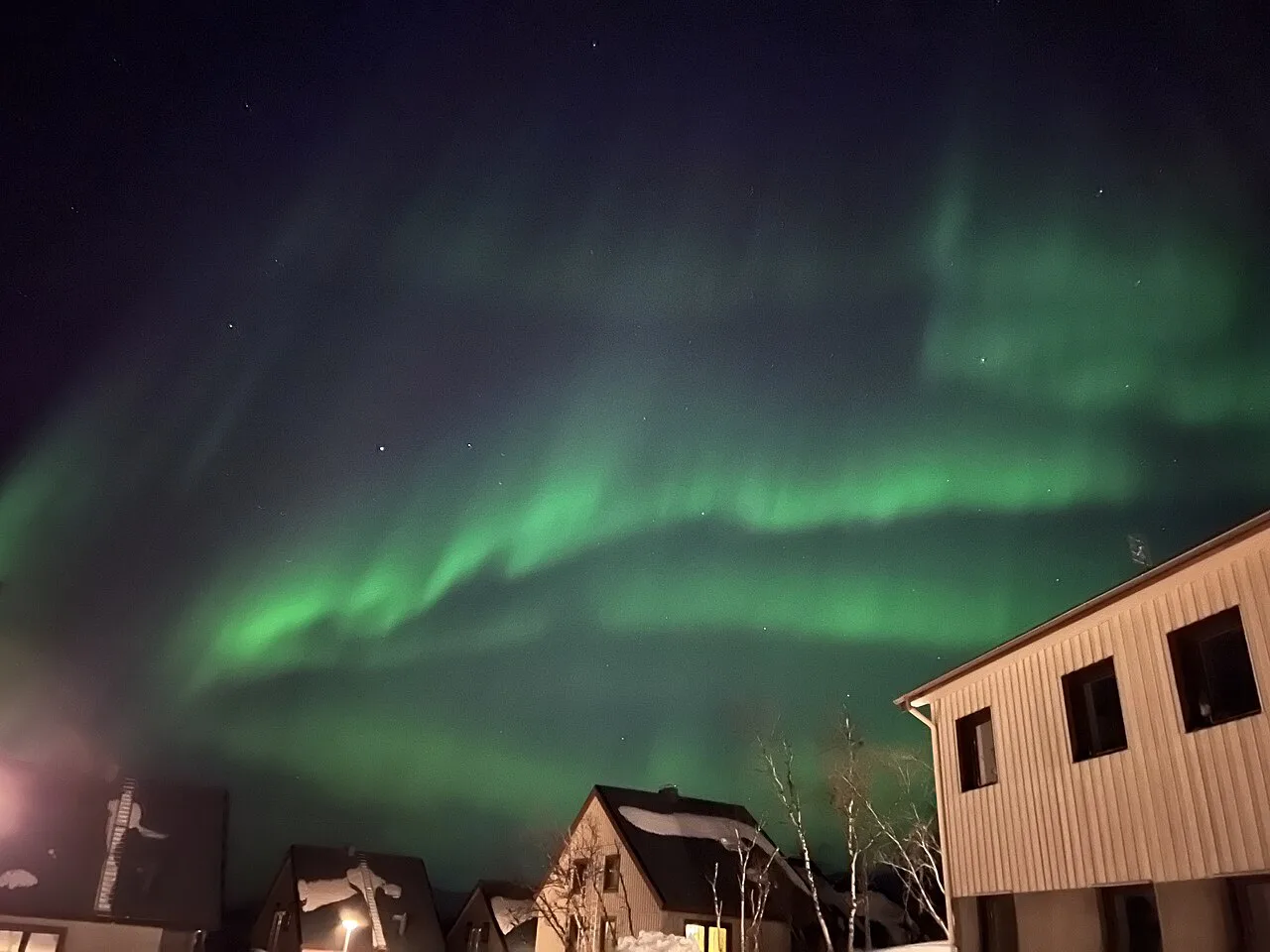
Self-guided watching versus a guided aurora chase
Self-guided watching in September is realistic because the nights are dark and the national park is close to the village. You control the timing, you can retreat indoors if cloud rolls in, and you keep costs down. The downside is that you carry the cloud-chasing decision yourself, without local knowledge of where the sky is clear.
A guided chase puts you in a vehicle with a driver who reads the forecast and moves you toward clearer sky, which is the main advantage over standing still. The trade-off is cost and a fixed schedule. If you have only two or three nights, a guided chase on one of them is a sensible use of your time.
Aurora tours and what operators run in early season
Lights Over Lapland runs several northern lights products from Abisko, including an Autumn Abisko Aurora Chase in a 4x4 vehicle and a separate Abisko Aurora Chase by bus. The bus format is the cheaper group option, while the 4x4 chase suits smaller groups wanting more mobility. Both are night tours, so book them for your first clear evening.
Lights Over Lapland tours: durations, group style and prices
The Autumn Abisko Aurora Chase starts from SEK 1095 and lasts four hours, while the bus-based Abisko Aurora Chase starts from SEK 995 and runs three hours. If photography is the point, The Ultimate Aurora Photo Adventure starts from SEK 1595 over four hours and is built around capturing the lights. Compare these on duration and format rather than price alone.
For privacy, the Private Aurora Tour starts from SEK 12995 over three hours and is booked as a fully private trip. At the other end, the Aurora snowmobile sled tour starts from SEK 995 and lasts two hours, a shorter, seat-based way into the dark. Check current availability and starting prices on the Visit Abisko booking page before you commit.
Hiking, wildlife spotting and snowmobile sled safaris that fit September
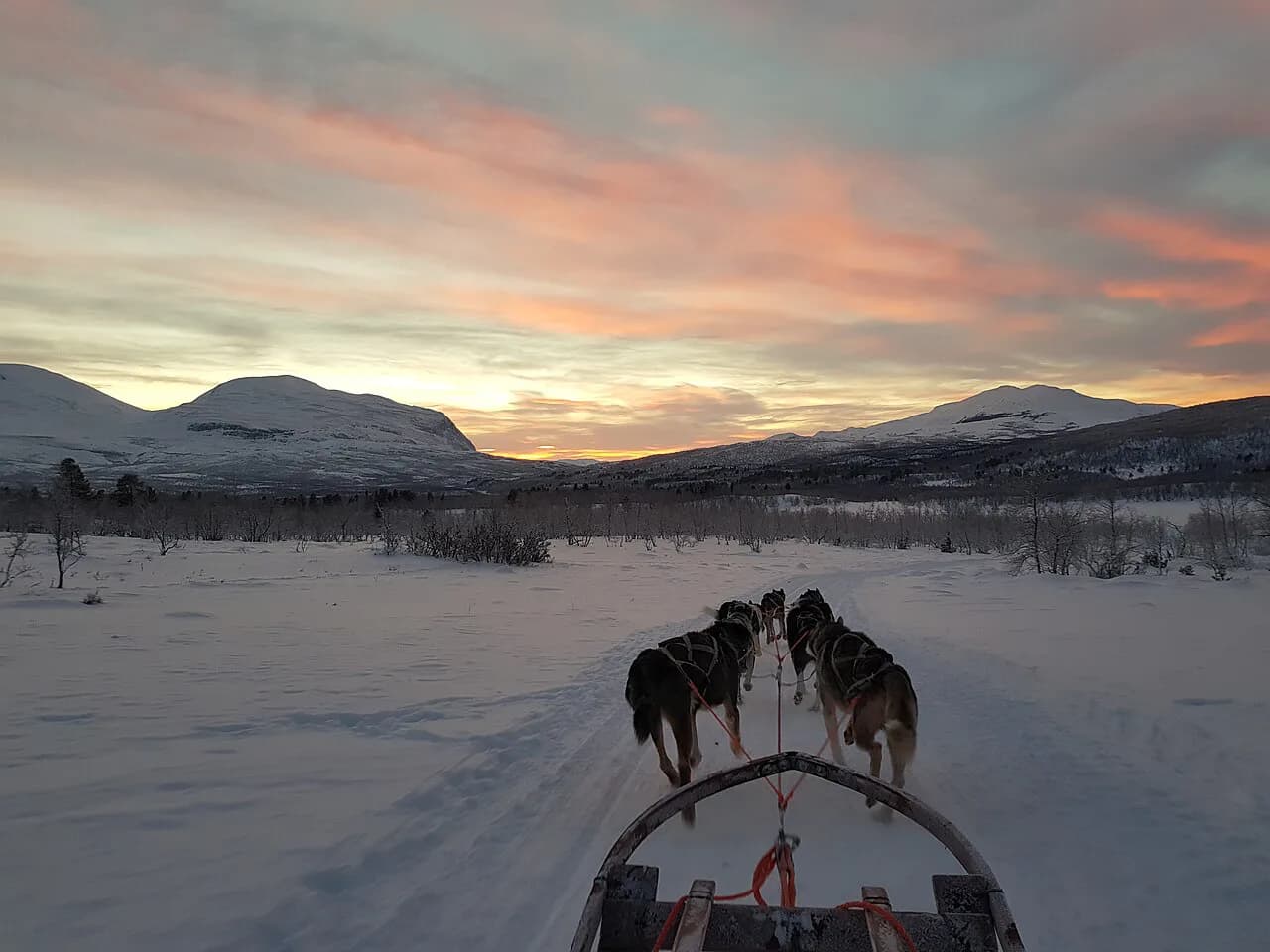
September weather suits hiking and nature watching better than deep-winter activities. The Arctic Nature & Wildlife Spotting Tour starts from SEK 850 and runs two hours by snowmobile sled, a short outing that can be slotted in alongside an evening chase rather than filling the day with winter sports that need settled snow.
Use your daylight for walks in and around the national park, then keep the evening free for the aurora. The short daylight of late September still leaves enough time for a half-day outing before dark.
Kiruna, Björkliden and Icehotel as add-ons
An Abisko base puts you within reach of Kiruna, Björkliden and the Icehotel for a day trip or a second base. These add variety to a September stay, but each one costs you an aurora night in Abisko, so treat them as extensions rather than the core of the trip.
Crowds, costs and booking in early season
Abisko gets intense tourism from September to April, so accommodation and popular tours fill for the aurora season. Booking early matters most for the private and photo tours, which have limited capacity. If your dates are flexible, a mid-week slot often opens more options than a weekend.
September sits outside the peak winter holiday period, which can make it easier to find space on short notice than later months. Budget for tours as the main variable cost, since their formats and durations differ significantly.
How many nights to plan for a fair chance of clear skies
Given cloud is the deciding factor, plan at least three nights in Abisko so one clear evening is likely. Five nights gives you more margin, especially in a changeable autumn month. Treat any single night as one attempt, and book a chase for more than one of them if the forecast is mixed.
Plan Your September Visit
September in Abisko gives you the start of the aurora season with autumn conditions: darkening nights, hiking daylight and a choice between self-guided watching in the national park and a guided chase into clearer sky. Book several nights, keep one or two flexible, and use Lights Over Lapland's tour durations and starting prices to match a chase to your budget.
Frequently Asked Questions
Can you see the northern lights in Abisko in September?
Yes, September falls at the start of Abisko's aurora season, which runs from September to early April. Sightings depend on solar activity and clear skies, so plan several nights and keep a flexible evening for a chase.
How dark are the nights in Abisko in September?
Nights lengthen quickly through September, so a late-September visit gets substantially more dark sky than an early-September one. Later in the month is the stronger bet for aurora watching.
Is Abisko in the Arctic Circle?
Yes, Abisko lies in Swedish Lapland, well north of the Arctic Circle. That latitude puts the aurora oval overhead for much of the season, while darkness and clear sky decide whether you actually see it.
Which month is best for Northern Lights in Sweden?
The season runs from September to early April, and September gives milder weather with darkening nights rather than deep winter. Later months bring more settled snow but colder conditions; choose based on whether you want autumn hiking or full winter activities.
How can I travel to Abisko, Sweden?
Most travelers reach Abisko via Kiruna, then continue by road or rail into the national park area. Connections and transfer options are listed on the official Visit Abisko site; check current details there before you travel.
Should I watch the aurora on my own or book a tour in September?
Self-guided watching works because the national park is close to the village and nights are dark. A guided chase moves you toward clearer sky, which matters if you only have a few nights.
Sources
Notes for your Arctic winter trip
Optional updates to our northern lights guides.
You might also like
Continue reading
More guides you'll find useful