Glass Igloos in Lapland and Iceland: How to Choose an Aurora Stay
Glass igloos put the night sky over your bed. Compare Finnish and Swedish Lapland and Iceland on latitude, season, comfort and how many nights to allow.
On this page
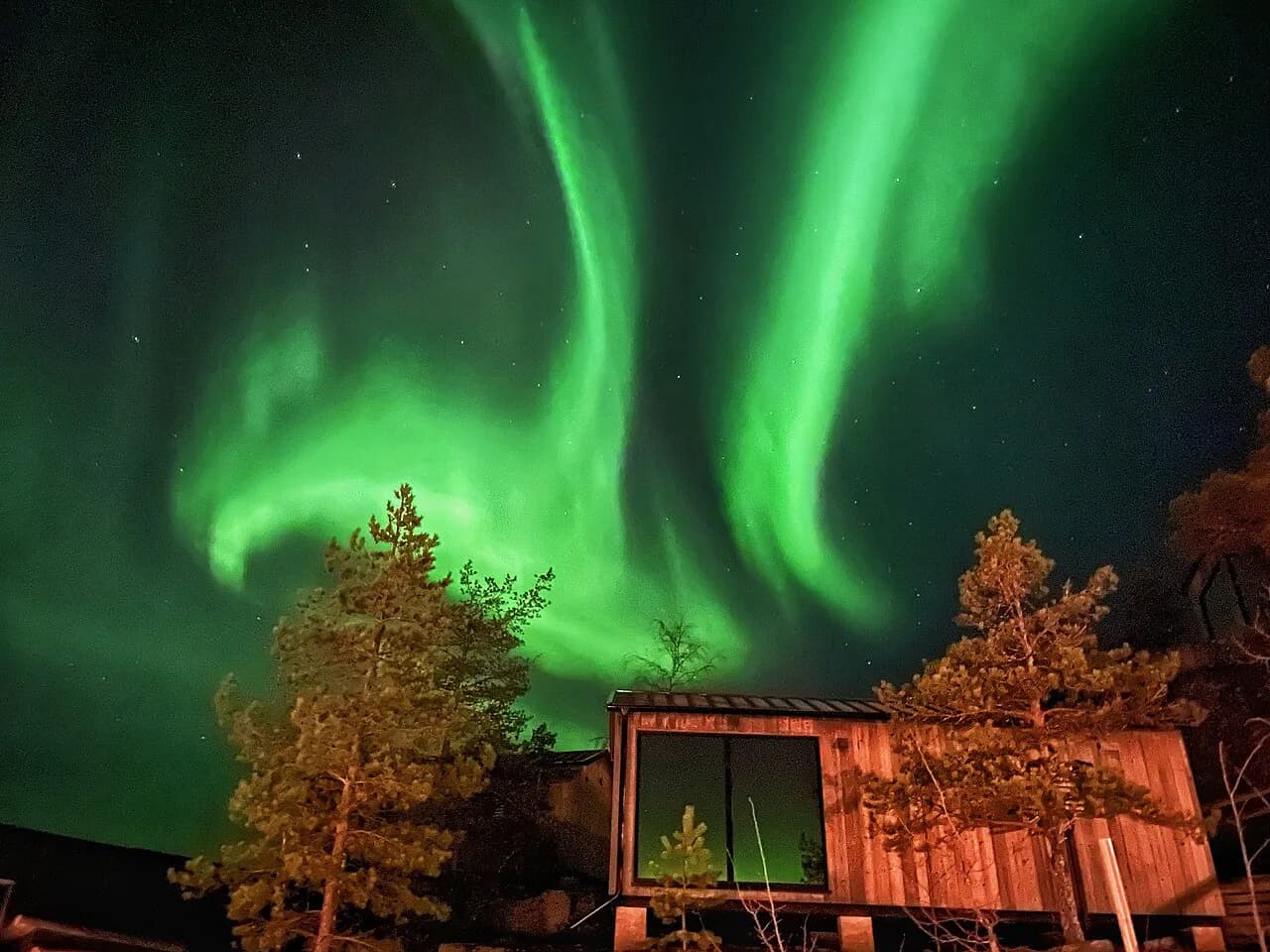
A glass igloo gives you a warm bed under a transparent dome, so the aurora can appear while you rest rather than while you stand in the snow. It suits travelers who want the night sky overhead without giving up a private bathroom, and it suits couples or small groups more than families who need space to move.
The accommodation is only one part of an aurora trip. Latitude decides how often the auroral oval sits overhead, the season decides how dark the nights are, and cloud cover decides whether you see anything at all, so choosing a glass igloo means weighing all three rather than booking the most photographed dome.
What a glass igloo actually is and who it suits
A modern glass igloo is a permanent, insulated cabin whose walls and ceiling are largely thermal glass, built to hold warmth in sub-zero air while keeping the view clear. Heated glass and adjustable beds are part of the design, and the best versions position the bed directly under the clearest part of the dome so you look up without straining.
That design suits travelers who value the view over square footage. A glass igloo is compact, the glass can feel exposed if privacy matters, and the experience is quiet rather than social, which is why many guests treat one or two nights in the dome as a highlight inside a longer stay in a conventional cabin or hotel.
How far north each destination sits and why the aurora shows there
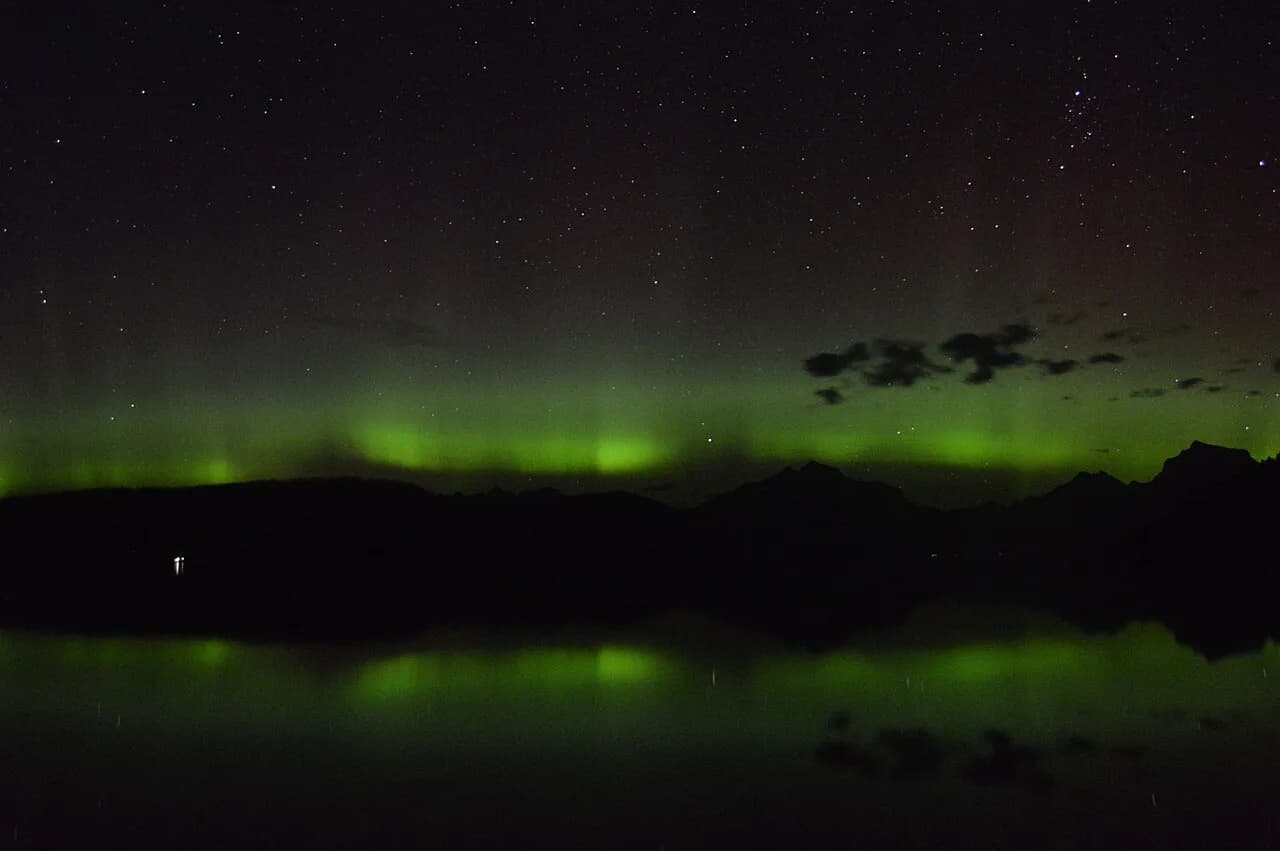
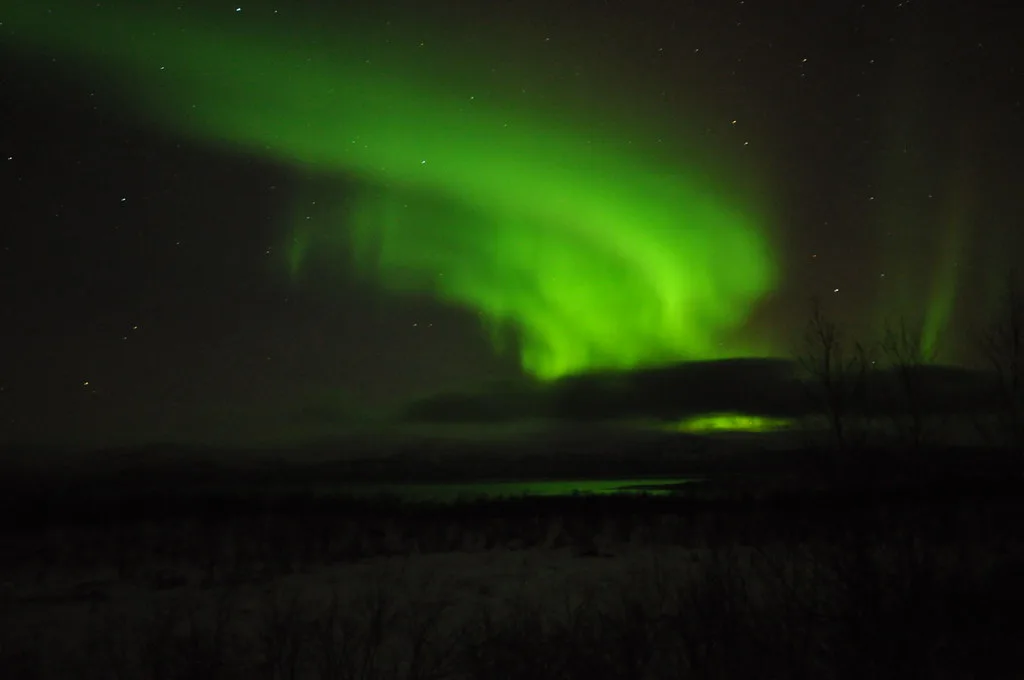
Aurora visibility depends on the auroral oval, the ring of frequent activity around the magnetic pole. Finnish Lapland sits at roughly 68 to 70 degrees north, squarely inside that ring, and the region's dark, sparsely populated wilderness keeps light pollution low, which is why the far north of Finland is one of the best places to see northern lights in Europe.
Swedish Lapland reaches similar latitudes around Abisko and Kiruna, and Iceland sits just below the Arctic Circle but close enough to the oval that strong displays reach it. The difference is not whether the aurora exists overhead but how often the sky is clear enough to see it, which is why the continental interior of Lapland generally offers more clear winter nights than Iceland's coastal weather.
When the aurora season runs and how dark the nights get
The aurora season in Finnish Lapland runs from late August to early April, when nights are dark enough for displays, and the equinox months of September and March often bring heightened geomagnetic activity. Aurora Queen Resort describes appearances possible on up to 200 nights a year in that window, which is a measure of opportunity rather than a promise for any given trip.
Within that season, displays are most often observed between about 10 pm and 2 am, so a glass igloo works best when you can sleep early and wake for a check rather than stay awake all night. Midwinter brings the longest darkness but also the shortest days, while September and March balance dark nights with usable daylight for other activities.
Finnish Lapland: Saariselkä and the far-north glass igloo resorts
Saariselkä is a compact resort village in far-northern Finnish Lapland, reached via Ivalo airport or by road from Rovaniemi, and it serves as a base for fell scenery, national-park trails and aurora nights. Aurora Queen Resort sits at Muotkantie 110 in Saariselkä and runs glass-ceiling igloos and a Panorama Sauna Suite, with the resort reachable by direct bus from the airport to its yard.
The igloos are positioned in a forest clearing that shields them from wind while keeping an open view of the northern sky, and each is fully equipped with its own bathroom. Inside, temperatures are kept around 21°C, and the resort offers an aurora alert service that notifies guests when a display begins so they can rest until it does.
If you want the dome as one element of a broader Lapland stay, the region's wider choice of aurora hotel rooms, cabins and saunas is worth comparing before you commit to a single property. That range matters because a glass igloo is a viewing room first and a full-service hotel second.
Swedish Lapland: forest cabins and sky-view rooms
Swedish Lapland around Abisko and Kiruna offers a comparable latitude to Finnish Lapland, with dark forest and fell landscapes and a continental climate that favors clear winter nights. Glass igloos are less established here than in Finland, and many travelers pair a sky-view room or cabin with a night at an ice hotel for a different kind of Arctic sleep.
The Torne River valley near Jukkasjärvi is the classic setting for ice accommodation, and staying there alongside a glass-roofed night gives you two very different ways to experience the same dark sky. Check what each property actually offers, since a glass-roofed room and a fully transparent dome are not the same thing.
Iceland: glass domes and lodges beyond the capital
Iceland sits just south of the Arctic Circle, and strong auroral activity frequently reaches its skies in winter. A third-party round-up of glass igloo options in Iceland lists transparent domes, glass lodges and semi-transparent canvas tents, so the category there covers a much wider range of structures than the insulated glass cabins of Lapland.
Iceland's coastal climate is the trade-off. Cloud cover is more changeable than in the Lapland interior, so a glass dome there rewards flexibility: plan several nights and be ready to move if the forecast shifts. The capital is not the aurora base; look for properties in the countryside away from Reykjavík's light.
Comfort trade-offs: heat, condensation, glare and privacy
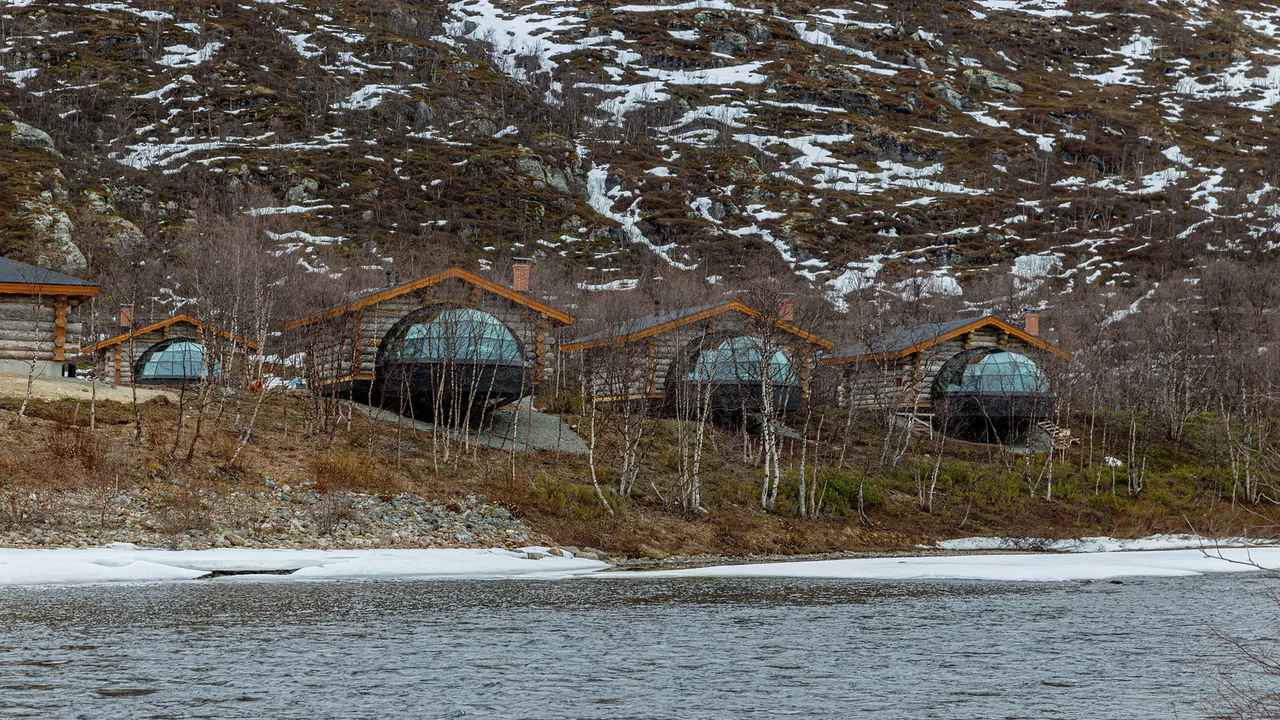
Glass is a poor insulator compared with a solid wall, which is why good igloos use multi-layered thermal glass, underfloor heating and invisible heating elements in the panes to stop frost and condensation. Even so, expect a cooler feel near the glass and warmer air lower down, and choose a property that specifies heated glass if you plan to stay up watching.
Interior light is the other trade-off. Any lamp left on reflects in the glass and hides faint aurora, so igloos that offer dimmable or amber lighting with controls beside the bed make a real difference. Privacy cuts both ways too: a transparent dome is exposed, and forest-clearing sites balance seclusion against easy access to the main building.
Bathrooms, beds and what is inside a glass igloo
The common worry about glass igloos is the bathroom, and at established Finnish properties the answer is yes: Aurora Queen Resort states that each of its igloos has its own bathroom. Beds are central and often adjustable so you can lie back and look straight up through the dome.
Beyond the dome, check what the resort provides for meals and warmth. Aurora Queen Resort runs a restaurant with daily lunch and vegetarian, gluten-free and vegan options, plus a sauna, fitness room and lounge bar, so a night in the igloo can sit inside a fuller stay.
Aurora alerts, wake-up services and viewing from bed
The pleasure of a glass igloo is that you do not have to stand outside to catch a display, but most nights are not aurora nights, so a wake-up service turns the dome into a practical tool. Aurora Queen Resort offers aurora alerts that notify guests when displays begin so they can rest until then.
Pair the alert with your own forecast check in the evening. The Kp index is guidance only and tells you about geomagnetic activity, not cloud, so a high number under overcast skies means nothing. Use it to decide whether to set an alarm, then watch the sky rather than the screen.
Dark-sky spots near each base for nights away from the igloo
Even with an igloo, it is worth having a backup viewing spot for nights when clouds sit over the resort. Around Saariselkä, the fells and national-park trails outside the village offer dark sky within a short drive or walk, and Metsähallitus, the Finnish parks authority, publishes trail and access details for the area.
In Swedish Lapland, the area around Abisko is known for relatively clear skies and dark surroundings, while in Iceland you want to leave town lights behind and find a rural spot with an open northern horizon. Our northern lights in Abisko guide covers that specific valley in more depth. The principle is the same everywhere: away from buildings, away from vehicle lights, and with a view to the north.
Self-guided chasing versus a guided aurora tour
Self-guided chasing works well if you have a car, can read a cloud forecast and are comfortable driving on winter roads. It gives you the freedom to move when the sky clears, but it also means you carry the risk of a wrong turn on an icy night, so road-authority advice on conditions matters.
A guided tour removes that burden and often includes transport and thermal suits, and resorts build aurora hunting into their activity menus. Aurora Queen Resort lists an aurora hunting by minivan activity alongside husky, reindeer and snowmobile tours, which lets you combine a dome night with a guided chase.
Husky, reindeer and snowmobile safaris from igloo resorts
A glass igloo stay is often built around daytime activities that fill the short daylight hours. Aurora Queen Resort lists husky safaris, reindeer safaris, snowmobile tours, snowshoe hikes, ice fishing, horseback riding and ice karting, so you can shape a multi-day stay around the snow rather than spend every hour waiting for night.
Operators typically lend thermal suits and boots for safaris, so you do not need to buy expedition gear for a single outing. Ask what each safari includes when you book, since transport, clothing and hot drinks are not always bundled into the listed activity.
How many nights to allow for a fair chance of clear skies
Three nights is a reasonable minimum for a fair chance of clear skies, and four or five is better if the aurora is the main reason for the trip. Cloud is the variable you cannot control, so extra nights are effectively extra draws in the lottery.
Do not put all of your nights in the glass igloo. One or two dome nights give you the experience, and the rest of the stay in a conventional room or cabin leaves budget and flexibility to chase clear sky elsewhere if the forecast turns.
Cost versus comfort: what you pay for in glass
You are paying for the view, the heated glass and the engineering that keeps a transparent room warm in Arctic winter. That premium buys a memorable one-off night rather than a cheaper bed, so it makes sense to book the dome for the nights you most want the sky overhead and spend the rest of the trip more simply.
Prices vary by property and season, and each hotel's own booking page is the place to see current rates and availability. Compare what is included as well as the nightly rate, since breakfast, sauna access and airport transfers can change the real cost of a stay.
Which destination fits your trip
For the classic glass igloo and the strongest odds of a clear continental night, Finnish Lapland around Saariselkä is the straightforward choice, with established resorts, airport transfers and a full activity menu. Swedish Lapland suits travelers who want to pair a sky-view night with an ice hotel, and Iceland suits those who want a wider road trip and can accept more changeable cloud.
Whichever you choose, treat the glass igloo as one night's experience within a longer aurora trip. The best places to see northern lights are the dark, high-latitude ones, and a dome simply lets you enjoy them from bed when the sky cooperates.
Plan Your Visit
Start with the sky, not the photograph. Decide how many nights you can give the aurora, pick a high-latitude base with a reasonable record of clear winter weather, and then choose the glass igloo for one or two of those nights.
Book the dome, set an aurora alert and keep a backup plan for cloudy nights. That combination gives you the best chance the Arctic can offer, without anyone promising you a display.
Frequently Asked Questions
Do the glass igloos in Finland have bathrooms?
At established Finnish properties they do. Aurora Queen Resort in Saariselkä states that each of its igloos is fully equipped with its own bathroom, and the igloos also hold interior temperatures around 21°C.
Can you stay in an igloo in Iceland?
Yes, though the options range from transparent domes to glass lodges and semi-transparent tents rather than the insulated glass cabins of Lapland. Iceland's coastal cloud makes several nights and some flexibility more important than the specific structure.
When is the aurora season in Lapland?
Late August to early April, when nights are dark enough for displays. September and March often bring heightened geomagnetic activity, and displays are most often observed between about 10 pm and 2 am.
How many nights do you need for a chance of seeing the northern lights?
Three nights is a reasonable minimum, and four or five is better if the aurora is the main purpose of the trip. Cloud is the variable you cannot control, so extra nights improve your odds without guaranteeing anything.
Sources
Notes for your Arctic winter trip
Optional updates to our northern lights guides.
You might also like
Continue reading
More guides you'll find useful