Ice Hotels in Europe: Compare Lapland, Finland and Iceland
Compare ice hotels in Swedish Lapland and Finland, see what a night at -5°C is really like, and learn how an ice stay fits into an aurora trip.
On this page
A night in an ice hotel is one of the few winter experiences in Arctic Europe that people remember for decades: a room carved from river ice, a sleeping bag rated for deep cold, and total silence once the lights go out. It suits travelers who want one unusual night as the centrepiece of a Lapland trip, not those looking for a cozy base for a week.
The European options cluster in the far north, close to the aurora zone, which is why an ice stay so often gets bolted onto a northern lights itinerary. Understanding what the cold actually feels like, how the season runs and how the stay fits around chasing clear skies is what separates a good booking from an uncomfortable one.
What a night in an ice hotel actually involves
An ice hotel is rebuilt each winter from snow and ice, so the building itself is temporary art rather than permanent architecture. At the Swedish original in Jukkasjärvi, ice is borrowed from the Torne River and returned when the structure melts in spring, which is why every season looks different.
The typical rhythm is a night in a cold room followed by a warm one: you sleep in the ice section, then retreat to heated cabins or buildings for showers, breakfast and the rest of your stay. That structure matters when you plan, because the cold night is usually a single experience inside a longer, warmer trip.
Ice hotels also work as day-visit attractions, with ice bars, galleries and sculpture rooms that non-guests can tour. If you are unsure about sleeping cold, a daytime visit plus a heated room nearby gives you the spectacle without the discomfort.
Why Sweden's Icehotel at Jukkasjärvi is the original
The village of Jukkasjärvi, about 17 kilometres east of Kiruna, holds the original ICEHOTEL, first created in 1989 and reincarnated in a new design every winter since. The idea grew out of an ice-sculpting workshop and a small igloo on the frozen river, and it has become the reference point for every other ice hotel in Europe.
The winter hotel is seasonal, but ICEHOTEL 365 stays open year-round with 20 Art Suites, an ice bar and an ice gallery built from Torne River ice. In summer the space is kept cold with the help of solar panels that harvest the near-constant daylight above the Arctic Circle, which is an unusual engineering trick worth knowing if you travel outside winter.
Each winter the site uses roughly 1,000 tonnes of ice and about 3,000 cubic metres of snow-ice mix across around 65 rooms, built by a crew of about 100 people. Those numbers explain why the hotel feels like a small constructed village rather than a single building.
Inside temperature and the sleeping setup
The interior of the ice rooms holds steady around minus 5°C, even when the outside air in Jukkasjärvi drops far lower, so the cold you sleep in is controlled rather than brutal. Beds sit on regular mattresses covered with insulating reindeer skins, and staff supply expedition sleeping bags rated for temperatures as low as minus 25°C, which leaves plenty of margin.
Snow on the walls absorbs sound, so the rooms are unusually quiet and dark once the headboard lights go off, a contrast to most hotel nights. Guests who have slept there describe the experience as something to try once rather than a substitute for a warm bed.
Some operators set aside part of the cold section for overnight guests only, which is why booking the night rather than touring the rooms gives you the quiet version of the experience. If sleeping cold worries you, ask how the warm backup facilities work before you commit.
When the ice hotel season runs and how the ice is harvested
The winter ICEHOTEL is typically open from early December through April, then melts back into the river as spring arrives. Exact opening and closing days shift each year with the weather, so treat December to April as the working window and confirm dates when you book.
The ice itself is cut from the Torne River between mid-March and mid-April, when it reaches roughly 80 centimetres thick and is clear enough to sculpt. Blocks are stored at around minus 5°C through the summer so the next winter's hotel has material ready.
That harvesting timetable means a late-winter visit often coincides with the ice-cutting period, while an early-season visit sees a freshly built hotel with the year's new art suites. Both are valid reasons to pick your dates deliberately rather than by price alone.
Getting to Jukkasjärvi from Kiruna
Kiruna is the gateway, reachable by flight from Stockholm Arlanda with SAS or Norwegian, or by overnight train from Stockholm with SJ. From Kiruna, buses run to Jukkasjärvi and hotels can arrange transfers, though the last stretch is short enough that many travelers simply book a pickup.
Allow a buffer on arrival day if you are flying in winter, because snow and short daylight can affect transfers to the village. Staying at least one warm night before your ice night makes the cold sleep far more enjoyable.
Art Suites, the Ice Church and weddings
Each winter selected artists create the Art Suites and a new ice ceremony hall, and the ice church is used for weddings before it melts in spring. Around 80 couples marry at ICEHOTEL each year, and another 35 Art Suites are created each winter for wedding couples and guests wanting a night on ice.
Art Suites differ from standard cold rooms in that the decoration is the point: you are sleeping inside a commissioned installation that will not exist next year. That scarcity is what you pay for, so decide whether you want the art or simply the cold night before you compare prices.
Ice bars, restaurants and the Verandan dining room
Inside the hotel, Verandan is the fine-dining room, serving a 12-course menu built around regional Arctic ingredients with guests seated around a U-shaped bar facing the kitchen. It is a long, expensive evening by Lapland standards, so many travelers pair it with the ice stay as the trip's one big dinner.
The ice bar pours drinks into glasses carved from river ice, and most visits to the hotel include a stop there whether or not you sleep cold. Check restaurant and bar opening times for your dates when you book, since they follow the winter season.
Ice hotels and snow castles in Finnish Lapland
Finland's best-known snow-built stay is the Snow Castle in Kemi, constructed each winter from frozen seawater from the Bothnian Bay and rebuilt with a new design annually. The complex includes ice sculptures, a chapel and cold rooms, with the city centre roughly 500 metres away and a ski centre a short drive off.
Kemi sits on the Gulf of Bothnia, so its snow castle season depends on reliable sea ice, and the structure is temporary like its Swedish counterpart. It pairs naturally with a wider Finnish Lapland itinerary of husky safaris, reindeer farms and aurora chasing in the forests around Rovaniemi and beyond.
Iceland and the Arctic: where ice stays fit an aurora trip
Iceland offers glacier walks, ice caves and frozen lagoons rather than a classic overnight ice hotel, so travelers wanting to sleep on ice generally look to Swedish or Finnish Lapland. Iceland's strength is its mix of dark coastal skies, dramatic landscapes and easy access to Vatnajökull's ice caves on guided tours. If Iceland is your choice instead, our guide to the northern lights in Iceland covers when to go and where to watch.
If your priority is aurora photography, weigh the ice hotel night against a heated base with dark surroundings and flexible tour options. A night in a glass-roofed cabin or a remote hotel often gives better odds because you can get up repeatedly when the sky clears.
Aurora odds from an ice hotel
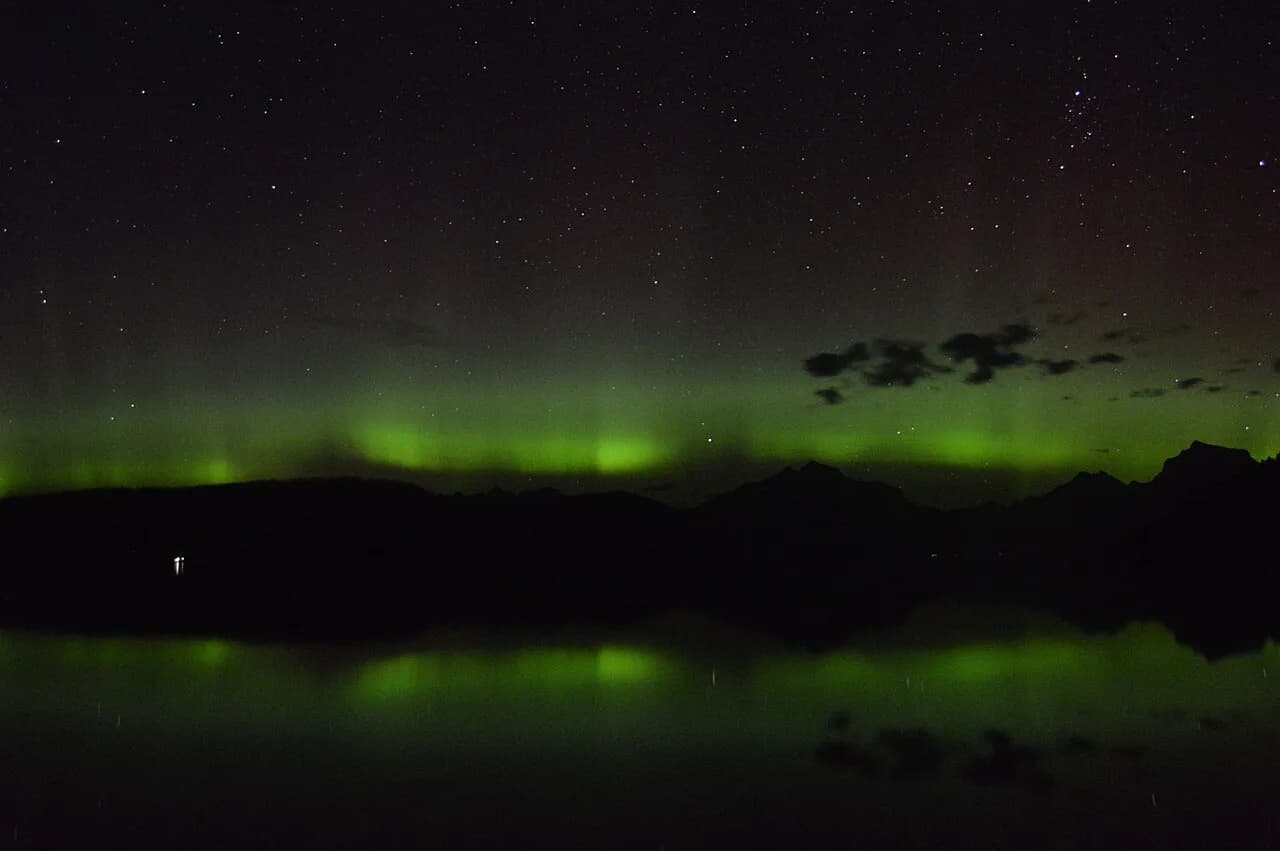
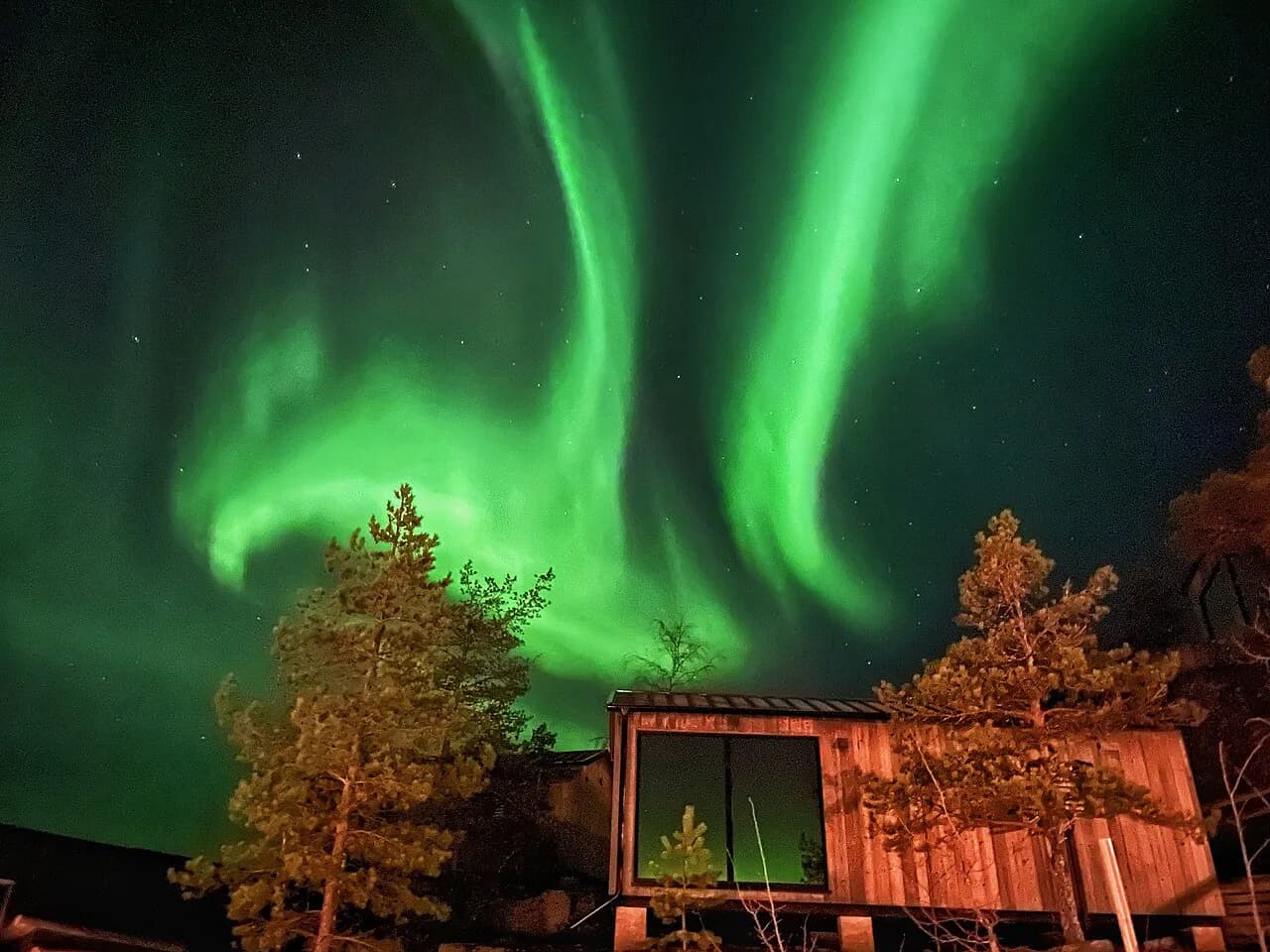
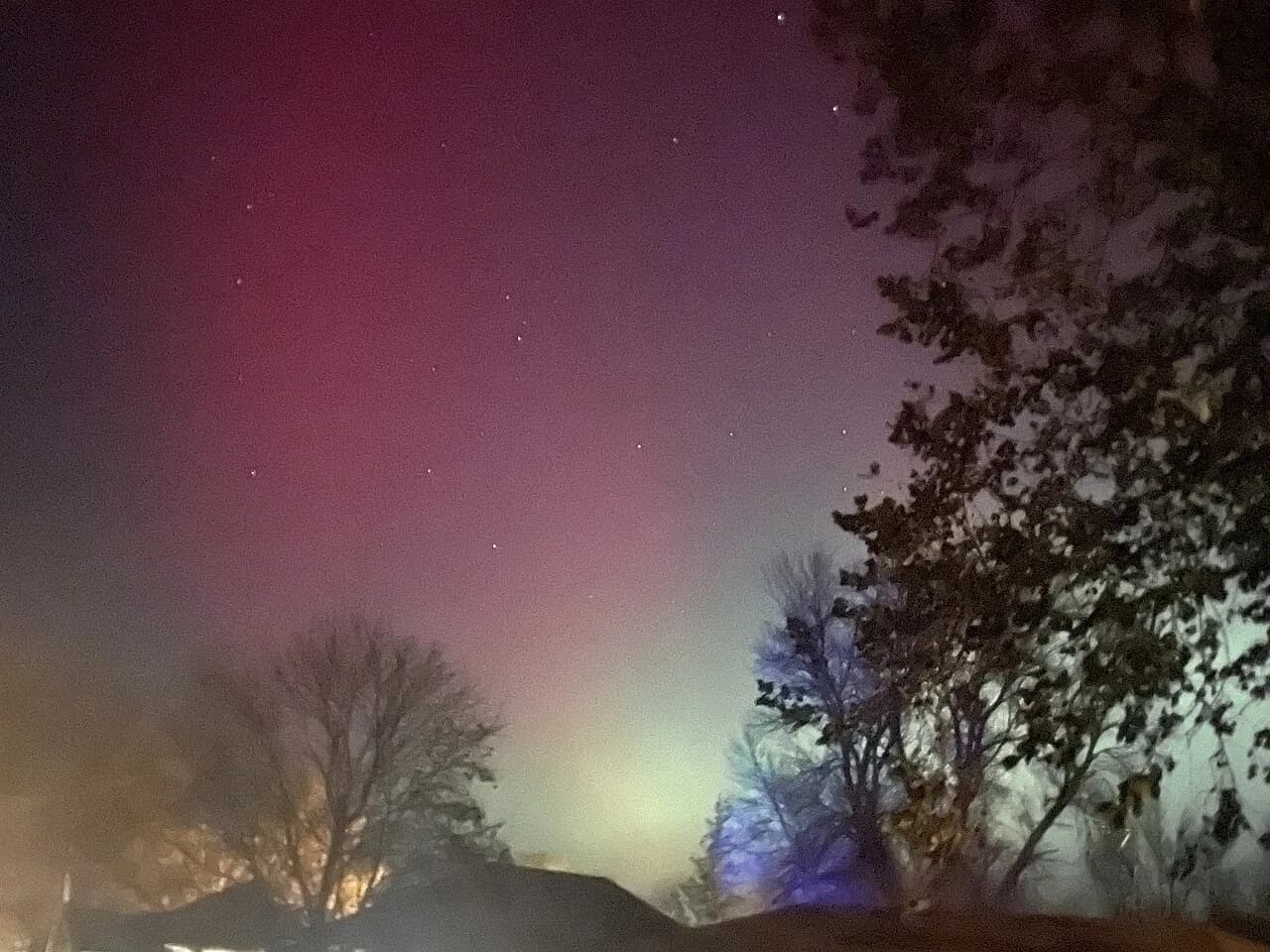
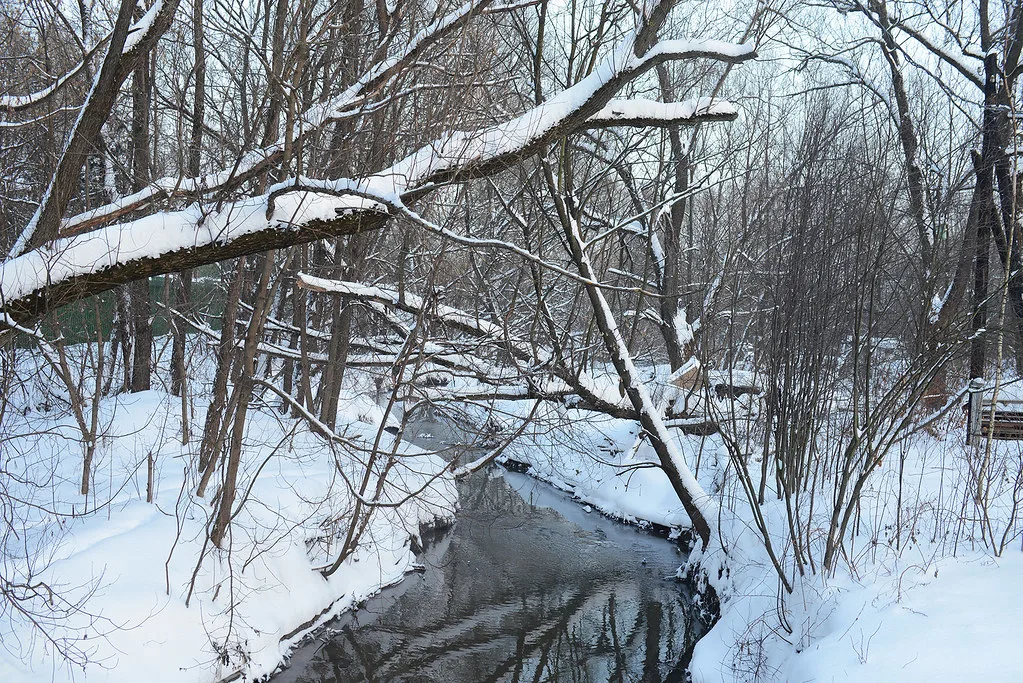
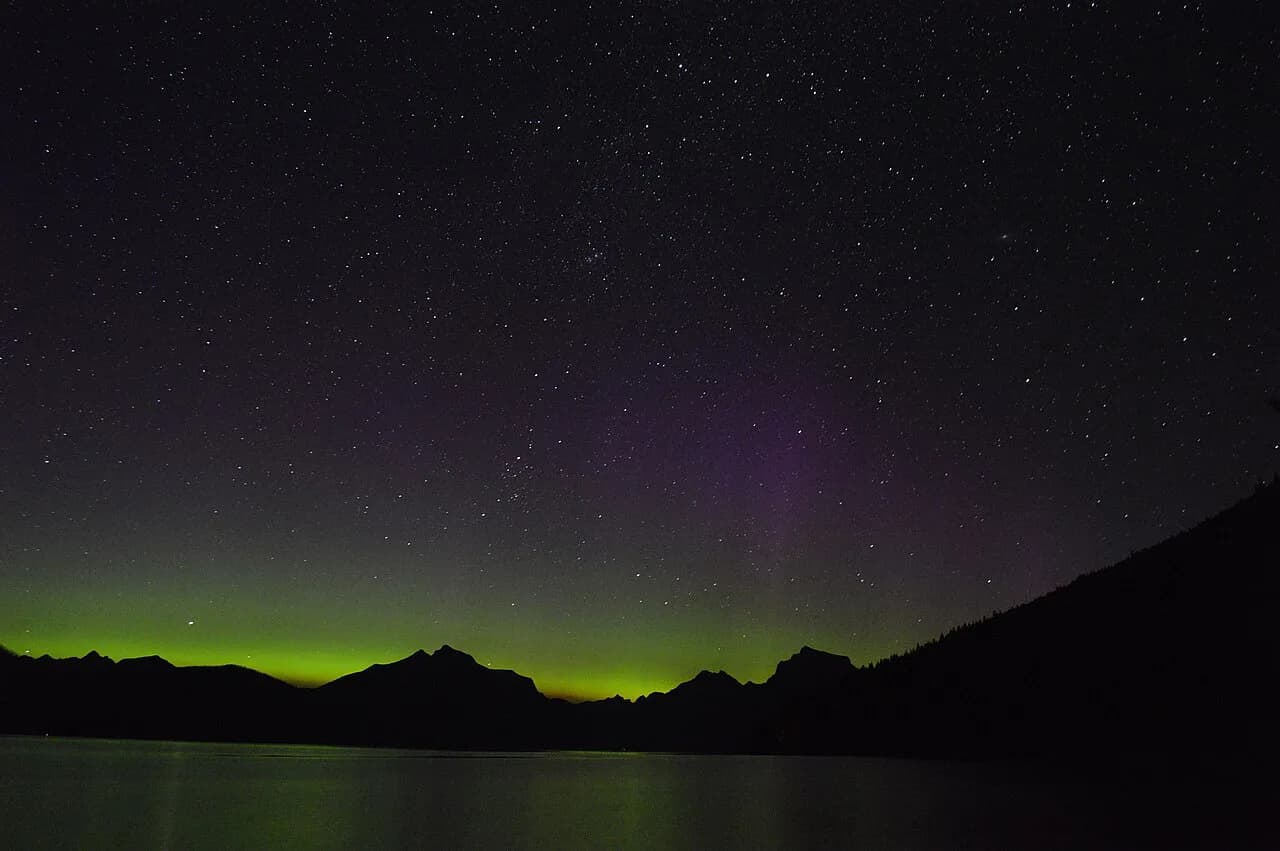
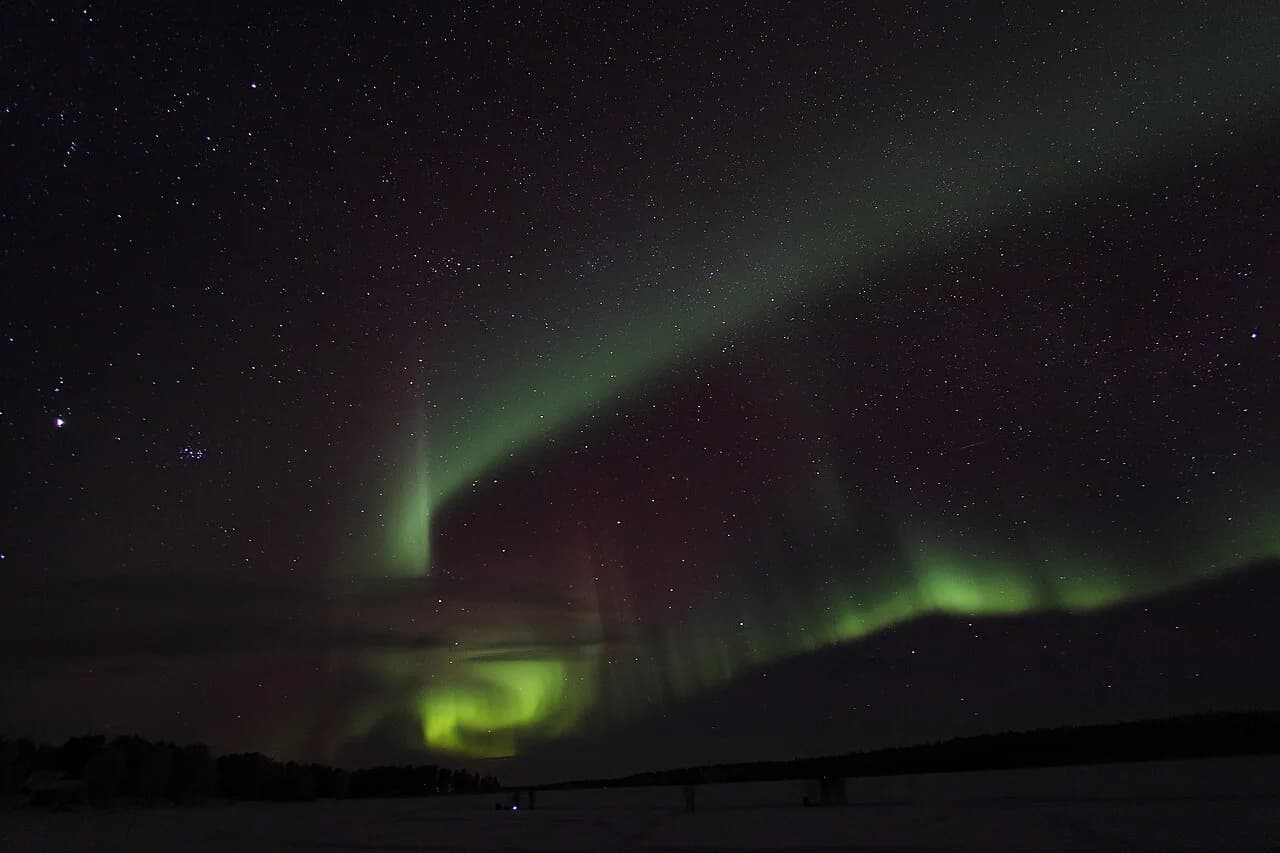
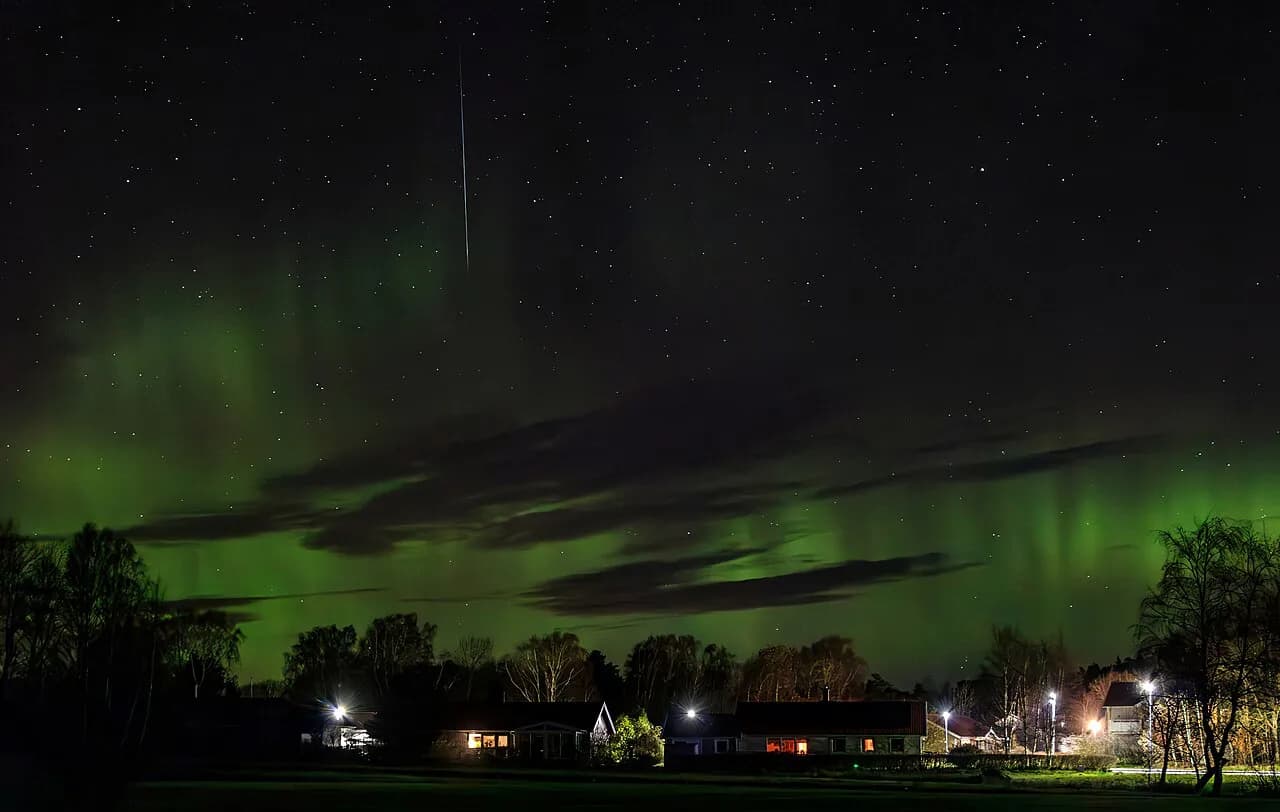
An ice hotel sits under dark Arctic skies, but a cold room does not guarantee a clear one: cloud cover is the limiting factor, and aurora activity follows solar cycles you cannot control. Sites far from town lights, such as the Torne River banks near Jukkasjärvi, give you a strong dark-sky baseline when the sky opens.
Plan at least three nights in the region so a cloudy one does not wipe out your chance of a show, and treat the ice night as one of those nights rather than the only one. Check the Kp index as a rough guide, but remember that local cloud forecasts and dark hours matter more than the headline number.
Cold comfort trade-offs: one ice night versus a warm base
The most common mistake is booking several consecutive nights in a cold room. One night on ice gives you the story, the art suite and the silence, while the rest of the trip is better spent in a heated cabin, glass igloo or hotel where you can sleep properly and chase aurora late into the night.
Heated aurora hotels and glass-roofed cabins offer warmth plus sky visibility, so you get the northern lights without a sleeping-bag night. Many travelers combine both, using the ice hotel as a single highlight within a warm, flexible base.
Late August to early April covers the aurora season across Swedish and Finnish Lapland, with December and January offering the longest dark nights and the deepest cold. If you want both a comfortable ice-hotel night and long dark hours, mid-winter works, but daylight for other activities is short.
Cost versus comfort: art suite or a simpler cold room
Art suites cost more than standard cold rooms because you are paying for the commissioned design and the limited season, not for extra warmth. A simpler cold room gives you the same sleeping setup and the same subzero night for less, so choose based on whether the art itself matters to you.
Compare what is included: some packages bundle dinner, transfers, thermal suits or a sauna session, which can change the value considerably. Ask Icehotel in Jukkasjärvi directly what a night includes and what the warm backup facilities are before booking, and check current prices and dates ahead of your stay.
Bookings, group sizes and what operators include
Ice-hotel nights are usually booked well ahead because the season is short and the cold rooms are limited. Ask about group sizes on transfers and guided activities, since small groups often mean more personal aurora chasing and easier logistics.
Many operators lend thermal suits and boots for activities, so you do not need to bring specialist gear for a tour. Beyond that, pack warm layers for the ice night and confirm what each package supplies when you book.
Plan Your Ice Hotel Night
An ice hotel is best treated as one remarkable night inside a longer Lapland trip, not as a full holiday base. Swedish Lapland's original at Jukkasjärvi gives you the history, the art suites and the river ice, while Finland's Kemi offers a snow castle built from the sea.
Pair your cold night with heated accommodation and several nights in the region so cloud cover does not decide your whole trip. Check dates and inclusions directly on icehotel.com or with the Finnish operator when you book.
Frequently Asked Questions
What is the temperature inside the ice hotel in Sweden?
The ice rooms at ICEHOTEL in Jukkasjärvi hold around minus 5°C even when outside temperatures drop much lower, and guests sleep on reindeer skins in expedition sleeping bags rated for minus 25°C. That keeps the cold controlled rather than extreme, though you should still expect a genuinely cold night.
Can you see the northern lights from an ice hotel?
You can, if the sky is clear and solar activity is strong enough. An ice hotel in Swedish or Finnish Lapland sits under dark skies, but cloud cover is the main limit, so plan several nights in the region and use the ice night as one of them rather than the only chance.
How many nights should you book for a chance of aurora?
Aim for at least three nights in the region so a cloudy evening does not ruin your chances. Book one night in the ice rooms and the rest in heated accommodation so you can get up repeatedly to check the sky without losing sleep or warmth.
Is there an ice hotel in Iceland?
Iceland offers glacier walks, ice caves and frozen lagoons rather than a classic overnight ice hotel. Travelers who specifically want to sleep on ice generally head to Swedish or Finnish Lapland, while Iceland works best as an aurora and glacier base.
When does the Swedish ice hotel open?
The winter ICEHOTEL typically opens from early December through April, then melts back into the Torne River in spring. Ice is harvested from the river between mid-March and mid-April at around 80 centimetres thick, and exact opening dates shift each year with the weather.
Sources
Notes for your Arctic winter trip
Optional updates to our northern lights guides.
You might also like
Continue reading
More guides you'll find useful