Husky Sledding in Lapland and Iceland: How to Choose a Safari
Husky sledding in Finnish Lapland, Swedish Lapland and Iceland: how safaris run, what to expect on the trail, when snow is reliable and how to pick a tour.
On this page
A husky safari gives you a winter morning that feels like work and play at once: you meet a kennel of eager sled dogs, watch the team get harnessed, and then glide out onto snow-covered trails behind them. It suits travelers who want active time outdoors rather than sitting in a vehicle, and it works for families, couples and solo travelers alike. The decisions that matter are where you base yourself, whether you ride as a passenger or take the runners yourself, and whether you sled by day or after dark.
What a husky safari actually involves
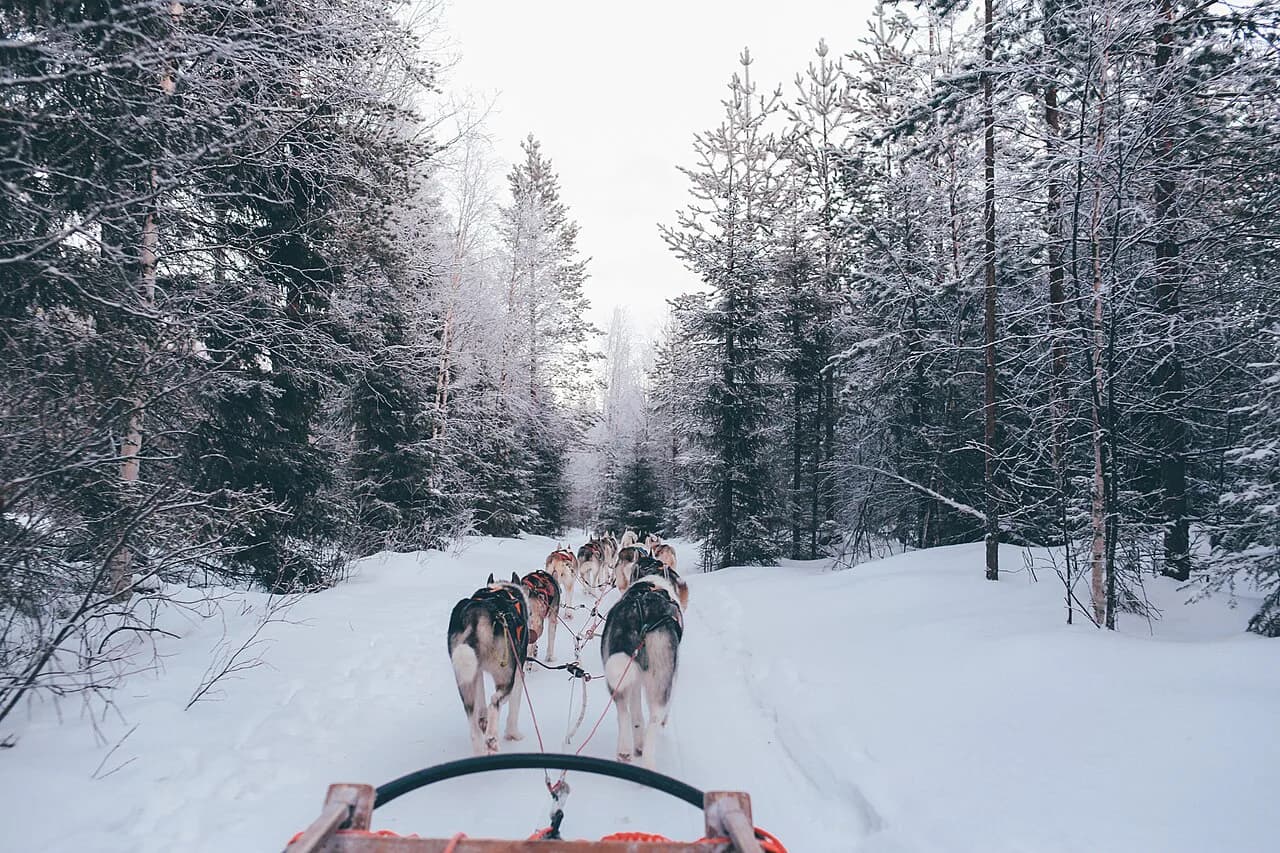
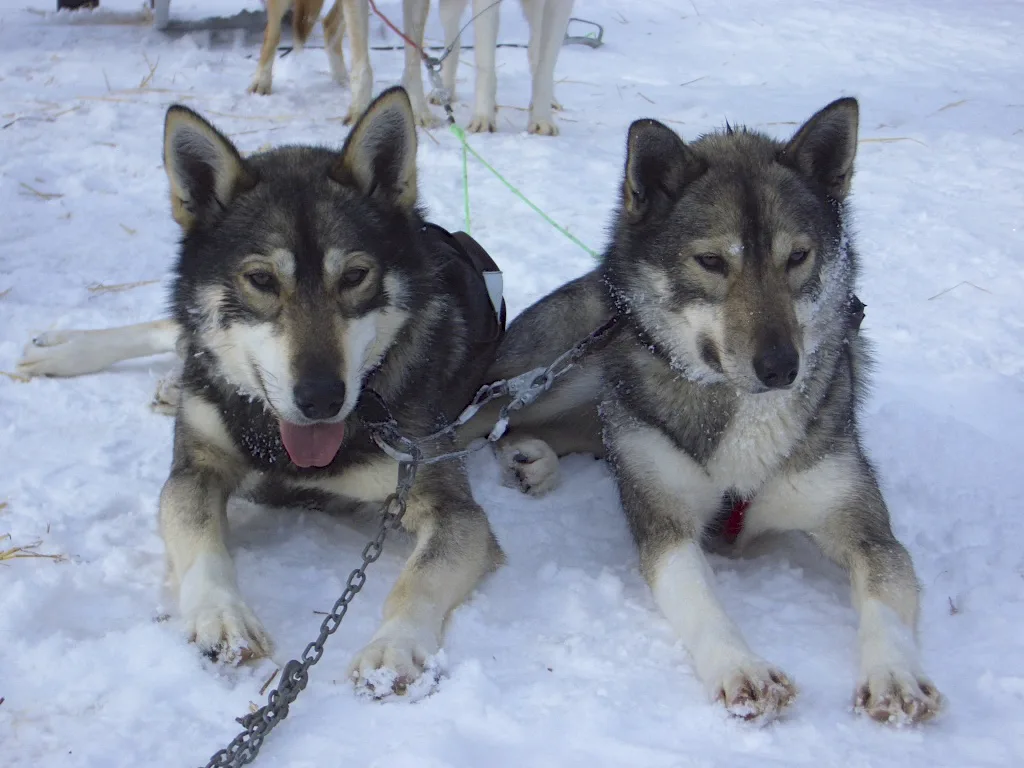
Most safaris follow the same arc. You arrive at a kennel, meet the dogs and hear how the team is fed, trained and matched to the trail, then help or watch as the dogs are harnessed and hooked to the sled. On the trail you either sit in the sled as a passenger or, on certain tours, stand on the runners and drive. Kennel visits are often the part travelers remember longest, because the dogs are loudly enthusiastic before the start and quiet and focused once running.
Tours are usually run by professional mushers, and the guide's commentary on the dogs' training and racing background is part of the experience rather than filler. A kennel visit also shows you the practical side of mushing, from the gangline setup to how many dogs pull a single sled. If you want to understand what you are looking at, ask at booking how much of the tour is kennel time versus trail time.
Finnish Lapland, Swedish Lapland and Iceland compared
Finnish Lapland is the easiest place to build a husky safari into a longer winter trip: Rovaniemi, Saariselkä and Inari all sit well north, with kennels scattered along the road network and plenty of cabin and glass-igloo accommodation nearby. Inland Lapland is cold and often clear in midwinter, which is good for snow conditions and for dark skies, but it also means very short daylight in December and January. Base yourself in one of these villages for several nights rather than moving daily.
Swedish Lapland, with Kiruna and Abisko as the main bases, offers a similar mix of kennels, forest trails and mountain scenery; Abisko sits in a rain-shadow valley that is often drier than the surrounding mountains. Iceland is the outlier: sledding operations are fewer and more weather-dependent, and the country's coastal climate brings more wind and shifting conditions than inland Lapland. If husky sledding is the centerpiece of your trip, Lapland gives you more choice; if you are already touring Iceland, treat sledding as one activity among many. For the aurora half of the trip, a Swedish Lapland northern lights guide covers where to stay and when to go around Kiruna and Abisko.
Cloud cover is the trade-off that shapes both sledding and aurora plans. Inland Lapland often delivers cold, clear midwinter nights, while coastal Iceland and the Norwegian coast see more frequent cloud but milder temperatures. Book a base with several nights to spare so that a cloudy sledding day or a washed-out aurora night does not use up your whole trip.
When the sledding season runs and what snow means for tours
Snow is the hard constraint on any husky safari. Operators need a settled base before they can run sleds, and many will not start until the trails and kennel yard are properly covered. In Alaska, one operator opens once there is roughly eight inches of snow, typically around early November, and runs into early April.
Treat that Alaska pattern as an illustration rather than a Lapland calendar: snow arrives on its own schedule in each region, and coastal Iceland can lose snow midwinter while inland Finnish and Swedish Lapland hold it. In Lapland the sledding season generally overlaps the dark nights, running from roughly late November through April at most kennels, but the reliable window for good trail conditions is midwinter. Ask your chosen kennel directly about current trail conditions in the weeks before you travel.
Daylight matters as much as snow. Around the December solstice, northern Finnish Lapland sees only a few hours of twilight, so daytime tours start late morning and finish early; by March there is enough light for longer afternoons on the trail. If you want long, bright sledding days, aim for February to early April. If you want deep snow and aurora-friendly darkness, midwinter is the trade-off.
Day safaris versus night safaris with aurora watching
Day safaris are the standard introduction: better light for photos, warmer temperatures and a straightforward kennel visit followed by a trail loop. They suit families with young children and anyone who wants to combine sledding with other activities the same day. A typical half-day format leaves the afternoon free for a sauna or a short walk, which matters when daylight is scarce.
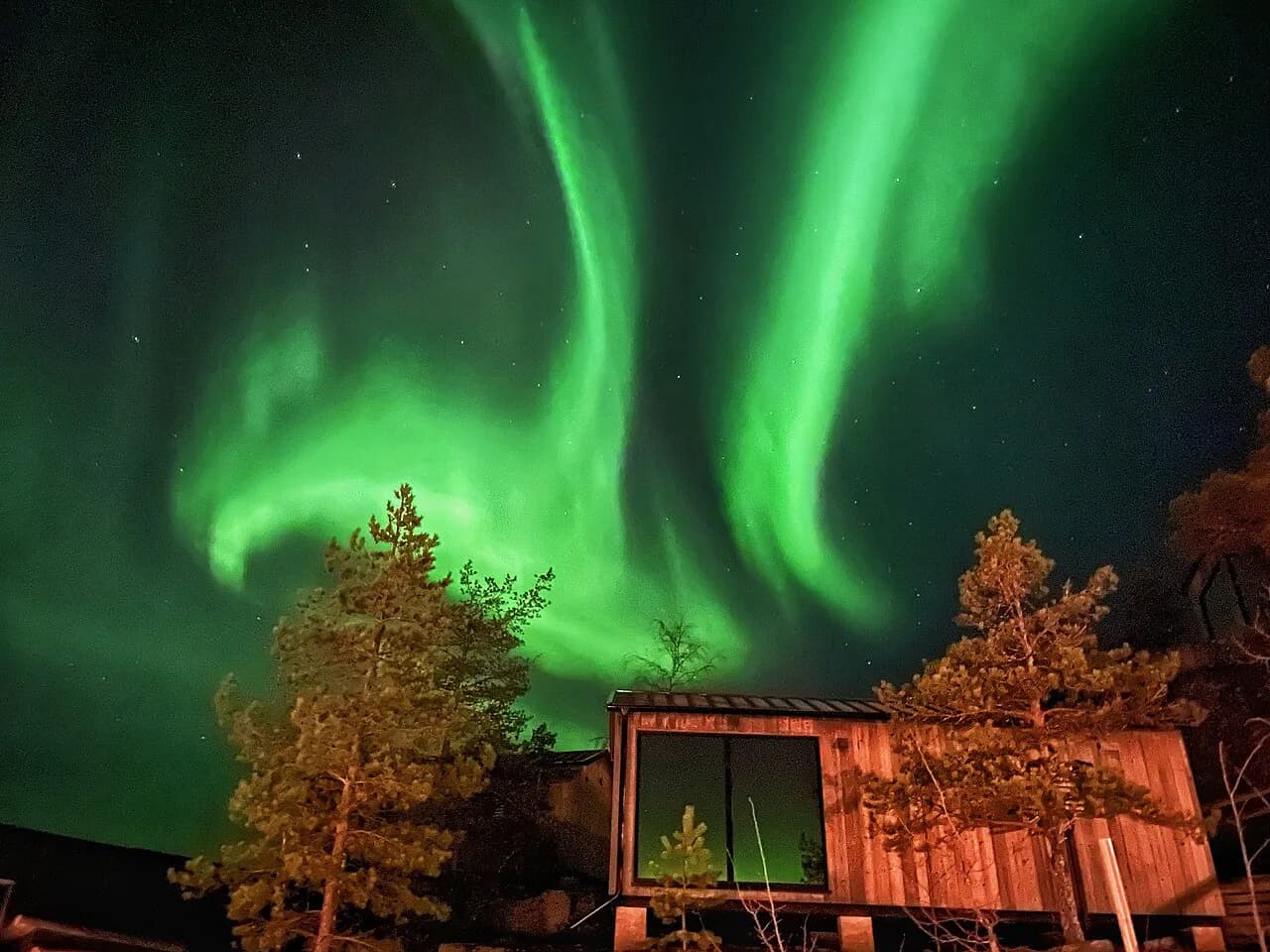
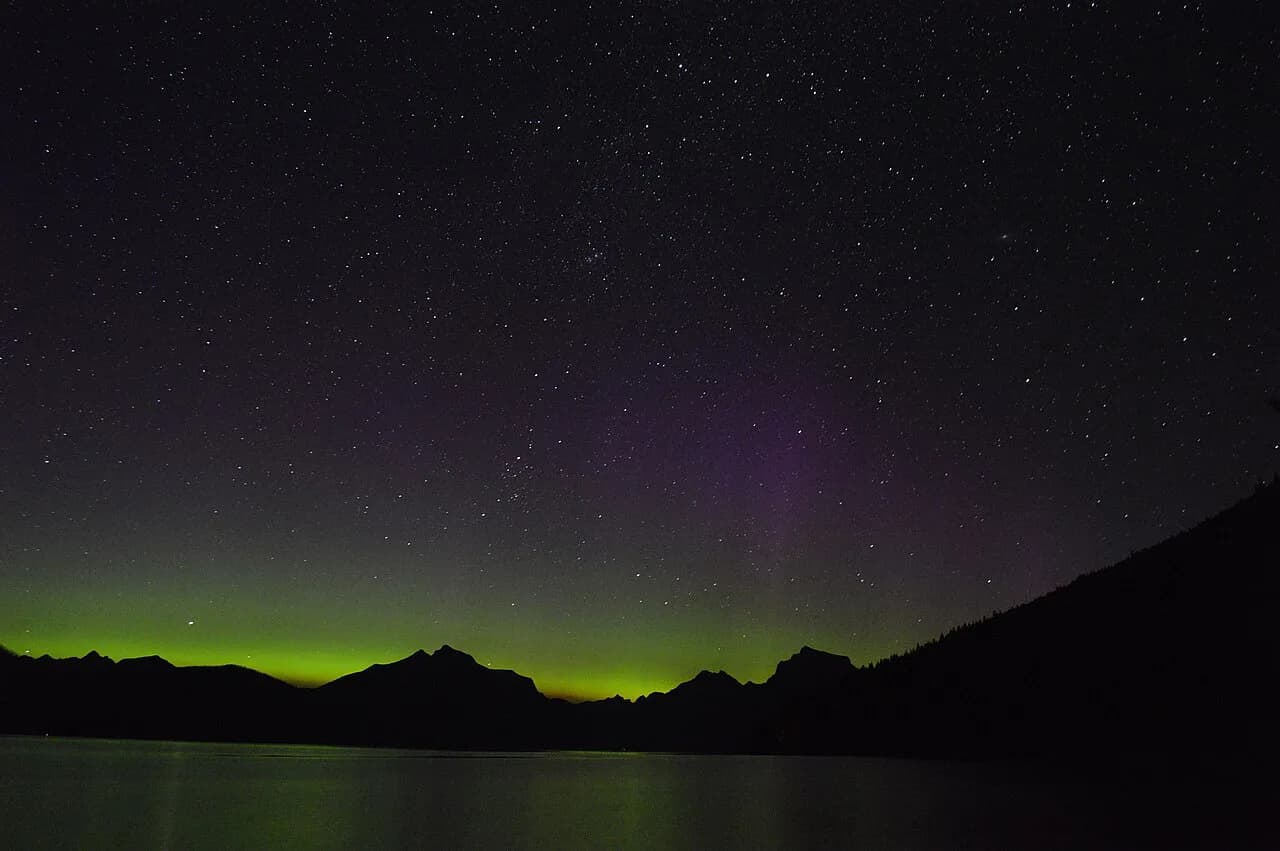
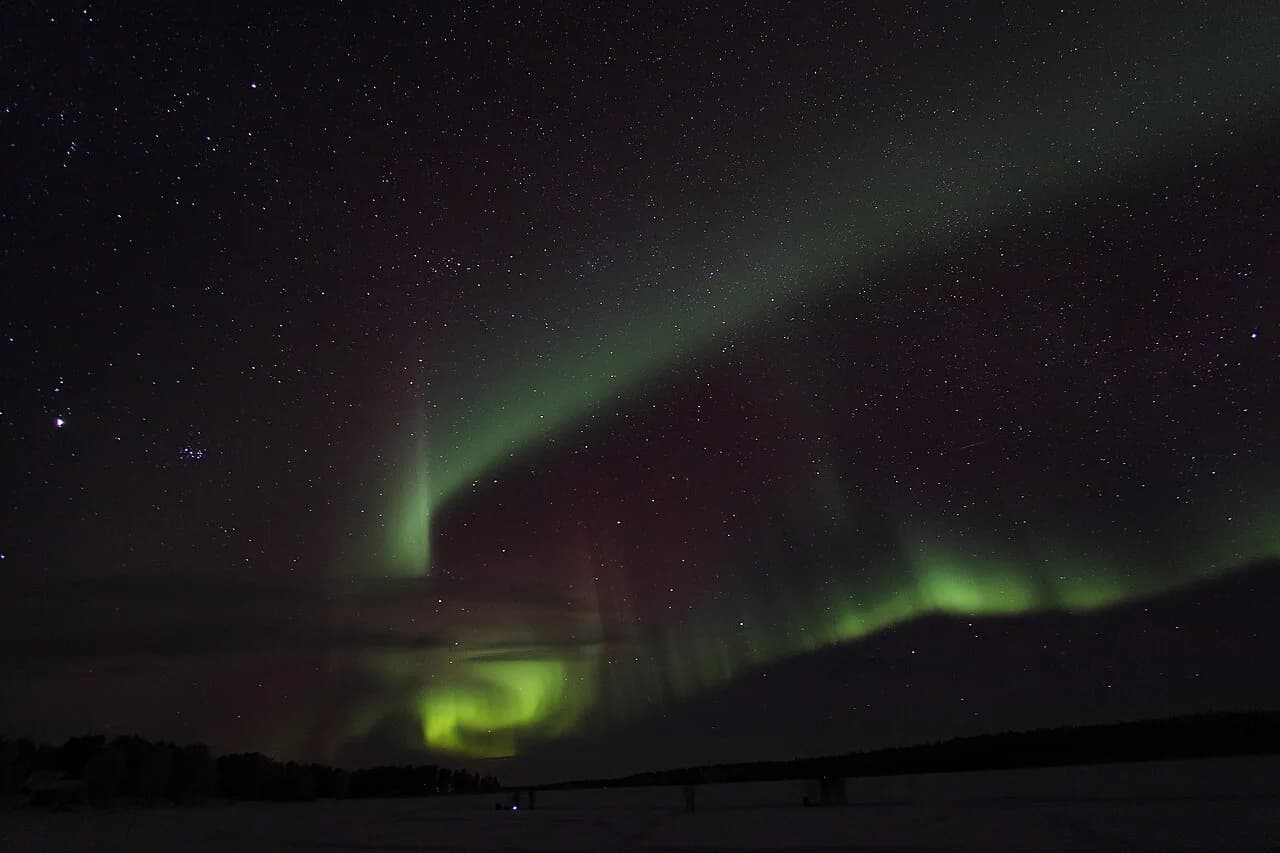
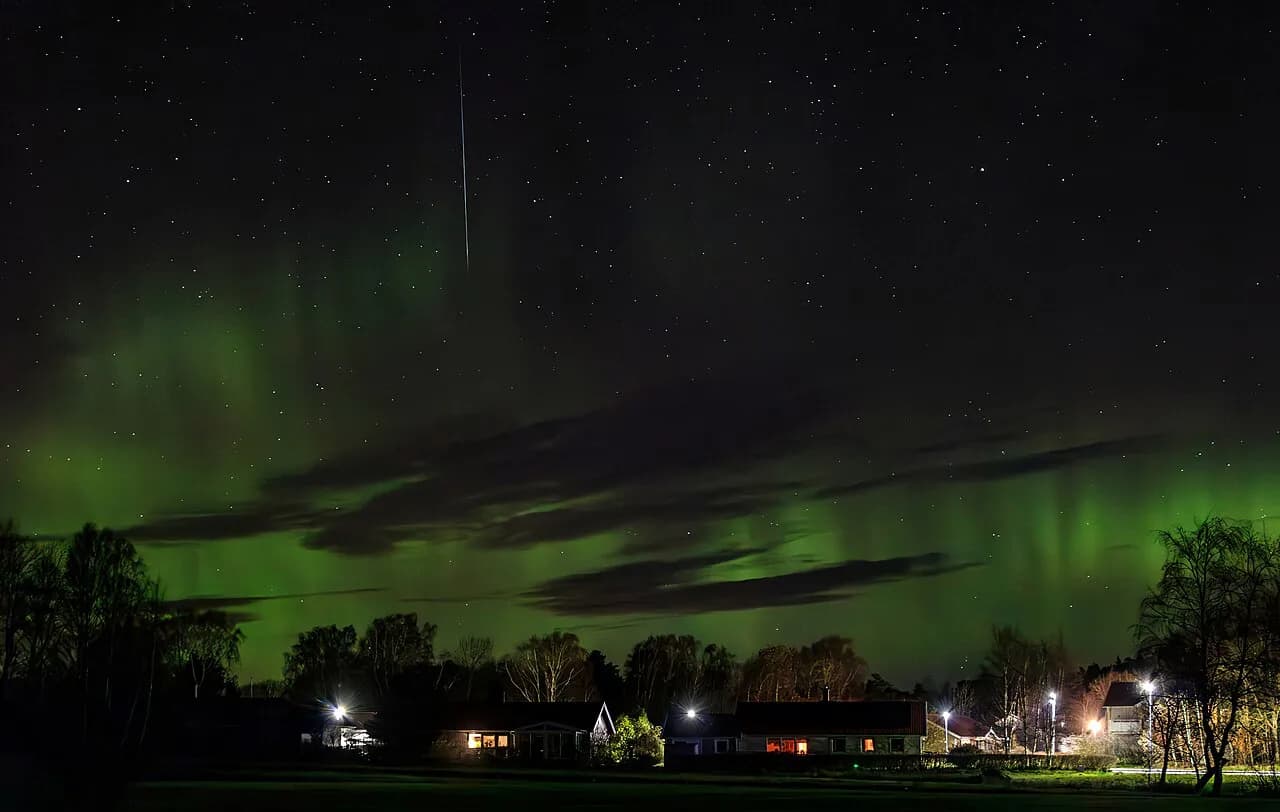
Night safaris run after dark and are really aurora watching on the move: you glide through forest and across frozen ground while scanning the sky, with a stop at a heated cabin or fire for warmth and a hot drink. One Alaska operator runs a four-hour private night tour from 10pm to 2am with a heated-cabin stop and hot chocolate, which gives a realistic picture of how these nights are structured.
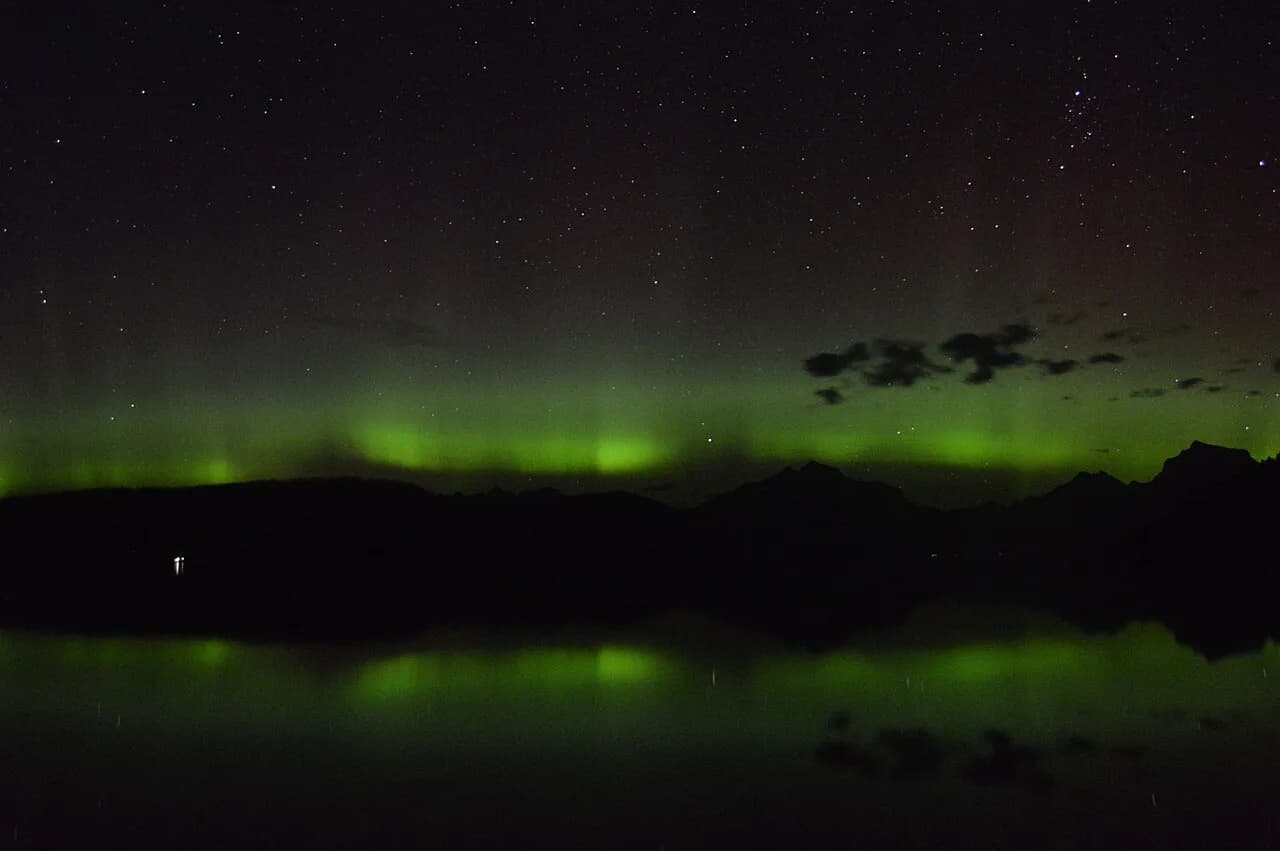
No safari company can promise a sighting. Aurora displays depend on solar activity and clear skies, and a night safari is best treated as a memorable way to spend a dark evening with a fair chance of something overhead. Check the kp index guidance for the general activity level, but judge the sky by the cloud forecast and your own eyes; if your safari company offers a rebooking option on cloudy nights, that improves your odds across several nights.
Riding as a passenger or driving your own team
Most tours put two or three travelers on a sled, with one person seated and the other on the runners, swapping at the guide's direction. Sitting is the comfortable option for cold-sensitive travelers and younger children, while standing gives you the feel of steering through bends. Ask at booking whether you can swap positions, and expect the musher to control the pace regardless.
Drive-your-own tours put you on the runners with your own team and a musher coaching you through voice commands and braking. These suit reasonably fit adults and older teenagers who want to learn the skill rather than just ride; one Alaska operator's drive-your-own tour requires a moderate fitness level and a minimum age of 14. Expect a slower, more technical experience than a passenger ride, with more instruction and less sightseeing.
For travelers with limited mobility, passenger-only sledding is the realistic choice, and many kennels can accommodate a seated ride if you mention it when booking. There is no need for prior experience on either format: guides brief you on how to balance, where to hold and what to do on uneven ground before you set off.
Group sizes, durations and what operators include
Tour length ranges widely, and the difference is not just trail distance but how much kennel time and instruction you get. Formats run from a 30-minute ride to a multi-hour adventure, and one Alaska kennel publishes a 1.5-hour traditional ride covering about six trail miles with 45 minutes to an hour of actual ride time. That breakdown is a useful way to read any operator's listing: check the total time, the ride time and the trail distance separately.
Group size shapes the feel of the day. Some kennels run private tours, others put two to eight people on a departure; smaller groups mean more attention from the musher and a quieter trail. Ask how many sleds leave together, because a line of sleds following each other is a different experience from a single team alone in the forest.
Included items vary, so read the listing carefully. Operators in cold climates commonly lend winter clothing: one Alaska operator includes boots, bibs, jacket, neck gaiter, hat and gloves on every dog sled tour, which is a useful benchmark for what a well-equipped Lapland kennel should offer.
Transport from your accommodation is often an add-on rather than standard, so confirm pickup when you book, especially from Rovaniemi, Kiruna or Akureyri, where kennels sit outside town. Ask too whether photos are included or sold separately, and whether hot drinks are served on the trail or only at the kennel.
Kennel culture and the dogs
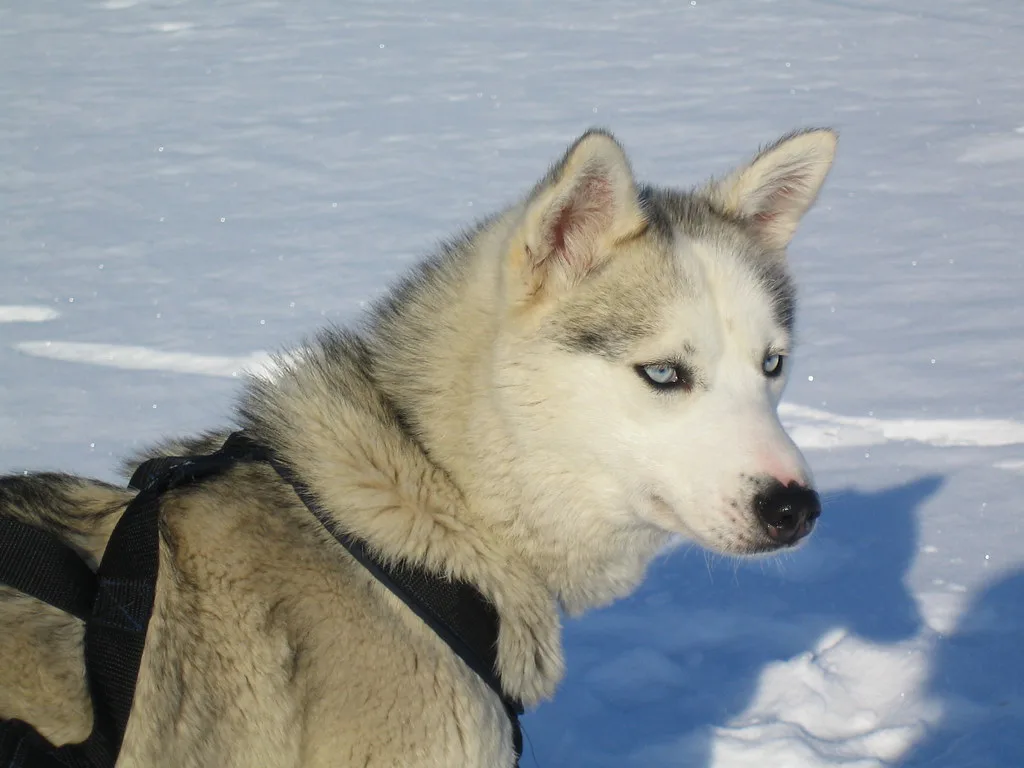
The dogs are the reason many travelers book a second safari. Lapland kennels generally run Alaskan huskies, bred for endurance and speed rather than appearance, alongside some Siberian huskies on shorter tourist routes. A kennel visit explains how a team is assembled, why some dogs lead and others run in pairs, and how the dogs rest between tours. That context turns a scenic ride into something closer to a working introduction to the sport.
Ethical operation is worth weighing when you choose a kennel. Look for operators who talk openly about rest days, retirement and how many kilometers a dog runs in a season, and who match team size to load and conditions. A well-run kennel will happily answer questions about its dogs' welfare, and that conversation is a better signal than any marketing photograph.
Husky sledding combined with other winter activities
Sledding fits naturally into a longer Arctic itinerary. In Finnish Lapland you can pair a morning safari with an afternoon snowshoe walk and an evening at a sauna, or spend a night in an ice hotel or glass igloo for contrast. In Swedish Lapland, combine a kennel visit with a day on the trails around Abisko or a train ride along the Torne River valley toward the coast.
Aurora-focused travelers can also add a night in an aurora hotel or cabin, where you can wait indoors for a gap in the clouds instead of standing outside for hours. Pair that with a night safari and you have two different ways to spend a dark evening, one stationary and one on the move.
How many nights to plan around a sledding day and a chance of clear skies
Give a husky safari its own day and give the weather a margin. Three nights in one base is a sensible minimum: one evening for arrival, one full day for sledding and one backup window for a second attempt if snow, wind or cloud interferes. Four or five nights raises your odds of both a good trail day and a clear aurora night without turning the trip into a checklist.
If aurora viewing is central, build in flexibility rather than booking every night. Keep one evening unplanned so you can take a late tour when the sky looks promising, and choose a base away from town lights if you also want to watch from the ground. Kp values are only a rough guide to activity; local cloud is usually the deciding factor.
Costs and what drives the price difference
Price tracks time, privacy and what is bundled. Short rides are the cheapest entry point, while longer and private tours cost more because they include more kennel time, more instruction, a dedicated musher and sometimes a heated-cabin stop. For reference, one Alaska kennel prices a 30-minute ride at 99 dollars for adults and a two-hour private musher adventure at 375 dollars, and a four-hour night aurora sledding tour at 550 dollars.
Another Alaska operation prices a traditional 1.5-hour sled ride at 165 dollars per person, with children aged 3 to 12 at a lower youth rate, and a 3-hour 20-mile tour at 499 dollars per person. Those figures show the pattern you will see in Lapland too: longer tours with more trail miles and fewer passengers per musher cost noticeably more per hour than a short loop.
European kennel prices differ by country and operator, so compare quotes from the specific kennels you are considering rather than assuming a regional average. Factor in transport from town, which is often charged separately, and any photo package. A private tour for two can cost more per person than a shared departure but gives you more room to ask questions and more time on the runners.
Plan Your Husky Safari
Choose Finnish Lapland if you want the widest choice of kennels, reliable inland snow and easy pairing with glass igloos and saunas; choose Swedish Lapland for Kiruna and Abisko scenery with a similar kennel culture; choose Iceland only if sledding is a bonus rather than the reason for the trip. Within that, decide between a passenger ride and a drive-your-own tour based on fitness and appetite for instruction, and book a night safari as an aurora evening rather than a guarantee.
Aim for three nights minimum in one base, keep an evening spare for a late tour, and confirm transport, clothing and trail conditions with the kennel before you go. That way a cloudy night or a cancelled trail becomes a small reshuffle instead of the end of the trip.
Frequently Asked Questions
Where can you go husky sledding in Europe?
Finnish Lapland, with bases such as Rovaniemi, Saariselkä and Inari, has the largest concentration of husky kennels and the most reliable inland snow. Swedish Lapland around Kiruna and Abisko offers a similar experience, and Iceland has a smaller number of operations that are more dependent on coastal weather.
How long is a typical husky safari?
Formats range from short 30-minute rides to half-day and multi-hour adventures. Look at the total time, the ride time and the trail distance separately, because a one-and-a-half-hour tour may include only about 45 minutes of actual sledding.
Can you drive your own sled dog team?
Yes, on dedicated drive-your-own tours where a musher coaches you through voice commands and braking. These usually require a moderate level of fitness and a minimum age, with one Alaska kennel setting a minimum age of 14 for its two-hour drive-your-own tour.
Is husky sledding suitable for children?
Many kennels welcome children, often at a reduced youth rate, with minimum ages that vary by operator and by temperature. Ask specifically about the youngest age allowed on the day you plan to travel, and expect younger children to ride as passengers.
What is the best month for husky sledding in Lapland?
February to early April gives the best combination of snow depth and usable daylight, while midwinter offers deeper snow and darker nights for aurora watching but only a few hours of twilight each day. Snow arrival varies by region, so check conditions with the kennel close to your dates.
Can you see the northern lights on a husky safari?
Night safaris run after dark and stop at a heated cabin or fire, giving you a chance to watch the sky between runs. No operator can promise a display, since auroras depend on solar activity and clear skies, so book a night safari as an experience rather than a certainty.
Do you need previous experience to go husky sledding?
No. Passenger rides require nothing more than following the musher's briefing, and drive-your-own tours begin with instruction on balancing, steering and braking before you leave the kennel.
What is included in a husky safari tour?
Common inclusions are the kennel visit, harnessing, the trail ride and a hot drink. Winter clothing such as boots, jackets and gloves is often lent on cold-climate tours, but transport from town and photos may cost extra, so read the listing.
Sources
Notes for your Arctic winter trip
Optional updates to our northern lights guides.
You might also like
Continue reading
More guides you'll find useful