Iceland Hot Springs & Northern Lights: Where to Soak
Pair Iceland's geothermal pools with aurora hunting: where each hot spring sits, when darkness returns, and how to plan nights around cloud cover.
On this page
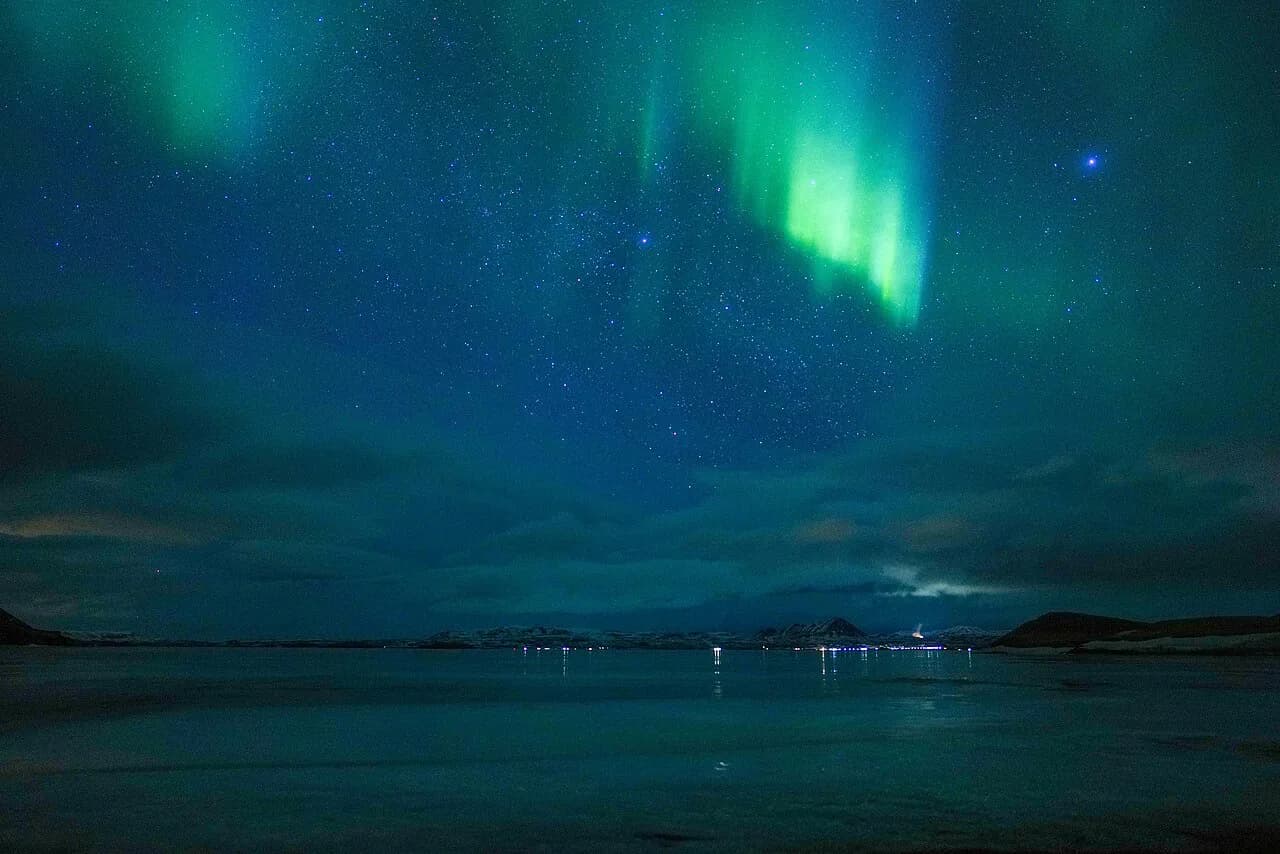
Iceland's geothermal pools turn a cold aurora vigil into something comfortable: you float in warm water while scanning the sky, and you can be back in a car or a hotel bed within the hour. The country sits close to the Arctic Circle, so winter nights here are long and dark enough for aurora displays whenever solar activity and cloud cover cooperate.
The catch is that no pool guarantees a display, and the country's most famous lagoons are spa complexes rather than wilderness viewing spots. Choosing well means matching a pool to the base you sleep in, the dark sky around it and how many nights you can spare.
Why pools and aurora hunting fit on the same night
An aurora night involves long stretches of standing still in freezing air, which is exactly where geothermal water helps. Soaking warms you through, and many pools sit in open countryside where the sky is darker than in town. The sensible routine is to swim earlier in the evening, then drive a short way out or simply watch from the pool deck as the sky darkens.
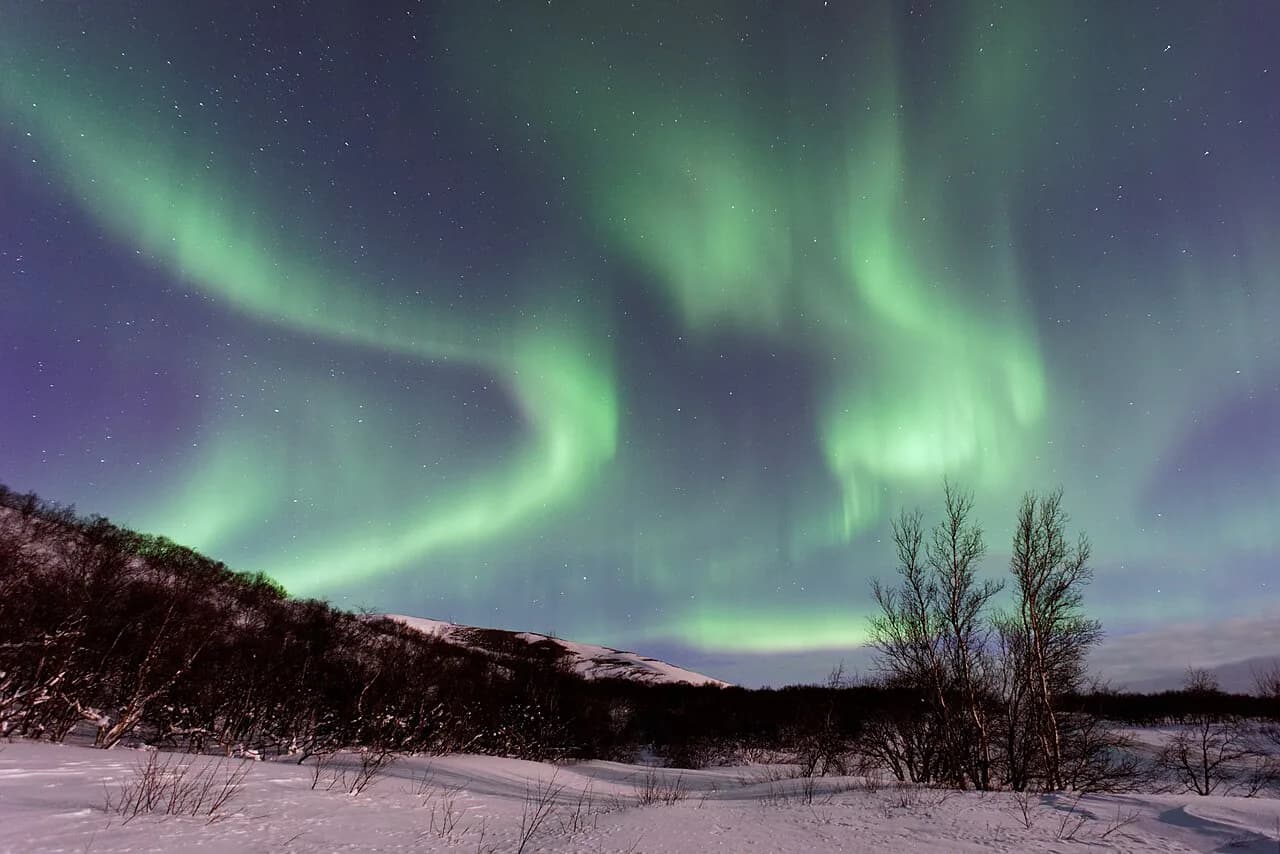
Aurora displays need darkness, clear skies or openings in the cloud, and favourable solar activity, and the Visit Iceland guide recommends checking both cloud cover and aurora activity before heading out. It also notes that sightings improve outside populated areas and away from the capital's light pollution.
Plan the pool as the warm part of the evening rather than the whole plan. If the cloud forecast looks poor at your pool, drive to a clearer area instead of waiting in the water, because the aurora will not appear through thick cloud.
When the aurora season runs and how much darkness you get
The main aurora season in Iceland runs from September to April, when nights are dark enough for displays. Activity is often described as strongest around the equinoxes in September and March, while mid-winter brings deeper darkness and a longer nightly window in which something might appear.
There is no reliable best hour. The lights can appear at any time when the sky is dark enough, so an evening built around a pool works best when you keep looking afterwards rather than treating the soak as a fixed appointment.
Deep winter gives the most hours of darkness but also the shortest days and the most demanding driving conditions. The shoulder weeks around September and March trade some night length for easier roads and more daylight for sightseeing.
Where to soak near Reykjavík: Sky Lagoon and its seven-step ritual
Sky Lagoon sits essentially in Reykjavík, though it is not walkable from the city centre. It is a built spa rather than a natural pool, with a seven-step ritual that takes you through hot and cold water therapies and a stony setting above the North Atlantic. Entry starts at 11,990 ISK for the Saman Pass, which includes the full ritual.
Because it sits beside the capital, the sky above it carries city glow, so it suits a relaxed evening rather than a dedicated chase. Pair it with a drive out of town on a clear, active night, or use it as a warm-up before a late excursion.
Hvammsvík: eight ocean-edge pools 45 minutes from the city
Hvammsvík Hot Springs lies on a private estate about 45 minutes from Reykjavík, in Hvalfjörður, where eight geothermal pools sit at the edge of the ocean and shift with the tide. The water blends geothermal heat with Atlantic seawater, and admission covers entry, parking and wifi, with towels and wading shoes available to rent rather than included.
Hvammsvík Hot Springs promotes the setting as a northern lights spot from October to April, which makes it one of the few spa-style pools deliberately framed as an aurora evening. It is open all year, and the on-site bistro lets you eat before or after soaking instead of driving back into the city hungry.
The Blue Lagoon near Keflavík: convenience and booking lead time
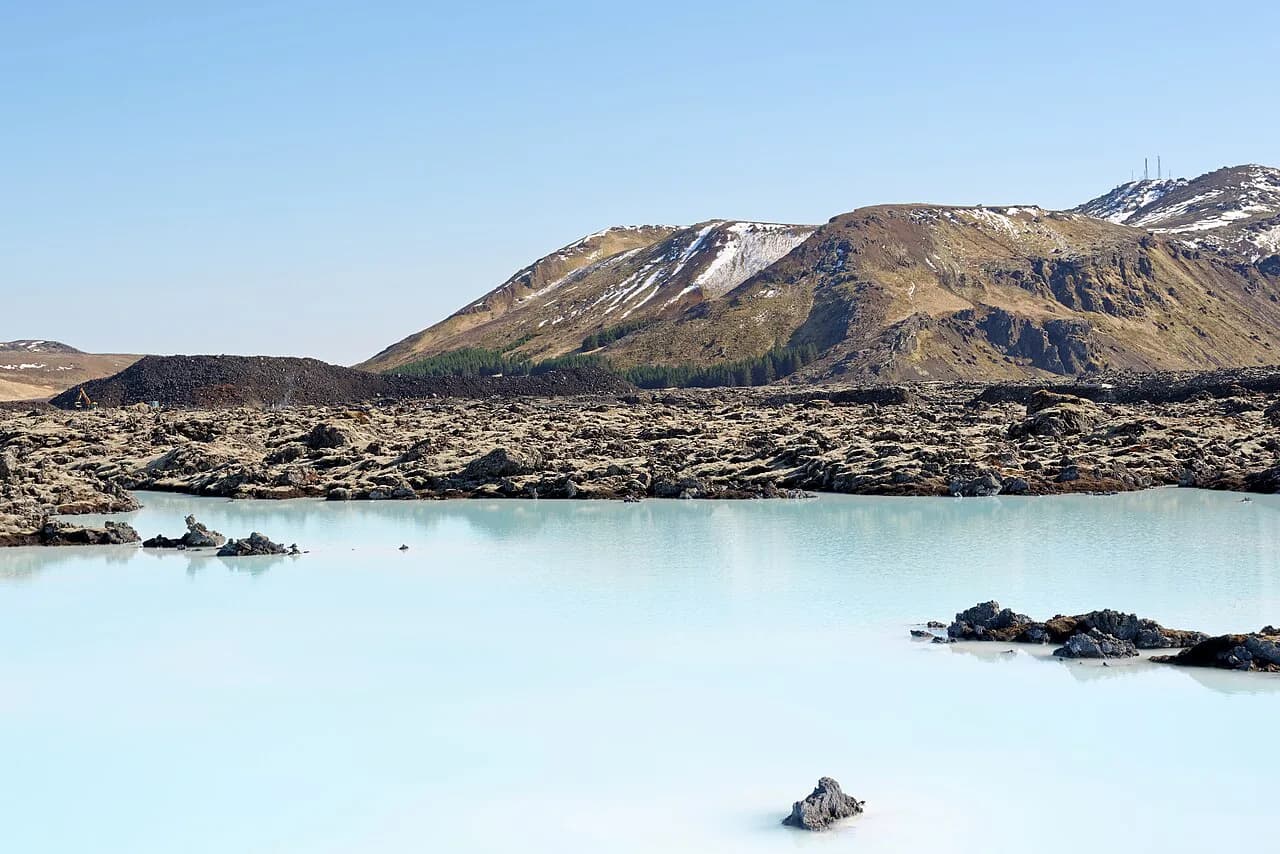
The Blue Lagoon sits at Grindavík, roughly 20 minutes from Keflavík International Airport, which makes it the obvious stop on an arrival or departure day. Packages start at 9,990 ISK for Comfort or 12,990 ISK for Premium, and the premium tier adds a towel, robe, extra face masks and a drink at the swim-up bar.
Prices vary significantly with the time of day, so a late-evening slot is often the cheapest way to combine a soak with a dark sky. The same guide advises booking at least a week ahead, and notes that capped bookings keep the pools from feeling shoulder to shoulder even when busy.
The silica-rich water leaves hair stiff and hard to brush, so tie it up and rinse afterwards rather than putting your head under. If the lagoon is full on your dates, the pools around Reykjavík and Hvalfjörður give you a workable substitute for a short stopover.
South coast options: the Secret Lagoon and Seljavallalaug
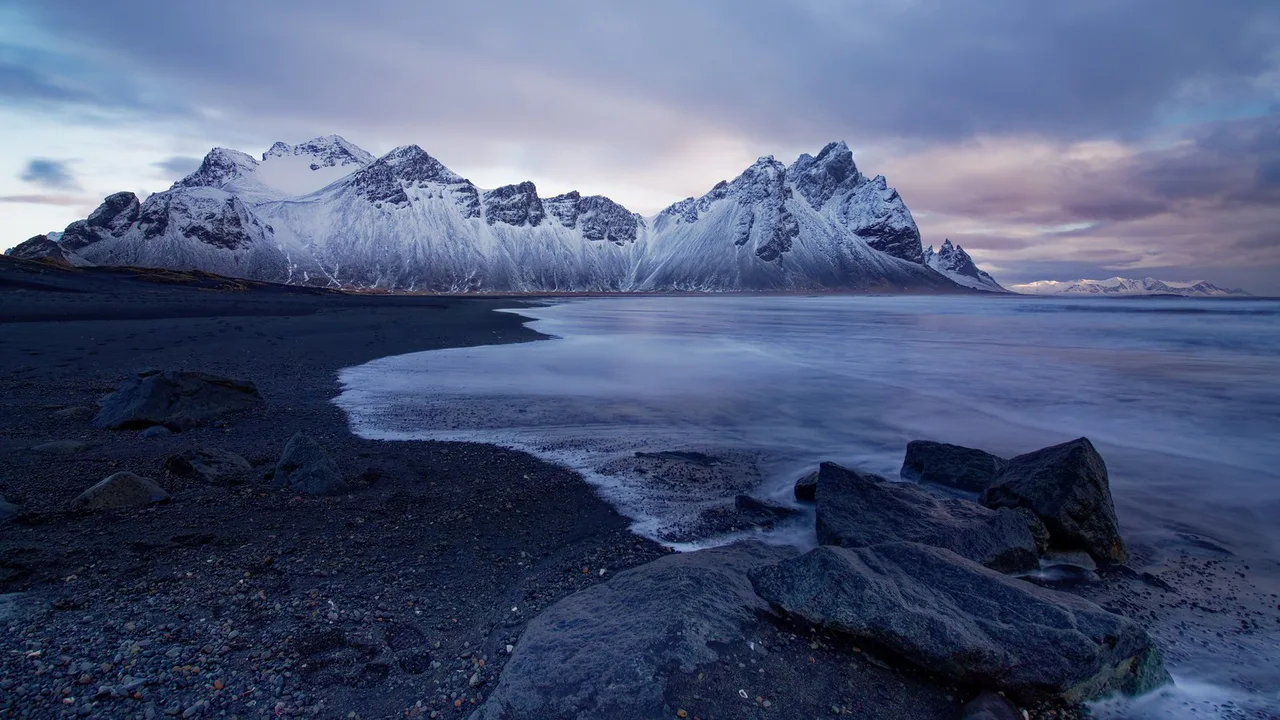
The Secret Lagoon in Flúðir is about an hour and a half from Reykjavík, close to Gullfoss and the Golden Circle, and at 4,500 ISK it is one of the cheaper developed pools in the country. It has long since stopped being secret, but a floodlit pool in open countryside beats a city spa when the aurora is active.
Seljavallalaug, on the south coast near Skógafoss, is free and reached by a short, easy 20-minute walk from the parking area at the foot of Eyjafjallajökull. It is a warm, old concrete pool rather than a true hot spring, with a basic changing room and no upkeep to speak of, so treat it as a rustic stop on a south coast drive rather than a spa.
North Iceland: Forest Lagoon at Akureyri and Earth Lagoon Mývatn
Forest Lagoon sits just across the bridge from Akureyri and is the quietest of the big spa pools, with a Finnish dry sauna overlooking the water and a cold plunge but none of the ritual steps or mud masks. Entry starts at 7,490 ISK.
Earth Lagoon Mývatn, formerly the Mývatn Nature Baths, sits near Reykjahlíð between Goðafoss and Dettifoss, with milky blue water and mountains on all sides. Entry is 7,900 ISK, and the open surroundings are described as an excellent spot for the northern lights on a winter visit.
North Iceland is far enough from Reykjavík's glow that a clear night here is genuinely dark, which is why a night or two around Akureyri or Mývatn rewards anyone prioritising the aurora over the Golden Circle.
East Iceland: Vök Baths near Egilsstaðir
Vök Baths sits a short drive from Egilsstaðir, with pools that appear to float in a lake and a direct cold plunge into the water from the hot edge. Entry is 7,690 ISK, and the price includes a loose-leaf tea brewed with hot spring water.
Fewer travellers reach the east, so the baths are noticeably quieter than the Blue Lagoon or Sky Lagoon, and the surrounding area has little light pollution. If your route runs the Ring Road, this is the stop where a soak and a dark sky most easily share an evening.
How dark is the sky above each pool
Light pollution is the deciding factor between a pretty soak and a real aurora vigil. Sky Lagoon sits against Reykjavík's glow, the Blue Lagoon has airport and industrial light nearby, and the Secret Lagoon is close to Golden Circle traffic, while Hvammsvík, Forest Lagoon, Earth Lagoon Mývatn and Vök Baths all sit in markedly darker surroundings.
Reykjavík itself can show the lights on a clear, active night, and stepping away from city lights improves visibility when the aurora is faint. That makes a short drive out of town, whether to a pool or a dark roadside pull-off, a better bet than watching from a hotel window.
Self-guided aurora chasing versus a guided tour
You do not necessarily need a tour to see the aurora, and a self-drive gives you the freedom to abandon a cloudy pool for a clearer valley. The Visit Iceland guidance is blunt about the essentials: darkness, patience and a willingness to move when the cloud forecast changes.
A guided northern lights tour earns its price when you have one or two nights, no car, or no appetite for reading cloud charts at midnight, since leaders pick locations based on conditions and handle the driving. For a short stopover built around the Blue Lagoon, that is often the better use of a single evening.
Whichever you choose, keep an eye on the Icelandic Met Office cloud and aurora pages alongside auroraforecast.is, and judge the sky with your eyes rather than only through a phone camera.
How many nights to plan for a fair chance of clear skies
There are no guarantees with the aurora, so more nights simply mean more chances at clear skies and favourable activity. Three or four nights in one region gives you a realistic shot at one good window without chasing across the country.
One-night layovers around Keflavík should be treated as a bonus rather than a plan: book the Blue Lagoon or Hvammsvík for the soak and accept whatever sky appears. Save the serious aurora odds for a longer stay based in one area, whether that is Reykjavík, Akureyri or the Mývatn lakes.
Who each hot spring suits and how to choose
Short layover, no car: Blue Lagoon for convenience, or Hvammsvík if you want a darker sky and have 45 minutes each way. City break with one free evening: Sky Lagoon for the ritual and a drink, then a drive out of town if the forecast looks promising.
Golden Circle loop: Secret Lagoon for a cheap, open-country soak, and Seljavallalaug if you are heading down the south coast and do not mind rough changing facilities. Ring Road in winter: Forest Lagoon near Akureyri and Vök Baths near Egilsstaðir are the stops that combine comfort with genuinely dark surroundings.
Plan Your Visit
Build your Iceland winter trip around nights rather than single evenings: pick a base, pick a pool within easy driving distance, and keep the next night free in case cloud closes in. The pools that combine warmth with dark sky, such as Hvammsvík, Forest Lagoon, Earth Lagoon Mývatn and Vök Baths, give you the best of both, and the same base-first thinking applies if you compare it with a Snæfellsnes northern lights guide.
For the wider picture on timing, dark-sky spots and how the season behaves, read the guide to the northern lights in iceland before you lock in dates.
Frequently Asked Questions
Can you see the Northern Lights from Iceland's hot springs?
Sometimes, if the sky above the pool is dark and clear and aurora activity is favourable. Pools in open countryside, such as Hvammsvík, Forest Lagoon, Earth Lagoon Mývatn and Vök Baths, have far darker skies than the built spas beside Reykjavík and Keflavík. No pool can guarantee a display.
What time of night is best for seeing the aurora?
There is no fixed best hour. The lights can appear at any time when the sky is dark enough, so check cloud cover and aurora activity through the evening and keep looking after your soak rather than treating it as a timed appointment.
How many nights do you need in Iceland to see the Northern Lights?
More nights mean more chances, so three or four nights in one region is a reasonable target. A single layover night may work out, but treat it as a bonus and plan the pool as the main event rather than a guaranteed sighting.
Are the Northern Lights visible in Iceland in summer?
No, because summer nights never get dark enough. The aurora season runs from September to April, when long nights return; midsummer is effectively out for aurora viewing even when activity is high.
Why should you keep your hair out of the Blue Lagoon water?
The silica-rich water leaves hair stiff and very difficult to brush, an effect that can last days. Tie long hair up and rinse thoroughly after soaking, especially before travelling home.
Which hot springs near Reykjavík are open in winter?
Sky Lagoon and the Blue Lagoon both operate year-round, and Hvammsvík is open all year with its aurora season running from October to April. The Secret Lagoon makes a viable Golden Circle stop, and Seljavallalaug, though free and rustic, involves a short walk from the parking area.
Sources
Notes for your Arctic winter trip
Optional updates to our northern lights guides.
You might also like

Continue reading
More guides you'll find useful