Glass Igloos in Iceland: Aurora Stays and What They Deliver
Glass igloos in Iceland are clear-roofed pods and bubbles near Hella and the South Coast. Compare what each stay includes and how to plan the nights.
On this page
A glass igloo in Iceland is a warm, transparent-roofed pod built for watching the sky from bed, and the clearest example sits outside the small South Coast town of Hella. It suits couples and small groups who want a night under open sky paired with waterfalls, black-sand coast and the Ring Road rather than a standalone aurora destination.
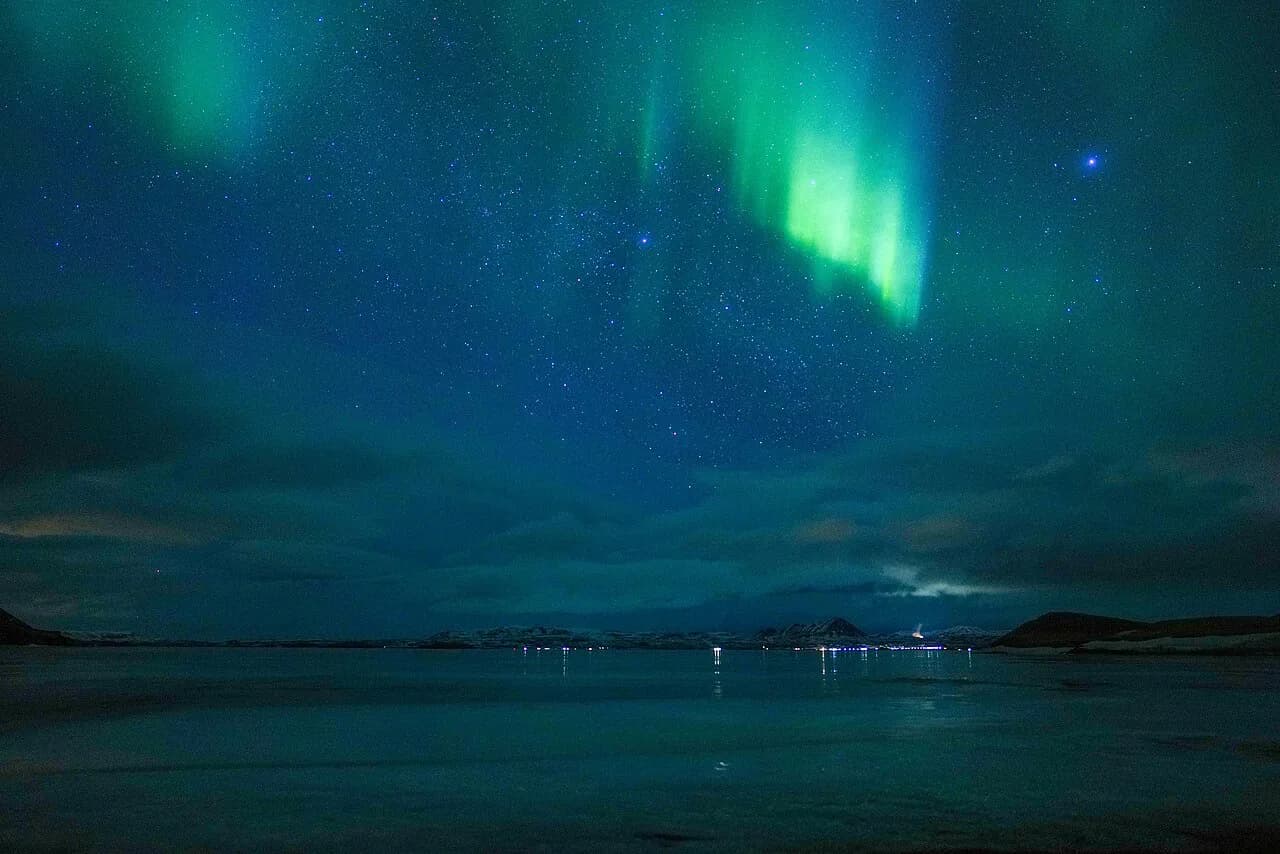
The appeal is simple: you sleep indoors with heating, and the aurora, stars and passing cloud are visible without stepping outside. What the roof delivers on any given night depends on cloud, moonlight and how much light the pod itself throws back at you, so treat the stay as a comfortable base for sky-watching rather than a promise of a display.
What a glass igloo in Iceland actually is
These stays are clear-roofed pods and inflated bubbles, not blocks of ice. The Aurora Igloo property near Hella uses fully transparent domed pods so guests can lie in bed and look straight up at the sky, with the countryside and surrounding mountains as the backdrop.
Separately, inflated bubble-style igloos have been set up in isolated forest clearings outside Reykjavik, which is a different proposition: you trade the South Coast road-trip base for a wooded, removed setting closer to the capital. Some travellers instead choose a small cabin with a glass roof over the bedroom, which keeps solid walls and a conventional room around the sky view.
None of these designs removes the weather. A transparent roof shows cloud as clearly as it shows aurora, and on a fully overcast night you are paying for the setting and the experience rather than a sky show. That is why the location you choose, and the number of nights you give it, matters more than the roof itself.
Where the clear-roof stays sit
Aurora Igloo stands just outside Hella in South Iceland, a short hop from the Ring Road, which makes it a natural stopping point on a South Coast road trip. The address is Stekkatún 1, 850 Hella, and the property sits close to the town centre, so groceries, restaurants and cafes are within easy reach.
That position puts a run of South Coast waterfalls within a drivable radius: Aegissidufoss, Urridafoss, Arbaejarfoss, Seljalandsfoss and Gljufrabui all sit roughly 16 to 56 kilometres from the pods. Black-sand beaches and rugged coastline are also within reasonable driving distance, so a pod night slots neatly between sightseeing days.
The forest bubbles outside Reykjavik serve a different trip: a capital-based stay with a night in a clearing rather than a South Coast itinerary. If your plan is waterfalls and the coast by day, Hella is the more practical base; if you want Reykjavik restaurants and a short transfer, the bubble option closer to the city makes more sense.
Aurora Igloo in detail
Each pod sleeps up to four people and is set up for intimacy and privacy, with a double bed, a small table and a pair of chairs. The pods are divided by walls and each has curtains if you want to shut out the view, and heating keeps the interior comfortable through cold nights.
Check-in is at 16:00 and check-out at 11:00, which gives you the full dark evening in the pod and a relaxed morning before the drive onward. Free parking and Wi-Fi are part of the stay, and the property is rated highly by past guests, which is a reasonable signal for a glamping format with shared facilities.
Because the pods are transparent on all sides, the sky view is the point and privacy is managed with curtains rather than opaque walls. Couples get the most out of this layout; a group of four should expect a snug, bed-centred space rather than a lounge.
Bathrooms and facilities at the pods
Bathroom facilities sit in a service house a few steps from the igloos, so this is glamping with a short walk at night rather than an en-suite room. Towels, linens and a hairdryer are provided, and the service house has showers and toilets.
Free parking, free Wi-Fi, heating and a no-smoking policy round out the practical side, and the property lists fire extinguishers and smoke detectors. If a private bathroom is non-negotiable, a hotel in Hella or Reykjavik is the better fit; if you accept the short walk, the pod gives you a view no standard room matches.
Dark-sky setting versus light pollution
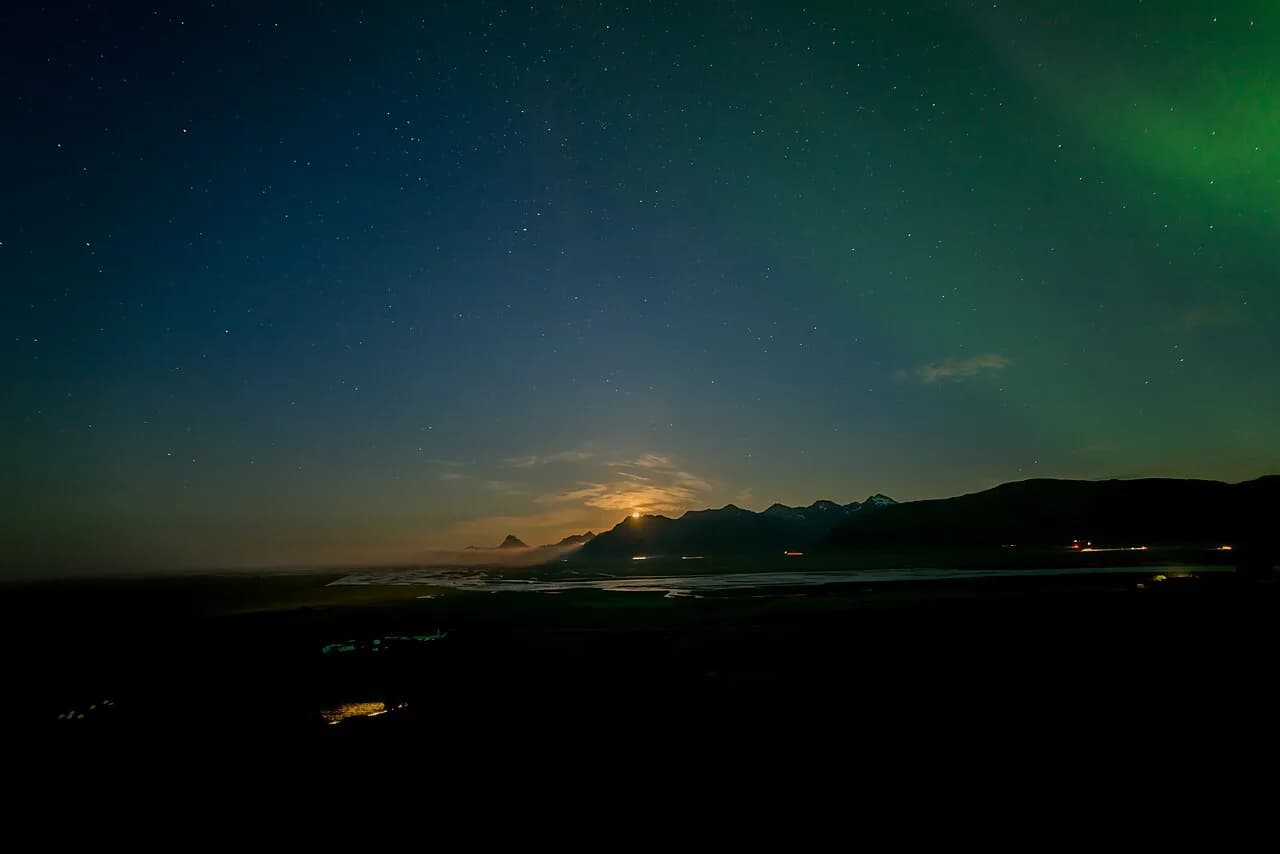
A pod on the edge of a small town like Hella sits in open countryside with mountain views, but it is not a remote wilderness: town lighting and the property's own lights are part of the scene. That is usually a fair trade for easy access to food and the Ring Road, and the sky directly overhead stays dark enough to pick out stars and aurora when cloud allows.
A bubble in an isolated forest clearing outside Reykjavik leans the other way: fewer immediate light sources, but the capital's glow is still in the region and you are further from the South Coast sights. Choose based on whether you want darkness first or convenience first, and accept that neither location controls the cloud.
Clear-roof pods versus glass-roof cabins
A fully transparent pod maximises the field of view: you see the sky from bed, and the walls add to the sense of sleeping outdoors. The cost is exposure to light and heat inside the pod, less wall space, and a shared bathroom block a few steps away.
A cabin with a glass roof over the bedroom keeps solid walls, a conventional room and often a private bathroom, with the sky visible through a defined panel overhead. Travellers who want to read, move around and keep the room dark on the non-sky sides tend to prefer this format; those who want the all-round transparent experience accept the pod's compromises.
Heat, condensation and glare inside a pod
Heating is what makes a transparent pod usable in an Icelandic winter, and the Aurora Igloo pods are equipped with it so the interior stays snug whatever the weather outside. The trade-off is that a warm interior against a cold clear roof encourages condensation, which can blur the view unless you manage ventilation and temperature.
Interior light is the second issue: a lit pod reflects on its own clear panels and dims the sky, so dimming or switching off lights once you are watching is the practical move. Curtains are fitted in each pod for privacy and to block light when you want to sleep, which also helps keep the room dark for other guests.
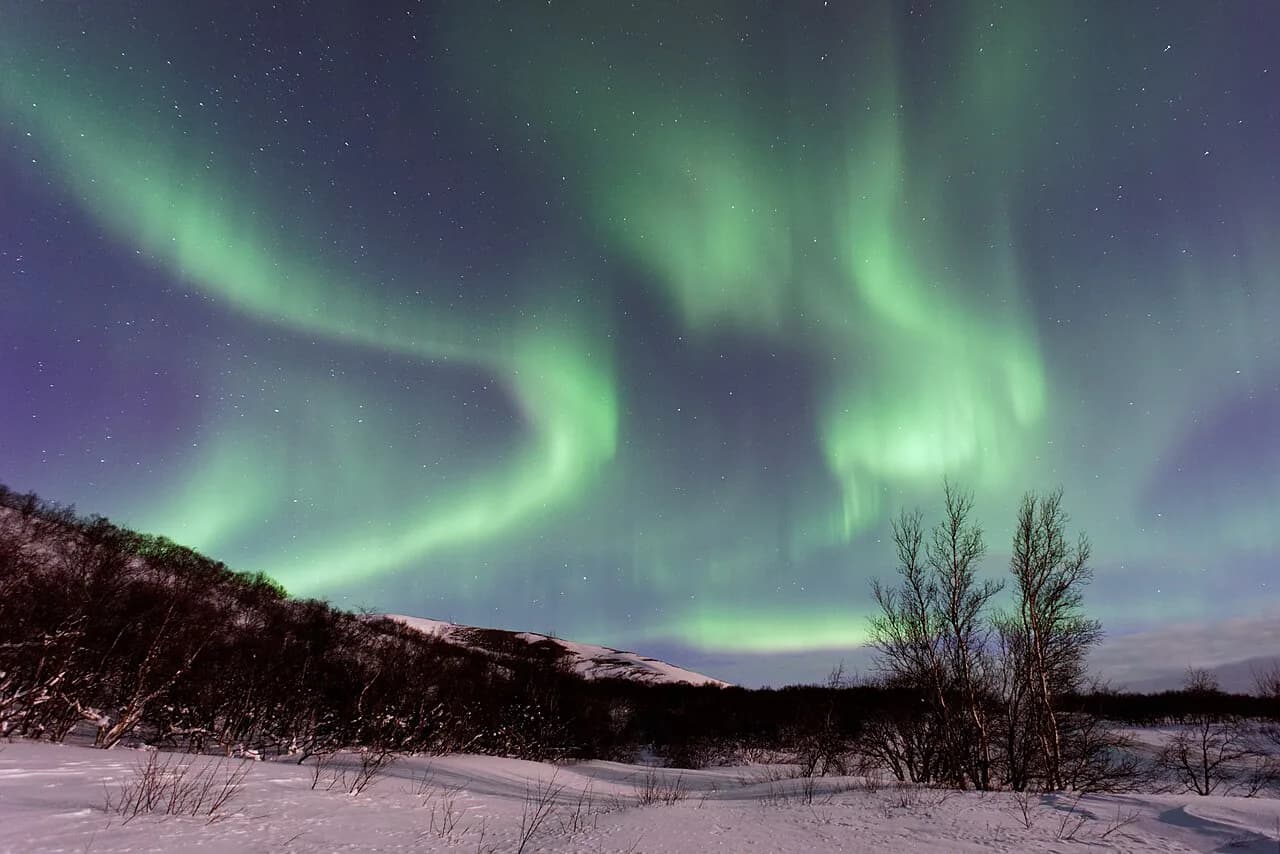
Moonlight is the third factor, and no design solves it: a bright moon washes out faint aurora the same way it does anywhere else. Plan your pod nights around the darker stretches of the lunar cycle if the sky is your priority, and treat bright nights as a time for stars and landscape rather than a faint green arc.
Where to drive for darker skies from Hella
From a Hella base you can chase clearer sky along the coast and into waterfall country, with Seljalandsfoss, Gljufrabui, Urridafoss, Arbaejarfoss and Aegissidufoss all within a drive of the pods. Heading away from town lights and toward open stretches of the South Coast gives you options if cloud sits over Hella itself.
The Caves of Hella give you a daytime diversion close to the property, and the wider South Coast adds black-sand beaches and coastline within reasonable distance. Use daylight for these and keep the dark hours flexible, so you can move to a clearer spot rather than commit to one view.
Winter road conditions on the Ring Road and side roads decide how far you can safely go on a given night. Check the road authority's conditions page and forecasts before setting out after dark, and keep chasing local rather than committing to a long drive on ice.
Self-guided watching from the pod versus a guided tour
Staying in a pod makes self-guided watching easy: you can step out, look up, and retreat to a warm bed without a schedule. That suits independent travellers with a car who are happy to read cloud forecasts and decide at short notice, and it pairs well with a South Coast itinerary.
A guided minibus tour from Reykjavik does the chasing for you, with a driver who reads conditions and moves between locations, but it means a late return and less control over your own night. If you are based in the capital without a car, a tour is the more reliable route to dark sky; if you already have a pod booked, use the tour as a backup on a cloudy night rather than a duplicate.
Whichever you choose, activity has to cooperate: a quiet sun means a faint or absent display regardless of how clear the sky is. Kp values are guidance for the wider picture, not a forecast for the patch of sky above your pod on a specific night.
How many nights to plan
One night in a clear-roof pod is a gamble because cloud over the South Coast can last for days. Three nights gives you a fair chance of at least one clear window, and a week makes the stay about the trip rather than a single roll of the dice.
Mix the pod with ordinary hotel nights nearby so a cloudy first night does not use up your whole budget on transparent roofing. That way you keep the experience you came for while giving the sky several chances to clear.
If the aurora is the main goal, plan your darkest hours around midnight and keep evenings flexible rather than booking every night out. Aurora sightings depend on solar activity and clear skies, so treat every clear night as an opportunity and every cloudy one as part of the trip.
Pairing a pod night with South Coast sights
Seljalandsfoss and Gljufrabui sit within the waterfall group reachable from the pods, and both reward a daylight stop on the way to or from Hella. Urridafoss, Arbaejarfoss and Aegissidufoss add shorter stops, so you can build a full day of waterfalls and still be back for the evening sky.
The Caves of Hella and the wider South Coast coastline fill the remaining daylight, and a soak at the Secret Lagoon in Flúðir makes a relaxing counterpoint to a night in a pod. Book the pod night for the middle of the trip so a cloudy arrival does not define the whole stay.
When to go
Aurora season in Iceland runs roughly from late August and September to early April, when nights are dark enough for the sky to show. December days are short, with long dark evenings that suit sky-watching but limit daytime sightseeing, so late autumn and early spring give you more daylight and still-dark nights.
Cloud is the deciding factor on any given night, and the South Coast has its own weather patterns independent of the capital. Use the Icelandic Met Office forecast alongside an aurora forecast, and judge a night by the cloud over your location rather than by a country-wide picture.
Cost versus comfort: pods against hotels
A transparent pod is a premium experience, and the rate reflects the setting rather than a larger room or a private bathroom. Standard hotels in Hella or Reykjavik give you more space and en-suite facilities for a night that may not deliver a sky show, so treat the pod as one or two special nights within a longer trip.
Check current rates and availability directly with the property or its booking page before committing, since prices shift with season and demand. A city-based stay can also include a geothermal soak, with the Sky Lagoon in Winter offering a warm counterpoint to a cold night of sky-watching.
Booking lead time for peak aurora months
Clear-roof pods are a small inventory, so the darkest weeks around the new moon in peak aurora months book out early. Reserve well ahead if you want a specific date, and be flexible on the exact night if your dates are fixed around flights.
The booking page lists a free cancellation policy and pay-later options, which lets you hold a night while you watch the forecast and decide. Read the terms on the page you book through so you know your deadline before you commit.
Iceland versus Finnish Lapland glass igloos
Finnish Lapland has a longer-established glass-igloo tradition, with purpose-built resorts and private en-suite cabins that sit deep in the boreal forest. Iceland's clear-roof stays are fewer and lean toward glamping, with shared facilities and a South Coast road-trip setting rather than a resort village. If you would rather compare aurora bases within Iceland itself, weigh this Hella pod night against the northern lights in Akureyri further north.
Choose Iceland for waterfalls, coast and a Ring Road itinerary with a pod night woven in; choose Finnish Lapland for a dedicated igloo resort with more on-site services. Norway offers similar high-latitude stays only as a passing comparison.
Practical arrival notes
Aurora Igloo is just off the Ring Road near Hella, so arrival is straightforward by car, with free parking on site and check-in from 16:00. Stock up on food and fuel in Hella before dark, since the town has a grocery store, restaurants and cafes within easy reach.
Winter driving on the South Coast can change quickly, so build daylight margin into your arrival and watch road conditions before the final stretch. If you are coming from Reykjavik, plan the drive for daylight and keep the evening free for the pod.
Plan Your Pod Night
Glass igloos in Iceland are a small, specific category: transparent pods near Hella, forest bubbles outside Reykjavik and glass-roof cabins that keep solid walls. Match the format to your trip, give the sky at least two or three nights, and treat the roof as a comfortable way to watch conditions rather than a guarantee of aurora.
Book the pod for the middle of your South Coast itinerary, keep the rest of the trip in ordinary rooms, and decide each evening based on cloud rather than a fixed plan.
Frequently Asked Questions
Are there igloos in Iceland?
Yes, but they are clear-roofed pods and bubbles rather than snow igloos. Aurora Igloo outside Hella offers transparent domed pods that sleep up to four, and bubble-style igloos have been set up in forest clearings outside Reykjavik. Some travellers also choose cabins with a glass roof over the bedroom.
What is a glass igloo in Iceland like inside?
The Aurora Igloo pods have a double bed, a small table and chairs, heating and curtains, with walls between pods for privacy. Bathroom facilities are in a service house a few steps away. Check-in is 16:00 and check-out 11:00, with free parking and Wi-Fi on site.
Do glass igloos in Iceland have private bathrooms?
At Aurora Igloo the bathroom is in a shared service house a short walk from the pods, with showers, toilets, towels and a hairdryer. If a private bathroom matters to you, a hotel in Hella or Reykjavik is the better fit and the pod can be a single special night.
How many nights should I book in a glass igloo to see the northern lights?
Give the sky at least three nights if aurora is the goal, and a week if the trip allows it. Cloud can persist for days over the South Coast, so a single night is a gamble. Mix pod nights with ordinary hotel nights so a cloudy one does not use up your budget.
Which month is best to see the aurora in Iceland?
Dark nights run roughly from late August and September to early April. Late autumn and early spring give more daylight for sightseeing alongside dark evenings, while December offers long dark nights but short days. Clear sky matters more than the month.
How far is Reykjavik from the northern lights?
There is no fixed distance, because the aurora is seen overhead wherever the sky is dark and clear. From Reykjavik you need to get away from city lights, which is why guided tours drive out of the capital. A pod near Hella already puts you in countryside, with darker stretches of the South Coast a short drive away.
Sources
Notes for your Arctic winter trip
Optional updates to our northern lights guides.
You might also like

Continue reading
More guides you'll find useful