Iceland Northern Lights Boat Tours: Reykjavík Picks
Northern lights boat tours from Reykjavík sail into Faxaflói Bay to escape city light pollution. Compare duration, inclusions, prices and retry policies.
On this page
A northern lights boat tour from Reykjavík trades a heated minibus for a spot on the water, and that swap is the whole appeal: minutes after leaving the Old Harbour you are out in Faxaflói Bay with the city glow falling behind you. The evening is short and structured, usually two to three hours, so it fits easily alongside glacier walks, lagoons and day tours. It suits travelers based in the capital who want a low-effort night out with a guide, warm seating and an open deck rather than a long drive inland.
Because the aurora depends on solar activity and clear skies, no operator can promise a display, and no cruise is a shortcut around cloud. What a boat does well is remove one variable, light pollution, fast. Knowing how the boats run, what the ticket includes and what happens if the weather turns lets you book with realistic expectations and plan enough nights to give yourself a fair chance.
Why a boat works for aurora hunting from Reykjavík
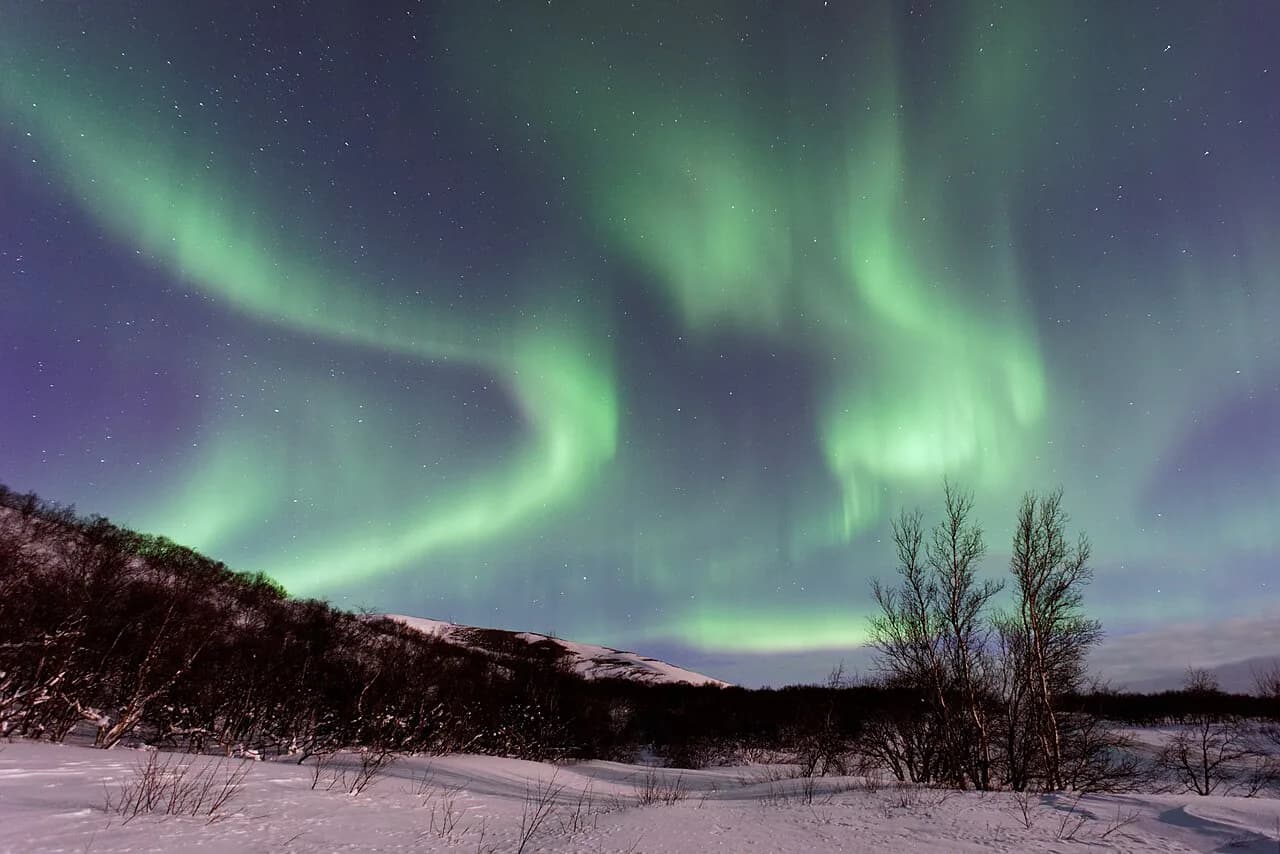
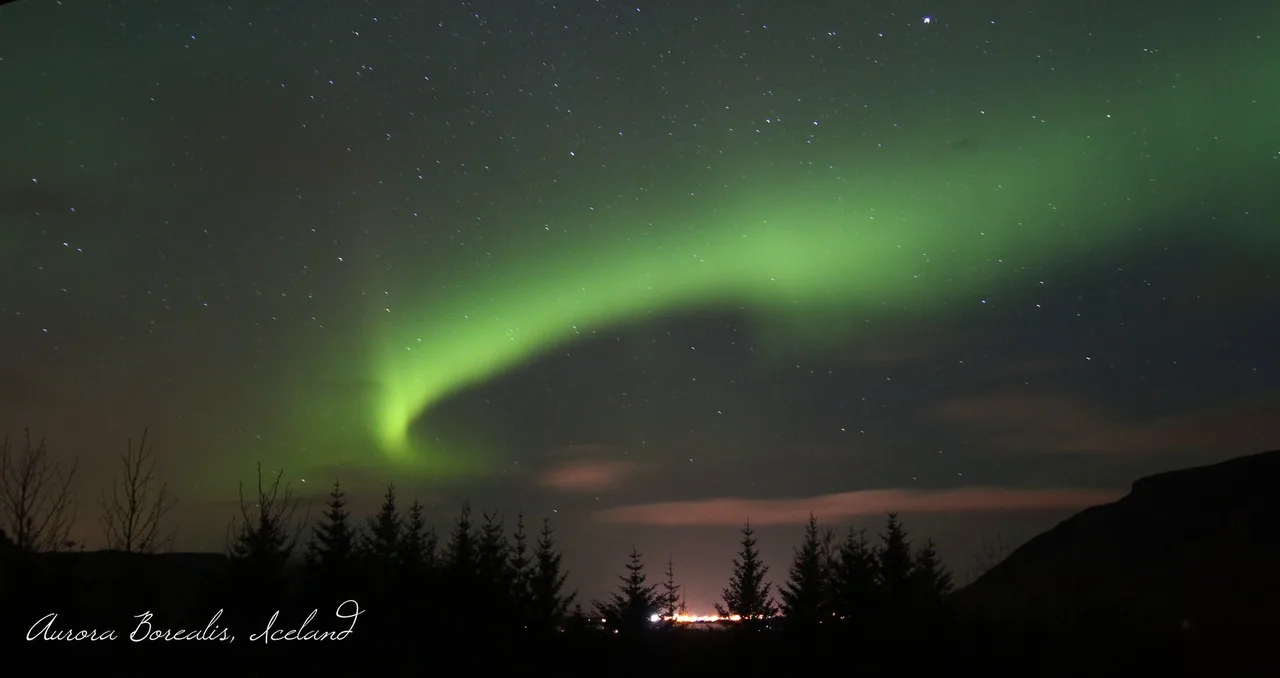
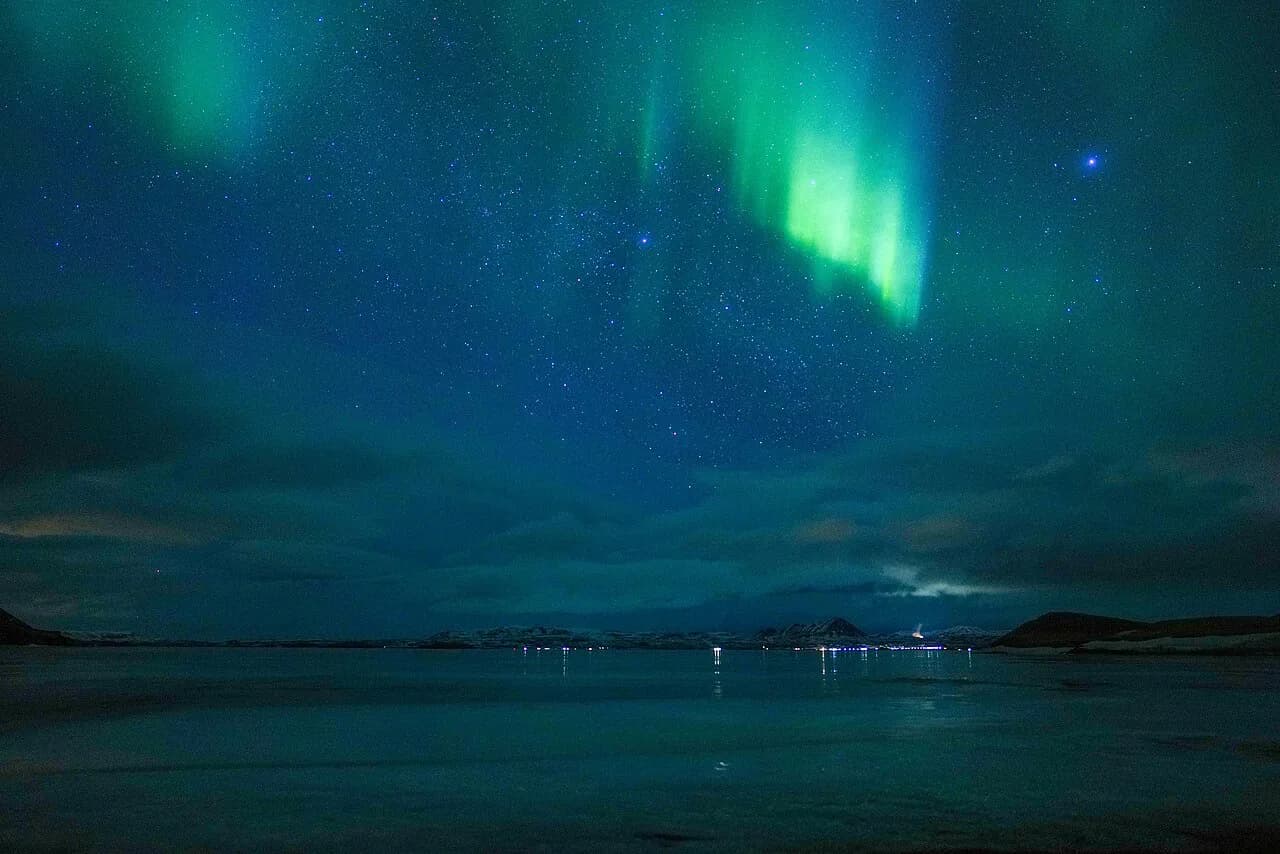
Reykjavík sits just below the Arctic Circle, close enough that aurora displays are common on dark, clear nights when solar activity is up. The obstacle in town is glare from streetlights and harbour lights, which washes out faint arcs before your eyes adapt. A boat solves that by putting water between you and the city; one operator notes that it takes only 10 to 15 minutes to sail into dark water away from the city's light pollution and reach a viewing spot in the bay.
That geography matters. Faxaflói is a broad bay with few islands near the harbour, so once you are out there the horizon opens up and you can watch the whole sky rather than a slice of it through a bus window. On a clear night you may also pick out the Akranes peninsula to the northeast and even Snæfellsjökull far across the water, landmarks that help you orient yourself while you wait.
Treat the boat as one tool among several. Kp values and aurora forecasts are guidance only, and cloud is the deciding factor on most nights, so a cruise is best booked early in a trip where you can move it if the sky closes in. If you want to compare the boat with road-based chasing, it helps to understand the wider scene for the northern lights in Iceland before you commit.
When the boat season runs and how dark the nights get
Reykjavík cruises operate from September through April, the months when nights are dark enough for aurora watching. Outside that window the sky never gets sufficiently dark, even when solar activity is high. Within the season, midwinter brings the longest nights and the most viewing hours, while September, October and March trade some darkness for milder conditions and easier daytime sightseeing.
Departures usually run late in the evening, and one listing shows a 9:00PM start for a two-hour cruise from the Old Harbour. That timing puts you on the water well after nightfall, with the bonus that Reykjavík's lights make a photogenic backdrop as you return. Check the departure time on your chosen date when you book, since it shifts with the season.
Departure point and how the evening is timed
Boats leave from Reykjavík's Old Harbour, a compact area of piers, ticket offices and seafood restaurants a short walk from the city centre. Special Tours meets passengers at its office at Geirsgata 11, while Sea Trips Reykjavik checks travelers in at Ægisgarður 5b and asks them to arrive 30 minutes before departure. Confirm your operator's exact pier before you set out, because the harbour has several berths.
The evening follows a simple rhythm: check in, board, listen to a short safety briefing, then sail out while the guide explains the science and folklore of the aurora. You spend most of the cruise scanning the sky from the decks, ducking inside to warm up when you need to. The boat returns to the same harbour, so you are back in the city centre in time for a late dinner or a drink.
The route: out of the Old Harbour and into Faxaflói Bay
The route is short and repeatable rather than a long expedition. Boats motor out past the small islands at the mouth of the harbour and then cruise Faxaflói Bay, sometimes running along the Reykjavík coastline so passengers get a lit-up view of the city against the dark. If cloud builds over one part of the bay, the captain can reposition, which is the main advantage of a boat over a fixed viewing platform.
This is not a fjord cruise or a trip to the horizon; you stay within easy reach of the harbour throughout. That keeps the evening to roughly two to three hours and means seasickness, when it happens, is usually brief. Travelers who want to be far from any artificial light should weigh a minibus tour into the countryside instead, or head out to the northern lights in Vík if their itinerary already takes them along the south coast.
What is included: guide, warm overalls, heated seating
Standard tickets cover the cruise, an English-speaking guide and free use of warm overalls, including children's sizes, so you can stand on deck without gearing up in advance. Boats have heated indoor saloons, toilets, a snack bar and WiFi, and some operators share photos taken during the tour afterwards. Food and drinks are usually excluded, though a bar is on board.
Think of the boat as a two-layer experience: a warm cabin where you can thaw out between sky checks, and open decks where you actually watch. The trade-off is that stepping in and out costs you dark adaptation, so pick a deck spot early and stay with it once the aurora appears.
Prices and pickup: cruise-only versus hotel transfer
Two price tiers are common, and the gap is essentially the cost of a transfer. A Special Tours cruise lists from €77 per person, with hotel transfers charged extra. Sea Trips Reykjavik prices a two-hour cruise at $86 per adult, rising to $112.59 with pickup and drop-off at eligible central Reykjavík hotels and official bus stops.
If your hotel is in the city centre, the Old Harbour is walkable and the cruise-only fare is the better value. Pickup earns its keep when you are staying outside the centre, traveling with children or booking a late departure in bad weather. Prices and currency display shift with the season and the booking platform, so compare the total at checkout rather than the headline figure.
Cancellations, retries and the land-based backup plan
Three different fallbacks get mixed up, so read the terms carefully. First, if the tour runs but the aurora does not appear, both operators issue a complimentary ticket to sail again on another date; Special Tours and Sea Trips Reykjavik both describe this free retry, and neither refunds the fare. Second, if the weather forces a cancellation, Special Tours runs a backup activity called Auroras at Whales of Iceland, a guided visit to the whale exhibition with a 25-minute northern lights film on an 8-metre screen, a short photography workshop and a complimentary drink, plus a ticket to rebook the boat.
Third, the ticket itself is generally non-refundable, which is why the retry matters: you are buying another attempt, not your money back. Book a cruise early in your stay so a free retry actually fits before you fly home, and keep the confirmation email with the rescheduling instructions. The retry is subject to availability on the night you choose.
Group sizes and the difference between boat and bus tours
Boat capacity varies. One listing for a Reykjavík aurora cruise notes a maximum of 75 passengers, with freedom to move around the ship, while larger vessels on the same route carry more. The practical difference is deck space: on a full boat you may share a rail with a crowd, so arrive early enough to claim a spot near the stern or bow where the view is unobstructed.
The real trade-off is sea versus road. A minibus can drive inland to wherever the forecast looks clearest, sometimes for hours, and stop on a dark track; a boat stays in Faxaflói and works with whatever sky is overhead. Boats win on comfort, novelty and light pollution close to town, while buses win on mobility when the cloud is patchy. For a broader comparison of what else is on offer, browse Iceland northern lights tours.
Sea conditions, cloud and why sightings are never guaranteed
Swell is the variable no one controls. The bay is sheltered compared with open ocean, but winter lows still bring chop, and operators cancel when conditions are poor or unsafe. If you are prone to motion sickness, take precautions before boarding and choose a night with a calmer forecast; the heated saloon helps, but the best views are outside.
How many nights to plan for a fair chance
Give yourself at least three nights in Reykjavík with aurora-viewing potential, and treat any single cruise as one attempt rather than the event. Cloud cover in Iceland changes quickly, so a night that looks hopeless at dinner can clear by midnight, and a retry ticket is worth little if you leave the next morning. Spacing attempts across a week raises the odds of catching a clear, active sky without relying on any forecast being right.
Build the rest of your days so that a late night does not wreck the next morning. A boat cruise is only two to three hours including check-in, which leaves room for a lagoon soak or a city afternoon the following day, and you can slot a second attempt in if the first night clouds over. If you want a warm-water evening without leaving the capital, the Sky Lagoon in Winter sits on the North Atlantic edge of town and pairs easily with a harbour departure.
Self-guided alternatives on clear nights near Reykjavík
If the forecast is promising and you have a car, you can chase the aurora yourself along the coast. Grótta lighthouse at the tip of Seltjarnarnes is a short drive from the centre and a known dark-sky spot, though you will share it with other aurora hunters and must keep car lights and torches low. Driving further out along Route 1 toward Þingvellir gets you away from the city glow, but watch for icy roads after dark.
Self-guided chasing saves money and gives you freedom, but it puts the forecast reading and driving on you. Without a car, the boat and bus tours are the practical routes out of the city lights, and both include a guide who can interpret the sky. If you prefer a geothermal evening as a backup plan, Secret Lagoon in Flúðir is a classic Golden Circle stop on a clear-night drive.
Who the boat suits and who should choose a minibus instead
The boat suits couples, families with older children and travelers who want a short, comfortable night out without a long drive. It also suits anyone staying in the city centre without a car, since the harbour is walkable and the whole evening fits inside a few hours. Travelers who feel the cold badly or get seasick should think twice, even with heated saloons and warm overalls provided.
Choose a minibus if your priority is reaching clear sky wherever it sits, if you are traveling with very young children, or if you have only one night to try. Otherwise, book a boat early in your stay, keep an eye on the cloud forecast and treat the cruise as one good attempt in a larger plan.
Plan Your Reykjavík Aurora Cruise
Book a northern lights boat tour for your first or second night in Reykjavík, choose cruise-only if you can walk to the Old Harbour, and use the free retry if the sky stays quiet. Read the cancellation terms before you pay so you know whether you are getting a rebooking, a backup activity or neither.
Then protect the plan with time: a handful of nights in the capital, a flexible daytime schedule and a willingness to swap a boat night for a minibus if the cloud sits inland. The aurora rewards patience more than any single booking, and the bay will still be there on your second attempt.
Frequently Asked Questions
What happens if the northern lights are not seen on the boat tour?
Most Reykjavík operators issue a complimentary ticket to sail again on another date if the aurora does not appear, and the fare itself is generally non-refundable. If the weather forces a cancellation, Special Tours offers a land-based backup visit to the Whales of Iceland exhibition with a northern lights film, a short photography workshop and a drink, plus a ticket to rebook the cruise.
How long is a northern lights boat tour from Reykjavík?
Expect roughly two to three hours from check-in to return, with the sailing itself taking up most of that time. Boats leave the Old Harbour in the late evening, and some listings show a 9:00PM departure for a two-hour cruise, so confirm the time for your date when you book.
Is a boat tour or a bus tour better for the northern lights?
A boat gets you away from city light pollution within minutes and offers heated indoor seating plus open decks, but it stays in Faxaflói Bay and works with the sky overhead. A minibus can drive inland for hours to find clearer sky, which helps when cloud is patchy. Choose the boat for comfort and a short evening, the bus for mobility.
Which month is best for northern lights boat tours in Iceland?
Cruises run from September through April, when nights are dark enough. Midwinter offers the longest nights and most viewing hours, while September, October and March balance darkness with milder conditions and easier daytime sightseeing. Cloud, not the calendar, decides most nights.
Where do northern lights boat tours depart from in Reykjavík?
Boats leave from the Old Harbour, close to the city centre. Special Tours meets passengers at Geirsgata 11, and Sea Trips Reykjavik checks travelers in at Ægisgarður 5b about 30 minutes before departure. Confirm your operator's pier before you set out, since the harbour has several berths.
How many nights should I plan for aurora viewing in Reykjavík?
Aim for at least three nights with aurora potential, and treat each cruise as one attempt. Cloud cover shifts quickly, so spacing attempts across a week gives you a fair chance of a clear, active sky and lets a free retry ticket actually get used before you fly home.
Sources
Notes for your Arctic winter trip
Optional updates to our northern lights guides.
You might also like

Continue reading
More guides you'll find useful