Jökulsárlón in November: Ice Caves & Aurora Nights Guide
Plan Jökulsárlón in November with realistic daylight, temperatures and rain odds, plus ice cave tours, lagoon options and nights to allow for clear skies.
On this page
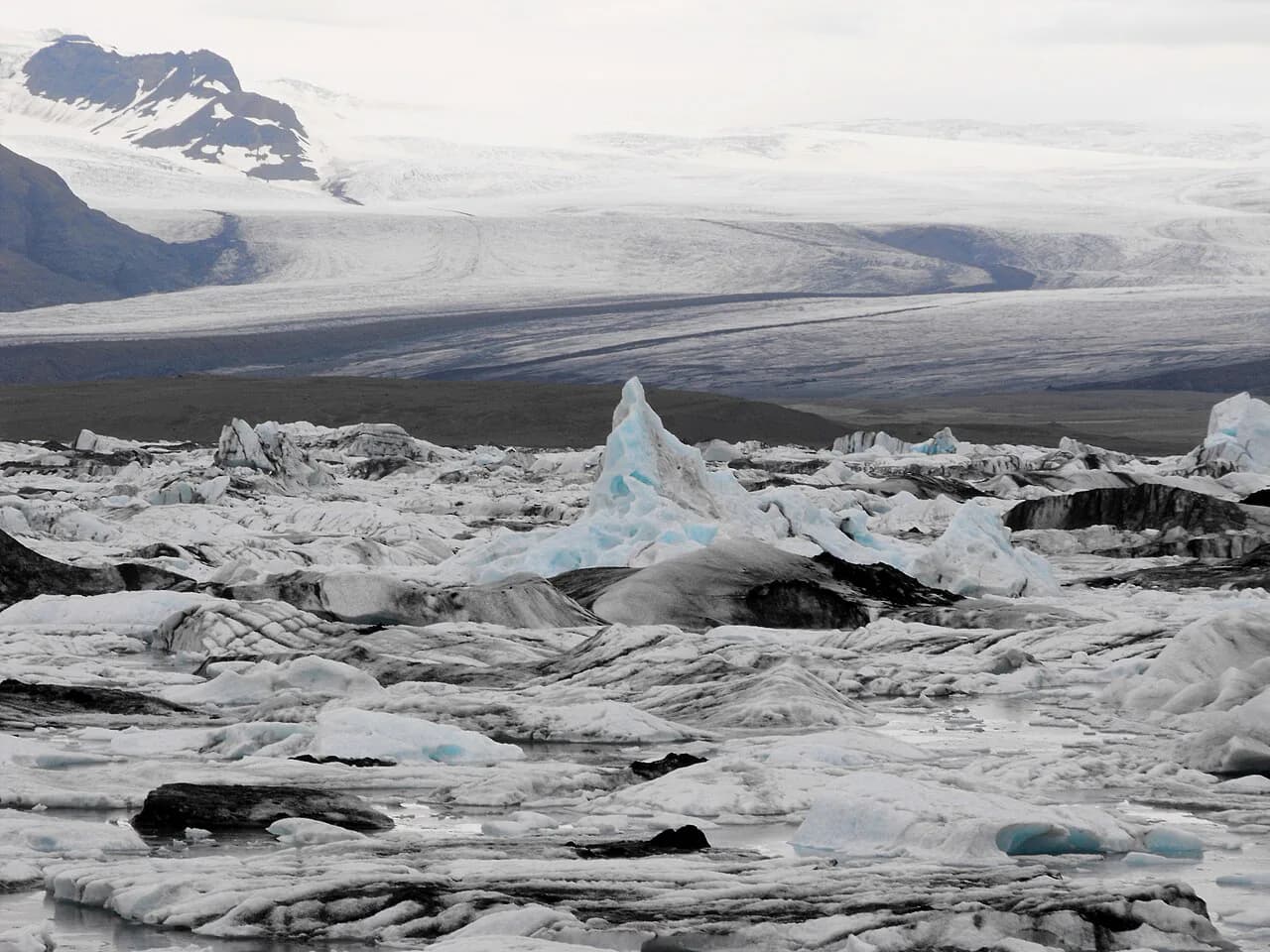
Jökulsárlón in November is a winter trip built around ice and darkness: icebergs drifting from Breiðamerkurjökull towards the sea, the black-sand shoreline of Diamond Beach across Route 1, and long nights that leave plenty of time for aurora watching. It suits travellers who want the south-east coast without summer traffic and who accept short days, wind and rain as part of the deal.
The trade-off is straightforward. You gain dark skies and an early slot in the natural ice cave season, but you lose daylight hours fast and the lagoon's boat tours are winding down. Plan the cave for the middle of the day, keep evenings free for the aurora, and give yourself at least two nights near the lagoon rather than treating it as a stop on a long drive from Reykjavík.
Why November suits Jökulsárlón
November sits at the start of the Icelandic winter, and the south-east coast is already cold enough for the ice caves under Vatnajökull to be guided, while nights are long enough for aurora hunting after a full day out. Visitor numbers and prices are lower than in high season, and the roads along the Ring Road stay open even though the highland F-roads are shut.
The cost of that quiet is weather. Rain, sleet, snow and wind can arrive on the same afternoon, and plans need a spare day rather than a rigid schedule. Treat any single night as one attempt among several: clear skies and solar activity both have to line up, and no operator can promise a display.
Where Jökulsárlón sits on the south-east coast
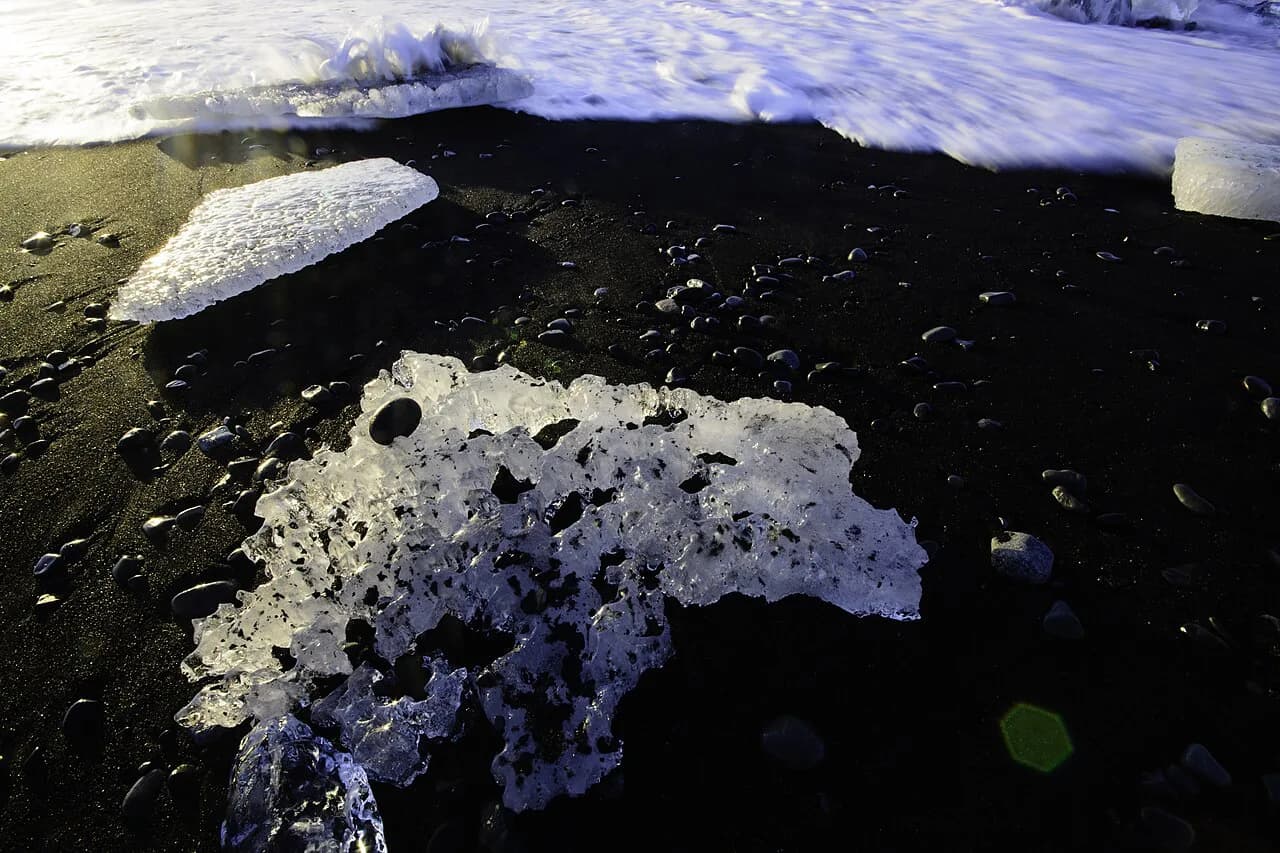
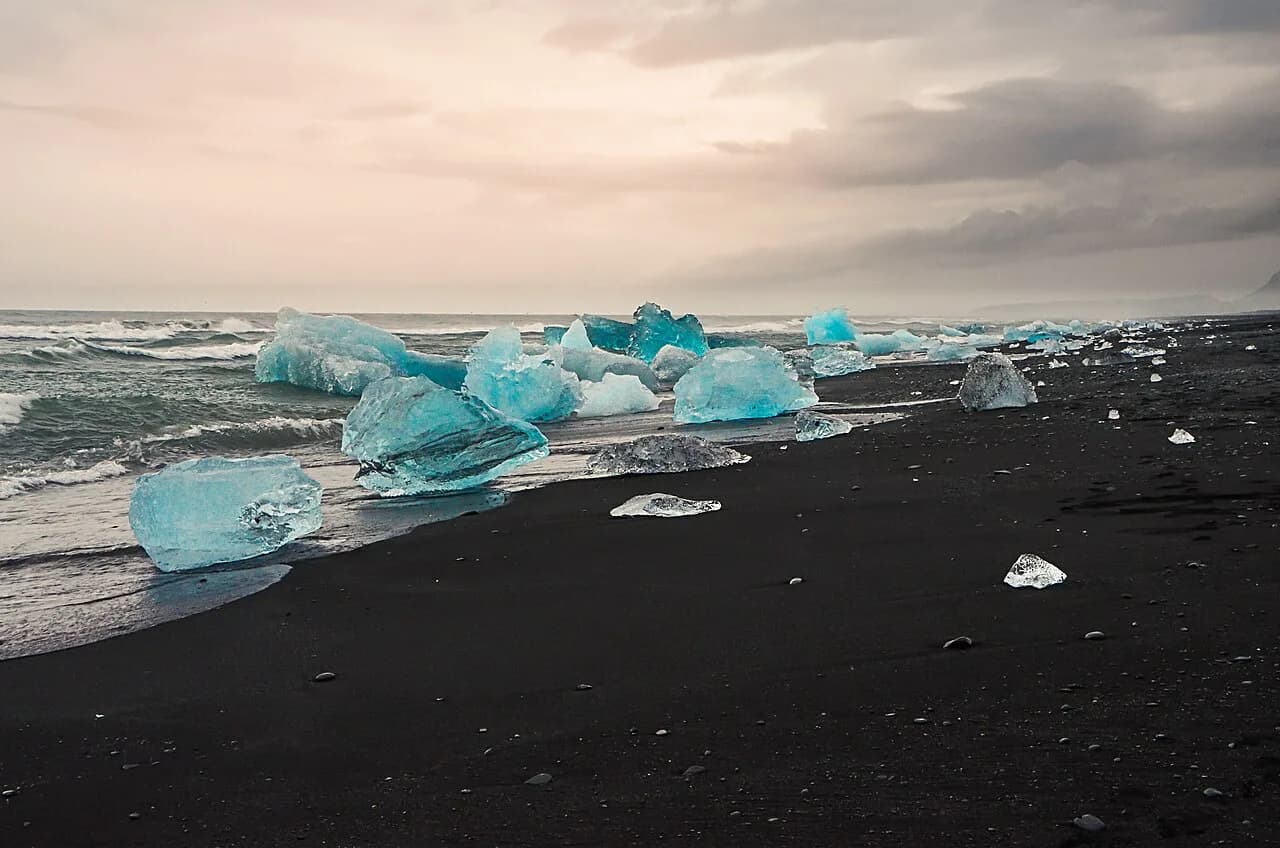
The lagoon lies in the south-east of Iceland, where the outlet glacier Breiðamerkurjökull calves icebergs into the water and they drift slowly out to sea. Across Route 1, ice washes back onto the black sand at Diamond Beach, which makes the two sites a single stop rather than two separate outings.
At this latitude the aurora oval sits overhead often enough that darkness, not distance north, is the limiting factor in November. Light pollution is minimal once you leave the small settlements behind, so the shoreline and the dark stretches of Route 1 between the lagoon and Höfn work as viewing ground. For a fuller picture of how the season behaves here, see the guide to Northern Lights at Jökulsárlón.
Daylight in November
Days shorten quickly across the month. In Reykjavík the sun rises at about 09:10 and sets at about 17:13 on 1 November, giving roughly eight hours of daylight, and by 30 November sunrise is near 10:43 with sunset around 15:51, leaving about five hours. The north and the south-east get a little less, and twilight adds usable light at each end.
That shapes the day more than anything else. Sightseeing belongs in the middle hours, driving after dark should stay on main roads, and a cave tour booked for late morning or early afternoon fits the light. In late November a departure between roughly 10:45 and 13:00 falls in daylight on every day of the season, which is why midday slots are the sensible choice.
November weather near the lagoon
Höfn, the nearest town, averages about 2.7°C in November, with a mean minimum near 0.1°C and a maximum around 5.2°C, and roughly 115 mm of precipitation spread over about 14 days. In practice that often means rain rather than snow at the coast, with snow holding better on the mountains and the glacier.
Wind matters more than the thermometer, and ice on paths and car parks is common in the mornings. Warm-rain days, meaning at least 5 mm of rain on a day above 2°C, fall on around 28% of November days, so build slack into any plan that depends on being outside at a set time.
When the aurora season runs
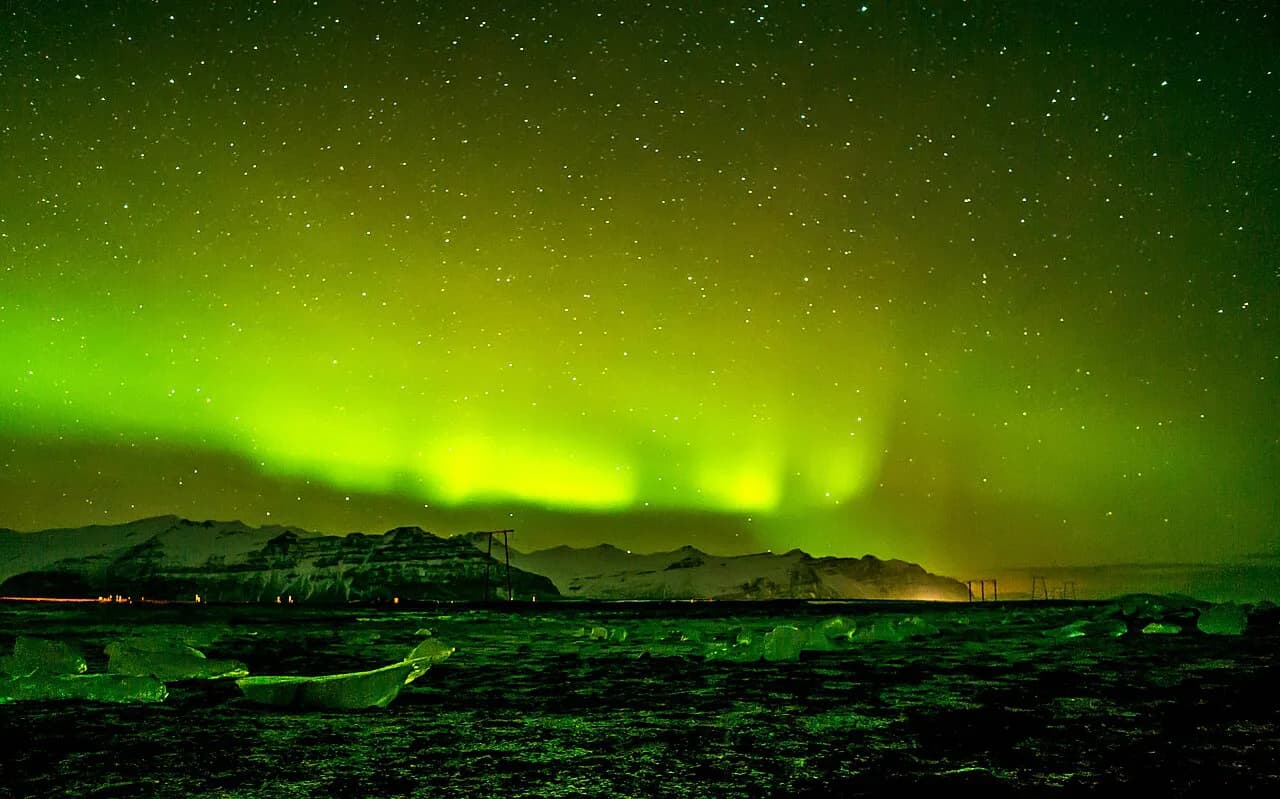
Aurora season in Iceland runs through the dark months, and November is among the strongest because nights are long and skies are often clear enough for viewing. The lights are mostly green, with pink and purple edges on a strong night, and they appear when darkness, clear sky and solar activity coincide.
Kp values are guidance only; they describe expected geomagnetic disturbance, not what you will see from a specific shoreline under a specific cloud layer. On a cloudy week a high Kp figure means nothing, while a modest one under a clear gap can put on a show. Judge the night by cloud cover first.
Where to watch near the lagoon
The obvious spots are the lagoon shoreline and Diamond Beach, where the only light comes from the sky and passing headlights. The sand is dark, the horizon open to the north, and the icebergs give a foreground that few other aurora locations can match.
If cloud sits over the coast, the stretches of Route 1 inland towards Skaftafell and the side roads towards the glacier outlets often offer gaps. Pull fully off the road, keep hazard lights off once parked, and stay away from the lagoon's own buildings if you want a clean sky. Check the aurora and cloud forecast on vedur.is before you commit to a spot.
Self-guided chasing versus a guided northern lights tour
With a car and two nights in the area, self-guided chasing is realistic: you drive to a dark pull-off, watch the cloud forecast and move if it thickens. The advantage is flexibility at no extra cost, and the lagoon area is compact enough to reposition within minutes.
A guided tour does the forecast reading for you and will move the group to wherever gaps open, which matters if you are not confident driving icy roads at night. Multi-day packages from Reykjavík bundle aurora hunting with the south coast and ice caves, including a three-day tour with Golden Circle, South Coast and Glacier Lagoon stops starting at 08:00 from Reykjavík.
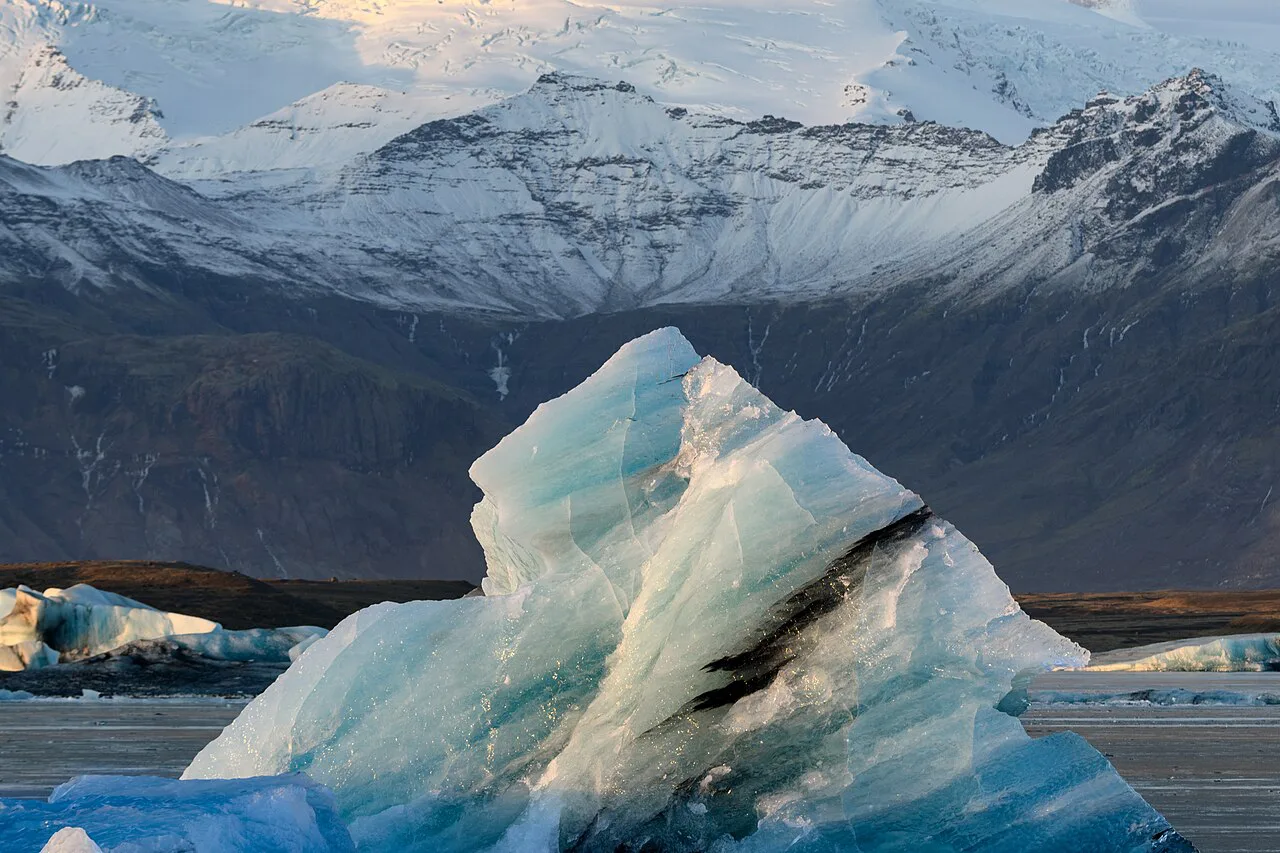
Ice caves from Jökulsárlón in November
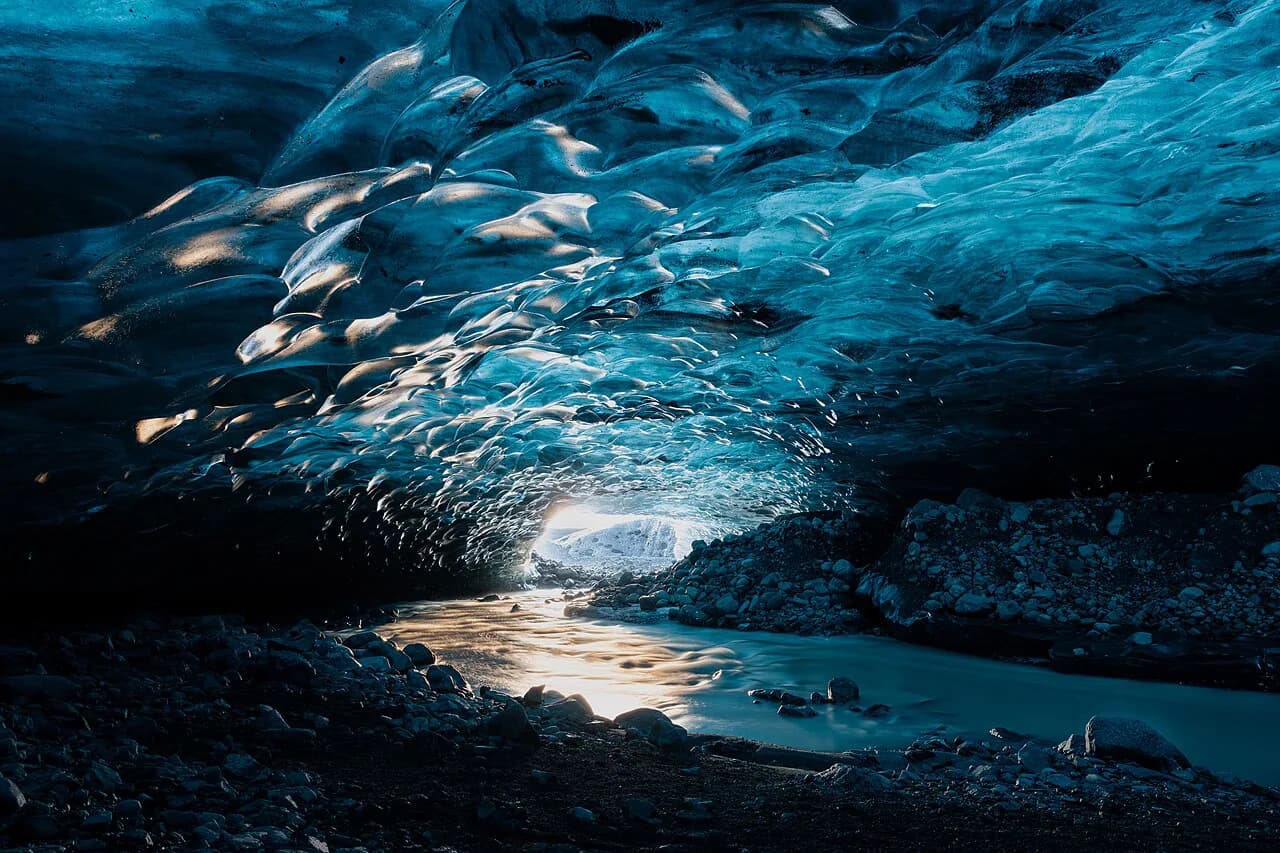
Inside Vatnajökull National Park the natural ice cave season is fixed by rule from October to April, with caves closed from May to September, and each operator must have an experienced lead guide assess every cave daily. Tours therefore run in November, but the cave you enter depends on how stable the ice has been that week.
Early November is the least settled stretch: after heavy rain the main cave can flood, turn muddy or close for a few days, and operators may substitute a blue-ice tunnel, a canyon or a glacier walk. Mid-November brings more frozen days, and the last ten days of the month are the best part of November for ice caves, with colder spells and more blue showing, though daylight is short.
This season's main cave on Breiðamerkurjökull is Verðandi, described by one operator as about 200 m long and up to about 15 m wide beside the glacier's calving face. Until the access road extension towards it is built, plan for a walk of roughly 1.8 to 2 km each way, which the standard tour absorbs into a duration of around 3 hours 20 minutes.
Natural Vatnajökull caves versus Katla and Langjökull
The Vatnajökull caves near the lagoon are natural meltwater tunnels, rebuilt each winter and coloured blue to dark depending on the year. The Katla cave under Mýrdalsjökull near Vík runs year-round and shows black volcanic-ash bands in the ice, about two and a half hours' drive from Reykjavík, which makes it the practical fallback if you are only reaching the South Coast.
The Langjökull tunnel at Into the Glacier is man-made and open all year, roughly two hours from Reykjavík via Húsafell and Klaki, and it suits families wanting something predictable with kids welcome. None of these alternatives looks like the famous Vatnajökull photographs, so pick on drive time and look rather than expecting them to be interchangeable.
Operators, group sizes, minimum ages and what is included
Several operators run from the lagoon car park, and group caps differ: Local Guide of Vatnajökull takes 12 per guide, Glacier Trips 14, with 8 on its longer cave-and-hike trip, and Blue Iceland 16. Durations cluster between about 2.5 and 4 hours for the standard cave tour, with a 5 to 6 hour cave-plus-hike option for fitter travellers.
Minimum ages are usually 8 or 10 on the standard tours, with longer hike-and-cave trips often 14 and over. Gear is included across the board, typically a helmet and microspikes or crampons plus a headlamp when needed, while you bring warm waterproof layers and hiking boots with ankle support rather than trainers.
Two operators, Fjallsárlón and Glacier Adventure, publish a November start rather than October, and Glacier Adventure meets at Hali about 13 km east of the lagoon. If you are travelling in the first days of the month, check that your chosen tour has departures loaded for your date before you build the day around it.
Meeting points and cancellation rules
Most tours meet at the lagoon's main bus parking, with some departures at set times such as 09:30 and 13:00, and self-drivers should stay nearby the night before because the drive from Reykjavík alone takes five hours or more. Booking the cave for your first full day in the region leaves room to reschedule if rain or wind cancels it.
Cancellation windows vary more than most travellers expect. Local Guide and Blue Iceland refund in full with 24 hours' notice, Glacier Trips asks for more than 48 hours, and Glacier Adventure refunds 95% beyond 24 hours; if Local Guide, Blue Iceland, Glacier Trips or Glacier Adventure cancels for weather or unsafe ice, they offer a full refund or a reschedule.
A tour that goes ahead in grey, wet weather is not refundable simply because the day is dull, and one operator states that explicitly. Read the conditions page of whichever company you book with the week before you travel, since cave names, routes and rules can shift during the season.
Boat tours: what still runs
The amphibian boat tour on the lagoon normally runs from May to November, lasting 30 to 40 minutes past the icebergs and seals, and the Zodiac versions give a closer, faster ride in a small group. In November the boats wind down in early to mid month, so do not count on a boat as a backup for a cancelled cave.
Kayaking on the lagoon is a summer activity, and the boat operators' schedules thin out as the ice and light change. If a boat trip matters to you, place it early in the month and treat the cave and the shoreline, including Diamond Beach, as the core of a November visit.
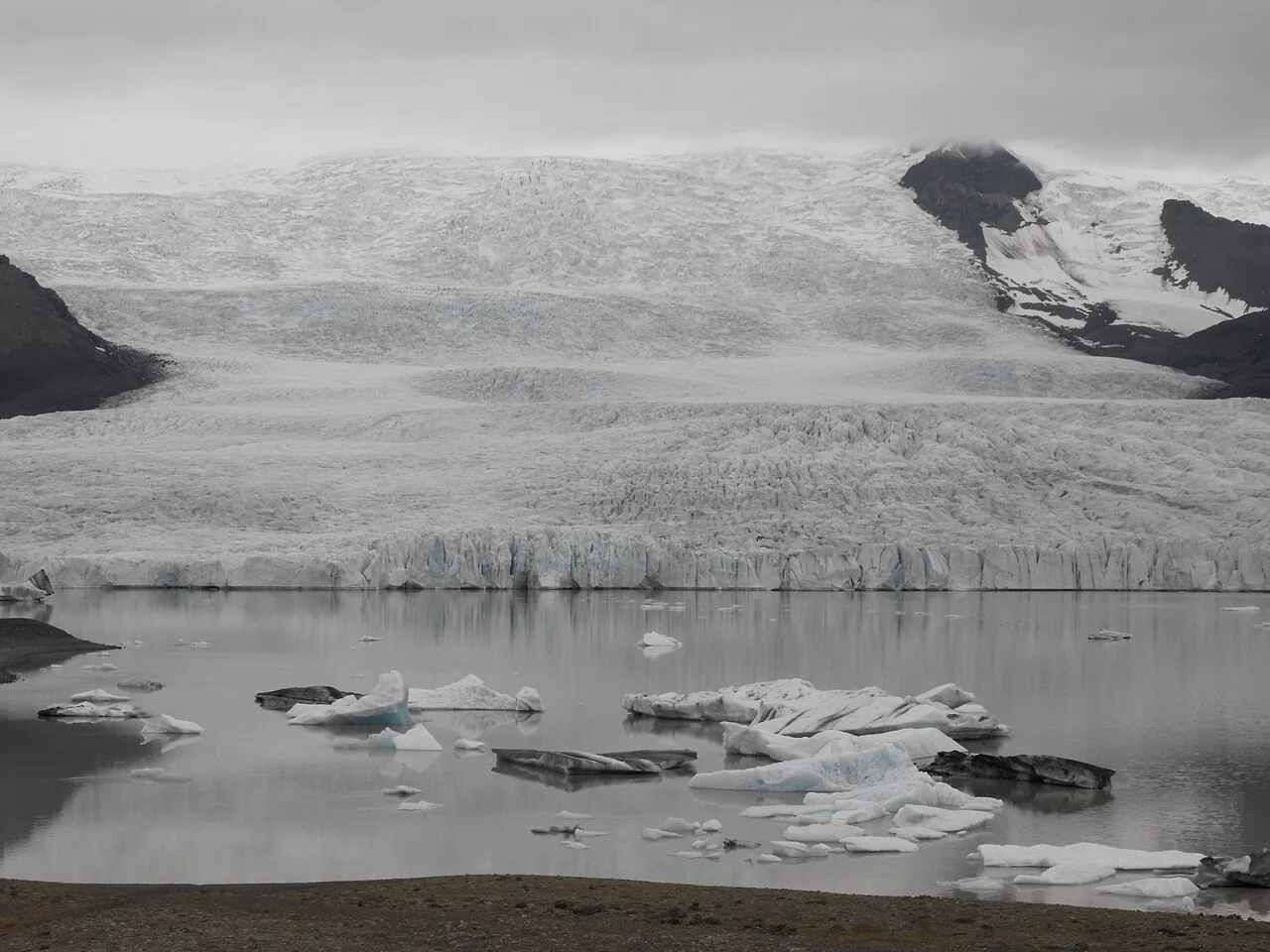
Diamond Beach and the lagoon at first light
Early morning is the quietest time at the lagoon, and the low winter sun gives long, soft light that photographers value. Ice on the sand at Diamond Beach is at its most photogenic before crowds arrive, and the drive between the two takes a minute across Route 1.
Give the lagoon at least two days on the ground rather than a single stop. Jökulsárlón is about 380 km and close to six hours from Reykjavík, so an overnight in the south-east turns a punishing drive into a comfortable base for caves, the shoreline and evening aurora watching.
Other November days: glacier hikes, the Golden Circle and hot springs
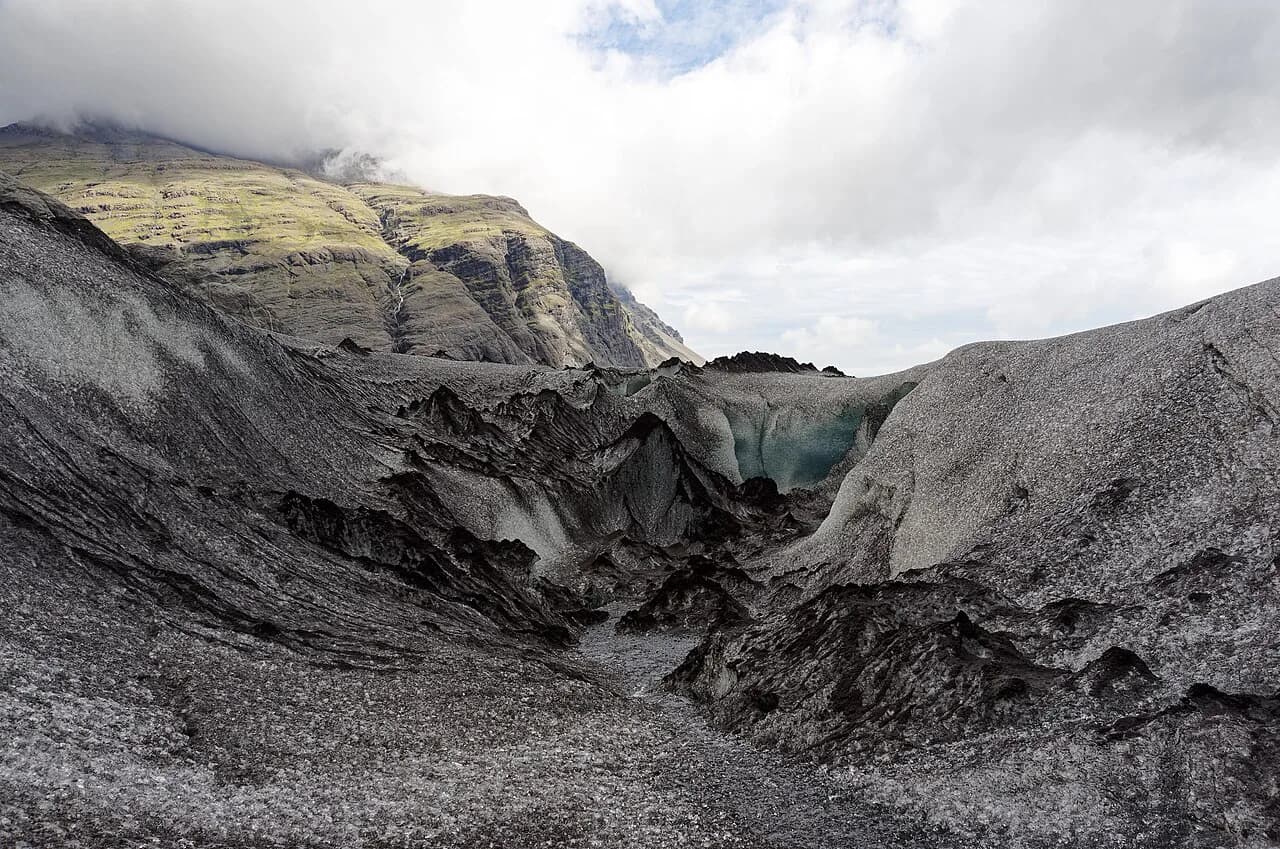
Glacier hikes run through November, with guides providing crampons and an ice axe on routes such as Sólheimajökull and the longer walks from Skaftafell in Vatnajökull National Park. Tours range from about three hours to a full day, so match one to your fitness and to the short daylight window.
On the way east or west, the Golden Circle stays open and looks different under frost, with Strokkur erupting every few minutes and Gullfoss often partly frozen. Geothermal pools such as the Secret Lagoon at Flúðir and Hvammsvík in Hvalfjörður make an easy warm stop at the end of a cold day.
Reykjavík fills dark afternoons with museums, cafés and Christmas shopping, and festive lights go up during the month. The city is a sensible base for the first or last night, but it is too far to treat as a base for the lagoon in November.
How many nights to allow in the south-east
Two nights near the lagoon is the sensible minimum, and three is better if you want a fair chance of clear skies and a backup slot for the cave. November brings frequent cloud and rain, and a single night gives you one attempt at the aurora and no room to reschedule a flooded cave.
Spread the attempts: use one evening at the lagoon shoreline, keep another free for a drive towards Skaftafell or Höfn if cloud settles, and leave the cave for a midday slot on the first full day. That structure survives a bad forecast without wasting the trip.
Driving, roads and winter tyres in November
The highland F-roads are closed in November, and driving them is illegal as well as unsafe, while the Ring Road and the south coast stay open subject to ice, snow and wind. Check road.is before setting out and confirm with your rental company that winter tyres are fitted.
Distances on paper understate the day in November. Winter light fades early, so keep a buffer of one to two hours before dark and plan the longest drive for daylight rather than trying to reach the lagoon after a late start from Reykjavík.
Where to stay around the lagoon and Skaftafell
Bases split into three: the lagoon area itself, Skaftafell a short drive west, and Höfn further east along the coast. Staying close to the lagoon puts Diamond Beach and the shoreline within minutes for an evening aurora attempt, while Skaftafell suits glacier hikes and Höfn offers the widest choice of rooms and food.
Book early for late November if you want a specific hotel, since rooms near the lagoon are limited and the cave season draws visitors into a narrow strip of coast. For a hotel with easy access to both the lagoon and the national park, Fosshotel Glacier Lagoon sits between the two and works as a base for cave mornings and aurora evenings.
Plan Your November Visit
November at Jökulsárlón rewards travellers who accept short days and changeable weather in exchange for dark nights, quiet roads and the early ice cave season. Aim for late November if you can, book a midday cave departure for your first full day, and keep at least two nights in the south-east so a cloudy evening or a flooded cave does not define the trip.
If your dates are fixed and the lagoon is one part of a wider circuit, the guide to Jökulsárlón Glacier Lagoon in winter covers how the coast behaves later in the season. Confirm cave departures, prices and cancellation terms with your chosen operator before you travel, since season figures shift from year to year.
Frequently Asked Questions
Are Jökulsárlón ice caves open in November?
Yes. Inside Vatnajökull National Park the natural ice cave season runs from October to April, so tours operate throughout November under daily guide assessment. Early November is the least settled stretch, when heavy rain can flood the main cave and operators substitute a blue-ice tunnel, canyon or glacier walk, while the last ten days of the month are the most reliable part of November.
How much daylight does Iceland get in November?
In Reykjavík the sun rises at about 09:10 and sets at about 17:13 on 1 November, giving roughly eight hours of daylight. By 30 November sunrise is near 10:43 and sunset around 15:51, leaving about five hours. Twilight extends usable light at both ends, and the south-east gets slightly less than the capital.
Can you see the northern lights at Jökulsárlón in November?
November offers long dark nights, and the lagoon shoreline and Diamond Beach have minimal light pollution, so conditions are favourable when the sky is clear and solar activity is present. Sightings are never guaranteed: cloud cover and geomagnetic activity both have to cooperate, so allow several nights and treat Kp values as guidance only.
How cold is it at Jökulsárlón in November?
Höfn, the nearest town, averages about 2.7°C in November, with a mean minimum near 0.1°C and a maximum around 5.2°C. Wind makes it feel colder than the number suggests, and precipitation often falls as rain rather than snow at the coast, with snow holding better on the glacier and mountains.
Do boat tours run on the lagoon in November?
The amphibian boat tour normally runs from May to November, lasting 30 to 40 minutes, and Zodiac tours give a closer ride in a small group. Boats wind down in early to mid November, so do not rely on one as a backup for a cancelled ice cave. Kayaking is a summer activity.
How many nights should you spend near Jökulsárlón in November?
Two nights is the sensible minimum and three is better. November brings frequent cloud and rain, so a single night gives you one aurora attempt and no room to reschedule a flooded cave. Booking the cave for your first full day leaves the rest of the stay free for a second attempt.
What happens if the ice cave is not ready?
Operators substitute alternatives instead of cancelling: typically a blue-ice tunnel, a canyon or a glacier walk, and some keep a backup cave. If weather or unsafe conditions force the operator to cancel, companies running from the lagoon offer a full refund or a reschedule. A tour that runs in grey weather is not refundable for dull conditions alone.
Sources
Notes for your Arctic winter trip
Optional updates to our northern lights guides.
You might also like
Continue reading
More guides you'll find useful