Lapland on a Budget: Where the Money Goes and How to Cut It
Plan Finnish Lapland on a budget by booking flights and cabins yourself, self-catering, choosing November over Christmas and picking one or two paid tours.
On this page
Finnish Lapland in winter gives you dark skies, snow-covered forest and the Arctic Circle within a short drive of an airport, and it suits travelers who would rather build the trip themselves than hand it to a package operator. Rovaniemi is the practical base: flights land there, the sleeper train from Helsinki arrives in the city, and cabins, apartments and hotels sit within reach of both the town and the surrounding forest.
Budgeting here is mostly a question of sequencing. Fix your dates first, then your bed, then decide how many paid tours you genuinely want, because those three choices decide most of the total. The travelers whose spending figures appear below booked independently, and their breakdowns show clearly where the savings sit and where a cheaper trip starts to cost you something in daylight, snow or comfort.
Why Finnish Lapland costs what it does in winter
Three items dominate any Lapland budget: getting there, sleeping there and the experiences you book once you arrive. One family that booked the whole trip themselves spent around 450 pounds on flights and 632 pounds on their main accommodation, which together accounted for roughly half of their total outlay.
The rest divides into smaller but real sums: a sleeper train leg, food, winter clothing bought once, and the experiences you choose. That same trip came to about 2,286 pounds in total, and the traveler notes it would have dropped under 2,000 pounds by booking the train earlier on a saver ticket and reselling clothing afterwards, which tells you how much slack sits in the plan rather than in the destination.
Package tours bundle flights, transfers and activities, and their convenience is real, especially with young children and a short window. The trade-off is control: when you assemble the pieces yourself you can shift money from a second safari into a better-located cabin, or from a hotel restaurant into a supermarket shop, and you keep the itinerary adjustable if the weather turns.
When to go: November versus the Christmas peak
Late autumn and early winter are the cheapest weeks that still feel like Lapland. One family flew to Rovaniemi in November precisely because fares were far lower than at Christmas, accepting that the deep-snow postcard look was not guaranteed, and the winter season in the area stretches from November into April, so a post-Christmas visit remains an option if the Santa visit is not the point of the trip.
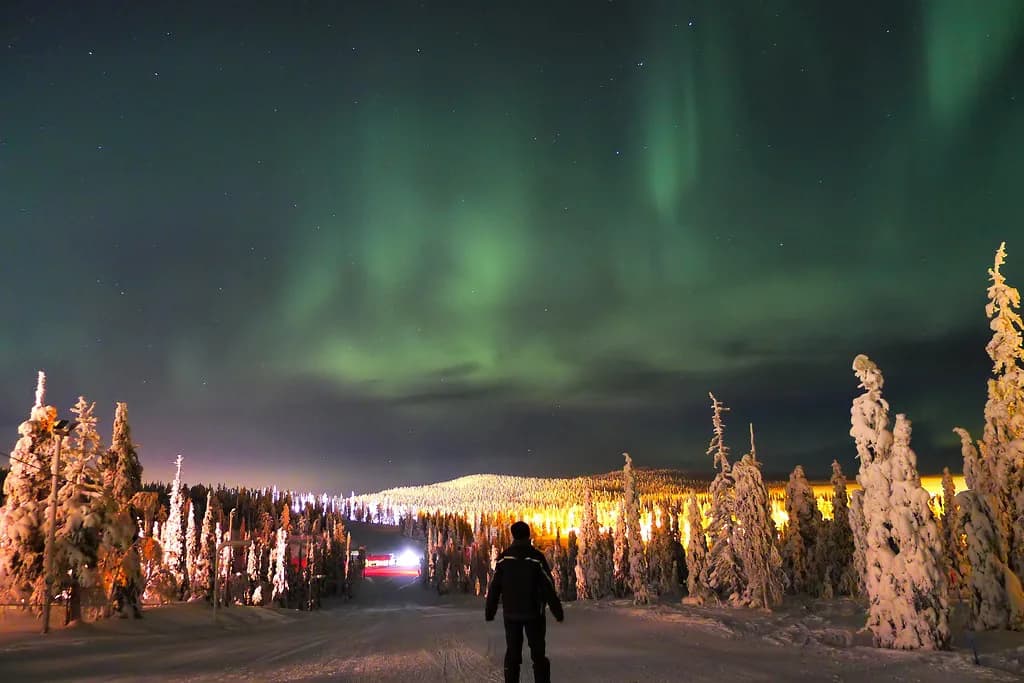
For aurora purposes, what matters is darkness, not snow. Around Rovaniemi the nights are long enough for aurora watching from roughly late August through early April, and November delivers plenty of dark hours at a fraction of the December price. December buys you the Christmas atmosphere and reliable snow cover, but it also brings the highest demand for beds and the shortest usable daylight. If you would rather base the trip further north, this Levi northern lights guide covers the same darkness-versus-price trade-off for a fell resort town.
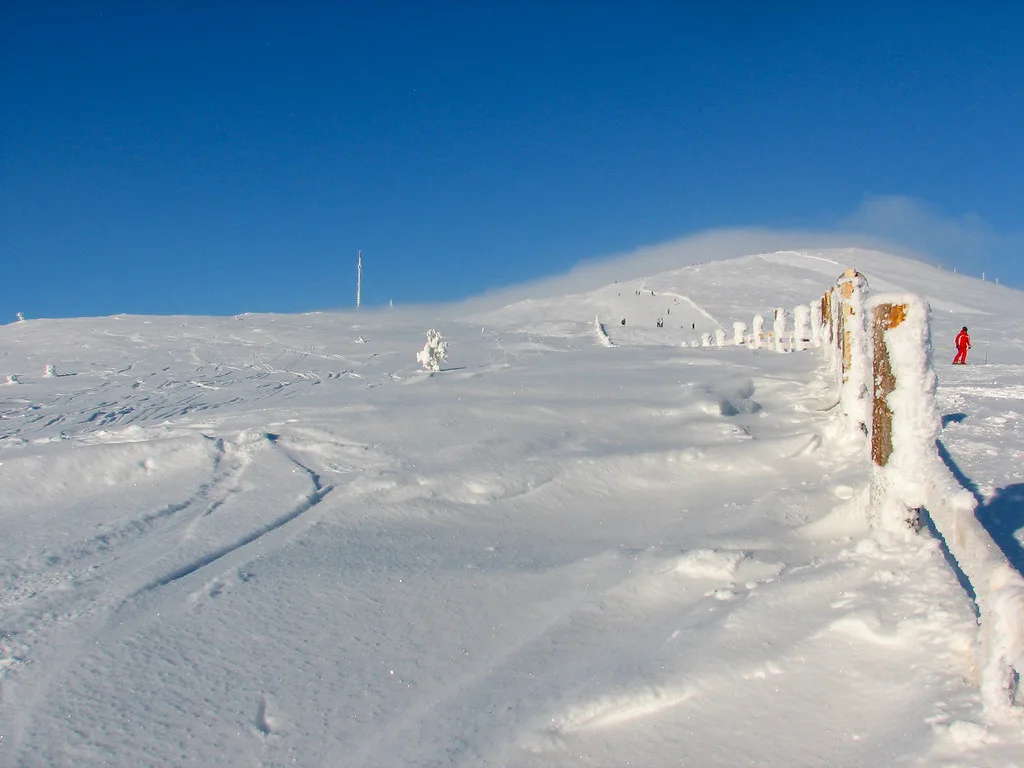
Snow is the variable you cannot budget for. A November trip can mean bare ground near town with stored snow at the ski resort, as one traveler found at Ounasvaara, while a Christmas-week trip almost always gives you a white landscape and a much busier Santa Claus Village. If sliding and snow play matter more than price, pay for December or January; if dark skies and a lean total matter more, November is the better trade.
Booking it yourself instead of a package
Booking direct is the single biggest lever. One traveler compared a package quote of around 4,200 pounds for a bed-and-breakfast stay with activities for the same dates against assembling flights, accommodation and a few activities independently, and the self-built version of that family trip landed near 1,200 pounds for five people before food.
The mechanics are simple. Book flights into Rovaniemi as soon as your dates are fixed, reserve a cabin or apartment with a kitchen through a booking site, and add the VR sleeper train from Helsinki only if you want the overnight rail experience or are routing through the capital anyway.
On the ground, a hire car converts a fixed schedule into a flexible one: you can reach trailheads, ski slopes and dark roadside laybys on your own timing, and supermarket runs stop being a logistical problem. The cost of the car has to be weighed against airport transfers and tour pickups, but for families and anyone planning several nights of independent aurora watching, it usually earns its place.
Where to sleep: apartments, cabins and hotels
Self-catering accommodation does double duty in Lapland: it cuts the food bill and gives you somewhere warm to wait out cloud. A cabin or apartment with a kitchen and a drying space for outerwear lets you wash and rewear layers, which is exactly how one budget-focused family kept their clothing costs from multiplying across an eight-day trip.
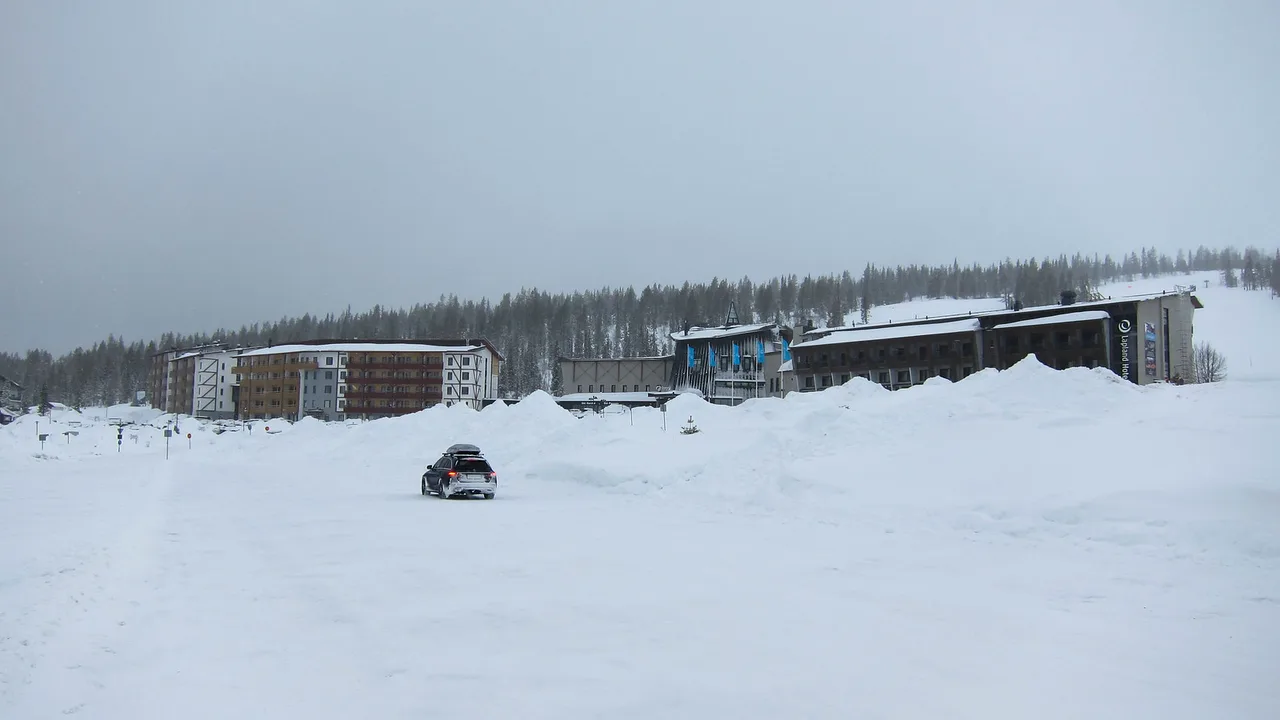
Hotels still make sense when you want the sauna, the restaurant and the view without organising any of it. Lapland Hotels Sky Ounasvaara sits at the Ounasvaara ski area outside the city, and one family paid 540 euros for a junior suite with a private sauna, a splurge that replaced both a separate sauna visit and a restaurant dinner.
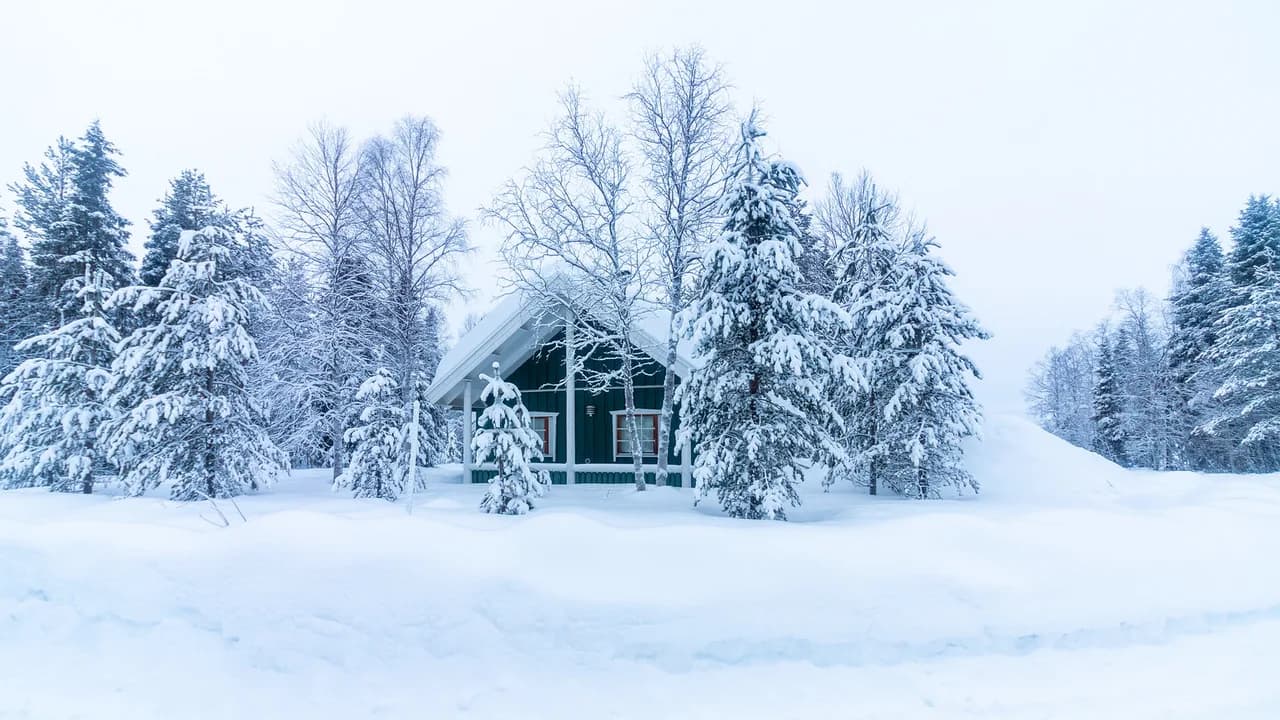
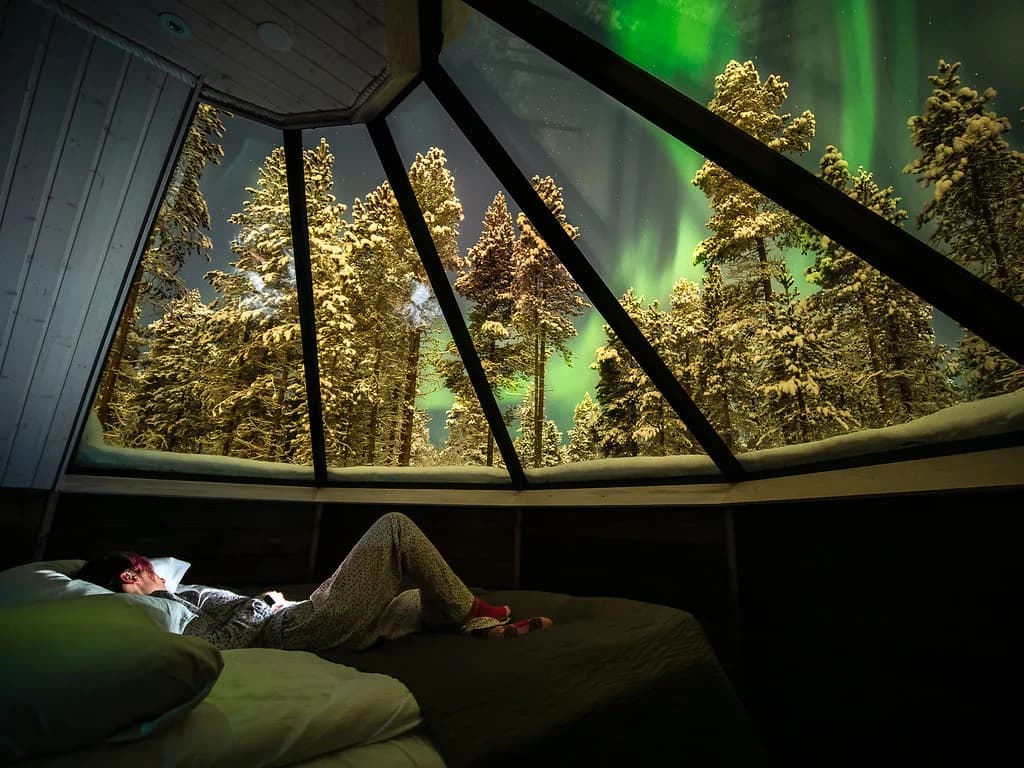
Where you sleep also shapes your aurora odds. A cabin in the forest outside Rovaniemi removes streetlight glare from your doorstep, while a city hotel means a drive or a tour to reach dark sky. Weigh the nightly saving against the cost of the transfer you will need either way, and remember that glass-roofed rooms trade privacy and heat control for the chance of watching from bed.
Food: supermarket shops and the occasional meal out
Finland is not a cheap place to eat out, and three restaurant meals a day will quietly outgrow your flight budget. One family on an eight-day trip spent roughly 175 pounds on food in total by shopping at a K Supermarket about seven minutes from the Rovaniemi railway station on arrival and cooking in their accommodation, eating out only twice, in Helsinki.
The practical routine is a big first shop for breakfast, packed lunches, snacks and simple dinners, then a small top-up midway. A supermarket stop before you reach the cabin saves both money and a return drive, and a packed lunch on activity days keeps you out of the most expensive cafes at the busiest hours.
Budget for one or two proper meals out as part of the trip rather than pretending you will skip them. A lunch in town or a restaurant dinner with a view costs far less than a full week of restaurant eating, and a petrol station across from Santa Claus Village serves filling food at prices well below the village restaurants, a detail worth knowing on a long day out there.
Choosing one or two paid experiences
The wisest budget move is to pick a short list rather than a full schedule. One family with a fixed total chose no husky or reindeer ride and no northern lights tour, and instead put their experience money into a two-day SantaPark pass at about 110 pounds for the family, which let them spread the activities over two visits without rushing.
If a guided night out is on your list, treat it as a cloud-escape service rather than a sighting purchase. Operators drive to wherever the sky is clearest, lend thermal suits and boots, and often include hot drinks and photographs, and group sizes and durations vary enough that the small-group version is usually worth the extra. Browse the range of finnish lapland northern lights tours and compare what each night actually includes before committing.
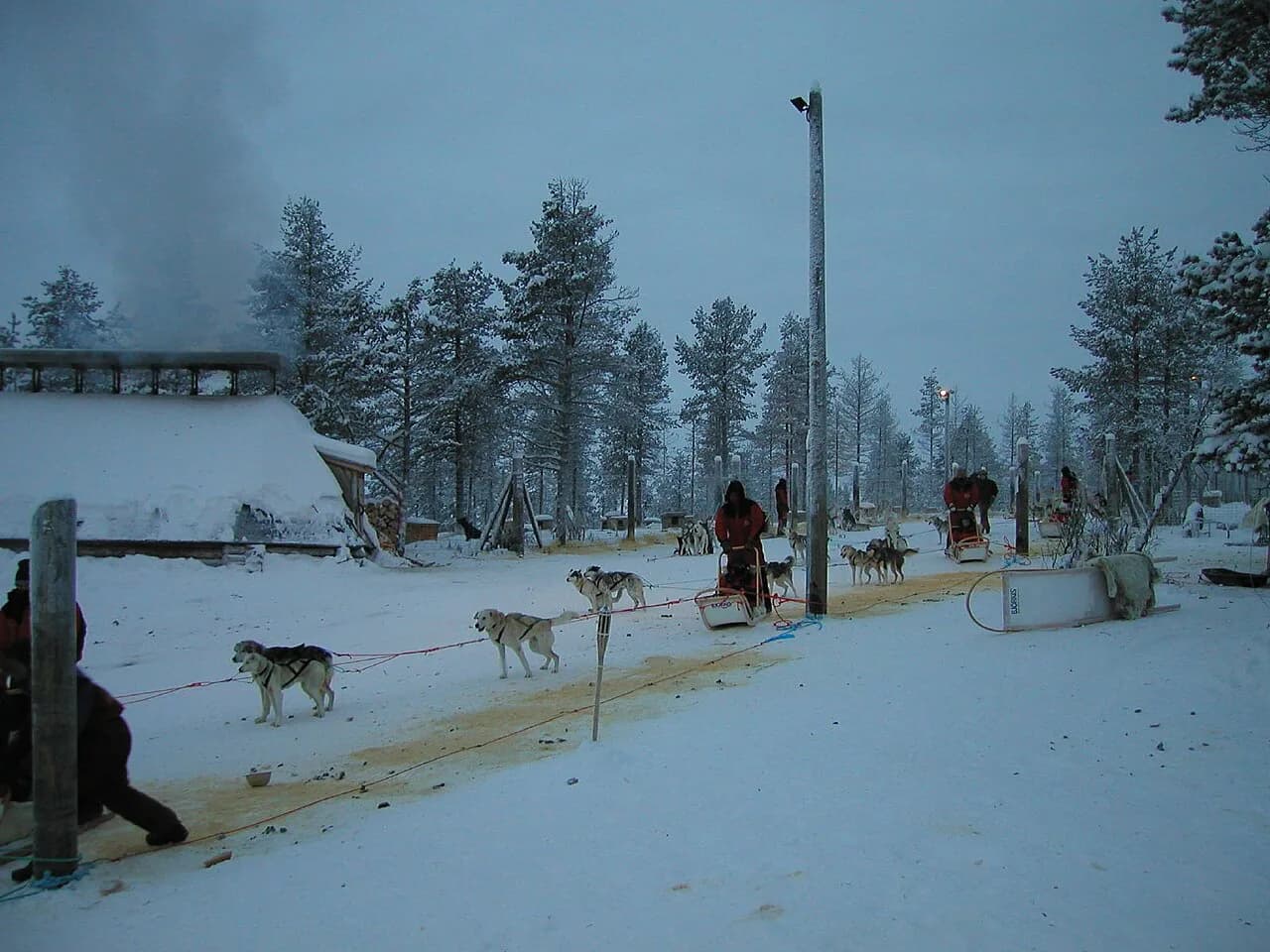
Husky and reindeer safaris are the other classic spend, and the shorter taster versions at Santa Claus Village cost a fraction of a half-day forest trip. Decide which one experience you would regret missing, book that, and leave the rest to free snow play, which children tend to remember just as well as a sled ride.
Free and low-cost things to do around Rovaniemi
Rovaniemi's strongest free assets are its forests and its snow. Ounasvaara has marked trails and slopes on the city's edge, and a cabin or hotel there puts you a short walk from trees, ridge views and dark sky without paying for a tour. Snow play, sledging and hot chocolate around a fire cost nothing beyond the groceries.
Arktikum, the science centre and museum on the river, is a good paid indoor option for the short daylight hours, and the city centre itself is compact enough to walk in an afternoon. The official tourism site for Rovaniemi lists current events, transport and operator details in one place, which is the simplest way to build a wet-weather plan.
If you want to add cultural depth without a big outlay, the region's Sami heritage and the far northern bases around Lake Inari reward a longer stay, though they add distance and cost to a Rovaniemi-centred trip. Sami culture in Finnish Lapland is the place to start if that interests you more than another safari.
Getting to and around Santa Claus Village
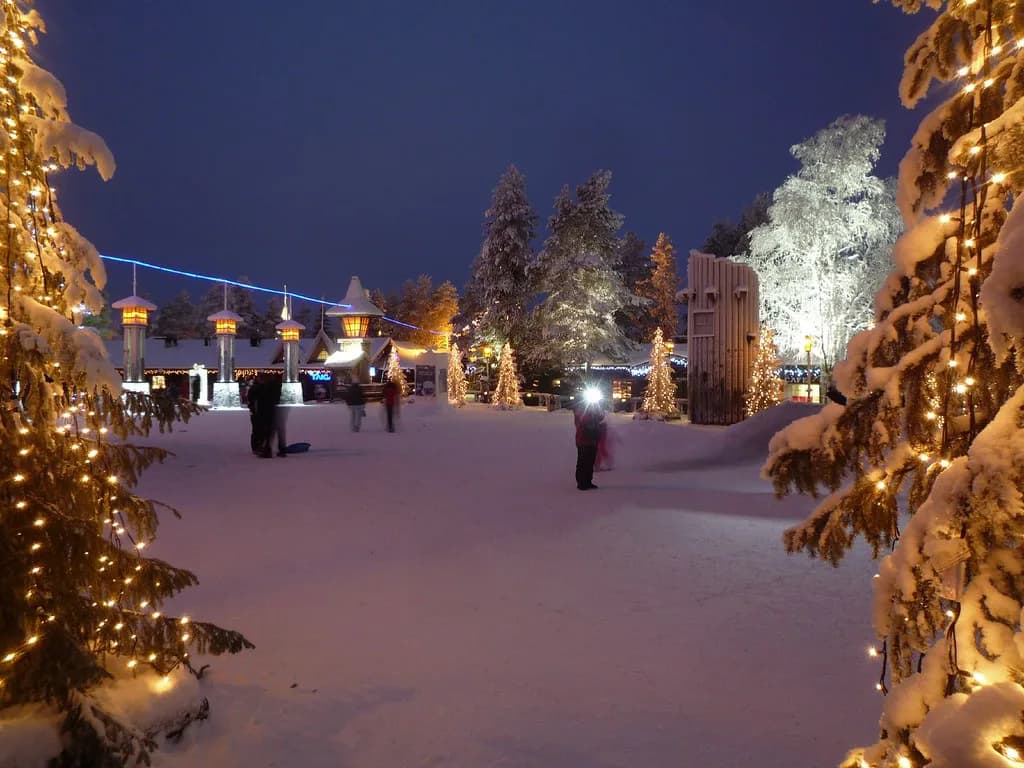
Santa Claus Village sits on the Arctic Circle about eight kilometres north of Rovaniemi city centre, and entry to the village itself is free, with charges only for photos, rides and individual attractions. One family took a taxi from their hotel and walked straight in during November, while Christmas week brings heavy crowds to the same small area.
The village is a cluster of shops, the main post office, cafes and operators offering taster experiences from ten minutes to full days, with free sledges scattered around and slopes to use them on. It is at its most photogenic after dark, so arrive in the afternoon and stay for the lights rather than treating it as a quick stop.
Transport is the budget decision here. Local buses run between the city and the village, a taxi is quick but adds up, and a hire car gives you flexibility to combine the village with a supermarket run or an evening drive out of town. If you are building the trip around the Christmas side of Lapland, christmas in finnish lapland covers how the season works across the region.
How many nights to plan for clear skies
Treat nights in place as your aurora budget. A single night in Lapland is a gamble on cloud, a three-night stay gives you several independent chances, and five or more nights makes a clear evening likely enough to plan around without pinning the whole trip on it. Solar activity adds a second variable you cannot control, so a weaker forecast on a clear night can still deliver a fine display.
Each extra night costs a bed and some food but almost nothing else if you are self-catering and watching from near your cabin. That makes adding a fourth or fifth night one of the best-value purchases in the whole plan, far cheaper than adding a second guided tour in the hope of better luck.
Sample budget shapes: lean, mid and comfortable
A lean trip means November dates, a self-catering cabin or apartment outside the centre, a supermarket shop on arrival, a hire car shared between travelers, and one paid experience. It accepts bare ground near town, short daylight and a modest bed, and it keeps the largest costs down where they are easiest to control.
A mid-range trip keeps the self-catering base but adds a hotel night with a sauna, a husky or reindeer safari, and a small-group night tour as insurance against cloud. A comfortable trip shifts to a hotel such as Sky Ounasvaara, adds a second guided experience and eats out more often, which is where costs climb fastest, since restaurant meals for a family can rival a night's accommodation.
Whichever shape you choose, keep one line in the budget for winter clothing if you do not already own it, because buying it well ahead at discount prices or second-hand keeps that cost to a one-off rather than a rental fee per activity.
Mistakes that quietly inflate a Lapland budget
The most common leaks are invisible until the total appears: eating out three times a day, booking a tour for every evening, paying peak Christmas rates for a short stay, and buying full-price outdoor clothing days before departure. Each one is fixable in advance, and none of them changes how much of Lapland you actually see.
The opposite mistake is over-trimming. Cutting to one night, skipping the car and relying on transfers can leave you watching cloud from a lit street, which defeats the purpose of the trip. Aim for balance: several nights in a dark location, food you cook yourself, and enough paid experiences to cover the one or two things you came for.
Planning Your Budget Lapland Trip
Start with your dates, because November and Christmas week behave like two different destinations in both price and atmosphere. Then lock a self-catering base with a kitchen and drying space, add a car if you plan several nights of independent aurora watching, and choose one or two paid experiences you would genuinely regret missing.
The result is a trip you can adjust as the forecast changes without renegotiating a package. Give yourself enough nights for the sky to cooperate, cook most of your meals, and spend the savings on time in place rather than another tour.
Frequently Asked Questions
How much does a Lapland trip cost per person?
Reported totals from independent travelers range from roughly 1,200 pounds for a family of five before food, to about 2,286 pounds for a family of four including flights, accommodation, train, food and clothing. What you spend depends mostly on your dates, whether you self-cater, and how many paid experiences you book.
Is it cheaper to visit Lapland in November?
November fares and accommodation are well below the Christmas peak, and one family chose it specifically for cheaper flights while accepting less reliable snow. You still get long dark nights for aurora watching, but a white landscape near town is less certain than in December or January.
Can you do Lapland without a package holiday?
Yes, and it is often far cheaper. One traveler compared a package quote of around 4,200 pounds with an independently assembled trip of similar length for a family of five that came to about 1,200 pounds before food, with the advantage that activities can be tailored to your group.
Is self-catering worth it in Lapland?
For most budget trips, yes. Shopping at a supermarket on arrival and cooking in an apartment or cabin keeps food spending modest and gives you somewhere to dry outerwear, though you should still budget for a meal out or two rather than planning to skip them entirely.
How many nights do you need in Rovaniemi?
Three nights gives you several chances at clear sky, and five or more makes a clear evening likely without making the whole trip depend on it. Your base matters too: a cabin in dark surroundings is better placed for aurora watching than a lit street in the centre.
Do you need a car in Rovaniemi?
Not strictly, since buses run to Santa Claus Village and tours collect from hotels. A hire car pays off if you want to reach trails, slopes and dark roadside spots on your own timing, and it also simplifies supermarket shops for a self-catering stay.
Sources
Notes for your Arctic winter trip
Optional updates to our northern lights guides.
You might also like

Continue reading
More guides you'll find useful