Northern Lights in November: Where to Go in Europe
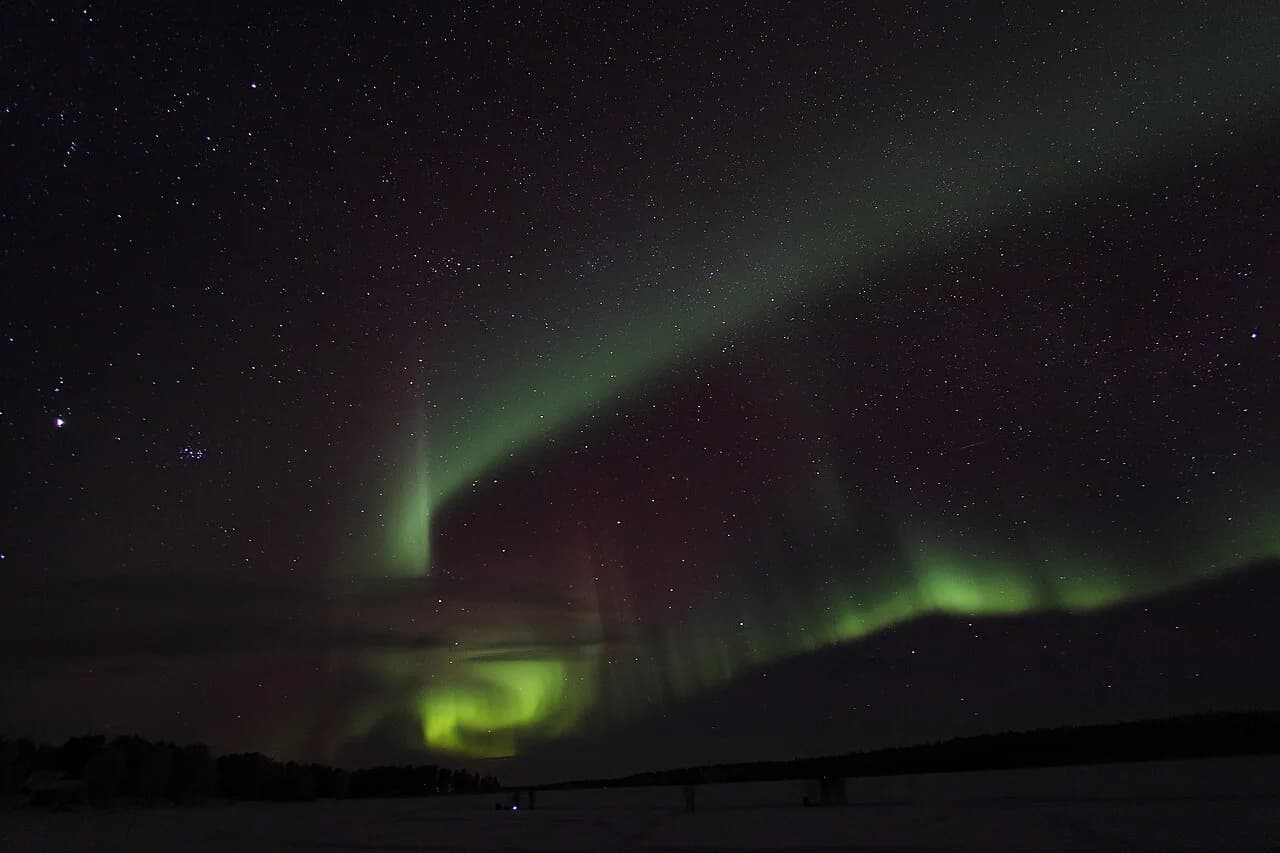
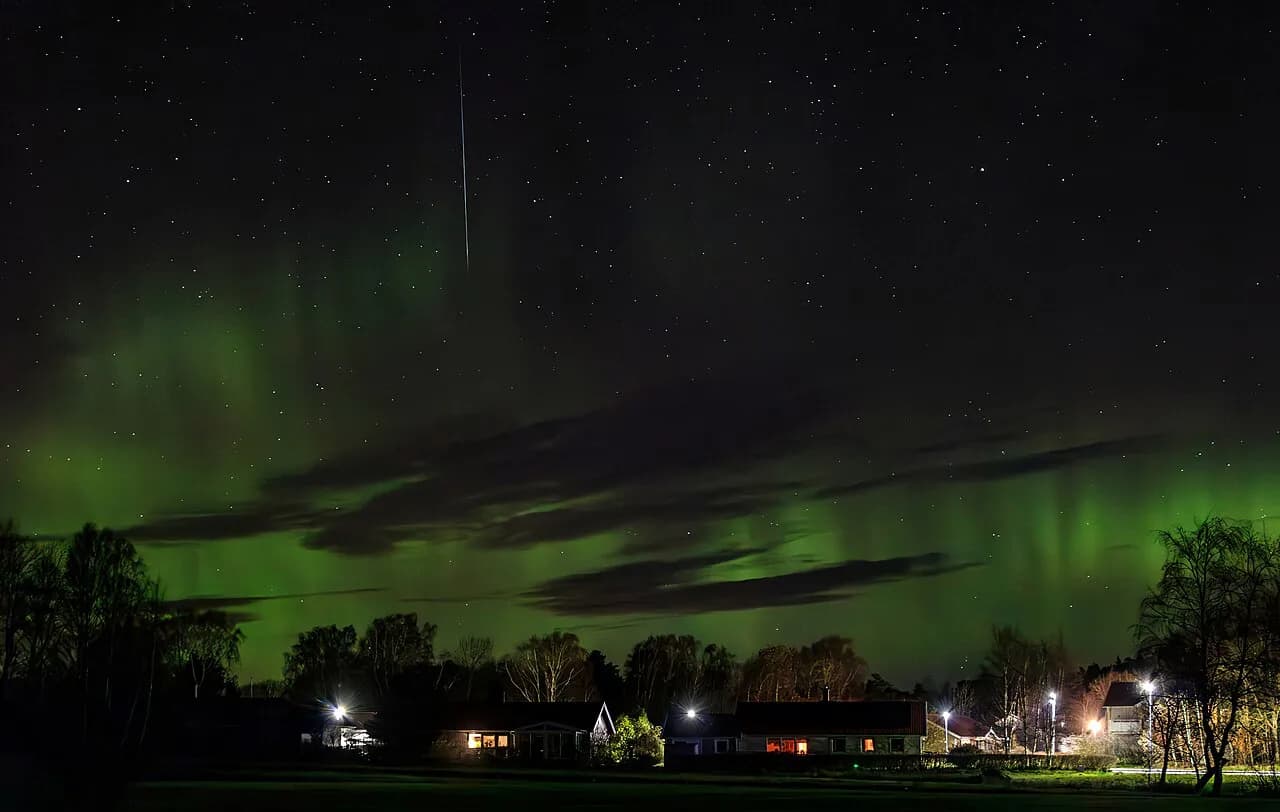
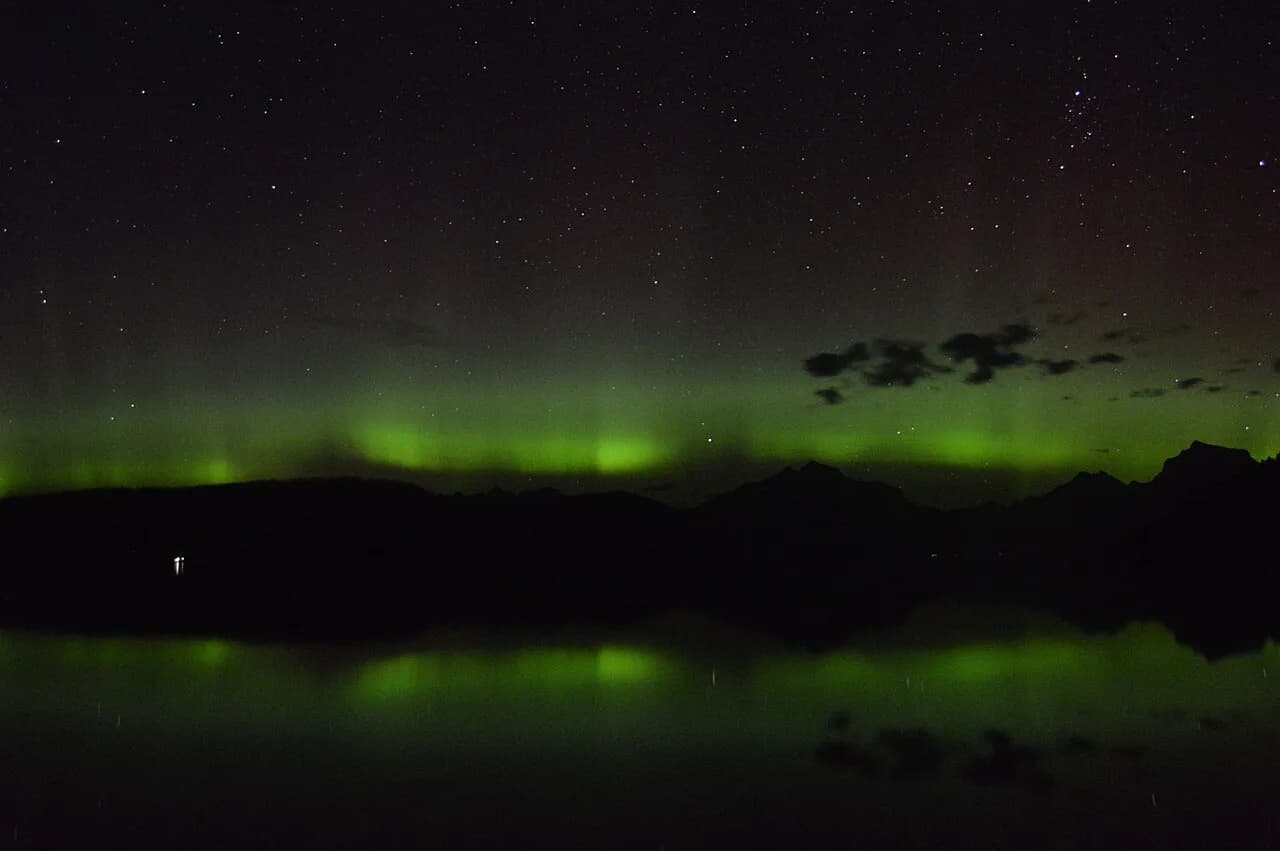
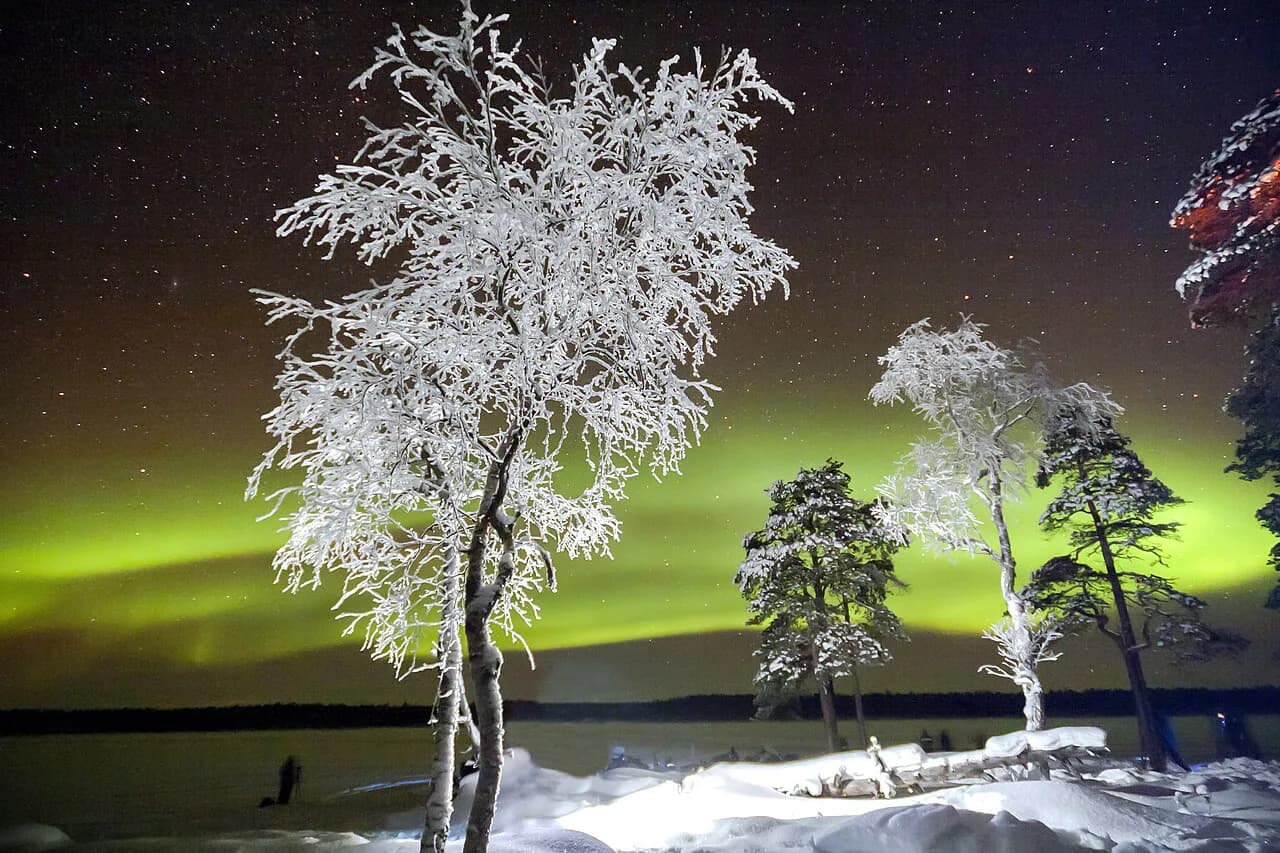
November brings long dark nights for aurora hunting across Finnish Lapland, Swedish Lapland and Iceland, but coastal cloud is the main risk.
On this page
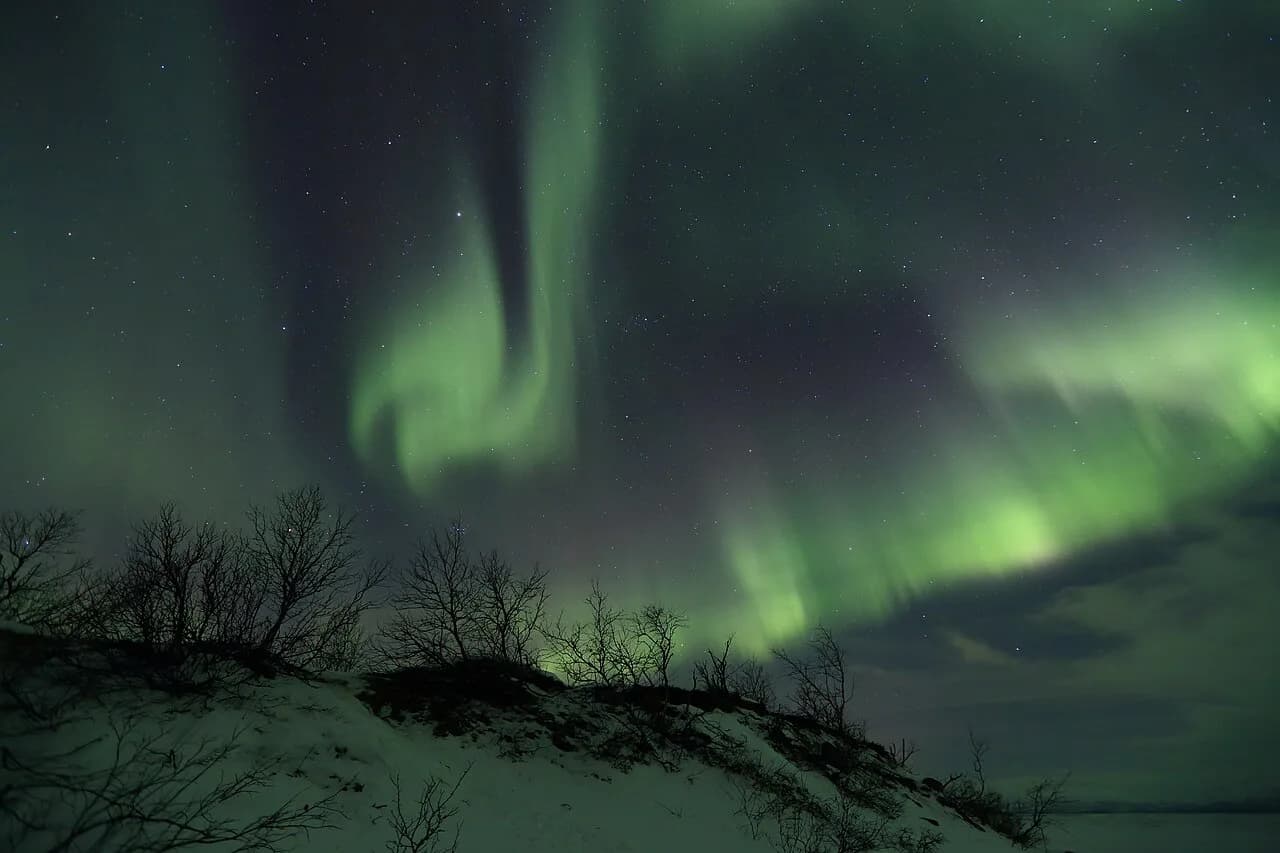
November sits in the heart of the aurora season, when nights across Arctic Europe are long and dark enough for the lights to show, and the winter crowds have not yet arrived. For a traveler weighing Finnish Lapland, Swedish Lapland or Iceland, the month rewards flexibility over a fixed itinerary: snow is arriving rather than settled, and cloud is the variable that decides your night.
This guide sets out where November nights are darkest, how daylight and temperature shift between mid and late November, and which bases give you the best access to dark sky. It also compares self-drive chasing with booked tours, frames glass igloos by their real trade-offs, and sets a realistic number of nights to plan.
Why November works for aurora hunting
The aurora is most frequent between the autumn and spring equinoxes, roughly late September to late March, when nights are long enough for the lights to appear. November falls squarely inside that window, so darkness is not your constraint; clear sky is. Geomagnetic activity also tends to run a little higher around the equinoxes, which makes the weeks either side of late September and late March especially rewarding, while November offers a long, dependable stretch of dark nights.
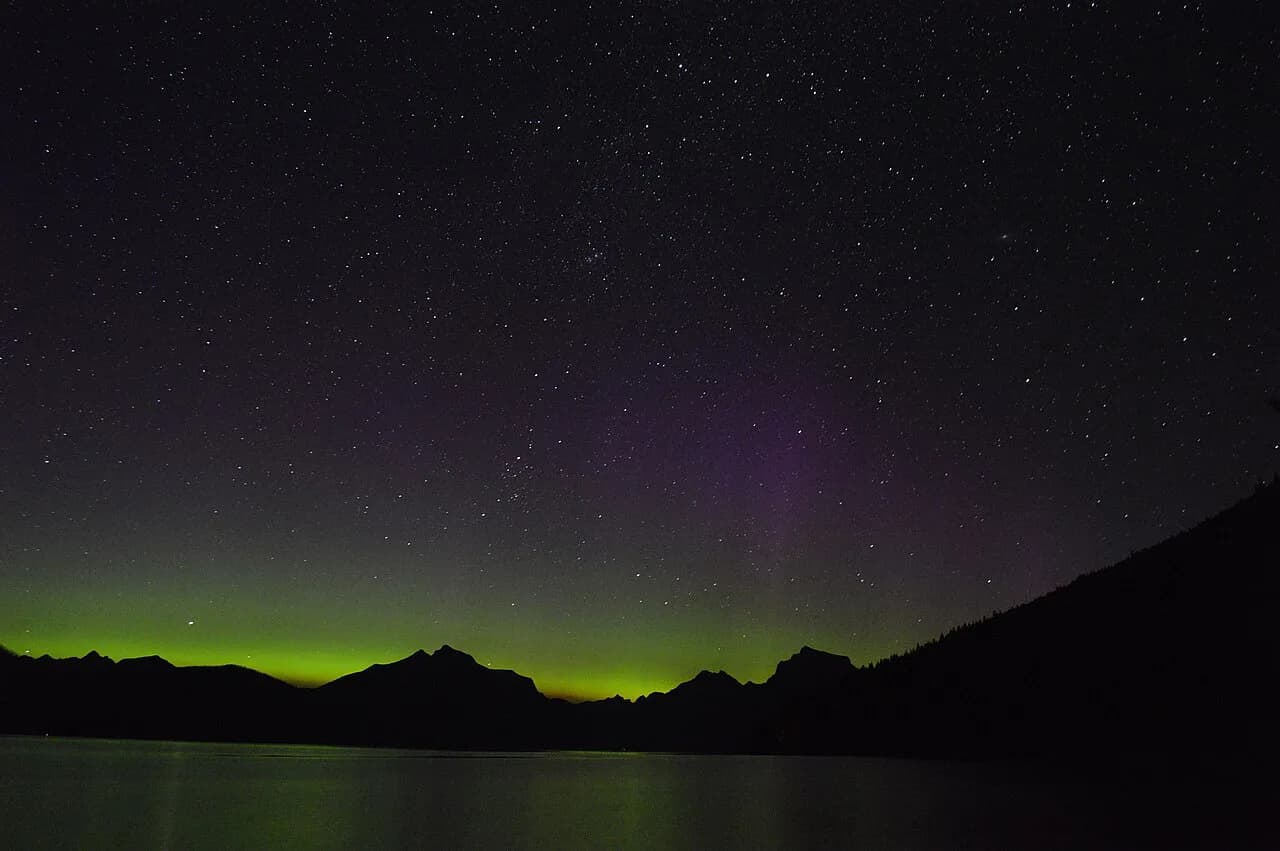
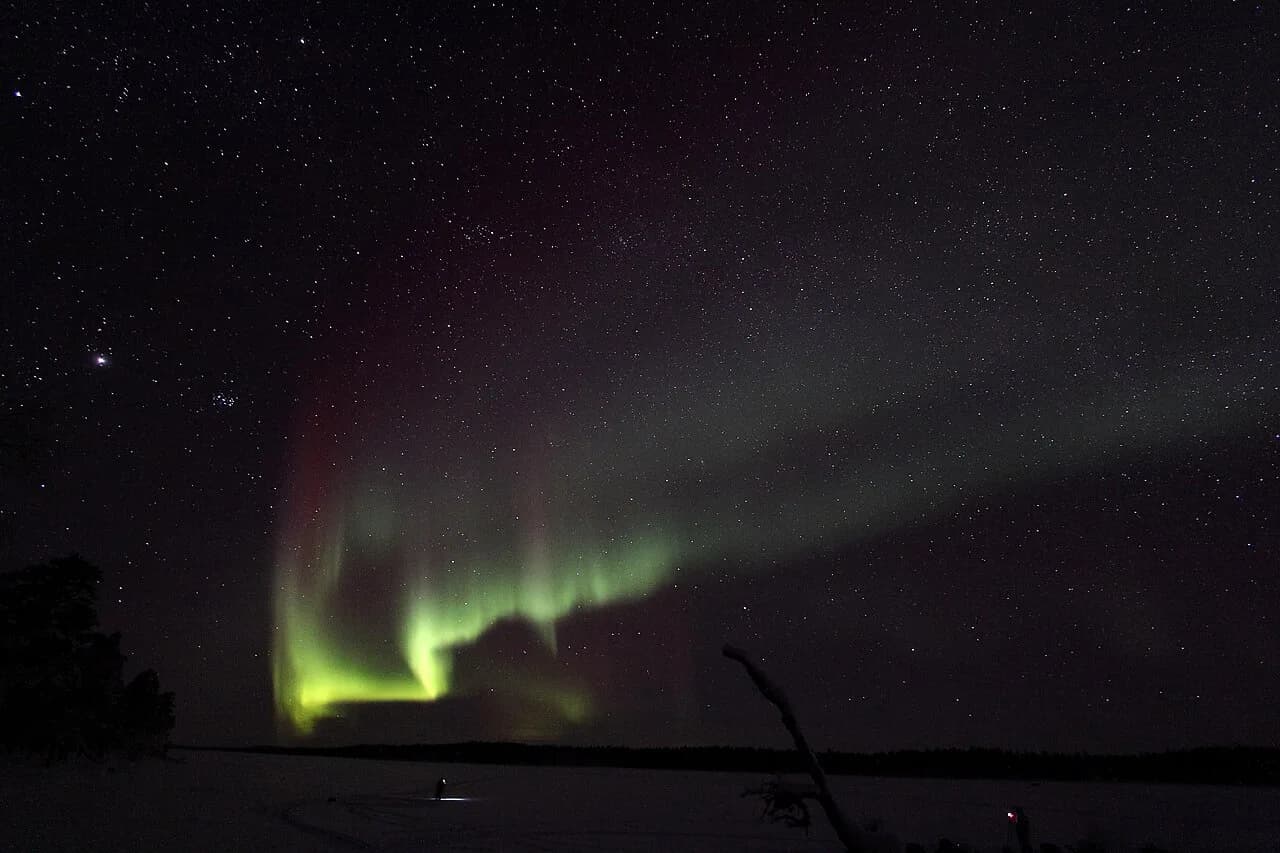
Location matters as much as timing. The auroral oval, the band where charged particles from solar storms are drawn toward the magnetic pole, crosses northern latitudes including Iceland and northern Scandinavia, so bases in Finnish Lapland, Swedish Lapland and Iceland all sit in the right zone. Within that zone, what separates a good November trip from a frustrating one is how far you are from light pollution and how often the sky clears.
Where November sits in the aurora season
The season runs from roughly late August or September into early April, with the lights occurring year-round but only visible when the sky is dark. Late August and September can still deliver sightings in very northerly spots, while the darkest weeks from December into early January bring only a few hours of daylight. November sits between those two poles: nights are long, and the day still gives you enough light for husky rides, snowmobile tours and short hikes.
Across the Nordic region, October and November can be stormy, especially along the coast, though they are generally good months for aurora viewing. From December the weather tends to dry out and snow settles, producing the classic winter landscape. That means November trades settled snow for more open water and more mobile weather, a difference that should shape where you base yourself rather than whether you go.
Daylight, temperatures and snow in November
November days shorten quickly the farther north you go, and by late November the darkest weeks are close, with daylight limited to a few hours and long drawn-out dawns and dusks. For aurora viewing that is an advantage, since darkness arrives early and lasts long, but it means planning daytime activities around a short window. Build your days around one main outing and leave the rest of the light for transfers and meals.
Cold weather is not strictly required for the aurora, but clear Arctic skies usually arrive with cold, dry air, so the two tend to come together. Travelers who have watched from northern Norway report that the best viewing came at minus ten to minus twenty degrees Celsius or colder, when cloud tends to be scarce. Pack for real cold and expect snow to be patchy rather than deep in early November, firming up as the month progresses.
How solar activity shapes your odds
The sun follows an eleven-year rhythm, and aurora activity rises and falls with it. Solar Cycle 25 peaked in late 2024 to early 2025 and exceeded the original forecast, with elevated activity continuing through 2026 and into 2027 before easing toward the next minimum around 2030 to 2031. In practical terms, the next couple of seasons sit in a strong stretch of the cycle, but even in quieter years the aurora is a frequent sight this far north.
Forecast indices such as the Kp index measure global geomagnetic disturbance, and higher values suggest a better chance of a display reaching farther south. They are an indicator, not a guarantee of what you will see from a specific ridge or lakeshore, because local cloud and light pollution can hide a strong display. Check a forecast app on the ground and treat a high number as a reason to stay out longer, not as a promise.
Cloud cover in November: coast versus inland
Iceland is an island exposed to offshore fronts, and it is common for cloud to block the lights even on nights with strong activity. The south coast, including the area around Vík and Jökulsárlón, offers wide-open dark skies when it clears, but you should expect to move with the weather rather than count on any single night. A rental car with a flexible plan suits November better than a tightly booked schedule.
Inland Lapland behaves differently. Cold, dry air often brings clearer skies, and bases set away from town lights see the aurora overhead rather than on the horizon. The trade-off is temperature: an inland November night can be far colder than a coastal Icelandic one, so weigh clear-sky odds against comfort when you choose a base. For a wider comparison of regions and their typical conditions, see the best places to see northern lights guide for Europe.
Finnish Lapland in November: Rovaniemi, Saariselkä and Inari
Finnish Lapland gives you several distinct bases. Rovaniemi sits on the Arctic Circle and is the easiest to reach, with flights from Helsinki and a compact town centre, though its lights make a short drive worthwhile. Saariselkä, farther north, is a small fell village with dark surrounds and direct access to trails, and Inari combines a village on the lake shore with wide open water and fell country for dark-sky viewing.
Rovaniemi also has the Arctic TreeHouse Hotel, where glass-house suites include a wood-burning stove and a private dry sauna. In November, expect the resort to be gearing up for the winter season rather than at full peak, which usually means easier availability than February. Book your aurora nights early regardless, because the clear nights around a new moon are the ones everyone wants.
For the wider regional picture, including how Finnish Lapland compares with Swedish and Icelandic bases, the Europe overview sets out the main towns and their access to dark sky. Use it to shortlist two bases before you commit to flights, since internal transfers eat into short November daylight.
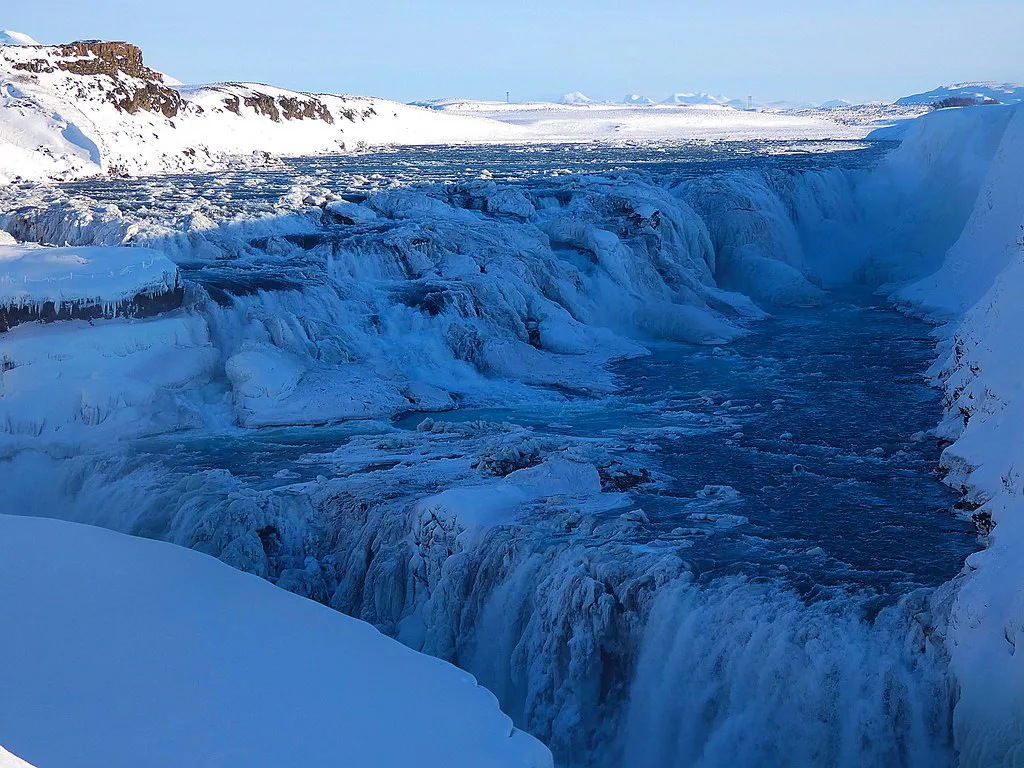
Swedish Lapland in November: Abisko and Kiruna
Swedish Lapland's aurora reputation rests on Abisko, a mountain station and village beside a long lake that is known for relatively dry, clear skies, and on Kiruna, the region's main town and transport hub. In November both sit under long dark nights, and the surrounding national park country gives you trailheads and viewpoints away from settlement lights. Swedish Lapland sits inside the auroral zone rather than under the oval's core, so base there for clear inland skies rather than for latitude alone, and in Kiruna if you want more services and easier connections. If you are choosing between the two, our Abisko northern lights guide sets out when to go and where to stay.
November in this part of Lapland is a shoulder month, with snow arriving but not yet settled in depth, so check trail and road conditions with your lodge or the local tourist office before you commit to a self-drive itinerary. The season's headline stays open for much of the winter, and the ice hotel built each year on the Torne River is a natural daytime excursion from the Kiruna area.
Iceland in November: South Coast, Reykjavik and Jökulsárlón
Iceland's south coast gives you the widest choice of dark-sky viewpoints within a few hours of Reykjavik, including black-sand beaches, waterfalls and the glacier lagoon at Jökulsárlón. The lagoon and nearby Vatnajökull National Park sit far from city light, and on clear November nights the open foreground makes them strong places to wait. The catch is distance: Jökulsárlón is a long drive from Reykjavik, so plan at least one overnight east rather than a round trip in a single day.
Reykjavik works as a base for short breaks, with aurora tours leaving the city in the evening and a hot-spring culture that pairs well with a late night outside. On the city's outskirts, Lake Elliðavatn offers a dark foreground within easy reach. For a full comparison of Icelandic bases and their access to dark sky, the Europe overview is a useful starting point.
Self-guided chasing versus a booked aurora tour
A booked tour removes the driving and the weather guesswork: guides know the local microclimates and will move the group to clearer sky, and many lend thermal suits and boots for the night. Group size, duration and what is included vary from one company to the next, so compare the inclusions when you choose a departure. Fixed-base tours also suit travelers who would rather not drive on snowy roads after dark.
Self-drive chasing gives you freedom and a lower per-night cost once you have a car, but it puts the routing decisions on you, often late at night on unfamiliar roads. In Iceland, offshore fronts can close one stretch of coast while another is clear, which rewards a car and a flexible plan; in inland Lapland, a short drive from town to a dark lake or fell often does the job. Whichever you choose, keep one night free as a weather backup.
Dark-sky viewing spots and how far they sit from town
The best viewing spots are the ones you can reach safely in the dark without a long drive. Around Rovaniemi, a short trip outside the town lights puts you under darker sky; around Saariselkä and Inari, trails and lake shores start within walking distance of the village. In Iceland, the south coast's beaches and the Jökulsárlón area offer open horizons, but you need to allow for the drive and for road conditions.
A few practical rules make any spot work better. Look north, give your eyes time to adjust, and pick a foreground that blocks nearby streetlights rather than the northern horizon. A full moon can wash out a weak display sitting directly in front of it, but a half-decent display stays visible under a full moon, so don't plan your trip around lunar phases.
Glass igloos, aurora cabins and domes: what you actually get
Glass-roofed accommodation sells the idea that you can watch from bed, and on a clear night it delivers. The trade-offs are real: heating and interior light reflect off the glass, and one traveler found the glass igloo's wood-pellet stove too bright for aurora viewing. Ask how the glass is heated, whether interior lighting can be dimmed, and whether there is an outdoor viewing area before you pay a premium for the view.
Cabins and lodges often give you a better balance, with a warm base, a private hot tub and a sauna for the wait. Finnish and Swedish Lapland offer a growing range of aurora cabins and domes, from simple glass-roofed pods to suites with wood stoves and saunas. For the wider field of aurora-focused hotels, our guide to aurora hotels in Europe compares what each style actually offers.
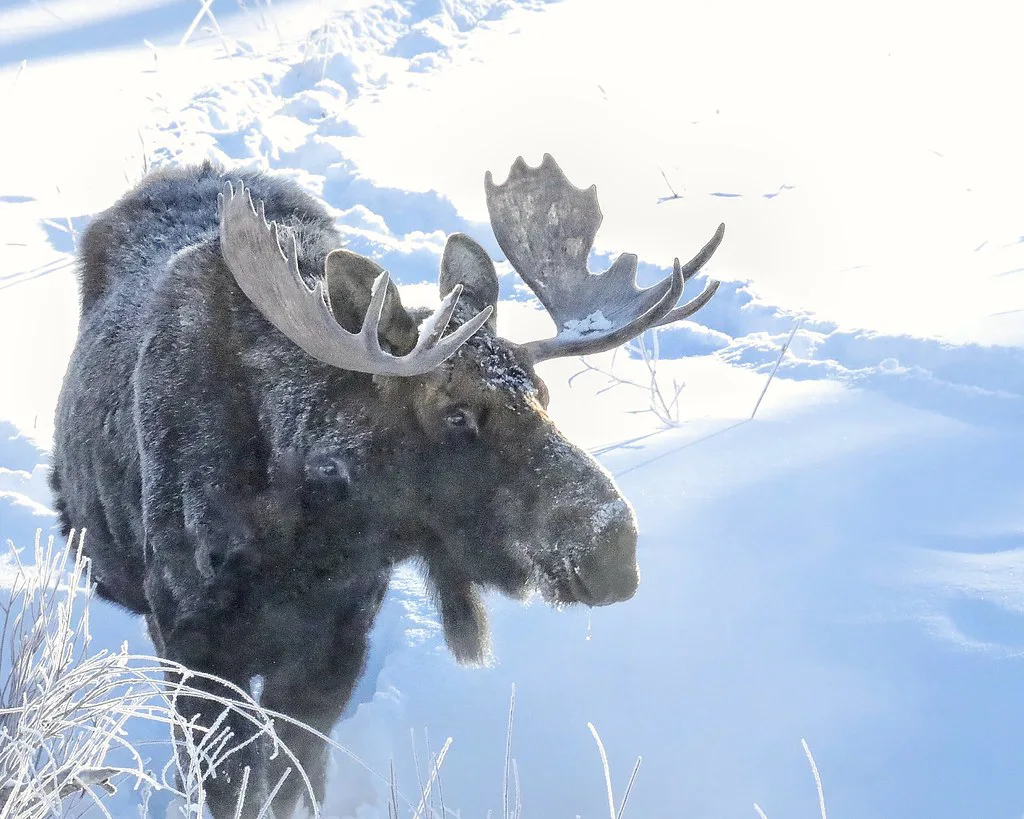
Husky safaris, reindeer sledding and snowmobile nights
November is early for deep snow, but many operators run husky and reindeer experiences on forest trails and frozen ground, and some combine a ride with an evening aurora stop. Dog sledding and reindeer sledding are both on offer around Finnish Lapland's main bases, alongside snowmobile tours when conditions allow. Book the activity for the daylight hours and keep the night free for the sky.
Snowmobile nights are a different proposition in early season, when lakes and rivers may not yet be safely frozen, so ask the tour company directly about trail conditions and what is included. In Iceland, snowmobiling, dog sledding, ATV tours across black-sand beaches and food tours of Reykjavik fill the daylight hours. Whatever you book, treat the aurora as the flexible part of the evening and the ride as the fixed part.
Saunas, hot springs and lagoons as a night-time base
A sauna or hot tub near your accommodation changes the shape of an aurora night: instead of standing in the cold for hours, you wait warm and step out when the sky clears. Finnish Lapland lodges commonly pair cabins with private saunas, and Icelandic hotels and retreats often have geothermal hot tubs. That said, a glass igloo's thermal stove light can interfere with viewing, so check the layout before you rely on it as your observatory.
Iceland's south coast adds hot springs and lagoons to the mix, and the retreat at Blue Lagoon is a comfortable end to a night out if you are staying nearby. In Lapland, an ice bar and a snow-and-ice hotel make a memorable daytime stop even when the sky stays cloudy. Treat these as the warm half of the evening, with a clear plan to step outside when the sky opens.
How many nights to plan for a fair chance of clear skies
Plan for at least three nights in a place where you have a realistic shot at the lights, because a cloudy night can hide a spectacular display completely. Travelers who base themselves in one area for five nights report seeing the aurora on two of them, which is a more honest picture than any guarantee. If your trip is short, favor a base where your odds of a clear sky are strongest over an itinerary that moves every day.
The lights cannot be guaranteed on any given night, and conditions can shift within hours, so leave at least one night unbooked and keep your final evening flexible. A five-night stay gives more weather windows than a three-night one, and a longer stay in one base beats a rushed tour through several. Check your chosen lodge's aurora policy, since some offer a rebooking night if the sky stays closed.
Cost, crowds and what is open before the winter peak
November sits before peak snow and before the busiest winter weeks, so availability is usually better than in February, but snowmobiling and other winter activities depend on conditions that early in the season. Ask each operator what is confirmed for your dates, and use the shoulder-month timing to your advantage by booking the aurora nights and the accommodation first, then adding daytime activities around them. Prices vary by operator and season, so compare inclusions rather than headline figures.
For a wider view of how the November shoulder compares with the December and February peak, the European aurora overview sets out the main destinations and their seasons.
Plan Your November Aurora Trip
November is one of the best-value windows of the aurora season: nights are long and dark, temperatures are cold enough for clear skies in inland Lapland, and the winter crowds have not yet arrived. Base yourself inland for clearer odds, allow at least three nights in one place, and keep one evening free for weather.
Then check the tour company's or lodge's own page for what is included and what is running on your dates, and look at a forecast app on the ground each evening. With a flexible plan and a warm base to return to, November gives you a fair chance of a display without the price or pressure of midwinter.
Frequently Asked Questions
Is November a good month to see the northern lights?
Yes, in the sense that November gives you long, dark nights inside the aurora season, with activity most frequent between the autumn and spring equinoxes. Clear sky, not darkness, is the limiting factor, so plan several nights and stay flexible about where you sleep. Solar activity lifts your odds but never guarantees a display on a given night.
How many hours of daylight are there in Lapland in November?
By late November the darkest weeks are close, and daylight across northern Lapland is limited to a few hours, with long drawn-out dawns and dusks. Early November still gives you a workable window for husky rides and short hikes. Plan one main daytime outing and let the rest of the light go to transfers and meals.
Can you see the northern lights in Iceland in November?
Yes, when the sky clears. Iceland is exposed to offshore fronts, so cloud often blocks the lights even on nights with strong activity, and the south coast around Vík and Jökulsárlón is best treated as a move-with-the-weather plan rather than a fixed spot. A rental car and at least one overnight east of Reykjavik improve your options.
Do you need a tour to see the northern lights?
No, but a tour removes the driving and the weather guesswork, and operators know the local microclimates well enough to move the group toward clearer sky. Self-drive chasing costs less per night once you have a car but puts routing decisions on you after dark on unfamiliar roads. Many travelers split the difference with a fixed base plus one booked night.
Is a full moon a problem for aurora viewing?
Only at the margins. Moonlight can wash out a very weak display sitting directly in front of a full moon, but any half-decent display stays visible under a full moon, so there is no reason to plan your trip around lunar phases. Cloud matters far more than the moon.
How cold is Finnish Lapland in November?
Inland Lapland nights can be well below freezing, and some of the clearest aurora nights come with very cold, dry air rather than mild coastal conditions. Expect snow to be patchy in early November and firmer later in the month. Pack for real cold, and ask your lodge what is running on your dates.
Sources
Notes for your Arctic winter trip
Optional updates to our northern lights guides.
You might also like
Continue reading
More guides you'll find useful