Northern Lights in October: Where to Go and What to Expect
October sits inside the aurora season across Finnish and Swedish Lapland and Iceland. Compare dark hours, cloud patterns, early snow and nights to book.
On this page
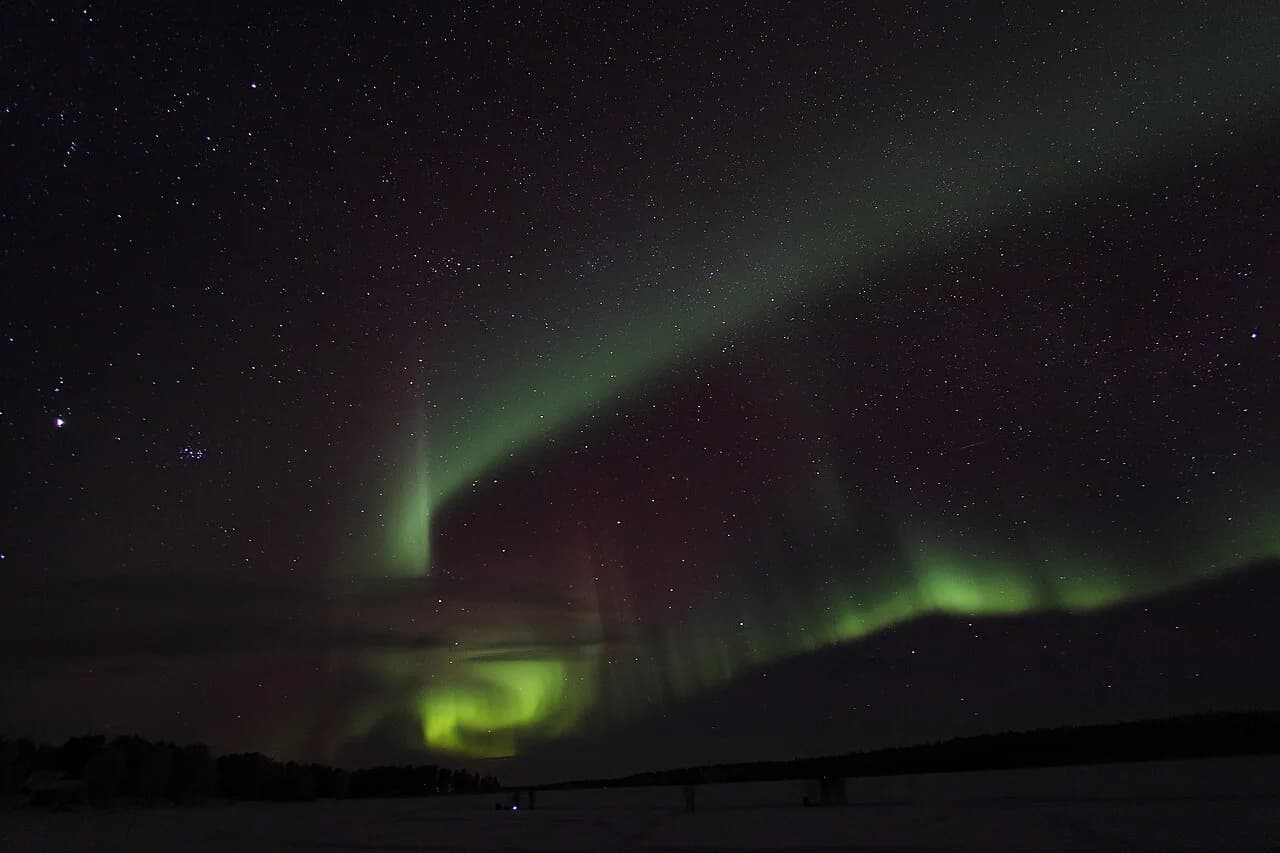
October puts you under the aurora oval with nights long enough to watch and a landscape that is still finding its winter footing. It suits travelers who want genuine darkness, early snow and lower prices than deep winter, without the extreme cold of January.
The month sits inside the broader aurora season that runs from late August to early April at high latitudes, inside the peak stretch from October through March. Across the region, your decision comes down to Iceland, Finnish Lapland and Swedish Lapland.
Why October works for aurora watching
The aurora is active year-round, but you need darkness to see it, and that single constraint shapes the whole season. High-latitude destinations sit under dark skies from late August to early April, with October to March forming the peak window when nights are longest and darkest.
Clear skies matter more than any other factor once you are in the right place and season. That is why inland Lapland, with lower precipitation than the coast, tends to offer more usable nights than Iceland's shoreline in the same month. Where you sleep is therefore as important as when you travel.
Equinox activity and the early-autumn window
Statistically, September and March produce more intense geomagnetic storms than other months, a pattern known as the Russell-McPherron effect. Around the equinoxes, Earth's magnetic field aligns more favorably with the solar wind, which can drive stronger activity around the aurora oval. Early October still sits close enough to that September peak to inherit some of its advantage.
Activity windows are guidance, not a promise for any single date. The Kp index, a 0 to 9 scale of global geomagnetic activity, is a useful planning tool: at high latitudes such as Lapland, a Kp of 3 or above is generally enough, while mid-latitudes need Kp 5 or higher. Treat a favorable forecast as a reason to stay up, not a guarantee.
Iceland in October: dark nights, coastal cloud and road flexibility
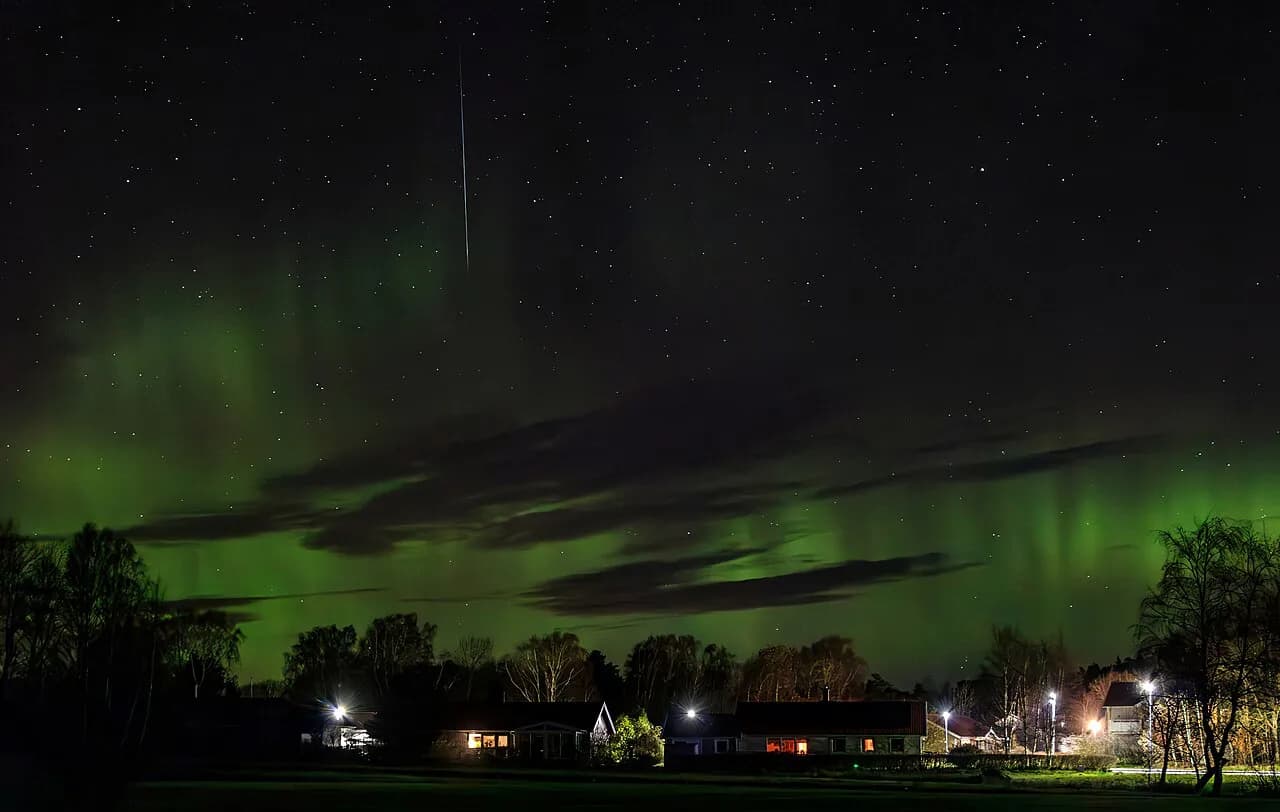
Iceland's aurora season runs from September to April, and October delivers genuinely dark nights around Reykjavík. The lights are sometimes visible from the city outskirts, but light pollution erodes faint displays. Driving twenty to forty minutes toward Þingvellir National Park or out along the Snæfellsnes Peninsula puts you under darker sky without committing to a long transfer.
The trade-off is cloud. Iceland's coastal position brings more overcast weather than inland Lapland, so a clear forecast matters more here than almost anywhere else on your shortlist. The compensation is flexibility: the Ring Road lets you chase clear skies wherever they open up, and self-driving gives you the freedom to move a night or two later.
Farther afield, the Westfjords offer deep darkness and minimal settlement, though October road conditions there can close mountain passes without warning. If you want that level of isolation, build slack into your itinerary rather than pinning a single viewing night on it.
Finnish Lapland in October: inland clear skies and first snow
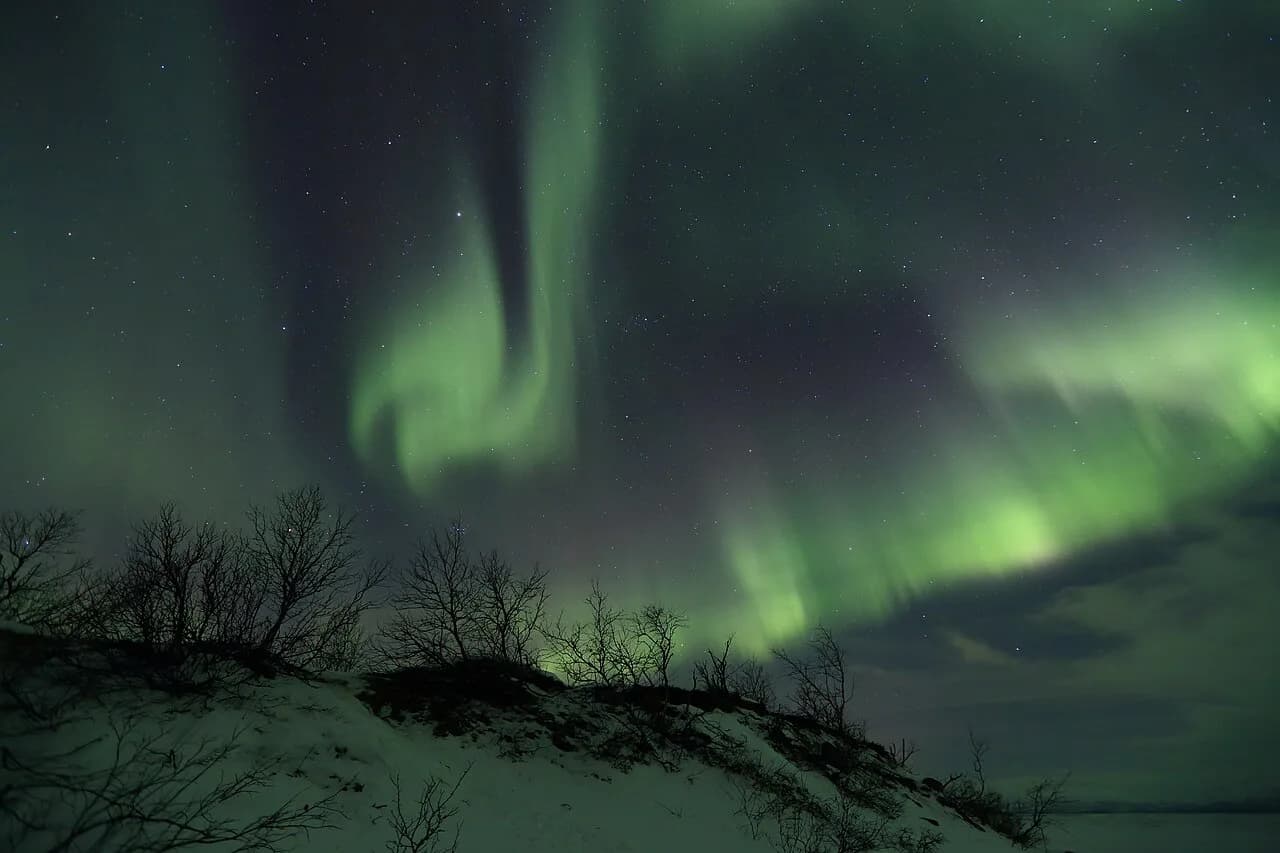
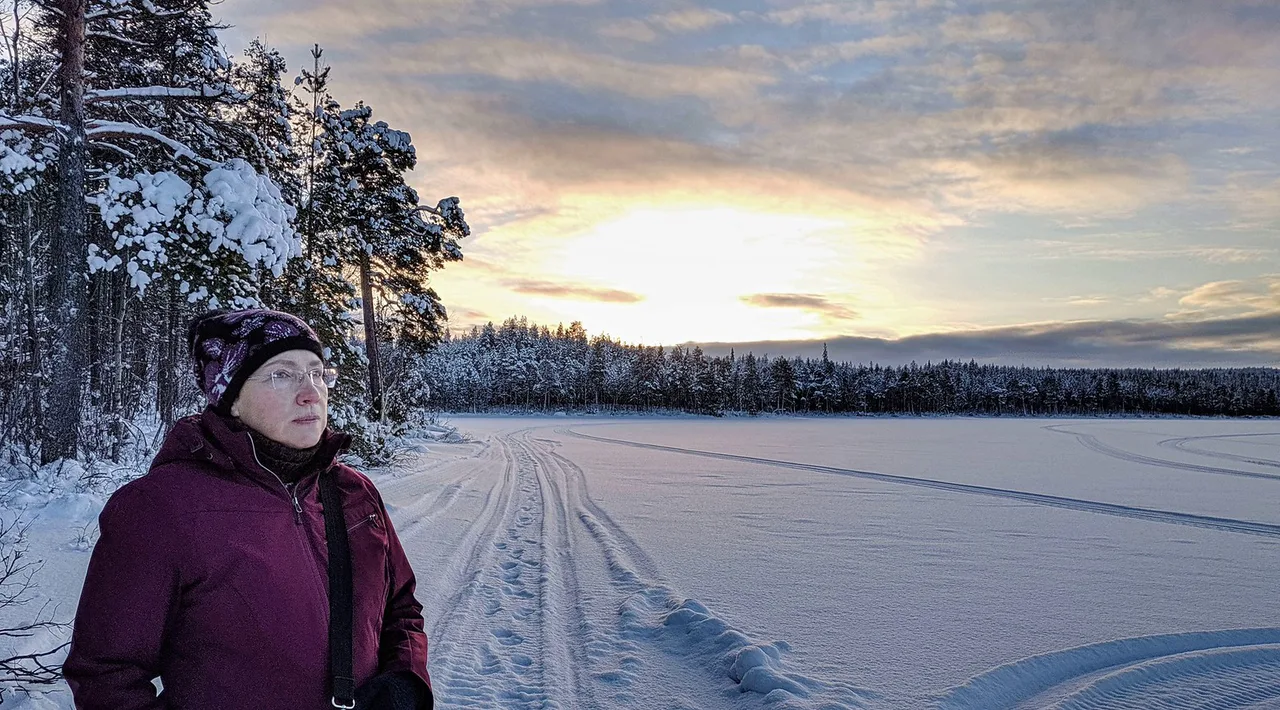
Finland's aurora season runs from September to March, and October is when the first reliable snow cover starts to settle on the ground. Snow reflects faint light and can make even a modest display read more clearly against the forest. Inland skies here usually beat the Norwegian coast for clarity, which is why Lapland is a strong October base.
Rovaniemi sits almost exactly on the Arctic Circle and is the practical choice if you want airport transfers, restaurants and short tour pickups. Push north to Saariselkä or Utsjoki and you trade some convenience for higher latitude and darker surroundings. Pick one base rather than trying to cover all three in a short trip.
Lapland sees the northern lights on roughly half of nights, with peak activity in spring and autumn. That figure describes the region over time, not any single week, so plan for several nights rather than staking the trip on one.
Swedish Lapland in October: Abisko's clear-sky microclimate
Abisko National Park has a reputation among serious aurora hunters for one specific reason: a persistent microclimate created by nearby Lake Torneträsk tends to keep the sky clear even when the surrounding region is overcast. That makes it a smart October hedge when you cannot schedule around the weather.
The Aurora Sky Station sits at 900 meters above the valley, which lifts you above low cloud on many nights. Sweden's aurora season is usually quoted as November to March, so check whether specific station services are running before you build an October trip around them.
Kiruna, a short road transfer from Abisko, is the natural gateway to the area. Its famous ice hotel is rebuilt from scratch each winter by builders working with ice from the Torne River, and the winter build generally opens later than October. For the full picture of what is open and when, see this guide to ice hotels in Europe.
When aurora hours fall within the night
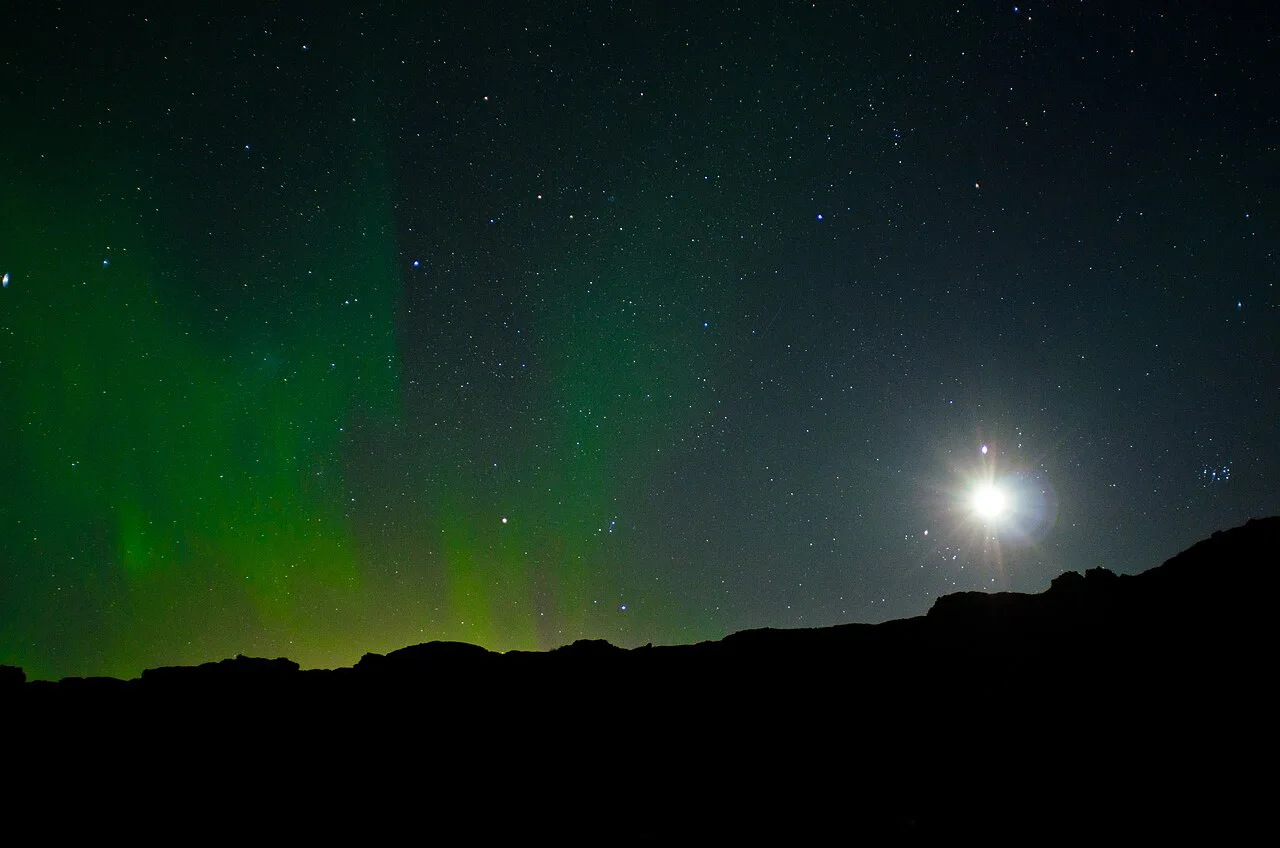
The aurora can appear any time it is dark, but activity tends to peak between 10 pm and 2 am local time, when your position faces the most active part of the oval. Build your evening around that window: eat early, set an alarm and expect to be outside past midnight.
Give your eyes twenty minutes to adjust before deciding the sky is empty. Faint aurora often looks like a pale smudge to freshly adapted eyes and only resolves into structure once you have been in the dark for a while. A bright moon can wash out weaker displays, so a trip booked around a new moon gives you the darkest possible skies.
Self-drive chasing versus a guided chase in October
Driving yourself gives you control over timing and lets you move toward a clear patch of sky when the forecast shifts. The cost is research: you need to read cloud forecasts, know which roads stay open after dark and accept that you may drive an hour and see nothing. In Iceland, that usually means staying flexible enough to relocate.
A guided chase buys local knowledge. Guides know the forecasts, can drive you away from cloud cover and can spot faint aurora that first-time visitors miss, and dedicated chases can cover 100 to 200 km in a single night in search of clear sky. The trade-off is cost and the loss of spontaneity.
In October, the ground is often snowy but not yet deeply frozen, which makes night driving more forgiving than midwinter. Ask the company running your tour what the price covers, since packages on early-season dates vary considerably in their inclusions and prices.
Where to base yourself for dark skies
Base within a short drive of darkness rather than in the middle of a lit town. In Finland, cabins and glass-roofed stays around Rovaniemi and Saariselkä give you a viewing platform without a nightly transfer. This roundup of aurora hotels in Europe covers the options by destination and style.
Glass igloos come with a real trade-off: warmth and comfort versus glare and condensation on the glass. They work best when the aurora is strong, since a faint glow may be hard to spot through heated panes. Cabins with a short walk to a clearing often give cleaner views for the same money.
What to do in October besides the aurora
Days are still usable, which makes October unusually flexible. As snow arrives, daytime activities and excursions begin to open up, and early snow means you can get out into the landscape without the deep-winter cold. Saunas and fireside evenings fill the hours between tours.
On the Iceland side, keep the aurora as your evening plan and build daylight around waterfalls, hot springs and coastal drives, checking road conditions before you set off each day.
How many nights to plan for a fair chance of clear skies
Give yourself at least three nights at a prime location, and preferably three to five. Aurora hunting is inherently unpredictable, and a single cloudy or quiet night can wipe out your whole window if you have booked only one.
If your schedule can stretch, October favors it: prices and crowds are lower than in midwinter. A four-night trip split across one base gives more usable evenings than a rushed move between two regions.
What October costs and crowds look like compared with midwinter
October generally sits below the December holiday peak for accommodation in Lapland and Iceland, with more availability close to your travel dates. Operators also tend to run smaller groups, which means more individual attention when the aurora appears. Exact rates change by operator, so request quotes directly rather than relying on last season's figures.
The trade-off is that some winter infrastructure is still opening. Ice hotels, dog-sled operations and rinks build in stages across the season, and specific openings vary by year. Check the official tourism page once you have shortlisted dates.
Plan Your October Aurora Trip
October rewards travelers who pick one base, focus on a run of four or five nights and treat the aurora as a bonus after a good day outdoors. If you want coast and flexibility, Iceland works; if you want clear inland skies and early snow, Finnish Lapland; if you want the best chance of clear sky and a real aurora station, Abisko. For a closer look at that third option, this guide to the northern lights in Swedish Lapland covers where and when to watch.
Compare bases in detail before you commit and match the season to a specific place, not the other way around. Lock in a new-moon week if your schedule allows, stay flexible on nightly plans and go knowing the aurora depends on solar activity and clear skies rather than a guaranteed schedule.
Frequently Asked Questions
When can you see the northern lights in October?
October sits inside the broad aurora season that runs from late August to early April at high latitudes, and the peak stretch runs October through March. High latitudes in Lapland and Iceland have plenty of dark hours in October, so it works as a first visit. That said, the aurora depends on solar activity and clear skies, so no month or date is guaranteed.
Are the northern lights visible in October in Lapland and Iceland?
Yes, both Lapland and Iceland sit inside their aurora season windows in October, and both see dark nights at that time. Lapland's inland position usually gives you clearer skies than Iceland's coast, which is why many travelers pick Finnish or Swedish Lapland for the early autumn window. Iceland's advantage is flexibility: you can drive toward clear patches.
What time of night should you look for the aurora in October?
Activity typically peaks between 10 pm and 2 am local time, when your location faces the most active part of the aurora oval. Give your eyes twenty minutes to adapt to the dark before deciding the sky is empty. A new moon gives you the darkest possible skies and improves your odds of seeing a faint display.
How many nights do you need in October for a realistic chance?
Four or five nights give you the best odds, with three as a workable minimum. Aurora watching is unpredictable, and a single cloudy or quiet night can waste a short trip. October makes longer stays easier because accommodation is more available and cheaper than at the December peak.
Is a guided aurora tour worth booking in October?
Guided tours earn their price when you lack local knowledge. Guides read the forecasts, drive toward clear skies and spot faint displays, and dedicated chases can cover 100 to 200 km in a night. If you are happy to research cloud forecasts and drive yourself, self-guided chasing works well in October.
Where are the darkest skies near Rovaniemi and Abisko?
Near Rovaniemi, cabins and glass-roofed stays outside the town center give you darker sky. Saariselkä and Utsjoki push you farther north for even fewer lights. In Swedish Lapland, Abisko's microclimate near Lake Torneträsk keeps skies clearer than the surrounding region, and the Aurora Sky Station sits at 900 meters above the valley.
Sources
Notes for your Arctic winter trip
Optional updates to our northern lights guides.
You might also like
Continue reading
More guides you'll find useful