Northern Lights in March: Where to Go and Why It Works
March pairs equinox-boosted geomagnetic activity with longer daylight, deep snow and clearer skies. See where to go in Lapland and Iceland, and how to plan nights.
On this page
March gives you a rare combination in the Arctic: nights still dark enough for the aurora, days long enough to actually do something with them, and snow at its deepest. For travelers who want a winter trip that does not consist of waiting in the dark from mid-afternoon, it is frequently the best-value month of the whole season.
The trade-off is that darkness arrives later as the month progresses, so your viewing window shifts toward late evening. Plan around that instead of fighting it, and March rewards you with fewer overseas visitors than December or January, warmer nights than midwinter and, in much of Lapland, some of the clearest skies of the year.
Why March sits in a strong aurora window
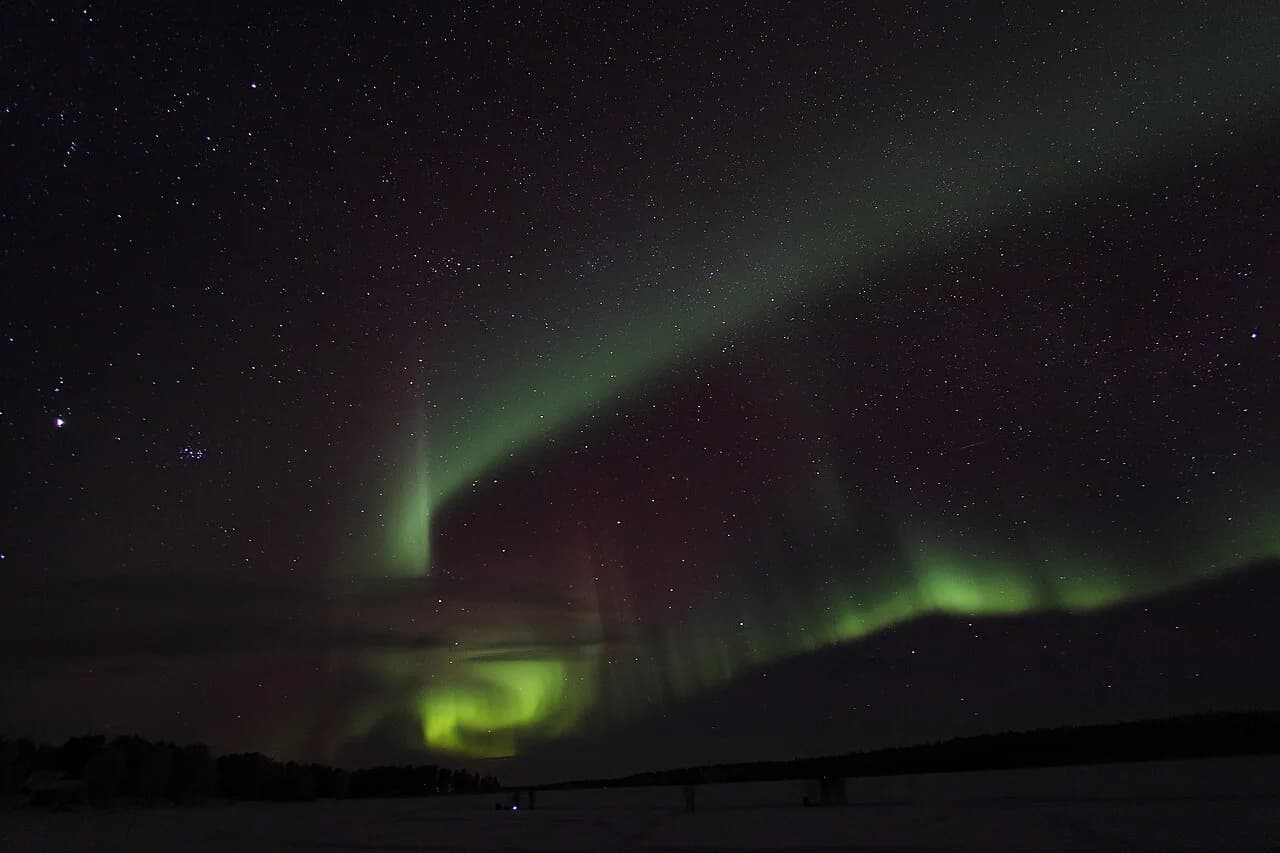
The aurora season across northern Scandinavia runs from late August until early April, so March falls in the final stretch rather than after it. Displays remain possible on any dark, clear night within the auroral oval, and the weeks around the March equinox bring a well-documented lift in geomagnetic disturbance.
The mechanism is the Russell-McPherron effect: around the equinoxes, the tilt of Earth's magnetic field relative to the solar wind lets more charged particles funnel into the atmosphere, which produces more frequent geomagnetic storms. Research cited by aurora specialists, drawing on 75 years of records, places peak geomagnetic disturbance in March.
Treat that as a statistical tailwind, not a promise. A strong geomagnetic forecast still delivers nothing under thick cloud, and a quiet night can produce a memorable display overhead in the right spot. Equinox timing raises the odds slightly; location, darkness and weather decide the rest. For the physics behind it, see what are the northern lights.
Daylight and darkness in March
In the far north, daylight extends by anything up to about ten minutes per day through March, so by the end of the month you are waiting until late evening for full darkness. That is a real constraint on aurora viewing compared with December, when the window is effectively all afternoon and evening.
The upside is a usable day. You can run a husky safari or snowmobile route in proper light, eat a late dinner and still be out under a dark sky before midnight. Early March gives noticeably longer nights than late March, so if aurora is the priority and activities are secondary, aim for the first half of the month.
Iceland sits a little further south than the Lapland fells but still under the auroral oval, and its March nights follow the same pattern: dark enough for viewing, shorter than in January. Wherever you go, check the local sunset time for your exact dates and work backwards from it when booking evening tours.
Weather, cloud and snow in March
March is typically milder than December through February while snow is usually at its deepest, which makes it the best month for combining winter scenery with tolerable nights outside. Temperatures can still drop well below freezing after dark, so the practical difference is endurance rather than comfort.
Cloud is the deciding factor, and meteorological records point to March being less cloudy than the deep-winter months, when heavy snow clouds sit over the Arctic. A clearer average is not a clear guarantee on your particular night, which is why basing somewhere with options to move matters.
Iceland's climate is milder than inland Scandinavia at the same time of year, at the cost of more Atlantic weather rolling in from the coast. Inland Lapland, particularly around Abisko, is drier and more continental. That contrast should shape your choice more than any headline aurora statistic.
Where to base yourself in Swedish Lapland
Abisko National Park is the classic Swedish base, sitting inside the auroral oval with a reputation for clear skies and no urban light pollution. The Aurora Sky Station is reached by chairlift above the treeline, giving an unobstructed view of the northern horizon and the option to dine at the station during your vigil; our Iceland northern lights guide covers how the alternative Icelandic bases compare.
Nearby, the ice hotel is both a place to sleep in sculpted ice suites and a winter activity hub, with ice sculpting, husky sledding and snowmobile safaris running from the same base. Combining a night there with a night or two in Abisko gives you two very different experiences from one trip; compare options in Ice Hotels in Europe.
Most of these short breaks are sold as fixed packages of a few nights rather than nightly room bookings, so the practical decision is which combination of Abisko and the ice hotel fits your dates. Book early for the first half of March, when nights are longest and demand for the ice rooms is highest.
Finnish Lapland: fells, forests and Lake Inari
The Finnish fells are felltop terrain with wide horizons, panoramic views over lakes and forests, and very little light pollution. Cabins around Syöte National Park, for example, look out over exactly that landscape, which is why they suit travelers who want to step outside and look up rather than drive somewhere first.
Around Lake Inari, wilderness hotels run inclusive stays where meals and activities are bundled, with a choice of hotel rooms or glass-roofed aurora cabins. That all-in format suits travelers who would rather not assemble a trip piece by piece, at the cost of flexibility on which nights you chase.
Cabins and aurora cabins in the fells are the other common pattern: self-contained, dark-skied and usually close to snowmobile and husky routes. If you want the widest range of accommodation styles, including glass igloos, browse Aurora Hotels in Europe before fixing a base.
Iceland in March
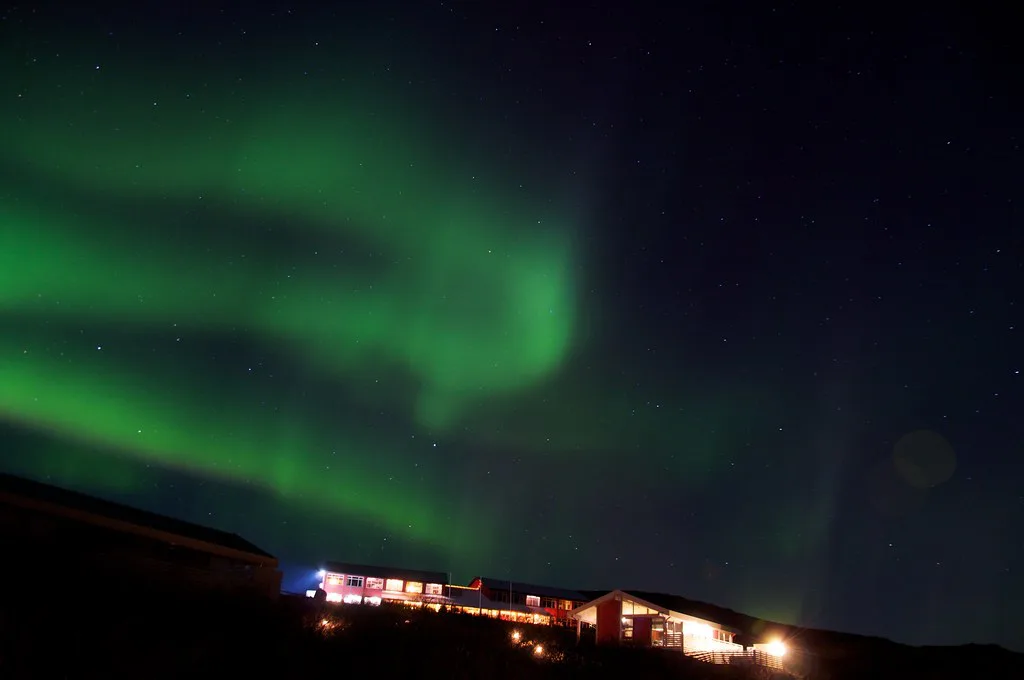
Iceland's appeal in March is that you can pair aurora hunting with glaciers, waterfalls and volcanic scenery inside a short trip. A self-drive itinerary, available from October to April, is built around northern lights viewing and bases you at Hotel Húsafell in the west, surrounded by countryside rather than town light.
From Húsafell you can reach Hraunfossar waterfall, the Langjökull glacier and the Golden Circle sites of Gullfoss and Þingvellir by day, then return to dark skies at night. The hotel can arrange a wake-up call if the aurora appears in the small hours, which is the practical advantage of a rural base over a Reykjavík hotel.
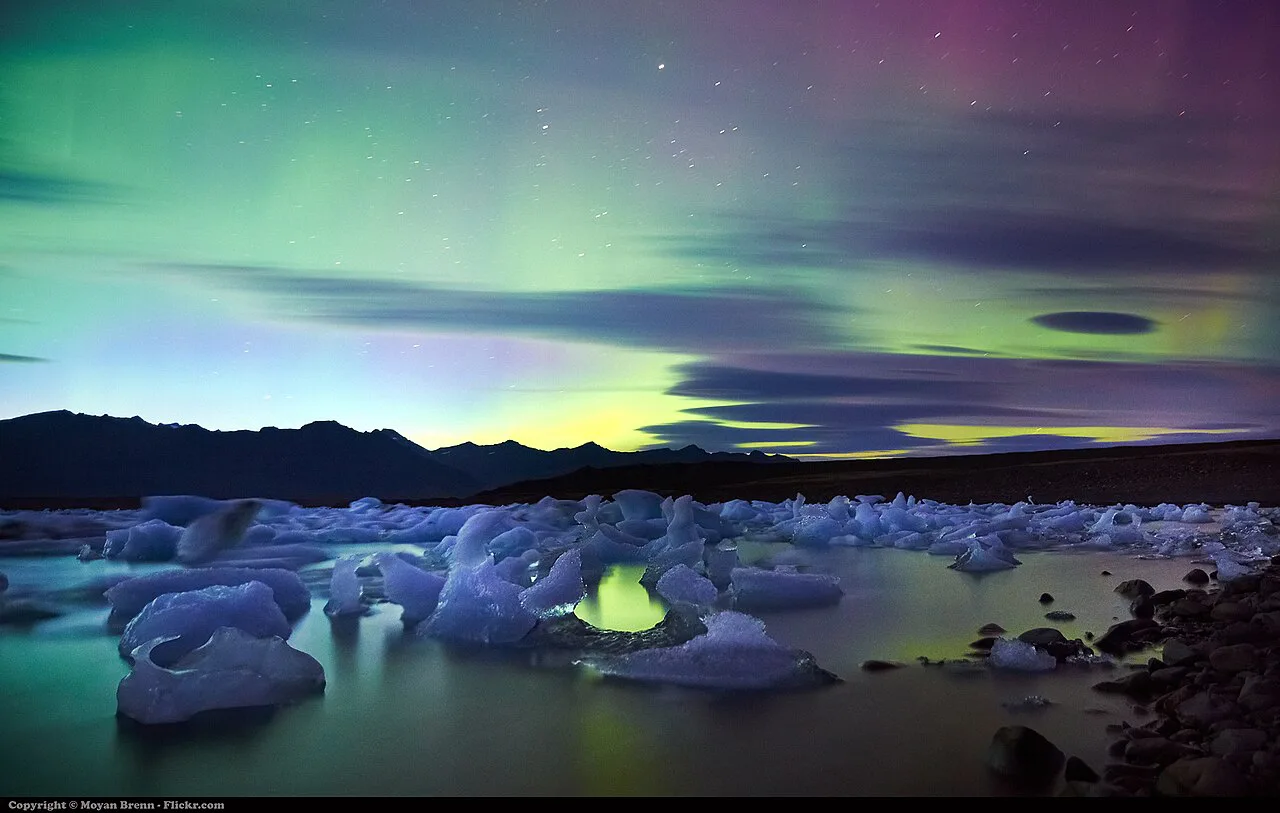
Longer self-drive routes add the Snæfellsnes Peninsula, the Blue Lagoon and Jökulsárlón glacier lagoon on the south coast, with black lava beaches along the way. Three hours of flying from the UK makes a long weekend feasible, so Iceland is the easiest option if your dates are short or decided late.
Guided night tours versus driving yourself
A guided night buys you local weather judgement and a driver who knows the road network, which matters most on a cloudy evening when the plan is to drive out from under the cloud. Guides also carry the equipment and handle the late-night return, so you can commit to a long chase without worrying about icy roads.
Driving yourself works well from a rural base with dark skies on the doorstep, such as Húsafell or a felltop cabin, where a short walk replaces an hour of driving. It is much weaker from a city hotel, where you lose the evening to light pollution and unfamiliar roads before you reach anything dark.
A sensible hybrid is to book one or two guided nights early in the trip and keep the rest flexible, so a clear forecast can be used without paying twice. Operators generally lend thermal suits and boots for night excursions, which removes the need to over-pack for a single cold evening.
Glass igloos and aurora cabins
A glass-roofed cabin or igloo lets you watch from bed, warm and out of the wind, which is genuinely valuable on a long, cold night. The trade-off is interior light and condensation: the same glazing that gives you a sky view also reflects the room's lighting, so you watch with lamps off and curtains managed.
Treat these rooms as a comfort decision rather than an aurora shortcut. They sit under the same cloud as everything else nearby, and many are close enough to a main lodge that light spill is a factor. A cabin with a short walk to open, dark ground often delivers as much for less.
If a glass igloo is the centerpiece of the trip, book it for one or two nights and add flexible nights elsewhere so a cloudy spell does not define the whole holiday. Combined stays, such as a wilderness hotel with an aurora cabin option, let you switch between formats.
Snow-dependent activities in March
March is the strongest month for snow-based activities: the snowpack is usually at its deepest, so husky sledding, snowmobiling across frozen lakes and forest trails all run on full routes. Daylight extends the usable window, and the crisp polar light makes long day outings genuinely worthwhile.
Book activities for the middle of the day and keep the late afternoon and evening free for aurora plans, since darkness only arrives near the end of the day. Multi-day packages typically bundle two or three activities into a fixed itinerary, which simplifies planning but leaves less room to drop one if a clear night beckons.
Toward the end of March the snow surface softens, which can affect some routes and timing. Ask your guide or tour company directly about conditions on your dates; a December itinerary does not transfer unchanged to late March.
How many nights to plan
Allow at least three nights and preferably four or five in one place. Cloud is the limiting factor on any single night, so consecutive nights at the same base give you repeated chances without losing time to transfers between hotels.
Spreading a short trip across three different bases cuts your viewing nights and adds travel days, which is the most common planning mistake for March. If you want to combine Abisko with the ice hotel, do it as one or two moves within a single longer stay rather than a tour of the region.
If you have only a long weekend, pick one rural base with dark skies around it and stay put, in Iceland or Lapland. A single good clear night in four is a realistic outcome; a guaranteed display is not something any itinerary can sell.
Crowds, cost and the equinox lift
Most overseas visitors still travel in December, January and February, which leaves March noticeably quieter in the north. Smaller groups on activities and more availability at short notice are the practical benefits, and March is when northerners themselves tend to take their winter holidays.
Travelers who can move on short notice can use the standard three-day forecasts and longer 27-day outlooks to pick a window, though both are guidance only and neither guarantees a display. If your dates are fixed, the equinox weeks remain the strongest single period to aim for.
Whatever you pay for flights and accommodation, budget separately for guided nights and activities, which are priced per person and often sold as add-ons to a package. Ask your travel specialist for a full quote covering transfers, suits and meals; check current prices when you request it, then compare total figures rather than headline package rates alone.
Plan Your March Aurora Trip
March works because it balances three things: equinox-boosted geomagnetic activity, clearer skies than deep winter and enough daylight to enjoy the Arctic properly. Choose one base with dark skies around it, whether that is Abisko, the Finnish fells or rural west Iceland, and give yourself three to five nights.
Book the aurora-dependent parts flexibly, keep one guided night in reserve for a cloudy forecast and treat glass igloos as comfort rather than a shortcut. Then watch the forecast, accept that no month guarantees a display, and let a long, bright March day do the rest. For the practical details, see the best places to see northern lights.
Frequently Asked Questions
Is March too late for the northern lights?
No. The northern Scandinavian aurora season runs into early April, and March sits within the strongest stretch because geomagnetic disturbance peaks around the equinox. Darkness arrives later in the evening as the month progresses, so viewing shifts toward late night, but the nights remain dark enough for displays well into late March.
Why is aurora activity higher around the March equinox?
Around the equinoxes the angle of Earth's magnetic field to the solar wind lets more charged particles enter the atmosphere, an effect known as the Russell-McPherron mechanism. Research over decades of records places peak geomagnetic disturbance in March and around the autumn equinox. It raises the statistical odds, but cloud and local conditions still decide whether you see anything.
How many nights should I plan in March for a fair chance of clear skies?
Aim for three to five consecutive nights at one base, since cloud is the limiting factor on any single night. Staying put rather than moving between hotels every day gives you repeated attempts. A long weekend in one rural spot, in Iceland or Lapland, is workable but leaves less margin.
Should I book a guided aurora tour or drive out myself?
Book a guide for at least one night if you are staying in or near a town, because local weather judgement and a driver who knows the roads matter most when you need to escape cloud. Self-driving works best from a rural base where dark skies are a short walk away. Many travelers combine one guided night with flexible nights at their own accommodation.
Is Iceland or Lapland better for the northern lights in March?
Iceland suits short trips, with three-hour flights from the UK and rural hotels such as Húsafell where you can combine aurora watching with glaciers, waterfalls and the Golden Circle. Lapland gives you deeper snow, stronger winter activity options and bases such as Abisko with a reputation for clear skies. Choose Iceland for a long weekend and Lapland for a fuller winter trip.
Are glass igloos worth it for aurora viewing?
They are a comfort choice more than an aurora advantage: you watch warm from bed under the same cloud as everyone nearby, and interior light and condensation need managing. They suit a night or two as part of a longer stay. A cabin near open, dark ground often delivers a comparable view for less.
What winter activities run in March?
Husky sledding, snowmobiling and ice-based activities generally run on full routes because the snowpack is usually at its deepest. Longer daylight makes day trips more comfortable than in midwinter. Toward the end of the month softer snow can affect some routes, so check conditions for your exact dates.
Does a strong forecast guarantee I will see the aurora?
No. Forecasts, including the three-day and longer-range outlooks, estimate geomagnetic conditions rather than what you will see overhead. Thick cloud blocks the aurora regardless of activity level, and a quiet night can still produce a strong display in a dark location. Book enough nights and a suitable base to give yourself a realistic chance.
Sources
Notes for your Arctic winter trip
Optional updates to our northern lights guides.
You might also like
Continue reading
More guides you'll find useful