Northern Lights Trip in Europe: Where and When to Go
Plan a northern lights trip across Finnish Lapland, Swedish Lapland and Iceland. Compare seasons, dark-sky bases, aurora cabins and tour formats.
On this page
A northern lights trip in Europe means choosing a base where the aurora oval overhead meets genuinely dark winter nights, then giving yourself enough time for the cloud to break. Finnish Lapland, Swedish Lapland and Iceland all sit under that band, but they differ sharply in how you reach the dark sky, where you sleep and how much a night of hunting costs. Think of the trip as three decisions: country and base, month, and the format of your aurora nights.
Why northern Europe sits under the aurora
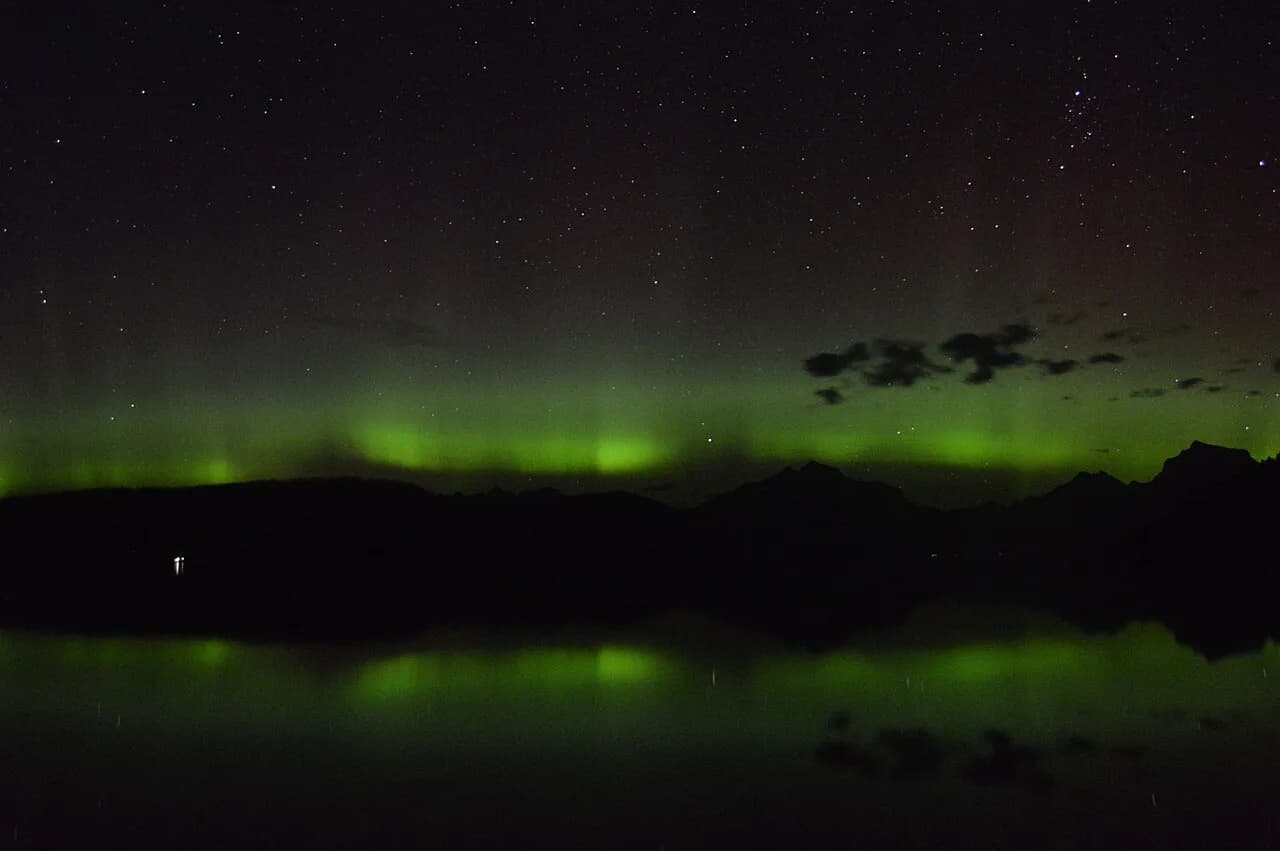
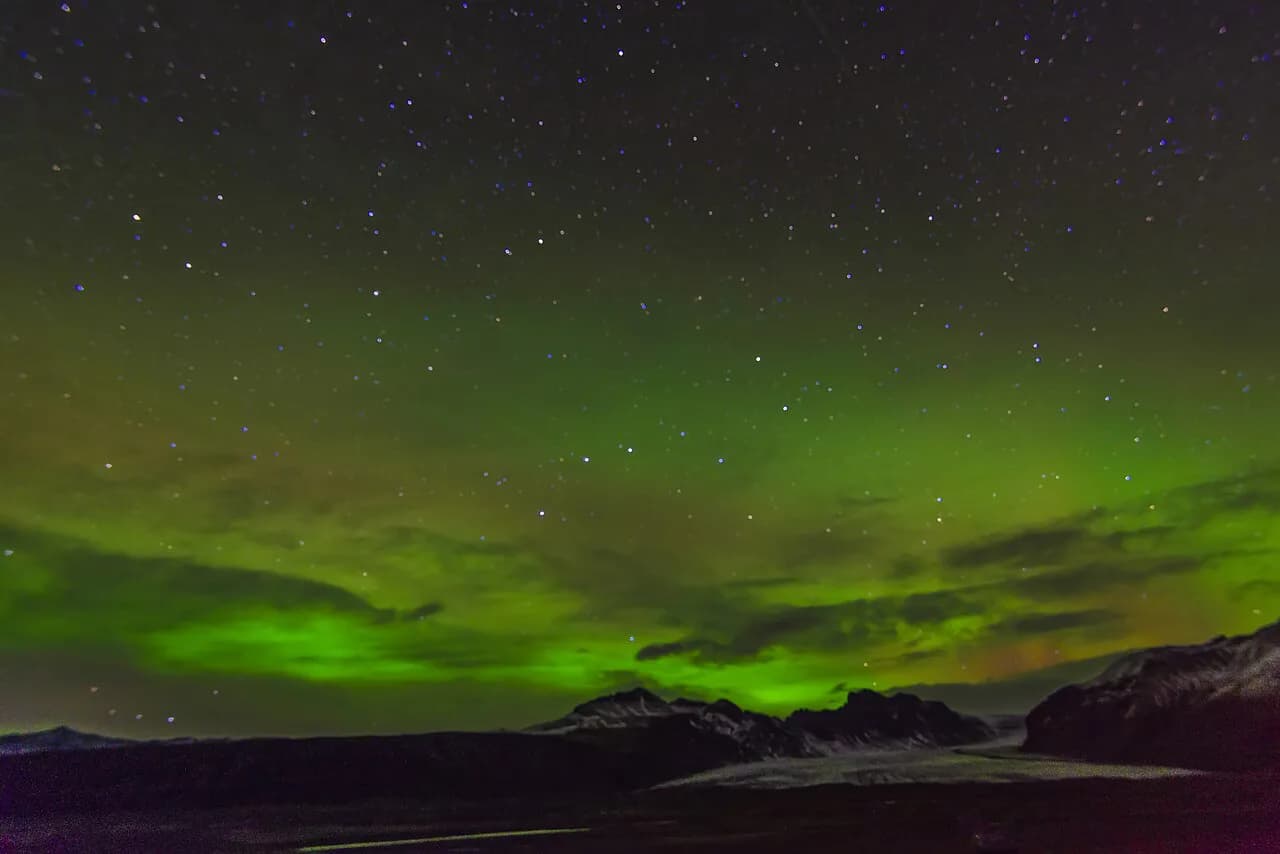
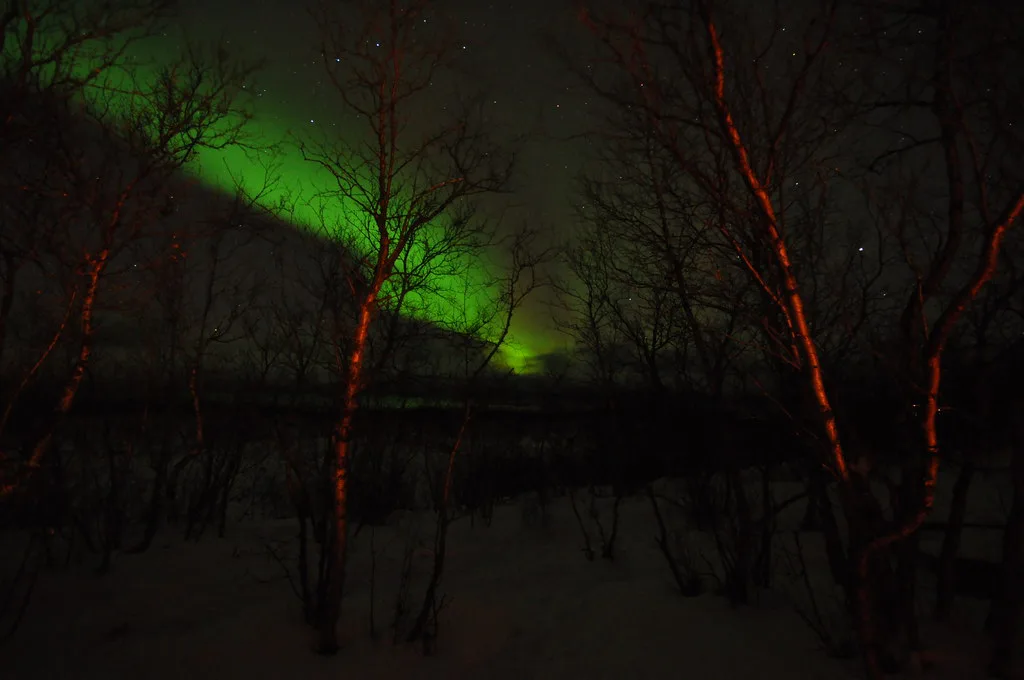
The aurora appears in a ring around the magnetic pole, and northern Scandinavia and Iceland sit close to that ring, so displays are visible on many clear nights rather than only during major solar storms. That geographical luck is why a modest display here can outshine a strong one seen from further south. The other half of the equation is darkness: without a dark sky you see nothing, which is why the trip is a winter trip.
Solar activity shifts constantly, so treat forecast numbers as guidance rather than a promise. The Kp index summarises disturbance in the Earth's magnetic field on a scale used by forecasters; a higher value means a display reaches further south, not that your particular patch of sky will be clear. On the ground, local cloud is usually the deciding factor, which is why operators move guests between locations.
When the aurora season runs and what each month offers
The aurora season in Lapland runs from late August to early April, when nights are long and dark enough for displays to show against the sky. That season window comes from Arctic GM's own trip pages, and it lines up with the pattern across northern Europe: autumn nights are dark but snow is thin, midwinter gives the longest darkness alongside the coldest conditions, and March and early April balance longer daylight with still-dark nights and better road access.
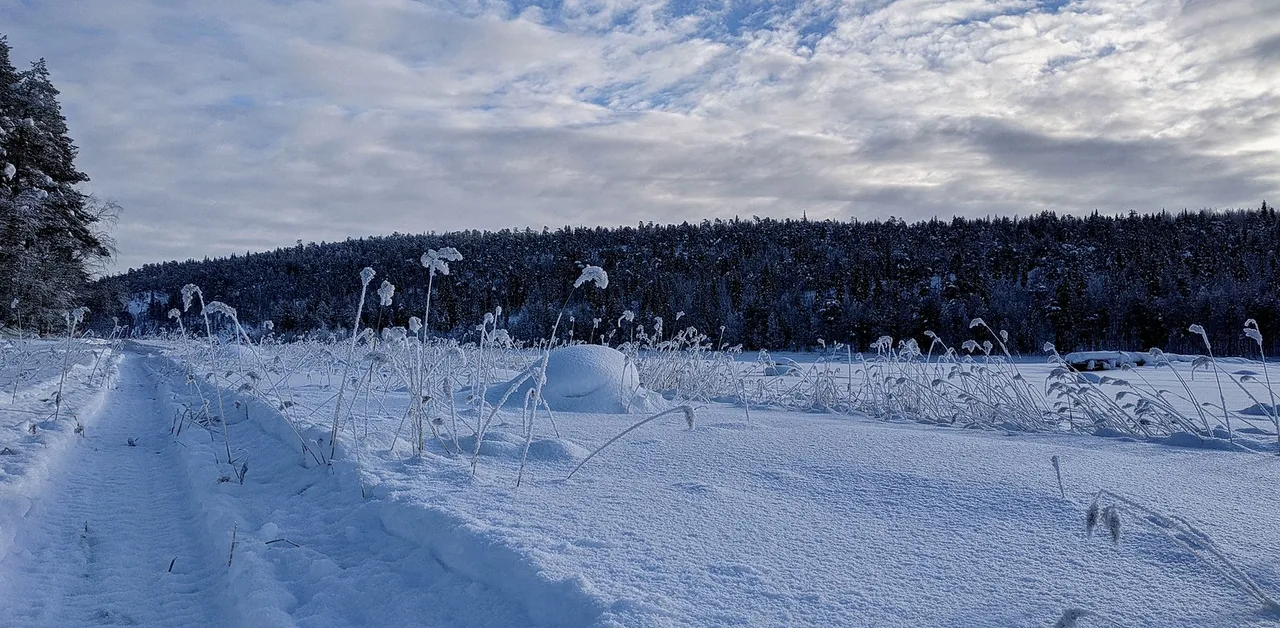
December and early January bring the shortest days, so daytime activities shrink while aurora hours stretch. September to November is the shoulder season: darker than you expect, often cheaper, and wetter or muddier underfoot before the snow settles. A shoulder-season trip trades postcard snow for lower prices and thinner crowds, which suits travelers who care most about the sky.
Finnish Lapland: bases compared
Rovaniemi is the easiest entry point, with flights, a wide spread of hotels and the densest tour offering, but its town lights mean you chase the aurora out of town rather than watch from the doorstep. Levi adds a fell landscape and a ski resort feel, while Saariselkä and Ivalo sit far north with wilderness on the edge of the village. Inari and Nellim trade amenities for genuinely dark lake shores.
Arctic GM runs an eight-hour small-group northern lights expedition from Levi with a photographer, unlimited mileage and professional photos included, priced at EUR 199 per person, alongside a private version of the same format at EUR 1,700. Groups are capped at eight guests, which matters when the guide decides to drive further for a gap in the cloud. From Rovaniemi the same company sells a five-hour coach aurora tour at EUR 69 and an eight-hour small-group hunt at EUR 139.
Package operators bundle Lapland bases with flights and transfers. The Aurora Zone lists a five-day Wilderness Hotel Inari trip from £2,185 per person and a five-day Wilderness Hotel Muotka northern lights adventure from £2,115, both with flights included. A four-day Northern Lights Village Pyhä aurora cabin adventure starts at £1,655, which gives you a rough ladder for comparing a cabin-based trip against booking flights and nights separately.
Swedish Lapland: Kiruna, Abisko, Luleå and Jukkasjärvi
Kiruna is the practical hub for Swedish Lapland, with an airport, a town-centre hotel base and easy access to surrounding wilderness. Abisko is the specialist's choice, a small village beside a long lake with mountain shelter that is often discussed in aurora circles for its local climate. For a full comparison of bases and operators, see this Swedish Lapland northern lights guide. Luleå sits further east on the coast and works as a city break with excursions, while Jukkasjärvi is the village setting for the seasonal ice hotel, rebuilt each winter.
Arctic GM operates a Kiruna northern lights expedition priced at EUR 199 per person for an eight-hour small-group format with photography and unlimited mileage, and a private equivalent at EUR 1,700. The trip includes transfers in 4x4 vans and thermal gear where listed. Note that the ice hotel at Jukkasjärvi sits outside town, so its winter season and cold rooms are best paired with a warm second base rather than used as your only bed.
Iceland and the Reykjavík question
Reykjavík makes a good city break but a mediocre dark-sky base: the city glow and coastal cloud mean you should treat aurora viewing as an excursion into the countryside rather than something you watch from a hotel window. Iceland packages from The Aurora Zone show the shape of this: a four-day Reykjavík northern lights city break from £1,193 per person and a family escape combining Reykjavík with the Blue Lagoon from £959, both with flights included.
If Iceland is your priority for aurora rather than city life, book a countryside base away from the capital and use the city for the first and last night. A self-drive option lets you move toward clear sky, but winter roads outside the main ring require local judgement; a guided small-group hunt removes that decision.
Glass igloos, aurora cabins and wilderness hotels
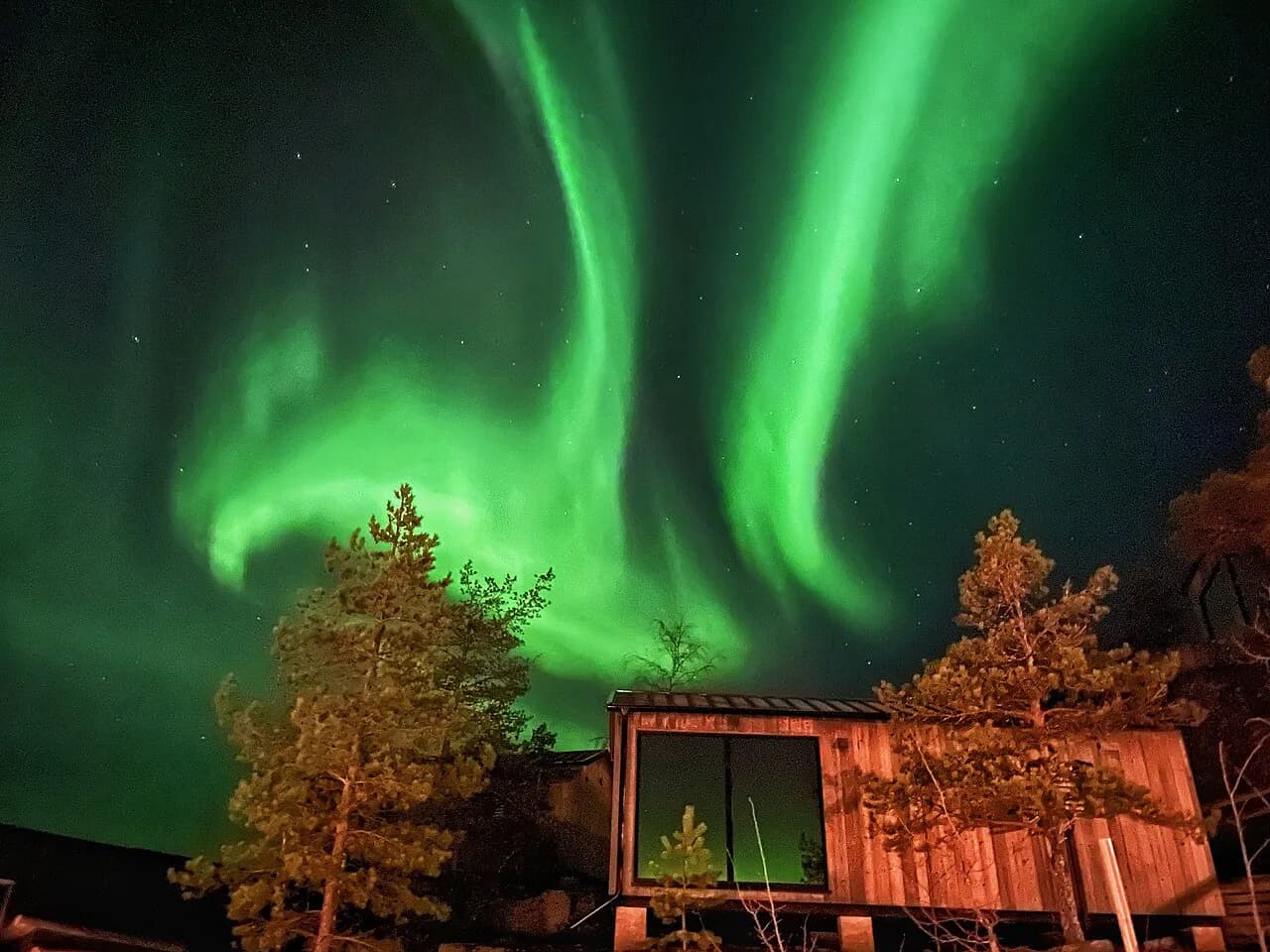
Aurora cabins and glass igloos put the sky above your bed, which is a genuine convenience on cold nights but not a guarantee: the roof can fog, frost or stay under cloud while a valley twenty minutes away is clear. The trade-off is control, since you cannot drive to a different sky at 2 a.m. Choose a cabin for comfort and a short walk to sleep, and pair it with at least one guided or self-drive chase night.
Wilderness hotels in Finnish Lapland typically bundle full-board stays with guided activities, which simplifies planning but locks in your schedule. The Aurora Zone lists stays at Wilderness Hotel Nellim, Wilderness Hotel Muotka and Wilderness Hotel Inari, several with flights from the UK included in the package price. Read the inclusions carefully to see whether aurora hunts are built into the nights or sold separately.
Small-group hunts versus coach departures
The format of your aurora night matters more than the company's slogan. A small-group 4x4 hunt with a capped guest list can change direction quickly and drive long distances, while a coach departs on a fixed route with more passengers and less flexibility. Arctic GM caps its small-group tours at eight guests and runs coach trips from Rovaniemi and, separately, from its Norwegian base, so a coach night costs less but trades mobility for volume. Check current prices when you book.
'Guaranteed' aurora policies are worth reading closely. Arctic GM states that it guarantees you will see the northern lights on its tours, but adds that the intensity of a display, from a small glow to a full-sky storm, cannot be predicted. In practice that usually means a re-run or partial refund rather than an on-demand display, so check the exact wording before you rely on it.
Across the border in Norway, northern lights tours from Tromsø run three to eight hours and leave in the evening, with guides driving away from city lights to clearer viewing spots. It is a useful comparison for format rather than a base to build this trip around: the same principle of leaving town applies anywhere in Arctic Europe.
Self-guided chasing and winter roads
Renting a car gives you the freedom to follow a break in the cloud, and it suits travelers staying several nights in one region. The catch is winter driving: snow-covered roads, short daylight and the need to judge conditions yourself. Build your plan around a single well-placed base rather than long transfers, and keep your evening drives short enough to return safely.
Pick a base with a dark road or lake shore within a short drive, then use a cloud forecast in the afternoon to choose your direction. Towns like Rovaniemi, Levi, Kiruna and Abisko all offer accessible dark spots outside the centre, and parking areas on quieter roads give you a safe place to stop and watch. This is a plan for confident winter drivers, not for a first night after a long flight.
Pairing husky, reindeer and snowmobile nights
Wildlife and snowmobile nights combine an activity with a chance of aurora overhead. Arctic GM runs a winter husky safari near Rovaniemi where you drive your own team over five to eight kilometres, priced at EUR 229 per person with thermal overalls, hot drinks and a barbecue included, and a four-hour snowmobile evening safari at EUR 159 that includes a chance to see the northern lights rather than a guarantee. A reindeer safari with a Sámi family adds cultural context and a slower pace, with Arctic GM listing a three-hour sled ride at EUR 189 including transport in 4x4 vans. Book these as daytime or early-evening experiences and keep a separate aurora night free, because an activity that ends late can clash with the darkest hours.
How many nights to plan
Give a northern lights trip at least three nights in one base, and four to five if the aurora is the main reason for the journey. Each night is an independent roll of the dice on cloud, so extra nights add far more value than extra activities. A short two-night city break has a real chance of ending under overcast sky.
If you are combining regions, count nights per base rather than nights overall. A four-night stay in Inari with one guided tour and one self-drive night is a stronger plan than six nights split across three towns with transfers eating the dark hours.
Budget tiers
Small-group and coach tours give you the cheapest route to a guided aurora night, while private hunts and cabin stays push the cost up sharply. Arctic GM's coach aurora tour from Rovaniemi is the entry point, alongside a small-group night and a private eight-hour hunt. Package holidays with flights sit higher again, with The Aurora Zone listing a four-day Northern Lights Village Pyhä aurora cabin adventure. A sensible budget structure is one guided night plus self-drive or cabin nights, rather than paying for a tour every evening. Private tours only make sense for groups of three or four splitting the cost, since a private expedition is far more than a shared small-group seat.
Shoulder season and Christmas trade-offs
Autumn trips avoid the deep cold and often cost less, but you trade snow for mud and shorter daylight. Christmas and New Year bring festive atmosphere, near-total darkness and peak prices, with The Aurora Zone quoting six-day festive Northern Lights Village Saariselkä packages from £2,925 and £3,185 per person. January to March is the classic window, with settled snow and longer days for daytime activities.
In Iceland, the shoulder months around October and March offer a mix of aurora nights and manageable weather, which is why city-break packages cluster there. If you want the widest choice of activities alongside aurora nights, aim for February or March in Lapland.
2026 planning
A northern lights trip booked for 2026 follows the same logic as any other season: choose a dark-sky base, travel between late August and early April, and reserve several nights. Solar activity rises and falls over an eleven-year cycle, but no source gives a reliable aurora forecast months in advance, so treat any claim of a 'best year' with caution and judge the Kp index day by day during your trip.
Plan Your Trip
Start by deciding whether you want a city break with aurora excursions, a wilderness cabin stay, or a flexible small-group hunting base. Then pick a month that fits your tolerance for cold and daylight, and book at least three nights in one place. Finnish Lapland gives the widest choice of operators and cabins, Swedish Lapland offers quieter wilderness, and Iceland works best when you leave Reykjavík for the countryside.
Once the base is set, choose your aurora nights deliberately: one guided small-group hunt, one cabin night, and one self-drive evening if you are a confident winter driver. Cross-check operator inclusions, such as thermal gear and photography, and read any guarantee policy for exactly what it covers.
Frequently Asked Questions
Which is better for a northern lights trip: Finnish Lapland, Swedish Lapland or Iceland?
Finnish Lapland offers the widest range of aurora cabins, wilderness hotels and operators, with bases like Rovaniemi, Levi, Saariselkä, Inari and Ivalo. Swedish Lapland is quieter, with Kiruna as a hub and Abisko as a specialist dark-sky village. Iceland suits a city break with countryside excursions, but Reykjavík itself is not a dark-sky base and you should plan nights away from the capital.
How many nights do you need for a northern lights trip?
Plan at least three nights in one base and four to five if the aurora is the main purpose. Each night is a separate chance of clear sky, so extra nights add more than extra activities. Splitting a short trip across several towns usually reduces your time under open sky.
Can you see the northern lights in Reykjavík?
Displays can appear over the Reykjavík area, but city light and coastal cloud make it an unreliable place to watch. Treat Reykjavík as a city break and book a countryside excursion or a night or two at a rural base for your aurora viewing. The city works well for the first and last night of an Iceland trip.
When is the best time of year for a northern lights trip?
The aurora season in Lapland runs from late August to early April, when nights are dark enough. February and March offer settled snow, longer daylight for daytime activities and a good balance of aurora hours, while September to November is cheaper and quieter but often lacks snow. Christmas brings atmosphere and peak prices.
Are guaranteed northern lights tours worth it?
Read the wording before you pay. Arctic GM states that it guarantees you will see the northern lights on its tours, but also says that the intensity and scale of a display cannot be predicted. A guarantee usually means a re-run or partial refund rather than a promise of a full-sky storm, so check the exact terms.
Is a glass igloo better than a cabin for aurora viewing?
Glass igloos and aurora cabins let you watch from bed, which is convenient on cold nights, but glass can fog or frost and cannot escape local cloud. Pair a cabin stay with at least one guided or self-drive chase night so you are not relying on a single location. Wilderness hotels with bundled activities are a simpler alternative.
What does a northern lights trip cost in Europe?
Costs swing widely with the format you pick: a shared coach night from Rovaniemi, a small-group 4x4 hunt, a private vehicle with a photographer, or a multi-day cabin package with flights all sit in different brackets. Arctic GM publishes per-tour prices on its northern lights tours page, and The Aurora Zone lists per-person package prices for Lapland and Iceland trips, so compare both before booking.
Is 2026 a good year to see the aurora?
No source gives a reliable aurora forecast months ahead, so treat any claim of a best year with caution. Solar activity varies over an eleven-year cycle, but your experience depends mostly on local cloud and darkness. Plan for the late August to early April season and use the Kp index as daily guidance during your trip.
Sources
Notes for your Arctic winter trip
Optional updates to our northern lights guides.
You might also like
Continue reading
More guides you'll find useful