Abisko Sauna Guide: Where to Warm Up After a Winter Day
Saunas in Abisko come with the accommodation, from the STF mountain station to the self-catering rooms and cabins, plus one 14 km down the Kungsleden trail.
On this page
Abisko in winter gives you a handful of daylight hours, a long cold evening and a genuine chance of aurora above Lake Torneträsk. A sauna slots neatly into that rhythm: you warm up after a day on the trails or the lake ice, then step out into the dark to watch the sky. The appeal is strongest for travelers who want a comfortable base with practical facilities rather than a spa resort, and who are happy to share a sauna with other guests.
Why a sauna fits an Abisko winter trip
Winter days this far north are short, so the afternoon fades quickly and the evening stretches long. A sauna gives that stretch a shape: an hour of heat, a cool-down, then a walk to a dark viewpoint before bed. It also suits the way people travel here, mixing self-catering guests, hostel bunk rooms and hotel guests in the same small village.
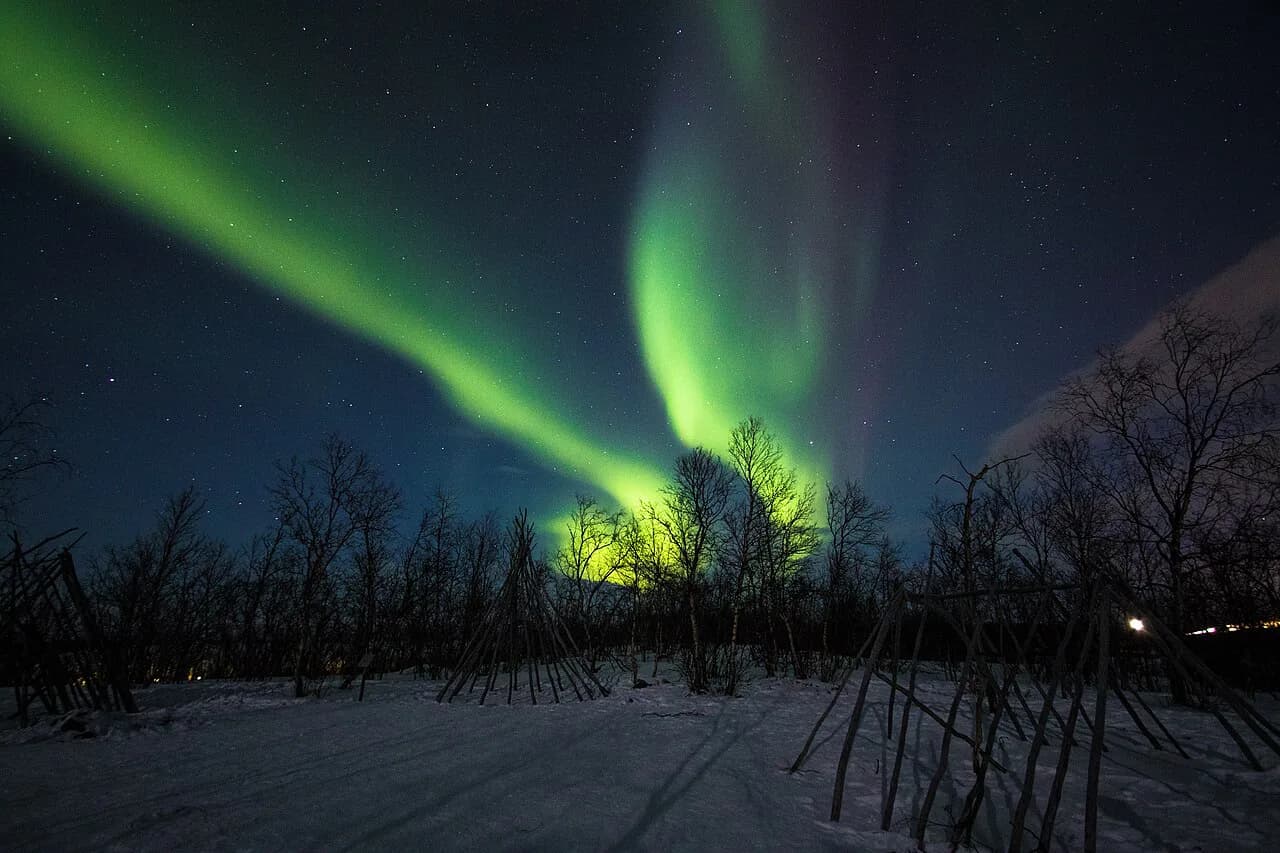
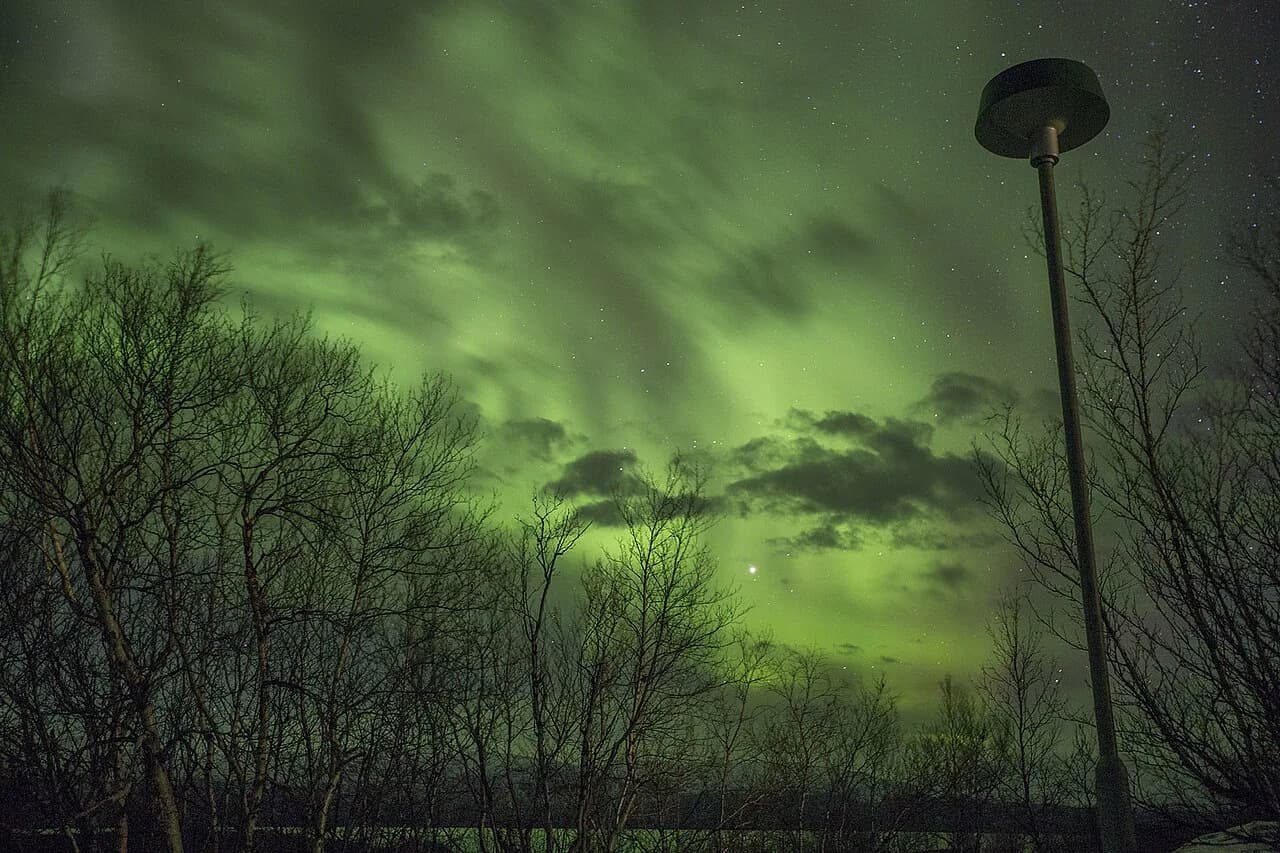
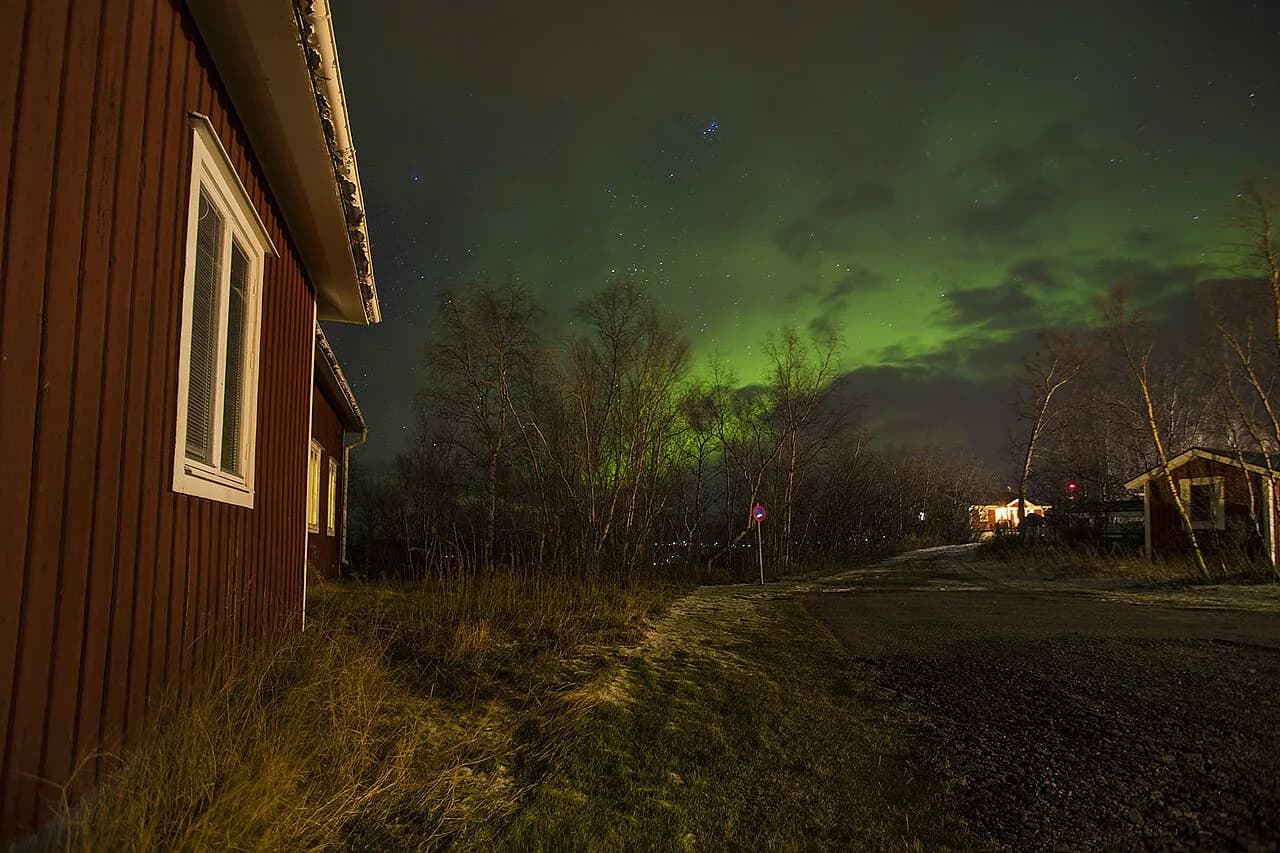
Abisko's reputation for clear skies rests on the rain shadow of the mountains, which is why the aurora season here runs through the dark months from roughly late August to early April. Book a sauna evening with that in mind, because the best clear nights are worth abandoning the heat for. The northern lights are never guaranteed, and a cloudy week can pass without a gap, so treat the sauna as the reliable part of the evening. If you are weighing up bases across the border, this northern lights in Swedish Lapland guide covers the wider picture.
Saunas at STF Abisko Turiststation
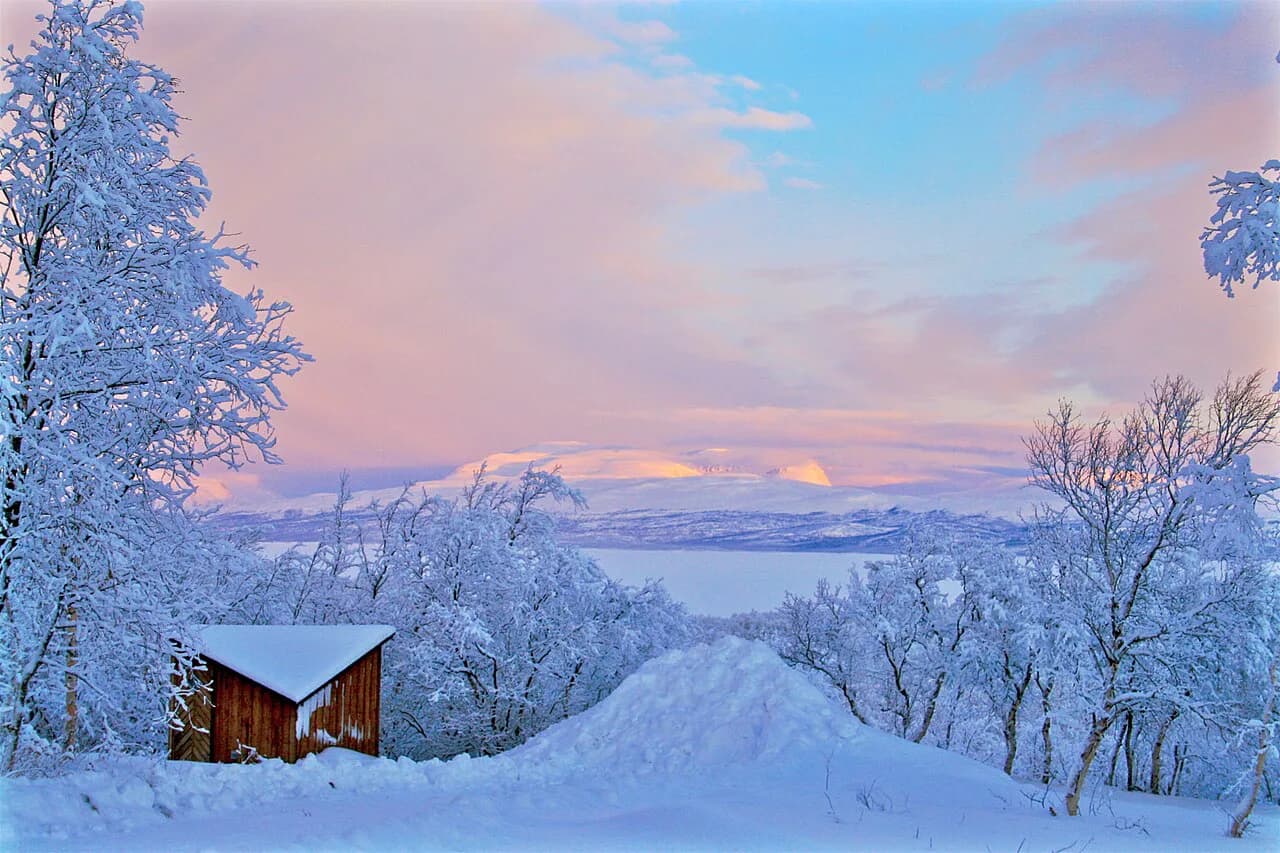
STF Abisko Turiststation sits on a hill in the northern part of Abisko National Park, looking over Lake Torneträsk and Mt. Noulja, and it accommodates up to 300 people. The main building holds the hotel rooms, the reception, the Kungsleden restaurant, a bar and a shop, and the station's saunas are part of that facility mix alongside a small library and souvenir shop. That makes it the most straightforward base if you want a sauna, a meal and a bed in one place.
Rooms at the station are single or double with private bathrooms, a seating area and coffee and tea makers, and the hotel has common areas with fires to sit by. Reception runs around the clock and Wi-Fi covers the common areas, which matters when you are juggling aurora forecasts after dark. Outside the hotel rooms, the station also offers more moderately priced self-catering accommodation and tent sites on the grounds.
The station has welcomed guests for more than a century and has become a gathering point for people with shared outdoor interests. That history shows in the layout: a main building for eating and lounging, separate wings and cabins for sleeping, and the national park trailheads a short walk away. If you want a sauna within a minute of your room, say so when you book, since STF Abisko Turiststation offers saunas alongside other services but not every room type includes the same access.
Sauna, drying room and shared kitchen in the hostel and cabins
The budget side of the station is the youth hostel Keron, where you sleep in bunk beds in four- to six-bed rooms or a shared dormitory. Sinks are in the rooms and showers and toilets are in the corridor, with a shared kitchen, a sauna and a drying room for wet gear. The duplex cabins take six people and come with a living room, a fully equipped kitchen and their own shower and toilet.
A drying room matters more than it sounds in Abisko, where snow sticks to boots and outer layers on every walk. Pair it with the gear rental at the station shop if you have flown in without heavy kit, and plan your sauna slot for after you have hung everything up. The shared kitchen also lets self-catering guests eat late, which is useful when the aurora appears after a normal dinner time.
The sauna at STF Abiskojaure, 14 km down the Kungsleden
STF Abiskojaure mountain cabin lies in Abisko National Park by the clear lake of the same name, about 14 km south of Abisko on the first stretch of the Kungsleden toward Nikkaluokta. The cabin has a guest kitchen, a shop, a sauna and rooms with bunk beds, usually heated by gas stoves, with a cabin manager on site. Guests chop wood, fetch water, wash up and clean after themselves, so this is a self-reliant stay rather than hotel service.
The published opening window for Abiskojaure is 19 February to 18 April and 18 June to 19 September, which makes the sauna a late-winter and summer option rather than a midwinter one. Plan a ski or hike in from Abisko if you want that sauna, and confirm the season dates with STF for your year before building a trip around them. The reward is a quiet mountain-cabin evening far from village lights, with marked winter trails within a kilometre of the door.
Saunas at Abisko's other lodgings
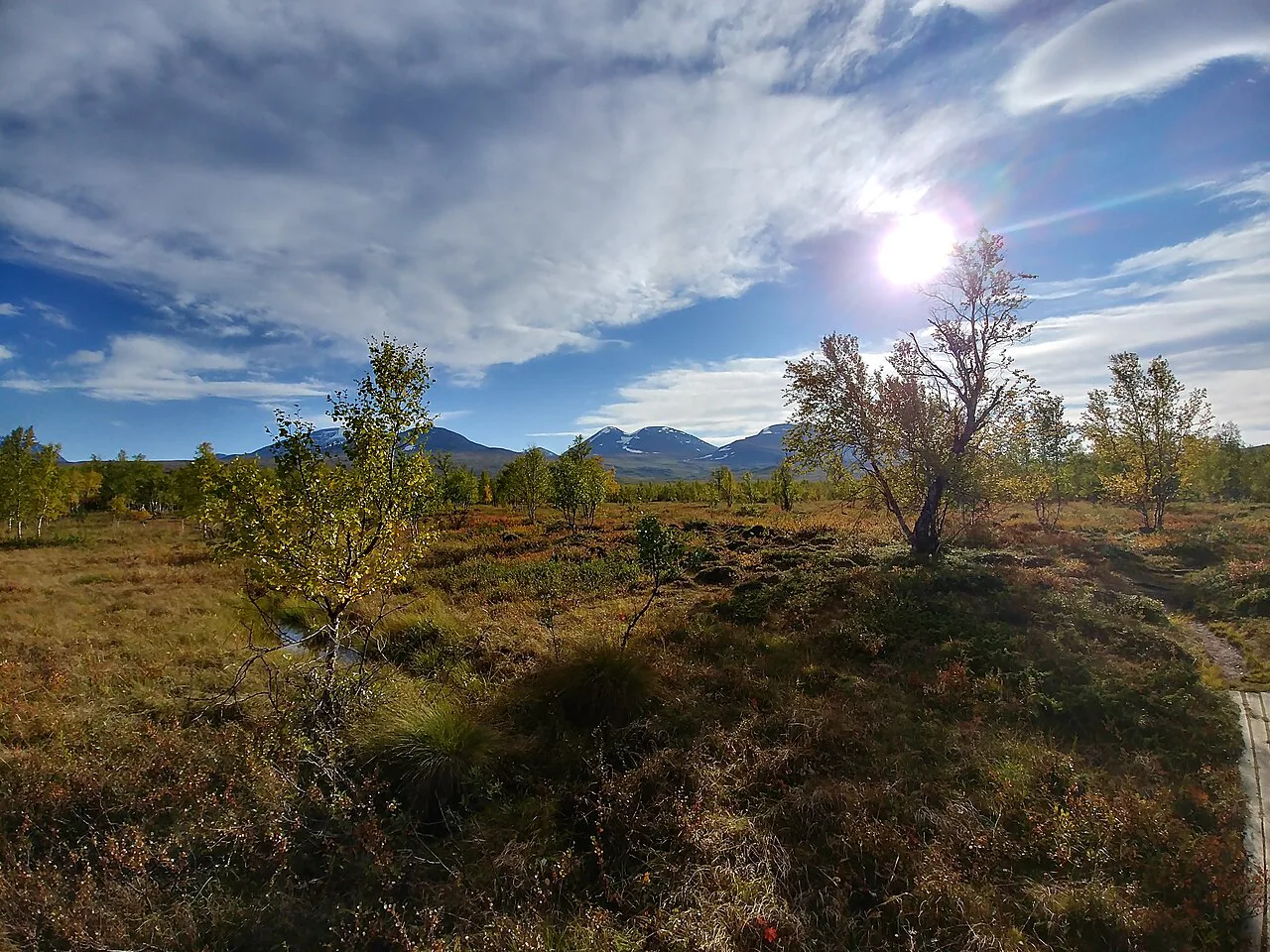
Abisko is small, and most of the accommodation is concentrated around the national park entrance and the village strip near the railway. Lodges in that cluster are the alternative to the STF station, and whether a sauna comes with your room varies by property and by room type. Ask the property directly what the sauna involves: whether it is included, whether you book a slot, and whether it is shared with other guests.
When you compare prices, weigh the sauna against the rest of the package. A cheaper bed without a sauna may still work if you plan to spend evenings out chasing clear sky, while a higher rate that includes heat, a drying room and a short walk to dark viewpoints can be worth it in a cold, dark week. Location near the national park boundary usually beats a marginally nicer room.
Sauna etiquette in Swedish Lapland
Swedish saunas are usually shared and taken in shifts, with men and women often on separate schedules unless you have booked a private session as a group. Swimwear or a towel is the norm in mixed public settings, and you sit on a towel for hygiene. Expect to pour water on the stones yourself, and to leave when you have had enough rather than waiting for a signal.
Ask at reception when you arrive which shifts are running and whether you need to put your name down, because small stations often post a list rather than take online bookings. Bring your own towel if the room type does not include one, and keep the noise down in the corridor on the way back, since other guests may be sleeping before an early aurora night.
Cooling off: snow, lake edges and winter bathing
The traditional cool-down is outdoor air, and at Abisko that means snow banks and cold steps rather than a heated plunge pool. Roll in the snow for a few seconds, or stand outside until your skin cools, then go back in. Keep it brief, keep your feet covered on ice, and never go onto lake ice alone or without local advice on thickness.
Open-water swimming in Lake Torneträsk is a summer activity for most visitors, and winter lake edges can be unstable where currents and outlets run. If a property offers a cold plunge or ice hole, follow its instructions and never assume a hole cut for one group is safe for another. The sauna itself is the reliable warmth; treat the cold part as optional.
Sauna and aurora: ordering the evening
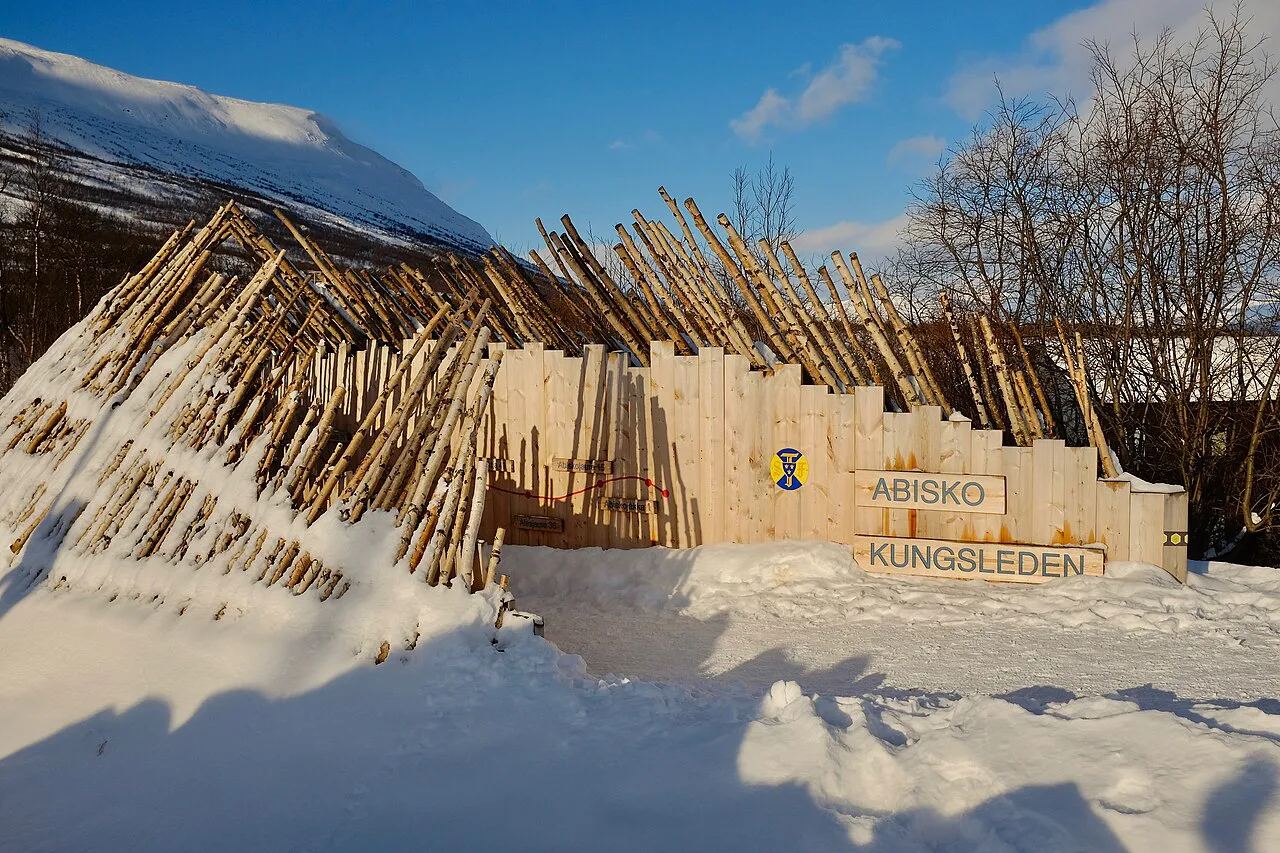
Clear skies decide the night, so check the cloud forecast before you commit to a long sauna session. On a promising evening, sauna early, eat, then walk to a dark spot away from the station lights and the village. The Abisko sky is dark enough that you often do not need to go far, but the station sits on a hill with lights of its own, so put a few minutes between you and the buildings.
Aurora Sky Station on Mount Nuolja runs lift access up the mountain for evening viewing, which is the obvious choice when you want altitude and a dark ridge without a long walk. Tours and station openings change with the season, so check the Aurora Sky Station page for the dates of your trip. On cloudy nights, the sauna and an early night cost you nothing.
How many nights to plan around sauna evenings
Give Abisko at least three nights if the aurora is the reason you are coming, and four or five if you can. Cloud can close the sky for days, and a sauna gives you something to look forward to when it does. A week lets you absorb a couple of lost nights without writing off the trip.
Build the sauna into the plan rather than treating it as a spare-hour activity: one evening at the station, one out on the trails or at a viewpoint, one reserved for a tour up the mountain. Keep your last night flexible, since a clear forecast often firms up only a day ahead.
Plan Your Sauna Evenings in Abisko
Book your bed with the sauna question settled first: hotel room, hostel bunk, cabin or trail cabin all deliver different versions of the same evening. Then leave the dark hours free for the sky, because in Abisko the sauna is the warm half of a night that may end under the aurora.
Frequently Asked Questions
Does STF Abisko Turiststation have a sauna?
Yes. The station lists saunas among its facilities alongside the restaurant, bar, library and shop, and the hostel section has its own sauna, shared kitchen and drying room. Ask which sauna your room type gives access to when you book.
Can you swim in the lake at Abisko after a sauna?
Lake Torneträsk is cold even in summer and its winter edges can be unsafe, so most visitors cool off in the snow or outdoor air instead. If a property offers a cold plunge, follow its instructions rather than finding your own way onto the ice.
How far is the Abiskojaure cabin from Abisko?
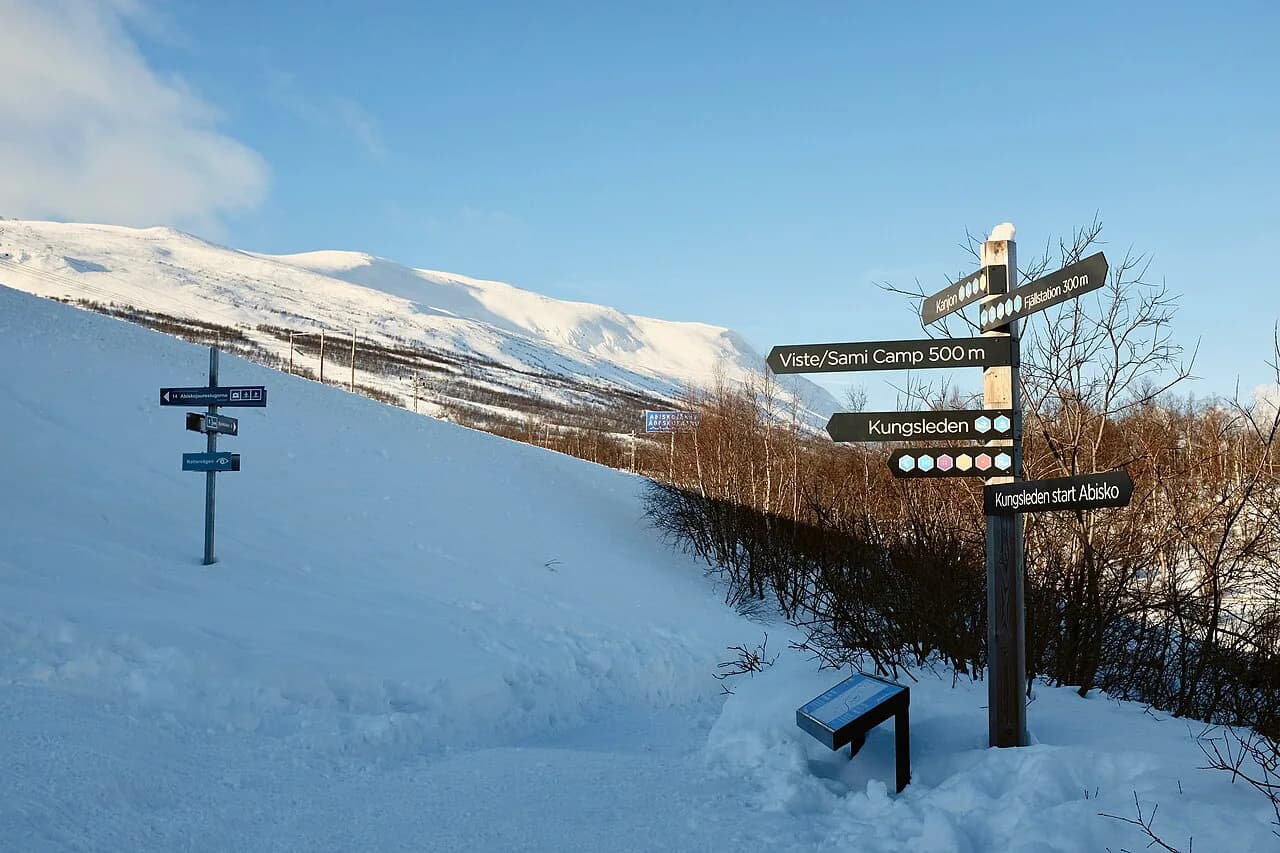
It is about 14 km south of Abisko, the first cabin on the Kungsleden stretch toward Nikkaluokta. Hikers and skiers reach it on foot or skis from the village, where the trail starts a few hundred metres from the station and bus stop.
Is the Abiskojaure sauna open in winter?
The cabin's published season is 19 February to 18 April and 18 June to 19 September, so it is a late-winter rather than midwinter stop. Confirm the dates for your year with STF before planning a night there.
What is sauna etiquette in Swedish Lapland?
Expect shared shifts, a towel to sit on, and pouring your own water on the stones. Ask at reception whether you need to add your name to a list, and keep the corridor quiet on the way back to your room.
Can you see the northern lights from a sauna?
Only if the sauna has a window facing the right way, and even then the view is limited. Better to sauna early and step outside afterwards, since clear skies and dark surroundings, not heat, are what make a sighting possible.
Sources
Notes for your Arctic winter trip
Optional updates to our northern lights guides.
You might also like
Continue reading
More guides you'll find useful