Grótta Lighthouse Northern Lights: Aurora Spot in Iceland
Grótta Lighthouse sits at the tip of the Seltjarnarnes peninsula, Reykjavík's nearest dark edge. Here is when the aurora season runs and how to plan a night.
On this page
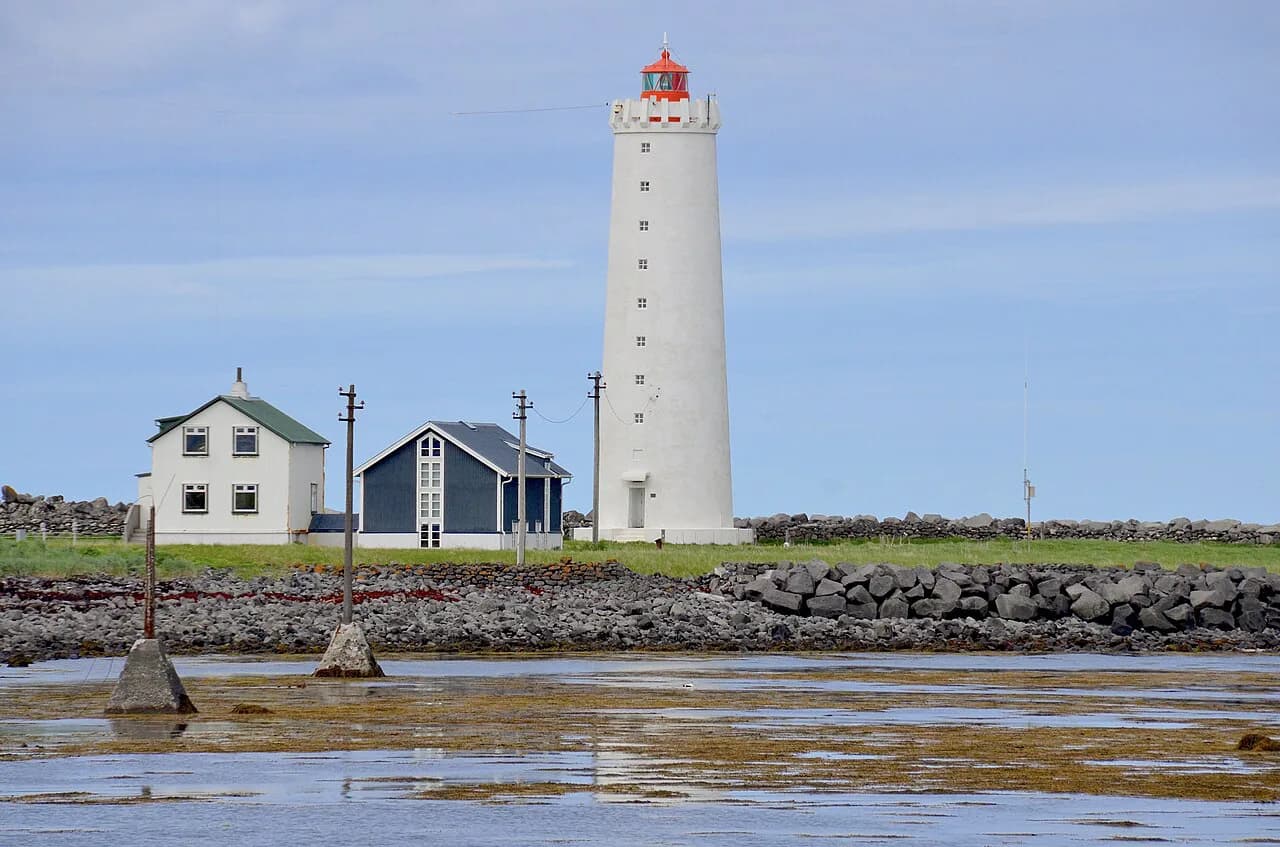
Grótta Lighthouse gives you the aurora hunt without leaving the capital region: a low lighthouse, a black-sand shoreline and open water on the tip of the Seltjarnarnes peninsula, with the lights of Reykjavík at your back. It is the option for travelers with two or three nights in the city who want one dark, uncomplicated evening outdoors rather than a full inland expedition. If you are still deciding how Iceland fits into a wider winter route, start with the broader guide to the northern lights in iceland.
Why Grótta works for aurora hunting
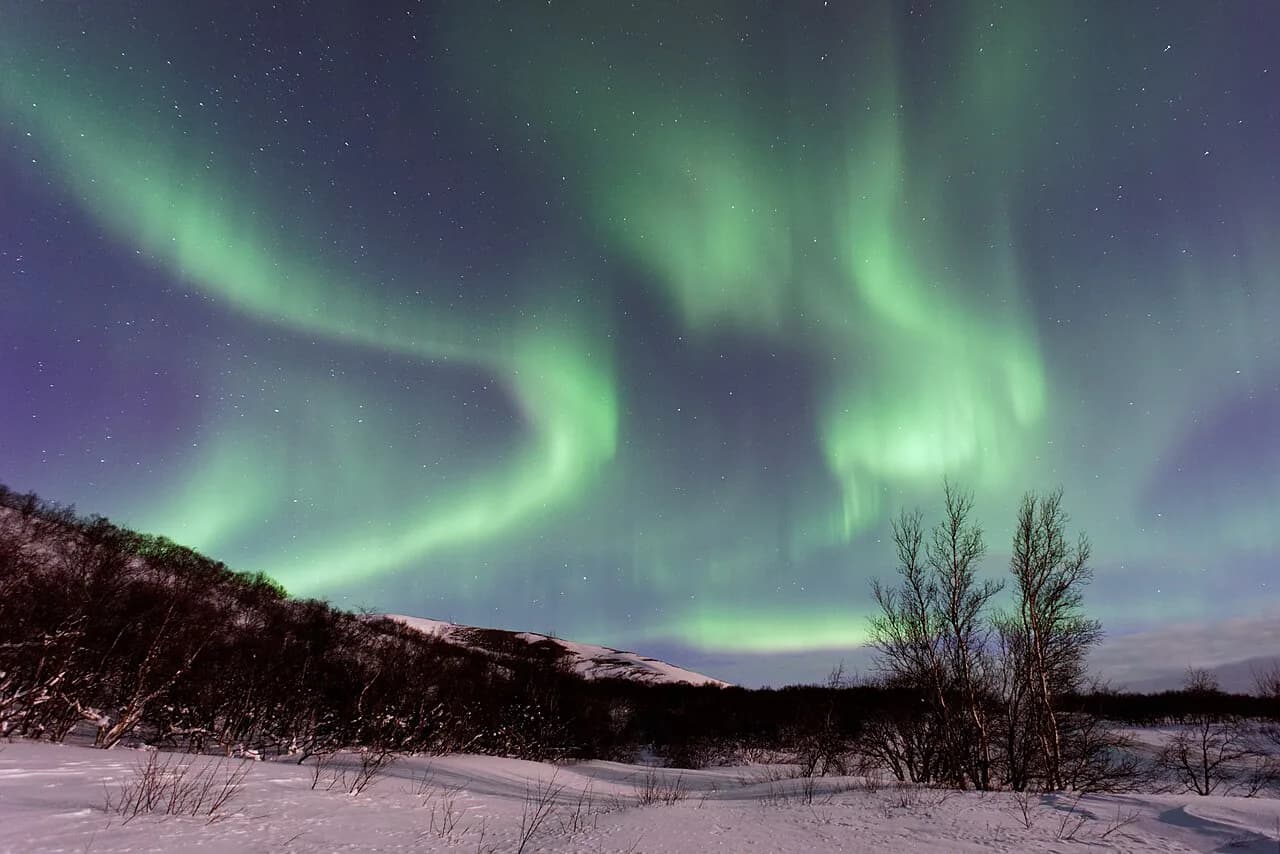
Iceland's aurora oval passes over the island, so displays can appear anywhere in the country when the sky is dark and clear. That means a location matters less for latitude than for darkness: getting away from street lights and car parks is what sharpens the view. Grótta sits on the edge of the Seltjarnarnes peninsula, close to Reykjavík yet far enough out that the city glare falls behind your shoulder, which is exactly why it earns its reputation as the capital's handiest dark spot.
The setting gives you a foreground as well as a sky. From the point you look out over open water toward Mount Esja across the bay, with the lighthouse itself framing a shot for photographers. The black-sand beach at the tip is the classic viewing ground, and the peninsula narrows as you approach, so the light of the city thins out the further you walk.
Think of Grótta as the convenient edge of the city rather than a wilderness. It is dark enough for a strong display, but a bright aurora low on the northern horizon competes with urban glow. If you have a car, an inland drive on a clear night will usually beat the peninsula. If you are on foot in Reykjavík, nothing nearby comes close.
When the aurora season runs
Aurora viewing at Grótta falls in the winter months, from September through April, with the deepest dark running through the middle of that window.
The sun never fully leaves the sky in Icelandic summer, so you need darkness before you need anything else. At the height of winter, December delivers only around four hours of real daylight, roughly from 11:22 to 15:29.
That short daylight shapes your night. You can eat early, drive or walk out to the peninsula and start watching well before a normal evening, which suits families and anyone who does not want to be out at midnight. The trade-off is weather: December and January bring Iceland's stormiest, cloudiest stretch, so a winter visit buys long nights but not necessarily a clear sky. September, October and March commonly deliver more settled, less heavily clouded nights, and auroral activity is often discussed as stronger around the equinoxes in late September and March.
Getting to Grótta from central Reykjavík
Grótta is on the Seltjarnarnes peninsula, the low arm of land that reaches west from the city. You can walk the shoreline path out from the city side, take a local bus toward Seltjarnarnes, or drive and park near the coast before continuing on foot to the point. Check the route for the night you go rather than assuming a daytime bus timetable holds after dark.
The last stretch is a walk, and that walk is the point: each step takes you further from the street lights and closer to the water. At night, the peninsula tip is exposed and often windy, with the lighthouse as a fixed marker and the bay opening up around you. Eye masks are not needed here, but a head torch helps you find your footing on the way back without ruining your night vision for everyone nearby.
Where to set up on the peninsula
Most people spread out along the black-sand beach and the flat ground near the lighthouse, facing north and northeast over the water. That way you put the city glow behind you and keep a clean horizon. Photographers can frame the lighthouse in the foreground with the sky above it, or turn toward Mount Esja across the bay for a wider landscape.
Kvika, a small hot spring near the shore on the Seltjarnarnes side, is a curiosity on the walk out rather than a bathing stop, so treat the area as a place to stand and watch. Avoid the immediate bright pool of light around the lighthouse and nearby buildings; a few minutes of walking buys noticeably darker sky. Arrive with time to let your eyes adjust, because the difference between a faint glow and a full display often comes down to how long you are prepared to wait.
Cloud cover and auroral activity
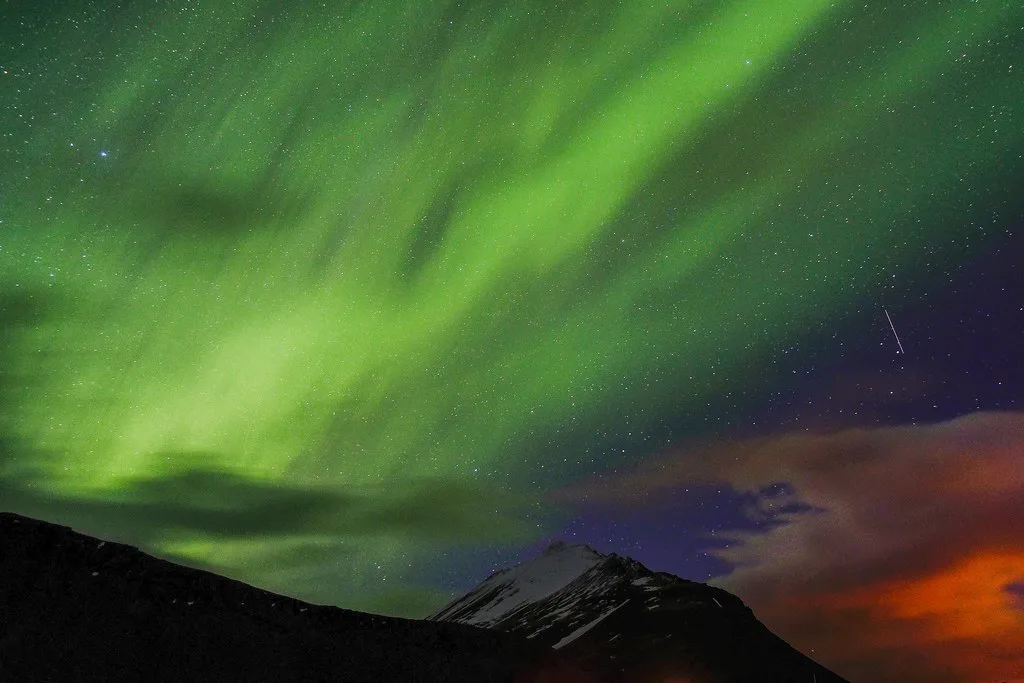
Two things decide whether a night at Grótta pays off: clear sky above you and enough geomagnetic activity to make the aurora bright. Clouds sit far below the aurora and block it completely, so the cloud forecast comes first. Iceland's meteorological office publishes a cloud-cover map on Vedur that looks roughly two and a half days ahead; white areas mark predicted clear sky, and checking it every few hours through the day is more useful than any single reading.
For activity, the Kp index summarizes geomagnetic strength on a scale from 0 to 9, and it is guidance rather than a promise. Around Kp 2 or above with a clear sky in Iceland, the chances of catching the lights improve. Remember that the figure is a daily average: a Kp-4 night can still have long lulls and sudden bursts, so patience matters more than the number.
Solar activity, the Kp index and luck all shape a night out, and no one can guarantee a sighting. What you can control is how many nights you give yourself and whether you are willing to abandon a cloudy peninsula for a clearer inland sky. Watching the radar for gaps in the cloud and moving accordingly is the difference between waiting in vain and catching a break.
Self-guided night at Grótta versus a guided tour
A self-guided night at Grótta is simple and cheap, since it is a public shoreline rather than a ticketed attraction. You choose when to go, how long to stay and when to give up. The catch is that you carry all the decisions: reading the cloud map, judging activity and finding a darker spot when the peninsula is socked in.
A guided northern lights tour leaves the chase to someone who knows the roads and watches the forecast while you ride. Operators typically drive out of Reykjavík to wherever the clearest sky is, lend thermal suits when the weather turns, and run late into the night, which is valuable on a short trip when one cloudy evening is all you have. For a wider look at operators and how these nights run, work through iceland northern lights tours.
A sensible plan mixes both: use Grótta on a clear, promising night when you want an easy evening close to your bed, and book a tour for the one or two nights when the capital is under cloud. Just bear in mind that no tour can manufacture a display, so a rebooking policy is worth as much as a comfortable bus.
Alternatives when the peninsula is cloudy
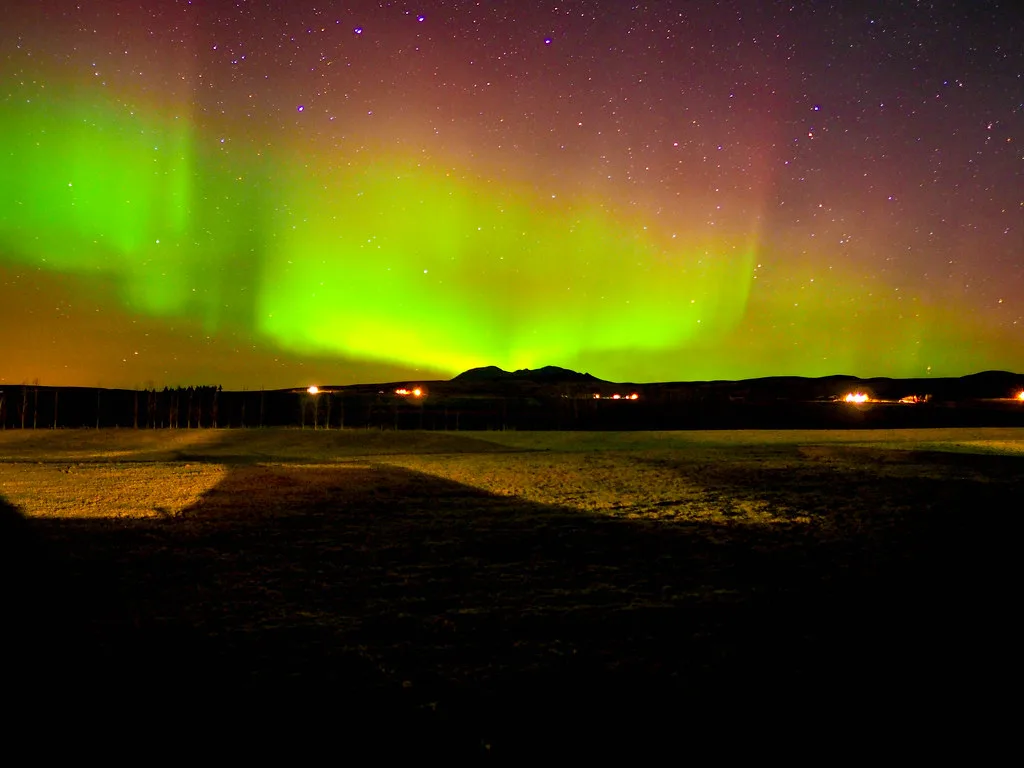
If the city is under cloud, possibilities open up inland. Þingvellir National Park lies within the Golden Circle and gives you lake reflections, a church, and the rift at Silfra between the North American and Eurasian plates, plus quieter corners such as Öxarárfoss; car parks give access to differing viewpoints. For aurora photographers, the variety of foregrounds is the appeal.
Further west, the Snæfellsnes peninsula packs in waterfalls and mountains and culminates in Kirkjufell outside Grundarfjörður, the arrowhead mountain. A short walk behind the adjacent Kirkjufellsfoss puts the falls and the mountain in your frame, and a layby further along the road toward town opens access to the water's edge for reflections. It works as an overnight base rather than a quick spin from Reykjavík, so weigh the drive against the clear weather.
North Iceland holds Mývatn, about 1.4 degrees further north than the capital area, a dark region of lava fields, the Dimmuborgir formations and the geothermal ground at Hverir. It is one of the most rewarding places for photographs, but it demands domestic travel. On the south coast, Jökulsárlón glacier lagoon and the Diamond Beach opposite, fed by icebergs from Breiðamerkurjökull below Vatnajökull, give you icebergs in the foreground, and the Jökulsárlón northern lights guide covers where to stay and when to go. The calculation is always the same: more distance for darker skies, or the convenience of the peninsula.
Bathing is a separate pleasure rather than a viewing strategy. The Sky Lagoon in Winter sits near Reykjavík and makes a good warm-up before or after a night out, and the Secret Lagoon in Flúðir is a natural stop on a Golden Circle loop. If you want to work out the best window across the whole island before you commit to dates, compare the options in the guide to the best time to see the northern lights in iceland.
Staying close to the dark
Hotels in central Reykjavík put you within easy reach of Grótta and the city's restaurants, but you trade light and convenience for darkness and silence. On a clear night, the short trip out to the peninsula is the compensation. If sleeping under the sky is the whole point, look at glass-roofed lodges and aurora cabins inland, which place you in genuinely dark surroundings but remove the flexibility of a city base.
The Panorama Glass Lodge is built for couples, with a glass roof over the bed, a private hot tub and views toward the volcano Hekla, far from urban light. The trade-offs are real: a single intimate unit rather than a resort, a correspondingly higher cost, and heat and condensation in a small glass-fronted cabin can cut into the sky view. Check availability directly, since small properties fill fast in the autumn and spring aurora windows.
Booking a lodge does not replace a dark-sky plan: you still depend on cloud and activity, and a glass roof only helps when the sky is clear above it. Spend two or three nights in one place rather than one night in each, then keep Grótta or a tour as the fallback when the weather shifts.
How Many Nights to Plan
A fair shot at the aurora comes from repetition, not a single big evening. Three to four nights in or near Reykjavík lets you absorb one or two cloudy nights and still go out again, and five or more makes an inland night or a guided chase realistic when the city is buried. If you have only one night, book a guided tour that can move to clearer sky rather than pinning everything on Grótta.
Choose Grótta when you are staying in the city, want an easy evening on foot or a short drive, and can watch the forecast through the day. Plan to head out early, walk past the brightest light, face north across the bay and give it an hour. Keep the broader trip guide open while you book, and let Vedur's cloud map decide the night rather than a guess. Above all, treat any sighting as a gift of clear sky and active solar wind, not an itinerary item.
Frequently Asked Questions
Can you see the northern lights from Grótta Lighthouse?
Yes, when the sky is clear and geomagnetic activity is high enough. The tip of the Seltjarnarnes peninsula is dark compared with the city center, with open water and Mount Esja across the bay, so displays can be visible above the horizon. Cloud blocks the aurora completely, and no one can guarantee a sighting on a given night.
Can you walk to Grótta Lighthouse from Reykjavík?
You can reach the peninsula on foot from the city side or by local bus or car, then walk the last stretch to the point. The final approach is a shoreline walk that takes you away from street lighting, so allow time and bring a torch for the return. Check the evening bus schedule for your date rather than relying on daytime timings.
When is the aurora season near Reykjavík?
The viewing season runs through the winter months from September to April, with the deepest darkness in midwinter. December offers only around four hours of daylight, so nights are long. Late September, October and March often bring more settled weather than the stormy midwinter weeks, though cloud can arrive at any time.
Do you need a tour to see the northern lights from Grótta?
No. Grótta is a public shoreline you can visit on your own, and on a clear, active night a self-guided evening there is straightforward. A guided tour helps when the city is cloudy, because operators can drive to clearer inland sky and often lend thermal suits. Many travelers use Grótta on a promising night and keep a tour as backup.
How does the Kp index help on a night at Grótta?
The Kp index indicates geomagnetic activity on a scale from 0 to 9, and higher values generally mean a stronger aurora. Around Kp 2 or above with clear sky in Iceland, your chances improve, but the figure is a daily average, so a strong night can still have long quiet spells. Treat it as guidance alongside the cloud forecast.
How many nights should you allow for the northern lights in Iceland?
Three to four nights in the Reykjavík area gives you room to absorb a cloudy evening or two and still head out again. With five nights or more, you can add an inland night toward Þingvellir or Snæfellsnes when the coast is overcast. A single night leaves everything to luck.
Sources
Notes for your Arctic winter trip
Optional updates to our northern lights guides.
You might also like

Continue reading
More guides you'll find useful