Golden Circle in Winter: What to Decide for Iceland
Plan the Golden Circle in winter: Þingvellir, Geysir and Gullfoss in snow, short daylight, road conditions, tours and dark-sky aurora stops after the loop.
On this page
The Golden Circle is Iceland's most famous scenic drive, a loop that leaves Reykjavík and links three headline sights: Þingvellir National Park, the Geysir geothermal area and Gullfoss waterfall. In winter the same route turns quieter in colour and harder in logistics, with snow on the volcanic rock, steam hanging over hot springs and only a handful of usable daylight hours. It suits first-time visitors who want big landscapes from a single base, and travelers who prefer a guided bus to driving on ice.
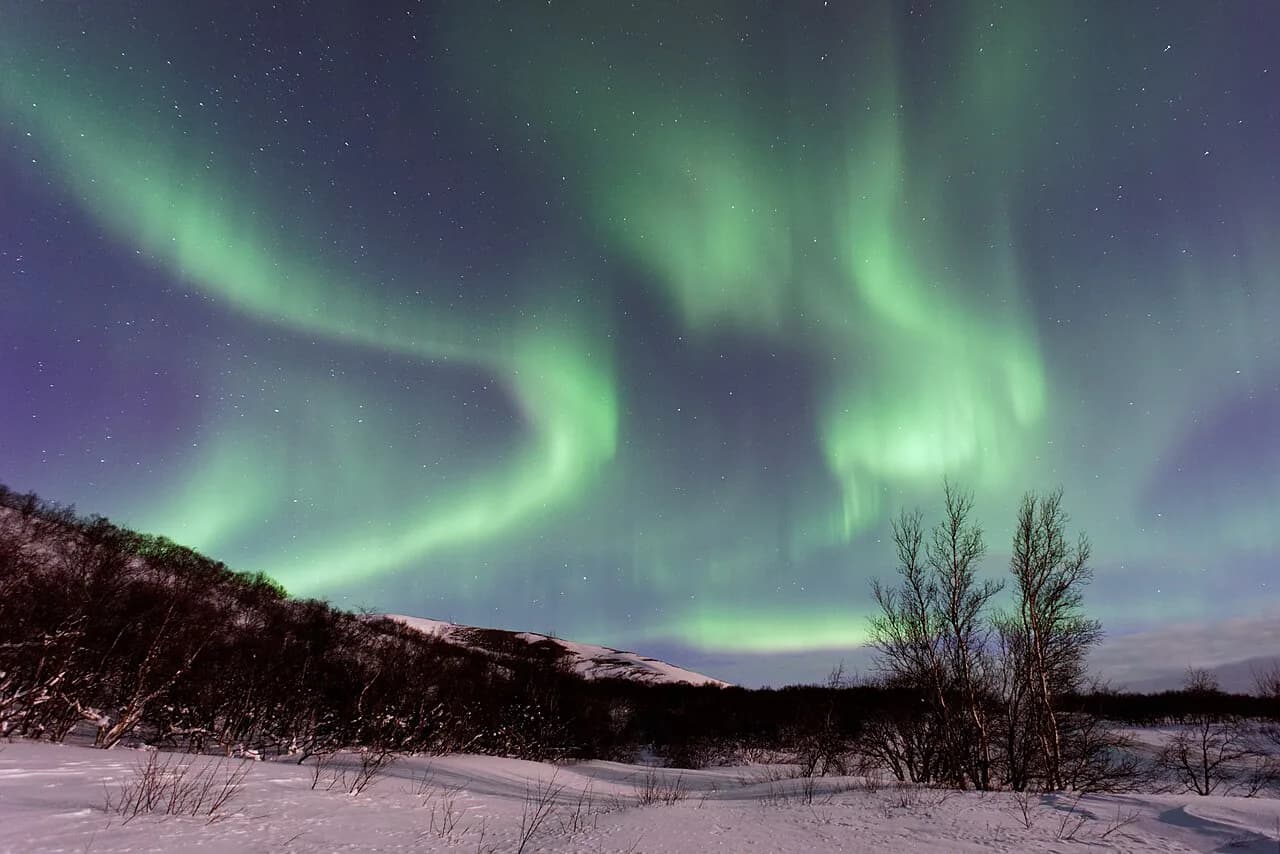
Treat the loop as a daytime sightseeing circuit and the aurora as a separate evening plan. The Circle's own stops are not dark-sky sites at midday, and any sighting depends on clear skies and solar activity rather than on the route itself. What winter does give you is long nights before and after the drive, which slot neatly into a trip built around the northern lights in Iceland.
What the Golden Circle is and why it works in winter
Visit Iceland describes the Golden Circle as a round-trip sightseeing tour of roughly 250 km from and back to Reykjavík, doable in one to three days and not requiring a 4WD. The core stops sit close together in the southwest, so a single day covers the classic three even with a late winter sunrise. The short hops between sights matter in December and January, when you have fewer hours of light to spend.
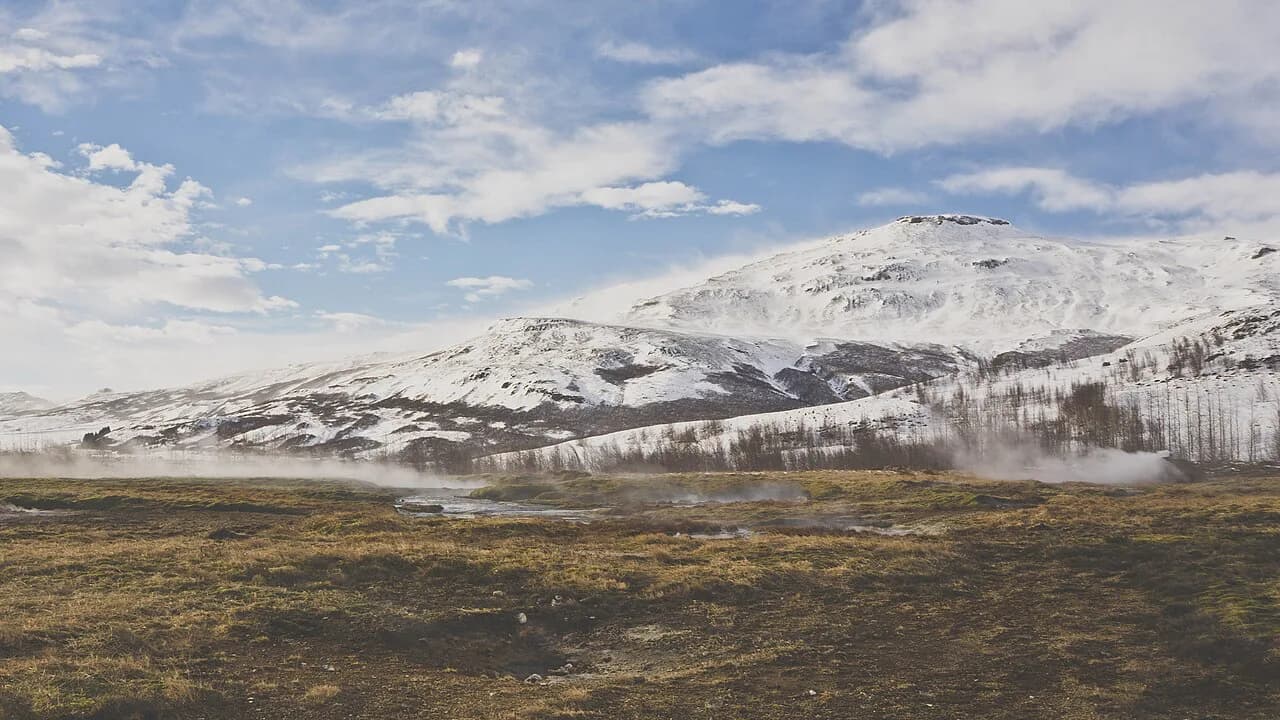
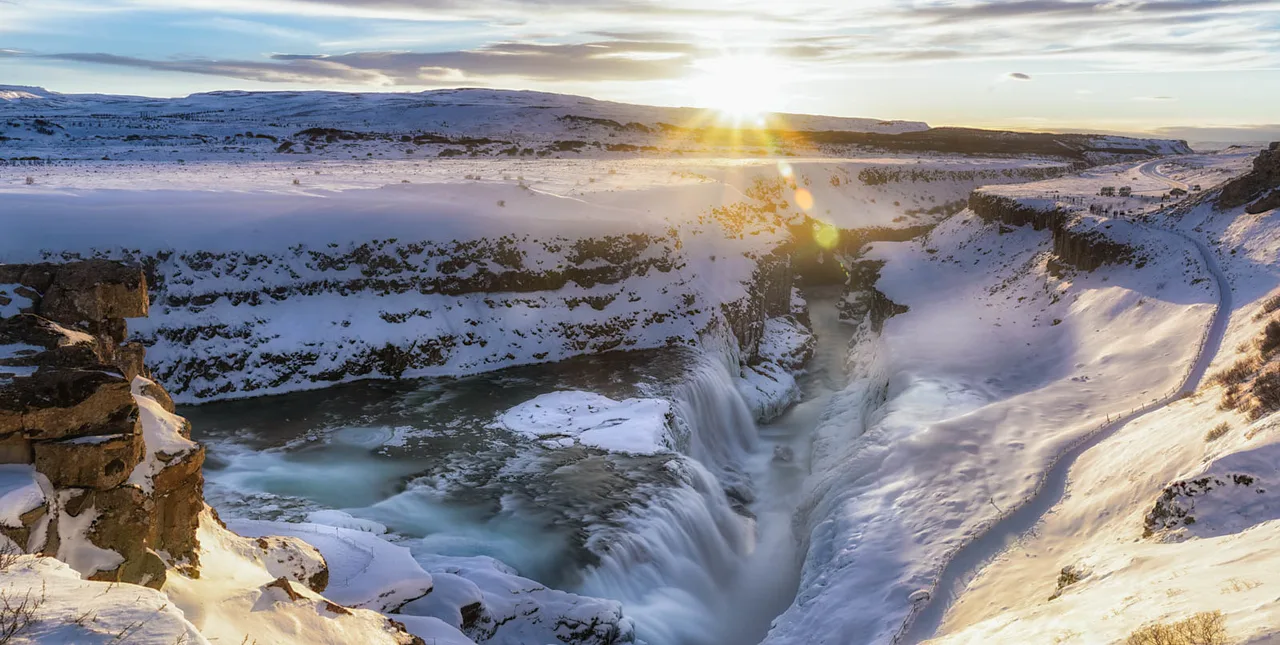
Winter changes the character of each stop rather than the itinerary. Þingvellir's dark volcanic cliffs read sharply against snow, Gullfoss can be part-frozen and wreathed in spray, and Geysir's steam lingers in cold, still air. Snow and frost also make paths icy, so a little planning around where you walk matters as much as where you drive.
The three headline stops: Þingvellir, Geysir and Gullfoss
Þingvellir National Park sits about 48 km and a 45-minute drive from Reykjavík, with free entry, and holds both geological and historical weight: the Alþingi parliament met here from 930 and the site is a UNESCO World Heritage Site. The main lookout over the rift valley is a couple of minutes from the car park, while a walk to Öxarárfoss waterfall runs about 1.7 km each way and is not maintained for winter, so expect ice.
Geysir, roughly 106 km and 1 hour 30 minutes from Reykjavík, is the geothermal field that gave every geyser its name. The dormant Great Geysir rarely erupts, but Strokkur reliably throws boiling water into the air every 8 to 10 minutes, reaching up to 30 m, so you can watch it several times. Stay on the marked paths and position yourself upwind of the plume.
Gullfoss is the finale, about 116 km and 1 hour 45 minutes from Reykjavík, where glacial water from the Hvítá river drops 31 m in two cascades into a canyon. It stays open year-round, but the trails down to the lower viewing platforms are sometimes closed in winter because of ice and snow, so the upper viewpoints may be your only angle. Spray freezes on everything, so the elevated lookouts are worth the short climb.
When winter daylight limits what you can fit in
The binding constraint on a winter loop is light, not distance. Around midwinter the sun rises late and sets early, and a traveler's account of a January visit describes racing to fit the stops in before sunset on a ten-hour tour. That compression is why most people see the three headline sights and little else in a single winter day, and why add-on stops are best treated as optional.
Because everyone is working within the same short window, you cannot beat the crowds simply by arriving early. Once daylight begins, tour buses reach the stops at much the same time, so expect company at Þingvellir and Geysir and plan to wait out the first wave if you want breathing room. The crowds thin after the initial surge, which rewards a slower pace at one or two stops over a rushed circuit.
Driving the loop yourself: paved roads, tyres and weather windows
The whole Golden Circle route is paved and maintained, and with a few days in Reykjavík you can pick a weather window rather than committing to a fixed day. A 4WD is not essential on the main loop, though it buffers wind better and gives margin if a snow squall arrives; studded tyres matter more than drive type when surfaces turn icy. Winter is also the cheaper season to hire a car, but look at what each rental company includes in its headline rate, as Third Party Insurance and Collision Damage Waivers are sometimes left out and can push the total up sharply.
Conditions can shift quickly mid-route, so build slack into the day and keep an eye on road status and forecasts from the Icelandic Met Office and the road authority before setting out. If a storm is forecast, the smarter move is to swap the drive to another day, since the loop's proximity to Reykjavík makes that easy. For the evening aurora plan, clear skies matter more than distance from town.
Traction devices help on foot at Þingvellir and Kerið, where winter paths and stairs turn slick. Trails are not maintained for winter, so icy sections near Öxarárfoss and the crater steps can be genuinely slippery even on a bright day.
Which way round to drive and when to leave Reykjavík
You can drive the circuit either direction, and it makes little difference to crowds; many tour companies finish at Þingvellir, so some drivers start there to reverse the flow. Starting in the dark to reach the first stop by sunrise gives you the most usable light, but be realistic about the fact that everyone else is chasing the same brief window.
A practical order for self-drivers is to head out early on the road toward Þingvellir, move on to Geysir and Gullfoss while the light lasts, and leave any crater or hot-pool stop for the end when the light fades. If you are doing the loop as a warm-up for aurora chasing, finish the driving before dark and keep the evening free.
Golden Circle winter tours: full-day, small-group and Secret Lagoon extensions
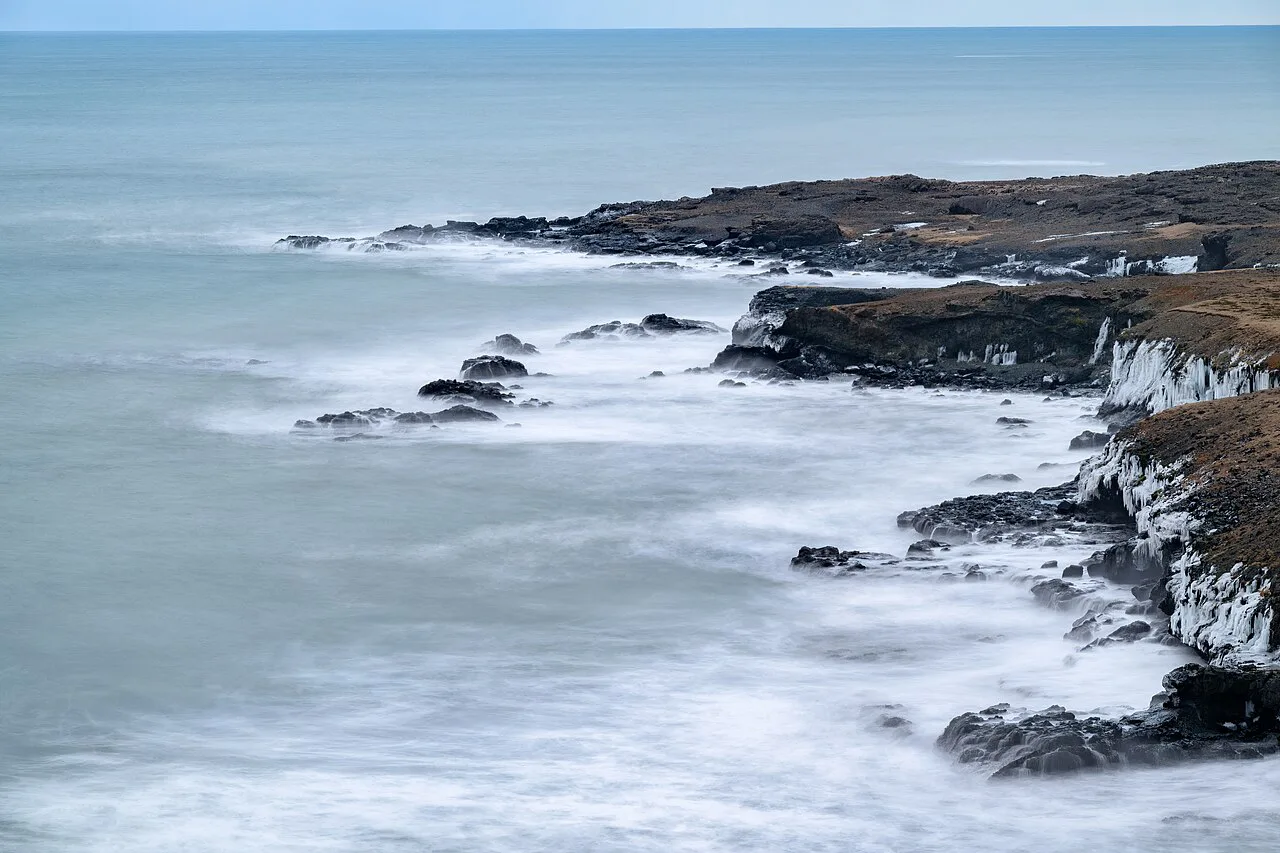
If you would rather not drive on winter roads, guided day tours from Reykjavík handle the loop in a single outing, with hotel pickup and the option to cancel up to 24 hours ahead on many bookings. Tour lengths vary by company and season, and GetYourGuide lists pickup times, group size and what is included on each tour page.
Some tours add a soak at the Secret Lagoon in Flúðir, which Regína Hrönn Ragnarsdóttir describes as one of Iceland's oldest swimming pools, dating back to 1891, where steam freezes into icicles on the railings on a cold morning. A ten-hour version with that stop is one way to break up a long day of sightseeing, but the added bathing time eats into your daylight, so weigh it against seeing the headline sights unhurried.
Where to watch the aurora near the Golden Circle
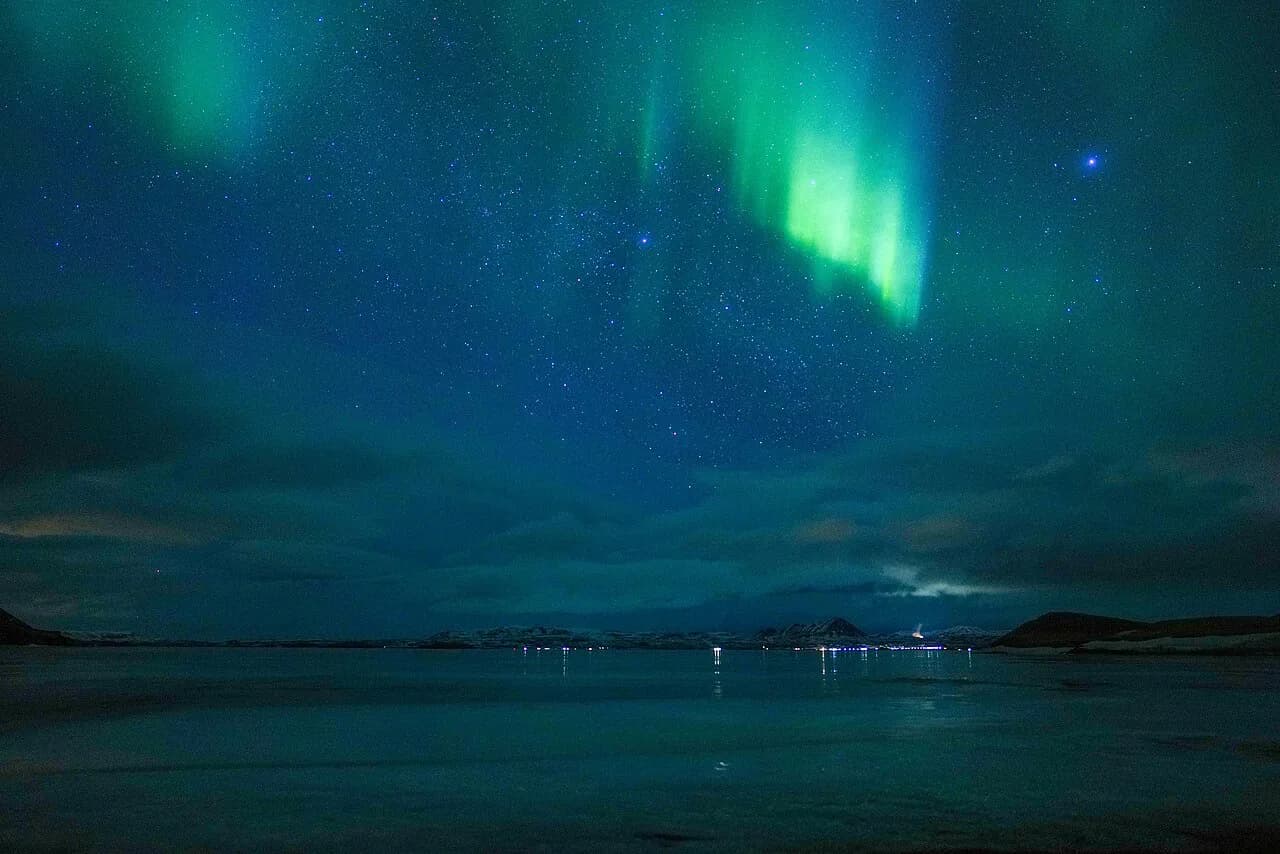
The Golden Circle's geothermal stops are daytime sights, so plan your aurora hours separately, after the drive, when the sky is dark and the crowds have gone. Clear skies and solar activity do both the deciding, and a decent forecast for cloud cover is worth more than any particular viewpoint; use the Icelandic Met Office aurora and cloud pages to judge the evening.
For a self-drive aurora night, head away from Reykjavík's light dome toward the darker countryside near the loop and find an open northern horizon away from buildings and car headlights. Guided northern lights tours take the guesswork out of finding clear sky and handle the driving on icy roads after dark.
If you want a warm-water stop in the capital between dark-sky nights, the Sky Lagoon on the North Atlantic edge of Reykjavík offers geothermal bathing with a view out over the water, a low-key way to spend an evening while the aurora forecast is quiet.
Should you stay in Reykjavík or overnight along the route
Reykjavík works as a base for the Golden Circle because the loop returns you to the city, and it keeps you close to tour pickups, restaurants and evening aurora departures. Staying in town also lets you pick the best-weather day for the drive rather than being locked into one.
Overnighting along the route suits travelers who want to spread the loop over two days and enjoy the stops without rushing. It shortens the driving on the day and puts you closer to dark countryside for the evening, but it separates you from the city's services and tour infrastructure.
Kerið crater and other add-on stops in winter
Kerið is a volcanic crater with a lake, about 69 km and an hour's drive from Reykjavík, and its rim and lower lookouts are a short walk from the car park. In winter the lake often freezes and the stairs down can become icy, so the upper viewpoints may be as far as you want to go.
Other extensions include Skálholt, the historic bishop's seat, and the greenhouse restaurant Friðheimar, both close to the main loop and often woven into tours. Pick one add-on at most on a short winter day, and treat it as a bonus rather than a must.
Eating along the route: Geysir, Gullfoss and Friðheimar
Cafés at Geysir and Gullfoss give you a warm stop mid-loop, which matters when the wind chill bites and daylight is short. Friðheimar, the tomato-greenhouse restaurant a short drive from Geysir, is a popular lunch stop with unlimited tomato soup and bread, and in winter you may be able to walk in without a reservation.
Bringing your own food keeps costs down, since prices at the main stops run high by Icelandic standards. A flask and a packed lunch let you spend the limited light at the sights rather than queueing.
Costs in winter: car hire, crater entry and tours
Winter car hire is generally cheaper than summer, but the headline rate can hide extras such as insurance and collision waivers, so compare total costs rather than the daily figure. Crater entry at Kerið carries a small fee, and tours bundle transport, guiding and pickups into one price; compare current rates across companies before booking.
How many nights to allow for a fair chance of clear skies
A single night gives you one roll of the weather dice, so plan several nights in Iceland if the aurora is a priority, using the Golden Circle as one daytime outing among them. Clear skies, not distance from town, are the limiter, and solar activity adds the second variable you cannot control.
Build in a spare evening or two for aurora chasing and keep one day flexible for the loop itself, so a storm doesn't cost you both the drive and the dark-sky night. Patience and a willingness to swap plans are worth more than any single booking.
Who the Golden Circle in winter suits
The Golden Circle in winter suits first-time visitors to Iceland who want big-name sights from a Reykjavík base, families and travelers who prefer a guided bus to winter driving, and photographers drawn to frozen waterfalls and steaming geothermal fields. It is less suited to anyone hoping to cover many stops in one short day, since winter light caps what you can realistically see.
Pair the loop with separate aurora nights and you get a balanced winter trip: daytime landscapes on snow, evenings spent watching the sky away from town lights. Norway's fjord country offers a comparable northern loop, but Iceland's version keeps the driving short and the stops close. If you would rather trade the loop for a coastal aurora base, our Snæfellsnes northern lights guide covers the same evening decision on the west coast.
Plan Your Visit
Book the Golden Circle as a daytime outing, choose a weather window or a flexible tour, and keep your evenings free for dark-sky aurora chasing. Check current road status on safetravel.is and your tour pickup details with the company you booked through before you set out on the day.
With short winter days, you'll see more by doing less: three headline stops done well beat a packed itinerary squeezed into a few hours of light. Wrap the loop into a longer northern lights itinerary and give yourself several nights for a fair shot at clear skies.
Frequently Asked Questions
Can you visit the Golden Circle in Iceland in winter?
Yes. The route is a paved loop from Reykjavík that stays open year-round, and the three headline stops — Þingvellir, Geysir and Gullfoss — can be visited in winter. Snow and ice may close some paths, such as the lower viewpoints at Gullfoss or the stairs at Kerið, and daylight is short, so plan a compact day.
How much daylight do you get on the Golden Circle in winter?
Daylight shrinks sharply around midwinter, with late sunrises and early sunsets that leave only a few usable hours. That short window is why most people see the three main stops and little else on a single winter day, and why add-on sights are best treated as optional.
Can you drive the Golden Circle in winter without a 4WD?
The Golden Circle route is paved and maintained, and a 4WD is not required on the main loop. Studded tyres matter more when surfaces turn icy, and having a few days in Reykjavík lets you pick a fair-weather window rather than committing to one fixed day.
Are Gullfoss lower viewpoints open in winter?
Gullfoss is open year-round, but the trails down to the lower viewing platforms are sometimes closed in winter because of ice and snow. On those days the upper viewpoints remain the practical option, and conditions can change from day to day.
How long does a Golden Circle winter tour take?
Tour lengths vary by operator, and some versions run ten hours or more with add-on stops such as the Secret Lagoon. Pickup times, duration and inclusions differ between tours and seasons, so check them on the booking page.
Can you see the northern lights with the Golden Circle?
Not at the stops themselves in the middle of a sightseeing day. Aurora chasing is a separate evening activity, planned for dark, clear skies away from town lights, and a sighting depends on solar activity and cloud cover rather than on the route. Use the Icelandic Met Office aurora and cloud forecast to judge each night.
How many days do you need for the Golden Circle in winter?
One day covers the classic three stops, while two or three days along the route let you add Kerið, Skálholt or the Secret Lagoon without rushing. If the aurora is your priority, plan several nights in Iceland and keep the loop as one daytime outing.
Sources
Notes for your Arctic winter trip
Optional updates to our northern lights guides.
You might also like

Continue reading
More guides you'll find useful