Into the Glacier: Langjökull Ice Tunnel Guide from Reykjavík
Into the Glacier runs a man-made tunnel inside Langjökull, Iceland's second-largest glacier, on a long day trip from Reykjavík with hotel pickup.
On this page
Into the Glacier puts you inside Langjökull, the second-largest ice cap in Iceland, walking through a tunnel carved into the ice rather than peering at a glacier face from a car park. It suits travellers based in Reykjavík who want one big glacier day without driving to the south coast, and who accept that most of it happens in daylight rather than under the aurora.
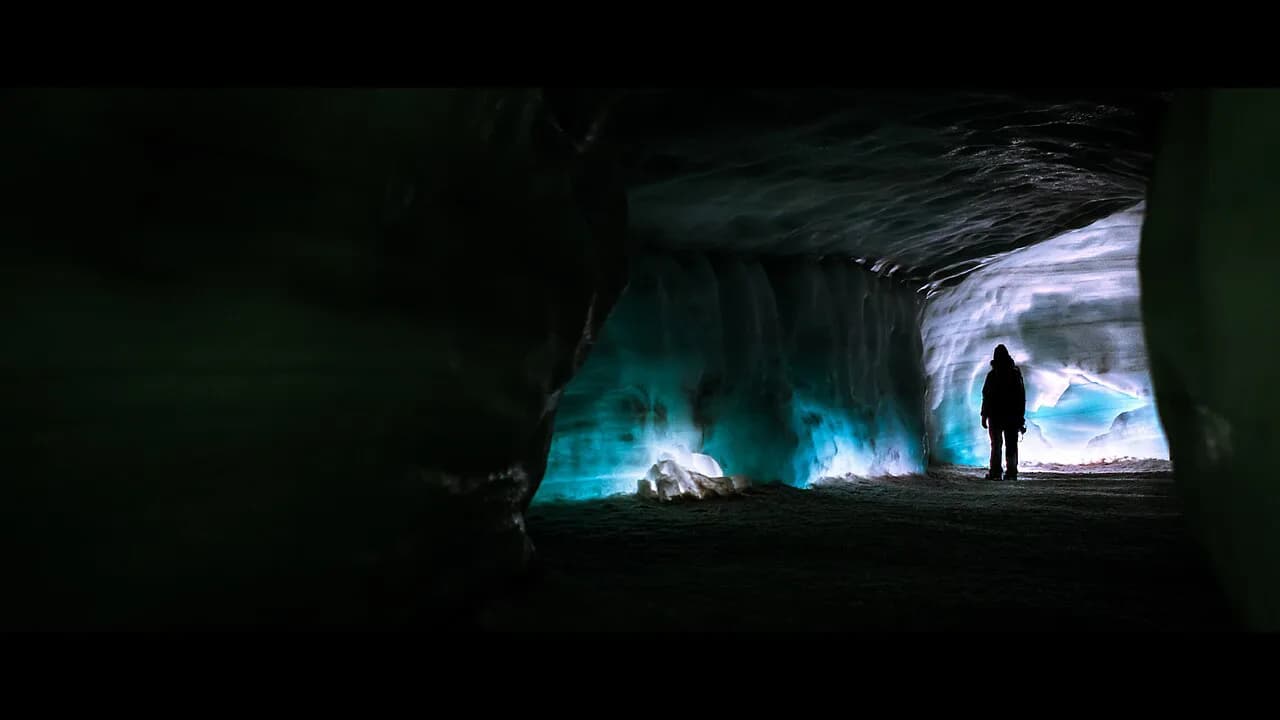
The tunnel runs roughly 600 metres into the glacier and is reached by a modified vehicle built for snow and ice. Because it is engineered rather than formed by meltwater, it feels different from the natural ice caves that form and collapse each winter under Vatnajökull and at Katla.
What Into the Glacier actually is
This is an artificial tunnel bored into the Langjökull ice cap, described as the largest man-made ice tunnel of its kind at around 600 metres long. You travel in a modified glacier vehicle across the surface, then walk through the tunnel with an English-speaking guide who explains the ice, the surrounding lava fields and Iceland's geology.
Set your expectations accordingly: the blue light and sculpted corridors are real, but the space is constructed and stable, so it operates differently from the wild ice caves that guides assess day by day. That makes it a reliable choice for mixed-ability groups and for travellers visiting outside the deep-winter window when natural caves are least accessible.
Where Langjökull sits and how the day is structured
Langjökull spreads across the highlands of western Iceland, north-east of Reykjavík and above the Borgarfjörður valley. A day tour from the capital typically loops through that valley, with the glacier as the centrepiece and several surface sights on the way there or back.
The Reykjavík product is a long day: allow around 10 hours from pickup to drop-off, with hotel transfer in the capital included and an air-conditioned bus with WiFi for the road sections. Booking the same ice tunnel from Húsafell, much closer to the glacier edge, is a shorter transfer for travellers already staying in the west.
The ride onto the ice
Ordinary cars cannot cross the ice cap, so the final approach is made in a modified glacier vehicle designed to handle crevassed, snow-covered terrain. You leave the road behind and climb onto the white surface before reaching the tunnel entrance, which is the part many travellers remember as much as the interior.
Snowsuits and boot covers are available to borrow for the glacier section, and crampons or ice spikes are supplied so you can walk safely on frozen surfaces. Dress for cold and wind on the exposed transfer, since the vehicle ride is open to the weather even when the tunnel itself is sheltered.
Inside the tunnel
Once inside, you walk through corridors of dense glacial ice with the guide, stopping for explanations of how the ice cap forms, moves and shrinks. The visit is guided and paced for all fitness levels, so it works for families and older travellers who want a glacier experience without a roped climb.
Expect temperatures well below freezing and dim, blue-tinted light, which is exactly why camera batteries fade quickly and gloves come off for only a minute at a time. The tunnel is a photographic stop rather than a hike; most of the physical effort happens on the vehicle transfer and short walks outside.
Stops on the way: hot springs and waterfalls
The classic Reykjavík itinerary breaks the drive with Deildartunguhver, a hot spring in Reykholtsdalur with an unusually high flow, where water emerges at about 97 °C and is piped to nearby towns for heating. Steam rising off the springs makes a striking contrast with the cold air of an Icelandic winter morning.
Hraunfossar is a chain of rivulets seeping out of the Hallmundarhraun lava field over roughly 900 metres, and neighbouring Barnafoss churns through a narrow rock channel on the Hvítá river in Borgarfjörður. Both sit about 100 kilometres from Reykjavík, so they fit naturally into the same westbound loop as the glacier.
In winter the waterfall paths can be icy and the daylight short, so the stop is usually brisk rather than leisurely. Ask the guide how much time is scheduled at each sight if the waterfalls matter as much to you as the ice tunnel does.
The horse farm stop
The day also includes a visit to a local horse farm, where you meet Icelandic horses and hear how the breed fits into the country's farming and travel history. It is a gentle, low-effort stop that breaks up the driving and gives children something to do between the bigger landscapes.
Duration, format and what is included
The Reykjavík version is a guided small-to-medium group day with hotel pickup, transport, the glacier vehicle, the tunnel walk, crampons, snowsuits and boot covers included. Food and drinks are not part of the package, so plan a proper breakfast and carry snacks for the long road sections.
Because the day runs around 10 hours including transfers, it consumes most of a winter daylight window and returns you to Reykjavík in the late afternoon or evening. That still leaves room for a lagoon soak or an evening aurora hunt, but not for a second major excursion on the same day.
Price and booking options
The Reykjavík day tour, including summer hotel transfer, is listed at US$288.69 per person through the gift-voucher retailer Tinggly, with an English-speaking guide and roughly 10 hours of duration. Treat that figure as a snapshot: check the Into the Glacier booking page for the current rate, pickup options and any child pricing before you commit.
A separate from-Húsafell version exists for travellers staying closer to the glacier, which cuts the driving but usually excludes the Reykjavík pickup and the long valley sightseeing loop. Compare both products on inclusions rather than headline price, since the cheaper-looking option may leave you arranging your own transport west.
Weather dependence and cancellation terms
Glacier access depends on conditions, and the tour requires good weather; if it is cancelled for poor conditions you are offered a different date or a full refund. For a straightforward refund, cancel at least 24 hours before the scheduled departure, so read the terms before booking a tight itinerary.
Winter storms can close mountain roads at short notice, which is why it pays to schedule the glacier day early in your trip rather than the morning you fly home. A spare day in Reykjavík gives you room to rebook if the highlands are shut.
Winter versus summer on the glacier
Summer brings long daylight, easier road access and the fullest sightseeing schedule, which is why many travellers pair the tunnel with the waterfalls and hot spring in one comfortable day. Winter offers short daylight, more atmosphere on the ice and the chance of aurora after dark, but a higher risk of weather disruption.
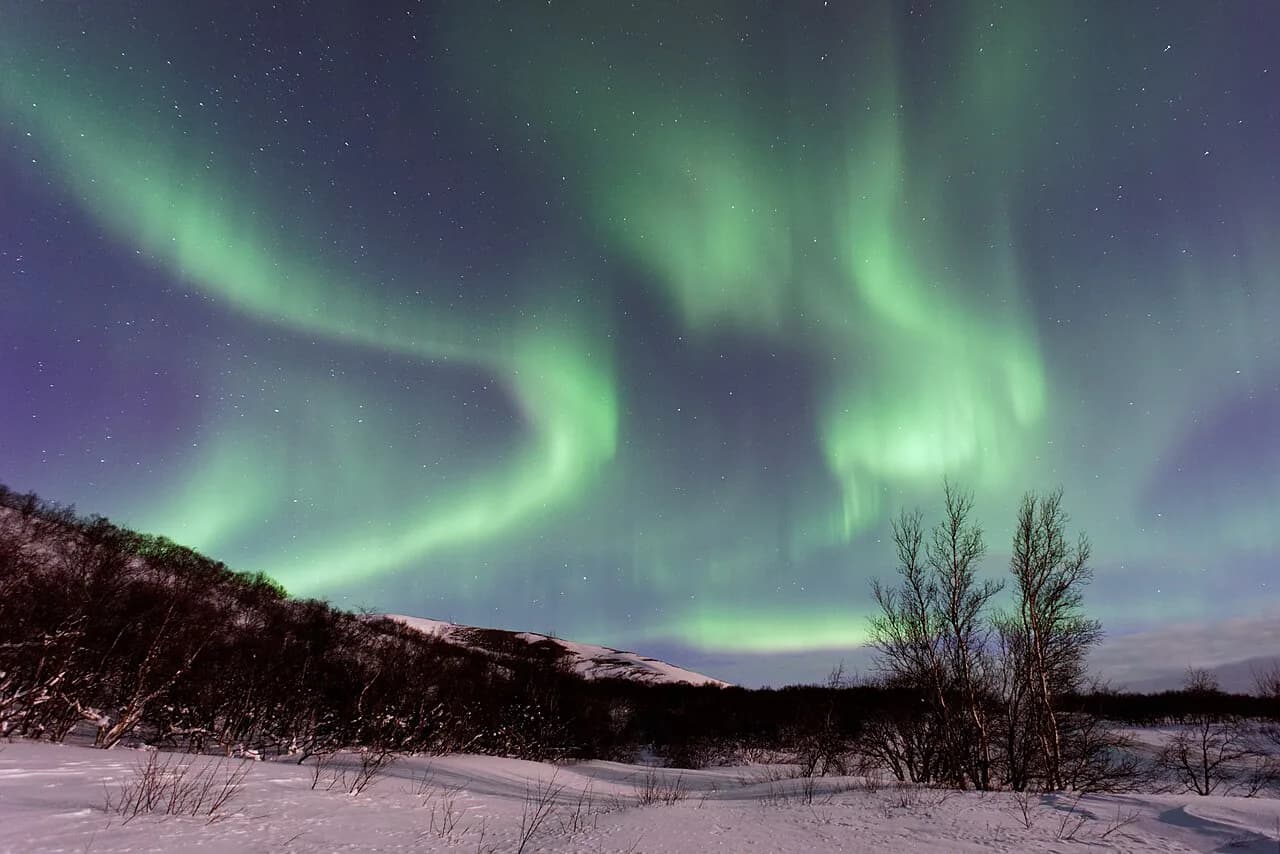
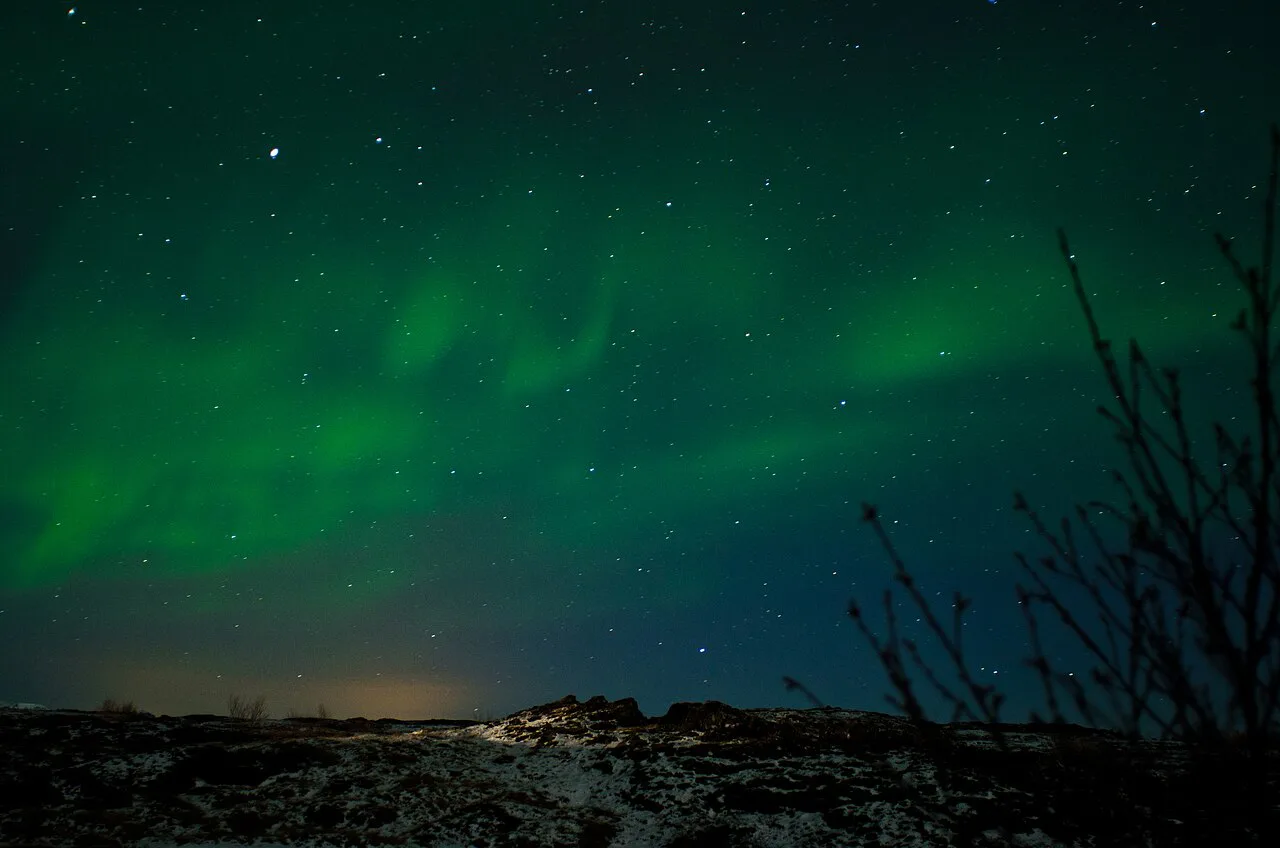
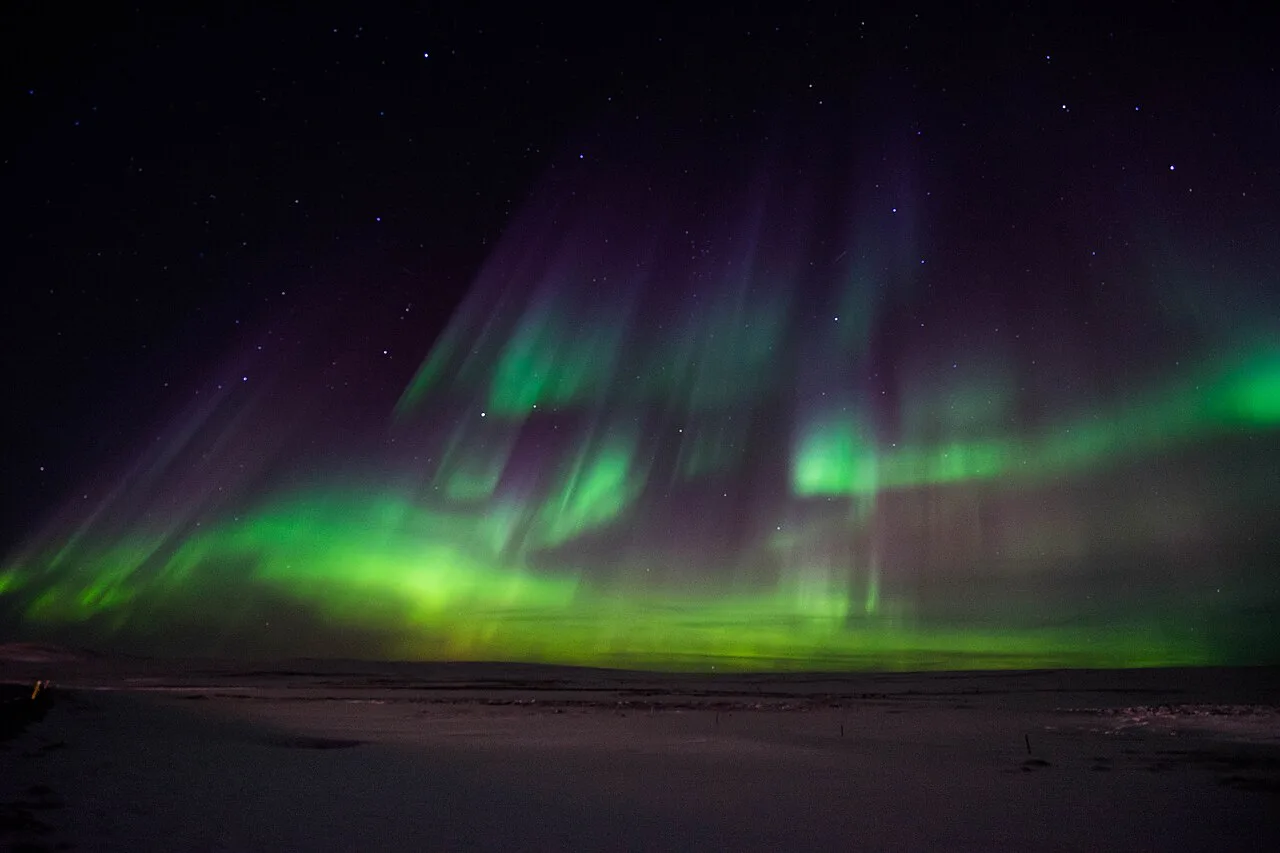
If you want the aurora as well, treat the glacier day and the dark-sky evenings as two separate plans. The northern lights in iceland are best pursued on clear nights away from city light, and a daytime glacier tour neither helps nor harms your odds.
Fitting the tunnel into an aurora trip
Base yourself in Reykjavík for this tour, then use the evenings for dark-sky outings once you have recovered from the long drive. The city sits just below the Arctic Circle, and the best time to see the northern lights runs through the dark months when nights are long enough to catch activity. The Arctic Circle position matters: it puts Iceland in the auroral zone, though cloud cover decides whether you actually see anything.
A relaxed recovery day fits well between the glacier and a night chase: the sky lagoon near Reykjavík offers warm geothermal water against the North Atlantic chill. Book evening slots carefully so a late aurora outing the same night still feels manageable.
Travellers continuing west or around the Golden Circle can add the Secret Lagoon in Flúðir, a small geothermal pool that pairs naturally with the waterfall-and-glacier driving route.
Who the tour suits
Into the Glacier suits families, mixed-age groups and travellers who want to stand inside a glacier without technical skills or a long hike. It is also a sensible choice for visitors in autumn or late spring, when natural ice caves are not reliably accessible and a stable man-made tunnel keeps the glacier on the itinerary.
Skip it if you are chasing the raw drama of a wild, meltwater-carved cave, or if you would rather spend the day on a glacier hike with crampons and an ice axe. On a short trip, weigh the 10-hour commitment against a closer south-coast glacier walk that leaves more evening time free.
Nearby alternatives: glacier walks and ice caves
Sólheimajökull on the south coast is the standard guided glacier walk from Reykjavík, with crampons and an axe on real ice rather than a tunnel. Natural blue ice caves beneath Vatnajökull and at Katla are winter-only products led by glacier guides who judge safety each morning.
If your priority is the northern lights rather than ice, spend the money on a dedicated small-group chase instead and keep the glacier for a future trip. Northern lights tours run at night and leave your days free for waterfalls, lagoons and Reykjavík itself, which is a better use of limited winter daylight. The same trade-off applies when choosing between the Vík northern lights guide and a glacier day on the south coast.
Plan Your Glacier Day
Book the Reykjavík day tour if you want one guided, all-inclusive glacier experience with waterfalls and a hot spring attached, and keep a spare day in case weather closes the highlands. Travellers already in the west should compare the Húsafell departure, which trades the long drive for more time near the ice.
Check pickup times and the current rate directly with Into the Glacier before booking, then build your aurora evenings around the nights either side of the tour. Clear skies and solar activity decide sightings, so give yourself several nights and treat any forecast as guidance rather than a promise.
Frequently Asked Questions
How do I get to Langjökull glacier?
You cannot drive yourself onto the ice cap. Guided tours take you in a modified glacier vehicle from the tunnel entrance area, with departures arranged from Reykjavík or from Húsafell closer to the glacier. The pickup point is set when you reserve.
Is Into the Glacier a natural ice cave?
No. It is a man-made tunnel bored roughly 600 metres into the Langjökull ice cap, reached by a modified glacier vehicle and visited with a guide. Natural ice caves such as those under Vatnajökull or at Katla are different products that form and change each winter.
How long is the Into the Glacier tour from Reykjavík?
Allow around 10 hours from hotel pickup to drop-off, including driving, sightseeing stops at Deildartunguhver, Hraunfossar and Barnafoss, a horse farm visit and time inside the tunnel. It fills most of a short winter daylight window.
What is included in the Into the Glacier tour?
The Reykjavík package includes hotel transfer, an English-speaking guide, transport, snowsuits and boot covers to borrow, crampons or ice spikes, and the tunnel walk. Food and drinks are not included, so bring snacks for the long road sections.
Is Into the Glacier worth it in winter?
It is a reliable way to stand inside a glacier when natural ice caves may be inaccessible, and it works for mixed-ability groups. Winter brings short daylight and a higher chance of weather disruption, so keep a spare day for rebooking.
Can you visit Langjökull without a tour?
Only by joining organised transport to the tunnel or booking a guided glacier activity with a licensed operator. The ice cap surface and tunnel are not accessible to self-drive visitors, and conditions on the ice require a specialist vehicle and guide.
Sources
Notes for your Arctic winter trip
Optional updates to our northern lights guides.
You might also like

Continue reading
More guides you'll find useful