ION Adventure Hotel, Nesjavellir: Iceland Aurora Stay Review
ION Adventure Hotel sits at Nesjavellir near Thingvellir, under an hour from Reykjavik, with a thermal pool and bar suited to northern lights watching.
On this page
ION Adventure Hotel trades the buzz of downtown Reykjavik for a mountainside perch on the Nesjavellir plateau, where dark nights and a geothermal pool set the tone for a winter stay. It suits travelers who want a design-led hotel with the northern lights as the evening plan, and who are happy to drive to reach it. The hotel also runs day tours, so a stay can pair aurora nights with glacier walks, snorkelling and sightseeing rather than standing alone as a sleep-only stop.
What ION Adventure Hotel is and who it suits
ION Adventure Hotel is a 45-room property built into the side of a mountain at Nesjavellir, with half the building standing on what look like elaborate stilts. It sits less than an hour east of Reykjavik, and its isolation has made it a popular first stop for international travelers on bigger cross-country drives as well as for Reykjavikers taking a peaceful weekend away. That combination of remoteness and short drive time is the hotel's central appeal: you get quiet nights without committing to a long transfer from the capital.
It suits couples and independent travelers who treat the evening as the main event and want a hotel that leans into the landscape rather than a city base. Travelers who need restaurants, bars and shops within walking distance will find the plateau limiting, and those on a tight timetable may prefer to stay in town. For anyone building a route around Thingvellir and the surrounding highland edge, the location does real work.
The hotel's parent group also runs ION City Hotel, a boutique design property in the heart of Reykjavik's 101 district, so a trip can split the difference between city nights and plateau nights. The two are sister properties rather than the same experience, and choosing between them comes down to whether you want the aurora to be the reason you booked.
Where Nesjavellir sits: Reykjavik and Thingvellir National Park
Nesjavellir is a geothermal area on the edge of the highlands, roughly under an hour by road from Reykjavik and close to Thingvellir National Park. That puts the hotel within easy reach of the rift valley where the North American and Eurasian tectonic plates meet, and of Silfra, the fissure used for diving and snorkelling. For a winter trip, this is a base for the Golden Circle's northern half rather than a Reykjavik city stay.
Selfoss, the nearest sizable town, appears in the hotel's postal address, which tells you how much of the south-coast route sits within a day's drive. Reaching the hotel means a car or a transfer, and winter road conditions on the plateau can differ from conditions in the capital, so plan arrival in daylight. The Icelandic road authority's live pages are the reference point for mountain-road status before you set out.
Why the aurora shows here
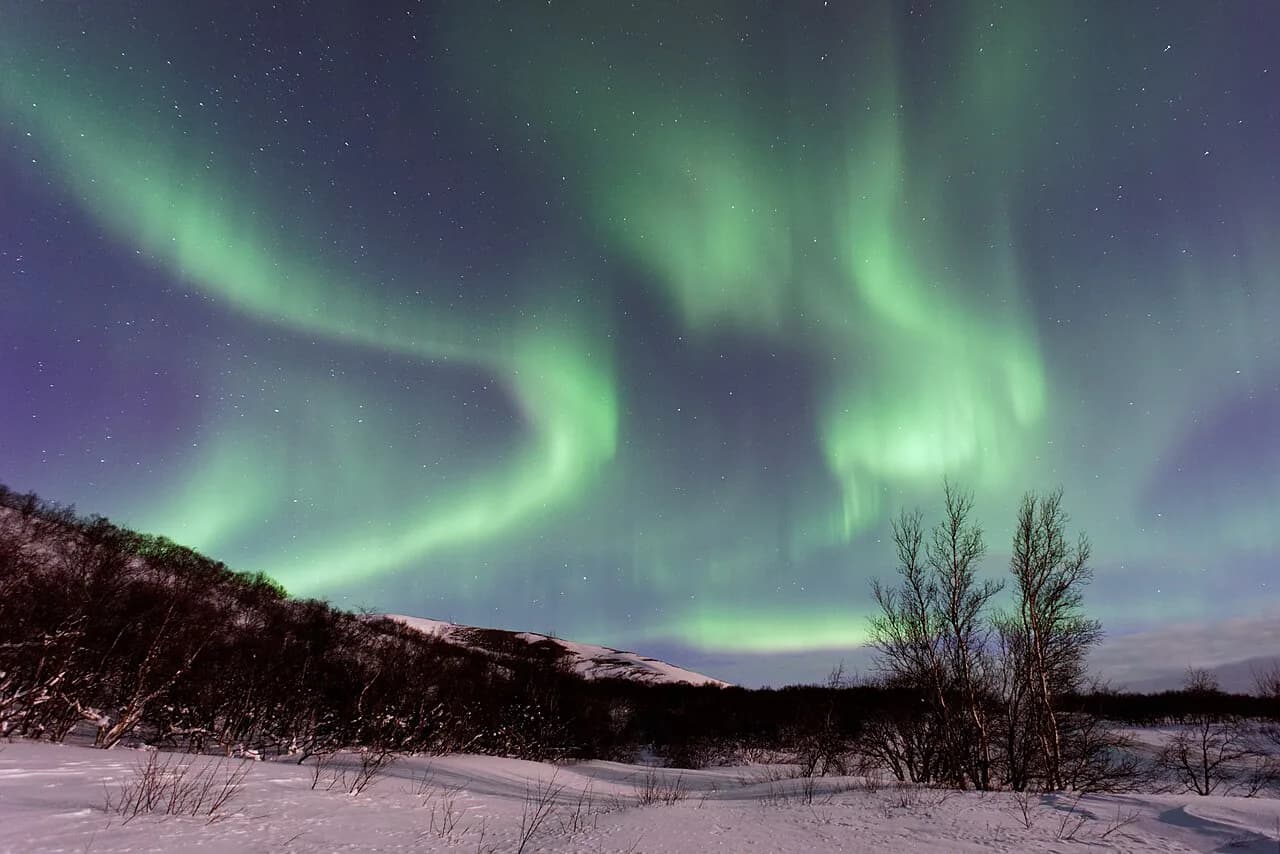
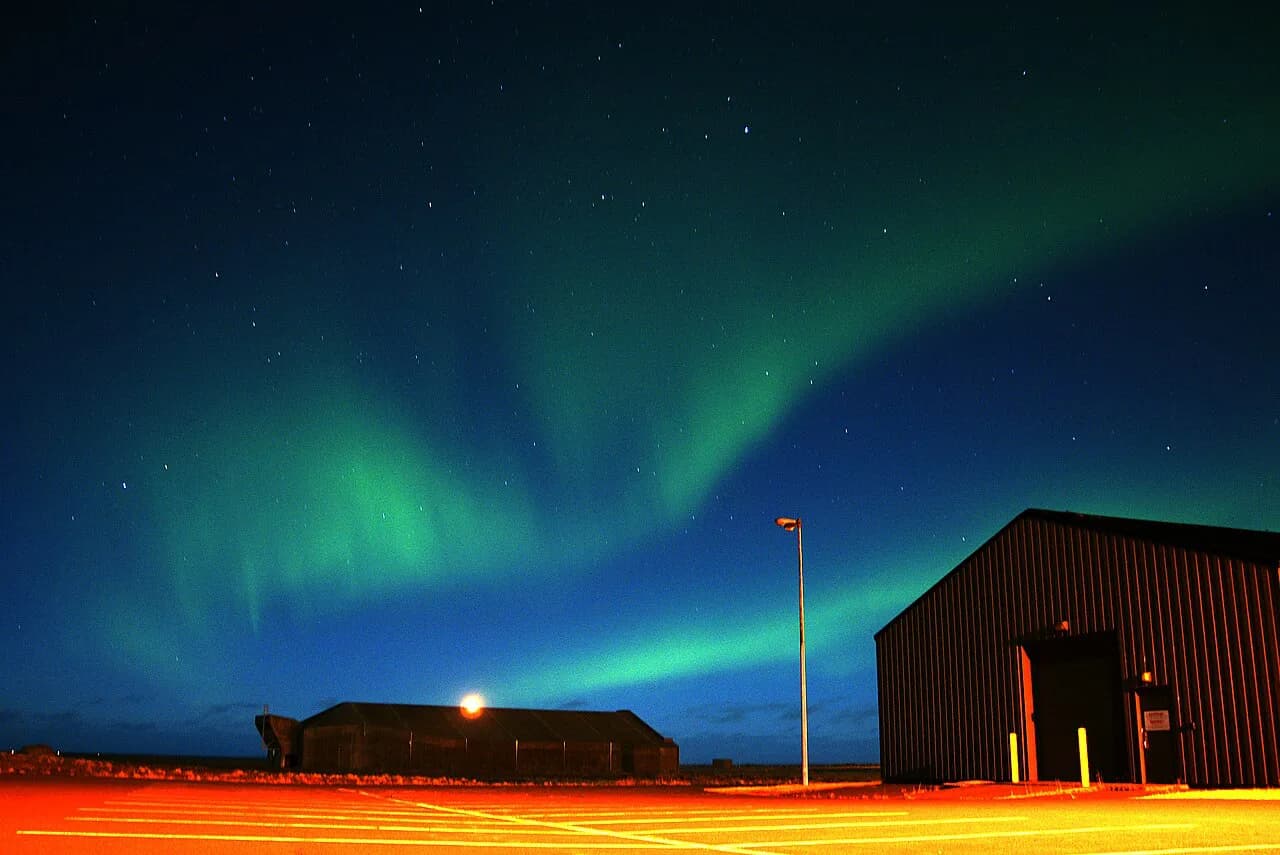
Iceland sits just under the auroral oval, the ring around the Arctic Circle where aurora displays are most frequent, so displays are possible across the country whenever skies are clear and solar activity cooperates. The Nesjavellir plateau's advantage is darkness: it is well away from Reykjavik's light dome, and the hotel's own setting is sparse enough that you can often watch from the property. The same applies to most of Iceland's interior edge, which is why so many aurora seekers head inland rather than stay downtown.
Clear skies, not latitude, are usually the limiting factor in Iceland, and a plateau site improves your odds simply by removing town glow and giving you open horizons. Auroral activity forecasts give guidance rather than certainty, and a Kp reading is only a rough indicator of what will be visible at this latitude. Weather, cloud cover and timing matter at least as much as any index number.
When the aurora season runs and what winter nights are like
Aurora viewing in Iceland depends on dark nights, which in practice means the months from late August through early April, when the nights are long enough for displays to be visible. Within that window, midwinter brings the shortest days and the longest dark hours, which is good for aurora watching but limits daytime sightseeing. Late-autumn and early-spring trips give you a better balance of daylight for touring and darkness for the evening.
On the Nesjavellir plateau, winter means snow, wind and temperatures that can drop well below freezing, and the geothermal ground keeps parts of the area steaming even in cold weather. Nights outdoors get uncomfortable quickly, which is why the hotel's indoor and poolside vantage points matter. Build in flexibility: a clear night can follow several cloudy ones, so a multi-night stay gives you more chances to catch a break in the cloud.
The 45 rooms and the stilts-and-mountain design
The building's most distinctive feature is its engineering: half of the property stands on stilts against the mountainside, and the hotel reads like a mirage appearing out of the terrain as you approach. With 45 rooms, it stays small enough to feel quiet, and the design-led interiors are the reason it appears on luxury-hotel shortlists for Iceland. The Marriott listing describes the property as ION Adventure Hotel, Nesjavellir, a member of Design Hotels, which tells you where it sits in the international boutique market.
Rooms look out over the surrounding lava fields and hills rather than a townscape, and the isolation that makes the views is the same isolation that keeps light pollution low. Travelers who want a spa hotel with extensive facilities may find the offering compact; those who want a well-designed room and a dark sky outside it will be better served.
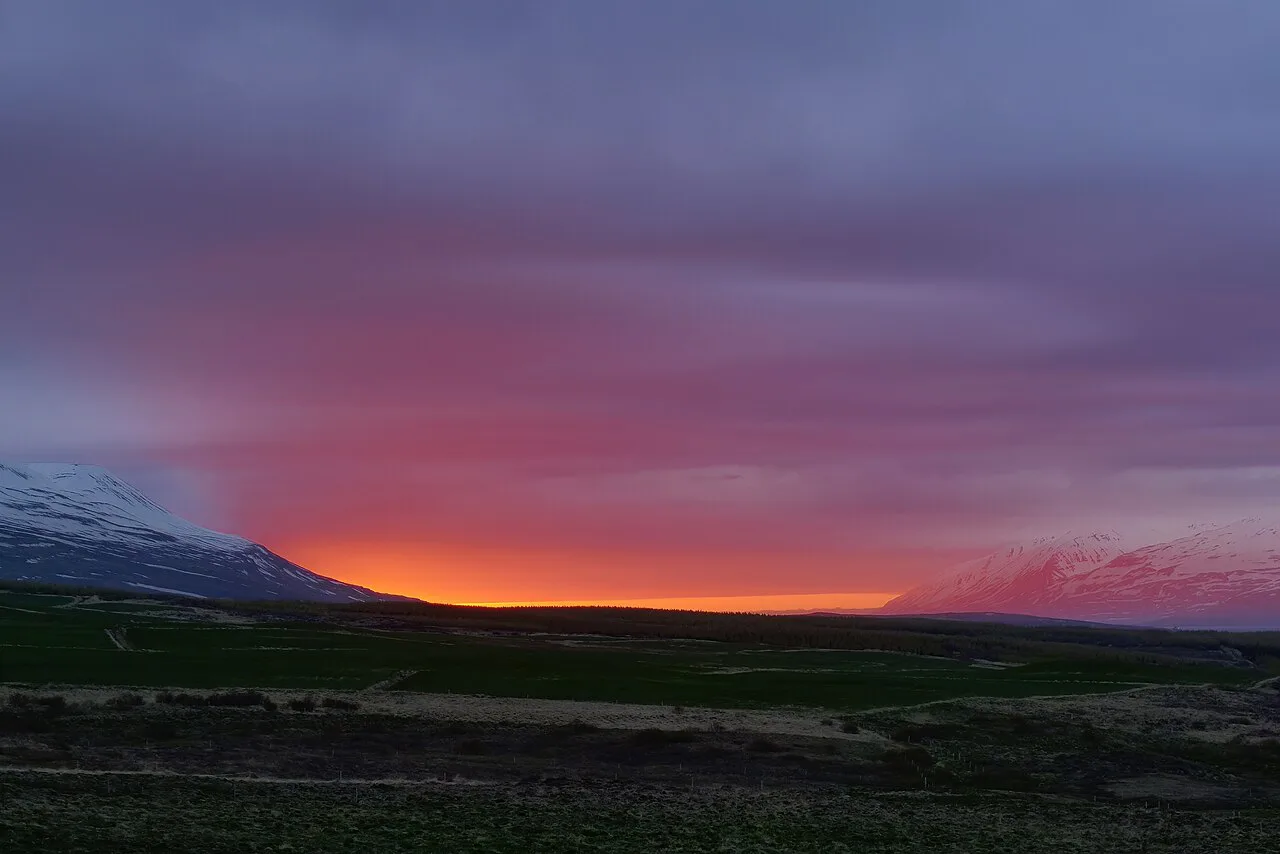
The thermal pool and the bar: watching for the aurora on site
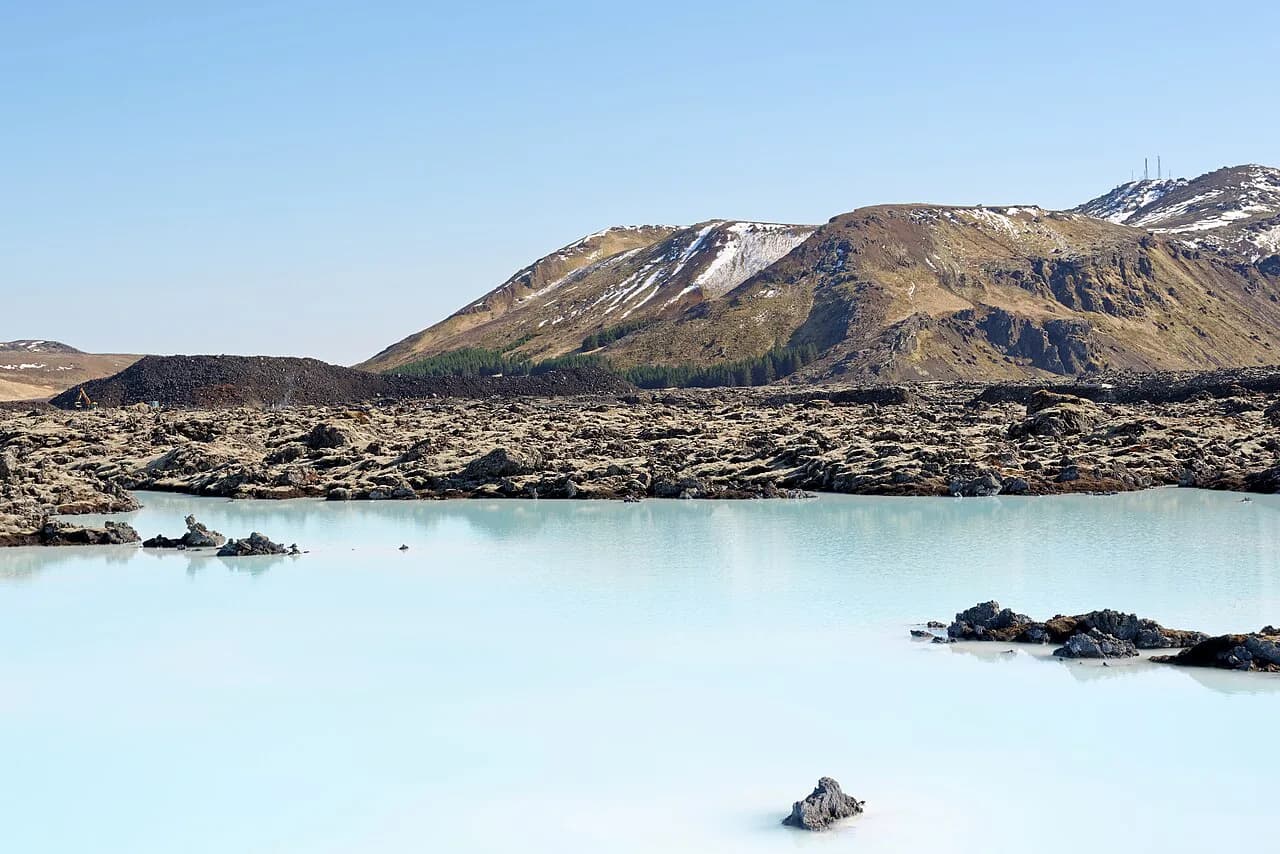
Tucked underneath the hotel is a thermal pool where guests can relax and warm up while hoping to spot the northern lights from the bar. That pairing of a warm pool and an indoor viewing spot is the hotel's answer to Iceland's winter evenings, and it saves you the drive to the Blue Lagoon to soak. The bar's vantage point over the plateau means you can watch conditions from inside and step out when the sky clears.
For a change of scene, the Sky Lagoon in Winter is a seawater-geothermal bathing experience close to Reykjavik, useful if you want a second bathing day before or after your stay. It is a different kind of facility from the hotel's own pool, and worth planning as a separate outing rather than an alternative to the plateau.
Dining at the hotel and what a stay covers
The hotel runs its own restaurant and bar, which matters on the plateau because there is no town within walking distance for dinner. Rates and any meal inclusions are set by the hotel and change with season and room type, so compare the total cost of the stay rather than the headline room rate. Book directly through the hotel's own site to see what each package includes.
Tours from the hotel: Silfra, Sólheimajökull and day trips
Condé Nast Traveler describes the hotel's setting as a base for fissure-diving and snorkelling at Silfra in Thingvellir National Park, and for a glacier trek at Sólheimajökull. Both are full-day or half-day activities that pair well with aurora watching in the evening, because they use the daylight hours rather than competing with the night. The hotel itself offers a range of guided day tours, with guides leading guests to landmarks around the region.
Tour prices, minimum ages and what each outing includes vary by operator and season, so ask the hotel directly when you book rather than assuming a package covers transport and gear. Iceland northern lights tours run from Reykjavik and other bases, and can be a useful backup if the plateau is clouded in. Visit Reykjavík's listings are a sensible starting point for comparing operators.
Self-guided chasing from Nesjavellir versus a guided night tour
With a car, Nesjavellir is a strong self-guided base: you can drive short distances to find gaps in the cloud, return to the pool when it closes in, and avoid a fixed departure time. A guided night tour adds local knowledge and someone else driving on icy roads, but ties you to a group schedule and a set route. For a multi-night stay, self-driving by day and watching from the hotel by night is often the most flexible arrangement.
Even without a car, the hotel's own dark surroundings give you a reasonable chance of seeing a display without leaving the property, which is a real advantage over a city hotel. A common approach is to plan touring for daylight and reserve the evenings for the plateau, then use a guided tour only on nights when cloud is patchy and a chase is worthwhile.
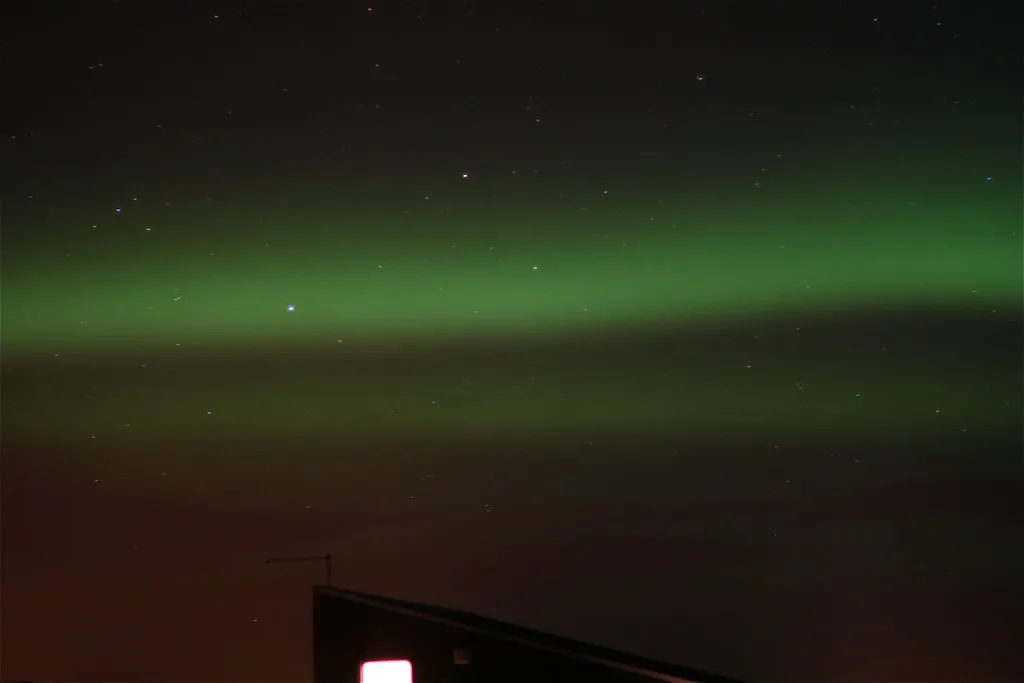
How many nights to allow for a fair chance of clear skies
Three to four nights is a realistic allowance for an aurora-focused trip in Iceland, because cloud cover can persist for days and no single night can be relied on. At a dark plateau site you are not wasting the cloudy nights: the pool, the bar and the proximity to Thingvellir give you reasons to stay put. Aurora displays depend on solar activity and clear skies, so treat any single night as one attempt rather than the main event.
If your dates are fixed by flights, put the aurora nights early in the trip so you have room to move or extend if the forecast looks better later. Iceland's weather changes quickly, and flexibility is worth more than any fixed itinerary. Keeping one backup night unbooked is a practical hedge.
Alternatives nearby: Hotel Ranga and Highland Base Kerlingarfjöll
Hotel Ranga, an SLH Hotel at Hella on the south coast, is an easy drive from waterfalls, black-sand beaches and the northern lights, and it suits travelers who want to combine aurora nights with south-coast sightseeing. Highland Base Kerlingarfjöll offers a very different trade-off: getting there is a mission, but it delivers access to the interior highlands and a special kind of luxury. Both are named as alternatives for travelers weighing the Nesjavellir plateau against other Icelandic bases. A stay at Jökulsárlón is another option for those who want glacier lagoon scenery alongside dark-sky viewing.
For geothermal bathing on a different scale, the Secret Lagoon in Flúðir is a simpler, older pool in a village setting and pairs naturally with a Golden Circle day from Nesjavellir. It is a different experience from the hotel's own pool, and worth a stop if you are touring the circle by car.
Who should book ION Adventure Hotel and who should look elsewhere
Book ION Adventure Hotel if you want a design-led, small-scale hotel where the northern lights are the evening plan, you have a car or are willing to use transfers, and you value proximity to Thingvellir and Silfra over city convenience. It works well for couples and independent travelers on a three- to four-night aurora trip who can absorb cloudy nights with a pool and a good bar.
Look elsewhere if you want walkable restaurants and nightlife, need extensive spa or family facilities, or are on a tight budget and cannot absorb the cost of a remote property with in-house dining. Travelers focused on the south coast should compare Hotel Ranga at Hella, and those chasing interior access should weigh Highland Base Kerlingarfjöll.
Plan Your Visit
Nesjavellir gives you a dark plateau, a thermal pool and a short drive to Thingvellir, which is a strong combination for an aurora-focused winter trip in Iceland. Book three to four nights, plan your touring for daylight and keep an eye on cloud forecasts rather than fixed aurora promises. Compare total package costs and confirm tour inclusions with ION Adventure Hotel when you reserve.
Frequently Asked Questions
Where is ION Adventure Hotel located?
ION Adventure Hotel stands at Nesjavellir, on a mountainside on the edge of the Icelandic highlands. It is less than an hour east of Reykjavik and close to Thingvellir National Park, which puts it within day-trip range of Silfra and Sólheimajökull.
Is ION Adventure Hotel a member of Design Hotels?
Yes. The property is listed as ION Adventure Hotel, Nesjavellir, a member of Design Hotels, which places it in that international boutique network.
How far is ION Adventure Hotel from Reykjavik?
The drive from Reykjavik to Nesjavellir takes less than an hour in normal conditions. Winter weather on the plateau can differ from conditions in the capital, so allow extra time and check road status before setting out.
Can you see the northern lights from ION Adventure Hotel?
Displays are possible from the hotel's dark plateau setting whenever skies are clear and solar activity cooperates. The site is well away from Reykjavik's light dome, but cloud cover is the usual limiting factor, so plan several nights rather than one.
Does ION Adventure Hotel have a thermal pool?
Yes, the hotel has a thermal pool tucked underneath the building where guests can warm up while watching for the northern lights. It offers an on-site alternative to driving to the Blue Lagoon for a soak.
How many nights should you plan for an aurora stay at Nesjavellir?
Three to four nights gives a fair chance of at least one clear night. Cloud can persist for days, so keep one night flexible if your flights allow it.
Sources
Notes for your Arctic winter trip
Optional updates to our northern lights guides.
You might also like

Continue reading
More guides you'll find useful