Fontana Spa Iceland: Geothermal Bath Guide
Laugarvatn Fontana Spa pairs warm geothermal pools and steam rooms with a cold lake plunge on Iceland's Golden Circle, a natural stop on winter aurora drives.
On this page
Laugarvatn Fontana Spa sits on the shore of Lake Laugarvatn in the Golden Circle, where geothermal water feeds pools of different temperatures and steam rooms built directly over hot springs. In winter it is less a destination than a well-placed warm stop between Þingvellir, Geysir and Gullfoss, useful when the day is short and the light is fading by mid-afternoon.
It suits travelers driving the Golden Circle with their own car or on a guided tour, families with children, and anyone who prefers a small lakeside bath to a large resort lagoon. The cold lake plunge gives it a character that a standard hot pool does not have.
What Laugarvatn Fontana Spa is
Fontana is an old geothermal bathing site on Lake Laugarvatn, about an hour east of Reykjavík in the Golden Circle. The setup is low-key: interconnected pools at different temperatures, natural steam rooms where geothermal steam rises through the floor, and direct access to the lake for cooling off.
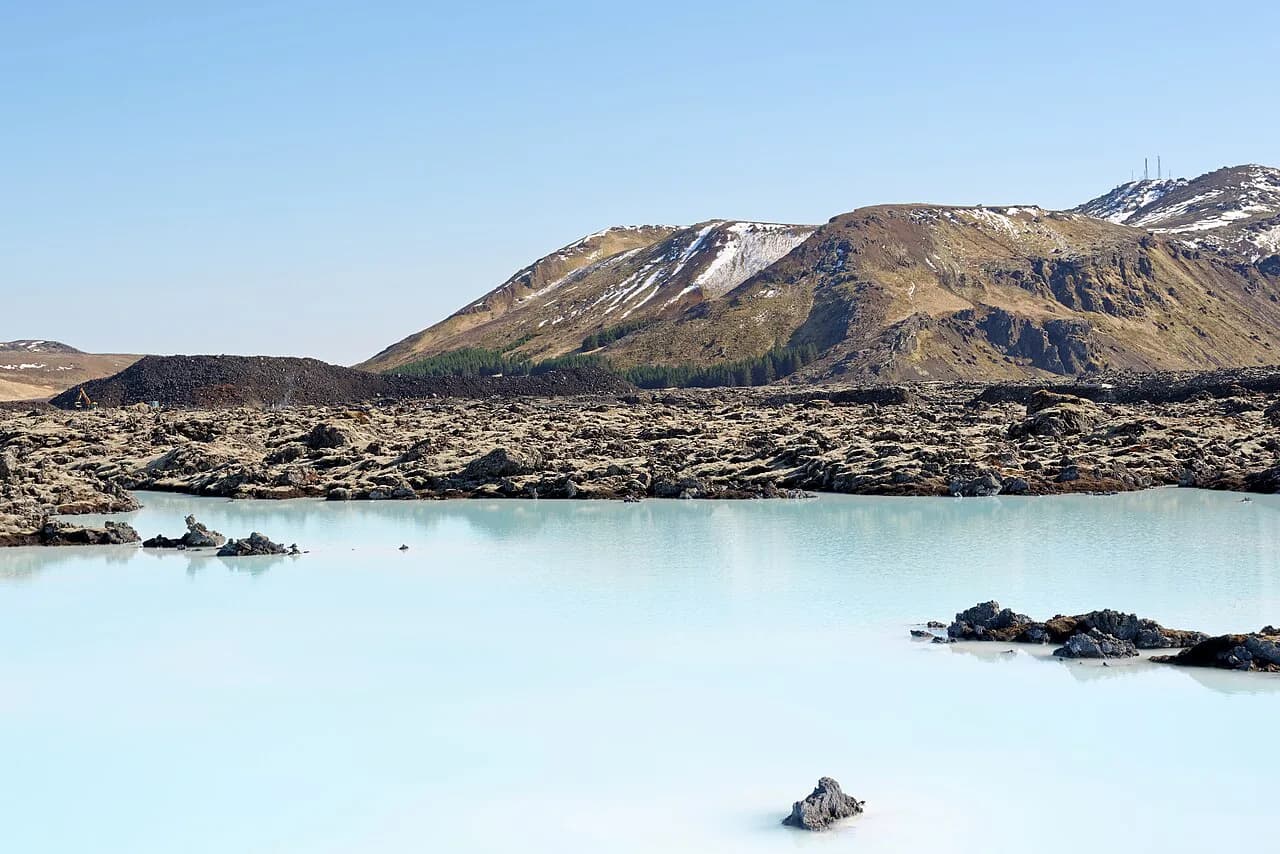
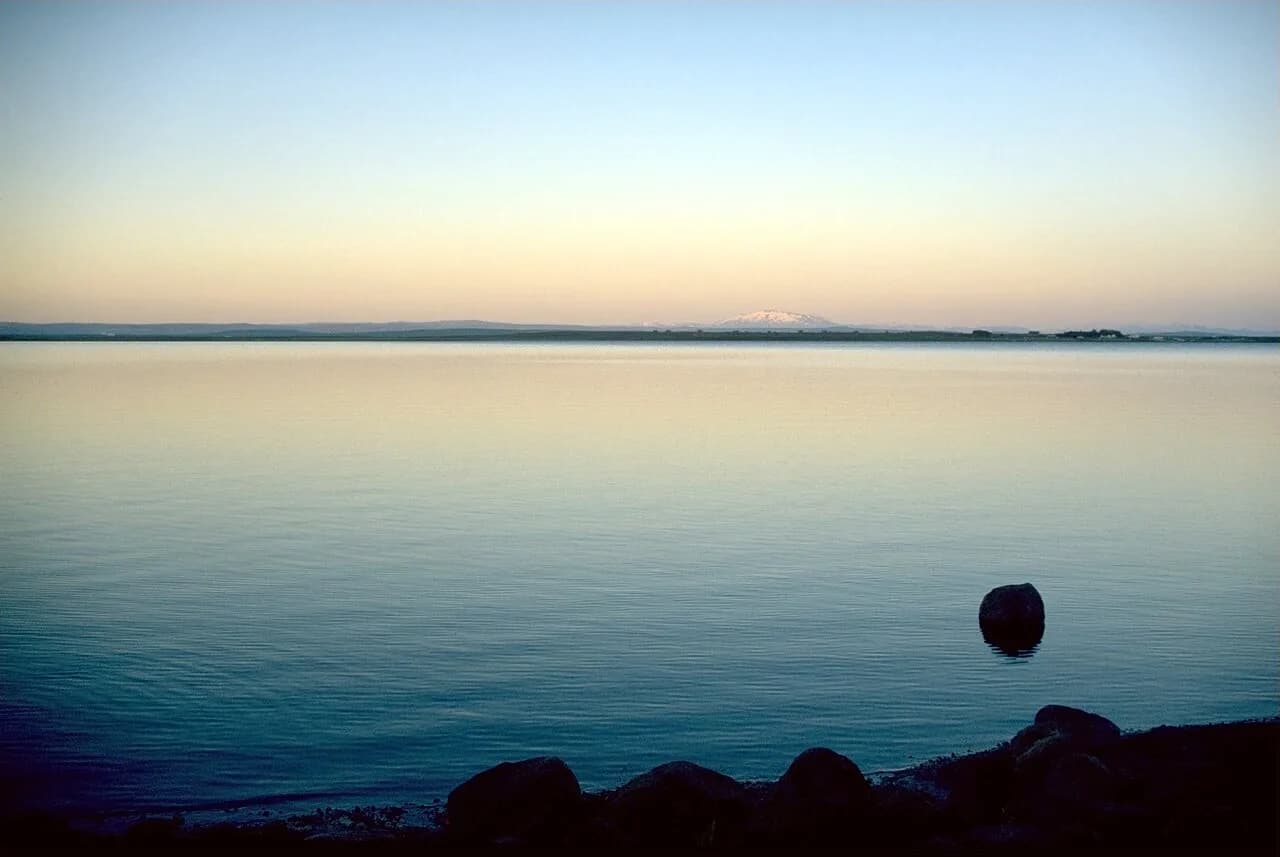
The spa is in the village of Laugarvatn, on the north shore of the lake, and it faces open water and distant mountains. That lakeside position is what makes it worth choosing over an inland pool: you get the steam, the cold air and a wide sky in one place.
Where it sits on the Golden Circle
On the classic Golden Circle loop, Laugarvatn falls between Þingvellir National Park and the Geysir geothermal area. Driving from Reykjavík, most travelers reach Þingvellir first, then continue east to Laugarvatn, then on to Geysir and Gullfoss. That makes Fontana a natural mid-route stop rather than a detour.
In winter the order matters. Daylight is short from late November to January, so a sensible plan is to start early, see Þingvellir while there is light, stop at Fontana when the afternoon cools, and reach Geysir and Gullfoss before dark or on a second day. Road conditions on the Golden Circle vary, so treat driving times as elastic.
The bathing setup
The spa has multiple geothermal pools at different temperatures, so you can move between hotter and cooler water without leaving the site. The natural steam rooms are built over hot springs, with geothermal steam rising directly from the ground. There is also access to Lake Laugarvatn for cooling down.
Because the site is small compared with the big resort lagoons, the experience is quieter and more traditional. The pools look out over the lake, and the steam rooms are the kind of place where you sit for a few minutes rather than rush through.
Contrast bathing and the rye bread
The ritual here is contrast bathing: alternate between the warm geothermal pools and the cold water of Lake Laugarvatn. The shock of the lake is the point, and Icelanders have bathed this way for generations. It is also why the site feels different from a standard hot pool.
The other local tradition is rye bread baked underground in geothermal heat. At Fontana the bread tasting is available as an optional extra, and it is not included in the basic admission. If you want to try it, plan for it when you book rather than assuming it comes with the ticket.
Winter conditions at the lake
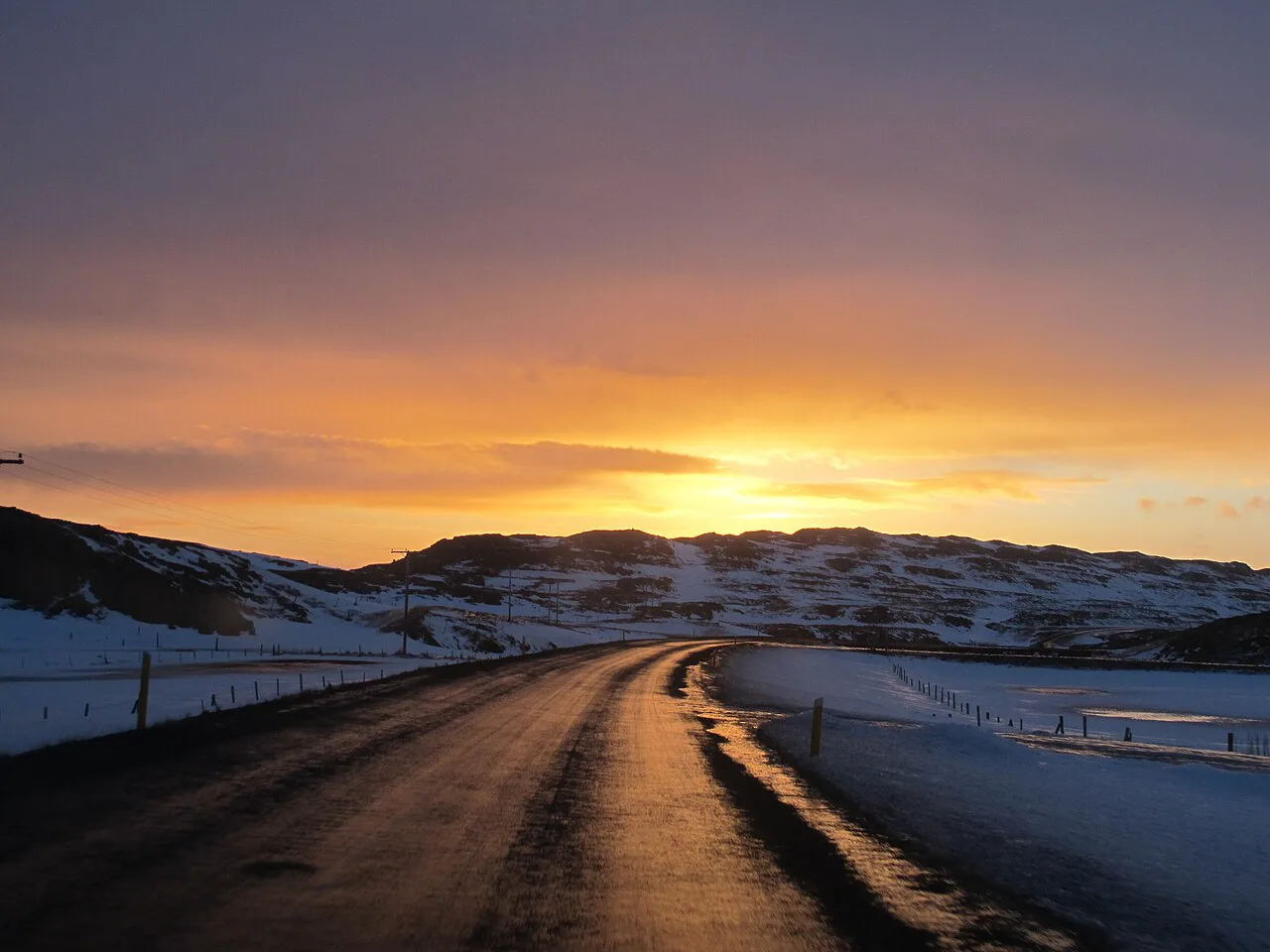
In winter, Laugarvatn is dark by mid-afternoon and the lake can be still and cold under a low sky. Steam rising off the pools and the lake edge is part of the appeal, and the contrast between hot water and freezing air is sharper than in summer. Snow on the surrounding hills is common, though the Golden Circle road is usually kept open.
The short days mean you should not plan Fontana as an evening-only stop unless you are staying nearby. A late-afternoon visit catches the last light over the water, and then you drive on in the dark. Winter tires and a check of road conditions before you set out are part of a sensible Golden Circle day.
Aurora viewing from the Laugarvatn area
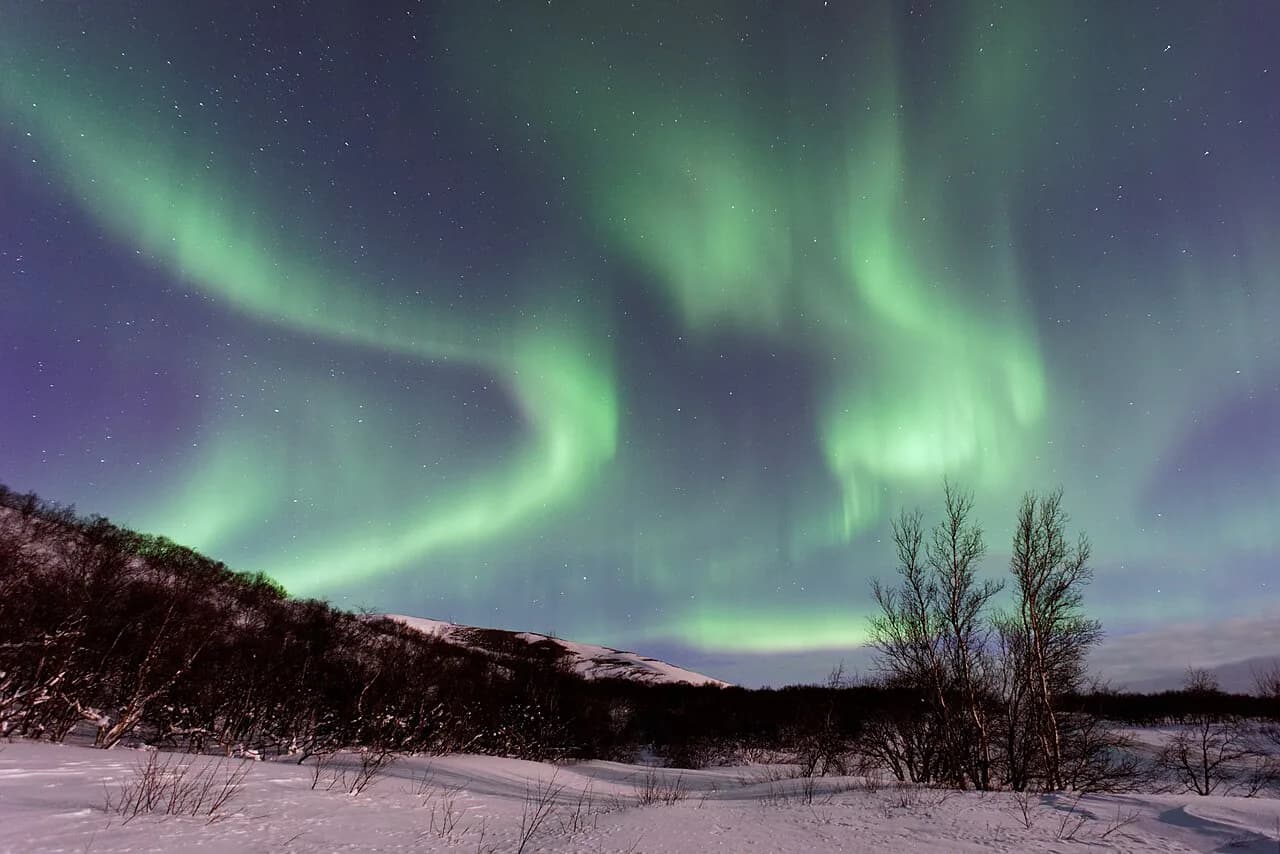
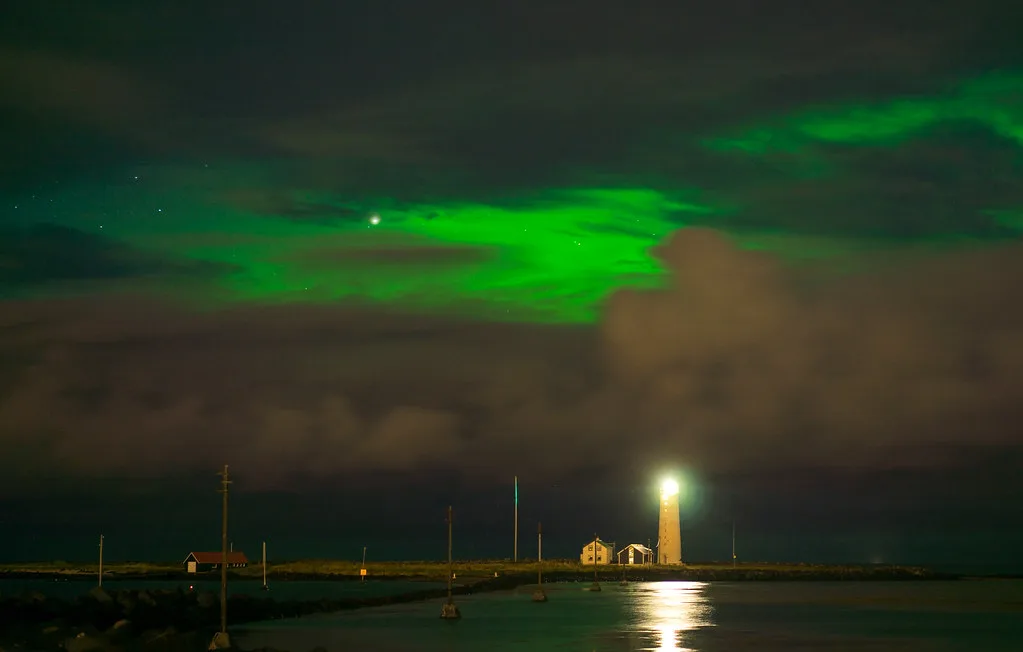
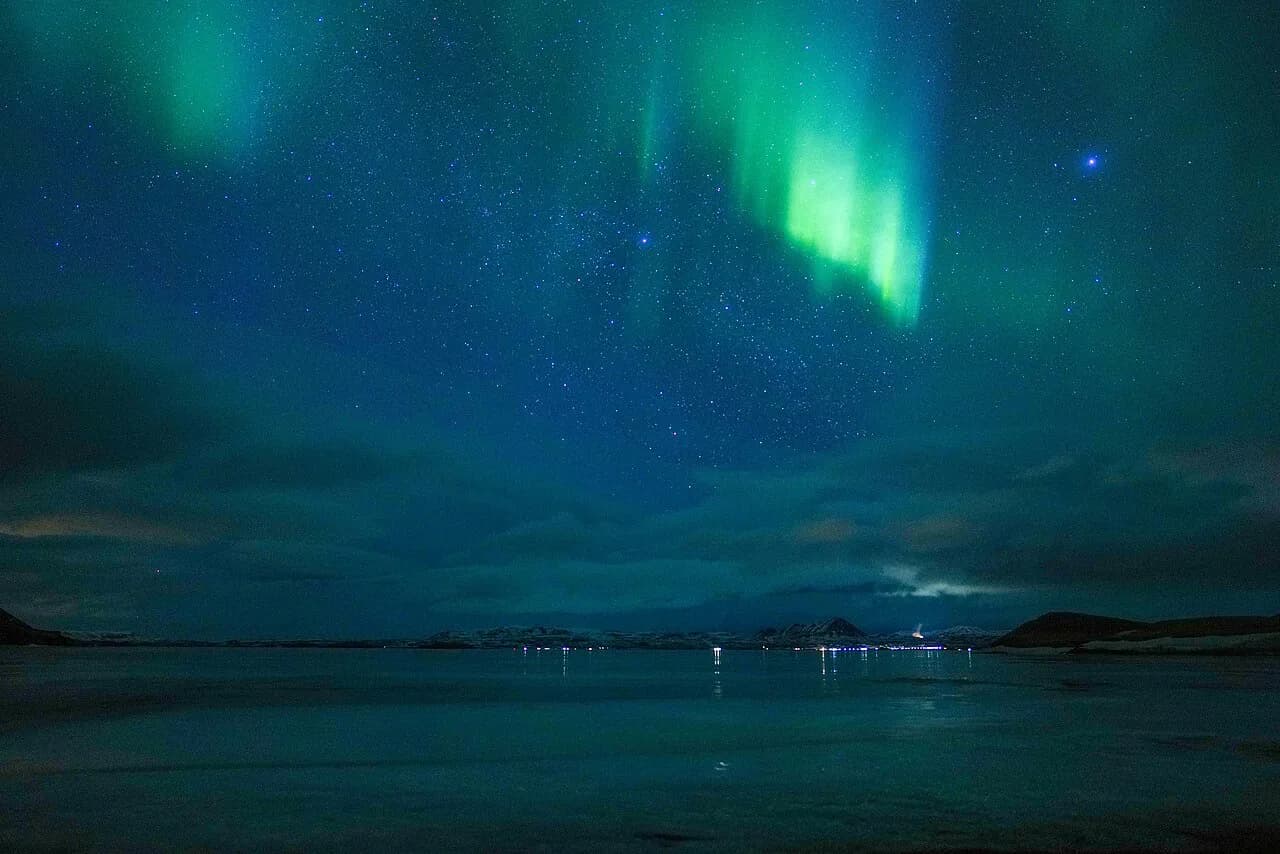
Laugarvatn is far enough from Reykjavík that light pollution is low, and the lake gives you open sky to the north. On a clear night in the aurora season, which runs roughly from late August to early April, the area around the lake can be a reasonable place to watch. Cloud is the deciding factor, and it changes fast in Iceland. Farther afield, our northern lights in Akureyri guide covers the same season and dark-sky logic for a base in the north.
You can drive a short distance from the village to find darker spots along the lake shore or on the minor roads inland. Self-guiding gives you flexibility, but a guided northern lights tours operator knows the local weather patterns and can move you away from cloud. Neither approach guarantees a sighting; the aurora depends on solar activity and clear skies.
If you are basing yourself in Reykjavík and driving the Golden Circle, Laugarvatn is a practical place to end the day with a soak and then wait for darkness. The best time to see the northern lights in iceland depends on the year, but the long nights from October to March give you the most hours of darkness.
Tickets, admission and what is included
Admission to Fontana is ISK 5,490 per person and covers access to the geothermal pools, the natural steam rooms and the lake for cooling. The visit is typically two to three hours, and Iceland For You offers free cancellation up to 24 hours before the visit when you book through them.
Transport to Laugarvatn, towel rental and the rye bread tasting are not included in the admission. You need to bring swimwear and a towel, and you must shower before entering the pools. The spa is easy to reach by car, and there is parking at the site.
How long to stay and how to combine it with the Golden Circle
Two to three hours at Fontana is enough to work through the pools, the steam rooms and a lake plunge, with time to sit and look at the water. That fits neatly into a Golden Circle day: Þingvellir in the morning, Fontana around lunch or early afternoon, then Geysir and Gullfoss before dark if the season allows.
In deep winter, when daylight is only a few hours, consider splitting the Golden Circle over two days and using Fontana as the midpoint. A night in the Laugarvatn area gives you a better chance of clear sky after dark, and you avoid driving the whole loop in low light.
Who it suits and alternatives nearby
Fontana suits travelers who want a small, traditional geothermal bath with a lake setting and a cold plunge, and who are already driving the Golden Circle. It is less suited to anyone looking for a large resort lagoon with a swim-up bar or a full spa menu.
Nearby alternatives include the Secret Lagoon in Flúðir, a simpler hot spring pool with a more basic setup, and the sky lagoon in Reykjavík, which is larger and more polished but far from the Golden Circle. Hvammsvík and Húsafell Canyon Baths are other geothermal baths in the region if you are extending your route.
How many nights to plan in the area
If Fontana is your main Golden Circle stop, one night in the Laugarvatn or Flúðir area is enough to visit the spa and still see Þingvellir, Geysir and Gullfoss at a relaxed pace. Two nights give you a spare morning for road delays or a second attempt at clear skies.
For aurora chasing, three nights in the Golden Circle area is a fair base, since cloud can close in for days. Keep your plans flexible and be ready to drive an hour or two for a clear patch. The northern lights are never guaranteed, but time and mobility are what improve your odds.
What to bring and how dogs fit into a Fontana visit
For the spa itself, the requirements are simple and worth packing deliberately. Bring swimwear and a towel, and note that showering is required before entering the water. Towel rental is available but is not part of the admission, and swimwear is listed among the things you supply yourself. The same applies to the rye bread tasting: it is an optional extra and carries an additional cost on top of the ISK 5,490 per person admission price.
On the dog question, the published details of the Laugarvatn Fontana experience describe the spa as suited to all ages, but they say nothing about pets. The admission inclusions cover access to all geothermal pools, the natural steam rooms, lake access for cooling and changing room facilities; nothing in that list extends to animals, so there is no stated provision for bringing a dog into the baths or the changing areas. If your trip is built around a dog, plan the Fontana stop as something one person does while the other waits with the dog, since the spa visit is expected to take around 2-3 hours.
That timing also shapes how you fit the stop into a Golden Circle day. Fontana is positioned for combining with Geysir, Gullfoss waterfall and Þingvellir National Park, and a fully guided Golden Circle and Fontana Spa tour is offered with free cancellation up to 24 hours before the visit. The meeting point is the Fontana Spa entrance, and transportation to Laugarvatn is not included, so you make your own way there. That is convenient with a dog in the car: you can drive yourselves, keep the 2-3 hour window for the bather, and continue the loop afterwards, rather than committing the whole party to a coach.
Plan Your Visit
Laugarvatn Fontana Spa is a practical and characterful stop on a winter Golden Circle drive: small pools, steam rooms over hot springs and a cold lake plunge, all within a couple of hours of Reykjavík. Book admission in advance, bring swimwear and a towel, and treat the soak as part of a day rather than the whole day.
If you are in Iceland for the aurora, base yourself nearby for a night or two and use the dark skies around the lake when the cloud breaks. For more on where and when to look, see the northern lights in iceland guide.
Frequently Asked Questions
Is Laugarvatn Fontana worth it in winter?
Yes, if you are already driving the Golden Circle. The lakeside setting and steam rooms are atmospheric in cold weather, and the contrast bathing is more memorable than a standard hot pool. Plan it for daylight or early afternoon, since winter days are short.
What is included in Fontana Spa admission?
Admission covers the geothermal pools, the natural steam rooms and lake access for cooling. Transport to Laugarvatn, towel rental and the rye bread tasting are not included, so bring your own towel and swimwear and budget for extras if you want them.
Can you see the northern lights from Laugarvatn?
Laugarvatn has low light pollution and open sky over the lake, so it can be a good place to watch on a clear night in the aurora season. Cloud and solar activity decide whether anything appears, and no one can guarantee a sighting.
How long do you need at Fontana Spa?
Two to three hours is typical, enough to move between the pools, sit in the steam rooms and take a lake plunge. That fits comfortably into a Golden Circle day between Þingvellir and Geysir.
Is Laugarvatn Fontana or Secret Lagoon better?
Fontana has a more developed lakeside setup with steam rooms and a cold plunge, while the Secret Lagoon in Flúðir is a simpler hot spring pool. Choose Fontana for the contrast bathing and lake setting, or the Secret Lagoon for a more basic, local feel.
Do you need to book Fontana Spa in advance?
Booking ahead is sensible in winter, especially if you want the rye bread tasting or are on a tight schedule. Free cancellation is available up to 24 hours before the visit when you book through the operator, so you can adjust for weather.
Sources
Notes for your Arctic winter trip
Optional updates to our northern lights guides.
You might also like

Continue reading
More guides you'll find useful