Lapland vs Iceland: Which Northern Lights Trip Fits You
Compare Lapland and Iceland for a northern lights trip: cloud cover, darkness, access, tours, accommodation and costs, and which suits the traveler you are.
On this page
Both Finnish Lapland and Iceland sit under the auroral oval, the ring of geomagnetic activity around the magnetic north pole, which is why both appear on every northern lights shortlist. Neither has a fundamental advantage in geomagnetic position, according to the Pyhätunturi operator Outdoor Artisans, so the choice comes down to weather, darkness, access and comfort. What separates them is how often the sky clears and how easily you reach real darkness once it does.
Iceland wins on arrival: Keflavík International Airport takes direct flights from dozens of European and North American cities, with London roughly three hours away. Finnish Lapland takes more effort, typically a flight to Helsinki and on to Rovaniemi, Ivalo or Kittilä, with total journeys of five to seven hours from most European capitals. Whether that extra leg is worth it depends on how much you weight clear skies against a short flight.
Why both sit under the aurora oval and what that means for your odds
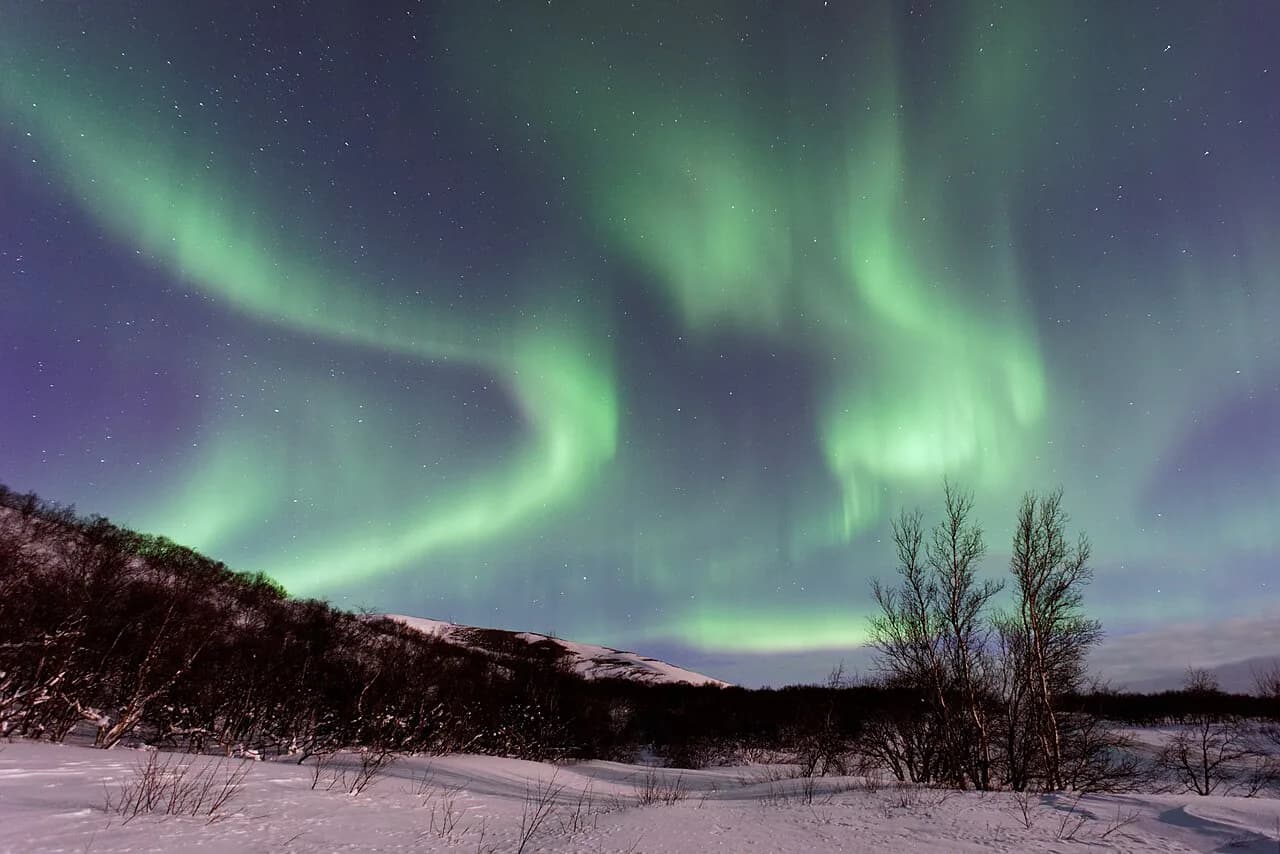
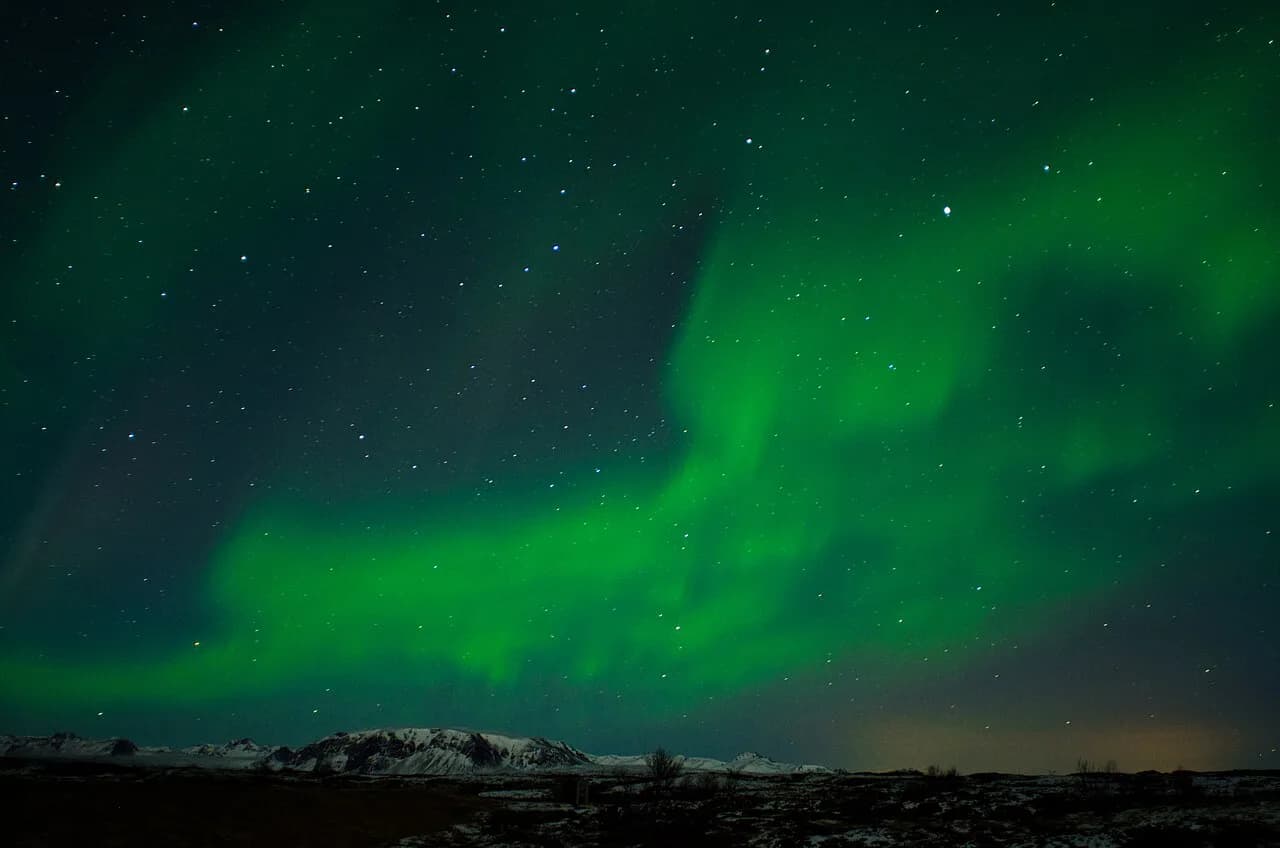
Both destinations belong to the auroral oval, so solar wind striking the atmosphere can light up the sky over either one. Outdoor Artisans, which runs ice-floating nights in Pyhätunturi, notes that both are visible from roughly September through March and that peak activity tends to fall around the equinoxes in September–October and February–March. Solar Cycle 25, which peaked around 2024–2026, delivered strong displays at both destinations.
That shared position means the aurora itself is not the deciding factor. Cloud cover, light pollution and how long you can comfortably stay outside determine whether an active night actually turns into a sighting. Read the wider guide to the northern lights in iceland for how forecasts, Kp values and cloud maps fit together before you choose a base.
Season and dark nights in each destination
Kelo Resort in Finnish Lapland puts the aurora window at late August to early April, with September to March as peak season and roughly every second clear night showing lights. Outdoor Artisans works to a narrower October-to-March season for its Pyhätunturi trips. Treat both as stated by each operator rather than a single merged figure, and plan your dates inside the overlap if you want maximum dark-sky hours.
Iceland's aurora season runs on the same September-to-March rhythm as Lapland, driven by the return of dark nights rather than by latitude alone. Winter daylight is short in both places, which pushes sightseeing into a compressed middle of the day and leaves long evenings free for chasing. See the best time to see the northern lights in iceland for month-by-month guidance on daylight and dark hours around Reykjavík.
Cloud cover and weather: continental Lapland versus Iceland's Atlantic systems
Cloud cover is the variable most travelers underestimate. Iceland sits in the North Atlantic, where warm Gulf Stream air meets cold Arctic air, producing frequent, fast-changing cloud and storm systems that can blanket the sky for days. Finnish Lapland has a continental climate, and when a high-pressure system settles over the interior from December through February, the skies can stay cloudless for long stretches, Outdoor Artisans reports. Kelo Resort makes the same point more simply: Lapland's skies are generally clearer and cloud cover is a frequent issue in Iceland.
That gap matters because even a strong geomagnetic storm is invisible through overcast. If your trip exists mainly to see the aurora, build in enough nights to sit through a cloudy patch, and treat any single night as a coin toss rather than a plan.
Darkness after dark: light pollution around Reykjavík versus interior Lapland
Real darkness is the second filter on a sighting. Most Iceland aurora tours leave from or near Reykjavík, a city of more than 130,000 people, and even tours that drive 30 to 60 minutes out rarely escape the urban light dome. That washes out faint arcs and shimmers, so you may only catch the strongest peaks of a display.
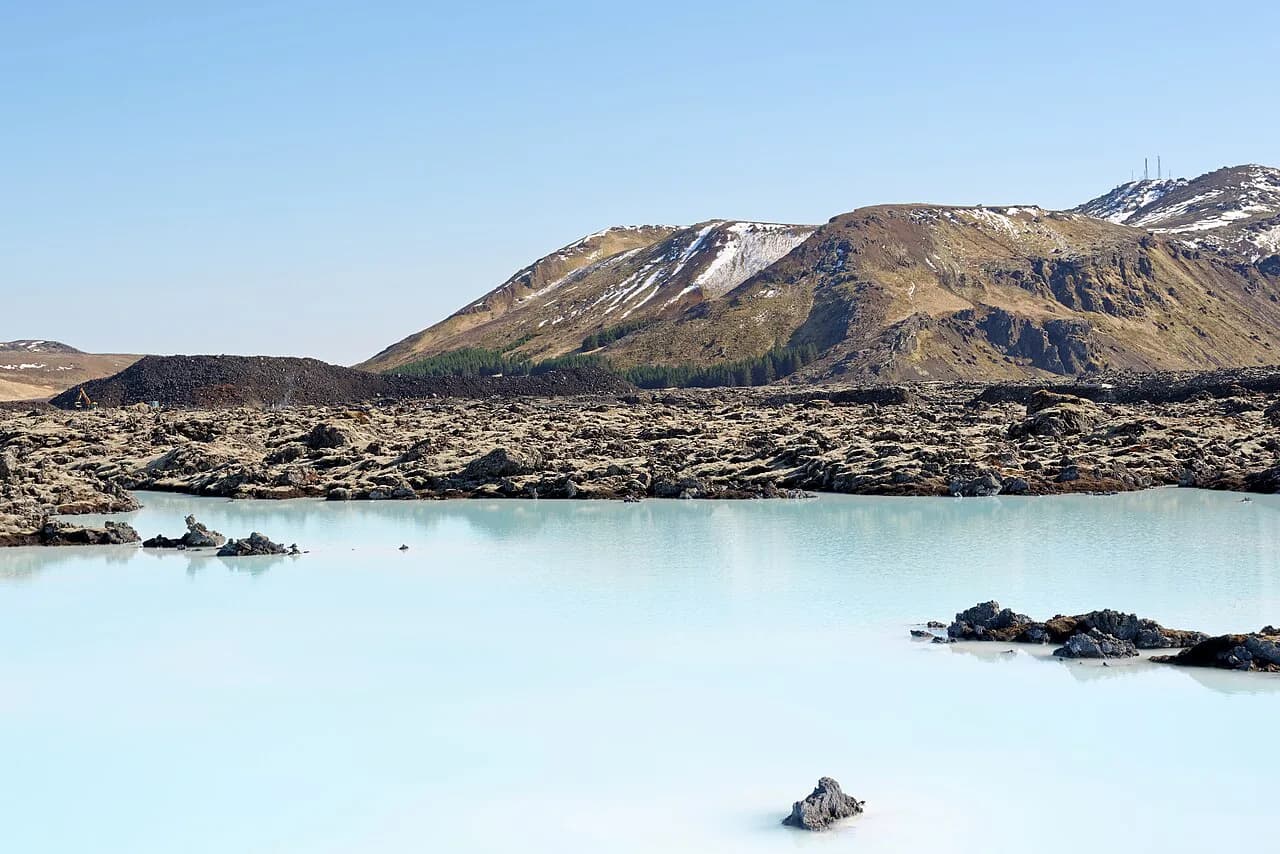
Interior Lapland is a different scale: Pyhätunturi has a permanent population of roughly a few hundred, with Sodankylä the nearest town, so the Milky Way is visible with the naked eye and subtle aurora that would vanish near a city is clear. Elongated stretches of road outside Reykjavík help on the Iceland side, and the sky lagoon and other geothermal pools sit within easy reach of the capital for an evening soak before a late drive out; the guide to Sky Lagoon in Winter covers how those evenings run.
Wind, cold and how long you can comfortably stand outside
Iceland is one of the windiest inhabited places on earth, with winter winds regularly exceeding 50 km/h and stronger gusts, Outdoor Artisans reports. Wind chill limits how long you can stand outside, which is a real constraint when a display builds over an hour or more. Lapland's interior is sheltered by boreal forest and fell terrain; nights run from about -15°C to -30°C but the air is typically still, so a cold, dry wait is manageable with proper layering. Many Lapland operators lend thermal suits and boots, so check what a tour includes before you buy gear of your own.
Read the temperature as a comfort decision, not a safety one: a still -20°C is easier to wait out than 0°C in a North Atlantic gale. Sitting in a heated vehicle or a cabin with an aurora alert is a legitimate way to spend the wait in either country.
How you reach each destination and how you get around at night
Iceland's advantage is access. Keflavík receives direct flights from dozens of cities, London is about three hours away, and the country is compact enough for a short self-drive from Reykjavík into darker countryside. The trade-off is that rural winter driving in Iceland demands confidence on unfamiliar, icy roads, often at night.
Finnish Lapland takes longer to reach: Helsinki to Rovaniemi is a 90-minute flight, then roughly another 1.5 hours by road to Pyhätunturi, or you can fly closer via Ivalo or Kittilä. Once there, activities, lodging and aurora viewing are packed into a small area, so you rarely need to drive at night. The marginal travel time is a few hours against a much better chance of still, clear nights.
Aurora tours compared: coach groups from Reykjavík versus small-group nights in Lapland
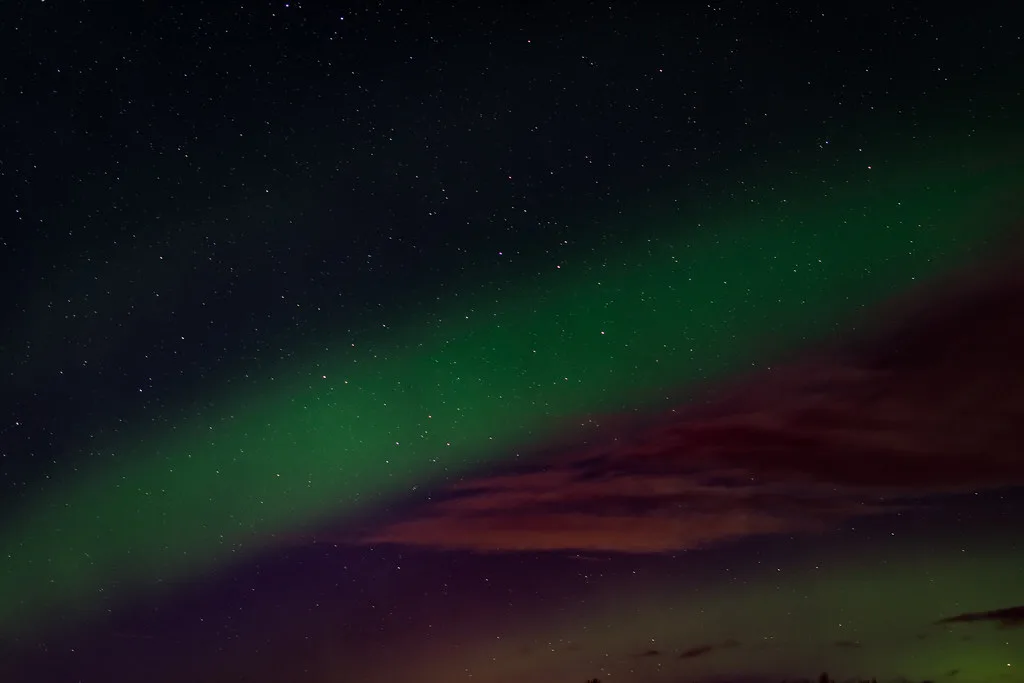
The standard Iceland format is a coach tour: you board in Reykjavík with 40 to 60 other people, drive to a dark spot if weather allows, stand in a field and wait. Jeep tours cut group sizes but not the fundamental weather odds. Outdoor Artisans reports that a typical aurora bus tour runs about €70–100 per person for a basic group experience. Booking through iceland northern lights tours lets you compare group sizes and what each operator includes before you commit.
In Finnish Lapland, aurora viewing is usually folded into a broader winter program of small-group nights with local guides rather than a single bus run. That structure means a cloudy night still has a plan attached. Kelo Resort, for instance, sits next to a national park and runs aurora alerts and guided tours, so you can watch from the doorstep without a drive.
Aurora floating and other viewing formats unique to Finnish Lapland
Pyhätunturi has developed a format you won't find in Iceland: aurora floating, where you lie on your back in a frozen lake wearing a thermal dry suit and look straight up at open sky. No glass, no bus window, no neck craning, and the silence and weightlessness sharpen the experience; evening sessions finish with a lakeside sauna, Outdoor Artisans says. Daytime ice floating on the same lake is offered as a separate activity, and Outdoor Artisans also runs ice fishing, bushcraft and snow surfing in small groups.
Treat these as a reason to choose Lapland if you want immersive, physical nights rather than a sightseeing bus. None of that makes a sighting more likely on a given evening; it simply gives you something worth doing while you wait for the sky to clear.
Where you sleep: aurora cabins and wilderness resorts versus Iceland's southwest base
Finnish Lapland leans into accommodation built around the aurora: wilderness resorts, glass-roofed cabins and aurora cabins with alerts, often beside a national park. Kelo Resort is an example, with hotel rooms and Sky Villas next to a national park, plus posted seasonal opening dates of 2–26 September 2026 and 1 December 2026 to 25 April 2027. Those dates belong to that property, not to Lapland generally.
Iceland's winter accommodation is concentrated in the southwest around Reykjavík, with options thinning and simplifying as you head away from the capital. That makes the capital an efficient base for day trips while requiring a drive on aurora nights. The trade-off is clear: convenience and short transfers in Iceland, versus cabins in deep darkness with no night driving in Lapland.
Daytime options when the sky stays cloudy
Iceland excels at geological sightseeing: geysers, waterfalls, volcanic landscapes, glacier walks and the Golden Circle, with the Secret Lagoon in Flúðir and similar pools as an easy add-on. Winter closes many highland roads and limits daylight, so build the day around shorter drives. A guide to the Secret Lagoon in Flúðir helps if you want a geothermal stop on a Golden Circle loop.
Lapland offers active winter days instead: ice fishing on frozen lakes, bushcraft, snow surfing on the fells and winter paddleboarding, all run in small groups. Neither destination guarantees the sky, so choose the daytime version you'd be happy with if the aurora never arrived.
Sauna versus geothermal pools: the after-dark ritual in each place
A Finnish sauna after a cold night outside is a daily ritual in Lapland: wood-fired heat, then a step into the Arctic air, and Outdoor Artisans finishes its floating sessions with a lakeside sauna. Iceland's version is the geothermal pool and hot spring, wonderful but communal and different in rhythm. Match the ritual to your temperament: private, quiet and hot, or social and scenic.
Cost comparison: tours, accommodation and meals
Iceland has become one of Europe's most expensive destinations, with Reykjavík hotel prices, restaurant meals and tour costs rising sharply since the 2010s tourism boom. Outdoor Artisans reports that a typical aurora bus tour runs €70–100 per person and that peak-season mid-range accommodation starts around €150–250 per night. Lapland accommodation in the Pyhätunturi area, from cabins to luxury options, generally runs 30–50% less than equivalent Icelandic prices, with cheaper restaurant meals too. These are reported ranges rather than fixed rates, so quotes from the hotels and tour companies you shortlist may differ.
Budget accordingly: Iceland's lower airfare can be eaten by higher nightly rates and tour prices, while Lapland's longer journey buys cheaper lodging and often better odds. Compare total trip cost across the nights you plan, not the flight alone.
How many nights to allow in each destination for a fair chance of clear skies
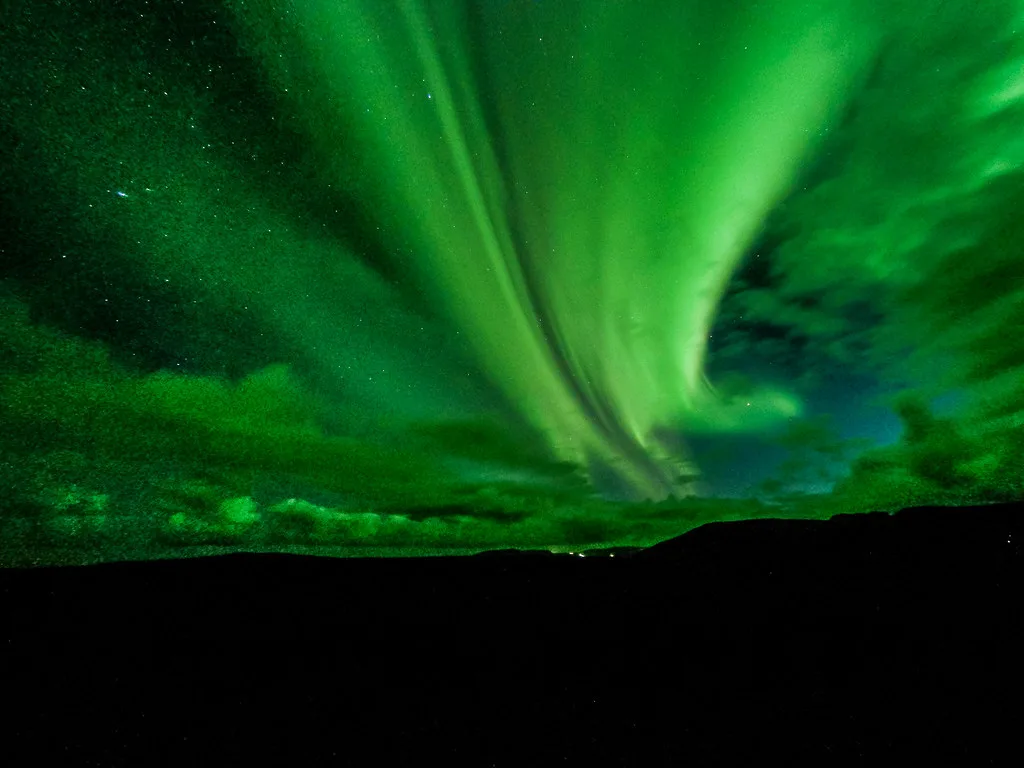
Outdoor Artisans recommends a minimum of three nights to maximize your chances of clear skies and active aurora, and the same rule holds in Iceland. Treat three as the floor and add nights if your trip is the main purpose. A cloudy spell of two or three days is normal in either country, and the extra nights are what carry you through it. Forecasts, including Kp values, are guidance on activity, not on cloud, so run them alongside a cloud map.
If you can only spare a short break, Iceland's short flights make a two- or three-night dash from Reykjavík workable. For a longer trip built around the aurora, Lapland's stiller, darker interior rewards the extra travel.
Who should pick Lapland and who should pick Iceland
Choose Finnish Lapland if the aurora is the point: you want continental clear skies, dark interiors, cabin doors you can watch from and small-group formats like ice floating. Choose Iceland if you want a compact, dramatic trip with short flights, self-drive freedom and geothermal sights, and you treat the aurora as a bonus. Neither promise a sighting. Norway appears on many shortlists too, but for most travelers the real choice is between these two.
Reykjavík and the south coast as an Iceland aurora base
If you pick Iceland, base yourself in Reykjavík or just outside it and use the south coast for darker nights. Expect light pollution near town and drive 30 to 60 minutes out to find genuine darkness. Tour operators run nightly departures subject to weather, and self-drivers can follow the same logic with a cloud map and a safe, well-maintained road. Every Reykjavík hotel and every operator posts its own meeting points and cancellation rules, so confirm those when you book.
The south coast gives you waterfalls, black sand beaches and glaciers in daylight, then a dark-sky drive in the evening. That combination is why many travelers choose Iceland even knowing the aurora odds are lower. If you want to base yourself further along that route, the Vík northern lights guide covers the spots and stays at Iceland's southernmost tip.
When to combine Iceland with a Lapland add-on
A combined trip works well if you want Iceland's landscapes and Lapland's clearer nights in one journey: fly into Keflavík, spend a few days on the south coast, then connect via Helsinki to Rovaniemi, Ivalo or Kittilä. Budget a week or more, allow for the extra flights, and don't over-pack the itinerary. Give the aurora portion at least three nights.
Plan Your Visit
Both Iceland and Finnish Lapland sit under the auroral oval, so the real decision is between Iceland's short flights and dramatic southwest landscapes and Lapland's drier continental skies, darker interiors and cabin-based viewing. If the aurora is the priority, give Lapland the time. If you want a compact, dramatic trip with the aurora as a bonus, Iceland delivers.
Book at least three nights either way, keep your dates inside the dark season, and treat forecasts as guidance rather than promises. Verify current prices, opening dates and tour pickups directly with each hotel and operator before you commit.
Frequently Asked Questions
Which is better for seeing the northern lights, Finland or Iceland?
Finnish Lapland generally has clearer, stiller winter nights because of its continental climate, while Iceland's Atlantic weather brings more frequent and fast-changing cloud. Both sit under the auroral oval, so the gap is in cloud and darkness, not geomagnetic position. Neither destination can promise a sighting; more nights improves your odds in both.
Is Lapland really worth it compared with Iceland?
If the aurora is your main reason to travel, the clearer nights, darker interiors and cabin-based viewing in Finnish Lapland justify the longer journey. If you want short flights, self-drive freedom and dramatic landscapes, Iceland fits better. Choose based on what you want the trip to be, not on a guarantee of lights.
How many nights do I need in Lapland for a chance of clear skies?
Plan for at least three nights and add more if the aurora is the priority. Cloudy spells of two or three days are normal, and extra nights carry you through them. No number of nights guarantees a sighting, so pick daytime activities you'd enjoy anyway.
Is Iceland or Finnish Lapland cheaper for an aurora trip?
Lapland generally offers better value on accommodation, meals and activities, while Iceland's short flights from Europe and North America can offset some of that. Compare total trip cost over the nights you plan rather than the airfare alone.
Can you see the northern lights from Reykjavík?
Most tours leave Reykjavík and drive 30 to 60 minutes to darker spots, but the city's light dome washes out fainter displays. You have a better chance of seeing subtle arcs and shimmers well outside the capital. Tour operators post nightly departures subject to weather; check pickups and cancellation rules when you book.
When is the aurora season in Lapland and Iceland?
Lapland's window runs from late August to early April with September to March as peak, while some Lapland operators work October to March. Iceland's season follows the same September-to-March dark-night rhythm. Both align with the return of dark nights and the equinox peaks in September–October and February–March.
Do I need a car to chase the aurora in Iceland?
Not necessarily: coach and jeep tours cover the driving, and the standard format is a group trip from Reykjavík to a dark spot if weather allows. A car gives you flexibility but demands confidence on rural winter roads, often at night. In Finnish Lapland you can often watch from your cabin without driving at all.
What can you do in Lapland during the day if the sky is cloudy?
Lapland's winter days are built around activities rather than sightseeing: ice fishing, bushcraft, snow surfing, winter paddleboarding and daytime ice floating, usually in small groups. A lakeside sauna rounds off the evening. Choose a version of the trip you'd enjoy even if the aurora never arrived.
Sources
Notes for your Arctic winter trip
Optional updates to our northern lights guides.
You might also like

Continue reading
More guides you'll find useful