Northern Lights in February: Where to Go and How Many Nights
February brings dark nights and deep snow across the aurora oval. See where to base yourself in Lapland and Iceland, and how many nights to book.
On this page
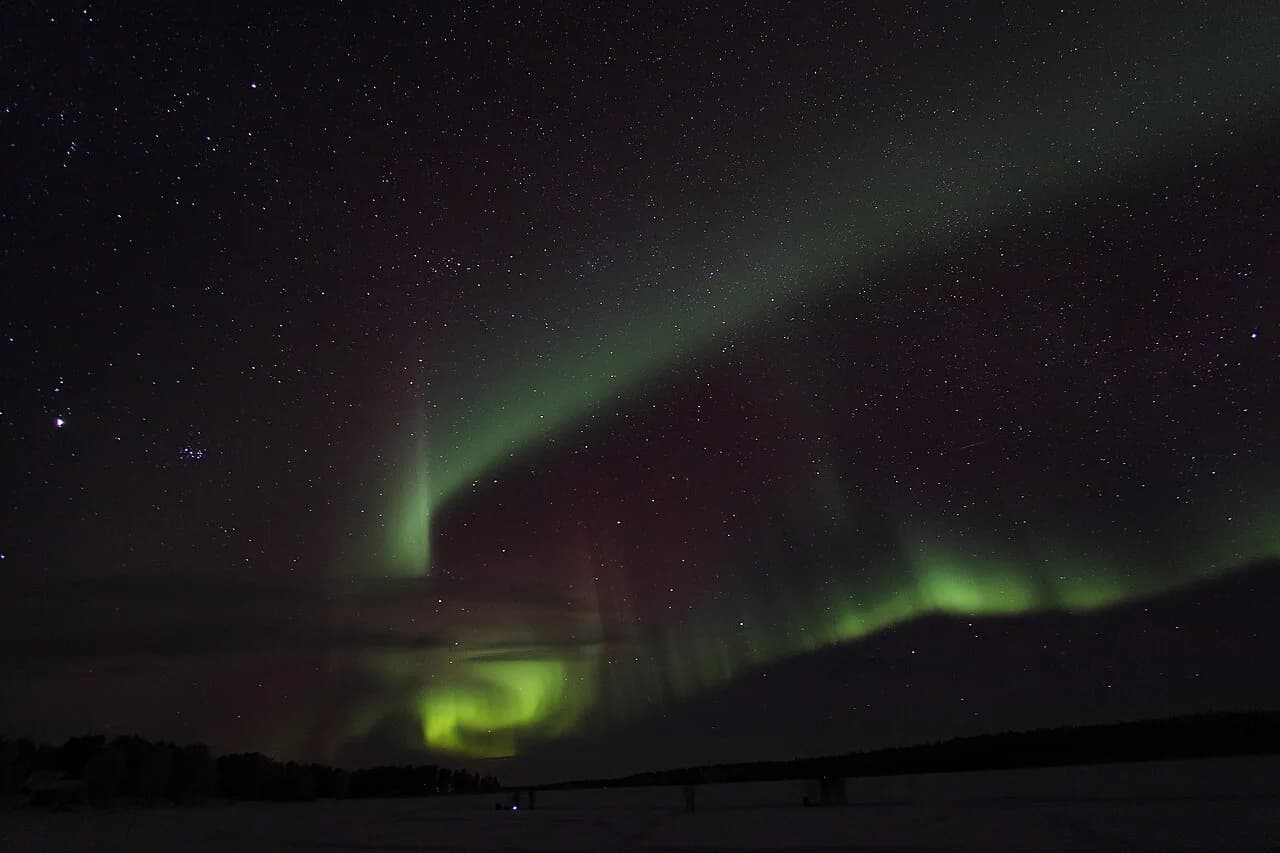
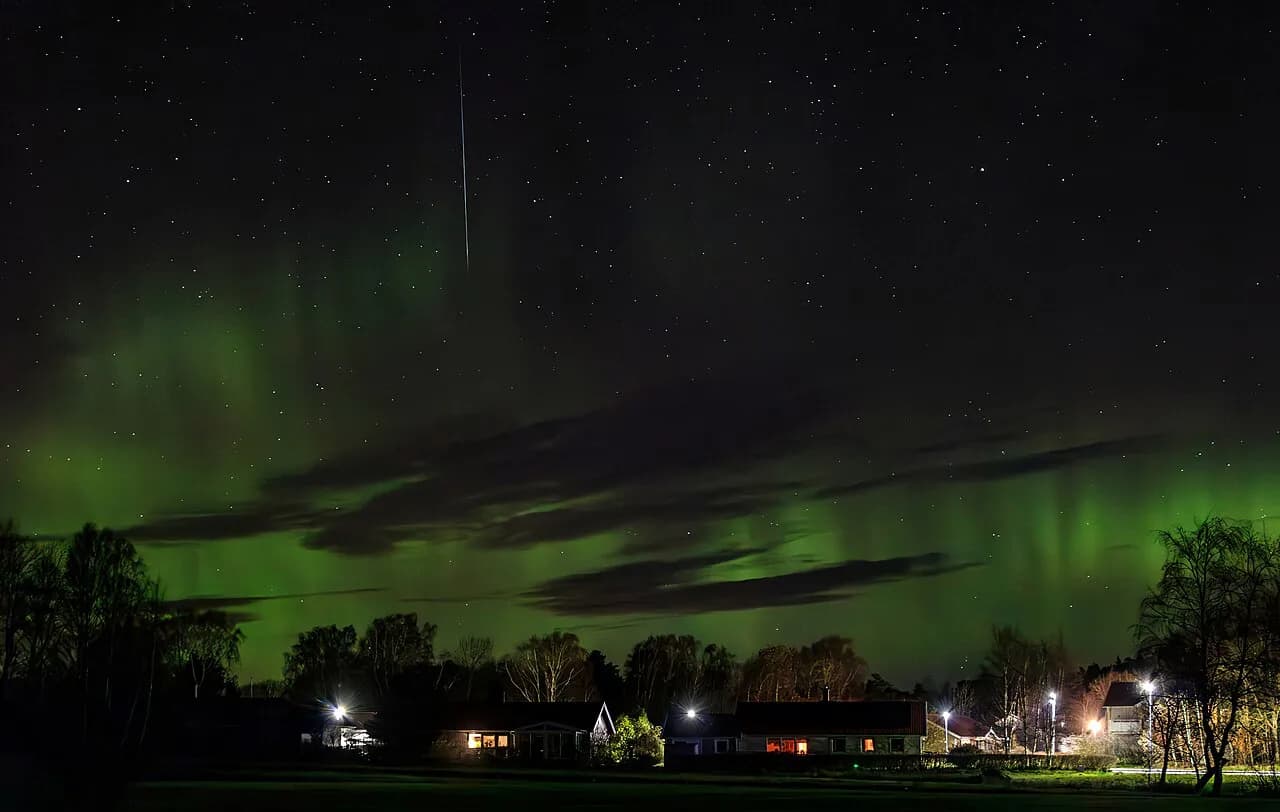
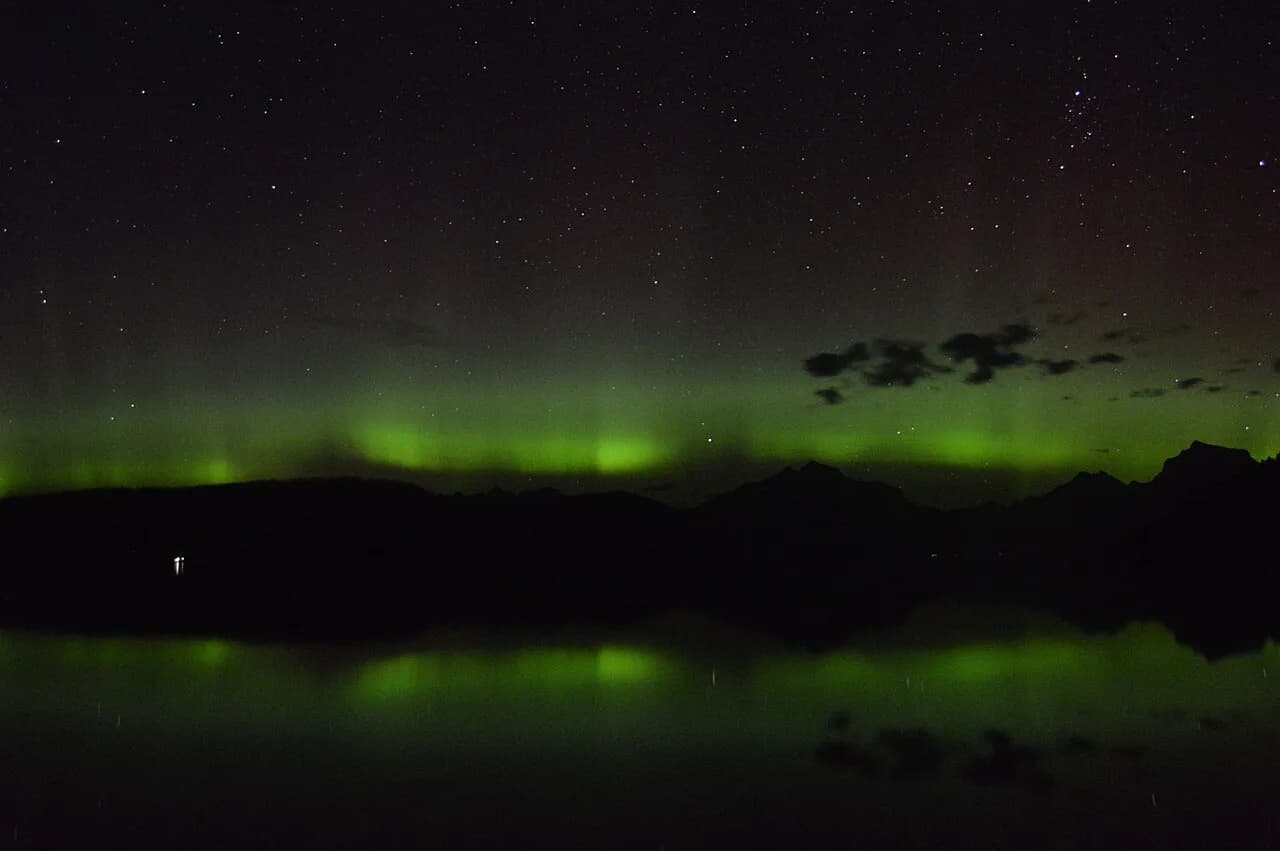
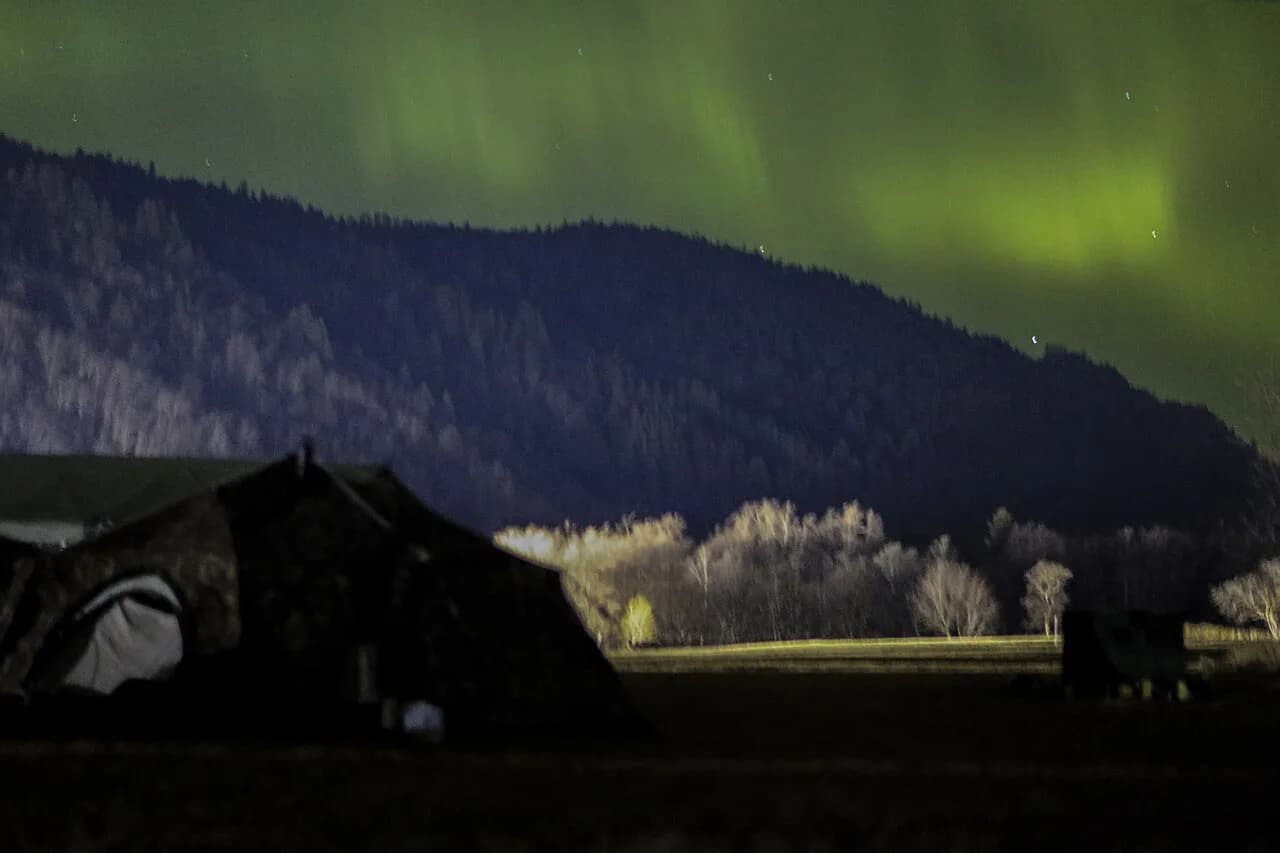
February puts you inside the auroral oval with long, dark nights and a snow-covered landscape that makes the daytime worth as much as the evening. It suits travelers who want a full Arctic winter experience, not just a single night of sky-watching, and who accept that daylight is short and prices are at their winter peak.
The aurora is potentially visible under dark skies from late August to mid-April, and February falls squarely inside that window with the longest evenings of the season. What no month can deliver is a clear sky on demand, so planning a February trip is really a question of choosing a base with good dark-sky access and giving yourself enough nights.
Why February suits aurora hunting
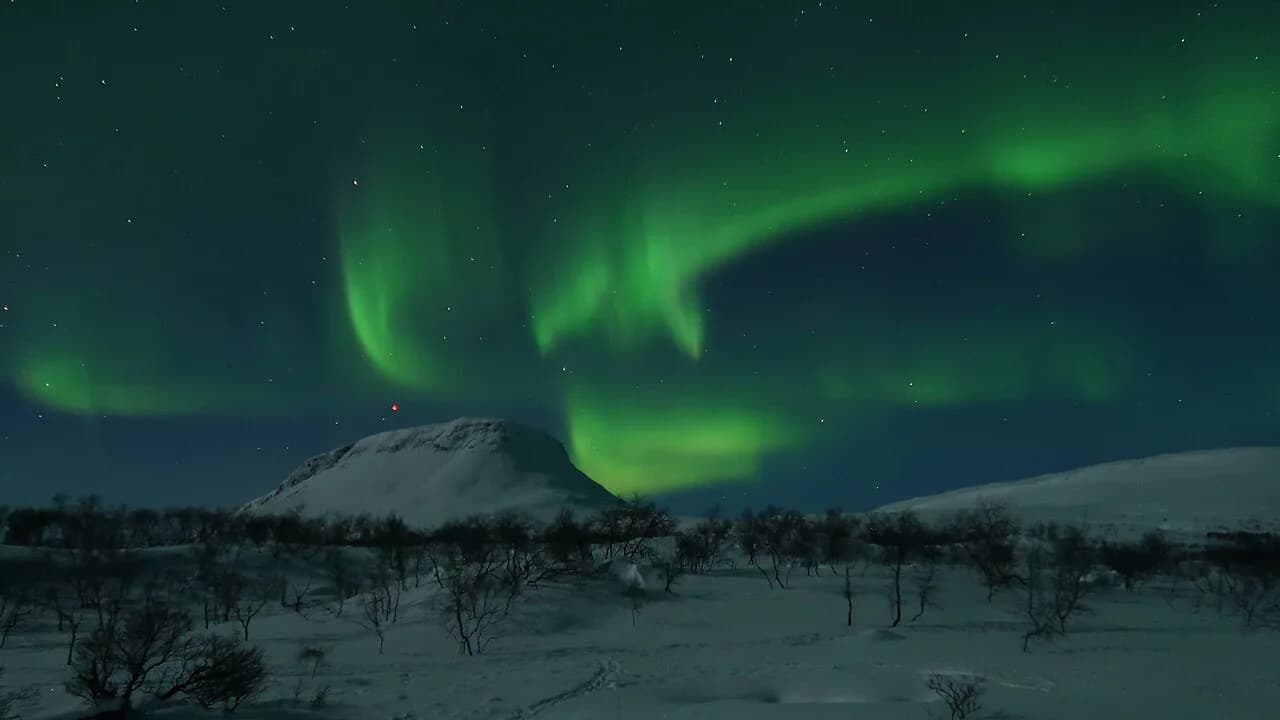
Aurora displays occur when charged solar particles meet gases in the upper atmosphere, and the lights concentrate in a band between roughly 60 and 75 degrees of latitude that covers Iceland, northern Sweden, northern Finland and northern Norway. February places you under that band with nights long enough to watch from early evening.
Activity runs on an eleven-year solar cycle, and the current cycle has produced strong displays during a broad peak that began in 2024. That is background context rather than a forecast for your dates, because cloud cover and the shifting oval decide what you actually see on any given night.
Solar activity around the equinoxes is often stronger because of how Earth's magnetic field lines up with the solar wind at those points in the year. A February booking comes before the March equinox, so if your dates are flexible and aurora activity is the priority, a trip that stretches into March can sit closer to that period.
Daylight in February
February delivers the darkness you want, but it also keeps daylight short, so build your days around a compact window of light. The strongest displays tend to appear between 9pm and 2am, with many of the best sightings falling between 11pm and midnight, which leaves the afternoon for activities and an early dinner before you head out.
November through February offer the darkest skies and longest evenings for sky-gazing, which is exactly why February works so well for the aurora and less well for long sightseeing days. Plan one main daytime activity per day rather than stacking several, and keep the late morning for anything that needs light.
Where to go in February
The best places to see northern lights in Europe cluster in Arctic Sweden, Finnish Lapland and Iceland, and each base trades something different. Swedish Lapland offers stable inland conditions and easy dark-sky access, Finnish Lapland combines aurora viewing with glass-roofed cabins and winter activities, and Iceland puts you under the oval with a coastline that changes the weather picture.
In Finnish Lapland, the far north around Lake Inari is a strong February choice because it sits well above the Arctic Circle and away from larger town lights. For a side-by-side look at the neighbouring country's bases, this Finnish Lapland northern lights guide pairs well with our northern lights in Swedish Lapland comparison. Accommodation there ranges from wilderness hotels to glass-igloo stays, and several lodges build their winter programmes around aurora viewing with daytime activities included.
Saariselkä, further north still in Finnish Lapland, is often recommended over Rovaniemi for aurora chances simply because it lies deeper inside the oval, and it has a compact resort centre with tour operators and cabins. If comfortable cabins with glass roofs appeal more than a standard hotel, that base gives you both without a long transfer.
Cloud, coast and inland: Abisko, Lake Inari and Iceland
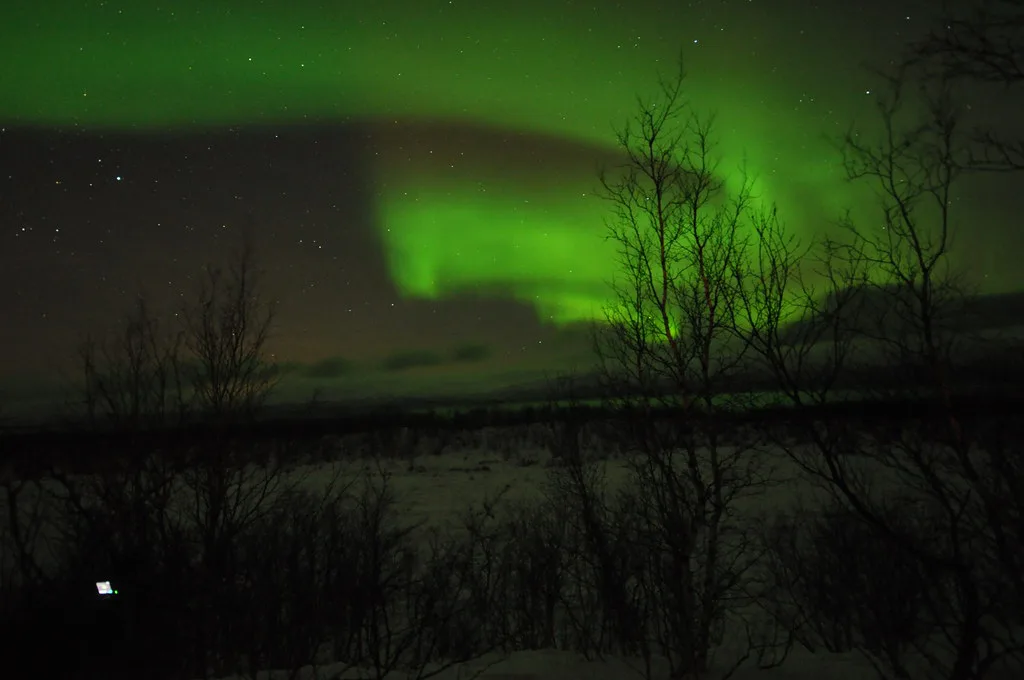
Abisko in Swedish Lapland sits in a mountain setting where the surrounding peaks and the lake are said to pull cloud away, giving it a reputation for more clear nights than most places under the oval. The village is small, light pollution is minimal, and you can walk out from your accommodation to dark viewpoints without a vehicle, which makes it one of the simplest places to chase the aurora on your own.
The aurora season in Abisko is usually described as running from early November to late March, which places February comfortably inside the window rather than at its edge. Nearby Kiruna has an airport, more accommodation and tour options, and works as a practical arrival point before a short transfer west.
Lake Inari in Finnish Lapland takes the inland approach further: the shoreline is dark, the lake ice opens wide views, and the main hotels sit close enough to the water that you can watch from the grounds. The trade-off against Iceland is fewer dramatic coastal landscapes but simpler logistics and a very short distance between your room and a dark sky.
Iceland in February pairs aurora chances with winter scenery, but the weather is the deciding factor, and coastal cloud can close in quickly. If Iceland is your base, treat the aurora as one part of the trip and keep at least a few nights in one place rather than touring every day, so you have repeated chances from the same dark location.
Glass igloos and aurora cabins
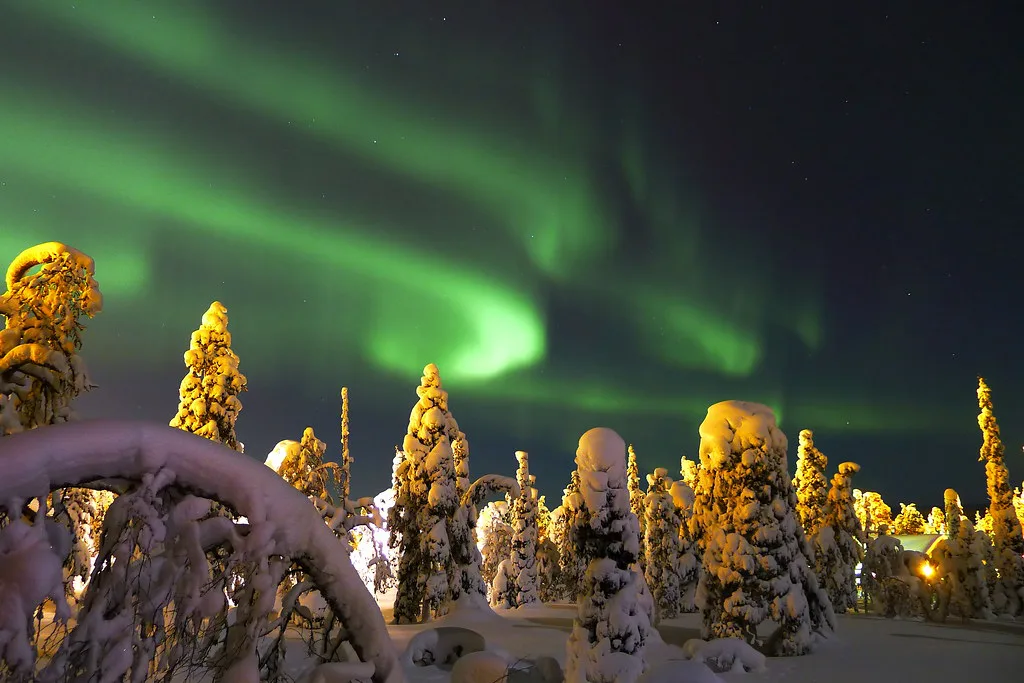
Glass-roofed cabins and igloos let you watch from a warm bed, which matters in February when standing outside for hours is the least pleasant part of the night. The trade-off is that you still need a clear sky, and cabin lighting, condensation and interior warmth can reduce what you see, so treat the glass roof as a comfortable waiting room rather than a guarantee.
Hotels of this type in Finnish Lapland often combine aurora-viewing rooms with daytime activities such as husky and snowmobile trips, so a stay of several nights can be built around one base. If you want more than one style of night, splitting between a glass cabin and a standard wilderness hotel gives you both comfort and a genuine dark-sky walk.
For a different kind of winter night, an ice hotel stay is usually a single night added to a warmer base, and the Torne River region around Jukkasjärvi in Swedish Lapland is the classic example. February is deep winter there, so the ice rooms and the surrounding snow activities are fully running, but most travelers sleep warm the other nights.
Self-guided chasing versus a booked tour
If you stay somewhere like Abisko or the Lake Inari shoreline, self-guided watching is straightforward: walk away from the street lights, find open ground or lake ice, and keep checking the sky through the evening. This costs nothing extra and gives you freedom, but it depends on you staying awake and on the sky above your base being clear.
A guided tour adds a driver who can move toward clearer skies when your base is clouded in, which is the main reason to pay for one. Guides in northern Sweden and Finland often set up a tepee or fire and lend thermal suits, and they can cover distance that would be difficult to arrange yourself on a short trip.
The honest trade-off is cost against flexibility: tours concentrate several hours of driving and waiting into one night, while independent watching lets you try again the next evening for free. If your trip is short, booking a tour for your first clear-forecast night and keeping the others flexible is a reasonable split.
Named bases and what a February night looks like
In Abisko, the STF Abisko Turiststation sits at the foot of the Aurora Sky Station and the start of trails to aurora viewpoints, making it a practical base if you want to walk out rather than drive. The Aurora Sky Station itself is a mountain viewpoint reached by chairlift, and its webcam updates every five minutes so you can see conditions before committing to a night out.
In Finnish Lapland, Nangu Boutique Hotel beside Lake Inari is an adults-only property with lake views and an option to watch from a glass igloo. Near Saariselkä, Northern Lights Village offers glass-roofed cabins alongside daytime activities, so a February stay can mix aurora watching with husky or snowmobile days.
Around Kiruna, Camp Ripan combines hotel rooms with a spa and outdoor hot tub, a sensible choice if you want a warm base between aurora nights without giving up dark-sky access. Wherever you stay, ask at reception which direction to walk for open sky and whether the property offers an aurora wake-up call.
Dark-sky spots near the main bases
At Abisko, the shoreline of Lake Torneträsk and the trails leading away from the station give you open northern horizons within a short walk, and the national park setting keeps artificial light low. Around Lake Inari, the frozen lake itself is the viewing platform, with the village lights behind you and a wide sky ahead.
In Iceland, the practical rule is to leave town: drive a short distance from Reykjavík or your guesthouse and find a lay-by with an unobstructed northern view, away from farm lights and car headlights. Wherever you are, being away from street lighting and near open space matters more than elevation, because the aurora appears low in the sky.
Husky safaris and other February daytime activities
February is deep winter in Lapland, so husky sledding, snowmobile safaris and snowshoe trips are all running on snow rather than ice. Operators in Abisko, Kiruna and around Saariselkä run these as half-day trips, usually with thermal suits and boots provided, which means you can pair a morning activity with a late-afternoon rest before the evening watch.
A typical pattern is a husky or snowmobile trip in the morning light, a sauna or hot tub in the afternoon, and aurora watching after dinner, either from the lodge grounds or on a booked chase. Building the day this way keeps you awake for the hours that matter and gives you a reason to be outside in the short daylight.
For a quieter day, reindeer experiences and short guided walks suit mixed groups and families, and Abisko's trail network lets you explore independently without a vehicle. Check minimum ages directly with each operator, since sledding and snowmobile trips vary in what they allow for children.
How many nights to allow
One night gives you one roll of the weather dice, so treat a February trip as a multi-night attempt rather than a single big evening. A stay of four to five nights in one place is a common planning rule among aurora travelers because it gives several chances at clear sky, and longer stays improve the odds without requiring any particular night to work.
Keep the nights in one base rather than moving every day, since transfers eat into the dark hours and a fixed location lets you learn the dark-sky walk. If you want two destinations, put the aurora-focused one first with the most nights and treat the second as a bonus.
Reading the forecast on the day
The Kp index measures magnetic disturbance on a scale from 0 to 9 and gives a broad idea of activity, but it does not describe what you will see at your location. A Kp of 2 or 3 can still produce beautiful displays, and cloud cover is usually the deciding factor, so read the Kp alongside a local cloud forecast rather than treating it as a verdict.
Forecasts are issued for a three-day window and updated constantly, and the animated oval maps from space-weather services are refreshed every half hour. Use them to choose which night to book a tour and to check the sky before going to bed, but do not cancel a night out on a low number alone.
Moonlight does not affect aurora activity, though a bright moon can soften faint displays to the naked eye and helps illuminate the ground for photographs. A new moon gives a darker sky, but the real determinant remains solar activity and cloud, so do not plan your whole trip around the lunar calendar.
If you want a plain-language explanation of how the lights form and why they appear green, red or purple, a short primer on what are the northern lights helps you read the sky and your camera settings better.
Costs, crowds and trade-offs in February
February is high season in Lapland, with peak rates for glass cabins and tour slots filling early, so book accommodation and any must-do activities well ahead and keep the rest of the evenings flexible. Package holidays built around aurora viewing typically combine several nights with activities, which can be better value than booking each element separately.
The month's trade-off is simple: the darkest, snowiest conditions of the season against short daylight and premium prices. If you want more daylight for other activities without losing aurora chances, a trip that begins in late February and runs into March balances both, and it edges closer to the equinox period when activity often picks up.
Where you sleep changes the night more than any other booking: a glass cabin keeps you warm and awake for a sudden break in the cloud, while a standard hotel room near dark ground keeps costs lower and gets you walking. Choose based on whether you would rather wait indoors or be outside, and spend the saved money on a guided chase if your base is prone to cloud.
Plan Your February Aurora Trip
February rewards travelers who pick one dark base, stay several nights and keep their evenings flexible rather than betting everything on a single tour. Abisko and Lake Inari give you short walks to genuinely dark sky, Iceland gives you dramatic winter scenery with more weather risk, and all three sit far enough north for the aurora to appear when the sky clears.
Book the cabin or hotel and the one activity you would hate to miss, then decide each evening whether to walk out or join a chase. Confirm the meeting point and pickup time with your operator on arrival, and let the forecast guide your nights rather than your expectations.
Frequently Asked Questions
Can you see the northern lights in February?
Yes. The aurora is potentially visible under dark skies from late August to mid-April, and February falls inside that window with the longest evenings of the season. Whether you see it depends on solar activity and clear skies at your location, so plan several nights rather than one.
How many nights do you need in February to see the northern lights?
There is no number that guarantees a sighting, but four to five nights in one place gives you several separate chances at clear sky. Moving every night reduces those chances because transfers eat into the dark hours.
Is February a good month for the northern lights in Iceland?
February is inside the aurora season and gives long, dark nights, so it works as an aurora month. Iceland's coastal cloud is the main variable, so stay in one area for several nights and plan to drive a short way out of town to escape light pollution.
February or March for the northern lights?
February gives the darkest skies and the deepest snow but the shortest daylight. March adds daylight and sits closer to the spring equinox, when aurora activity is often stronger, so a trip spanning both months balances the two.
How late at night do you need to stay out?
The strongest displays tend to appear between 9pm and 2am, with many of the best sightings between 11pm and midnight. If you are staying independently, check the sky periodically rather than committing to one long, cold vigil.
Does a glass igloo guarantee you will see the aurora?
No. A glass roof gives you a warm place to wait, but you still need clear skies and aurora activity above you. Treat the cabin as comfort and convenience, and keep the option of a guided chase if your base is cloudy.
Sources
Notes for your Arctic winter trip
Optional updates to our northern lights guides.
You might also like
Continue reading
More guides you'll find useful