Northern Lights in January: Where to Go in Arctic Europe
January gives Arctic Europe its longest darkness and a wide aurora window. Compare Finnish Lapland, Swedish Lapland and Iceland on daylight, cold and viewing hours.
On this page
January suits travelers who want the widest stretch of darkness the Arctic winter offers and are prepared for the coldest week of the year. North of the Arctic Circle the aurora can appear during a long window that runs through dinner and into the small hours, which gives anyone staying several nights repeated chances rather than a single shot. The reward is real, but so is the cost: minimal daylight, deep cold and clouds that vary sharply between inland forest and coast.
The practical decision is not whether to chase the aurora in January but where to base yourself between Finnish Lapland, Swedish Lapland and Iceland. Each offers a different balance of dark hours, cloud risk, infrastructure and things to do in the short daylight. This guide works through those trade-offs so you can choose a country and a base on evidence rather than reputation.
Why January is the darkest month for aurora watching
Around the turn of the year the far north sits deep inside the polar night, and in northern Finland solar darkness can last up to about 20 hours a day, leaving a wide canvas for aurora displays whenever the sky clears. That darkness is the main argument for January: the aurora needs a dark sky above all else, and for much of the month there is almost nothing but dark sky. The sun does return at the edges of the day, tinting the snow and giving you a few hours of usable light.
Cold, dry January air tends to be clear when it clears at all, and snow cover reflects aurora colors back up from the ground, which adds brightness to displays over open terrain. The catch is that clear inland nights are also the coldest, so the same conditions that make a display visible make standing outside harder. Aurora activity responds to solar activity, and no month, including this one, can be promised a display.
How far north you need to be and the auroral oval
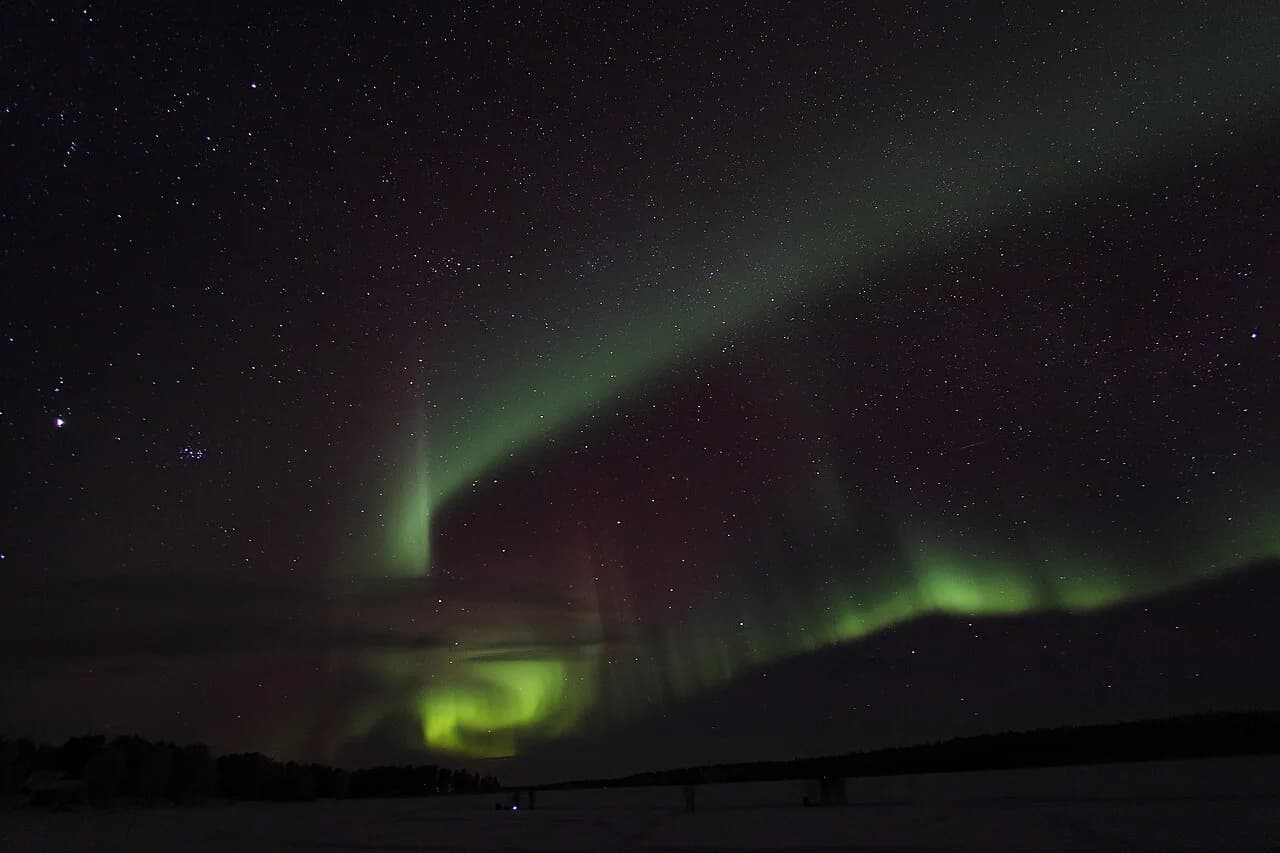
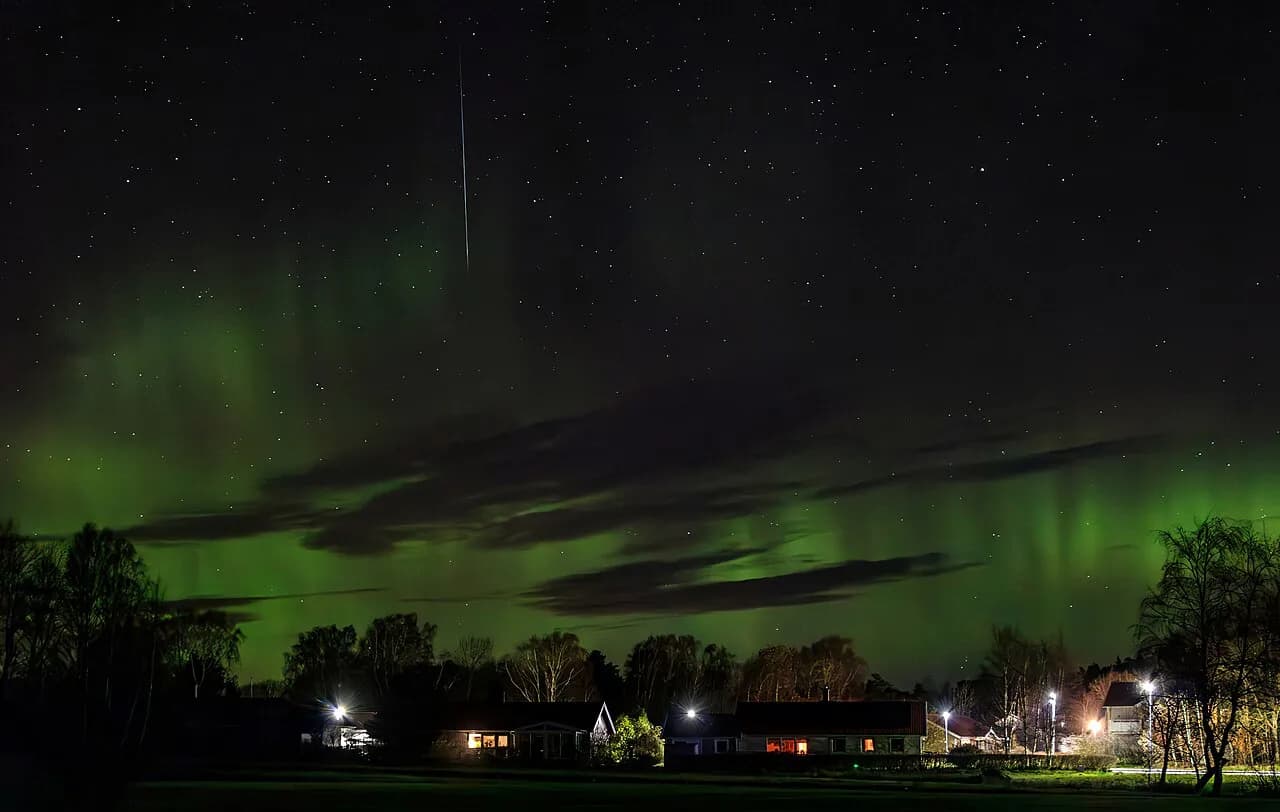
The aurora concentrates along the auroral oval, a ring around the magnetic pole that passes over northern Scandinavia and across Iceland. Finnish Lapland, Swedish Lapland and Iceland all sit under or near that band, which is why they feature among the best places to see northern lights in Europe during winter. Locations far north of the Arctic Circle, such as Kilpisjärvi, Utsjoki and Inari, benefit from both the oval's position and very low light pollution.
Being under the oval means you do not need a large geomagnetic disturbance to see something; modest activity can produce a visible arc in northern Finland, and the strongest displays come from larger solar storms. Kp is a global index, so treat it as guidance on how far south the aurora might reach rather than a switch that turns the lights on at your location. A Kp Index Explained reference is useful when you start reading forecasts, because local conditions and cloud still decide what you actually see.
Daylight hours in January in Finnish Lapland, Swedish Lapland and Iceland
Northern Finland in January stays dark for most of the day, with roughly 20 hours of darkness in the far north, which leaves only a short window of twilight around midday for snowshoe walks, husky visits or driving between bases. That shortage of daylight is January's central trade-off: you gain aurora hours and lose the long bright days that February and March bring. Plan daytime activities tightly rather than hoping to fit several in.
Iceland sits just south of the Arctic Circle, so its January days are longer than Finnish Lapland's but still short, with daylight compressed into a few midday hours. Swedish Lapland, based around Abisko and Kiruna, sits at similar latitudes to northern Finland and shares the same pattern of long nights and brief twilight days. Wherever you go, daytime excursions happen in a narrow block, and aurora watching fills the rest.
Typical temperatures, snow cover and cloud patterns in January
In northern Finland January temperatures often range from about -10°C to -25°C, with colder spells during clear nights, so the aurora-viewing hours are the coldest of the trip. Snow cover is reliable and landscapes stay white through the month, which keeps the ground bright even in near-total darkness. Operators that run night safaris typically lend thermal suits for exactly this reason.
Cloud is the variable that decides whether a dark night is any use, and it differs by location. Inland forest bases in Finnish and Swedish Lapland often sit under clearer, colder air than the coast, which is why an inland base can outperform a more dramatic coastal setting for aurora viewing. Iceland's weather arrives off the Atlantic, so a dark January night there can still be overcast; travelers who choose Iceland should expect to move between locations looking for gaps in the cloud.
Iceland's January temperatures are moderated by the ocean and typically milder than inland Lapland's, though wind makes the cold feel sharper. Snow can be patchy at lower elevations around Reykjavík and more reliable inland and in the north. If deep cold and dependable snow are part of the appeal, Finnish or Swedish Lapland fits better than the Icelandic coast.
When in the night aurora activity peaks
In northern Finland the aurora can appear at almost any dark hour in January, roughly from mid-afternoon until well into the following morning, with the statistical peak usually between about 10:00 PM and 1:00 AM, when the midnight sector of the oval passes overhead. Early-evening displays around 6:00-9:00 PM do occur and suit families who would rather not stay out through the coldest hours.
The practical consequence is that a guided night tour need not run until dawn to be worthwhile, and a glass-roofed room lets you watch from bed and step out only when something appears. In Lofoten, under average conditions, the lights commonly first appear around 20:00-21:00, which illustrates that early evening is a realistic target across the Nordic north rather than a consolation prize.
Finnish Lapland in January: Saariselkä, Ivalo, Inari, Utsjoki and Kilpisjärvi
Finnish Lapland gives you the closest thing to a purpose-built aurora region, with Ivalo's airport, the resort village of Saariselkä and the villages of Inari and Utsjoki strung along the north. The Ivalo and Saariselkä area combines wilderness access with hotels and restaurants, while Kilpisjärvi and Utsjoki push further from light pollution at the cost of longer transfers. Choose Saariselkä if you want amenities within walking distance and Ivalo if airport convenience matters most.
Inari works well as a base for travelers who want village services beside open frozen lake terrain, and the surrounding forests give dark horizons in most directions. Utsjoki and Kilpisjärvi suit those who accept limited facilities in exchange for remoteness and minimal artificial light. Reaching these northern bases usually means flying to Ivalo or Rovaniemi and continuing by road, with direct bus transfers available to some resort yards.
Swedish Lapland in January: Abisko and Kiruna
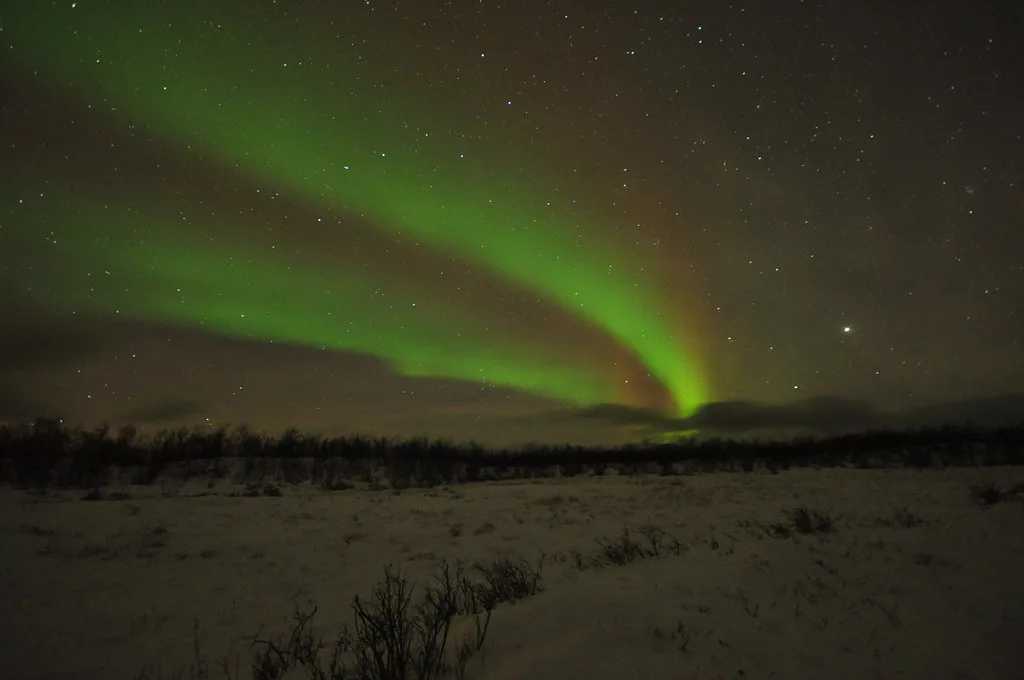
Swedish Lapland's aurora bases are compact: Abisko sits in a mountain valley beside a national park, and Kiruna provides the regional airport, ice hotel and city services. Abisko's reputation rests on its inland position and the dry air that often accompanies it, and dark viewpoints are reachable on foot from the village. Kiruna is the more practical base if you want restaurants and transport, with aurora excursions leaving from town.
The Torne River valley links Kiruna with the wider region and gives access to snow-covered river ice and forest, both of which make strong foregrounds for photographs. January here means deep cold and short days, with the same long dark window as northern Finland. Travelers choosing Swedish Lapland usually trade a bit of village bustle for mountain scenery and straightforward road access to dark sites.
Iceland in January: dark skies against coastal weather
Iceland's January advantage is darkness combined with manageable distances: you can drive between very different landscapes in a single day and look for clear sky wherever it appears. Its disadvantage is Atlantic weather, since cloud and wind can shut out the aurora for stretches even in the darkest week of winter. Treat Iceland as a landscape and weather-chasing trip rather than a guaranteed aurora base.
For the best odds in Iceland, get away from Reykjavík's light dome and head inland or north, and keep plans flexible enough to move when forecasts improve. The Icelandic Met Office publishes cloud and aurora forecasts that are worth checking daily. A short January trip to Iceland can succeed, but it rewards travelers who accept that some nights will be cloudy.
Glass igloos, aurora cabins and panorama suites
Glass igloos and panorama suites are designed around watching from indoors: glass ceilings and panorama windows give a view of the sky from bed, and properties in northern Lapland pair them with a restaurant and sauna so you can wait out the evening in comfort. Aurora Queen Resort near Saariselkä runs glass-ceiling igloos and a panorama sauna suite, with a sauna, fitness room and restaurant on site—amenities that matter when nights are long and cold.
Understand the trade-offs before paying for glass. Heated glass rooms can condense or frost in extreme cold, and interior lighting inside the igloo cuts your view of faint displays, so keep lights low when you are watching. Rooms facing away from the northern horizon see less, and a glass roof is no substitute for a clear sky. If you are comparing properties, an aurora hotel shortlist helps you weigh glass roofs, cabin style and location against each other.
Cabin and ice-hotel options run alongside igloos in Finnish and Swedish Lapland, often with shared saunas and restaurant meals. An ice hotel stay is more about the experience than the aurora, since ice rooms offer no sky view and most guests sleep one night in the cold rooms and the rest in warm ones.
Self-guided chasing versus a guided aurora hunt
Driving yourself gives freedom to follow clear-sky forecasts, but January roads in Lapland and Iceland demand real winter-driving experience, and a rental car adds cost and risk. A guided aurora hunt removes that burden: operators know local dark sites and usually lend thermal suits, and some resorts run minivan hunts from their own yard. Choose self-guided if you are confident on snow and ice and want to chase; choose a guide if you would rather not drive at night in deep cold.
With a guide, ask where they go, how long they stay out, how many people share the vehicle and whether photos are included, because these details vary widely between operators. A short drive to a dark site can matter more than a long one, and a guide willing to wait for a gap in the clouds is worth more than an itinerary with fixed stops. Neither approach can manufacture a display.
Husky, reindeer and snowmobile safaris that fill the January days
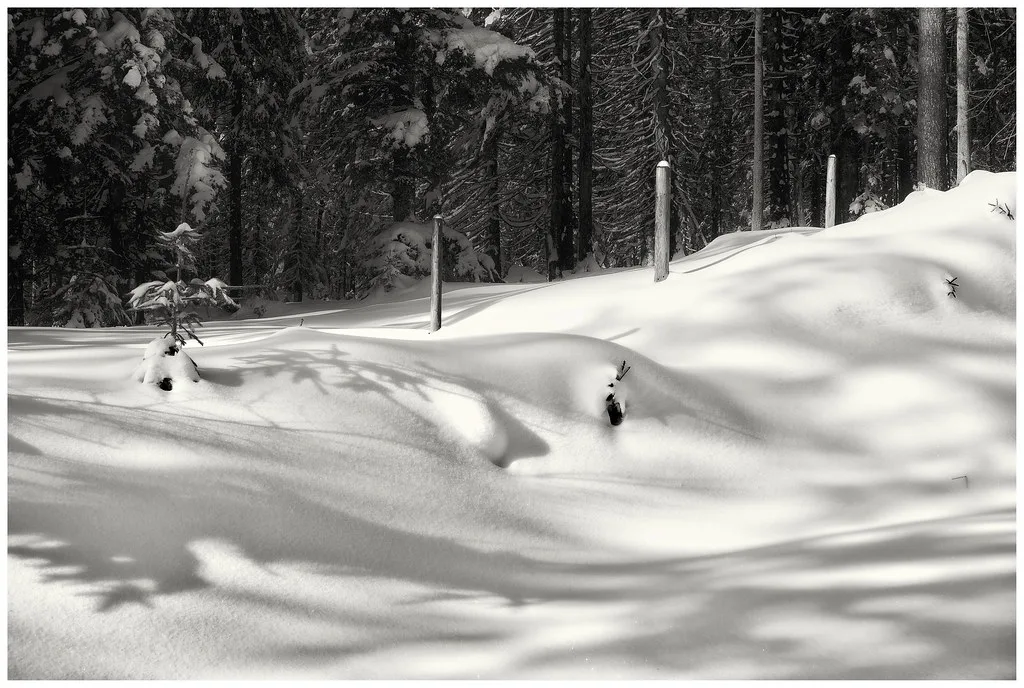
With so few daylight hours, January activities cluster in the same short block around midday, so book one main excursion per day rather than several. Husky safaris and reindeer sled trips fit naturally into the twilight and often include a stop in a warm tent, while snowmobile tours cover more distance in the limited light. Aurora Queen Resort runs husky, reindeer, snowmobile, snowshoe and ice-fishing activities from its base, which lets you schedule around the dark hours.
If you only have time for one non-aurora activity, a husky safari is hard to beat for the sense of moving through the winter forest, and it pairs well with an evening aurora hunt. Snowshoe hikes suit travelers who want quiet and independence at a lower cost. Confirm meeting times and pickup points when you book, since daylight is short and schedules tighten.
How many nights to plan for a fair chance of clear skies
One night is always a gamble, because a single cloudy evening can hide even a strong display. Four to five nights on the ground give you repeated chances across different weather and make a short trip to Iceland or Lapland far more worthwhile than a two-night dash. If you are limited to a weekend, choose an inland base with more stable winter skies and treat the aurora as a possibility.
More nights also let you use a poor forecast productively: sleep, take a sauna, or drive to a clearer area the next evening. A week starts to feel generous, especially if you want daytime excursions as well. There is no night count that guarantees a sighting, so build a trip you would still enjoy if the sky stayed shut.
January costs, crowds and the trade-off with February and March
January sits in the heart of the aurora season, with demand peaking around the turn of the year and easing after the New Year holiday. Prices and availability vary by property and date rather than following a fixed rule, so compare rates directly with the resort or through the booking page you plan to use. What January reliably offers is darkness; what it lacks, compared with February and March, is daylight.
February and March bring noticeably longer days, milder temperatures and snow that holds, which makes daytime activities easier while keeping nights dark enough for the aurora. If you want daylight for skiing or longer excursions as well as aurora chances, those months are the better balance. If the aurora is the entire reason for the trip, January's extra dark hours are worth the cold.
Reading forecasts: Kp values, cloud maps and solar activity
Forecasts work in two layers: a geomagnetic forecast, often expressed as a Kp value, tells you how disturbed the field is expected to be, while a cloud forecast tells you whether you will see anything at all. Kp is a planetary index and not a local guarantee, so a low value does not rule out an overhead display in northern Lapland, and a high value is useless under thick cloud. For background on how the aurora forms, what are the northern lights covers the solar wind and the oval in plain terms.
Practical habit: check the cloud and aurora forecast for your exact location each afternoon, then decide whether to stay put or drive, and be ready to go outside on short notice. The Finnish Meteorological Institute and the Icelandic Met Office both publish aurora and cloud guidance for their regions. Norwegian sites are no better than these for Lapland or Iceland, so rely on the country you are actually in.
Plan Your January Aurora Trip
Choose Finnish Lapland for the deepest dark window and the most established aurora infrastructure, Swedish Lapland for mountain scenery around Abisko and Kiruna with easy road access to dark sites, and Iceland if you want dark skies paired with dramatic coastal landscapes and can accept unsettled weather. This January comparison between Finland and Sweden also depends on how each country handles its long winter nights, so a look at the northern lights in Swedish Lapland can help you weigh Abisko's inland climate against Finnish Lapland's bases. Whichever you pick, base yourself inland where the air is clearer and keep your itinerary flexible enough to chase gaps in the cloud.
Book four or five nights, plan one daytime excursion per day because daylight is short, and set expectations around winter rather than a promise of lights. A guided hunt or a glass-roofed room makes waiting comfortable, and a sauna or restaurant on site turns a cloudy evening into a good one.
Frequently Asked Questions
Where is it best to see the Northern Lights in January?
Northern Finland around Saariselkä, Ivalo, Inari and Utsjoki offers the deepest January darkness and an inland climate with many clear, cold nights, while Swedish Lapland around Abisko and Kiruna offers mountain scenery and easy access to dark sites. Iceland can deliver strong aurora nights away from Reykjavík but carries more coastal cloud risk. Travelers who want the best odds should choose an inland base under the auroral oval and stay several nights.
How many nights should I plan for a January aurora trip?
Plan four to five nights at minimum, because any single night can be clouded out even when geomagnetic activity is high. A week gives you room for a poor-weather evening and still leaves time for daytime activities in the short January daylight. No number of nights guarantees a display, so choose a trip you would enjoy even if the sky stays shut.
What time of night do the Northern Lights appear in January?
In northern Finland the aurora can appear through a very long dark window in January, with the statistical peak usually between about 10:00 PM and 1:00 AM when the midnight sector of the auroral oval passes overhead. Early-evening displays around 6:00-9:00 PM also occur and are easier for families. In Lofoten, under average conditions, the lights commonly first appear around 20:00-21:00, so early evening is a realistic target across the Nordic north.
How cold is Finnish Lapland in January?
Temperatures in northern Finland commonly range from about -10°C to -25°C in January, with colder spells on clear nights when aurora watching is best. That is why night tours usually lend thermal suits, though you still need your own warm layers. Check the forecast for your exact base before you travel, since conditions vary between Inari, Saariselkä, Utsjoki and Kilpisjärvi.
Can you see the Northern Lights in Iceland in January?
Yes, Iceland sits near the auroral oval and January gives long dark nights, so displays are possible. The limiting factor is Atlantic cloud, and the weather can be overcast for stretches even in the darkest week of winter. Improve your odds by getting away from Reykjavík's light pollution, heading inland or north, and staying flexible enough to move when the cloud and aurora forecasts improve. The Icelandic Met Office publishes daily cloud and aurora guidance.
Is January better than February or March for aurora viewing?
January offers the longest dark window of the winter, so there are more hours in which a display could appear, and it usually has the coldest nights. February and March bring longer daylight and milder temperatures, which makes daytime activities easier while nights remain dark enough for the aurora. Choose January if the aurora is your only goal and you can handle the cold, and consider February or March if you want a balanced trip.
Sources
Notes for your Arctic winter trip
Optional updates to our northern lights guides.
You might also like
Continue reading
More guides you'll find useful