Reykjavik in Winter: What to See and Do in Iceland
Plan Reykjavik in winter for northern lights: dark nights, short daylight, city viewing spots and tours, Sky Lagoon, Christmas markets and nights to allow.
On this page
Reykjavik packs an unusual amount into a small winter base: a walkable centre, a harbour, heated pools and lagoons, and dark coastline only a short drive from the hotel district. It suits travelers who want a real city alongside their aurora nights, and who accept that cloud and city glow are part of the deal. The trade-off is obvious — you gain comfort and options, you lose some darkness.
Why Reykjavik works as a winter aurora base
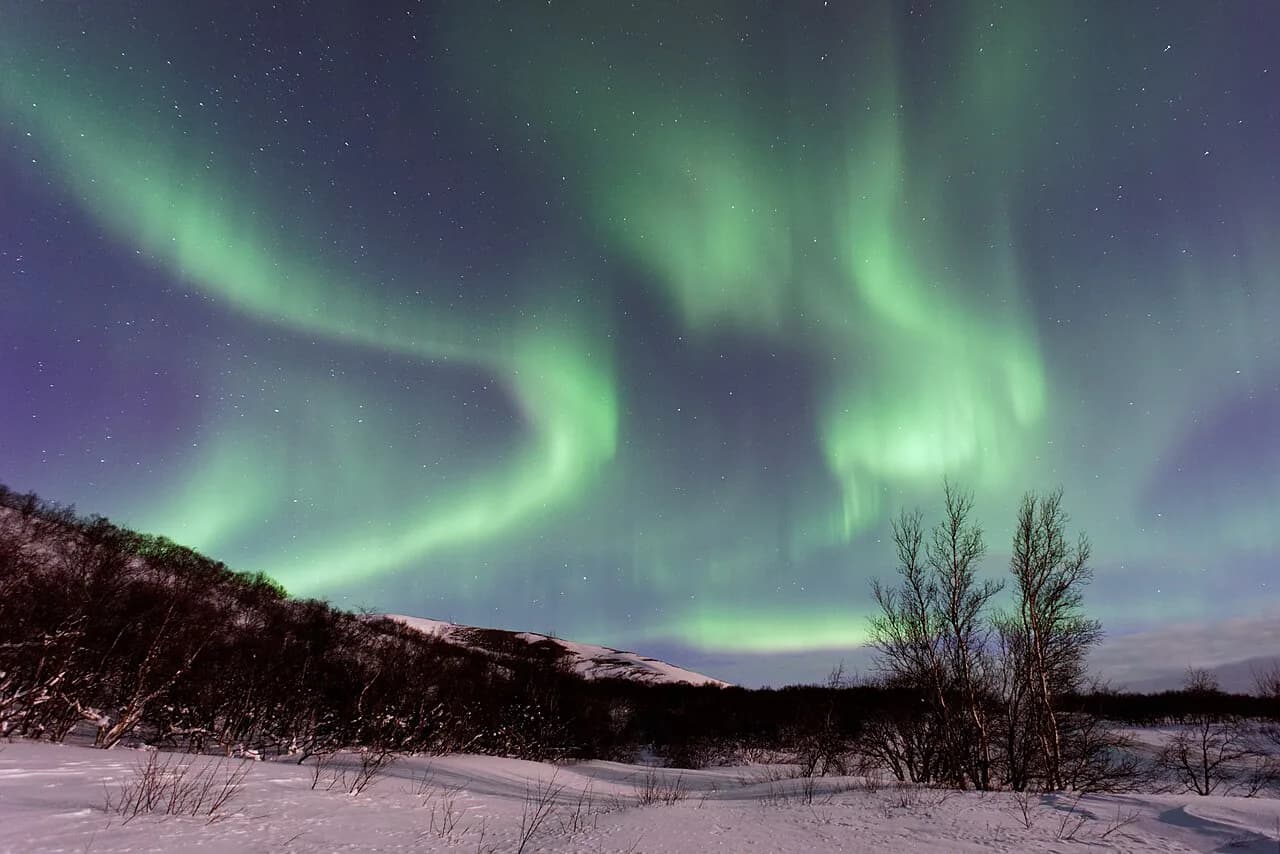
Reykjavik sits far enough north that winter nights are long, and from late autumn through early spring the sun stays low or below the horizon for many hours. That long dark window matters more than any single statistic: aurora displays need darkness, clear sky and solar activity, and the capital's winter reliably supplies the first. Treat Kp forecasts as guidance only and plan around cloud rather than around a number.
The city is also a practical hub. Keflavík airport handles arrivals, the centre is compact enough to walk, and tour operators collect guests from hotels and guesthouses for nights out of town. That makes Reykjavik a sensible place to spend two or three nights between excursions rather than a single rushed stop.
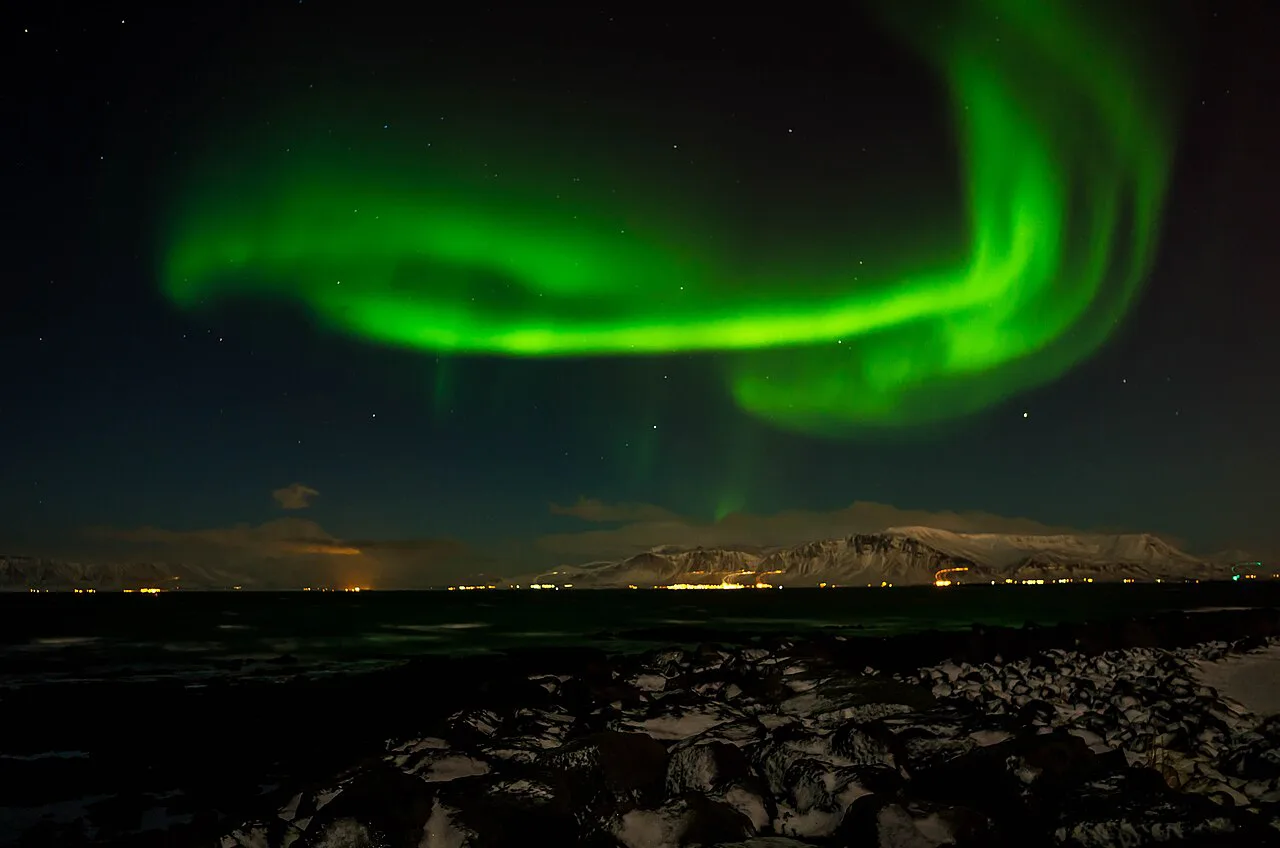
Light pollution is the trade-off you have to plan around. The centre glows throughout the evening, so a forecast-driven aurora will rarely look dramatic from Laugavegur or Hallgrímskirkja; travelers who want dark sky should either book a tour that drives away from the city or use a car to reach the coast and heathland outside town.
When the aurora season runs and how short the days get
Aurora season in Iceland runs roughly from late August or September into early April, when nights are dark enough for displays. Midwinter is the darkest period but also the cloudiest in many years, while the equinox months often bring a better mix of dark nights and clearer weather. No month guarantees a sighting, and the honest planning approach is to give yourself several nights rather than bet on one.
December daylight is short: expect only a few usable hours of light around midday, which compresses sightseeing into a narrow window. The upside is that darkness returns early, so an afternoon excursion can end with a dark-sky drive home. Build your city days around daylight and reserve evenings for aurora plans rather than the other way round.
December in the city: Christmas markets, the ice rink and the Oslo tree
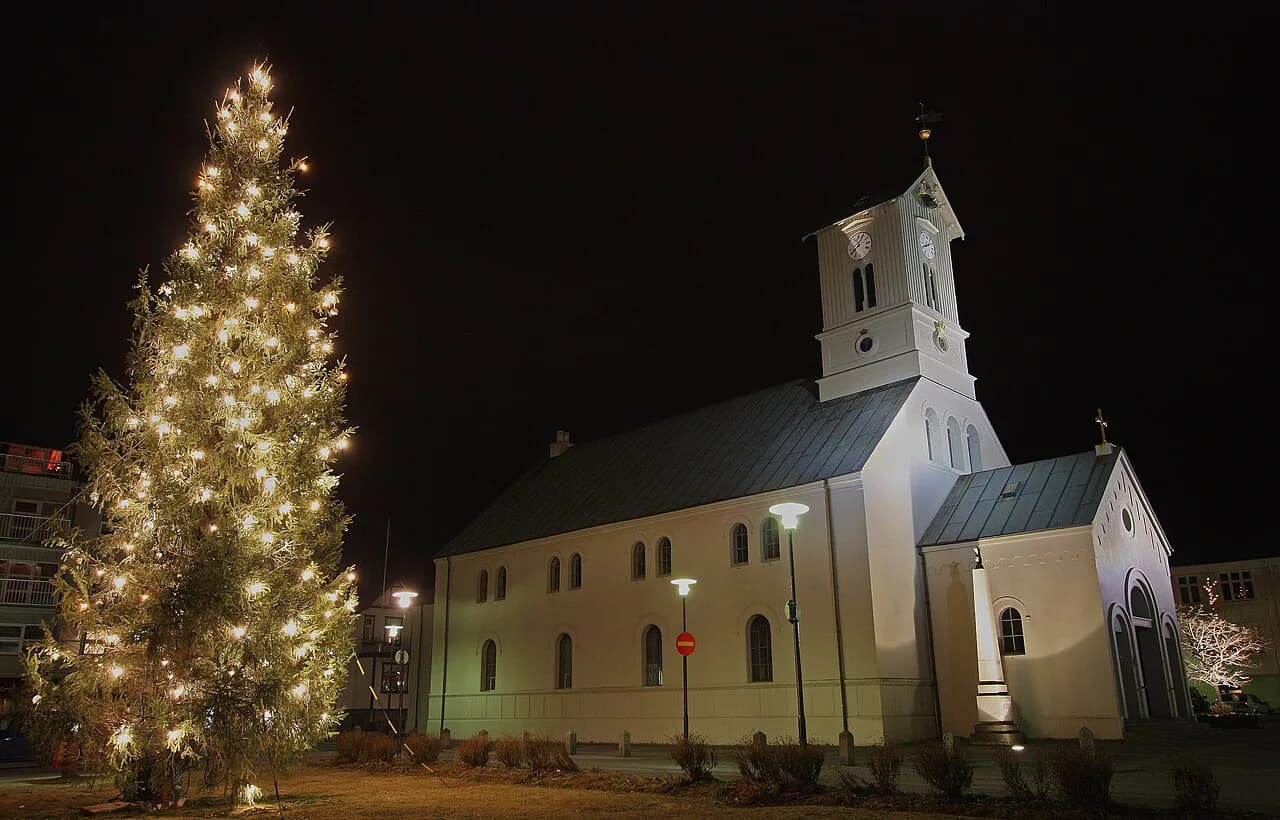
December turns central Reykjavik into a Christmas city, with lights strung through the streets and a programme of events in the centre and beyond. From 15 December many stores stay open daily until 22:00, which makes evening browsing realistic after a day out of town. An ice rink and Christmas village at Ingólfstorg square, together with the Oslo tree on Austurvöllur, anchor the festive heart of the centre.
The Hjartatorg Christmas market is scheduled for 5–6 December, 12–13 December and 18–23 December, with small retailers selling gifts and groceries. Elsewhere in the city, the Christmas Village in Hafnarfjörður combines live entertainment, visits from the Icelandic Yule Lads and small houses selling design, craft and hot drinks. Families with children tend to get the most out of these; travelers focused purely on aurora may prefer to keep their evenings free for tours.
Other traditions fill out the month: the Christmas Creatures appear at the Reykjavík Art Museum Hafnarhús and City Hall from 1 December, Árbær Open Air Museum runs a Christmas programme, and Laugardalur hosts a decorated Christmas Valley for families. A Christmas market in the Heiðmörk woods on the edge of the city generally opens on Advent weekends.
New Year's Eve is the city's loudest night, with residents setting off fireworks across the capital. It is spectacular but not a dark-sky experience, so if aurora is your priority, treat the holiday as a bonus rather than the core of the trip.
Where to watch near town
Within the city, the best you can do is reduce glow: the shoreline paths toward Seltjarnarnes and the Grótta lighthouse area look out over open sea and dark water, and the Öskjuhlíð hill and Elliðaárdalur valley offer pockets away from street lighting. These are convenient for a quick look when a forecast brightens, but they remain inside a lit capital.
For a genuine dark sky, you need to leave the built-up area. Heading east along the south coast or north toward Esja and the heathland behind it removes most light pollution within a short drive, provided road conditions allow. Travelers without a car should book a tour rather than improvise a night walk on unlit roads.
Check road conditions before any self-drive aurora night. Iceland's winter weather can close roads with little notice, and the value of a guided tour is partly that someone else watches the forecast and the roads while you watch the sky.
Aurora tours from Reykjavik versus self-driving
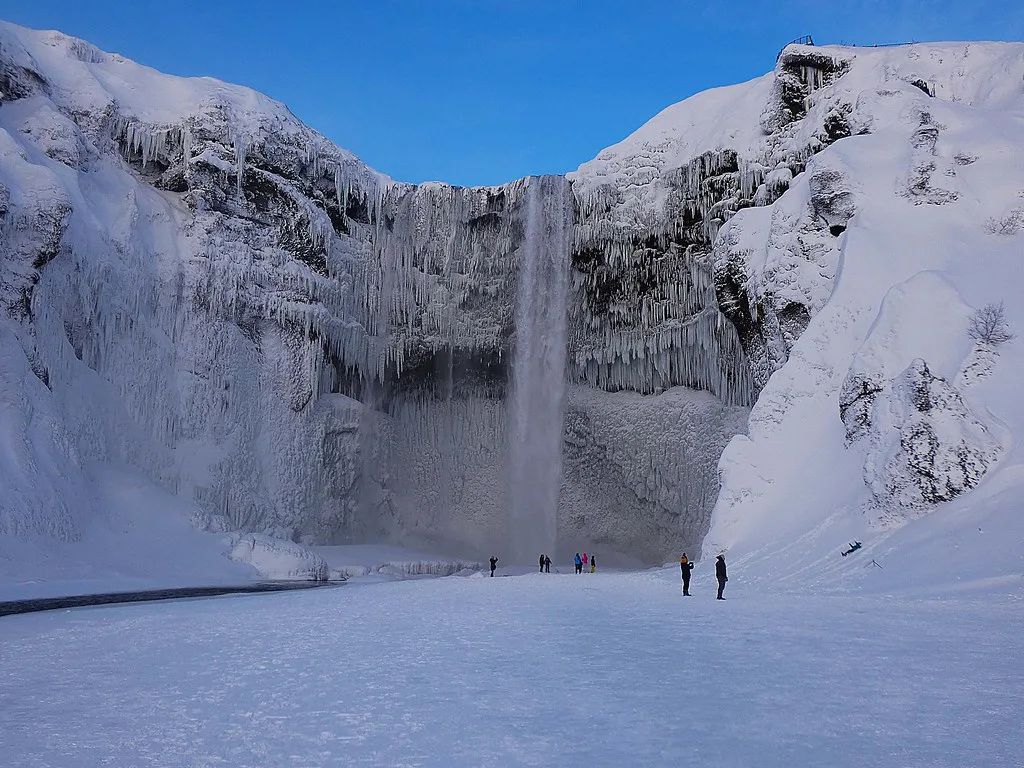
Most operators run evening minibus or coach tours from Reykjavik, collecting guests from accommodation and driving out to wherever the clearest sky is forecast. Guides typically include transport, commentary and hot drinks, and many lend thermal suits for the night, though the details vary by operator. Group sizes range from small minibuses to full coaches — ask before booking if you want a small-group night.
Self-driving gives you freedom to chase a clearing sky and to stop where you like, but it means navigating unlit roads, winter surfaces and the risk of sudden closures after a long day. Travelers who are not confident on winter roads, or who plan to enjoy the city's bars and restaurants, are usually better off on a tour. Reserve tours for your first nights so a cancelled or cloudy outing can be rebooked later in the trip.
Sky Lagoon and warm-water evenings
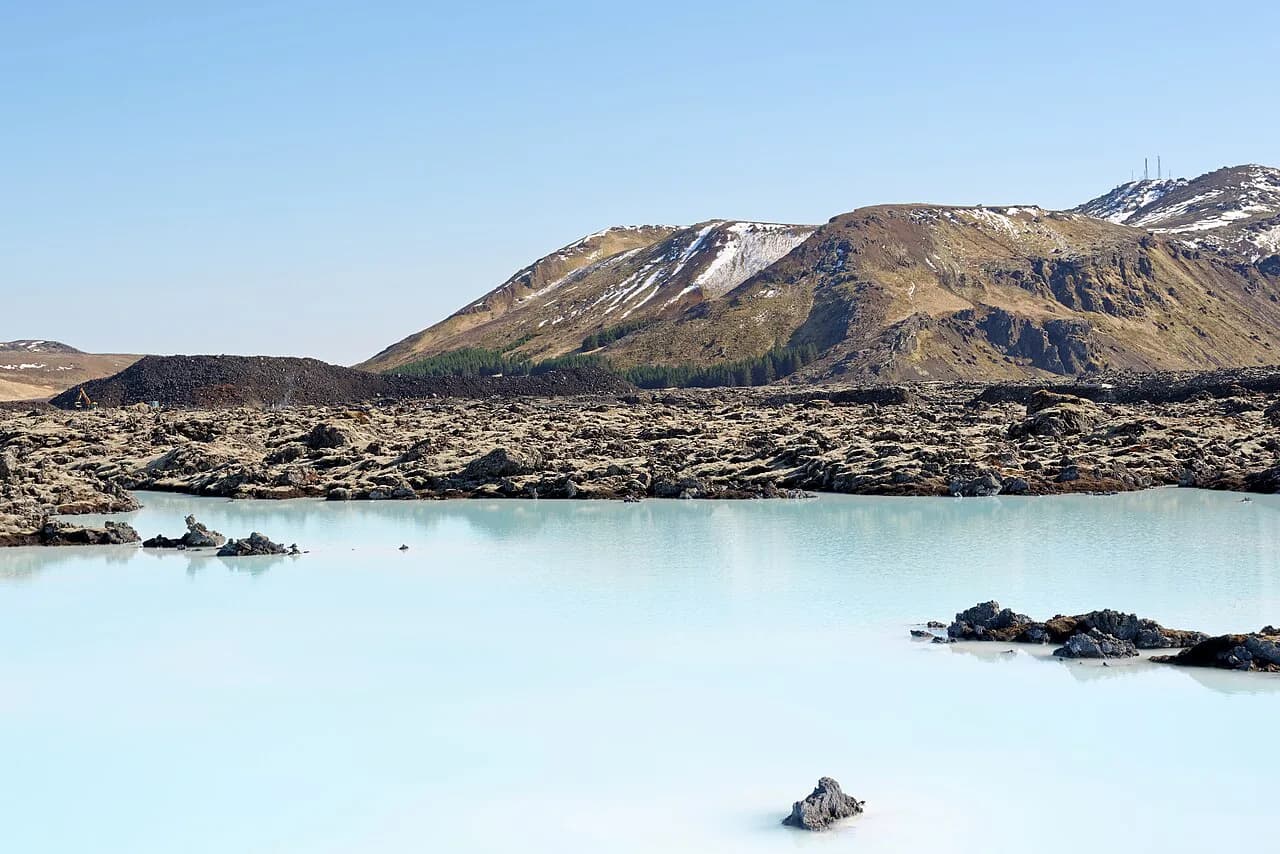
A geothermal soak is the classic counterweight to a cold night out. Sky Lagoon sits on the edge of the North Atlantic near Reykjavik and pairs an infinity-edge pool with a seven-step spa ritual; booking a late slot after a tour works well because you are already cold and awake. The city's public pools are a cheaper, more local alternative if you simply want hot water before bed.
If your winter plan includes a longer loop, the Secret Lagoon in Flúðir on the Golden Circle route makes a natural daytime stop with naturally heated water and a quieter setting than the city spas.
How many nights to plan for a fair chance of clear skies
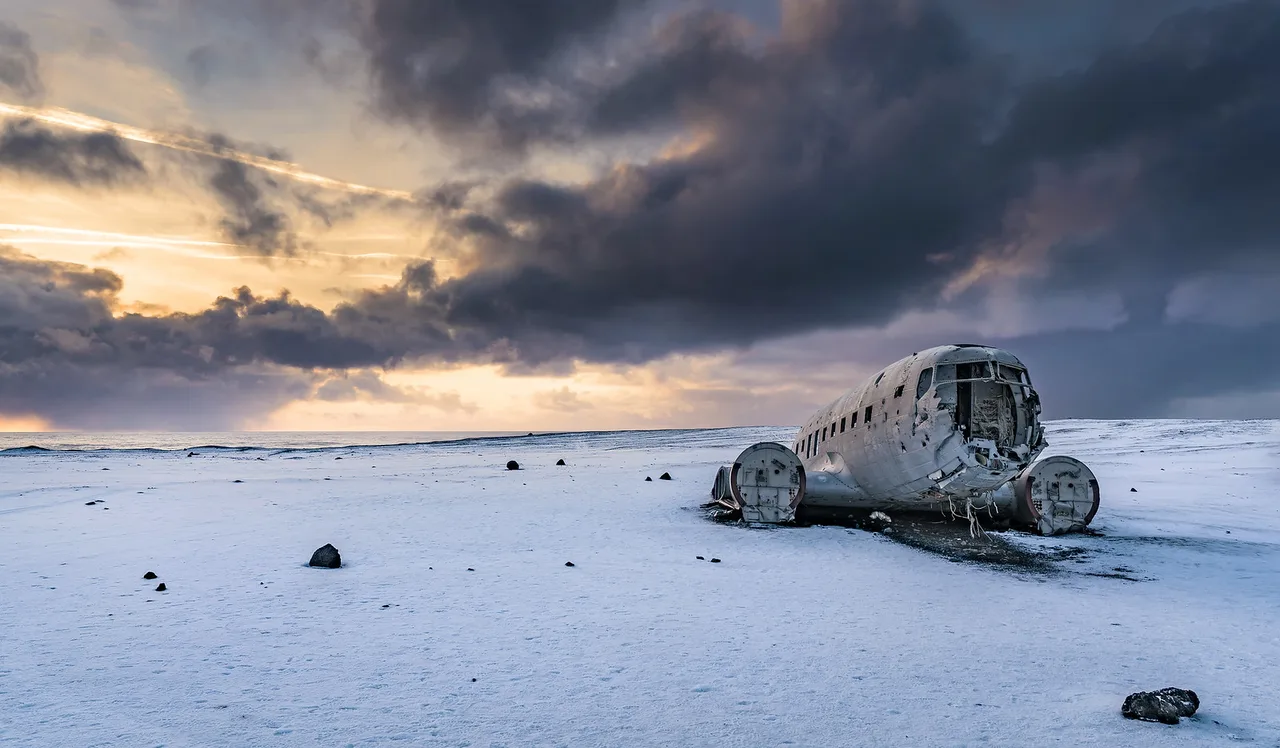
Cloud is the variable you cannot control, so nights are your main lever. Four to five nights in and around Reykjavik gives you several independent chances and room to rebook a cancelled tour; two nights is a short bet that often ends in cloud. If aurora is the purpose of the trip, weight your stay toward nights rather than additional daytime excursions.
A sensible structure is to keep your first and last nights flexible, book one guided tour early, and leave one evening open for a self-drive chase or a second tour if the forecast improves. Short daylight in December makes this easy: sightseeing fits into a few hours, and the long evenings belong to the sky.
Reykjavik versus heading inland or to the south coast
The south coast and the interior give you darker skies and, in the case of places like Vík, a coastal setting with less urban glow, but they come with fewer hotels, longer transfers and more weather exposure. Reykjavik wins on comfort, food and tour choice; the countryside wins on darkness. Many travelers split a week between the two rather than choose. For a northern base with dark skies and easy tour access, compare this with the northern lights in Akureyri.
Wherever you base yourself, remember that a display depends on solar activity and clear sky at the same time. No operator, hotel or forecast can promise that combination, and any guide who does is selling rather than informing. Choose your base for the trip you want and treat aurora as the reward when conditions line up.
Plan Your Visit
Reykjavik is a strong winter base for travelers who want aurora chances without surrendering city comforts: dark nights, easy tours, Christmas markets in December and geothermal water at the end of the evening. Accept the light pollution and short days, plan several nights, and leave room to chase a forecast.
For broader aurora planning across the country, including season and viewing guidance, see the northern lights in iceland.
Frequently Asked Questions
Is Reykjavik a good place to see the northern lights?
It can be, because winter nights are long and tours leave the city for darker skies. The centre itself is bright, so plan to travel out of town or book a guided night rather than expect a display over the rooftops.
How dark does it get in Reykjavik in winter?
In midwinter the sun stays low and daylight lasts only a few hours, so nights are long. Street lighting keeps the city centre bright, which reduces what you can see from the streets.
How many nights should I spend in Reykjavik for a chance of aurora?
Four to five nights gives you multiple independent chances and room to rebook a cancelled tour. Two nights leaves little margin for cloud.
Is it worth booking a northern lights tour from Reykjavik?
For most travelers, yes. A tour handles transport, forecasts and winter roads, which is valuable on a dark night, while self-driving suits confident winter drivers who want flexibility.
What happens in Reykjavik in December?
The city runs a Christmas programme with lights, markets, an ice rink at Ingólfstorg and the Oslo tree on Austurvöllur. The Hjartatorg market is scheduled for 5–6, 12–13 and 18–23 December, and many stores stay open until 22:00 from 15 December.
Sources
Notes for your Arctic winter trip
Optional updates to our northern lights guides.
You might also like

Continue reading
More guides you'll find useful