Yule Lads Guide: Iceland's 13 Christmas Trolls
The 13 Icelandic Yule Lads arrive one by one from 12 December, each named for a food theft. Here is who they are, when they come and where to meet them.
On this page
Iceland's Christmas runs on thirteen troll brothers known as the Yule Lads, or jólasveinar, who come down from the mountains one per night in the run-up to Christmas rather than arriving in a single sleigh. In the modern version they leave small gifts in shoes placed on windowsills and a potato for children who misbehaved, but their names still read like a list of kitchen crimes: Spoon-Licker, Sausage Swiper, Candle Beggar. If you are in Iceland in December for the dark evenings and the northern lights in iceland, the lads are the folkloric thread that ties the whole month together.
The lads suit families with children who want a December trip with a story attached, folklore readers, and winter travelers who would rather build a trip around places and characters than around a resort. None of them requires a ticket to enjoy, and the folklore travels with you from Reykjavík to Lake Mývatn. Use them as the spine of a short December itinerary and fill the dark hours around them.
Who the Yule Lads are and why Iceland has thirteen of them
The Yule Lads are troll brothers, the sons of the ogress Grýla, and they live in the mountains for most of the year before descending into human settlements over Christmas. Their image has been softened over the past century: older tellings cast them as thieving pranksters, while today they are usually drawn in red and white with beards and smiles, handing out presents rather than stealing food. Underneath the cuddly exterior, their names remain a catalogue of what they once took.
The canonical thirteen only became fixed in 1932, through a poem by Jóhannes úr Kötlum, and before that the names and the number of lads varied by region. That explains why older Icelandic sources list different sets and why the thirteen you see printed today look so tidy. When someone tells you there are twelve, or names a lad you cannot find elsewhere, regional variation is usually the reason.
For a December visit the practical takeaway is simple: the lads are a date-driven tradition, not an attraction with a single address. Knowing the order and timing lets you plan evenings around them and slot folklore into an itinerary built around short daylight and aurora-watching nights.
When the 13 Yule Lads arrive and leave between 12 December and 6 January
The first lad, Sheep-Cote Clod, arrives 13 nights before Christmas, on 12 December, and the last, Candle Beggar, on 24 December, the day Icelanders celebrate Christmas. Each brother stays among humans for thirteen days, so the first leaves on 25 December and Candle Beggar departs on 6 January, known as Þrettándinn, the Thirteenth. That thirteen-in, thirteen-out rhythm is the engine of the whole season, and it means a trip in the first half of December sees a different cast than one in the last week.
Treat the dates as a running order rather than a single festival day: the arrivals stack up through December, so by mid-month several brothers are in residence at once. If you want the fullest set, plan your stay for the second half of December when most of the thirteen have arrived and none has yet left. Early January still counts, because the later lads linger until the sixth.
The 13 Yule Lads in order, name by name, with what each one steals
Sheep-Cote Clod comes on the night before 12 December and harasses sheep; Gully Gawk follows on 13 December, hiding in barns to steal milk froth; Stubby arrives 14 December and takes pans to eat the crust left in them. Spoon-Licker on 15 December licks long wooden spoons, and Pot-Licker on the 16th steals leftovers from pots. It is a food-theft rogues' gallery rather than a gift list, and each name tells you exactly what to guard.
Bowl-Licker arrives 17 December and hides under beds for the askur, a lidded bowl used for meals, while Door-Slammer on the 18th simply bangs doors at night. Skyr-Gobbler comes 19 December for the Icelandic dairy skyr, Sausage Swiper on the 20th waits in the rafters for smoked sausages, and Window-Peeper on the 21st peers in to see what is worth taking.
Doorway-Sniffer arrives 22 December, his oversized nose seeking out laufabrauð, the thin fried leaf-bread baked only at Christmas. Meat-Hook on the 23rd uses a long hook to snatch whatever meat is on the counter, and Candle Beggar closes the run on 24 December by taking tallow candles from children, which once mattered in a country where candles were the winter reading light.
Grýla, Leppalúði and the Yule Cat: the family behind the brothers
Grýla is the lads' mother, a fearsome troll who according to the folklore comes down from the mountains at Christmas to hunt misbehaving children with a sack on her back. Depictions give her claws, a tail and hooves, and her favourite Christmas dish in the stories is naughty children boiled in a cauldron. She is a warning to children rather than a threat to visitors, and she anchors the older, scarier layer of the tradition.
Leppalúði is Grýla's husband and the lads' father, a lumbering, clumsy figure who does little beyond eating what Grýla cooks. The family pet is the Yule Cat, Jólakötturinn, a huge black cat with glowing eyes that prowls on Christmas night looking for people without new clothes and eats them or steals their food. The clothes rule is the reason Icelandic Christmas gifts so often include something wearable.
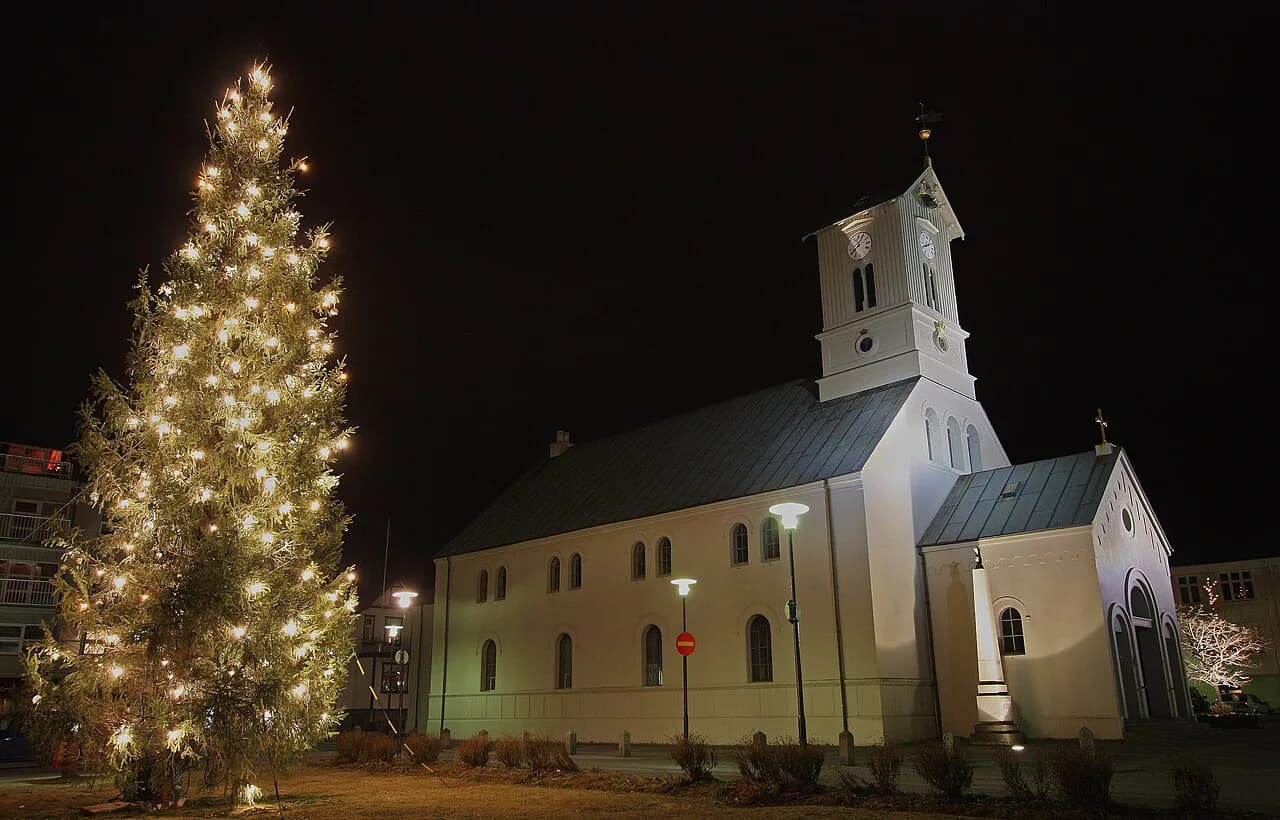
In Reykjavík the Yule Cat gets a public outing: a giant cat built from thousands of lights is installed in the city centre during the Christmas season each year. It is free to see and sits naturally on a December evening walk, when the city is already dark and lit up. Pair it with the city's other winter fixtures if you want an evening that does not depend on clear skies.
Why the lads started as thieves and now leave gifts in shoes
In older tellings the Yule Lads were dangerous pranksters, feared rather than welcomed, and only in the twentieth century did they begin leaving gifts. The swap from thief to gift-giver is itself part of the tradition, with the threat replaced by a potato for children who misbehave. Knowing that reversal makes the modern, smiling lads easier to read: they are reformed characters with a long record.
Today many Icelandic children place a shoe on the windowsill for the thirteen nights leading up to Christmas, and a new lad visits each night with a small gift and, for misbehaviour, a potato. Parents and caregivers quietly help the clumsy lads fill the shoes, which is the practical side of the custom for families traveling with children. Travelers can follow the same ritual, and a shoe on the hotel window is a harmless way to join in.
The lads are also a publishing and design phenomenon: English-born illustrator Brian Pilkington, who moved to Iceland in 1974, gave the brothers and Grýla the scruffy, characterful faces Icelanders picture today. His book on the Yule Lads is where many Icelandic families' visual version of the lads comes from, and it makes a useful primer before a December trip. If you want to recognise the characters on sight, read it before you fly.
Where the Yule Lads live the rest of the year: Dimmuborgir at Lake Mývatn
Most of the year the Yule Lads are said to hide in the lava formations of Dimmuborgir, in the Mývatn area of North Iceland, though some tellings simply have them in an unnamed mountain region. Dimmuborgir is a genuine lava-field landscape of pillars, arches and caves, otherworldly in both winter and summer. That makes it the one place where the folklore has an actual address you can walk through.
In December the lads are said to make Dimmuborgir their base, and the area hosts a Yule Lads show that families can visit with children of any age. The Mývatn region sits in North Iceland, a day's driving from Reykjavík on the Ring Road, so it fits naturally into a longer winter circuit rather than a day trip. If you are building the December trip around the folklore, Dimmuborgir is the anchor stop.
North Iceland in December also brings the short days and dark evenings that make aurora-watching possible, so a Dimmuborgir stop sits easily inside a northern-lights itinerary; if you are basing yourself further north instead, our Akureyri northern lights guide covers the same decision for the other main hub. Plan the folklore for daylight and the sky-watching for after dark.
Seeing the Yule Lads in person: Dimmuborgir and the National Museum
During the holiday season the lads appear at the National Museum of Iceland in Reykjavík, dressed in traditional clothes, where they play with children and entertain visitors. That gives you a city-centre option if you are based in Reykjavík and not driving north. For a family with small children, the museum visit is the simplest way to meet the characters.
Beyond those two, the lads turn up at celebrations around the country during the season, so local Christmas events are worth checking once you have your dates. The Dimmuborgir show and the Reykjavík museum appearance are the two fixed reference points. If you want to meet a specific lad, remember that his appearance is tied to his arrival date.
Pairing the folklore with dark December evenings and aurora nights
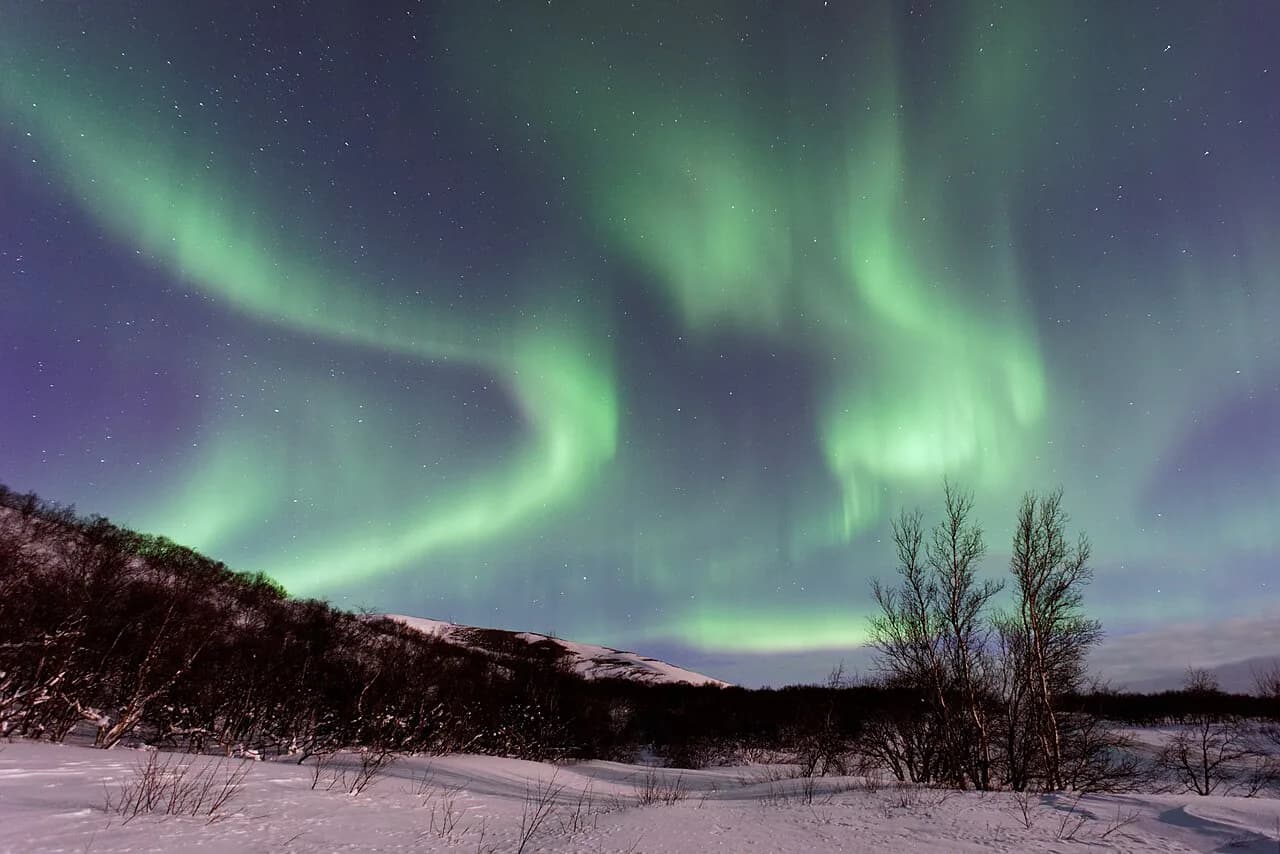
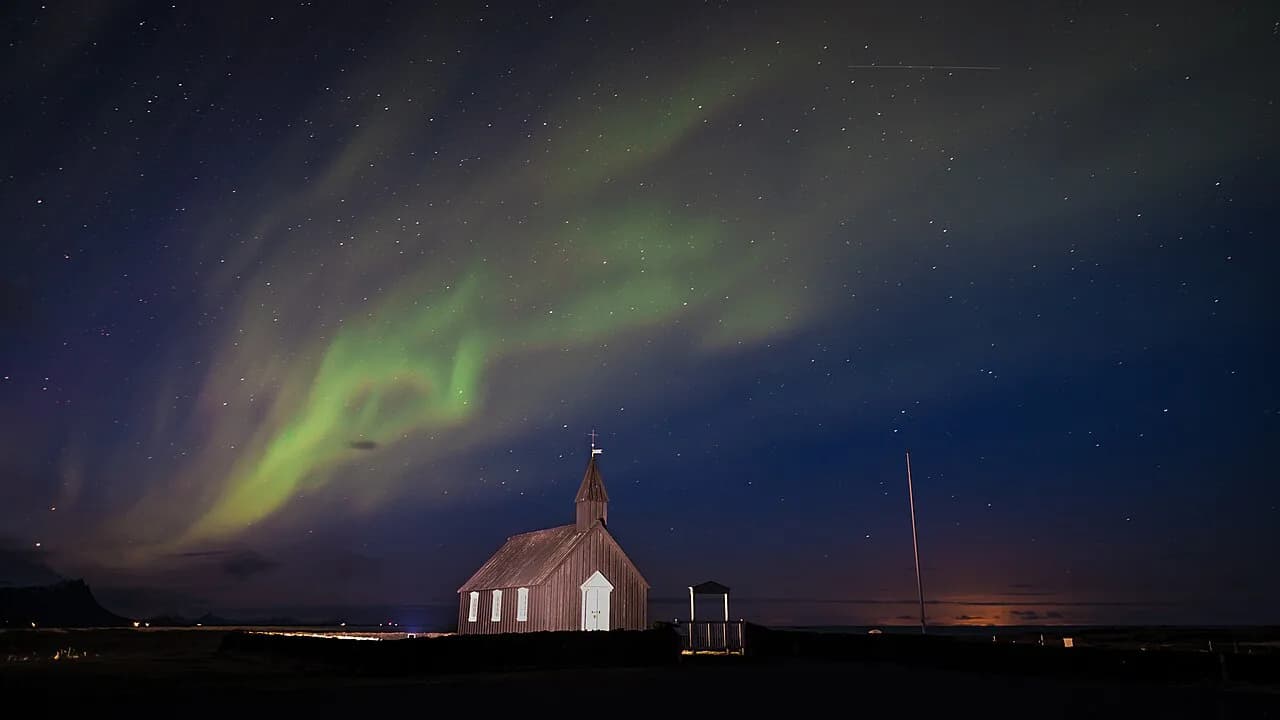
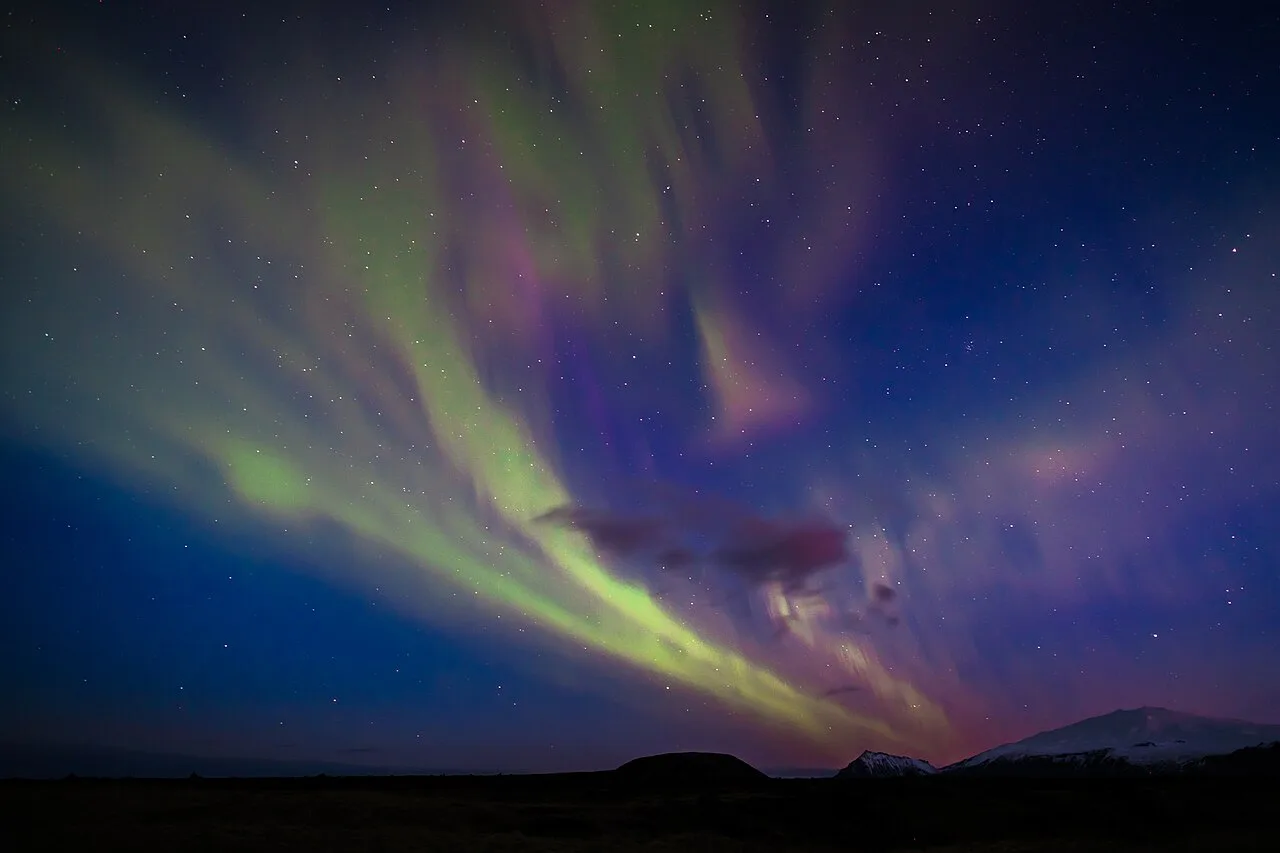
December delivers the darkest nights of the Icelandic year, which is exactly what aurora-watching needs, and the folklore gives those long evenings a shape. Around Christmas, Iceland gets only about four hours of sunlight a day, so daytime sightseeing is compact and the rest of the day belongs to indoor culture, food and the sky. Build the museum, the Yule Cat lights and the shoe ritual into the daylight and early evening, and keep the late hours free.
Sightings depend on solar activity and clear skies, and no folklore tip changes the weather, so plan several nights and treat any aurora as a bonus rather than a booking condition. Kp values are guidance only, and cloud cover usually decides the night. Give yourself three or more nights in one place so a clear window is more likely to fall inside your stay.
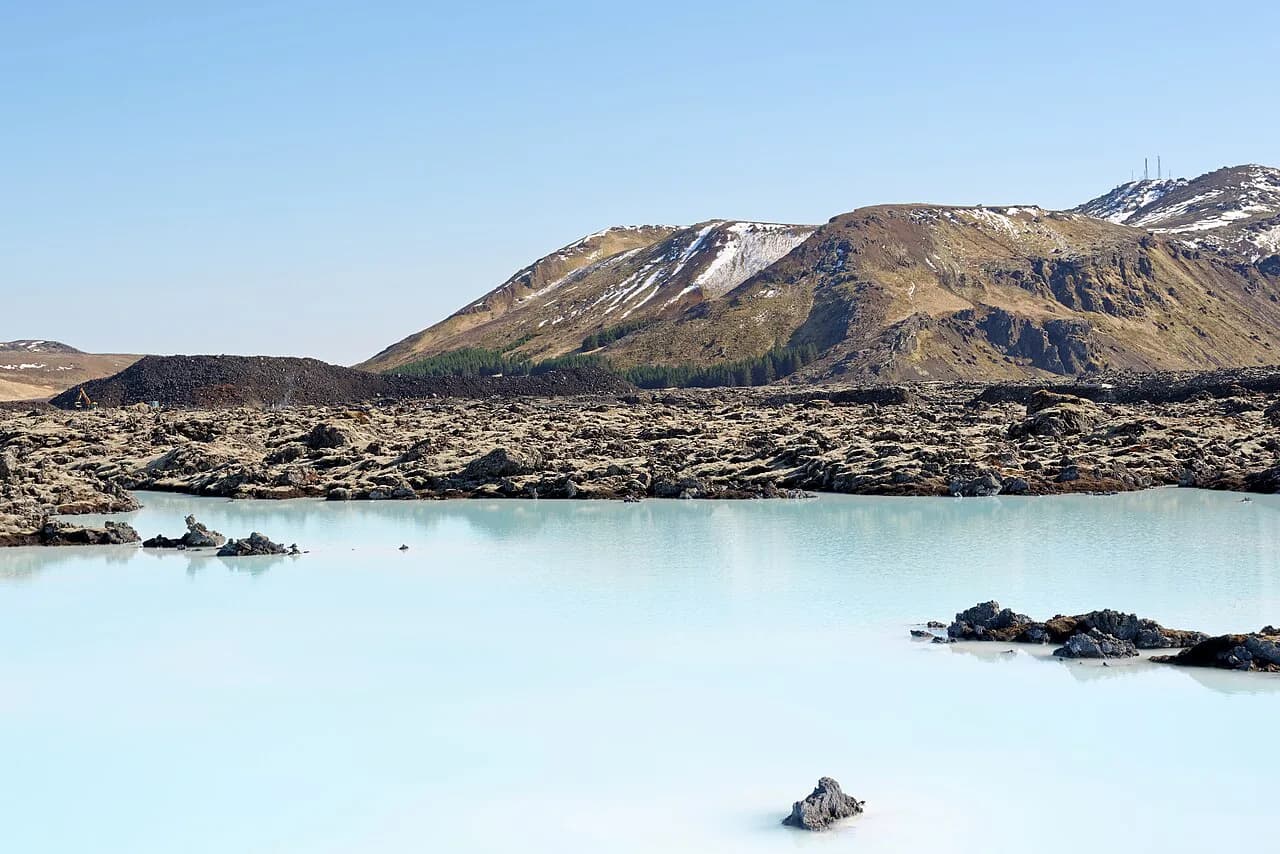
Geothermal bathing is the classic way to spend a dark December evening that does not depend on the sky, and the sky lagoon on the North Atlantic edge of Reykjavík gives you warm water, sea air and a horizon. If you are chasing clear skies out of the city, the best time to see the northern lights in iceland runs through these same dark months. Between folklore, hot water and a few clear nights, December fills quickly.
If you would rather have someone else do the driving and the cloud-reading, iceland northern lights tours run through the winter and take the guesswork out of a chase. They also leave your days free for Dimmuborgir, the museum and the Yule Cat lights.
Thirteenth Night: bonfires and parades that close the season
Þrettándinn, the Thirteenth, on 6 January, marks the end of the Icelandic Christmas season, when the last Yule Lad, Candle Beggar, leaves for the mountains. It is normally celebrated with bonfires and leftover fireworks, and in some towns with a parade of elves and trolls. If your trip runs into early January, this is the closing act of the whole Yule Lad cycle.
For travelers, it is a community event rather than a ticketed show, and it pairs well with a final dark evening before flying home. It also gives early-January visitors their own reason to be in Iceland after the New Year crowds thin.
Where to base yourself for a Yule Lads December trip
Reykjavík is the simplest base: the National Museum appearance, the Yule Cat light installation and the city's Christmas markets sit within a short walk or drive, and winter tours depart from the city. From there, the Dimmuborgir show and the Mývatn lava fields are a long day's drive north on the Ring Road, best done as part of a multi-day circuit rather than a return trip.
If Dimmuborgir is the priority, base a night or two around Lake Mývatn and treat Reykjavík as the bookend at either end of the trip. That layout keeps the folklore stop in daylight and leaves the dark evenings for hot water and sky-watching.
Who a Yule Lads December Suits
The Yule Lads reward travelers who like their winter trips with a story: families with children, folklore readers, and anyone who would rather build an itinerary around characters and places than around a single resort. Reykjavík for the museum and lights, Mývatn for Dimmuborgir, and a few spare nights for clear skies make a coherent December trip.
Go in the second half of December for the fullest cast, or into early January for Þrettándinn and the last departures, and keep aurora nights flexible because the sky, not the calendar, decides.
Frequently Asked Questions
Who are the 13 Yule Lads?
The Yule Lads, or jólasveinar, are thirteen troll brothers in Icelandic folklore, the sons of the ogress Grýla. They come down from the mountains one per night in December and, in the modern version, leave small gifts in shoes on the windowsill, with a potato for children who misbehaved.
When do the Yule Lads come?
The first lad, Sheep-Cote Clod, arrives on 12 December, and the last, Candle Beggar, on 24 December. Each stays thirteen days, so Sheep-Cote Clod leaves on 25 December and Candle Beggar on 6 January, Þrettándinn, which ends the Christmas season.
Can you give me a list of the Yule Lads in Iceland?
In order: Sheep-Cote Clod, Gully Gawk, Stubby, Spoon-Licker, Pot-Licker, Bowl-Licker, Door-Slammer, Skyr-Gobbler, Sausage Swiper, Window-Peeper, Doorway-Sniffer, Meat-Hook and Candle Beggar. Each name describes what he steals, from milk froth to tallow candles.
Where can you see the Yule Lads in Iceland?
During the holiday season the lads appear at the National Museum of Iceland in Reykjavík in traditional clothes, and Dimmuborgir at Lake Mývatn in North Iceland hosts a Yule Lads show. The Mývatn area is also where they are said to live the rest of the year.
What is the Yule Cat?
The Yule Cat, Jólakötturinn, is the family pet: a huge black cat with glowing eyes that prowls on Christmas night and targets people who have not received new clothes for Christmas. A giant Yule Cat built from lights is installed in central Reykjavík each Christmas season.
Sources
Notes for your Arctic winter trip
Optional updates to our northern lights guides.
You might also like

Continue reading
More guides you'll find useful