Sauna in Vík, Iceland: Pools, Spas and Winter Bathing
Plan a sauna stop in Vík, Iceland: how public pools and spa-style bathing work, what to expect in winter, and how to pair a hot soak with dark-sky evenings.
On this page
Vík lies on Iceland's south coast where the Ring Road meets black-sand beaches and the Mýrdalur valley, making it a natural overnight stop between Reykjavík and the glacier country to the east. Winter here is dark, windy and often wet, and a hot pool or sauna after a day outdoors is less a luxury than a sensible way to warm through. The village suits travelers who want a compact base for beaches, ice caves and dark-sky evenings rather than a resort scene.
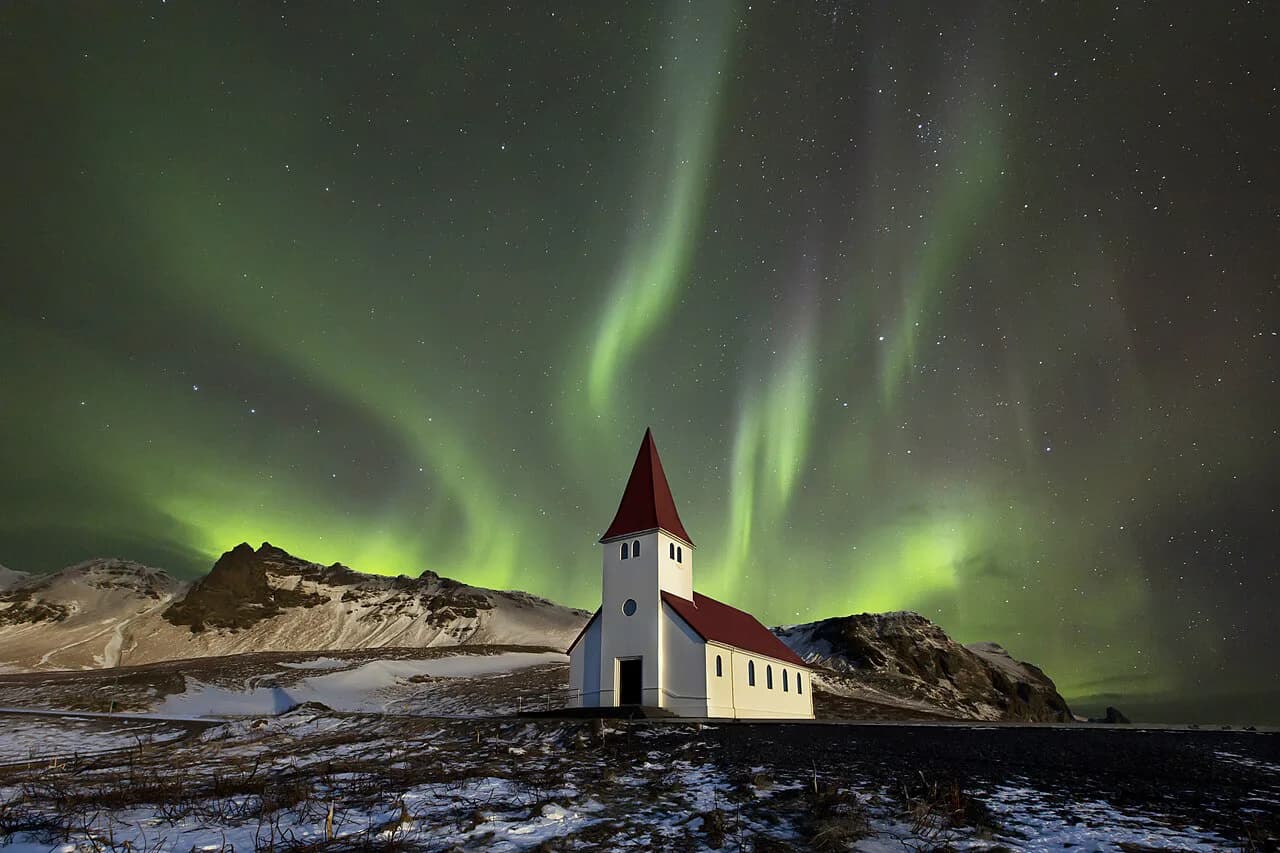
Icelandic bathing is a public habit: heated pools, hot tubs and saunas sit in most towns, and visitors are expected to shower before entering and to keep the mood quiet. That etiquette matters more than any particular venue, and it shapes what a sauna stop in Vík actually feels like. Pair a soak with a clear night and the same dark skies that make the south coast good aurora country come into play.
Why Vík suits an Arctic-winter sauna stop
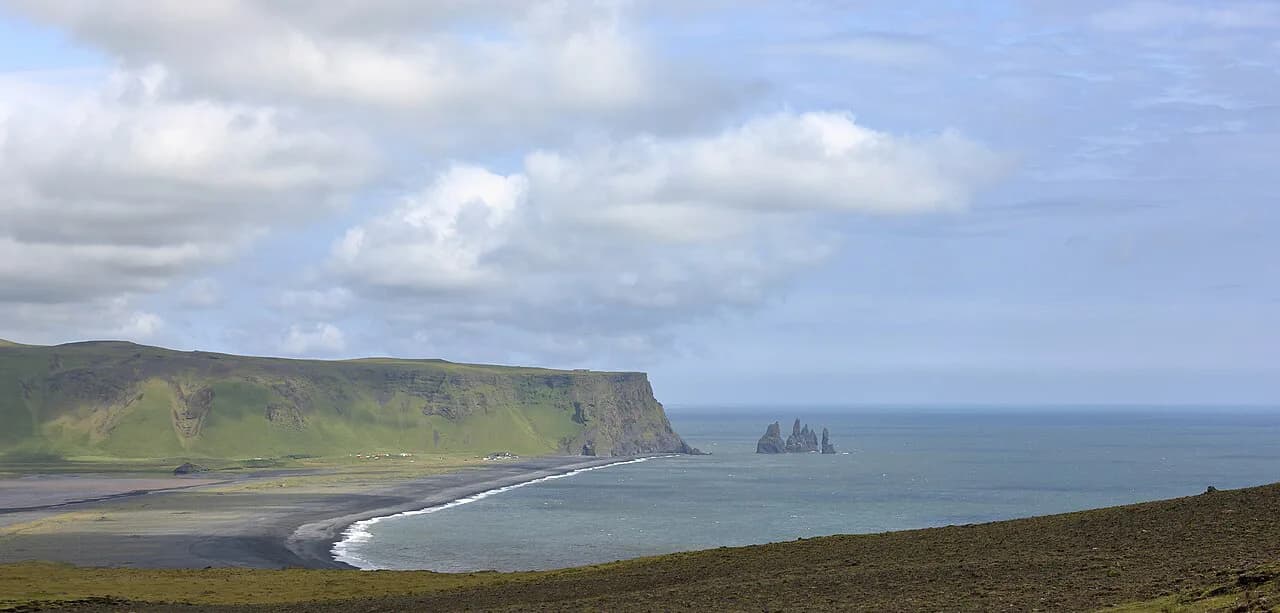
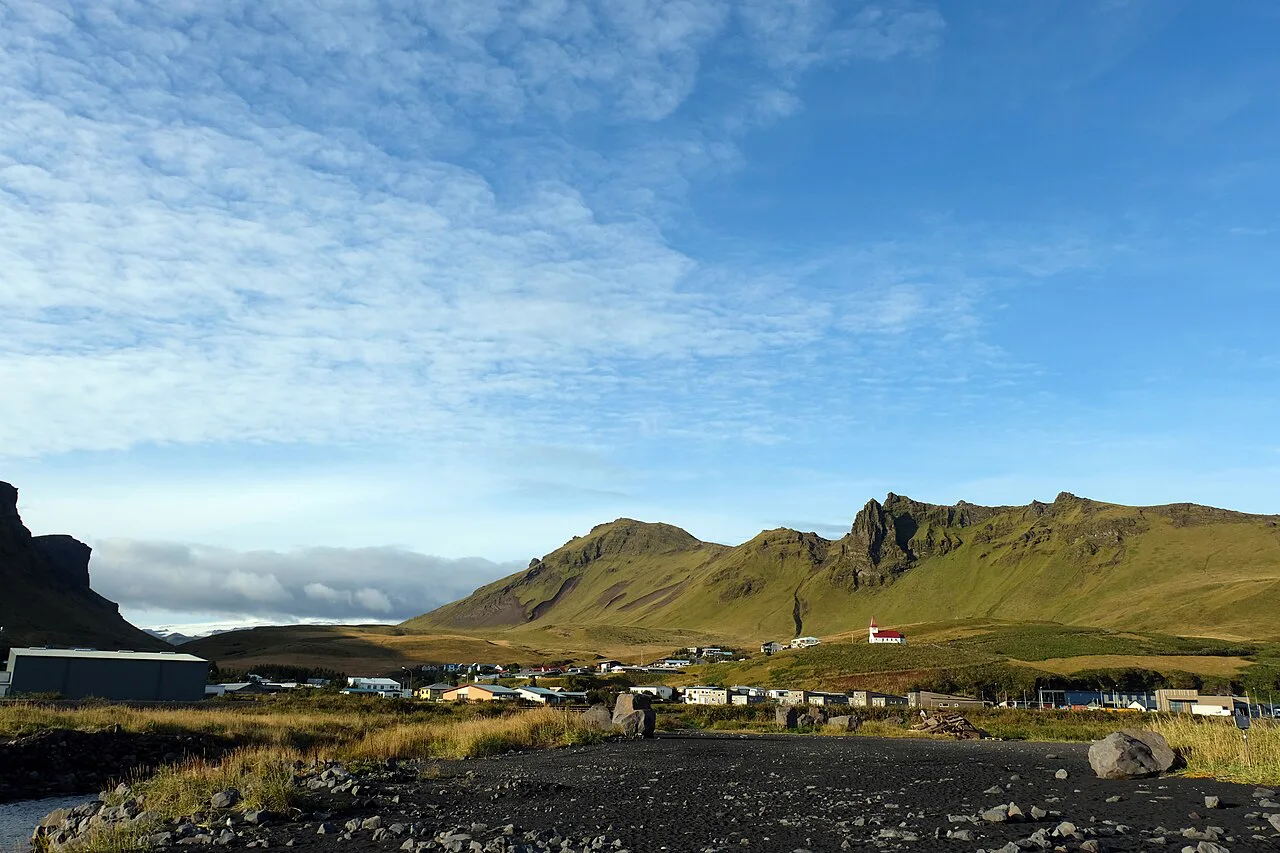
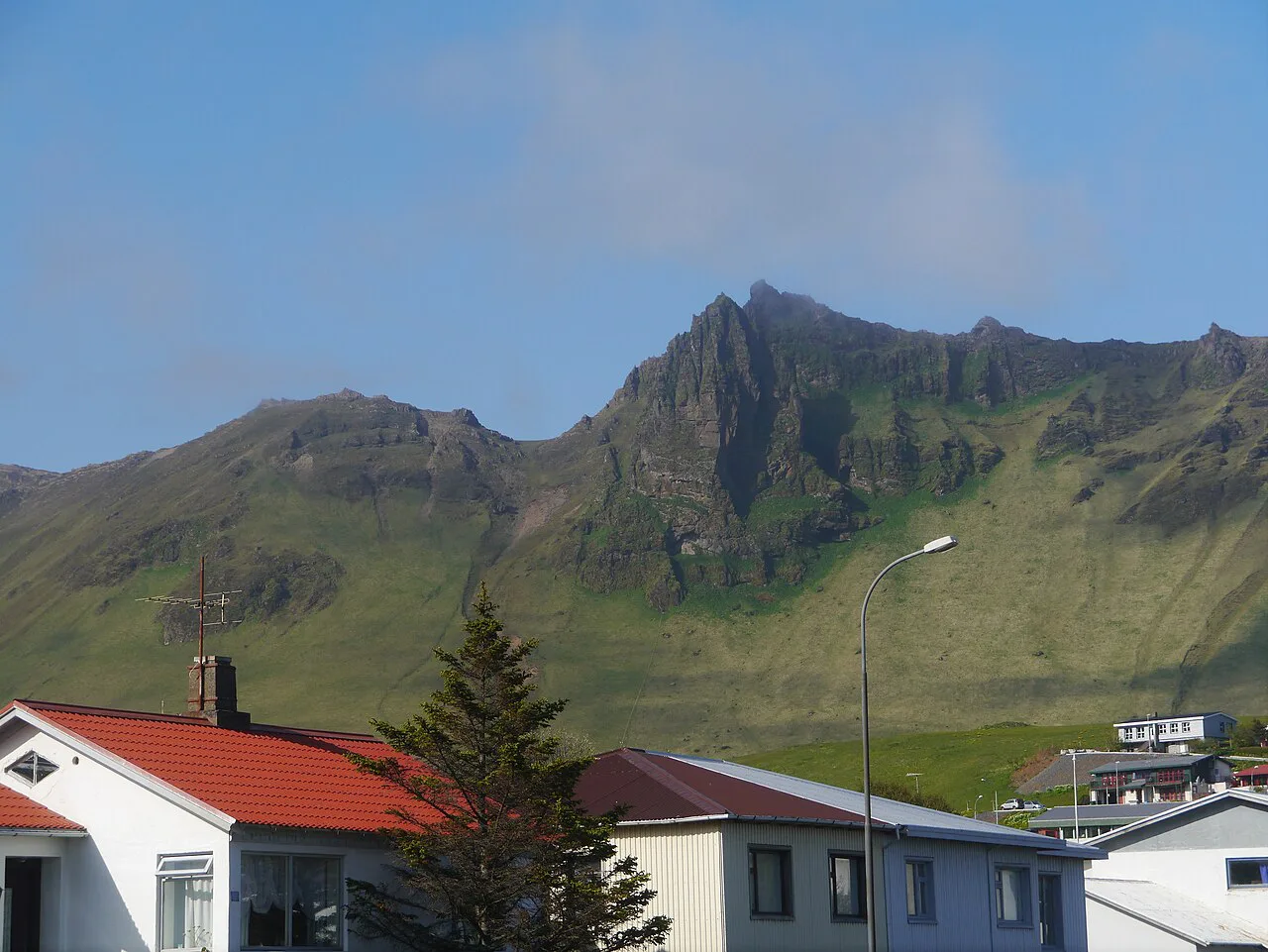
Vík sits at roughly 63.4 degrees north, far enough north that winter nights are long and the aurora oval regularly reaches this latitude when solar activity allows. The village faces south to the sea, with the Reynisfjara black-sand beach and the Reynisdrangar sea stacks a short drive away, and the Mýrdalur valley opening inland toward the Katla Ice Cave country. That combination of open ocean horizon and low light pollution outside the village makes the surrounding dark landscape useful on a clear aurora night.
The south coast weather is the trade-off. Storms sweep in off the Atlantic, cloud cover is frequent, and winter driving between Vík and the glaciers can close the Ring Road with little notice. A sauna or pool evening is a good fallback when the sky stays overcast, and it keeps the trip pleasant even when the aurora does not appear. For the aurora side of the planning, see the guide to northern lights in Vik, which sets out season and viewing logic for the village. If you are still weighing where to base yourself on the south coast, the Iceland northern lights guide covers the wider picture.
Vík is small enough that most guesthouses and hotels sit within a few minutes of the Ring Road, so a soak fits easily into an evening rather than requiring a separate excursion. Travelers who want glacier walks and ice caves during the day can return to the village, eat, and still have time for a hot pool before the darkest hours. The village works best as a two- or three-night base rather than a single quick stop.
How Icelandic sauna and pool culture works
Icelandic pools and saunas follow a straightforward routine: you pay at the desk, take a locker, shower thoroughly without swimwear in the gendered changing room, then put swimwear back on before entering the water. Swimwear is required in the pools and hot tubs, and most places expect you to keep noise low and to rinse off again before leaving. Towels and lockers are typically available, though it helps to carry your own towel if you are unsure.
Saunas in Iceland are usually small, hot and quiet, often attached to a pool or gym rather than run as a standalone spa. Sessions tend to be short, with people moving between the sauna, a cold plunge or shower, and the hot tub. The culture is closer to a neighborhood bathhouse than to a resort spa day, and that is part of its appeal on a cold winter evening. For contrast, the sauna guide to Larvik in Norway covers a stretch of coastal saunas, from small floating and wood-fired cabins to Farris Bad, one of the largest spa hotels in the Nordics.
Geothermal pools and sauna options around Vík
Vík has public bathing options in and near the village, and the wider Mýrdalur area has a few geothermal pools and spa-style facilities. Whether the village pool is running winter hours, and whether a hotel spa opens its sauna to non-guests, is set by each venue and can shift with the season. Rely on the pool's own page or your accommodation's front desk rather than secondhand listings, and settle this before you build an evening around it.
Hotel spas in the area tend to be smaller and oriented to guests, with a sauna, hot tub or small pool, and access rules vary between properties. Some geothermal pools inland toward Mýrdalur sit in farm country and are reached by short gravel drives that can be icy in winter. Treat any sauna or pool you find as a place to confirm directly rather than as a fixed itinerary item.
Booking is rarely needed for a public pool, but a hotel spa or a private sauna session may require a reservation, especially around holidays and in the short daylight window of midwinter. If a sauna is essential to your trip, ask your accommodation which facility is open on your dates before you commit to Vík for several nights. Visit Iceland and each venue's own page list opening hours and access details for the town's pools and spas.
Winter bathing etiquette and the hot-cold routine
The Icelandic hot-cold routine is simple: warm up in a hot tub or sauna, step briefly into cold air or a cold shower, then return to the heat. In winter the cold step is genuinely cold, so keep it short, and never go straight from a hot pool into deep cold water alone. Moving between heat and cold is meant to be gradual and comfortable, not a test of endurance.
Many pools post rules about showering, swimwear and children's supervision, and staff expect you to follow them. Keep voices low in the sauna, sit on a towel, and leave the door closed. If you are unsure about a particular pool's routine, the front desk is the right place to ask.
When the aurora season runs
Aurora season in Iceland runs roughly from late August through early April, when nights are dark enough for the aurora to be visible against the sky. Around Vík, the darkest months of December and January offer long night windows but short, dim days, while September and March balance usable daylight with dark evenings. Solar activity drives whether an aurora appears at all, and cloud cover decides whether you can see it.
Kp values are a rough guide to how far south the aurora may be seen, not a forecast for Vík specifically. A low Kp can still produce a fine display overhead at this latitude, and a high Kp is worthless under thick cloud. Check the Icelandic Met Office aurora and cloud pages on the day and treat any forecast as a hint rather than a promise.
Where to soak with a dark sky above
On a clear night the choice is between an open-air hot pool, where you can watch the sky directly, and an indoor sauna, which is warmer but hides the view. An outdoor hot tub with a view south over the sea is the better aurora option when the sky is clear, provided the pool is open after dark. An indoor sauna is the sensible fallback on a stormy night, and the two can be combined on the same evening if the venue has both.
Light pollution in Vík is modest, but the village streetlights and guesthouse windows can still wash out faint aurora. A short drive toward Reynisfjara or up the Mýrdalur valley gets you away from the brightest lights, and a pool or sauna session can be timed around that. Just remember that icy roads and wind matter more than darkness after a storm.
Self-guided aurora chasing versus a guided night tour
Self-guided chasing from Vík is feasible if you have a car, winter driving experience and a clear idea of the few roads that stay open in bad weather. The advantage is flexibility: you can follow a break in the cloud for twenty minutes and return to a hot pool afterward. The risk is getting caught on an icy side road at night, so stick to the main Ring Road and well-known viewpoints unless conditions are good.
Guided night tours from Vík handle the driving and the weather decisions, which is a real benefit in winter when road conditions change quickly. They typically run in the evening and return late, and groups are usually small. For operators and how these nights are organized, the guide to vik northern lights tours is the place to start rather than trying to assemble a tour from scratch.
How many nights to plan
Two nights in Vík gives you one full day for the beaches and ice caves and one evening for a soak and a dark-sky attempt. Three nights is a fairer bet for clear skies, since cloud can persist for days on the south coast. A single night is workable only if the forecast is favorable and you are not depending on the aurora.
Build the sauna or pool visit into each evening rather than saving it for a spare night, because a warm soak is worthwhile whether or not the sky clears. If the aurora is your priority, allow a backup night in Reykjavík or further east so a cloudy spell in Vík does not use up your whole trip. The guide to Northern Lights in Vík, Iceland explains the season and sky conditions in more detail.
Practical logistics: driving the south coast in winter
The Ring Road from Reykjavík to Vík is about two and a half to three hours in good conditions, but winter storms can stretch that considerably. Check road and weather conditions with the Icelandic road authority and the Met Office before setting out, and carry food, water and a full tank of fuel. Rental cars should be winter-rated, and many companies restrict travel on the highland roads entirely in winter.
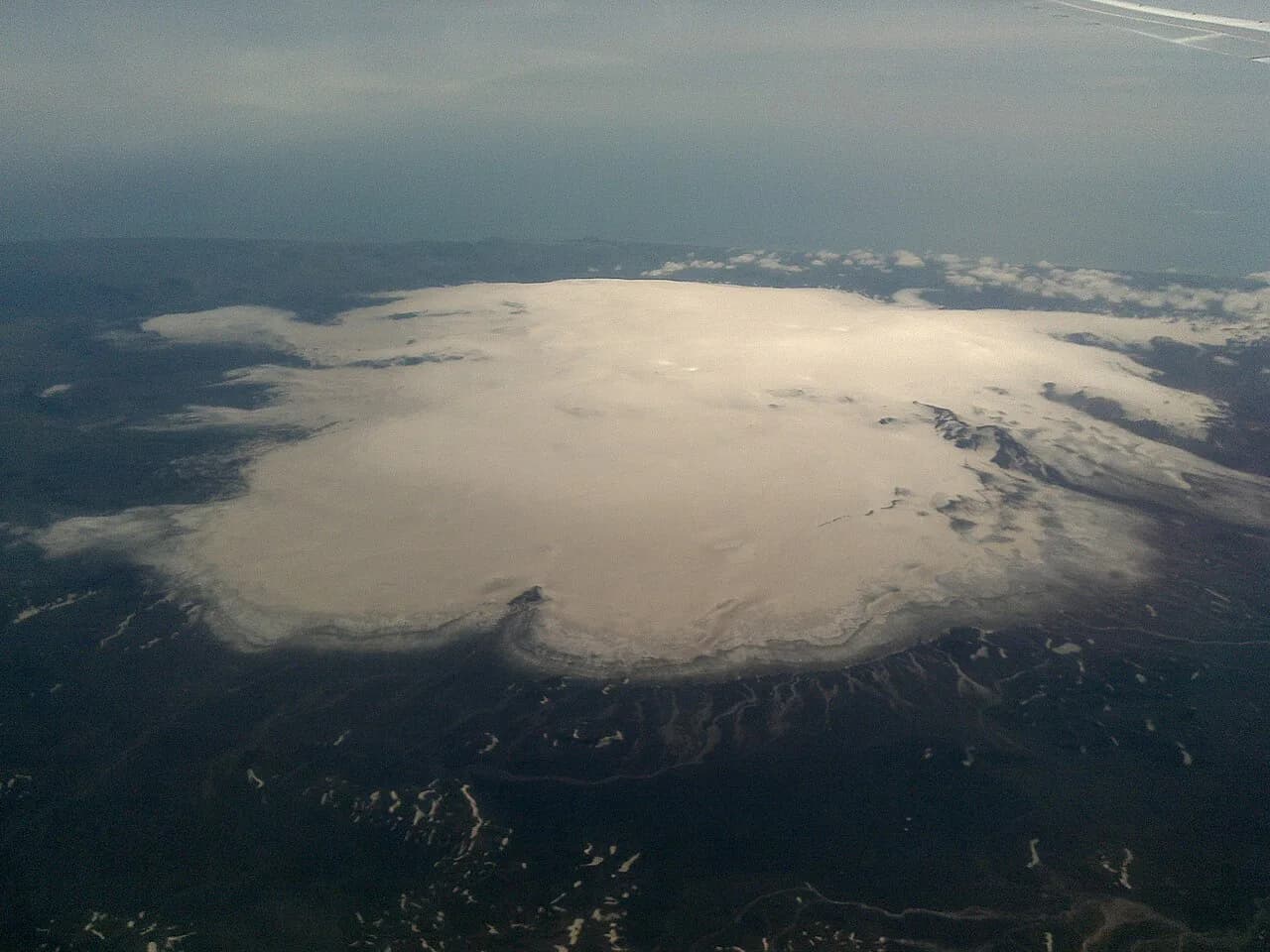
Vík has fuel, a small grocery store and several places to eat, so it works as a self-contained base for a few nights. The Katla Ice Cave from Vík is a popular day trip into the Kötlujökull glacier area and pairs well with a hot soak afterward, though it is a guided activity with its own schedule. If you drive east toward the glaciers, plan to be back before dark or to stay overnight rather than rush the return.
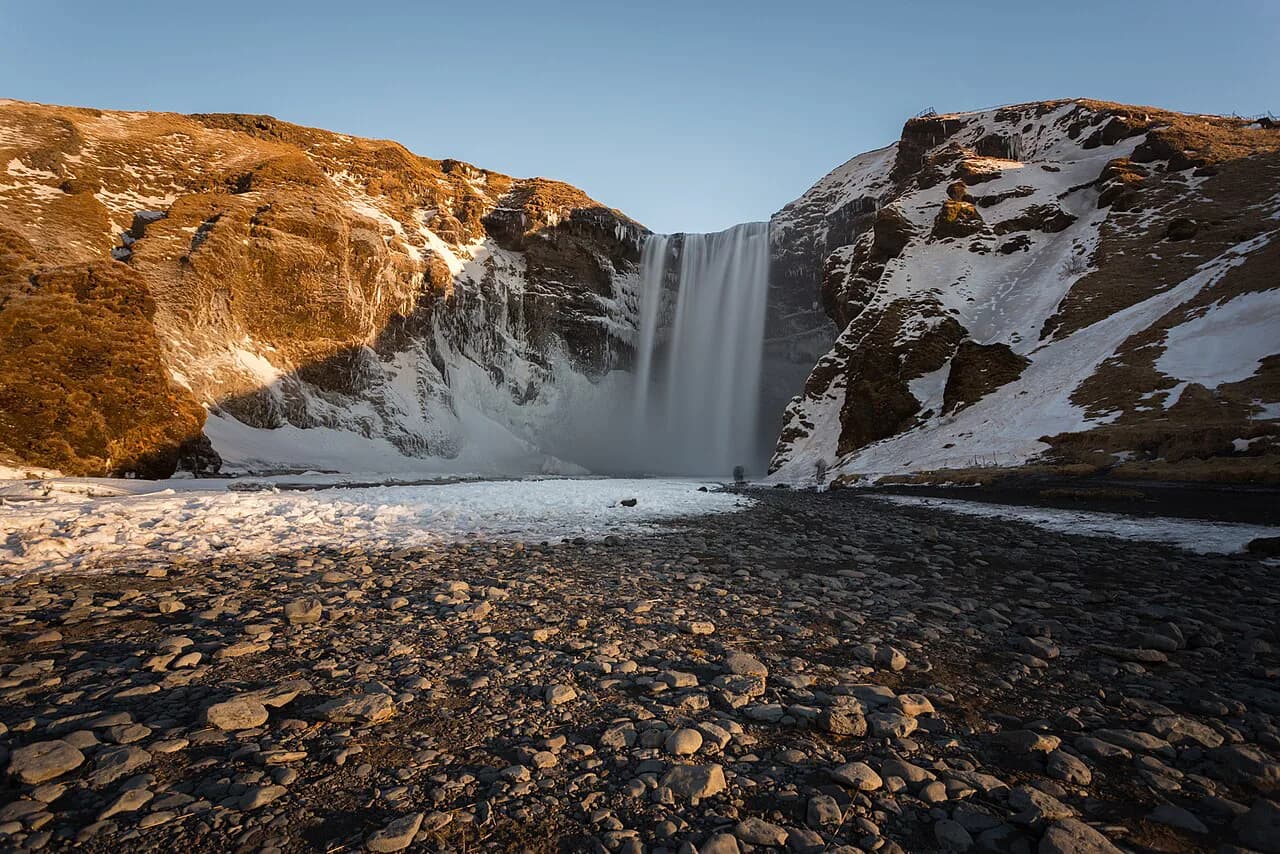
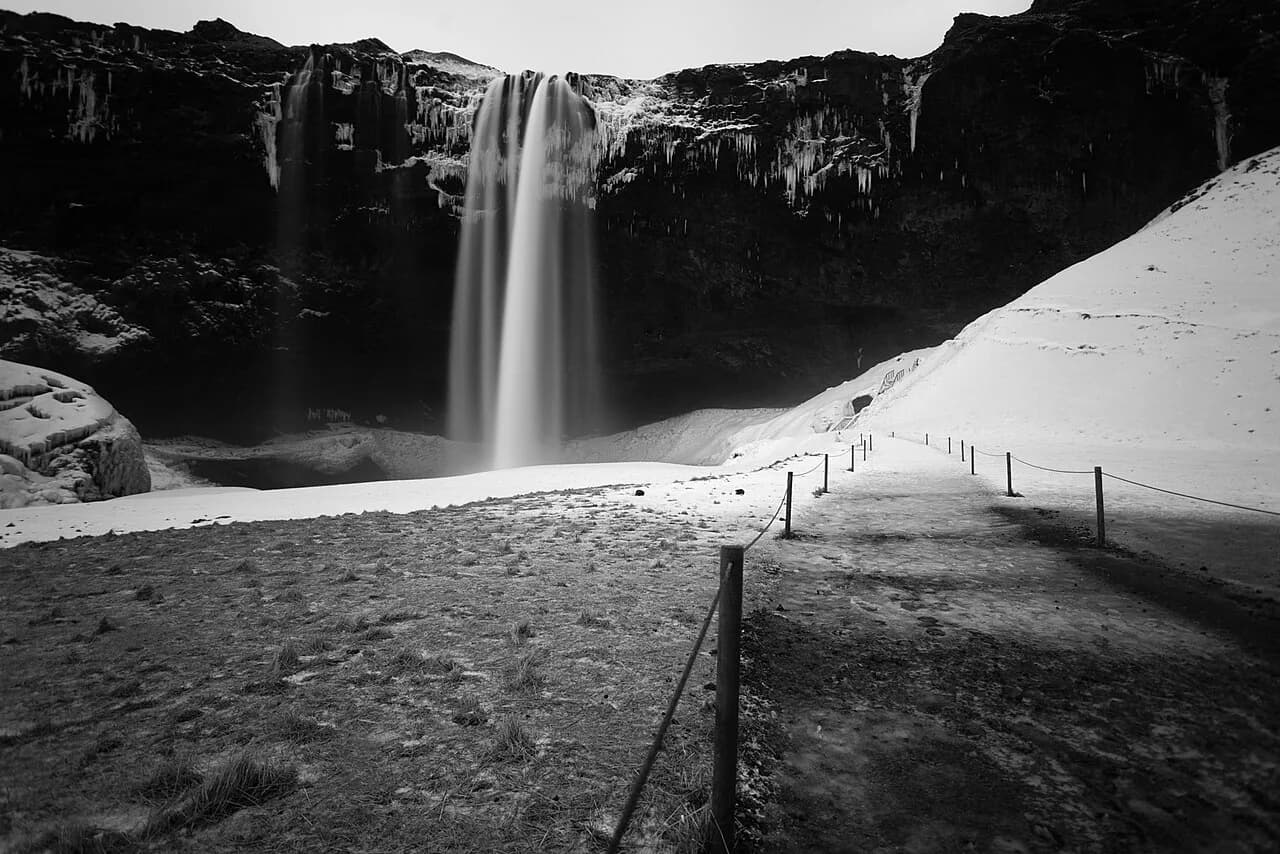
For a different kind of icy stop on the way, seljalandsfoss in winter is a short detour from the Ring Road and worth a look when the path is safe. Farther east, skogafoss in winter is another waterfall stop that fits a south-coast itinerary, and the Skógar Museum nearby gives shelter on a wet day. All of these are better as daylight stops, leaving the evening free for a sauna and the night sky.
Plan Your Visit
Vík rewards travelers who treat sauna and hot pools as part of the day rather than an afterthought, and who plan around weather instead of fighting it. Two or three nights gives you time for the beaches, a glacier trip and at least one dark-sky evening, with a warm soak as the constant. Confirm current pool and spa arrangements with the venue or your accommodation before you finalize dates.
The aurora is never guaranteed, so build in flexibility and a backup plan, and keep the sauna as the reliable pleasure of the trip. That way, clear skies become a bonus rather than the whole point of the journey.
Frequently Asked Questions
Is there a sauna in Vík, Iceland?
Vík has public bathing options in or near the village, and some hotels in the area have saunas for guests. Facilities and access change, so the surest approach is to ask your accommodation or look up the specific pool or spa directly before you plan an evening around it.
Can you see the northern lights from Vík?
Yes, Vík is far enough north and dark enough in winter to see the aurora when solar activity and clear skies coincide. Cloud cover on the south coast is often the limiting factor, so allow several nights and check the Icelandic Met Office aurora and cloud forecast.
What is it like to use an Icelandic pool in winter?
Icelandic pools stay warm even in winter, and the routine is to shower before entering, wear swimwear in the water, and keep voices low. Moving between a hot tub and cold air is normal, and it helps to keep the cold step short and to warm up again afterward.
Do you need to book a sauna in Vík in advance?
Public pools usually do not require booking, while hotel spas and private sauna sessions may. Around holidays and in midwinter the available slots can be limited, so ask the venue or your guesthouse ahead of time if a sauna is important to your plans.
How many nights should you stay in Vík for the northern lights?
Two nights give you one evening for a dark-sky attempt, and three nights improve your chances if cloud persists. A single night is workable only when the forecast is clear and you have a backup plan elsewhere on the south coast.
Sources
Notes for your Arctic winter trip
Optional updates to our northern lights guides.
You might also like
Continue reading
More guides you'll find useful