Hvammsvík Hot Springs: A Winter Soak and Aurora Guide
Plan a winter visit to Hvammsvík Hot Springs near Reykjavík: geothermal pools by the Atlantic, a cold sea dip, saunas and dark skies for aurora watching.
On this page
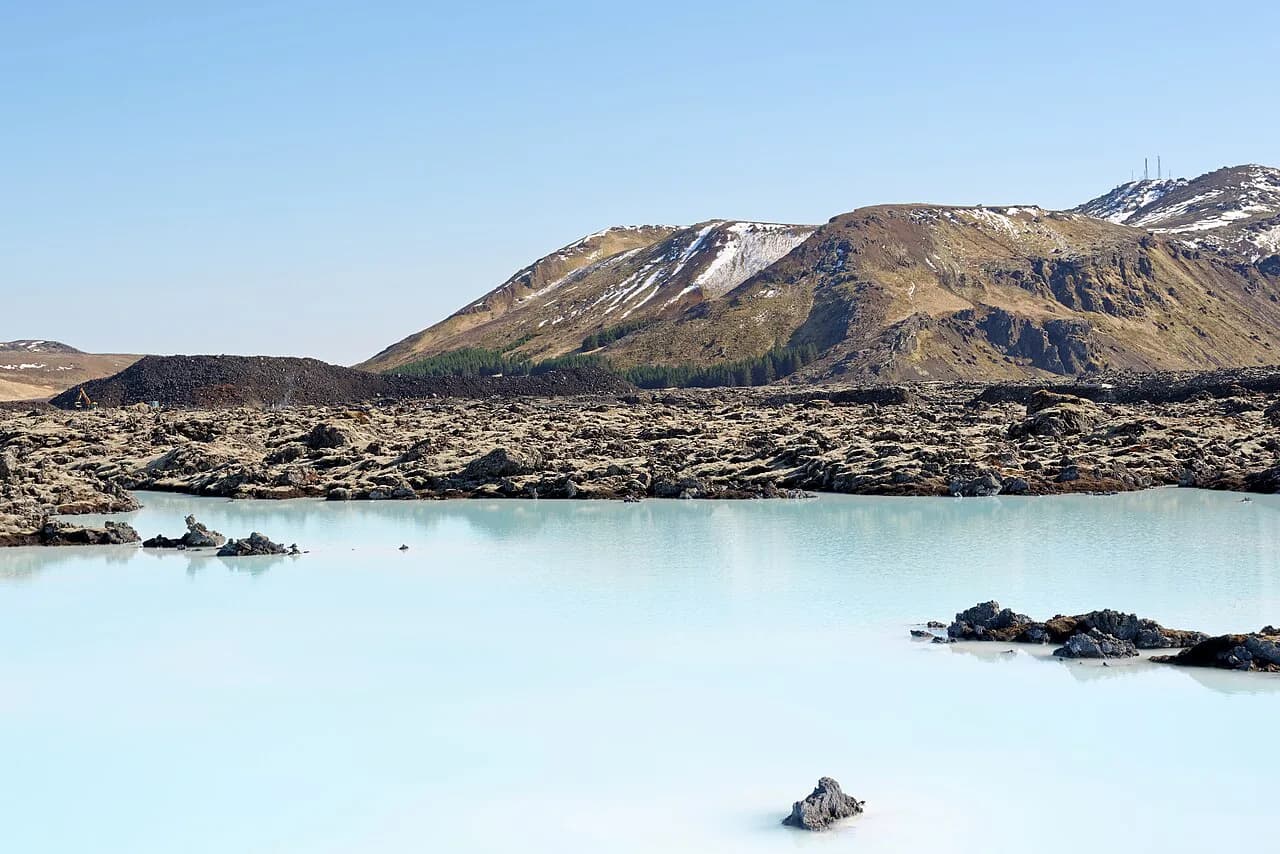
Hvammsvík Hot Springs is a fjord-side geothermal soak on the Whale Fjord, a rural alternative to the city lagoons for travelers who want hot water, cold sea air and dark skies within an hour of Reykjavík. It suits winter visitors who would rather spend an evening outdoors on the coast than in a heated pool complex downtown, and who value a quiet horizon over an infinity edge.
The appeal is the combination: geothermal pools overlooking the water, saunas, and the option of a plunge into the Atlantic itself. Because it sits away from the capital's light dome, an evening soak can double as a northern lights vigil when the sky clears, though the aurora is never owed to anyone.
What Hvammsvík Hot Springs is and who it suits
Hvammsvík is a nature resort built around geothermal water on the edge of Hvalfjörður, the long fjord north of Reykjavík. Visitors come for a circuit of soaks rather than a single pool: hot water, changing facilities, saunas and outdoor pools overlooking the fjord, with the sea close enough for a cold dip between rounds.
It suits couples and small groups who want a slower, more landscape-driven soak and are happy to drive or take a transfer to get there. Travelers who need step-free access throughout, or who want bars, restaurants and city nightlife steps from the water, are usually better served by a lagoon inside the capital area.
Where Hvammsvík sits: 45 minutes from Reykjavík on the fjord
The site lies about 45 minutes from Reykjavík by road, on the southern shore of Hvalfjörður, and daily transfers from the city are available. That puts it in the same half-day bracket as the Golden Circle rather than the downtown pools, so treat it as an outing with a fixed departure rather than a stroll from your hotel.
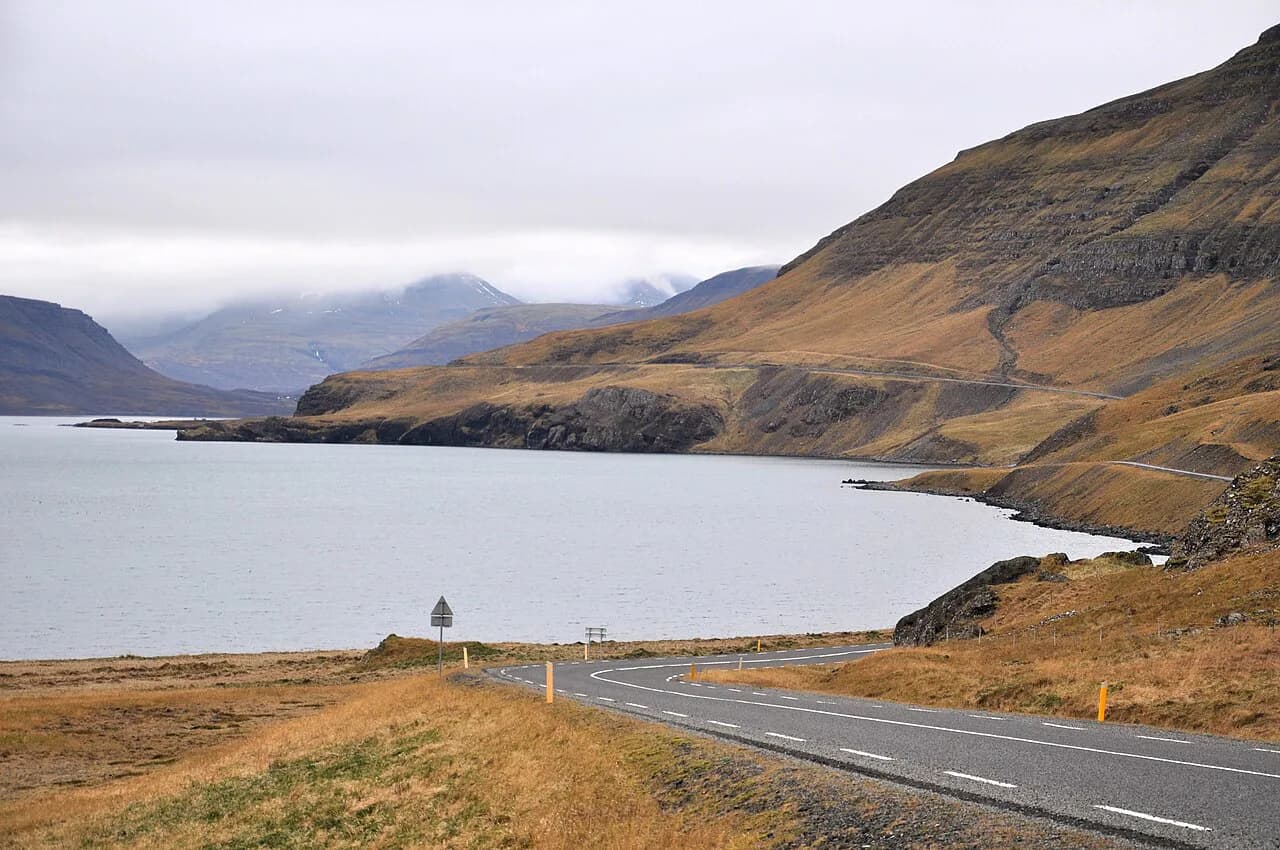
Driving yourself gives you the most flexibility on the return leg, which matters if you plan to linger for darkness and watch the sky. Allow extra time on winter roads and build the drive around daylight for the outbound trip, keeping the soak for the darker hours.
The pools, the Atlantic dip and the saunas
The layout is simple: geothermal pools at different temperatures, saunas for warming up between soaks, and access to the sea for those who want the contrast of cold salt water after hot. The pools look out over the fjord and mountains, so the scenery is part of the experience rather than a backdrop you ignore.
Treat the ocean plunge as optional and weather-dependent. On a calm evening it is a short, sharp contrast; in a winter gale it is the part most people skip, and the saunas and pools still deliver the evening. The same North Atlantic that makes the setting so stark is the reason a hot soak feels so good here, a point that applies equally to the coast-hugging pools at Sky Lagoon in Winter.
Winter conditions: temperatures, daylight and sea soak weather
Reykjavík in November typically sees temperatures between 0 °C and 5 °C, with rain, sleet, snow and strong winds possible, and daylight falls from roughly 8 hours at the start of the month to about 5 by the end. Those regional figures are the best guide to what a fjord-side soak will feel like: cold air, changeable sky and short working days.
September works differently, with daytime temperatures around 9–12 °C, roughly 14 hours of daylight early in the month dropping to 11–12 hours by late September. Early autumn gives you long sightseeing days and the first genuinely dark evenings for aurora watching, while deep winter gives you maximum night but a tighter window for the drive out and back.
By late December the capital area gets only about four hours of sun above the horizon, which is the darkest stretch for an evening soak and the hardest for anyone hoping to combine daylight sightseeing with it. Plan the soak for the dark hours and the driving for the light ones.
Aurora viewing at Hvammsvík: dark skies and what improves the odds
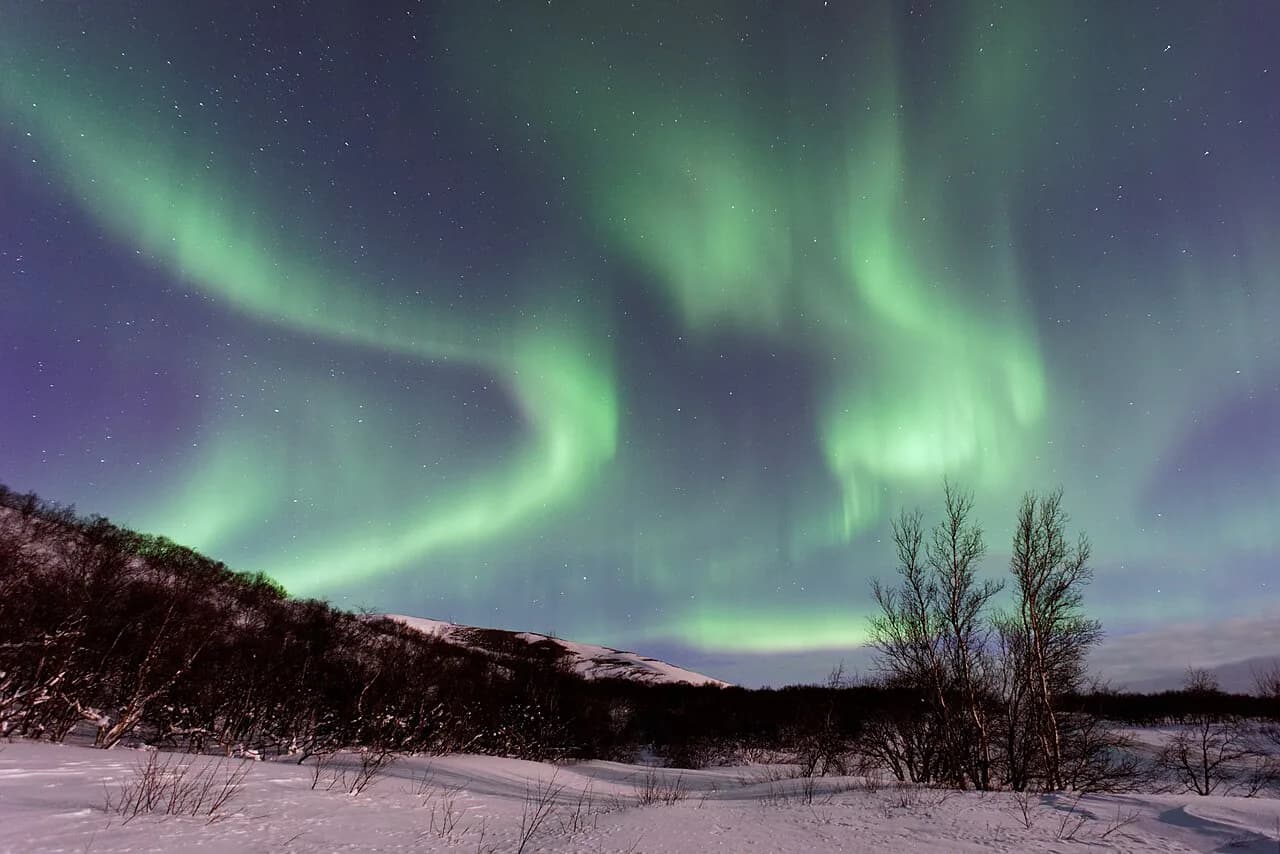
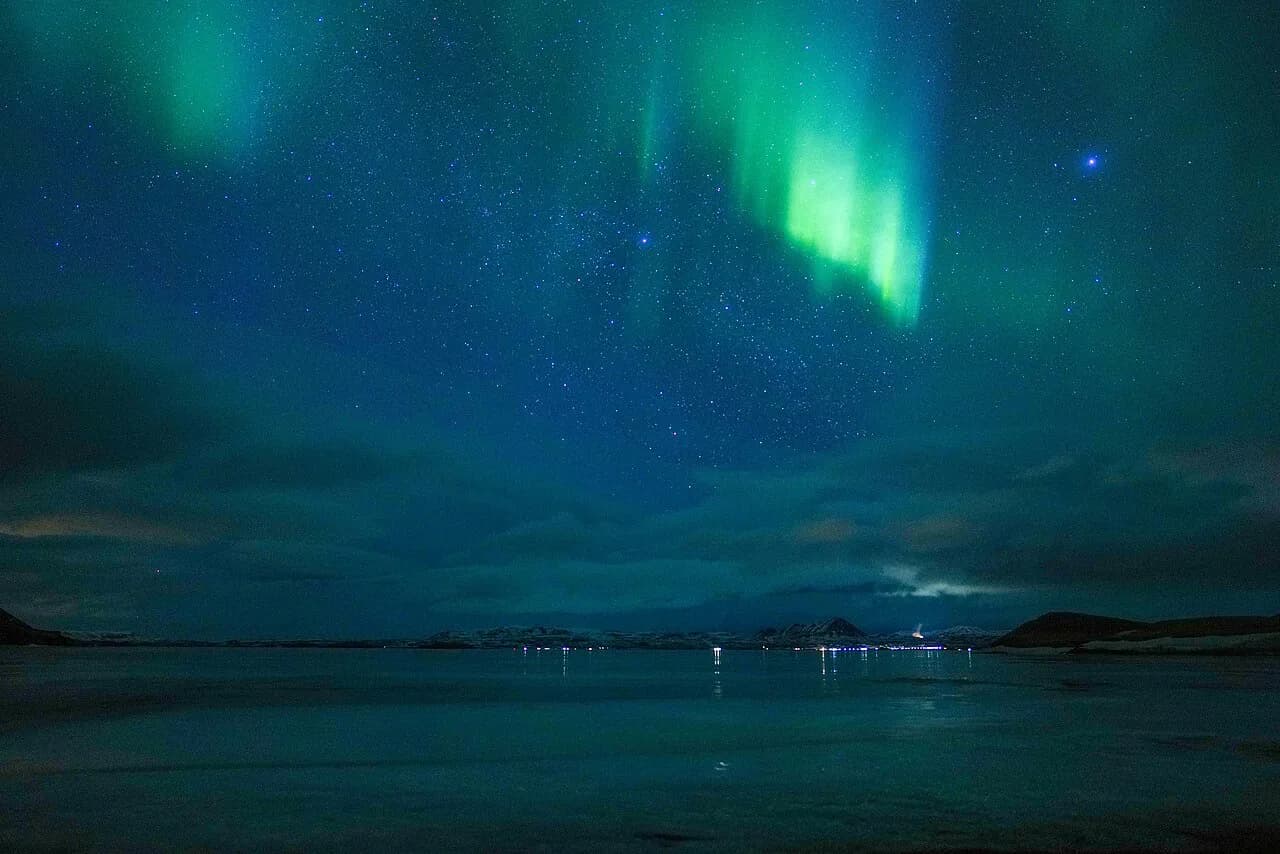
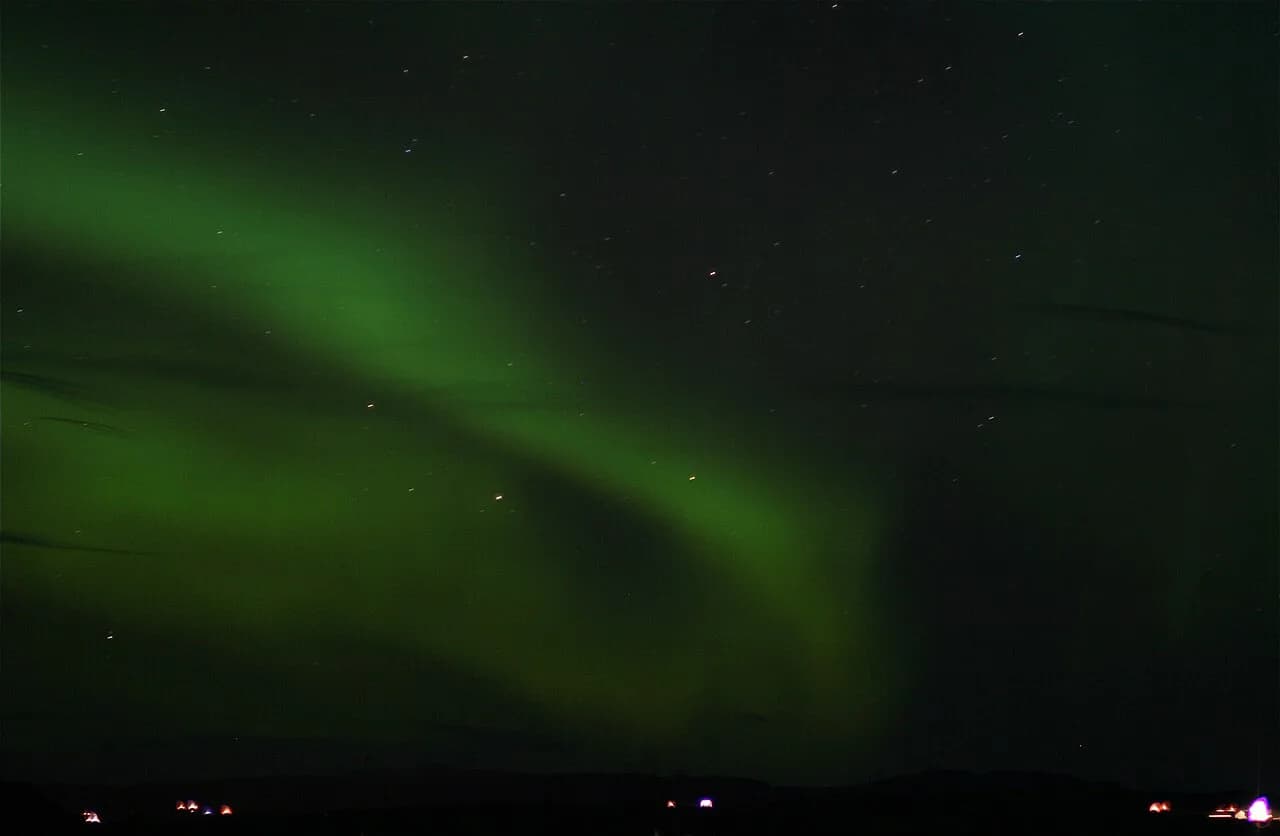
Watching the aurora from a hot pool is one of the better ways to spend a cold, clear night, because you can stay outside far longer than you would standing in a snowfield. What you need is a geomagnetic disturbance and a cloud-free sky toward the north; neither is guaranteed on any given night, so give yourself several evenings in the country rather than pinning everything on one soak.
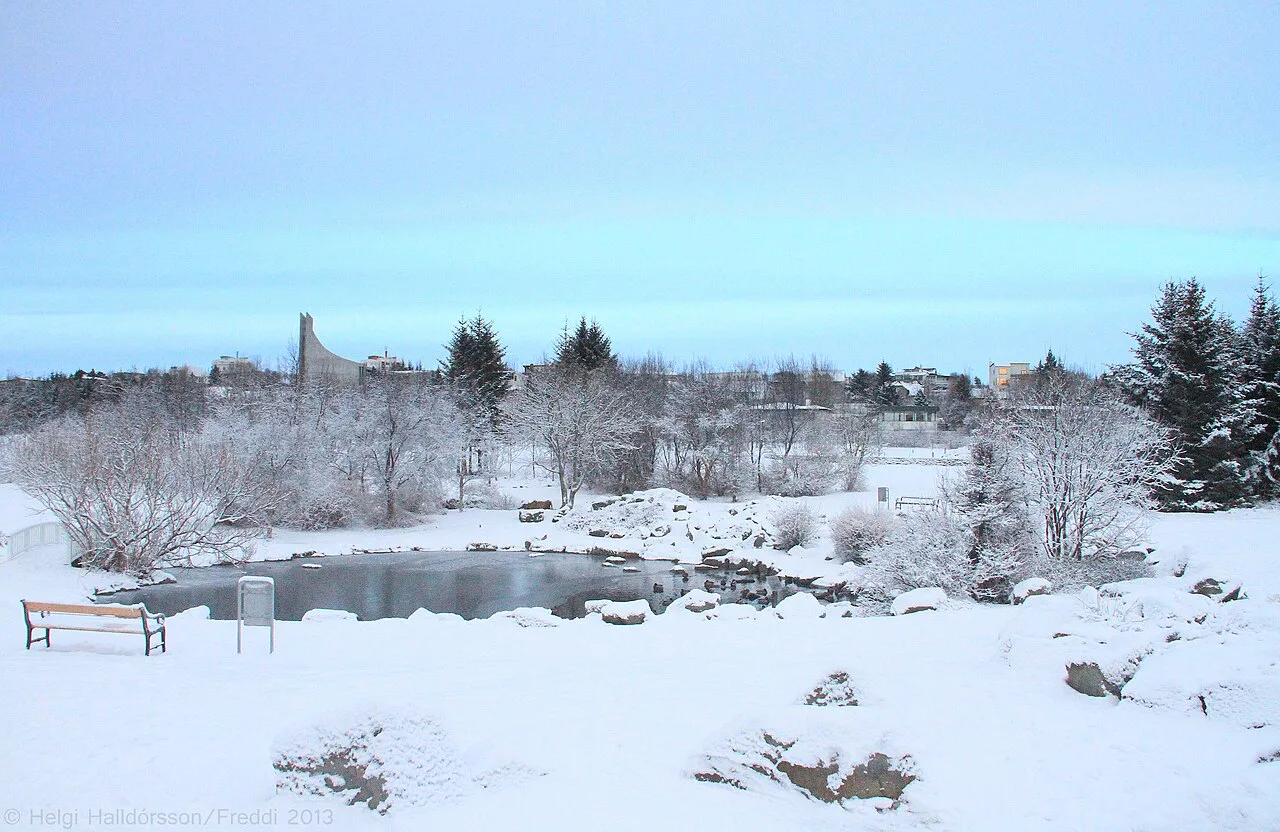
Being away from Reykjavík's light dome helps, and the fjord's open northern horizon gives the sky room to show. In the capital, the usual advice is to head for dark spots such as Öskjuhlíð hill, Grótta Lighthouse, Heiðmörk Nature Reserve and the Esja foothills, and to watch between roughly 9 PM and 1 AM.
Photographers should keep expectations modest from the water: steam fogs a lens fast, and a tripod is impractical in a pool. The more reliable plan is to soak, then step out to a dry, dark viewpoint on site for the actual watching and photography.
Getting there and daily transfers from Reykjavík
Daily transfers run from Reykjavík, which removes the need for a rental car if the soak is your main goal. Book the transfer for the time slot you want rather than the cheapest departure, since arriving in daylight and leaving in darkness is the combination that gives you both the fjord view and a shot at the aurora.
If you drive, check road conditions before setting out, particularly after snow, and keep the return flexible in case the sky clears late. Northern lights tours from Reykjavík work the same logic in reverse: operators track cloud and activity and move the group to where the sky is open, which is the main argument for joining one on a short trip.
Passes, prices and how to book
Entry is ticketed, and Hvammsvík Hot Springs offers a 10-visit pass at 29,900 kr for repeat soakers, which covers changing facilities, saunas and the outdoor geothermal pools overlooking the fjord. Single admission and transfer-inclusive options are priced at booking.
Book ahead for weekend evenings and around the Christmas and New Year period, when demand in the capital area peaks. Reserve directly through Hvammsvík's own booking page rather than a reseller so that changes and cancellations go through the source.
How long to stay and how many nights to plan
Two to three hours covers a full circuit of pools, sauna rounds and a sea dip at an unhurried pace, with time left to sit still and watch the sky. If aurora watching is the point of the visit, add an hour after dark and accept that the reward may be stars and steam rather than a display.
On a Reykjavík-based trip, give yourself at least three or four nights in the country if the aurora is a priority, and slot the Hvammsvík soak into the clearest forecast evening. A single night in Iceland with one booked soak is a pleasant evening, not a strategy for seeing the lights.
Nearby alternatives: Sky Lagoon, Blue Lagoon and the Secret Lagoon
Sky Lagoon sits in the capital area with an oceanside infinity pool, sauna and cold plunge, and is the easiest option if you want the geothermal evening without the fjord drive. It trades the rural dark sky for convenience, which is the right call on a short trip with a packed schedule.
The Blue Lagoon near the airport is open year-round and works well as a stop on arrival or departure day, while the Secret Lagoon in Flúðir pairs naturally with a Golden Circle day. Hvammsvík is the version for travelers who want the water, the sea air and a quieter horizon in one evening.
Pairing Hvammsvík with a Reykjavík winter itinerary
A sensible winter day starts with a daylight drive or Golden Circle loop, returns to the city for a late lunch, and heads out to the fjord for an evening soak timed to darkness. That sequence keeps the trickiest driving in daylight and leaves the night free for the pools and the sky.
Keep one evening unbooked as a weather reserve, since cloud and wind decide more about a winter trip than any schedule. If the forecast turns poor, swap the soak for a museum or a city pool and hold the fjord for the next clear night.
Who it is not for: mobility, weather and cost trade-offs
Hvammsvík is not the easiest option for travelers with limited mobility, for families who want shallow, supervised pools with lifeguards, or for anyone who dislikes changing outdoors in cold weather. It is also a committed half-day rather than a quick dip, so the cost includes the journey as well as the ticket.
The trade-off is straightforward: you give up city convenience and gain a dark, quiet fjord with hot water and sea air. Decide based on how many nights you have and whether the aurora is a genuine priority; that is what makes the drive worthwhile, not the pool count.
Winter conditions at Hvammsvík
Iceland in November offers a unique travel experience where the capital transitions from autumn to winter. November temperatures typically range between 0 °C and 5 °C (32 °F–41 °F), and it can feel colder with the windchill. Expect a mix of rain, sleet, snow, and strong winds, and weather that can change quickly. Early November offers around 8 hours of daylight, but by the end of the month, daylight reduces to just 5 hours.
If your visit falls in September instead, the weather shifts quickly there too. It's not unusual to experience sunshine, light rain, and wind all in the same day, so dressing in layers is the easiest way to stay comfortable. Average daytime temperatures in September run 48–54°F (9–12°C) and average nighttime temperatures 41–46°F (5–8°C). Passing showers are common throughout the month, and conditions can be breezy, especially along the coast. Daylight hours gradually decrease: around 14 hours in early September, around 12–13 hours mid-month, and around 11–12 hours late in the month.
The weather can vary from one region to the next, so you might find sunshine on the South Coast while rain moves across the Reykjanes Peninsula or North Iceland. All of this matters for a soak: the air temperature, wind and cloud cover you meet on the day shape how the outdoor pools and the Atlantic dip feel, and the same cloud cover influences whether an aurora display is visible at all. Shorter daylight also means your window for the drive out and back narrows as the season advances.
Plan Your Visit
Book the soak for an evening after dark, arrange a transfer or plan a daylight drive out and a careful return, and keep a spare night in reserve for weather. The pools, saunas and sea dip reward anyone who gives them time, and the fjord's dark skies give aurora watchers a fair shot without any promises.
If you are weighing this against a city lagoon, the deciding factor is the journey: Hvammsvík asks for 45 minutes each way in exchange for a quieter horizon and better odds of finding a clear patch of sky. On a short trip, that trade may not be worth it; on a longer one, it usually is, and if you are chasing darker skies further from the capital, the northern lights in Vík work on the same principle of distance from the city's light dome.
Frequently Asked Questions
How far is Hvammsvík Hot Springs from Reykjavík?
It sits on Hvalfjörður about 45 minutes from Reykjavík by road, and daily transfers from the city are available. Driving yourself gives you more control over the return, which helps if you want to stay for darkness and watch the sky.
Can you see the northern lights from Hvammsvík?
You can watch from a hot pool under dark fjord skies, which is a comfortable way to spend a cold, clear night. A sighting still depends on geomagnetic activity and cloud-free sky toward the north, so plan several evenings in Iceland rather than relying on one soak. The operator of any tour you join tracks cloud and activity to move the group accordingly.
What is included at Hvammsvík Hot Springs?
The 10-visit pass covers changing facilities, saunas and the outdoor geothermal pools overlooking the fjord. Single admission and transfer-inclusive options are listed at booking, so compare them against how many soaks you will actually make.
Which is better, Sky Lagoon or Hvammsvík?
Sky Lagoon is in the capital area, with an oceanside infinity pool, sauna and cold plunge, so it fits a packed schedule. Hvammsvík is a 45-minute drive to a rural fjord, trading convenience for a quieter horizon and darker skies.
Is Hvammsvík open in winter?
Winter is when the soak makes most sense, with cold air over hot water and long dark evenings. Reykjavík in November runs about 0 °C to 5 °C with daylight falling from roughly 8 hours to 5, so plan the drive for daylight and the soak for after dark. Confirm the day's opening at booking.
Sources
Notes for your Arctic winter trip
Optional updates to our northern lights guides.
You might also like

Continue reading
More guides you'll find useful