Iceland in January: Northern Lights & Winter Trips
Iceland in January brings 4 to 7 hours of daylight, temperatures near freezing and dark skies for the aurora. See which winter tours run and where to base yourself.
On this page
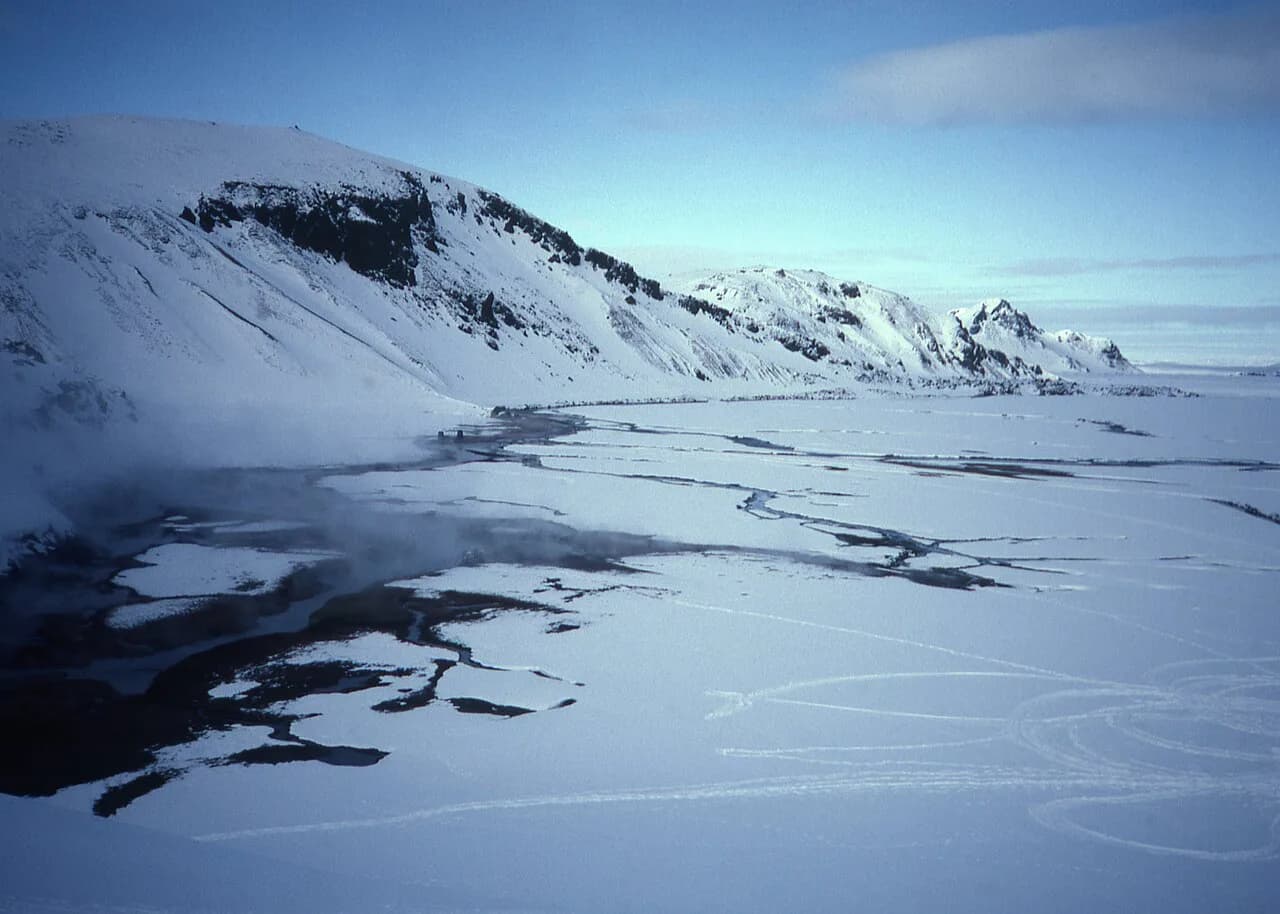
Iceland in January offers deep winter on a manageable scale: snow-covered lava fields, frozen waterfalls, blue ice caves and geothermal water with steam rising off it into the cold. Long nights give the aurora hours of darkness to work with, and visitor numbers drop sharply after the December holidays, so popular sites along the Golden Circle and the South Coast feel quiet. It suits travelers who want winter scenery and northern lights in iceland without the December crowd.
Why January suits aurora chasers and ice-cave tours
January sits in the depths of winter, which is exactly why it works for two competing interests: the aurora and the glaciers. The sun stays low or below the horizon for much of the day, so skies are effectively dark from late afternoon until mid-morning. At the same time, steady cold keeps glacier ice and natural ice caves stable enough for guided visits, and tours still run across the country despite the limited daylight. The catch is that you work in a short window, so sightings and cave visits need planning rather than improvisation.
Daylight from New Year to month's end
At the start of January, Reykjavik sees sunrise around 11:19 and sunset around 3:44, giving about four hours and 24 minutes of light. By the last day of the month, light stretches from roughly 10:10 to 17:10, about seven hours. That means outdoor sightseeing belongs between late morning and early afternoon, and the dark hours after 17:00 are best used for aurora drives, museums or pools.
The practical effect is that you should not over-schedule day trips. A glacier hike, a Golden Circle loop, or a South Coast drive each eat a full block of daylight, and squeezing two in one day leaves you racing the sunset on icy roads. Keep one major excursion per day and let the long evening serve the aurora or a geothermal soak instead.
January weather by region: Reykjavik, Vik, Akureyri, Egilsstadir
Temperatures hover close to freezing, but regional differences matter for planning. Around Reykjavik, expect roughly −2°C to 3°C with steady coastal wind and occasional sleet; Vik on the South Coast runs about 1°C to 4°C but takes frequent strong gusts above 60 km/h. Akureyri in the north sits around −4°C to 3°C with lasting snow cover, and Egilsstadir and the east and Highlands run about −3°C to 3°C with heavy snowdrifts on mountain roads.
Average January wind speeds across the country run from roughly 20 to 36 km/h depending on region and elevation, with stronger gusts on the exposed south coast and open plateaus. Snow, sleet and rain can arrive on the same day, so build slack into any plan that depends on a specific road or viewpoint being open.
How the aurora season behaves in January
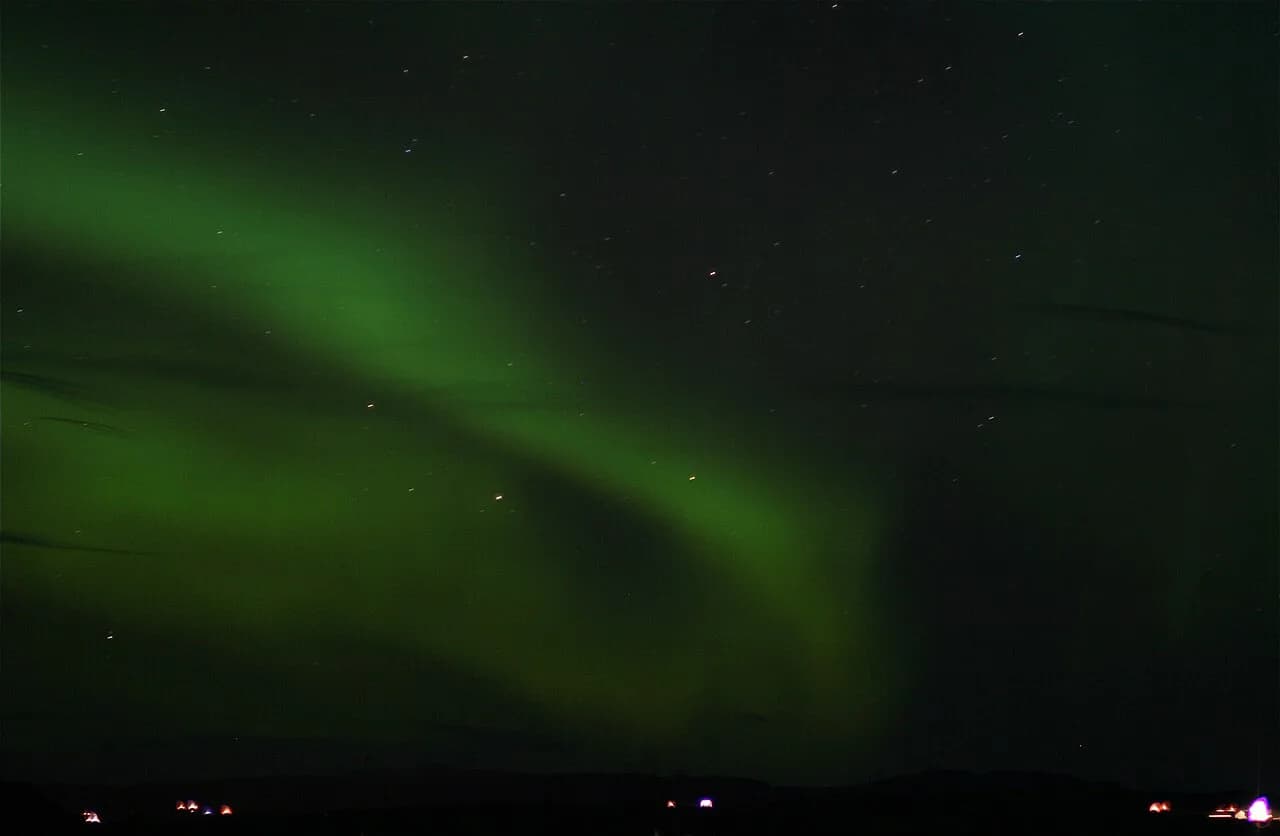
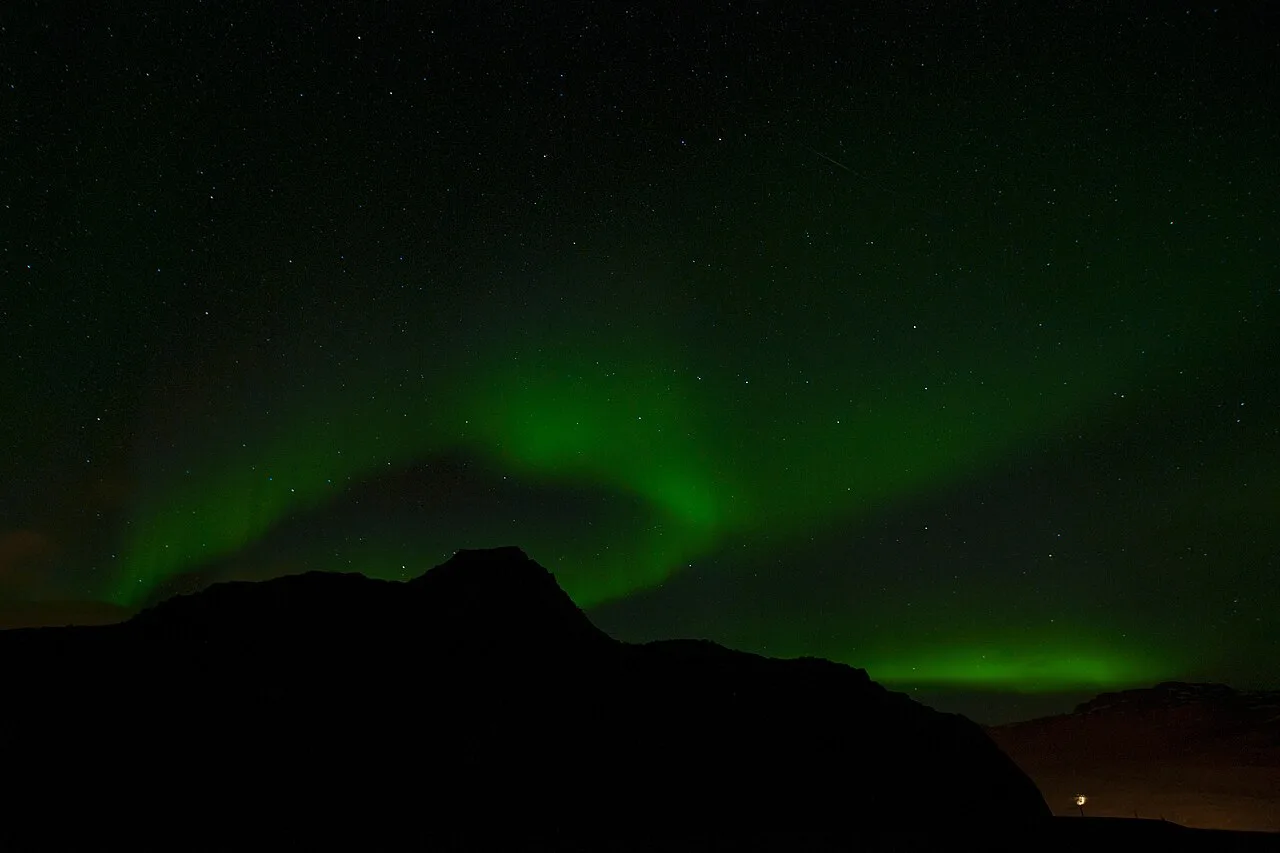
January gives you 16 to 20 hours of darkness per day, so there is plenty of night to work with. But solar activity tends to dip around midwinter and climb again through February and March, so January is not automatically the strongest month for displays. Several nights on the ground matters more than searching for a perfect date in January.
Displays typically begin in the late evening and run past midnight, and cloud cover rather than aurora strength is the deciding factor. Taking the whole northern lights picture into account, plan January as a month of opportunity rather than certainty, and treat any clear night with reasonable activity as your window.
Where to watch near Reykjavik: Grotta Lighthouse, Thingvellir, Hvalfjordur
You can see the aurora from Reykjavik, but light pollution is the limit. Grótta Lighthouse sits on the edge of the capital with open ocean and some of the darkest skies you can reach on foot, and Þingvellir National Park or Hvalfjörður, both roughly 40 minutes by road, get you well beyond city light. If your goal is the best time to see the northern lights in iceland, the direction you drive matters less than getting away from street lamps and finding a safe pull-off.
In practice a night out from Reykjavik is a 30- to 60-minute drive into the countryside, a short wait, and a drive back. That is doable on your own if you have a well-equipped car and confidence on winter roads, but it is also exactly what organized northern lights tours from the capital do, with guides watching cloud forecasts while you sleep in the van.
Best odds on the road: Southeast Iceland and Lake Myvatn
On a whole-island comparison, Southeast Iceland has the least cloudy skies through the aurora season, and Lake Mývatn is the one northern spot that matches it. If you are building a January itinerary around a realistic chance of sightings, spending two or three nights near Jökulsárlón or Höfn is a better bet than several nights in Reykjavik. Mývatn works if you also want the north, with its volcanic landscape and geothermal areas feeding straight into your aurora drive, and akureyri in january makes a natural town base for that region.
Self-drive chasing versus guided aurora tours
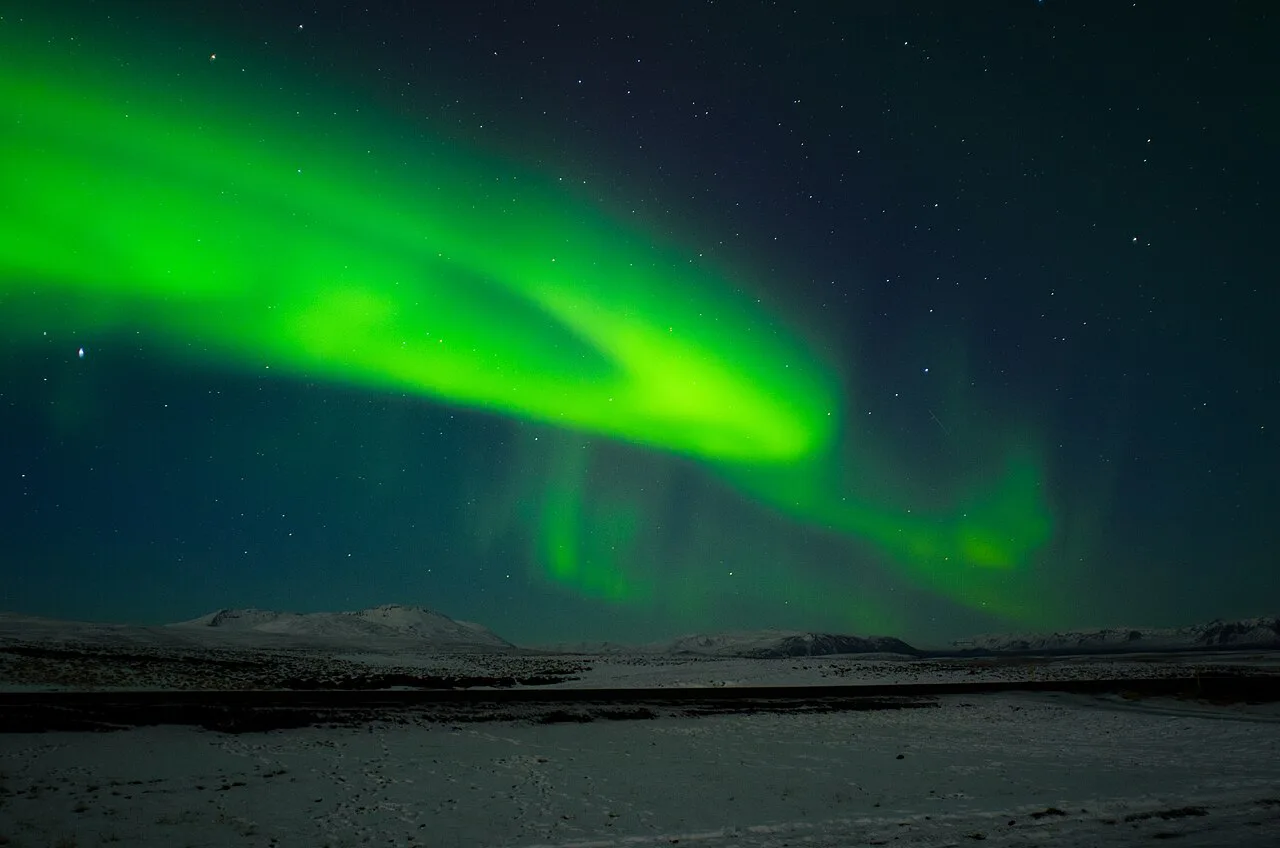
Self-driving gives you flexibility but needs the right vehicle and some experience of icy roads. A four-wheel-drive with winter tyres is a sensible baseline, and the source recommends that you check the aurora forecast and cloud cover for the exact area you plan to reach before leaving. The risk is that a midwinter storm can close mountain roads and reduce visibility, so a backup plan matters as much as the chase.
Organized tours carry the planning weight: guides track cloud and aurora forecasts and choose where to drive, and some operators provide thermal suits and run late-night trips with repeated attempts when the lights do not show. If you are considering that route, comparing iceland northern lights tours is the shortcut, and it suits people who would rather not drive on ice in the dark. Both options depend on the same sky, so neither can promise a display.
Ice caves and glacier hikes: what January ice offers
January falls mid-season for ice caves, which run from October to April, and it is the quietest month of that window. Crystal caves near Jökulsárlón average around 34 visitors a day, roughly 60% fewer than October, and the ice is close to February's for stability. Guided tours are essential because glaciers and caves shift constantly.
Morning departures run in darkness early in the month: sunrise at Jökulsárlón is close to 11:00 at the start of January, and a popular 9:30 slot leaves in the dark until around January 15. If you want daylight inside the cave, pick a departure between 10:45 and 13:00. Meanwhile, easy glacier hikes on Sólheimajökull, about 65 km from Reykjavik, and Vatnajökull's outlets give another way to walk on blue ice when the weather allows.
Snowmobiling on Langjokull and Vatnajokull
Snowmobiling makes sense in January because cold makes the ice fields stable and fresh snow gives a clean surface. Operators run daily trips on Langjökull, Eyjafjallajökull and Vatnajökull, usually with insulated suits, gloves and helmets included, and a tour can be combined with a Golden Circle circuit from Reykjavik. A typical Vatnajökull snowmobile ride runs about three hours on location.
If you want a shorter, bite-sized winter day, combine snowmobiling with a waterfall or geyser stop rather than adding a second activity; the daylight will not stretch to both. For more on the wider region, the northern lights guide covers where dark skies and tour options fit together.
Geothermal soaks: Blue Lagoon, Sky Lagoon, Secret Lagoon, Myvatn Nature Baths
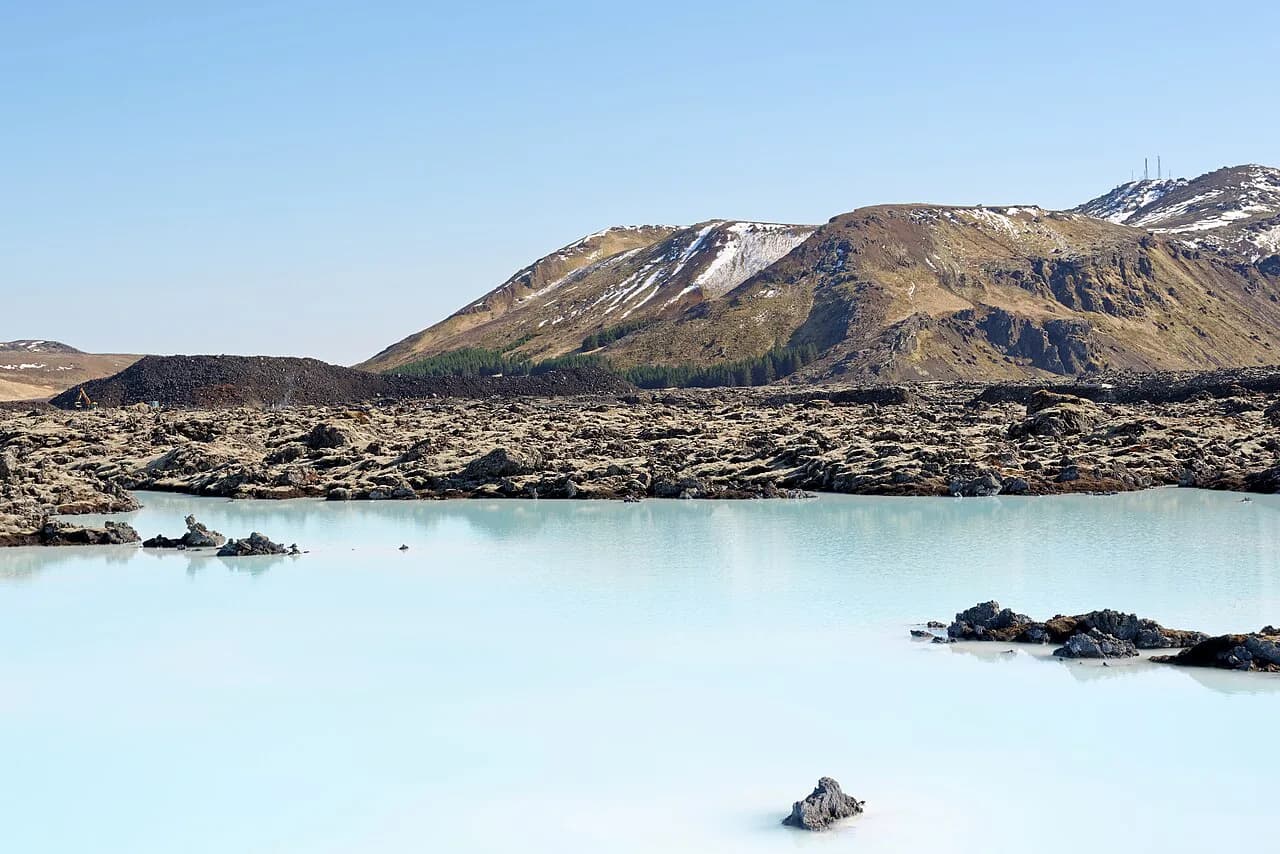
Geothermal water is the easiest way to warm up after a dark, cold day. The Blue Lagoon between Reykjavik and Keflavik airport is open year-round and suits a stop on arrival or departure, though it books up well in advance. The sky lagoon adds an infinity-edge pool facing the North Atlantic and a seven-step ritual with admission, and is close to the capital.
The Secret Lagoon in Flúðir is the oldest geothermal pool in Iceland and sits on the Golden Circle near steaming vents, making it a natural end to a day outside Reykjavik. In the north, Mývatn Nature Baths offers lava views and occasionally aurora directly above the water. Which is right for you depends on route: the west and south favor Blue Lagoon, Sky Lagoon, Secret Lagoon and Krauma, while the north favors Mývatn.
Reykjavik in January: museums, pools and dark-hours culture
Reykjavik is a cozy base when the days are short. The Perlan Museum has interactive exhibits on glaciers, volcanoes and the aurora plus a 360° view over the city, and the National Museum covers Icelandic history through Viking artifacts. Most museums operate roughly 10:00 to 17:00 in winter, and Reykjavik's public pools are open year-round; Laugardalslaug, the largest, has hot tubs, steam baths and slides.
Bars and music venues along Laugavegur stay active late, and the city's cafes and day spas fill the hours after dark. If you want the city as a base for aurora nights and still want to explore, Visit Reykjavík works best when you plan museums for daylight and save the outskirts for the night.
January dates worth planning around: New Year, Thirteenth of Christmas, Dark Music Days, Reykjavik International Games
New Year's Eve fills Reykjavik with bonfires and fireworks, with locals gathering near Hallgrímskirkja for the midnight countdown. Þrettándinn, on January 6, closes the Christmas season with bonfires and traditions around the return of the Yule Lads to the mountains. If you want true quiet in the capital, aim for the second week of January or later.
Later in the month the Reykjavík International Games bring indoor sport across more than 20 disciplines at Laugardalshöll, and Dark Music Days turns Harpa and Hallgrímskirkja into venues for contemporary and experimental music. Both are city-centre draws that make a January base in Reykjavik feel busier than the rest of the month.
How many nights to allow for clear skies
Because January's solar activity is not the peak of the season, you want several bites at the apple. A practical rule is three to four nights in one region, ideally with at least two nights in a darker spot such as Þingvellir, Vík or the southeast, so a cloudy first night does not sink the trip. A seven-day mid-range trip is the kind of booking window that gives you that flexibility, though you can trade length for location by staying somewhere with less cloud rather than driving every night.
Add a guided tour as a backup on your last night if the forecast looks promising, and build one full buffer day for a storm-delayed drive. Two nights in Reykjavik plus two in the southeast is a realistic split for a four-night January trip that does not depend on a single clear evening.
Driving in January: 4x4s, winter tyres and road conditions
Route 1 is generally well maintained, but rural roads and mountain passes can close without much notice, and daylight is short. A four-wheel-drive with winter tyres is the sensible baseline, and driving is best left to people comfortable on icy country roads. If that is not you, a guided tour removes the driving and the risk.
Even on a short drive, keep headlights on and avoid unpaved detours. A winter-equipped campervan is possible in January, but it demands the same care with heating and grip as any car, and the long dark hours make a hotel base easier for aurora nights.
Crowds, prices and why January is quiet
January is one of Iceland's quietest months once the holidays end, which means easier booking, thinner crowds at major sites and lower prices than peak season. One study of 350,249 bookings ranks January the second cheapest time to visit, at about 2,508 US dollars per person for a seven-day mid-range trip, and it is also the cheapest month to fly from several major cities, including London, Paris and Boston. The trade is daylight: you pay less and share less, but you also have fewer usable hours.
Where to base yourself for a short winter trip
For a first January trip, Reykjavik is the easiest base: museums, pools and restaurants fill the dark hours, and aurora drives to Þingvellir or Hvalfjörður are short. For the best cloud odds, spend two or three nights in the southeast near Jökulsárlón or Skaftafell, where ice caves and glacier hikes are also on the doorstep. If you want both north and south, accept that road time cuts into daylight, and choose Mývatn only if the northern lights and volcanic scenery are your priority over the south's ice caves.
Plan Your Visit
January in Iceland rewards travelers who plan around darkness rather than against it. Sleep in a little, get out for the five or so hours of daylight, and treat the long evening as your aurora window. Book ice caves and snowmobiling ahead, keep one outdoor activity per day, and leave room for a geothermal soak when the weather turns.
A four-night trip split between Reykjavik and the southeast gives you city comfort, dark-sky drives and mid-season ice; longer is better if you want a fair chance at clear skies. If you are still choosing dates, the northern lights guide lays out the wider season and where cloud is least likely.
Frequently Asked Questions
Do you see the northern lights in Iceland in January?
You can, because January gives 16 to 20 hours of darkness and plenty of night to watch. Solar activity tends to dip around midwinter, so a clear night is not guaranteed and several nights in the same area give you a better chance.
How many hours of daylight are there in Iceland in January?
Reykjavik sees about four hours and 24 minutes on January 1, rising to roughly seven hours by January 31. Plan outdoor sightseeing for late morning to early afternoon.
What is the weather like in Iceland in January?
Temperatures hover near freezing, with Reykjavik around −2°C to 3°C, Vik about 1°C to 4°C and Akureyri around −4°C to 3°C. Snow, sleet, rain and strong coastal wind can all arrive on the same day, so allow slack for road delays.
Are ice caves open in January?
January is mid-season for ice caves, which run from October to April, and it is the quietest month of that window. Crystal caves near Jökulsárlón see roughly 34 visitors a day, and guided tours are required because glaciers move constantly.
Is January a cheap time to visit Iceland?
January is one of Iceland's quieter, cheaper months after the holidays, and it is often the cheapest month to fly from major cities. You get fewer crowds at major sites, though daylight is short and you should still compare tour prices directly with operators.
How many nights do you need in Iceland in January to see the aurora?
Three to four nights in one region give you several chances to catch a clear sky. Add a night or two in a darker base such as Þingvellir, Vík or the southeast, and keep one full buffer day for a storm-delayed drive.
Can you drive yourself to see the northern lights from Reykjavik?
Yes, if you have a four-wheel-drive with winter tyres and are comfortable on icy roads. Þingvellir and Hvalfjörður are about 40 minutes away, and Grótta Lighthouse offers dark skies on the city edge.
Sources
Notes for your Arctic winter trip
Optional updates to our northern lights guides.
You might also like
Continue reading
More guides you'll find useful