Iceland in Winter vs Summer: Which Season Fits Your Trip?
Compare Iceland in winter and summer: aurora darkness, daylight, ice caves, highland access, crowds and cost, and which season fits your Arctic trip.
On this page
Iceland gives you two very different islands depending on when you arrive. Winter brings dark skies, frozen waterfalls and the northern lights, while summer opens the highlands, puffin cliffs and nearly round-the-clock daylight. Your decision comes down to what you want the trip to deliver rather than which season is objectively better.
The trade-off is real in both directions. Winter compresses sightseeing into short daylight windows but adds aurora hours and ice caves; summer stretches every day to twenty hours or more but fills the popular South Coast stops with coach groups. Read the season against the activities you actually want, and the answer usually falls out quickly.
Why Iceland only has two practical seasons
Icelanders traditionally work with two seasons rather than four. The old Norse calendar put the first day of summer on the Thursday between April 19 and 25, still a public holiday, and the first day of winter on the Saturday between October 21 and 27. Locals joke that fine weather on the first summer day predicts a poor summer ahead.
In practice, winter effectively runs from late September to late April and summer from early June to late September, with May sitting awkwardly between them. May can deliver blizzards or the warmest days of the year, sometimes within the same week, so treat it as a seasonal wild card rather than a safe bet.
When winter and summer actually run in Iceland
Plan your dates around the activity calendars rather than the solstices. Ice caves form when meltwater freezes and are generally offered from November through March, while the highlands and F-roads open only once snow and river crossings clear, often not until June or July.
Summer access to Landmannalaugar, Kerlingarfjöll and Askja depends on those F-road openings, so an early-June trip can still leave the interior out of reach. Late September sits at the other hinge: the highlands are closing, ice-cave operators are starting up and the first aurora-friendly darkness returns.
Daylight by month: short winter days and midnight sun
Daylight swings enormously across the year and should drive your itinerary. December offers roughly four to six hours of usable light, January five to seven, and February seven to ten, while March stretches to ten to thirteen hours. November is already down to six to nine hours.
By April you have thirteen to sixteen hours and by May seventeen to twenty-one. June brings twenty-one hours or more with the midnight sun, and July stays above twenty. August still gives sixteen to nineteen hours, so even late-summer trips feel long and unhurried.
That compression matters for winter touring. A December day gives you one or two major stops between first light and dusk, which is why winter itineraries cluster sights along a single stretch of coast rather than crossing the country.
Chasing the aurora: dark nights from September through April
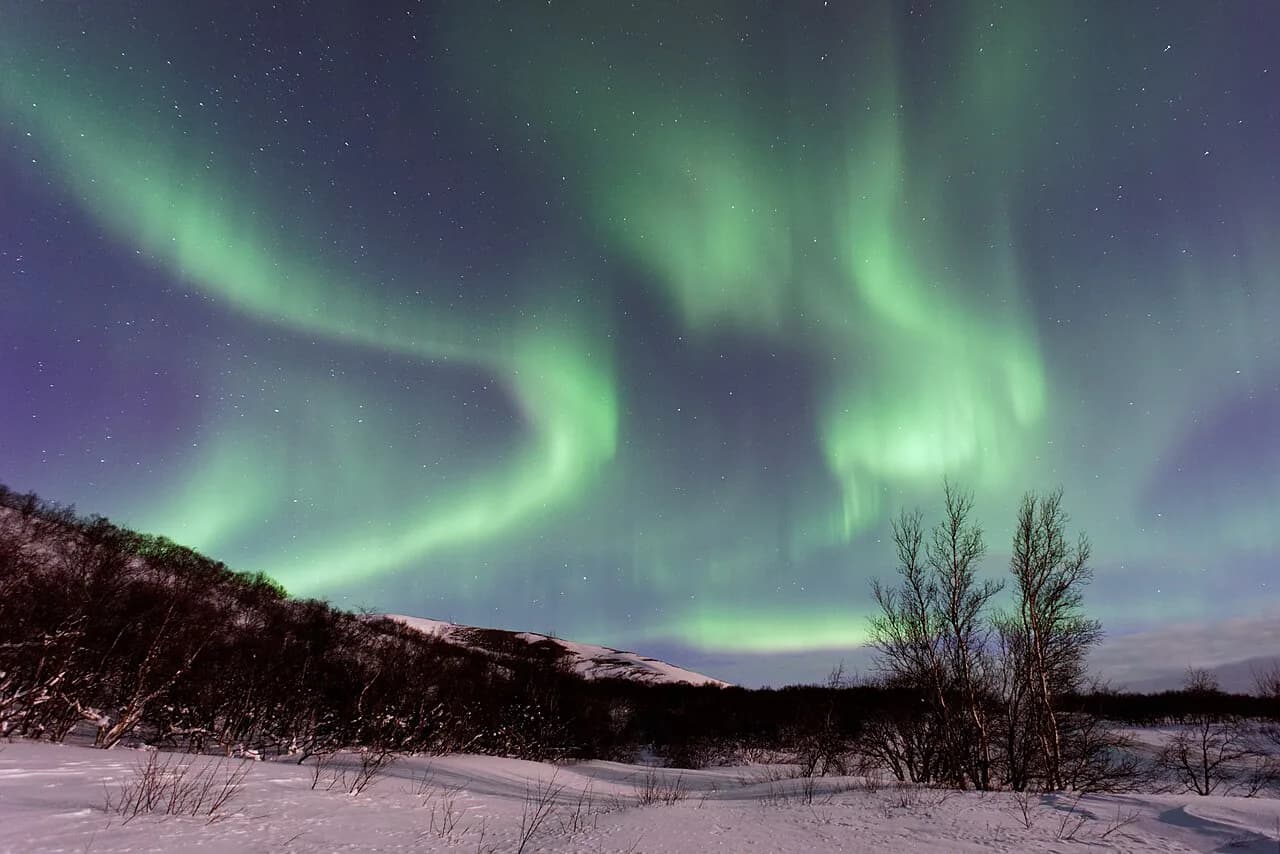
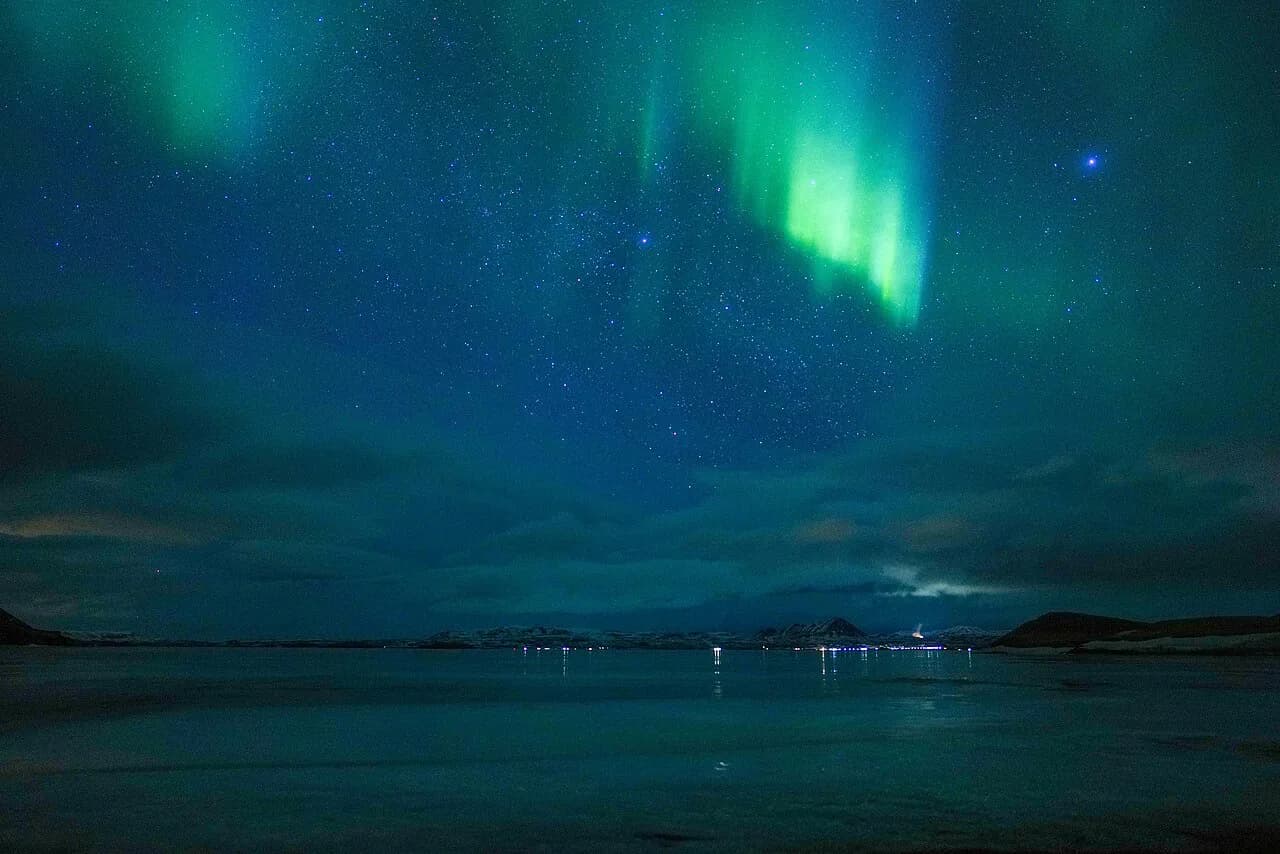
The aurora needs darkness, clear skies and solar activity together, and Iceland's dark window runs from September through April. Within it, the dark hours are longest and most reliable from November to February, when daylight is minimal and night dominates.
A good aurora night is created, not booked. Operators watch cloud and solar forecasts and move groups away from town light pollution, which is why a guided night out performs better than sitting on a hotel balcony in Reykjavík. For the seasonal picture behind that, see the guide to the best time to see the northern lights in Iceland, including spots such as Grótta lighthouse on the city's edge.
Self-driving chasers gain flexibility but must read road and weather conditions nightly; guided northern lights tours remove that burden and often rebook you onto another night if clouds win. Either way, treat any sighting as a bonus rather than a schedule item. If your winter route runs north instead of along the south coast, the Akureyri northern lights guide covers the same decision from a different base.
Darkness alone does not guarantee a show, and short winter days also mean you will likely see the aurora before dinner rather than in the small hours. Balance a night-chasing itinerary with daytime sights you can actually reach before the light goes.
Ice caves and glaciers: winter-only access
Blue ice caves form inside glaciers as temperatures drop and meltwater freezes, creating cathedral-like chambers that shift shape every year. At Jökulsárlón these caves are open in winter, and most locations offer them only from November through March, so this is a winter-only justification on its own.
One exception: the Katla ice cave stays accessible year-round because volcanic ash insulates it, making it the summer option if a cave visit is non-negotiable. Glacier hikes and ice-cave tours require a guide, and winter light means you will usually be on the ice in the middle of a short day.
Highlands, hiking and puffins: the summer-only list
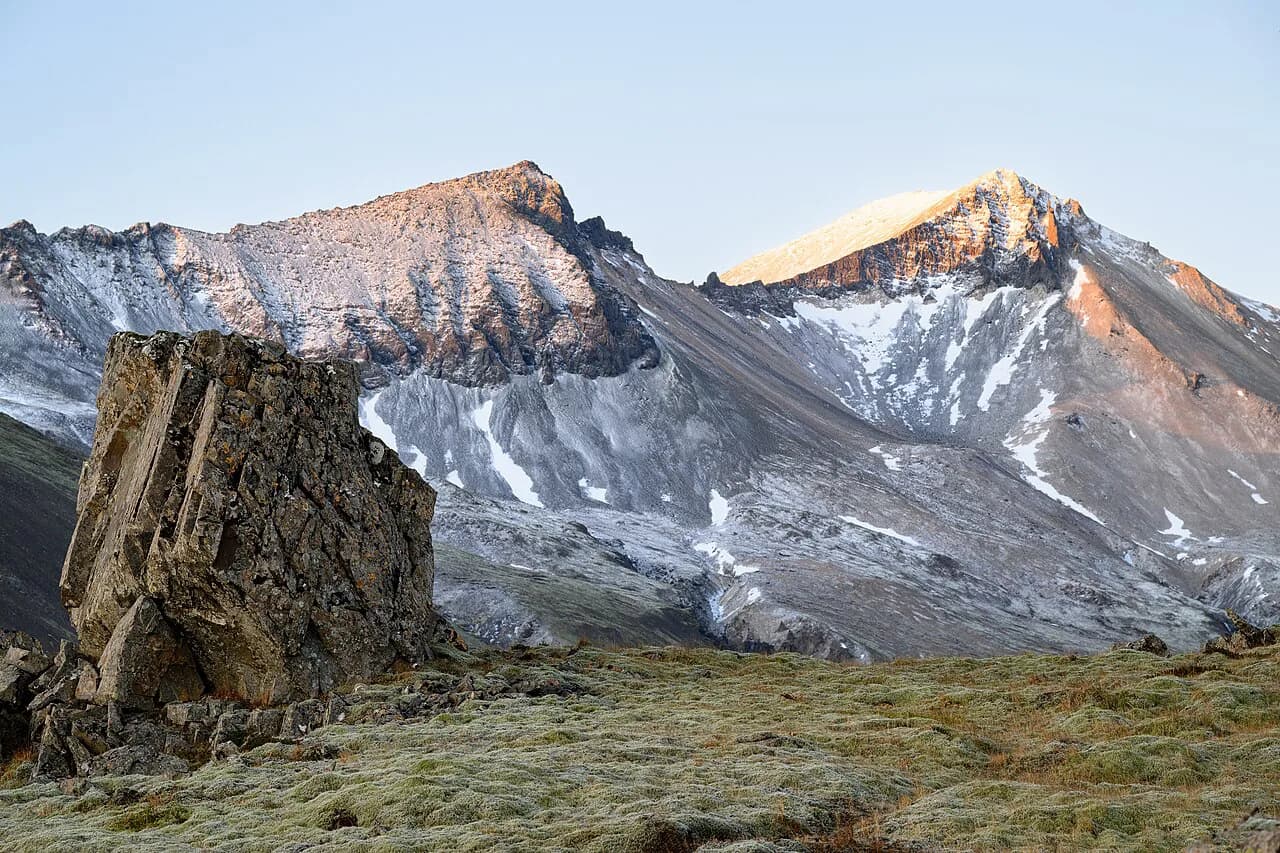
Summer unlocks the interior. The highlands and F-roads open once snow and rivers clear, typically in June or July, giving access to Landmannalaugar's rhyolite mountains, Kerlingarfjöll and Askja, all buried or unreachable in winter. Multi-day treks such as the Laugavegur route between Landmannalaugar and Þórsmörk are summer propositions.
Puffins arrive between mid-April and late August, nesting at cliffs such as the Westman Islands, Látrabjarg and Dyrhólaey. By September they are gone, so if seabirds are a priority, aim your trip between May and early August and accept the crowds that come with that window.
Weather reality: wind and rain versus cold
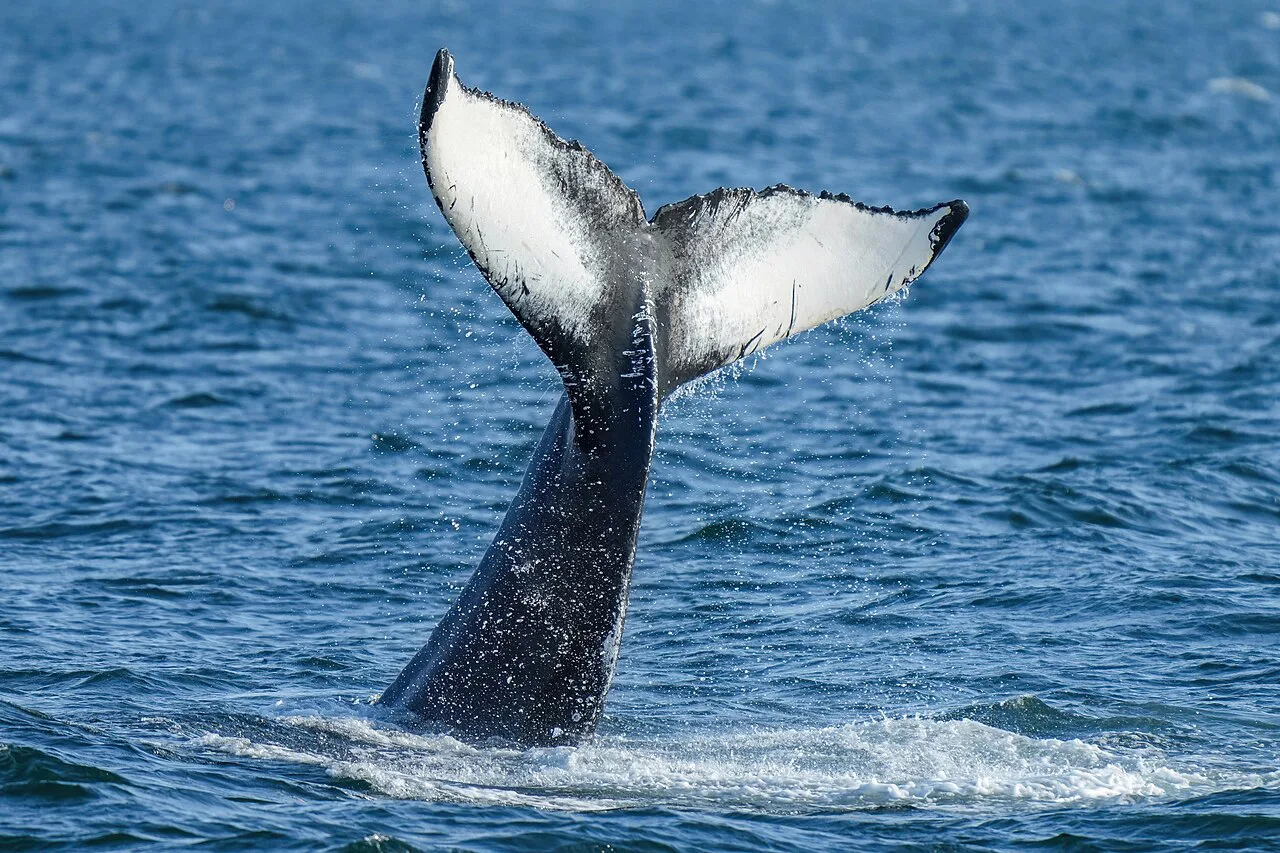
Cold is rarely the problem in Iceland; wind and rain are. Horizontal rain driven by fierce winds can make outdoor sightseeing genuinely uncomfortable, and the fix is waterproof, windproof outer layers rather than heavier insulation. Operators lend thermal suits on some winter tours, so ask when booking rather than buying gear for a single night.
Winter weather is unpredictable, with storms common from November through March, and even summer carries surprises: one June blizzard left hundreds of tourists stuck in the northeast with summer tyres fitted. Build slack into any itinerary and check road and weather reports before each driving day.
Crowds and cost differences between the seasons
Summer is peak season, and prices follow. A summer trip can cost 30–50% more than the same itinerary in October or March, and hotels around Vík, Höfn and the major attractions fill weeks or months ahead. Winter, by contrast, is described as budget-friendly outside the Christmas holidays, with moderate crowds in January and February.
Crowding changes the experience as much as the price. Gullfoss, Geysir and the South Coast feel intimate in winter but require patience between 10am and 6pm in July and August. May offers the lowest visitor numbers of the year, which is part of its appeal despite the weather risk.
Hot springs and lagoons in each season
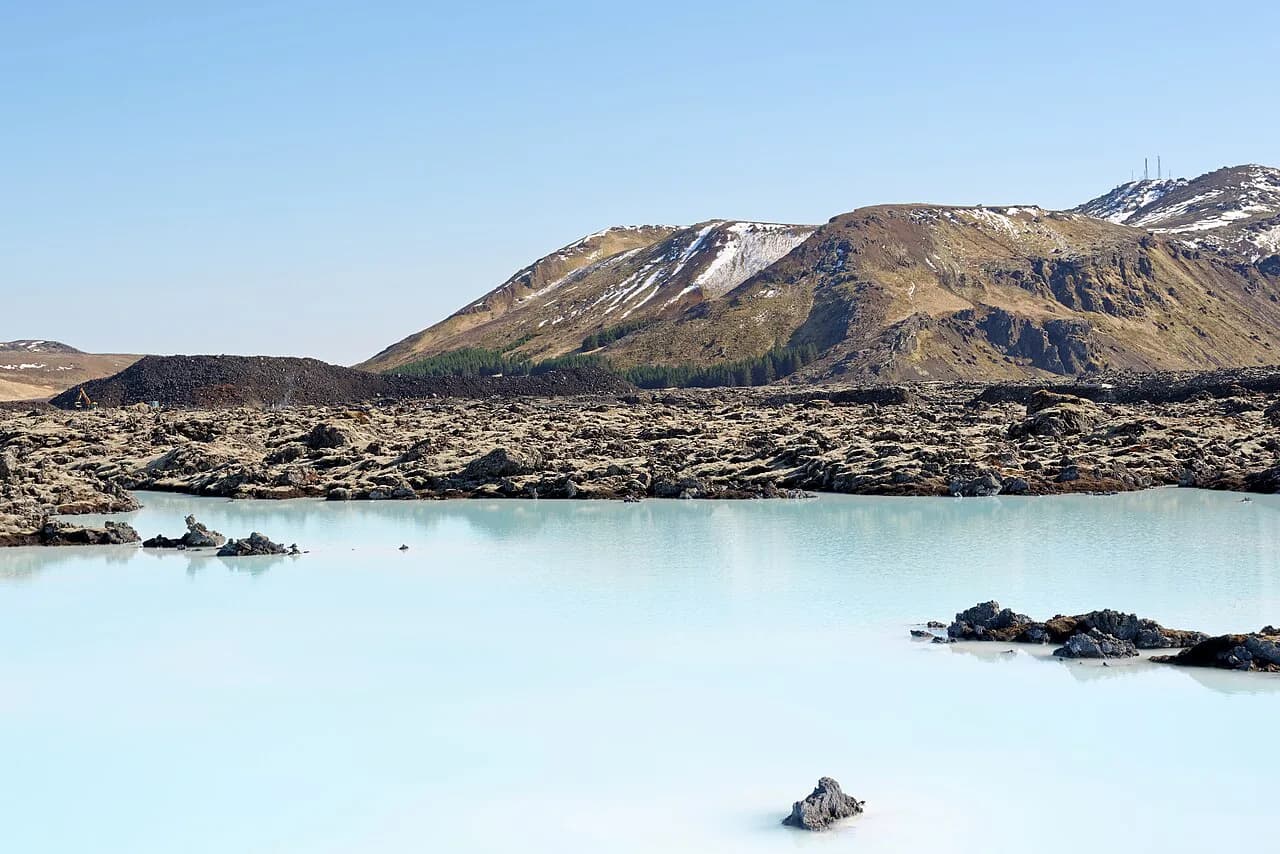
Geothermal water is a year-round draw, but the experience differs. Soaking while snow falls, with steam rising against a dark sky and fewer bathers around, is a winter pleasure that summer cannot replicate. Reykjavík itself stays milder than many visitors expect, with average winter temperatures typically in the 30s Fahrenheit.
Plan lagoon visits around the daylight you have. In December, a mid-afternoon slot gives you sunset colours and early darkness for the aurora later; in June, an evening soak under near-permanent light is the whole point. The Sky Lagoon in Winter pairs an ocean-edge soak with the North Atlantic view, and it works as a first-night or last-night stop.
Inland, the Secret Lagoon in Flúðir suits a Golden Circle day rather than a dedicated detour. Its appeal in winter is the same as everywhere else: warm water, cold air and steam, with fewer people around than in high season.
Self-drive versus guided tours in winter
Winter driving is the dividing line between a flexible trip and a stressful one. Storms, road closures and poor visibility can change plans instantly, and guided tours absorb that logistics while knowing alternative routes when the primary one closes. If you self-drive, road.is and vedur.is become essential daily reading.
Summer is far more forgiving behind the wheel: the highlands open, the days are long and the need to reschedule activities drops sharply. Even then, Iceland offers no guarantees, and the June blizzard example shows why a flexible plan beats a rigid one in any season.
Photography light: golden hours versus flat midday sun
Winter light is the photographer's argument for the cold months. Sunset and sunrise colours stretch for hours rather than minutes, with pink, orange and purple skies, and the low sun casts long shadows that add depth to frozen waterfalls and black sand.
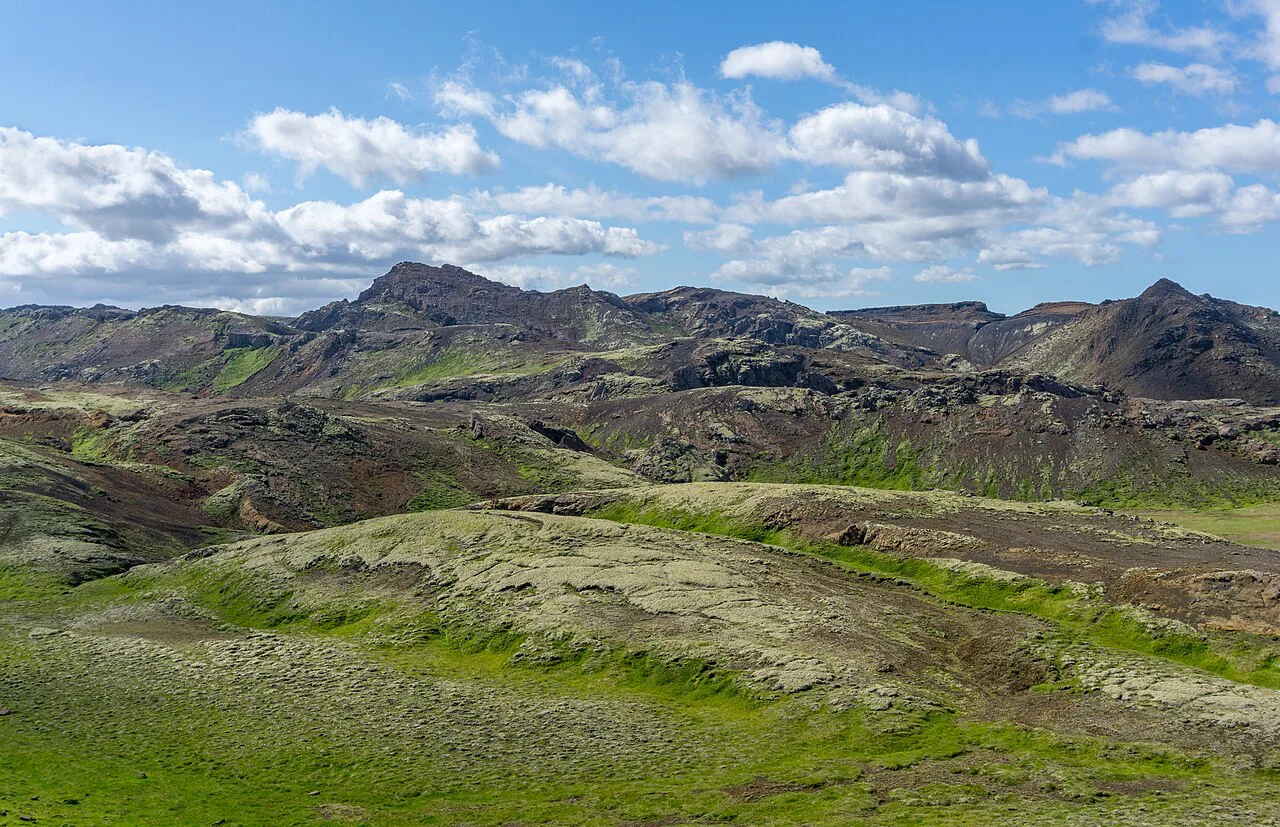
Summer light lacks that drama: the high midday sun flattens landscapes by comparison. The compensation is volume, with twenty-plus hours of usable light letting you shoot Seljalandsfoss or Skógafoss at midnight with almost nobody else around.
September and May: the shoulder-season trade-offs
September is the strongest all-rounder. Weather alerts are rare, the highlands are still reachable, hiking remains enjoyable, crowds have thinned from peak summer and the aurora season has begun, which is why the first half of the month is often recommended as the best compromise.
May is the opposite bet: the fewest visitors of the year, but unpredictable weather and partially inaccessible highlands. If you want solitude and can tolerate a blizzard or a heatwave in the same week, it delivers; if you need specific activities to run, book later in the summer.
Who winter suits and who summer suits
Winter suits travellers who prioritise atmosphere, photography and the aurora over checklist coverage. Ice caves, frozen waterfalls and dark-sky nights are the reward, and the constraint is short daylight, storm risk and the need to stay flexible. Winter is also the cheaper season outside the holidays.
Summer suits hikers, campers and anyone wanting the highlands, puffins and long days. You will pay more and share the popular sites, but you can plan further ahead with more confidence and drive yourself to remote corners without storm anxiety. The Arctic Circle position gives both seasons their extremes of light and dark.
How many nights to allow for a fair chance of clear skies
Aurora chances improve with nights, not with luck on one. Build at least three or four dark nights into a winter trip, ideally with two of them away from Reykjavík light pollution, and treat any clear night in that window as your opportunity. Cloud cover on the coast changes quickly, so a base with road access to different weather zones beats a single fixed spot.
If seeing the aurora is the main reason for the trip, weight your itinerary toward November to February, when dark hours are longest, and accept that daytime sightseeing will be short. Visitors planning around the light rather than the calendar tend to be happier with both seasons.
Choose Your Season
Pick winter if ice caves, aurora nights and dramatic photography justify short days and storm flexibility, and book your guided nights early. Pick summer if the highlands, puffins and self-driven exploration matter more than darkness, and budget for peak-season prices and crowds.
If you can move your dates, the first half of September gets you dark skies, open highlands and thinner crowds at once. Whatever you choose, plan around what the season actually offers rather than fighting its limits.
Frequently Asked Questions
Is Iceland nice in the winter?
Winter turns Iceland into a frozen landscape of snow-capped mountains, ice-covered waterfalls and dark skies, and it is the only season when the blue ice caves at glaciers such as Jökulsárlón are generally on offer. The season also suits photographers, because low sun stretches sunrise and sunset colours across hours rather than minutes. The constraints are short daylight in December and January, storm-prone weather and the need to keep plans flexible.
Is Iceland better in winter or summer?
Neither season wins outright; the right answer depends on your priorities. Winter delivers the aurora window, ice caves and thinner crowds at lower cost outside the holidays, while summer opens the highlands and F-roads, brings puffins to the cliffs and gives you twenty-plus hours of light for hiking and self-driving. Travellers who want atmosphere and photography tend to prefer winter, and those who want long days and interior access tend to prefer summer.
When can you see the northern lights in Iceland?
Dark enough skies for the aurora run from September through April, with the longest and most reliable dark hours between November and February. Clear skies and solar activity have to line up on the same night, so plan several dark nights rather than one and stay somewhere with road access to different weather zones. Operators monitor cloud and solar forecasts and drive groups away from town light pollution, which improves the odds but cannot guarantee a display.
When do Iceland's highlands and F-roads open?
The interior opens once snow and river crossings clear, which typically happens in June or July, so early-June trips can still find Landmannalaugar, Kerlingarfjöll and Askja out of reach. Multi-day hikes such as the Laugavegur route between Landmannalaugar and Þórsmörk are summer propositions for the same reason. Late September marks the other end, when the highlands close down again and ice-cave operators begin their season.
Are Iceland's ice caves open in summer?
Most glacier ice caves are winter features, generally offered from November through March once meltwater freezes into blue chambers. The Katla ice cave is the year-round exception because volcanic ash insulates it, so a summer trip can still include a cave visit if that matters to you. Guided glacier hikes run in both seasons, but winter daylight means you will usually be on the ice in the middle of a short day.
How many nights do you need in Iceland to see the aurora?
Give yourself at least three or four dark nights, ideally with two of them spent away from Reykjavík's light pollution. Cloud cover along the coast shifts quickly, so a base with road access to different weather zones gives you more options than one fixed viewing spot. Weight the trip toward November to February if the aurora is the main reason you are coming, and treat any clear night in that window as the opportunity.
Sources
Notes for your Arctic winter trip
Optional updates to our northern lights guides.
You might also like

Continue reading
More guides you'll find useful