Northern Lights Myths: What Europe's Legends Reveal
Northern lights myths from Sámi, Finnish, Swedish and Icelandic tradition explain the aurora in human terms. Read what each story says and where you hear it.
On this page
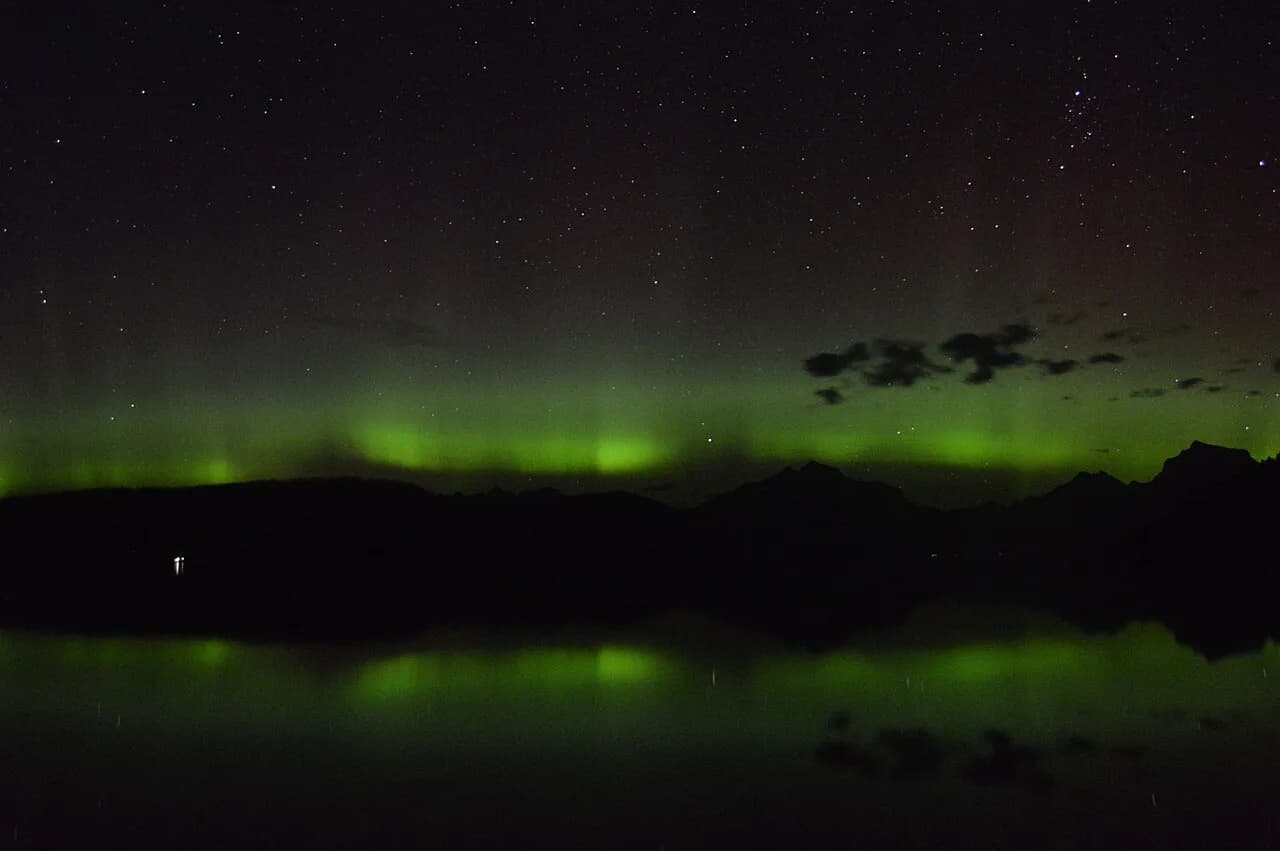
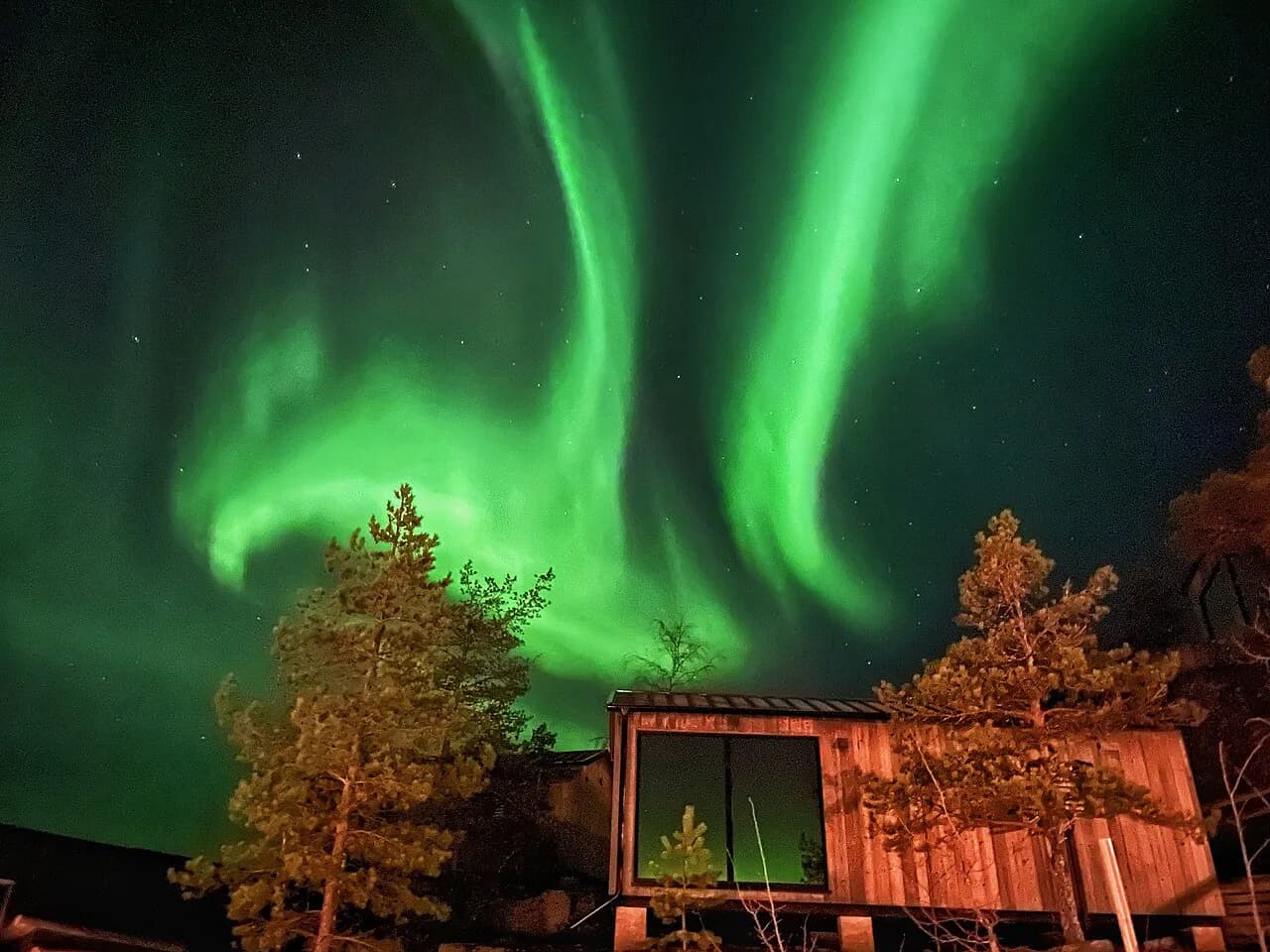
An aurora night in Arctic Europe gives you two shows at once: a green arc that can brighten, split and fade within minutes, and a body of story that northern communities built around exactly that restlessness. Travelers heading to Finnish Lapland, Swedish Lapland or Iceland meet those stories in museums, on tours and in place names long before the first clear night. Knowing which tales belong to which region helps you read what you hear.
The myths share one habit: they explain a light that appears without warning and vanishes just as fast. A moving sky invites a moving explanation, whether that is an animal running across the snow or warriors riding overhead. The stories below are the northern European versions, the ones attached to the landscapes you will actually travel through.
Why aurora myths exist
Auroras shift shape, colour and position through the night, so cultures watching them reached for causes that could move: animals, spirits, gods, reflections. The same unpredictability that makes the lights compelling to a photographer made them a natural subject for explanation and warning. That is why so many traditions tie the aurora to omens, either good or bad, rather than to a fixed object in the sky.
The lights also appear only on dark, clear nights, which in the north means winter. Several legends quietly encode that seasonal rule, tying the aurora to snow, ice or cold-weather animals. When you stand outside in January, the story and the conditions line up in a way a summer visitor never sees.
If you want the physical explanation alongside the folklore, the difference between myth and mechanism is worth knowing. The mechanics of solar wind, magnetosphere and oxygen glow are covered in the guide to what are the northern lights, which pairs well with a folklore stop earlier in the day; do check current prices and dates before booking a chase night with your tour provider.
Sámi beliefs: the dead overhead and the case for staying quiet
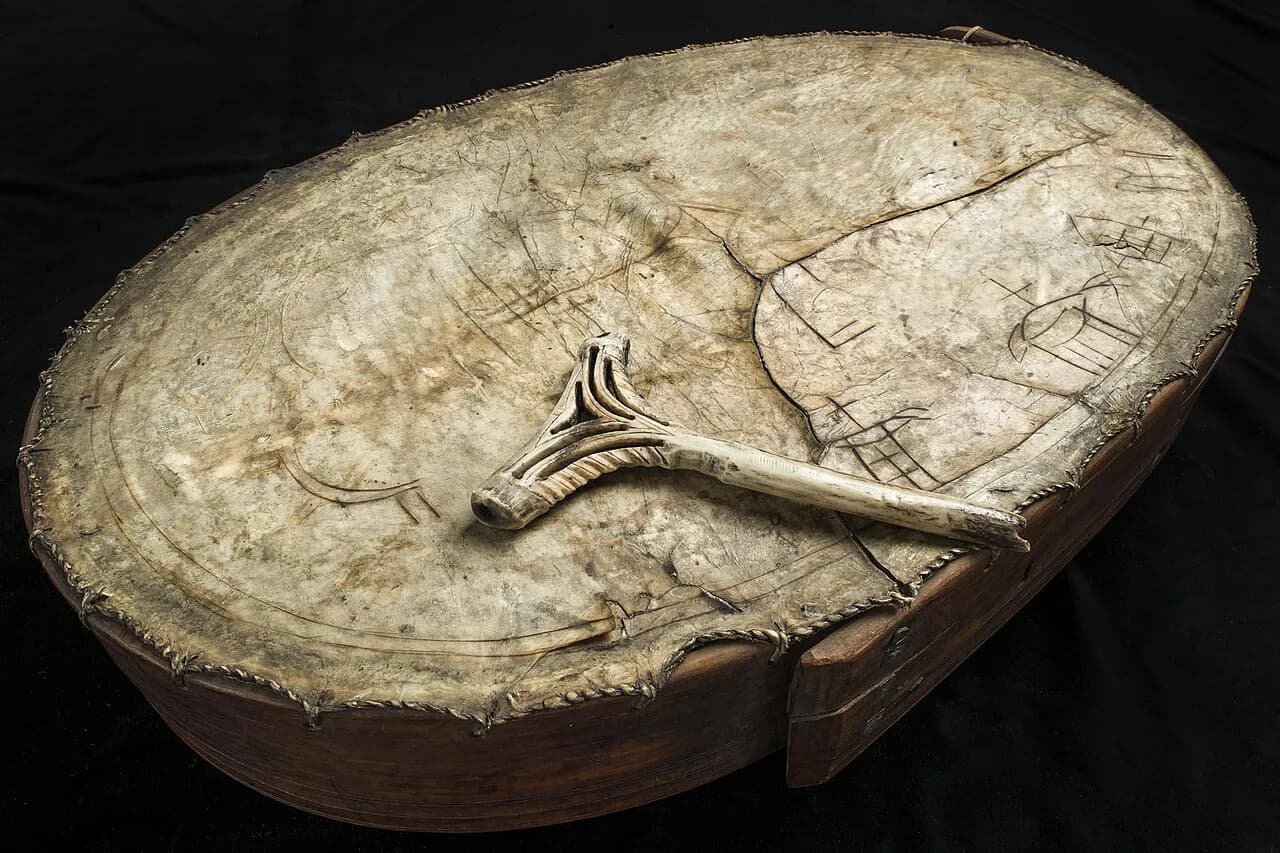
Among the Sámi, the indigenous people of northern Norway, Sweden and Finland, the aurora was widely treated with caution rather than delight. One tradition holds that the lights were the souls of the dead, and that drawing their attention could let them reach down for you. The practical response was to stay indoors or keep still and quiet when the sky lit up.
That caution produced a specific code of behaviour: no singing, dancing or whistling beneath the aurora, because such noise was thought to call the lights closer. Some accounts describe clapping as the way to drive them off if they came too near. Travelers often hear this as a quirky rule, but it reads better as respect for a belief that still shapes how some Sámi families behave.
You will meet Sámi culture most directly in Finnish Lapland, around Inari and the villages north of Rovaniemi, and in Swedish Lapland around Jokkmokk and Kiruna. Museums, craft shops and reindeer herding experiences there present these traditions as living heritage rather than stage props. If a guide asks you to keep quiet under the lights, that request comes from this older reading of the sky. If you are planning a trip around those traditions, this Finnish Lapland northern lights guide covers where and when to go.
Finland's fire fox: revontulet and the tail that throws sparks
The Finnish word for the northern lights, revontulet, translates as fire fox, and the legend behind it describes an Arctic fox running across the fells. Depending on the telling, the lights come from its glowing fur or from sparks thrown up as its tail sweeps the snow. It is one of the few aurora myths that directly explains why the lights belong to winter.
A variant of the tale adds that the fox also brought snowflakes and moonlight, which ties the whole winter landscape to one animal. That detail gives the story a useful shape for travelers: the fox is not just a cause of the lights but of the conditions that make them visible. When you are waiting out a cloudy evening in a cabin, the story has an obvious setting.
Ruka, in eastern Finnish Lapland near Kuusamo, is closely associated with the fire fox in popular storytelling and sits among the low, forested hills the legend describes. Wherever you base yourself in the region, the animal's name turns up in tour names and souvenir shelves, so the story is hard to miss. Use it as a prompt to look at the landscape as a Finn would: low tree line, open bog and long dark nights.
Sweden's herring omen: a good catch in the sky
Swedish coastal communities read the aurora as a sign of fortune, not danger. A common belief held that the lights were reflections off the scales of herring swimming far out at sea, so a bright display suggested a large shoal nearby. For a fisherman, that turned the aurora into a practical omen of a good catch.
The story fits Sweden's northern coast and the Gulf of Bothnia, where herring fishing shaped settlement for centuries. In Swedish Lapland today, the herring itself is less central than the winter sky, but the optimistic reading of the lights survives in how tourism describes them. It is also a reminder that the same phenomenon carried opposite meanings within a few hundred kilometres.
If your interest in the northern sky runs to sleeping under it, the ice hotel tradition on the Torne River gives the Swedish story a physical address. Ice Hotels in Europe explains how the seasonal builds work and how they compare across the Arctic, which helps when you are choosing between a cold room and a warm one.
Iceland's folklore: childbirth, crossed eyes and weather signs
Icelandic tradition holds a cluster of beliefs about the aurora that are unusually domestic. One held that the lights could ease the pain of childbirth, but that a pregnant woman who looked straight at them risked a cross-eyed child. Another read a dancing, waving display as a sign that a storm was coming, giving farmers time to prepare.
A further version treated a dancing aurora as a sign that a war was underway somewhere in the world, which connected a local sky to distant events. These stories are less about gods and more about household decisions: birth, weather, safety. That domestic register is what makes Icelandic folklore feel different from the warrior imagery of Norse myth.
In Iceland you will hear these tales around Reykjavík harbour tours and in rural guesthouses, often on the same night as a forecast briefing. Boat operators such as those running from the old harbour pair the storytelling with a run out into dark water away from city light. It is a comfortable way to combine folklore with a first attempt at seeing the lights.
Norse imagery: Valkyries' armour and the lights before battle
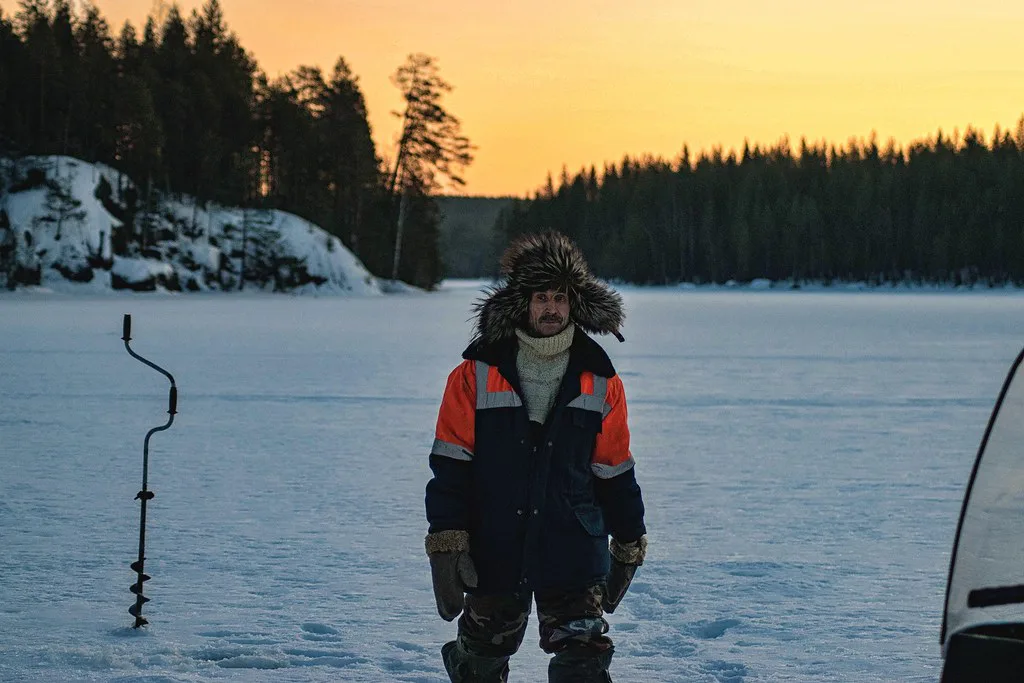
In Norse mythology the aurora was linked to conflict and to the Valkyries, the female figures who chose the slain and carried them to Valhalla. One reading says the lights were reflections from their polished shields and spears as they rode. A warrior who saw the aurora the night before a battle could take it as a sign that the choosing was already underway.
This is the most martial of the northern European aurora stories, and it is the one most often staged in museum displays and Viking-themed attractions. It also differs sharply from the Sámi caution about the same sky, which shows how neighbouring peoples could read identical displays in opposite ways. When a guide tells the Valkyrie version, it is worth remembering that it was not the only local reading.
The same sky read differently from Scotland to China
Outside the Nordic countries, aurora myths cluster where the lights were rare and therefore startling. In Scotland the aurora was called the merry dancers and linked to fighting warriors or fallen angels. In China, where displays are uncommon, the lights were explained as dragons breathing fire at each other in a celestial war.
Rarity shapes the story. A sky that performs once a decade invites cosmic explanation, while a sky that performs most winters becomes part of ordinary life and gets folded into fishing, childbirth and weather lore. That contrast is a useful filter for travelers: the tales you hear in Lapland and Iceland tend to be practical and local, not apocalyptic. It also means you should not expect one unified northern lights myth, because there never was one.
What the science actually is, and where myth ends
The physical cause is charged particles from the sun meeting gases in Earth's upper atmosphere and making them glow. Oxygen at high altitude produces the familiar green and, at greater heights, red; nitrogen contributes blues and purples. The lights follow solar activity and the state of the magnetic field, which is why a forecast can suggest a good night but never guarantee one.
Forecast tools describe geomagnetic disturbance rather than local sky conditions, so a high reading with thick cloud still gives you nothing. The Planetary K-index is a global measure of disturbance and guidance only, not a promise for your particular village. Pair any forecast with a cloud forecast and a plan B before you commit an evening.
Myth ends where the mechanism begins, but the stories retain value as cultural history. Knowing that the fire fox explains winter visibility, or that the Sámi reading demanded quiet, gives you a better ear for what local guides are saying. It also keeps you from treating living beliefs as entertainment.
Reading the myths on the ground in Lapland and Iceland
In Finnish Lapland, the fire fox narrative is the default, and you will find it in Ruka, Rovaniemi and Inari. In Swedish Lapland, the herring and good-fortune reading sits alongside Sámi heritage in the north, particularly around Jokkmokk. In Iceland, the domestic folklore and the harbour tours keep the stories close to Reykjavík.
Darkness is the practical frame for all of it. Aurora season runs roughly from late August or September to early April, when nights are long enough to be genuinely dark; midsummer gives you no chance at all. Within that window, inland forest and fell country usually offers darker skies than a lit town centre, while coastal areas trade some clarity for milder weather.
Comparing the three destinations on dark hours, access and typical cloud is the fastest way to choose a base. The best places to see northern lights in Europe sets out how Finnish Lapland, Swedish Lapland and Iceland differ across the season.
Etiquette and old beliefs today
Whistling at the aurora is the tradition travelers ask about most, and it is also the one most often misunderstood. In the Sámi reading, whistling or singing draws the lights closer, which is exactly what you were told not to do; clapping was the remedy. Treat the rule as a mark of respect when you are with Sámi hosts, and follow their lead rather than performing the joke.
Most guides in the region are relaxed about modern visitors, and many will tell the stories with a smile while making clear which parts are belief and which are entertainment. What matters is not treating a living tradition as a dare. If you are unsure, ask before you whistle.
How many nights to plan if the stories brought you north
A fair chance of clear skies comes from nights, not from luck on a single evening. Three or four nights in one place gives weather systems time to move through, and a flexible operator can shift a chase night when cloud closes in. Adding a second base, such as an inland fell area plus a coast, hedges the cloud risk.
Tours typically run in the evening and return late, so build in a slow morning rather than an early activity the next day. Operators often lend thermal suits and boots for the night, which saves weight in your bag but should be confirmed with the specific company when you book. Do not measure a trip by one forecast; measure it by how many dark, clear windows you have bought.
If you want a room built around the sky rather than a bus, the aurora hotel comparison covers heated glass igloos, cabins and domes and the trade-offs of heat, glare and price. It is the practical counterpart to the folklore: a warm place to wait out the cloud between clear spells.
Plan Your Trip Around the Stories
The northern lights myths of Lapland and Iceland are regional, practical and still spoken: a cautious Sámi sky, a Finnish fire fox, a Swedish herring omen, Icelandic weather signs and Norse warriors overhead. Choose your base by which landscape and which stories you want to travel through, then give yourself several dark nights to meet the sky on its own terms.
Book your chase nights early in the trip so a cloudy evening can be swapped for another, and keep at least one flexible night at the end. No operator can promise a display, but a well-placed base and a patient schedule give you the best odds the Arctic offers.
Frequently Asked Questions
What do the Sámi believe about the northern lights?
One widespread Sámi tradition holds that the lights are the souls of the dead, and that drawing their attention could let them reach down for the living. That belief produced a code of quiet under the aurora, with no singing, dancing or whistling, and clapping used to drive the lights away if they came too close. Some Sámi families still observe elements of this, so follow your host's lead.
Why does Finland call the northern lights revontulet?
Revontulet translates as fire fox. The legend describes an Arctic fox running across the fells, with the lights coming either from its glowing fur or from sparks thrown up as its tail sweeps the snow. A variant adds that the fox also brought snowflakes and moonlight, which explains why the lights belong to winter.
What did Swedish fishermen think the aurora meant?
Swedish coastal tradition read the lights as reflections off the scales of herring swimming far out at sea. A bright display therefore suggested a large shoal and a good catch, making the aurora a favourable omen rather than a warning. It is one of the few northern European readings that is straightforwardly optimistic.
What is the Icelandic legend about pregnant women and the aurora?
Icelandic folklore held that the lights could ease the pain of childbirth, but that a pregnant woman who looked directly at them risked a cross-eyed child. Other Icelandic beliefs treated a dancing aurora as a sign of coming storms or of war elsewhere in the world, tying a local sky to practical household decisions.
Are the northern lights the Valkyries' armour?
In Norse mythology the aurora was linked to the Valkyries, the figures who chose the slain and carried them to Valhalla. One reading says the lights were reflections from their polished shields and spears as they rode, so a warrior who saw a display before battle took it as a sign that the choosing had begun.
What actually causes the northern lights?
Charged particles from the sun meet gases in Earth's upper atmosphere and make them glow. Oxygen at high altitude produces the green, and sometimes red, colours, while nitrogen contributes blues and purples. Solar activity and the magnetic field determine when displays occur, and cloud decides whether you see them.
When is it dark enough to see the aurora in Arctic Europe?
The aurora season runs roughly from late August or September to early April, when nights are long enough to be genuinely dark. Midsummer offers no chance at all, whatever the solar activity. Within the season, inland forest and fell country usually gives darker skies than a lit town centre.
How many nights should I plan for a northern lights trip?
Three or four nights in one place gives weather systems time to move through, and a flexible operator can shift a chase night when cloud closes in. Adding a second base, such as an inland fell area plus a coast, hedges the cloud risk. No operator can promise a display, so buy as many dark nights as your schedule allows.
Sources
Notes for your Arctic winter trip
Optional updates to our northern lights guides.
You might also like
Continue reading
More guides you'll find useful